As a low-carbon public transport operator, MTR is committed to achieving carbon neutrality by 2050 through innovation, energy efficiency and sustainable infrastructure. Guided by its Carbon Reduction Strategy and Roadmap, the Corporation continues to reduce greenhouse gas emissions across its operations, property portfolio and value chain.
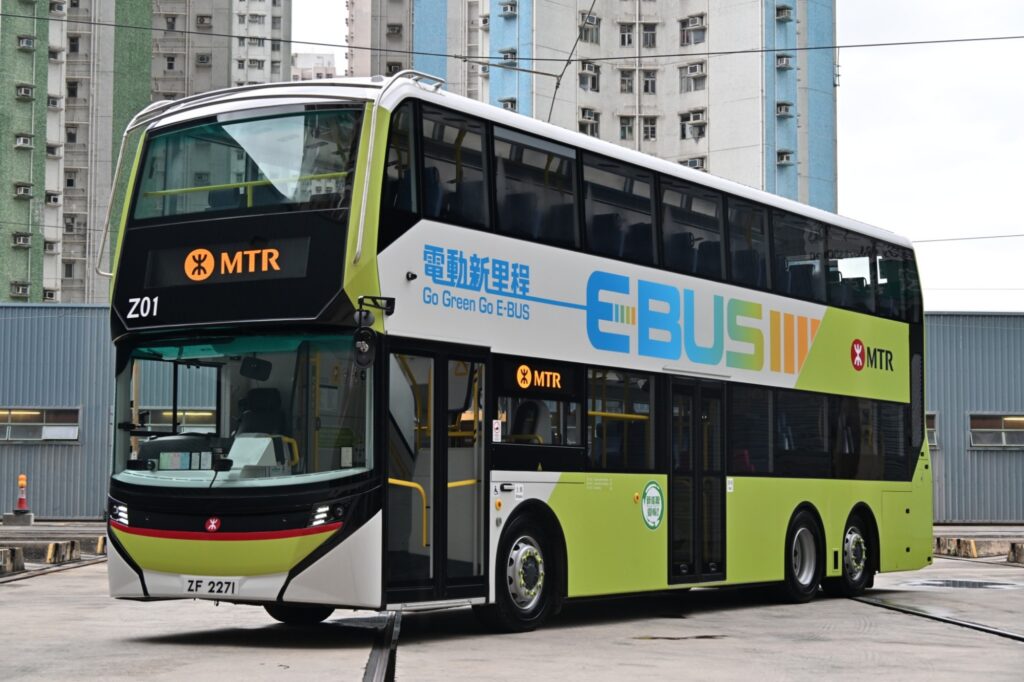
Since 2017, MTR has been replacing chillers with more energy-efficient models. Following the completion of Phase 1 in 2023, which replaced over 150 chillers, Phase 2 will replace more than 30 station chillers by 2026, delivering energy savings of around 20%. MTR is also accelerating road fleet electrification, with 28 e-buses in operation and at least 30 planned by 2026.
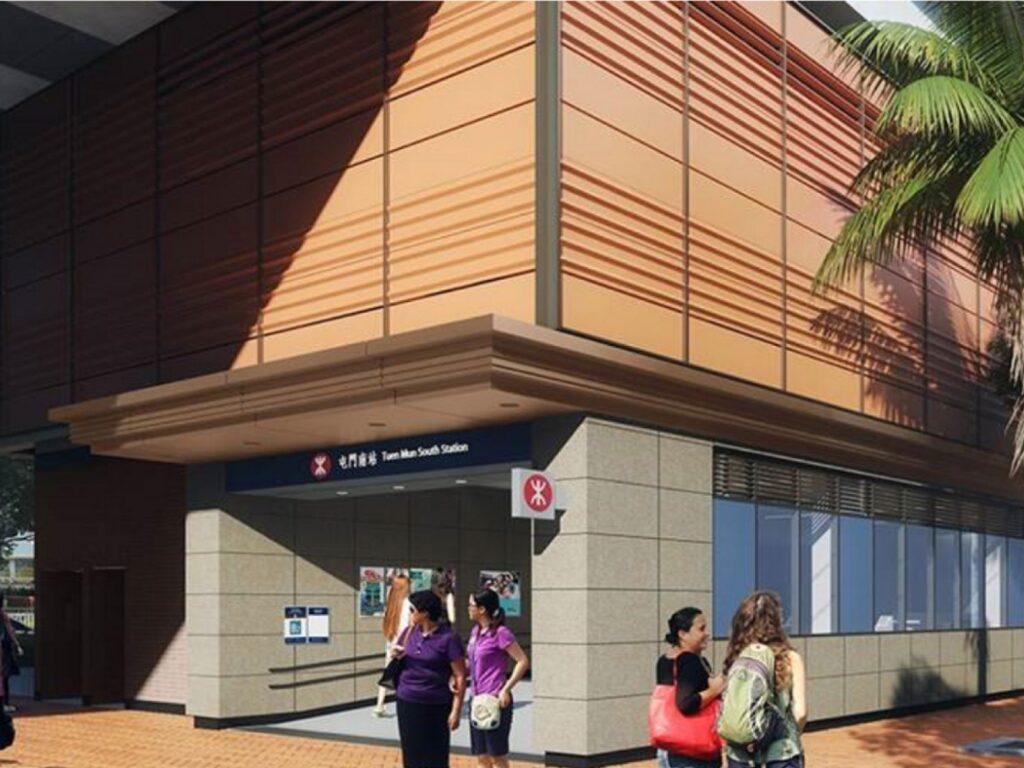
Sustainability is embedded in the design of future railway infrastructure, with a focus on people-oriented design, community integration, resource efficiency and climate resilience. To date, current seven newly designed stations have achieved BEAM Plus New Building Provisional Gold or above certification, the minimum requirement for all new MTR stations and residential projects.
To enhance project delivery and sustainable construction lifecycle management, MTR is implementing initiatives to promote the use of sustainable materials, conserve natural habitats, and optimise resource use through digital technologies, artificial intelligence and Building Information Modelling (BIM). These efforts improve planning, design and construction, driving efficiency, innovation and sustainability in railway infrastructure delivery.
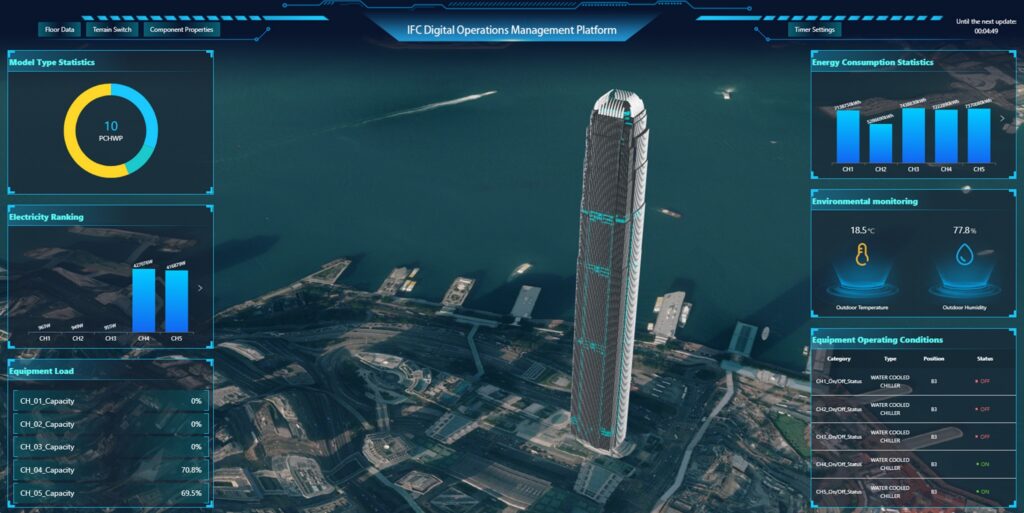
Meanwhile, AutoTwin, an AI-powered digital twin platform deployed at Two International Finance Centre, uses real-time analytics to optimise building energy performance. Following its integration with chiller plant optimisation systems, the project achieved energy savings of more than 12%, equivalent to approximately 1.5 GWh in 2025.