

Energy Theatre
Energy Theatre
Day 1 – Thursday 10 Sept
The Day 1 programme explores Hong Kong’s rapidly evolving energy landscape and the infrastructure upgrades required to support electrification across transport, buildings, and the digital economy. Discussions will examine the city’s future energy mix, grid flexibility needs, and the investments and policy shifts necessary to deliver reliable, low-carbon power. Participants will gain insights into the opportunities and practical challenges involved in modernising energy systems at scale.
In partnership with
Construction Industry Council
The Construction Industry Council (CIC) consists of a chairman and 24 members representing various sectors of the industry. The main functions of CIC are to forge consensus on long-term strategic issues, convey the industry’s needs and aspirations to Government, as well as provide a communication channel for Government to solicit advice on all construction-related matters.
General Enquiry Email Address: e&sdepartment@cic.hk
General Enquiry Phone Number: 2100 9000
Meet our 2026 speakers:
Hong Kong Association of Energy Service Companies
Vision
Supports companies, government, and organizations in Hong Kong and the nearby regions in their energy transition for future sustainable development.
Mission
Serves as an influential platform for international co-operation, thought leadership, and knowledge exchange. Centre on energy efficiency and climate change-related issues; promotes the widespread adoption of renewable energy.
General Enquiry Email Address: peter.ho@enerwaste.green
General Enquiry Phone Number: 91889812
Meet our 2026 speakers:
Hong Kong Sustainable Aviation Fuel Coalition
The Hong Kong Sustainable Aviation Fuel Coalition (“HKSAFC”) is a programme launched by Business Environment Council, that engages stakeholders in developing Hong Kong’s position as a regional and global hub for SAF; and promotes the introduction of SAF industry-related support policies to the HKSAR Government. The HKSAFC works collectively with all relevant stakeholders across the value chain.
Our sustainability goals for 2026:
- Supporting the Government to introduce industry-related policies of SAF
- Striving to accelerate the deployment of credible SAF in Hong Kong
- Contributing to the low-carbon economy transition of Hong Kong and the national goal of carbon neutrality
- Strengthening the position of Hong Kong as a leading aviation hub and sustainable finance centre
- Encouraging airline uptake of SAF across flight portfolios to reduce carbon emissions
- Supporting cutting-edge research and development on SAF production, technology and
certification with regional cooperation - Mainstreaming sustainable finance initiatives to support SAF development
- Establishing a platform for stakeholders to share expertise and best practices to enable
mainstream usage of SAF
Products, Services & Solutions:
- Circular Solutions
- Efficient Energy & Utilities
- Sustainability Products
- Technology & Innovation
- Transport/Mobility
General Enquiry Email Address: pradmin@bec.org.hk
11:00 – 11:05
Speakers
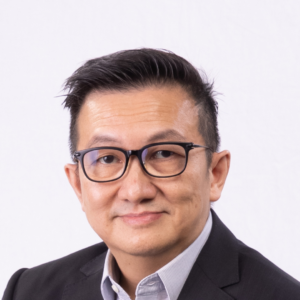
Ar. Clarence Leung
Chairperson, CIC Committee of Environment and Sustainability
Construction Industry Council
Ar. Clarence Leung
Construction Industry Council
Chairperson, CIC Committee of Environment and Sustainability
Ar. Clarence LEUNG has over 30 years of professional experience in real estate development in Hong Kong and Mainland China. He has practiced in architectural consultants and held key project management positions with major developers in Hong Kong. He has managed and delivered a number of large scale residential commercial and mixed-use development projects in Hong Kong and Mainland China.
Ar. Leung graduated from the University of Hong Kong with bachelor’s degrees in Arts and Architecture. He is an Authorized Person, a Registered Architect in Hong Kong and a fellow member of The Hong Kong Institute of Architects (HKIA). Ar. Leung has been appointed by the Development Bureau as a Council Member of the Construction Industry Council (CIC) since 2022 and serves as a director of the Hong Kong Green Building Council. He is Chairperson of the Committee on Environment and Sustainability and Chairperson of the Management Committee on Technically Competent Persons Registration Scheme under CIC. Ar. Leung is also a member of the Appeal Tribunal (Buildings Ordinance). Meanwhile, He has been actively serving the HKIA on professional accreditation.
Speaking at 2026 sessions:
Day 1
Opening Welcome CICClean Energy and Hydrogen for Construction: Practical Pathways to Reduce On-Site Emissions
Supported by
Construction Industry Council
The Construction Industry Council (CIC) consists of a chairman and 24 members representing various sectors of the industry. The main functions of CIC are to forge consensus on long-term strategic issues, convey the industry’s needs and aspirations to Government, as well as provide a communication channel for Government to solicit advice on all construction-related matters.
General Enquiry Email Address: e&sdepartment@cic.hk
General Enquiry Phone Number: 2100 9000
Meet our 2026 speakers:
11:05 – 11:55
The pathway to net zero construction begins on site, where energy use and emissions have the most immediate impact. As the industry explores cleaner and smarter alternatives to traditional diesel power, adopting renewable energy, electrified machinery, and hybrid solutions is becoming increasingly feasible. This session will bring together industry pioneers and innovators to examine how clean energy adoption is evolving from pilot initiatives to practical deployment across project types and scales. The discussion will emphasise the importance of collaboration, data, and innovation in tackling operational emissions while maintaining productivity and safety. By showcasing local and regional experiences, the session aims to inspire actionable strategies for advancing Hong Kong’s journey toward low carbon, energy efficient construction.
Session Learnings:
- Discover emerging clean energy solutions and technologies enabling lower carbon construction site operations.
- Learn practical approaches to integrate renewable power, electrified equipment, and hybrid systems into existing projects.
- Understand key challenges and success factors in managing energy efficiency and emission reduction on site.
- Explore case examples of collaborative initiatives and pilot projects driving cleaner construction practices.
- Gain insights into how digitalisation and behavioural change can accelerate the industry’s transition toward net zero operations.
Post-Event Actions:
- Review organisational energy strategies to align on site operations with corporate net zero and ESG commitments.
- Develop pilot initiatives or implementation roadmaps to integrate clean and hybrid energy solutions into construction projects.
- Establish performance metrics and tracking systems to measure on site energy efficiency and emission reductions.
- Strengthen collaboration with industry partners, suppliers, and technology providers to accelerate low carbon innovation.
- Incorporate clean energy best practices into corporate sustainability frameworks, tender requirements, and workforce training programmes.
Speakers
Moderator
Ar. Clarence Leung
Chairperson, CIC Committee of Environment and Sustainability
Construction Industry Council
Ar. Clarence Leung
Construction Industry Council
Chairperson, CIC Committee of Environment and Sustainability
Ar. Clarence LEUNG has over 30 years of professional experience in real estate development in Hong Kong and Mainland China. He has practiced in architectural consultants and held key project management positions with major developers in Hong Kong. He has managed and delivered a number of large scale residential commercial and mixed-use development projects in Hong Kong and Mainland China.
Ar. Leung graduated from the University of Hong Kong with bachelor’s degrees in Arts and Architecture. He is an Authorized Person, a Registered Architect in Hong Kong and a fellow member of The Hong Kong Institute of Architects (HKIA). Ar. Leung has been appointed by the Development Bureau as a Council Member of the Construction Industry Council (CIC) since 2022 and serves as a director of the Hong Kong Green Building Council. He is Chairperson of the Committee on Environment and Sustainability and Chairperson of the Management Committee on Technically Competent Persons Registration Scheme under CIC. Ar. Leung is also a member of the Appeal Tribunal (Buildings Ordinance). Meanwhile, He has been actively serving the HKIA on professional accreditation.
Speaking at 2026 sessions:
Day 1
Opening Welcome CICClean Energy and Hydrogen for Construction: Practical Pathways to Reduce On-Site Emissions
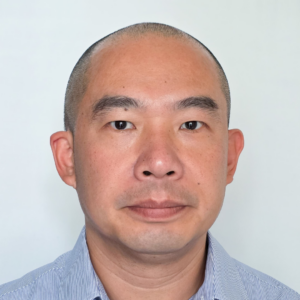
Ir Joe Chan
Senior Electrical & Mechanical Engineer
Electrical and Mechanical Services Department
Ir Joe Chan
Electrical and Mechanical Services Department
Senior Electrical & Mechanical Engineer
Ir CHAN Chung-yan, Joe is the Senior Electrical & Mechanical Engineer of the Electrical and Mechanical Services Department. He is responsible for promoting hydrogen fuel development and regulating hydrogen fuel safety in Hong Kong, including the formulation of technical guidelines and the assessment of hydrogen-related facilities.
Ir CHAN has served the Government for over 30 years, taking up professional roles in engineering services, project management, technology, and regulatory enforcement. In recent years, he has focused on hydrogen safety regulation and the advancement of hydrogen as a low-carbon energy solution for Hong Kong.
Speaking at 2026 sessions:
Day 1
Clean Energy and Hydrogen for Construction: Practical Pathways to Reduce On-Site Emissions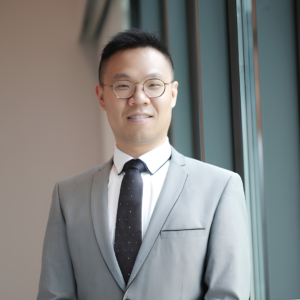
Henry Ho
Head of Sustainability
China State Construction Engineering (Hong Kong) Limited
Henry Ho
China State Construction Engineering (Hong Kong) Limited
Head of Sustainability
Henry Ho is Senior Sustainability Manager and ESG Lead at China State Construction Engineering (Hong Kong) Limited (CSHK), where he leads group-level initiatives in climate action, circular economy innovation and stakeholder engagement.
With more than 15 years of experience spanning biodiversity conservation, public policy and corporate sustainability in asset-intensive industries, Henry brings together technical environmental expertise, business strategy, evolving policy requirements and capital-market expectations.
At CSHK, he leads initiatives in low-carbon construction, clean energy transition, ESG data management and transparent supply-chain practices. His work supports national strategies for a greener and more resilient future for Hong Kong and the Greater Bay Area. He also has extensive expertise in waste management and circularity, having pioneered operational waste-reduction and resource-recovery programmes in the aviation sector.
Henry is a Professional Member of the Hong Kong Institution of Qualified Environmental Professionals (HKIQEP) and holds a range of recognised professional qualifications, including ESGCP®, CEP®, CEMAHK and the CFA Institute Certificate in ESG Investing. He served on several HKSAR Government advisory and statutory bodies, strengthening his understanding of environmental, housing and public-policy matters.
In 2019, Henry was recognised as an Outstanding Green Achiever under Hong Kong Area of Environmental Excellence . Passionate about translating complex ESG challenges into clear governance structures, actionable strategies and meaningful KPIs, he helps organisations move beyond compliance to create long-term shared value across their value chains.
Speaking at 2026 sessions:
Day 1
Clean Energy and Hydrogen for Construction: Practical Pathways to Reduce On-Site Emissions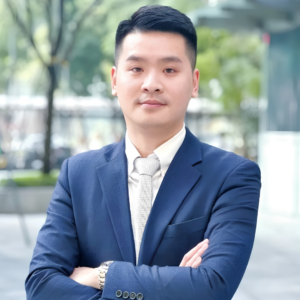
Jason Kok
Director
Chi Shing New Energy Technology Limited
Jason Kok
Chi Shing New Energy Technology Limited
Director
With over 15 years in global and national construction equipment rental and trading, I bring deep expertise in construction power equipment operations, supply chain logistics, and B2B sales. Now, as Director of a New Energy Technology section, I am driving the clean energy transition—turning my industry networks and hands-on equipment knowledge into real-world hydrogen solutions. I bridge traditional infrastructure and green innovation, ensuring our generators are robust, reliable, and market-ready.
My Sustainability Goals for 2026:
My mission is to deliver Green Energy and Zero-Emission Power that performs like diesel, helping industries decarbonize without compromising productivity. Together, we are building a sustainable, energy-secure future for Hong Kong.
Speaking at 2026 sessions:
Day 1
Clean Energy and Hydrogen for Construction: Practical Pathways to Reduce On-Site Emissions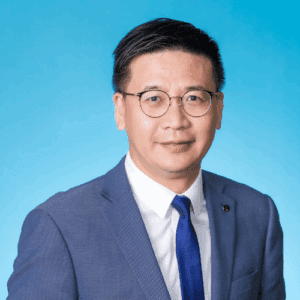
Ir Sammy Kong
General Manager, Commercial & Industrial Marketing & Sales
The Hong Kong and China Gas Company Limited (Towngas)
Ir Sammy Kong
The Hong Kong and China Gas Company Limited (Towngas)
General Manager, Commercial & Industrial Marketing & Sales
Ir Kong is a professional engineer and a member of both the Hong Kong Institution of Engineers (HKIE) and the Institution of Gas Engineers and Managers (IGEM). A 26-year veteran of Hong Kong’s gas and energy sectors, Ir Sammy Kong leads strategic commercial initiatives and market development for Towngas.
Over recent years, he has been a prime mover in advancing local hydrogen energy solutions, pioneering key projects spanning hydrogen sourcing, green transportation, and zero-emission power generation. Representing Towngas, Ir Kong leverages deep industry expertise to deliver actionable, sustainable energy solutions that drive decarbonization across the built environment.
My Sustainability Goals for 2026:
- Local green hydrogen source (Landfill to Hydrogen)
- Different applications of Hydrogen energy
Speaking at 2026 sessions:
Day 1
Clean Energy and Hydrogen for Construction: Practical Pathways to Reduce On-Site EmissionsSupported by
Construction Industry Council
The Construction Industry Council (CIC) consists of a chairman and 24 members representing various sectors of the industry. The main functions of CIC are to forge consensus on long-term strategic issues, convey the industry’s needs and aspirations to Government, as well as provide a communication channel for Government to solicit advice on all construction-related matters.
General Enquiry Email Address: e&sdepartment@cic.hk
General Enquiry Phone Number: 2100 9000
Meet our 2026 speakers:
11:55 – 12:45
As organisations accelerate decarbonisation strategies, carbon capture and energy storage are emerging as critical enablers in the transition to net-zero. From hard-to-abate sectors to grid stability challenges, these technologies offer scalable pathways to reduce emissions while maintaining operational resilience.
This panel brings together industry leaders, technology providers, and policy experts to explore the latest developments in carbon capture, utilisation and storage (CCUS), alongside advances in energy storage solutions. Discussion will focus on real-world applications, investment and infrastructure requirements, and the role these technologies play within Hong Kong and the wider Asia-Pacific region’s net-zero roadmap. Attendees will gain insights into the opportunities, limitations, and collaborative actions needed to accelerate deployment at scale.
Speakers
Moderator
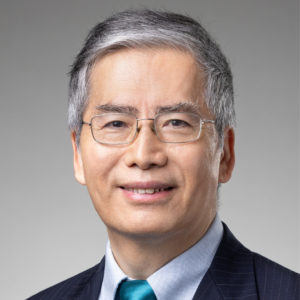
Prof. Chunshan Song
Dean of Science, Wei Lun Professor of Chemistry
The Chinese University of Hong Kong
Prof. Chunshan Song
The Chinese University of Hong Kong
Dean of Science, Wei Lun Professor of Chemistry
Chunshan SONG is the Dean of the Faculty of Science and Wei Lun Professor of Chemistry at the Chinese University of Hong Kong and Distinguished Professor Emeritus at the Pennsylvania State University in the US where he was Director of Energy Institute, Distinguished Professor of Fuel Science and Chemical Engineering, and the founding Director of the University Coalition for Fossil Energy Research consisting of 15 US universities funded by the US Department of Energy. He received PhD and MS in Applied Chemistry under the supervision of Prof. Masakatsu Nomura at Osaka University, Japan, and BS in Chemical Engineering from Dalian University of Technology, China. He began CO2 research in the 1990s, and is widely recognized as one of the world leaders in CO2 capture and utilization research. His work focuses on the catalysis and chemistry of energy and fuels including CO2 capture, catalytic/plasma-catalytic CO2 conversion to chemicals and fuels; adsorptive desulfurization and catalytic processing of fuels; shape-selective catalysis; synthesis and application of nano-porous materials. He has 560 refereed journal articles, 9 patents, 15 edited books, and 35 book chapters (with 60,000 citations and H-index of 118 in Google Scholar, Jul 2026). He has received George A. Olah Award in Hydrocarbon or Petroleum Chemistry and Henry H. Storch Award in Energy Chemistry from American Chemical Society (ACS), Fulbright Distinguished Scholar from US-UK; ACS Fellow; ACS Energy & Fuels Distinguished Researcher Award; Outstanding Achievement Award from the Chinese American Chemical Society; Chang Jiang Scholar Award from Ministry of Education of China; Fellow of RSC; and Distinguished Fellow of International Association for Carbon Capture. Within Penn State, he was recognized by the Faculty Scholar Medal, Distinguished Professor, Faculty Mentoring Award, and Matthew and Anne Wilson Award for Excellence in Research. Most recently he received the Michele Aresta Prize in CO2 Utilization Research at ICCDU in Lisbon, Portugal in 2025, and the 2025 Pioneer in Energy Research (PIER) by the ACS journal “Energy and Fuels” in the field of carbon capture, utilization and storage (CCUS). He was elected as 2025 Fellow of Hong Kong Academy of Engineering (HKAE).
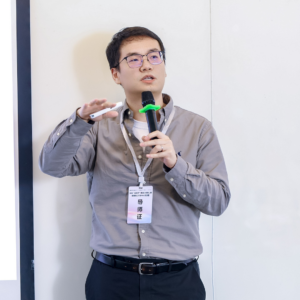
Dr. Leo Liao
Co-Founder & VP
DeCarbon Technology (Shenzhen) Co., Ltd
Dr. Leo Liao
DeCarbon Technology (Shenzhen) Co., Ltd
Co-Founder & VP
Dr. Xiao “Leo” LIAO is Co-founder and VP of DeCarbon Tech (Shenzhen) Co., Ltd. and an internationally certified Registered Technology Transfer Professional (RTTP). He previously served as Deputy General Manager of China Resources Intellectual Property Management Co., Ltd. and Deputy Director of the Technology Transfer Center at the Southern University of Science and Technology.
Dr. LIAO obtained his PhD from The Hong Kong Polytechnic University and has more than ten years of study and professional experience in Hong Kong. He has extensive experience in technology commercialization, technology start-up incubation and the industrial application of advanced technologies, having supported the commercialization of nearly 40 frontier technology projects.
As an inventor, he has been granted 15 Chinese invention patents and seven US patents. His honours include a Gold Medal with the Congratulations of the Jury at the International Exhibition of Inventions Geneva and the Hong Kong Awards for Industries: Equipment and Machinery Design Award. He also serves on the ATTP Global Technology Transfer Standards Committee and the AUTM East Asia Strategy Committee.
My Sustainability Goals for 2026:
- Develop Hong Kong into a regional hub for high-integrity carbon markets and carbon removal;
- Accelerate the deployment of trial sites in Hong Kong, or partner with HK companies.
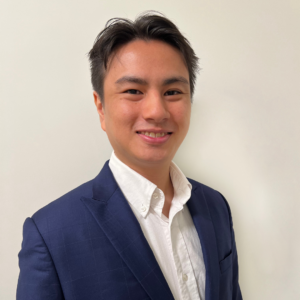
Howard Pang
Principal Manager – Strategic Planning and Innovation
CLP Power Hong Kong Limited
Howard Pang
CLP Power Hong Kong Limited
Principal Manager – Strategic Planning and Innovation
Howard Pang is Principal Manager, Strategic Planning and Innovation at CLP Power Hong Kong. A chartered professional with an MBA from Warwick Business School, he brings over 15 years of experience in decarbonisation strategy and renewable energy development across Asia-Pacific. His expertise spans a range of energy transition technologies, including energy storage, carbon capture and utilisation, hydrogen and distributed energy resources. At CLP, he leads strategy and planning initiatives that support Hong Kong’s net-zero goal while balancing decarbonisation with reliability, affordability, and customer value.
My Sustainability Goals for 2026:
- Integrate zero carbon energy and demand side flexibility into the network.
- Maintaining reliability and make the net-zero transition affordable for customers.
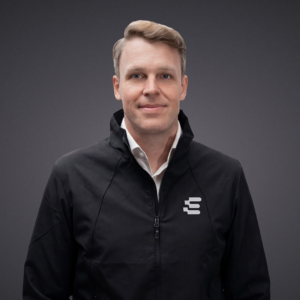
Henning Rath
Chief Executive Officer
EnerVenue

Henning Rath
EnerVenue
Chief Executive Officer
Henning Rath is Chief Executive Officer of EnerVenue Holdings Ltd, the energy storage company behind the Aqueous Metal Cell (AMC): a water-based metal battery platform for long-duration storage, built on nickel-hydrogen chemistry. He was appointed CEO on 31 March 2026 alongside a $300M Series B extension led by Full Vision Capital. Henning leads EnerVenue’s published economic thesis that long-duration storage is governed by throughput-over-life and the elimination of augmentation cycles, not by discharge length, a framing carried in his three March 2026 Insights articles. German national; Young Global Leader, World Economic Forum Class of 2026. Continues as a Board Member at Enpal.
My Sustainability Goals in 2026:
- Make replacement the exception, not the plan
- Put storage where the energy is used
- Build the recycling factor back into energy storage
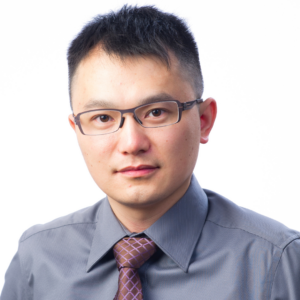
Prof. Jin Shang
Professor
School of Energy and Environment – City University of Hong Kong
Prof. Jin Shang
School of Energy and Environment – City University of Hong Kong
Professor
Prof. Jin Shang is a Professor in the School of Energy and Environment at City University of Hong Kong, where he leads the Adsorption Separation Laboratory. He earned his PhD in Chemical Engineering from the University of Melbourne and subsequently undertook postdoctoral research at the Cooperative Research Centre for Greenhouse Gas Technologies (CO2CRC), the University of Melbourne, and the Georgia Institute of Technology. His research advances adsorption-based gas separation for carbon capture and removal, natural gas purification, air separation, and toxic gas abatement. He discovered the molecular trapdoor mechanism, now recognized as the fourth major adsorption-based separation mechanism, which enables non-size-based molecular sieving. His honors include the 2024 Carbon Capture Award for Excellent Research and the 2022 ISTP-Bogen Young Scientist Award. He has published more than 150 papers, received over 9,900 citations, achieved an h-index of 57, and has been listed among Stanford’s top 2% most-cited scientists.
My Sustainability Goals for 2026:
1. Accelerate real-world deployment of carbon-management technologies.
I hope Hong Kong will establish more large-scale demonstration projects that move carbon capture, utilisation and removal technologies beyond the laboratory, particularly in buildings, data centres, transport infrastructure and other hard-to-abate sectors.
2. Promote integrated, energy-efficient net-zero solutions.
Hong Kong should better connect carbon capture with renewable energy, energy storage, waste-heat recovery and advanced cooling systems, enabling emissions reduction without imposing excessive energy or economic costs.
3. Strengthen Hong Kong’s climate-technology ecosystem.
I hope to see closer collaboration among universities, government, industry and investors, supported by shared pilot facilities, innovation-friendly procurement and funding mechanisms that help locally developed technologies progress from research to commercial implementation.
With thanks to
DeCarbon Technology (Shenzhen) Co., Ltd
Booth H34
DeCarbon Tech is a carbon removal technology company dedicated to global net-zero goals. We provide full-loop solutions from direct air capture and mineralization storage to high-integrity international carbon asset development, helping industrial parks, energy companies, manufacturers and carbon market participants deploy verifiable carbon removal capacity and generate trusted climate value at scale.
Solutions Showcase:
- Carbon Management/Carbon Offset
- Engineering & Infrastructure
- New Materials/Chemicals
- Sustainability Services
- Technology & Innovation
Legal Name: DeCarbon Technology (Shenzhen) Co., Ltd
General Enquiry Email Address:contact@de-carbon.com.cn
General Enquiry Phone Number: 4006603223
Meet our 2026 speakers:
The Hong Kong and China Gas Company Limited (Towngas)
Booth J35
Founded in 1862, The Hong Kong and China Gas Company Limited (Towngas) is Hong Kong’s first public utility. With over 160 years of heritage, Towngas has evolved into a leading clean and smart energy provider.
Aligned with the national “dual carbon” goals,Towngas is accelerating green energy for land, sea, and air transport through hydrogen, green methanol, and Sustainable Aviation Fuel, for a sustainable future.
Our sustainability goals in 2026:
Towngas championed green energy transition across sea, land and air transport:
- Green methanol for sea transport: Through technological upgrades, the Inner Mongolia plant has increased its production capacity, and the additional production lines in Foshan are expected to commence operations in 2028.
- Sustainable Aviation Fuel (SAF) for air transport: New SAF plant in Malaysia commenced operations, doubling annual production capacity of renewable fuels.
- Hydrogen for land transport: Towngas has initiated Hong Kong’s first green hydrogen project at SENTX, which will target to launch this year.
- We are advancing multiple hydrogen innovation pilot projects, including support initiatives for the 15th National Games, Hong Kong Science and Technology Parks Corporation, a Sai Kung recreational facility, to deliver efficient and low-carbon solutions across the city.
- Carbon reduction: Total Scope 1 and Scope 2 greenhouse gas (GHG) emissions decreased by 20% from 2020 baseline (Target in 2025: Achieved).
Solutions Showcase:
- Corporate Office/HQ
- Efficient Energy & Utilities
- Green Finance & Investments
- Renewable Energy
- Waste Reduction & Recycling Management
Legal Name: The Hong Kong & China Gas Company Limited
General Enquiry Email Address: esg@towngas.com
General Enquiry Phone Number: 28806988
General Business Address: 363 Java Road, North Point, Hong Kong
Meet our 2026 speakers:
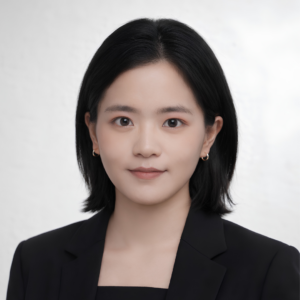
Chester Lee
Deputy Chief Operating Officer – Commercial, Green Fuels and Chemicals
The Hong Kong and China Gas Company Limited (Towngas)
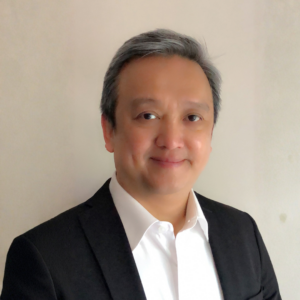
Ir Trevor Tang
General Manager – Corporate Supplies and Administration
The Hong Kong and China Gas Company Limited (Towngas)
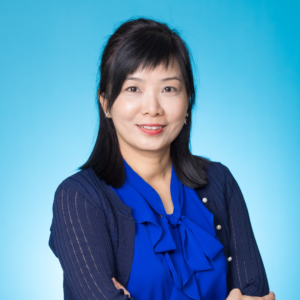
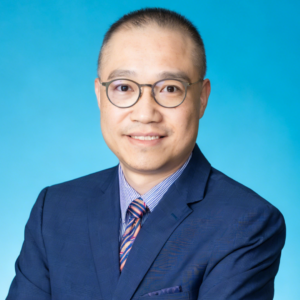
Ir Queenie Chan
General Manager – Business Transformation and Enquiry
The Hong Kong and China Gas Company Limited (Towngas)
Ir Sammy Kong
General Manager, Commercial & Industrial Marketing & Sales
The Hong Kong and China Gas Company Limited (Towngas)
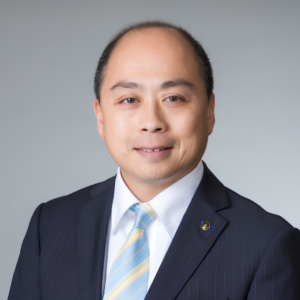
Ir Don Cheng
Chief Operating Officer – Hong Kong Business
The Hong Kong and China Gas Company Limited (Towngas)

Bien Wong
Assistant General Manager – Group ESG cum Executive – Group Knowledge Management Office
The Hong Kong and China Gas Company Limited (Towngas)
12:45 – 13:35
As jurisdictions around the world move from planning to implementing Sustainable Aviation Fuel (SAF) policies, a wide range of demand side mechanisms are emerging — from passenger levies and fuel mandates to voluntary corporate procurement and hybrid models. While these approaches are often cited as “best practice”, early experiences show that design choices matter greatly in determining cost impacts, competitiveness, and real emissions outcomes.
This panel brings together aviation, fuel, corporate and policy perspectives to reflect on what different jurisdictions have learned so far from SAF demand mechanisms, including unintended consequences and trade offs. The discussion will focus on which approaches may be suitable — or unsuitable — for Hong Kong’s role as an international aviation hub, and how Hong Kong can design SAF demand signals that are credible, competitive and investment ready.
Session Learnings:
- How different SAF demand mechanisms (levies, mandates, voluntary and hybrid models) are being implemented across key jurisdictions
- What early lessons and unintended consequences are emerging from these approaches
- How SAF demand design affects airline costs, hub competitiveness and passenger affordability
- The role of corporate demand and voluntary mechanisms in complementing government policy
- Key considerations when translating global SAF policy experiences to Hong Kong’s context
- The role of corporate-led SAF demand and book-and-claim models
- How voluntary initiatives can help de-risk early SAF markets
- The interplay between policy frameworks and corporate procurement in accelerating SAF adoption
Post-Event Actions:
- Re evaluate whether overseas SAF policy models are directly transferable to Hong Kong
- Identify demand side SAF approaches that align with their organisation’s role in the aviation value chain
- Engage more critically with industry discussions on SAF policy design
- Explore how corporate SAF demand or partnerships could complement emerging policies
- Incorporate competitiveness and cost impact considerations into SAF strategy
Speakers
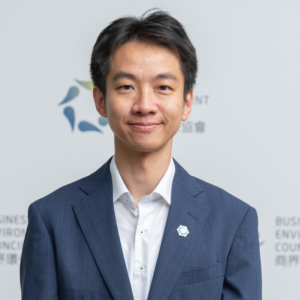
Moderator
Merlin Lao
Head – Policy and Research
Business Environment Council
Merlin Lao
Business Environment Council
Head – Policy and Research
Mr. Merlin Lao is the Head – Policy & Research at Building Environment Council Limited (BEC). He is leading a team to share clear policy positions on pressing climate and environmental topics in Hong Kong, through research on latest domestic and international trends, engaging with the Hong Kong SAR Government and connecting insights of the local business sector. He is keen on net-zero transition that not only looks at decarbonisation, but also a more equal and liveable built environment.
Mr. Lao is a programme management professional with 15 years of climate change and environment career experience across private, public and non-profit sectors in East Asia, with major exposure in Mainland China, Hong Kong, Macao and South Korea. Prior to joining BEC, he was the senior programme manager at an international non-governmental organisation driving sustainable cities agenda in China, Japan, Mongolia and South Korea, covering topics of air quality, low-emission development, urban resilience, circular economy and nature-based solutions. He also led the environmental protection planning at the Macao Environmental Protection Bureau and worked in a technical consultancy dedicated in carbon accounting and management in his earlier career.
My Sustainability Goal for 2026:
Hoping to see deeper work for various business sectors to look into decarbonisation roadmaps, in connection with abatement curves, economic transition and opportunities.

Grace Cheung
General Manager Sustainability
Cathay
Grace Cheung
Cathay
General Manager Sustainability
Grace Cheung is General Manager Sustainability at Cathay Pacific. Leading the Group Sustainability Department, Grace oversees sustainability strategy and ESG performance of the whole Cathay Group. Under Grace’s leadership, sustainability has changed from a standalone specialist function to an integrated strategic and operational imperative in the airline group.
During Grace’s tenure, Cathay Pacific has committed for its net zero carbon emissions goal by 2050, supported by its mid-term target for using 10% sustainable aviation fuel and 12% carbon intensity improvement by 2030. The airline has also launched the first major Corporate Sustainable Aviation Fuel Programme in Asia in 2022.
Grace has also led Cathay’s effort in circular economy, reducing its environmental footprint on materials and waste. The airline has reduced its customer-facing single-use plastic items from an average of 7.7 pieces per passenger in 2019 down to 3.1 in 2023. A new target is set to bring it down further to 1.5 pieces per passenger by 2025, supported by additional targets on recycled plastics usage and recycling rate.
Grace represents Cathay in a number of industry working groups advocating for supportive policies and best practices sharing for further development of sustainability in the airline industry. Grace is the Chair of the Environment & Sustainability Board at the Oneworld alliance and the Vice Chair of the Sustainability & Environment Advisory Council at the International Air Transport Association (IATA).
Speaking at 2026 sessions:
Day 1
Designing SAF Demand: What Global Policies and Experiments Teach Hong Kong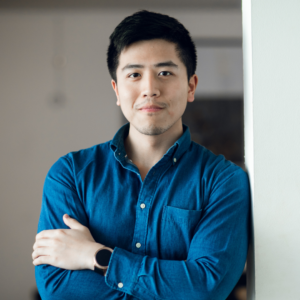
Shutong Liu
Director of Partnership
Asia SAF Association ASAFA
Shutong Liu
Asia SAF Association ASAFA
Director of Partnership
Shutong is the Director of partnership of ASAFA Asia SAF Association. Asia SAF Association (ASAFA) is Asia’s first independent non-profit dedicated to advancing the adoption and integration of sustainable aviation fuel (SAF) across Asia. We are dedicated to accelerating aviation decarbonization in Asia by promoting SAF adoption, advancing robust policies and market integration, ensuring a diverse SAF supply chain, enhancing technical expertise through collaboration, and mobilizing investments for infrastructure and innovation to drive economic growth and sustainability in aviation.
Shutong is also the founder and CEO of MotionECO, a company promoting sustainable fuel industry in China, and providing industry strategic consultancy, brokerage, and advisory on EU-RED, CORSIA, ISCC/RSB certification services etc. MotionECO covers sustainable fuels applicable to all transportation sectors, including SAF, biodiesel, , green methanol/ethanol as well as developing E-fuels project.
Speaking at 2026 sessions:
Day 1
Designing SAF Demand: What Global Policies and Experiments Teach Hong Kong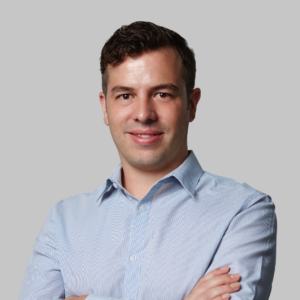
Huw Slater
Climate & Energy Specialist
ClientEarth

Huw Slater
ClientEarth
Climate & Energy Specialist
Based in China since 2011, Huw is a Climate and Energy Specialist at ClientEarth. His areas of expertise include carbon markets, low-carbon development and China’s energy transition. He has published a range of widely read papers and reports dealing with carbon market design and implementation. He recently served as a member of the Continuous Improvement Work Programme on Transition Credits for the Integrity Council for the Voluntary Carbon Market, focussed on establishing standards for high integrity carbon credits. He has previously worked on EU-funded projects supporting bilateral engagement and cooperation with China on emissions trading, and on environment and green economy. He was also responsible for establishing the grant facility under the UK Prosperity Fund China Energy and Low Carbon Economy Programme. Huw served as Chair of the European Chamber of Commerce in China’s Carbon Market Working Group in 2021-22, and is the lead author of the annual China Carbon Pricing Survey reports, the most in-depth and extensive summaries of stakeholder views on China’s carbon market development.
Speaking at 2026 sessions:
Day 1
Designing SAF Demand: What Global Policies and Experiments Teach Hong KongSupported by
Hong Kong Sustainable Aviation Fuel Coalition
The Hong Kong Sustainable Aviation Fuel Coalition (“HKSAFC”) is a programme launched by Business Environment Council, that engages stakeholders in developing Hong Kong’s position as a regional and global hub for SAF; and promotes the introduction of SAF industry-related support policies to the HKSAR Government. The HKSAFC works collectively with all relevant stakeholders across the value chain.
Our sustainability goals for 2026:
- Supporting the Government to introduce industry-related policies of SAF
- Striving to accelerate the deployment of credible SAF in Hong Kong
- Contributing to the low-carbon economy transition of Hong Kong and the national goal of carbon neutrality
- Strengthening the position of Hong Kong as a leading aviation hub and sustainable finance centre
- Encouraging airline uptake of SAF across flight portfolios to reduce carbon emissions
- Supporting cutting-edge research and development on SAF production, technology and
certification with regional cooperation - Mainstreaming sustainable finance initiatives to support SAF development
- Establishing a platform for stakeholders to share expertise and best practices to enable
mainstream usage of SAF
Products, Services & Solutions:
- Circular Solutions
- Efficient Energy & Utilities
- Sustainability Products
- Technology & Innovation
- Transport/Mobility
General Enquiry Email Address: pradmin@bec.org.hk
With thanks to
Cathay
At Cathay, we fully recognise our responsibility to sustainable development through actively managing areas where we exert the most impacts, and where our stakeholders expect us to work on, which include climate change and circular economy. At the heart of this journey is our drive for sustainability leadership. Through deep collaboration across the value chain and investments in our priority areas – from Sustainable Aviation Fuel (“SAF”) and Single-use Plastics (“SUP”) to our community and workforce, we are committed to moving people forward in life in a more sustainable and responsible manner.
Our sustainability goals for 2026:
- Continue to focus on quality, compliance and operational excellence to ensure our customers and our people are as safe as possible
- Devise short, mid and long term work plans to meet net zero carbon goals by 2050
- Engage in innovative projects related to single-use plastics and food waste reduction
- Prioritise employee safety and wellbeing while adapting to the changing business circumstance
- Support local communities where we serve
Legal Name: Cathay Pacific Airways Ltd
General Enquiry Email Address: sustainability@cathaypacific.com
Meet our 2026 speakers:
14:30 – 14:35
This presentation commences from the new three laws of automotive engineering or called C.C. Chan’s Three Laws which opens the new paradigm of automotive engineering. The first law is the attribute of automotive has changed, automotive is no more just transportation means, it is moving energy, moving information and intelligent agent of autonomous evolution. The second law is the heart of automotive has changed from internal combustion engines with gasoline into electric motor with electricity via the battery. The energy flow is now two-way directions which opens new business scenarios. The key is the friendly shake hands between the vehicle and the power grid. The third law is that the brain of automotive has changed, with AI empowered, powerful chips and operating system. Thus, integration of people, vehicles, roads, cities and clouds. With these three new laws, the transition of Hong Kong ‘s transportation into electrification can be accelerated. The timeline of transition into electrification of varies vehicles is discussed from policy driven to scale production to energy security and carbon neutrality contribution.
Speakers
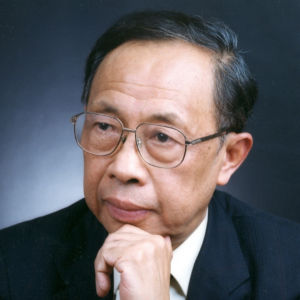
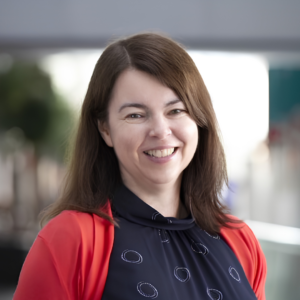
Prof. CC Chan, GBS
Distinguished Chair Professor; Honorary Professor
Hong Kong Polytechnic University; University of Hong Kong

Prof. CC Chan, GBS
Hong Kong Polytechnic University; University of Hong Kong
Distinguished Chair Professor; Honorary Professor
Prof. C C Chan holds BSc, MSc, PhD, HonDSc, HonDTech degrees. He has had over 50 years academic and industrial experience. He is currently the Distinguished Chair Professor at the Hong Kong Polytechnic University and the Honorary Professor at the University of Hong Kong. He is the Founding President of the International Academy for Advanced Study. He served as Visiting Professor of a number of well-known universities around the world, including MIT, University of California Berkeley, University of Cambridge, etc. He is Co-founder and President of the World Electric Vehicle Association, the President of the Electric Vehicles Association of Asia Pacific, and Past President of the Hong Kong Institution of Engineers. He serves as Senior Consultant to governments and industries worldwide. Prof. Chan is a Fellow of the Royal Academy of Engineering, U.K., the Chinese Academy of Engineering, the Ukraine Academy of Engineering Sciences, IEEE, IET and HKIE. He received the IEE International Lecture Medal in 2000 and delivered lectures on electric vehicles worldwide. He was selected as one of Asia’s Best Technology Pioneers by Asiaweek; named as “Father of Asian Electric Vehicles” by Magazine Global View; named as “Pitamaha (Grandfather) of Electric Vehicle Technology” in India; received the “Environmental Excellence in Transportation Award” from the Society of Automotive Engineers U.S.A.; Honour of “China Automobile Industry Character”; Gold Medal of Hong Kong Institution of Engineers. He authored and coauthored 11 books, over 300 technical papers and holds 9 patents. His mission is to promote the global collaboration for the advancement of science and technology for global sustainable development.
14:35 – 15:25
This panel explores Hong Kong’s journey toward net-zero vehicular emissions by 2050. While the transition for private cars is already underway, greening the commercial fleet presents a more complex challenge. We will discuss the roadmap for transitioning buses, light buses, taxis, vans, lorries, and heavy trucks between 2030 and 2050, as well as the strategic and physical infrastructure, smart mobility initiatives, and the additional regulatory and financial instruments needed to support large-scale electrification.
Session Learnings:
- Short-and long-term mobility scenarios aligning with-and could potentially serve as blockages to-the HKSAR roadmap
- Identification of additional strategies, along with actionable items and milestones for government, utility, developers and fleet operators.
Post-Event Actions:
- Revisit the current EV roadmap and milestones, strategies and action plan
- Identify potential solutions to discussed gaps in consultation with stakeholders.
- Benchmark global initiatives and explore collaboration beyond Hong Kong
Speakers
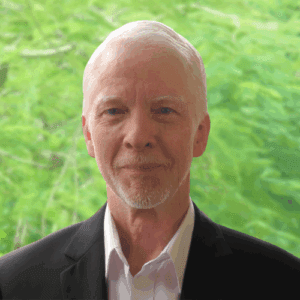
Moderator
Robert Allender
Founder and Head of Board Training
EnergyUse Strategy Advisors
Robert Allender
EnergyUse Strategy Advisors
Founder and Head of Board Training
The world has changed, and companies these days need a board that has a board-level mental model of corporate energy affairs, and of what business energy use is really about. Middle-management mental model thinking in the boardroom puts a company and its long-term investors at a distinct disadvantage.
Robert Allender took his 35 years of helping companies master their energy affairs and turned it into a board training work session to give boards that mental model.
As a professional board trainer, Robert gives boards a slate of new perspectives with which to judge the perpetual trade-offs between the business continuity challenges, the opex and capex challenges, and the more recently emerged challenges of decarbonisation, the energy transition, Scope 3, and the energy-and-carbon half of ESG reporting, all of which have energy use at their core.
Clients for Robert’s board training work session have come from across the world, but Hong Kong has been his home since 1989. He has a business degree from Cornell University, and has been a speaker and writer on corporate energy affairs (CEA) and related topics since 1992. He is regularly invited to serve as conference chair, awards judge, MBA guest lecturer, and association and charity director.
My Sustainability Goals for 2026:
In keeping with my personal mission of giving all listed company boards a board-level mental model of their company’s energy affairs, I hope 2026 is the year such a new perspective becomes a hallmark of Hong Kong listed companies, one that the city is widely praised for. The flow-on benefits will accrue to simply everyone.
Prof. CC Chan, GBS
Distinguished Chair Professor; Honorary Professor
Hong Kong Polytechnic University; University of Hong Kong
Prof. CC Chan, GBS
Hong Kong Polytechnic University; University of Hong Kong
Distinguished Chair Professor; Honorary Professor
Prof. C C Chan holds BSc, MSc, PhD, HonDSc, HonDTech degrees. He has had over 50 years academic and industrial experience. He is currently the Distinguished Chair Professor at the Hong Kong Polytechnic University and the Honorary Professor at the University of Hong Kong. He is the Founding President of the International Academy for Advanced Study. He served as Visiting Professor of a number of well-known universities around the world, including MIT, University of California Berkeley, University of Cambridge, etc. He is Co-founder and President of the World Electric Vehicle Association, the President of the Electric Vehicles Association of Asia Pacific, and Past President of the Hong Kong Institution of Engineers. He serves as Senior Consultant to governments and industries worldwide. Prof. Chan is a Fellow of the Royal Academy of Engineering, U.K., the Chinese Academy of Engineering, the Ukraine Academy of Engineering Sciences, IEEE, IET and HKIE. He received the IEE International Lecture Medal in 2000 and delivered lectures on electric vehicles worldwide. He was selected as one of Asia’s Best Technology Pioneers by Asiaweek; named as “Father of Asian Electric Vehicles” by Magazine Global View; named as “Pitamaha (Grandfather) of Electric Vehicle Technology” in India; received the “Environmental Excellence in Transportation Award” from the Society of Automotive Engineers U.S.A.; Honour of “China Automobile Industry Character”; Gold Medal of Hong Kong Institution of Engineers. He authored and coauthored 11 books, over 300 technical papers and holds 9 patents. His mission is to promote the global collaboration for the advancement of science and technology for global sustainable development.
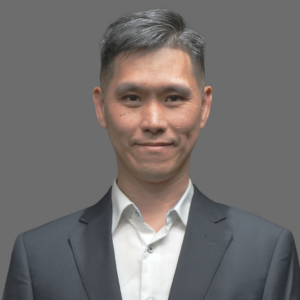
Ir Roger Law
Engineering Director
Citybus Limited

Ir Roger Law
Citybus Limited
Engineering Director
Ir Roger Law is the Engineering Director at Citybus Limited, the major franchised public bus operator in Hong Kong, where he leverages over 25 years of infrastructure and equipment expertise to drive new energy transition and asset modernization of its fleet and supporting infrastructure.
With a distinguished career spanning metro networks and container ports, he now applies this multi-modal expertise to lead critical engineering advancements within the bus sector. Throughout his career, he has successfully led multi-hundred-million-dollar infrastructure developments, focusing on fleet electrification and automation, alternative energy systems, nurturing in-house maintenance capabilities and formulating asset management strategies.
Currently, he oversees the strategic engineering direction for major assets, championing the commercial viability and operational safety of the green energy transition. As an experienced engineer and a Corporate Member of the Hong Kong Institution of Engineers and Engineers Australia, Ir Law is dedicated to transforming the public bus transport sector into low-carbon, future ready infrastructure systems.
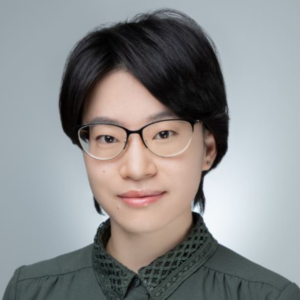
Dr. Jiayan Shi
Senior Associate
BloombergNEF

Dr. Jiayan Shi
BloombergNEF
Senior Associate
Dr Jiayan is a battery technology and supply chain analyst of BloombergNEF covering APAC battery supply chain as well as analyzing battery technologies of the future. She is the lead author of BNEF’s annual reports Global Battery Manufacturers and China Lithium-Ion Battery Supply Chain Update, which draws together updates on players, demand, supply, price, margins and bottlenecks across the industry.
Before joining BNEF, she conducted research at Argonne National Lab in US. Jiayan has a PhD degree of Chemical and Environmental Engineering from University of California, Riverside.
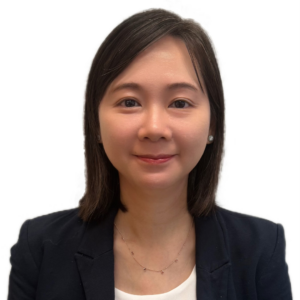
Fabia Tam
Deputy Secretary for Environment and Ecology (Environment)
Environment and Ecology Bureau
Fabia Tam
Environment and Ecology Bureau
Deputy Secretary for Environment and Ecology (Environment)
Ms Fabia Tam is the Deputy Secretary for Environment and Ecology (Environment) of the Government of the Hong Kong Special Administrative Region. She is responsible for the formulation, evaluation and implementation of government policies, legislative proposals and programmes in areas of green transport promotion, air quality improvement, air pollution and noise control, environmental impact assessment and nature conservation.
My Sustainability Goals for 2026:
To work hand-in-hand with industry partners and the public to jointly promote the wide adoption of electric vehicles, striving towards the vision of zero vehicular emissions and carbon neutrality before 2050, realising sustainable development, and creating a better and more livable environment for all.
Supported by
Environment and Ecology Bureau
Meet our 2026 speakers:
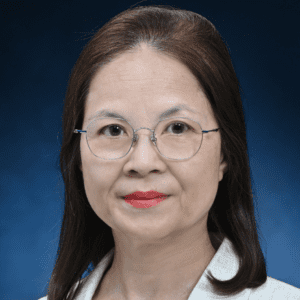
Hong Kong Association of Energy Service Companies
Vision
Supports companies, government, and organizations in Hong Kong and the nearby regions in their energy transition for future sustainable development.
Mission
Serves as an influential platform for international co-operation, thought leadership, and knowledge exchange. Centre on energy efficiency and climate change-related issues; promotes the widespread adoption of renewable energy.
General Enquiry Email Address: peter.ho@enerwaste.green
General Enquiry Phone Number: 91889812
Meet our 2026 speakers:
15:25 – 16:15
Hong Kong is accelerating its transition towards sustainable transportation, with electric mobility emerging as a key pillar in achieving the city’s long-term decarbonisation goals. As EV adoption continues to grow across private vehicles, commercial fleets, and public transport, building a smarter, more resilient, and integrated eMobility ecosystem has become increasingly important.
Achieving large-scale transport electrification requires more than vehicle adoption alone. It relies on a broader ecosystem that includes reliable charging infrastructure, intelligent energy management, energy storage systems, digital technologies, and sustainable battery lifecycle solutions. Together, these solutions can help optimise charging demand management, enhance supply resilience, improve user experience, and maximise the sustainability benefits of eMobility.
This session will explore the latest innovations, emerging technologies, and market developments shaping the future of eMobility in Hong Kong. Through practical case studies and industry perspectives, panelists will discuss how cross-sector collaboration as well as technological advancements can address infrastructure challenges, support growing energy demands, and unlock new opportunities for eMobility.
The discussion will also cover the flexibility of energy storage, smart charging solutions and battery recycling in supporting a more efficient, resilient, and circular eMobility ecosystem.
Session Learnings:
- Understand the latest trends, innovations, and market developments shaping Hong Kong’s eMobility ecosystem.
- Understand how smart charging, energy storage and energy management solutions can support the growing demand for transport electrification.
- Explore how digital technologies and data-driven insights can optimise charging operations and enhance energy management.
- Gain insights into how battery lifecycle management and recycling solutions can support a more sustainable future.
Post-Event Actions:
- Assess and optimise EV charging infrastructure and energy management strategies
- Leverage data and digital technologies to enhance eMobility operations
- Develop a more circular battery management roadmap
Speakers
Moderator
Merlin Lao
Head – Policy and Research
Business Environment Council
Merlin Lao
Business Environment Council
Head – Policy and Research
Mr. Merlin Lao is the Head – Policy & Research at Building Environment Council Limited (BEC). He is leading a team to share clear policy positions on pressing climate and environmental topics in Hong Kong, through research on latest domestic and international trends, engaging with the Hong Kong SAR Government and connecting insights of the local business sector. He is keen on net-zero transition that not only looks at decarbonisation, but also a more equal and liveable built environment.
Mr. Lao is a programme management professional with 15 years of climate change and environment career experience across private, public and non-profit sectors in East Asia, with major exposure in Mainland China, Hong Kong, Macao and South Korea. Prior to joining BEC, he was the senior programme manager at an international non-governmental organisation driving sustainable cities agenda in China, Japan, Mongolia and South Korea, covering topics of air quality, low-emission development, urban resilience, circular economy and nature-based solutions. He also led the environmental protection planning at the Macao Environmental Protection Bureau and worked in a technical consultancy dedicated in carbon accounting and management in his earlier career.
My Sustainability Goal for 2026:
Hoping to see deeper work for various business sectors to look into decarbonisation roadmaps, in connection with abatement curves, economic transition and opportunities.
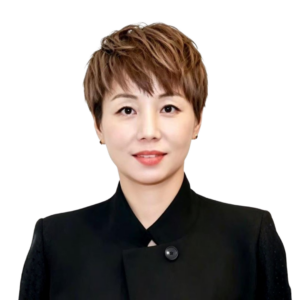
Shirley Kwok
Managing Director
Chun Yang International (HK) Company Limited
Shirley Kwok
Chun Yang International (HK) Company Limited
Managing Director
Ms. Shirley Kwok (Kwok Ho Yee)
Chief Operating Officer & Executive Director of Envision Greenwise Holdings Limited
Managing Director of Chun Yang International (HK) Company Limited
Ms. Kwok has over 15 years of experience in sales, marketing, and operations management within the green technology and environmental sectors. She leads the project for Hong Kong’s first EV battery processing plant and is actively involved in various environmental and business organizations, including serving as the Honorary Advisor for the Hong Kong Recycling Chamber of Commerce and Vice-Chairman of the Federation of Hong Kong Industries (Group 26), etc.
Speaking at 2026 sessions:
Day 1
Building A Smarter eMobility Ecosystem: Charging, Energy Storage and Circularity in Action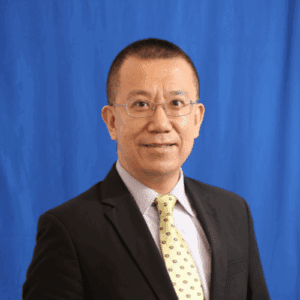
Ir Simon Lam
Director – eMobility
CLP Power Hong Kong Limited
Ir Simon Lam
CLP Power Hong Kong Limited
Director – eMobility
Ir Simon Lam
Director – eMobility
Simon has been working in CLP for almost 30 years. He had held key positions in CLP Engineering/CLPe Solutions and CLP Power, with sound experience in project and contract management, customer services, developing new business areas and formulating marketing strategies. In his current role, he leads the eMobility strategies to accelerate the electrification of commercial vehicle and marine vessel in Hong Kong. He has the mission of leveraging technical knowhow, commercial experience and networking to facilitate eMobility infrastructure development and orchestration of various stakeholders to achieve zero carbon transportation target.
Speaking at 2026 sessions:
Day 1
Building A Smarter eMobility Ecosystem: Charging, Energy Storage and Circularity in Action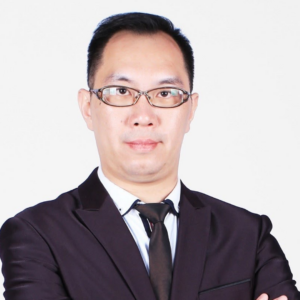
Kenneth Ng
CTO – Data Center Facility & Critical Power
Huawei International Co. Limited
Kenneth Ng
Huawei International Co. Limited
CTO – Data Center Facility & Critical Power
Mr. Ng currently serves as Chief Technology Officer (CTO) for Huawei’s Digital Power Data Center Facility and Critical Power Business in Hong Kong. A distinguished expert in data center infrastructure across the Asia-Pacific region, Mr. Ng brings over two decades of industry experience. His core competencies encompass data center power supply and distribution systems, intelligent energy management, and low-carbon technologies. He possesses extensive expertise in the planning of ultra-large-scale data centers, the design of high-reliability power solutions, and full lifecycle operations and maintenance.
Mr. Ng has spearheaded several benchmark projects in Hong Kong and the surrounding region, including the deployment of energy systems for ultra-large data centers, AI computing hubs, and sustainable, low-carbon campuses. Leveraging his profound understanding of industry standards and localized practices, he has successfully integrated Huawei’s digital power technologies to accelerate the widespread adoption of prefabricated power modules and smart lithium battery systems within the Hong Kong and Macao markets. As a technical leader, Mr. Ng continues to drive the evolution of data center infrastructure in the Guangdong-Hong Kong-Macao Greater Bay Area, advancing it toward higher density, streamlined design, and sustainable development. Under his leadership, his team delivers highly reliable projects, thereby establishing a robust foundation for the region’s digital economic growth.
Speaking at 2026 sessions:
Day 1
Building A Smarter eMobility Ecosystem: Charging, Energy Storage and Circularity in Action
Astor Chan
Chief Financial Officer
Sino Express Intelligence Co., Ltd.

Astor Chan
Sino Express Intelligence Co., Ltd.
Chief Financial Officer
Astor is CFO of Sino Express, a Hong Kong developer and operator of electric vehicle charging infrastructure and networks. She leads financial strategy and investment planning supporting the development of smarter, more sustainable eMobility solutions.
Dual-qualified as an ICAEW ACA and HKICPA member, Astor has experience across FDD, strategic finance and PE, with academic credentials from the London School of Economics and Political Science and the University of Warwick.
At Sino Express, she brings together finance, ESG and infrastructure strategy to advance an integrated eMobility ecosystem spanning EV charging, energy storage and circularity, supporting Hong Kong’s transition towards smarter, lower carbon mobility.
Speaking at 2026 sessions:
Day 1
Building A Smarter eMobility Ecosystem: Charging, Energy Storage and Circularity in ActionWith thanks to
CLP Power Hong Kong Limited
CLP Power Hong Kong Limited (CLP Power) is the Hong Kong utility subsidiary wholly owned by CLP Holdings Limited, a company listed on the Hong Kong Stock Exchange and one of the largest investor-owned power businesses in Asia. CLP Power operates a vertically integrated electricity supply business in Hong Kong and provides a highly reliable supply of electricity and excellent customer services to more than six million people in its supply area.
Our sustainability goals for 2026:
CLP Power is committed to supporting Hong Kong’s climate action. Guided by the Climate Vision 2050, the company is advancing decarbonisation by progressively phasing out coal, investing in non-carbon energy infrastructure and supporting the Hong Kong Government’s target of increasing the share of zero-carbon energy in the fuel mix to around 60-70% by 2035.
To accelerate decarbonisation while maintaining its world-class supply reliability of 99.999% at an affordable price, CLP Power takes a multipronged approach. This includes helping customers enhance energy efficiency and accelerate electrification, strengthening regional cooperation on zero-carbon energy resources. It is also investing in innovation, smart energy solutions and grid enhancement to support Hong Kong’s long-term energy transition.
Solutions Showcase:
- Efficient Energy & Utilities
- Transport/Mobility
Legal Name: CLP Power Hong Kong Limited
General Enquiry Email Address: eMobility@clp.com.hk
General Enquiry Phone Number: 2678 1605
General Business Address: 8 Laguna Verde Avenue, Hung Hom, Kowloon, Hong Kong, Hong Kong
Meet our 2026 speakers:

Geri Liu
Principal Manager – Supply Chain Sustainability
CLP Power Hong Kong Limited
Howard Pang
Principal Manager – Strategic Planning and Innovation
CLP Power Hong Kong Limited
Vivian Leung
Director – Asset Management
CLP Power Hong Kong Limited
Ir Simon Lam
Director – eMobility
CLP Power Hong Kong Limited
Hendrik Rosenthal
Director – Group Sustainability
CLP Power Hong Kong Limited
Day 2 – Friday 11 Sept
Day 2 examines the growing role of new energy technologies in decarbonising Hong Kong’s hard-to-abate sectors. Attendees will engage with emerging commercial applications for electrification, hydrogen, and storage, and explore how these solutions can be deployed safely, efficiently, and economically. The programme highlights the operational realities, cross-border considerations, and innovation pathways that will shape Hong Kong’s next decade of energy transformation.
In partnership with
Asia Investor Group on Climate Change (AIGCC)
AIGCC is the leading network of investors in Asia focussing on risks and opportunities in climate and nature – which are key to investors’ fiduciary duty. Our 80+ members have a combined AUM of more than US$30 trillion and have headquarters in 11 markets across the region. We are a not-for-profit, and our work across finance, business and policy making is underpinned by science, economics, and a deep knowledge of Asian markets and dynamics.
Our sustainability goals for 2026:
- Strengthen our role in mobilising institutional investors to fulfil their fiduciary duties on climate, so more capital is directed toward climate- and nature-positive outcomes.
- Deepen corporate engagement to encourage companies to adopt science-based, net-zero-aligned strategies and stronger climate and nature disclosure.
- Advance policy engagement to influence regulators and policymakers toward policy frameworks that support climate-resilient, nature-positive economies and sustainable returns.
General Enquiry Email Address: info@aigcc.net
Friends of the Earth (HK)
Friends of the Earth (HK) (“FoE (HK)”) is a leading environmental advocate that actively engages with the government, businesses, and the community to foster equitable and sustainable policymaking, business practices, and community lifestyles in protection of the local and regional environment.
Our sustainability goals for 2026:
We are dedicated to promoting green finance and cultivating ESG talents. By partnering closely with government and research institutes, professional bodies, SME associations, and international organisations, we strive to build a sustainable society and environment for all.
Products, Services and Solutions:
- Charity/NGO
- Education/Training/Certification
- Green Finance & Investments
- Sustainability Services
General Enquiry Email Address: foehk@foe.org.hk
General Enquiry Phone Number: 2528 5588
Meet our 2026 speakers:
Hong Kong Association of Energy Service Companies
Vision
Supports companies, government, and organizations in Hong Kong and the nearby regions in their energy transition for future sustainable development.
Mission
Serves as an influential platform for international co-operation, thought leadership, and knowledge exchange. Centre on energy efficiency and climate change-related issues; promotes the widespread adoption of renewable energy.
General Enquiry Email Address: peter.ho@enerwaste.green
General Enquiry Phone Number: 91889812
Meet our 2026 speakers:
Hong Kong Container Terminal Operators Association Limited (HKCTOA)
The Hong Kong Container Terminal Operators Association Limited (HKCTOA) was established in 1999. Its mission is to coordinate the efforts of its members to enhance the efficiency and the competitiveness of the Port, promoting Hong Kong as a key regional transshipment hub.
Members of HKCTOA include: Asia Container Terminals, COSCO-HIT Terminals (Hong Kong), Goodman DP World, Hongkong International Terminals and Modern Terminals. All terminal operators are located at Kwai Tsing district of Hong Kong.
Altogether, there are 24 container berths with a total quay length of 7,794 metres at Kwai Tsing Container Terminals. Equipped with the state-of-the-art infrastructure and an alongside water depth of 14 to 16.5 metres, Kwai Tsing Container Terminals are ready to receive the latest container vessels in the world. It can handle simultaneously eight mega container vessels, each with a capacity over 24,000 TEUs.
With a unique free port status, Kwai Tsing Container Terminals offer reliable, efficient, and flexible services to cater for the needs of shipping lines and shippers.
MLA College
MLA College is an award-winning UK higher education institution specialising in flexible distance learning for professionals in sustainability, maritime, engineering and business. Through globally accessible programmes and CPD-accredited sustainability courses, developed in collaboration with UNITAR, we equip learners with the knowledge & skills to drive sustainable change across communities.
Our sustainability goals for 2026:
- Embed sustainability across education by expanding access to sustainability-focused programmes, ByteSize SDG courses and professional development opportunities for learners worldwide.
- Strengthen industry collaboration through partnerships with employers, professional bodies and international organisations to advance sustainability knowledge and skills.
- Reduce the College’s environmental impact by promoting digital-first learning, reviewing operational practices and identifying opportunities to improve resource efficiency.
- Measure and communicate impact by developing a clearer framework for monitoring and reporting the College’s environmental, social and educational contributions.
- Empower staff and students to drive change by embedding sustainability into decision-making, encouraging knowledge sharing and recognising initiatives that contribute to the UN Sustainable Development Goals.
Products, Services & Solutions:
Education/Training/Certification
General Enquiry Email Address: info@mla.ac.uk
General Enquiry Phone Number: 020 3997 7555
Meet our 2026 speakers:
10:45 – 11:35
This panel traces the complete journey of capital for the net zero energy transition—from project origination to institutional deployment. Five experts representing each link in the chain (project development, investment banking, institutional investment, professional assurance, and policy/blended finance) will unpack the bottlenecks, handoffs, and solutions at every stage. The discussion follows a three-round format: brief self-introductions, targeted questions on each link’s specific challenges, and one-sentence takeaways on the most critical actions needed. Attendees will gain a holistic, practical understanding of how renewable energy projects get financed, why gaps persist, and what each stakeholder must do to accelerate capital flow. Designed for financiers, developers, policymakers, and advisors, this session bridges silos across the energy transition finance ecosystem.
Session Learnings:
- How a renewable energy project moves from origination to bankability and eventual institutional ownership.
- The distinct roles and pain points of investment banks (capital raising & securities) vs. institutional investors (long-term equity).
- Why professional bodies (SPO providers, auditors, lawyers) are critical for market credibility and unlocking mainstream capital.
- The real-world bottlenecks at each stage—and how policy, blended finance, and assurance mechanisms address them.
- A clear, end-to-end mental model of the climate finance value chain specific to the energy transition.
Post-Event Actions:
- Map your organization’s current position onto the energy transition finance chain and identify the most critical upstream/downstream partner you need to engage.
- Apply a “chain review” to your next energy project: document the financing handoffs and verify that each link (including assurance and policy enablers) has been addressed.
- Initiate a cross-stakeholder conversation (e.g., with your bank, investor, or SPO provider) to pre-identify bottlenecks before structuring a deal.
- Use the one-sentence takeaways from speakers as internal briefing points for your team’s next investment or policy memo on energy transition finance.
- Advocate for stronger integration of professional assurance (taxonomy verification, legal reviews) early in project development to avoid downstream delays.
Speakers
Moderator
Dr. Ivan Li
Hon Secretary of the Hong Kong Association of Energy Service Companies Limited
Hong Kong Association of Energy Service Companies
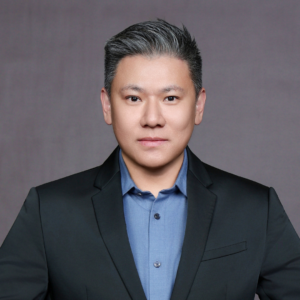
Dr. Ivan Li
Hong Kong Association of Energy Service Companies
Hon Secretary of the Hong Kong Association of Energy Service Companies Limited
Dr. Ivan LI is an Executive Director in China Galaxy International Holding limited and found the first carbon business department among all Chinese Financial Institutions in Hong Kong. He managed a team to develop innovative carbon business, green & sustainable finance products and promoting cross-border carbon trading. He led the team to create the first cross-border carbon futures product and the first domestic “Insurance + carbon futures” product, providing domestic enterprises with financial tools to hedging the CBAM risk. Among them, the “EU Carbon Emission Futures Contract Cross-Border Return Swap (TRS)” received the Pioneer Award in the Annual Green Finance Excellence Cases of the Greater Bay Area of Guangdong, Hong Kong, and Macau, the Best Solution Award in the Hong Kong China Finance Association’s “Excellence in Cross-Border Financial Services Awards.”, as well as 2023 The IFF Global Green Finance Award- Innovation Award. He took lead to issue the world’s first green bond using “drone + carbon satellite” certification. He successfully facilitated the first cross-border sale of “one-Yuan carbon offset project” and was awarded the Special Excellence Award in the Hong Kong China Finance Association’s “Excellence in Cross-Border Financial Services Awards.” He designed the first QFLP cross-border carbon fund, which is the first northbound fund to participate in serving the development of the domestic carbon market; and participated in the launch of the Asia Pacific Low Carbon Index ETF, which is the world’s first low carbon ETF covering the Asia Pacific region and the largest equity ETF listed on the SGX. He is one of the members of the first session of the Emission Peak and Carbon Neutrality Professional Committee of the China Society for Environmental Sciences. In the China Society for Environmental Sciences Carbon Emission Trading Professional Committee Establishment Conference and China Carbon Market Development Seminar, he was elected as a member of the Carbon Trading Professional Committee. He is also the Secretary General of the Hong Kong Energy Services Association and has been invited to join the Hong Kong Finance Development Council’s Carbon Market Opportunities Task Force as an expert.
My Sustainability Goals for 2026:
- Connect carbon markets and climate financing – a goal aligned with Article 6 of the 2015 Paris Agreement -with a view to facilitate Chinese investment;
- Move a small step forward for Hong Kong’s goals of becoming a major green and climate finance hub, amid growing concerns about the effects of climate change across the Asia-Pacific
Speaking at 2026 sessions:
Day 2
Connecting the Dots: How Capital Moves Through the Energy Transition Finance Chain
Wivinia Luk
Senior Manager (Policy Research)
Financial Services Development Council
Wivinia Luk
Financial Services Development Council
Senior Manager (Policy Research)
Ms Wivinia Luk holds the position of Senior Manager of Policy Research at the Financial Services Development
Council (FSDC). She steers the Council’s research agenda, covering policy development across several key financial sectors. Her areas of focus include green and sustainability, FinTech, asset and wealth management, insurance, and connectivity with the Mainland and international markets.
Prior to joining the FSDC, Ms Luk worked in the field of corporate strategic planning and development, with a series of commercial roles in the banking and financial services sectors.Ms Luk graduated with a Bachelor of Social Science in Economics and a Master of Social Science in Global Political Economy from the Chinese University of Hong Kong.
Speaking at 2026 sessions:
Day 2
Connecting the Dots: How Capital Moves Through the Energy Transition Finance Chain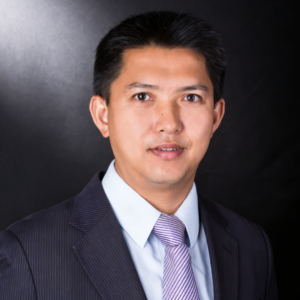
Prof. Dragon Tang
Professor of Finance
University of Hong Kong
Prof. Dragon Tang
University of Hong Kong
Professor of Finance
Dragon Tang is Professor of Finance at the University of Hong Kong. He is also a Changjiang Scholar Chair Professor by Ministry of Education of China and Managing Editor of International Review of Finance. He was the former head of finance area in HKU Business School. His research specialties are green finance, ESG, credit derivatives, and China markets. He served as consultant expert on green finance and ESG issues for Asian Development Bank, World Bank and Hong Kong Centre for Green and Sustainable Finance. He provided training lectures for People’s Bank of China and China Banking and Insurance Regulatory Commission. He received research grants from many organizations including ClimateWorks Foundation. His research findings are published in, among others, Journal of Finance, Journal of Financial Economics, Review of Financial Studies, Journal of Accounting and Economics, Journal of Accounting Research, Management Science and featured in Bloomberg, Financial Times, Wall Street Journal and so on. He received several best research paper awards from journals, conferences, and international organizations including the Global Research Alliance for Sustainable Finance and Investment. He was an inaugural recipient of the Best Doctoral Dissertation Supervisor Award by National Economics Foundation of China. He launched the Master of Sustainable Accounting and Finance (MSAF) program at the University of Hong Kong in 2025.
Speaking at 2026 sessions:
Day 2
Connecting the Dots: How Capital Moves Through the Energy Transition Finance Chain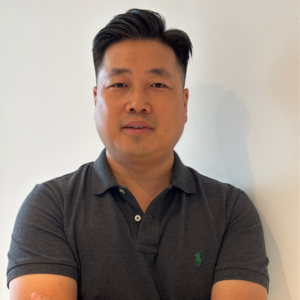
Lei Xie
Co-CEO
Cyan Peak Climate Tech co,.limited
Lei Xie
Cyan Peak Climate Tech co,.limited
Co-CEO
With dual educational backgrounds in business and engineering in Sweden, he pursued his academic journey across two institutions, bachelor at Stockholm University Business School and master at KTH Royal Institute of Technology.
Starting back in 2006, he took up the position of Commercial Director for China at Swedish enterprise TRICORONA. Over many years, he immersed himself in front‑line carbon asset management work, and successfully developed over 300 carbon projects both in china and globally. In 2019, TRICORONA was granted certification by the United Nations Environment Programme, securing its position as the world’s second‑largest carbon trader.
He possesses insights into how global carbon markets function, alongside end‑to‑end professional capabilities spanning carbon credit project development as well as cross‑border transactions. At present, he manages Treasure Carbon’s(parent company of Cyan Peak) domestic and international commercial departments, and is responsible for steering the company’s globallization startegy layout and driving continuous cross-border business expansion.
My Sustainability Goals for 2026:
more participants joining the industry and greater capital inflowing
Speaking at 2026 sessions:
Day 2
Connecting the Dots: How Capital Moves Through the Energy Transition Finance Chain
Regan Yang
Managing Director (Investment Banking)
CGS International Holdings Limited

Regan Yang
CGS International Holdings Limited
Managing Director (Investment Banking)
Regan Yang serves as Managing Director and Head of Industrial & Energy Sectors at the Investment Banking Department of China Galaxy International. Boasting 30 years of seasoned investment banking experience, he has supported a wide array of corporations in executing IPOs and cross‑border financing transactions across Hong Kong and U.S. capital markets, with robust on‑the‑ground IB capabilities and comprehensive industrial expertise. Mr. Yang holds a Master of Finance from Fudan University and an FMBA from China Europe International Business School (CEIBS).
Speaking at 2026 sessions:
Day 2
Connecting the Dots: How Capital Moves Through the Energy Transition Finance ChainSupported by
Hong Kong Association of Energy Service Companies
Vision
Supports companies, government, and organizations in Hong Kong and the nearby regions in their energy transition for future sustainable development.
Mission
Serves as an influential platform for international co-operation, thought leadership, and knowledge exchange. Centre on energy efficiency and climate change-related issues; promotes the widespread adoption of renewable energy.
General Enquiry Email Address: peter.ho@enerwaste.green
General Enquiry Phone Number: 91889812
Meet our 2026 speakers:
11:35 – 12:25
As the global energy transition deepens, ASEAN is emerging as one of the most dynamic growth regions for renewable energy deployment. Rapid demand expansion, evolving regulatory frameworks, and increasing cross border capital flows are reshaping the region’s clean energy landscape. At the same time, project compliance standards are rising, localisation requirements are intensifying, and financial structures are becoming more sophisticated. Traditional equipment export models are proving insufficient in this new environment. Sustainable growth increasingly depends on integrated approaches that combine capital structuring, project development and value chain coordination. This session will examine how climate finance can unlock scalable renewable investment across ASEAN — strengthening bankability, enabling cross regional capital partnerships, and accelerating the transition from transactional market entry to long term, system level energy transformation.
Session Learnings:
- Navigating the ASEAN Renewable Energy Landscape: Discover the surge in demand, shifting regulations, and increased cross-border investments that are transforming clean energy deployment in the region.
- Mastering Financial and Compliance Standards: Understand the rising compliance demands, strict localization requirements, and the move towards complex financial frameworks in ASEAN renewable projects.
- From Conventional to Integrated Growth Models: Learn why traditional equipment export strategies are inadequate and how to adopt integrated approaches that combine capital, project development, and value chain management.
- Leveraging Climate Finance for Investment: Explore how climate finance can boost project viability and promote regional collaborations to enhance renewable energy investments across ASEAN.
- Driving Long-Term Energy Transformation: Examine strategies to achieve sustainable growth through comprehensive energy transformation beyond simple market entry.
Post-Event Actions:
- Transforming Project Engagement: From Transactional to Integrated Models: It’s time to rethink our market-entry strategy beyond simple equipment exports. We should create integrated business models that include capital structuring, project development, and local value chain coordination.
- Strengthening Compliance and Localization Initiatives: We must update our internal standards to meet the rising regulatory and localization demands in ASEAN, ensuring our projects are bankable and socially accepted.
- Cultivating Regional Capital Collaborations: We should actively seek partnerships with regional financial institutions and climate finance providers to develop innovative financial structures that manage risk and attract significant investment for renewable energy.
- Adopting Comprehensive Energy Transformation Strategies: Let’s focus on long-term contributions rather than isolated project wins, aligning our growth with the energy transition goals of ASEAN member states.
- Utilizing Climate Finance for Project Stability: Integrating climate finance mechanisms in early project planning will enhance financial viability and attract a broader range of investors, ensuring sustainable growth.
Speakers
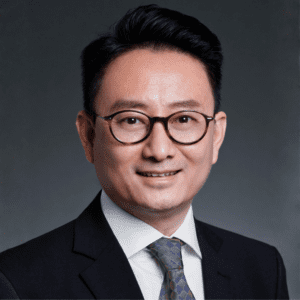
Moderator
Plato Yip
Chairperson and Advisor
Friends of the Earth (HK), ESG Development Association
Plato Yip
Friends of the Earth (HK), ESG Development Association
Chairperson and Advisor
Mr. Plato Yip is an investment professional with over 20 years of experience in private equity, mergers and acquisitions, and strategic planning across the Asia-Pacific, MENA, and ASEAN regions. Specializing in green finance, fintech, renewable energy, and environmental technology, he leverages cross-border networks and innovative structuring to drive energy transition and sustainable development.
He has held senior roles at a U.S. private equity firm, global corporations, and entrepreneurial ventures, leading fundraising, private equity transactions, and complex M&A in renewable energy and environmental projects. Recognized for strategic vision and operational expertise, he crafts financing solutions that align policy, technology, and capital to deliver sustainable value.
Current Public Services:
- Policy Research Committee Member, Financial Services Development Council, HKSAR
- Middle East Advisory Group Member, Financial Services Development Council, HKSAR
- Investment Committee Member, HKSAR Government Scholarship Fund
- Investment Committee Member, HKSAR Government Self-financing Post-secondary Education Fund
- Member, HKSAR Government Advisory Committee on Built Heritage Conservation
- Member, HKSAR Government Sir David Trench Fund for Recreation Investment Advisory Committee
- Chairman of the Board of Governors, Friends of the Earth (Hong Kong)
- Chairman of Green Finance, Greater Bay Area Economic and Trade Association
- Inaugurate Catto Fellow, The Aspen Institute cum Member of the Global Leadership Network
- Advisor, AWF (African Wildlife Foundation)
Previously:
- Member, Quality Education Fund Investment Committee of HKSAR
- Member, Environment and Conservation Fund Investment Committee of HKSAR
- Member, Small and Medium Enterprises Committee (SMEC) of HKSAR
- Member, Advisory Council on the Environment of the HKSAR Government
- Member, Education and Publicity Sub-committee, Council for Sustainable Development of HKSAR
- Member, Advisory Committee of the Sustainable Fisheries Development Fund of HKSAR
- Specialist Advisor, Hong Kong 2030 Planning Vision and Strategy of HKSAR
- Founding Director, Centre for Environmental Management Education and Development of
- The Hong Kong Polytechnic University
Speaking at 2026 sessions:
Day 2
Scaling ASEAN Renewables through Integrated Climate Finance & Value Chain Partnerships
Vina Cheung
Global Head of RMB Internationalisation Global Payments Solutions, Asia-Pacific
HSBC
Vina Cheung
HSBC
Global Head of RMB Internationalisation Global Payments Solutions, Asia-Pacific
Vina Cheung is responsible for global RMB business development and connecting international business to opportunities arising from China internationalisation and One Belt One Road Initiative.
She is the subject matter expert on the latest development for both corporates and institutions, in the changing landscape of global treasury and cash management involving RMB, China and China’s integration with the global financial systems in the new era. In 2021 & 2014, Vina was the Chairperson for RMB Service Committee at Hong Kong Association of Banks.
She has been with HSBC Global Payments Solutions team for over twenty years and worked in various roles spanning from sales to product management in Singapore and Hong Kong. She was with Bank of New York Mellon specialised in liquidity and investment management supporting a wide range of business and clientele in Global Corporate Trust, Asset Servicing, and Broker-Dealer Service in the Asia-Pacific region. Her cash management profession was first started in Vancouver working in Royal Bank of Canada.
Vina holds a bachelor degree in Business Administration from Simon Fraser University, Canada; a diploma in International Trade from British Columbia Institute of Technology, Canada; and a certificate in International Cash Management from the Association of Corporate Treasurers.
My Sustainability Goals for 2026:
HSBC’s overarching sustainability ambition is to become a net zero bank by 2050. To drive this, our Net Zero Transition Plan aims to mobilize US$750bn-US$1tn in sustainable finance and investment by 2030. As at mid-2025, progress stands at US$447.7bn mobilized since 2020 (Net Zero Transition Plan 2026 is not out yet).
Speaking at 2026 sessions:
Day 2
Scaling ASEAN Renewables through Integrated Climate Finance & Value Chain Partnerships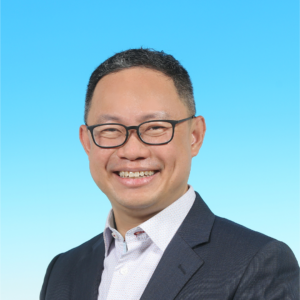
Dr. Laurence Delina
Associate Professor
Division of Environment and Sustainability, HKUST
Dr. Laurence Delina
Division of Environment and Sustainability, HKUST
Associate Professor
Laurence Delina is an Associate Professor of Environment and Sustainability at the Hong Kong University of Science and Technology. His work focuses on climate finance, resilience, and just energy transitions, with a particular emphasis on Southeast Asia and the role of financial centres in mobilising capital for sustainable development. He has authored over 100 peer‑reviewed publications and four books. Laurence has held fellowships including a Visiting Fellowship at Harvard Kennedy School and was previously a Rachel Carson Fellow. He received his PhD from the University of New South Wales Sydney.
My Sustainability Goals for 2026:
Laurence’s sustainability goals for 2026 are anchored in advancing transformative solutions for climate action across Asia. He aims to catalyse the flow of capital into resilient and low‑carbon infrastructure, particularly in vulnerable communities, while elevating Hong Kong’s role as a hub for sustainable finance. Through deeper collaboration with policymakers, industry, and civil society, he seeks to turn cutting‑edge research into scalable, real‑world impact that accelerates a more just and enduring energy transition.
Speaking at 2026 sessions:
Day 2
Scaling ASEAN Renewables through Integrated Climate Finance & Value Chain Partnerships
Gabriel Wilson-Otto
Head of Sustainable Investing Strategy
Fidelity International

Gabriel Wilson-Otto
Fidelity International
Head of Sustainable Investing Strategy
Gabriel Wilson-Otto is the Head of Sustainable Investing Strategy at Fidelity International and based in Hong Kong.
Gabriel leads the global development of sustainable investment frameworks, proprietary tools, client solutions, and enterprise reporting. He works closely with a wide range of internal and external stakeholders to support Fidelity’s sustainable investing ambition and to develop solutions for clients.
Speaking at 2026 sessions:
Day 2
Scaling ASEAN Renewables through Integrated Climate Finance & Value Chain Partnerships
Bien Wong
Assistant General Manager – Group ESG cum Executive – Group Knowledge Management Office
The Hong Kong and China Gas Company Limited (Towngas)
Bien Wong
The Hong Kong and China Gas Company Limited (Towngas)
Assistant General Manager – Group ESG cum Executive – Group Knowledge Management Office
Bien Wong is an experienced professional with experience in ESG strategy development, corporate communications, and investor relations. As the head of Group ESG, he oversees the integration of sustainability concepts into business strategies, ensuring compliance with stringent international sustainability standards. Concurrently, he also leads the Group Knowledge Management Office, focusing on capturing critical knowledge and embedding it within the company’s culture. Prior to joining Towngas, he worked consistently in the sustainability industry, which deepened his passion for driving positive, lasting impact for the community.
Beyond his professional responsibilities, Bien serves on various advisory committees of the HKSAR Government and on the Board of various non-profit organizations and professional associations. He is also an Adjunct Associate Professor at Hong Kong Baptist University and a member of the Advisory Committee of the Department of Earth and Environmental Sciences at The Chinese University of Hong Kong.
Bien holds a Master’s degree from The University of Hong Kong and a Bachelor’s degree from the University of York, United Kingdom. He was among the first ESG professionals in the Asia-Pacific region to complete the EFFAS Certified ESG Analyst (CESGA) programme and was subsequently invited by the European Federation of Financial Analysts Societies (EFFAS) to serve as an examiner for the qualification, contributing to the development of ESG professional standards in the region.
Supported by
Friends of the Earth (HK)
Friends of the Earth (HK) (“FoE (HK)”) is a leading environmental advocate that actively engages with the government, businesses, and the community to foster equitable and sustainable policymaking, business practices, and community lifestyles in protection of the local and regional environment.
Our sustainability goals for 2026:
We are dedicated to promoting green finance and cultivating ESG talents. By partnering closely with government and research institutes, professional bodies, SME associations, and international organisations, we strive to build a sustainable society and environment for all.
Products, Services and Solutions:
- Charity/NGO
- Education/Training/Certification
- Green Finance & Investments
- Sustainability Services
General Enquiry Email Address: foehk@foe.org.hk
General Enquiry Phone Number: 2528 5588
Meet our 2026 speakers:
12:25 – 13:15
As the world shifts towards net zero, Asia’s energy transition remains one of the most complex landscapes to navigate. The region’s energy mix is still heavily reliant on fossil fuels, while rising demand from industrial growth and AI boom, combined with geopolitically driven energy price volatility and emerging cross‑border emission‑reduction measures, intensifies the challenge of balancing decarbonisation with economic resilience. At the same time, dense populations and concentrated industrial clusters put pressure on how to manage the social and economic impacts on workers and local communities and ensure a genuinely just energy transition.
This session examines how investors are navigating these tensions in practice. It will address the on‑the‑ground realities of reducing fossil‑fuel dependence, closing the capital gap for scaling up renewable energy and enabling infrastructure, and aligning these priorities with industrial competitiveness and just transition considerations. Panellists will explore how investors can support this transition through stewardship, strategic asset allocation, de‑risking instruments and more explicit expectations of companies and policymakers.
Session Learnings:
- Learn how the evolving global energy, industrial and climate policy landscape in Asia is reshaping investors’ expectations on fossil‑fuel‑to‑renewables portfolios.
- Identify how investments help accelerate Asia’s transition from fossil fuel dependency to a clean energy-driven model
- Understand how investor stewardship could help shift capital towards unlocking opportunities in the energy transition.
Post-Event Actions:
- Identify investment and stewardship opportunities to deepen engagement efforts on just and economic-resilient energy transition
- Strengthen capital alignment mindset as part of an integrated business strategy that considers energy transition
- Develop a clear, time‑bound fossil‑fuel‑to‑renewables transition roadmap
Speakers
Moderator
Valerie Kwan
Director – Stewardship and Corporate Engagement
Asia Investor Group on Climate Change
Valerie Kwan
Asia Investor Group on Climate Change
Director – Stewardship and Corporate Engagement
Valerie is the director overseeing Climate Action 100+, an investor-led initiative to ensure the world’s largest corporate greenhouse gas emitters take necessary action on climate change. She co-leads the Asia workstream from within Climate Action 100+, and oversees the team’s co-ordination of corporate engagement activities for Asian focus companies. This includes convening sector roundtables to support corporate transition to net zero. Valerie is part of the strategic projects working group and convenes Asia Advisory Group discussions to build investor capacity on stewardship. Outside of CA100+, she is also involved in capacity building for investors in strengthening corporate engagement outcomes through considering various tools and approaches of engagement.
Prior to joining AIGCC, she worked for two sustainability advisory firms and advised clients’ sustainability and risk management strategies. She also conducted environmental and social due diligence for private equity clients. Her career started in public affairs with a Hong Kong-based consultancy. Valerie holds a MSSc in Business and Community from the University of Bath in the United Kingdom.
My Sustainability Goals for 2024:
It would be great to see Hong Kong introduce medium term goals in renewable energy development to meet its net zero goals, and better response with stronger resilience and readiness for physical risks.
Speaking at 2026 sessions:
Day 2
Investing in Asia’s Fossil‑Fuel‑to‑Renewables Transition: Capital, Competitiveness and a Just Energy Shift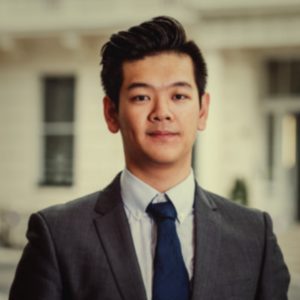
Yi Jin Guo
Sustainable Investment Analyst
Manulife Investment Management
Yi Jin Guo
Manulife Investment Management
Sustainable Investment Analyst
Based in Hong Kong, Yi Jin supports the Asia based investment teams with ESG integration research and process, company engagement, and thematic research.
Prior to joining Manulife Investment Management, Yi Jin works as an ESG Analyst at Legal & General Investment Management (LGIM) in London, focusing on Private Debt, Infrastructure and Real Estate ESG research.
Yi Jin graduated from Imperial College London with MSc Climate Change, Management & Finance degree
Speaking at 2026 sessions:
Day 2
Investing in Asia’s Fossil‑Fuel‑to‑Renewables Transition: Capital, Competitiveness and a Just Energy Shift
Jane Ho
Head of Stewardship Asia Pacific
BNP Paribas Asset Management
Jane Ho
BNP Paribas Asset Management
Head of Stewardship Asia Pacific
Jane is the Head of Stewardship, APAC at BNP Paribas Asset Management and leads the firm’s stewardship activities in the region. This includes direct corporate engagement, proxy voting and working with policymakers on key issues relating to sustainable finance and investment. She represents BNPP AM in key investor networks, including as a member of Climate Action 100+’s global Steering Committee, co-chairing the Asia Investor Group on Climate Change’s (AIGCC) Engagement & Policy Working group, and as a member of Asia Securities Industry & Financial Markets Association (ASIFMA)’s ESG Committee.
She joined from the Asia Investor Group on Climate Change (AIGCC), where she was the Director of Investor Practice. During her time at AIGCC, she spearheaded and led global initiatives where AIGCC is a network partner, and she launched AIGCC’s Asia Utilities Engagement Program, a collaborative engagement program that runs in parallel to Climate Action 100+. Prior to AIGCC, Jane was an equities portfolio manager at JPMorgan Asset Management for more than ten years.
Jane was also recognised as the Sustainability Champion of the year for Asian Investor’s Asset Management Awards 2026 for her leadership in advancing high impact stewardship and systemic sustainability outcomes across Asia Pacific.
Jane holds a B.A. in Philosophy, Politics and Economics from the University of Oxford, St. John’s College; and an MSc. in Sociology from the London School of Economics and Political Science.
Jane is based in Singapore.
My Sustainability Goals for 2026:
- A city wide adaptation plan for HK
- An updated fit for purpose HK Climate Action Plan
Speaking at 2026 sessions:
Day 2
Investing in Asia’s Fossil‑Fuel‑to‑Renewables Transition: Capital, Competitiveness and a Just Energy Shift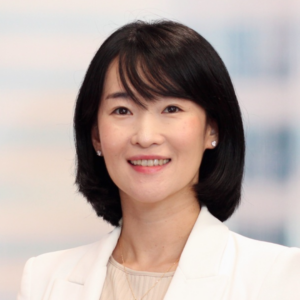
Tomomi Shimada
Head of Investment Stewardship (Asia Pacific ex-Japan); Executive Director
JPMorgan Asset Management
Tomomi Shimada
JPMorgan Asset Management
Head of Investment Stewardship (Asia Pacific ex-Japan); Executive Director
Tomomi Shimada, Executive Director, is the Head of Investment Stewardship for Asia Pacific ex-Japan, based in Hong Kong. She is responsible for engaging with corporate board directors and management on key investment material issues, including climate risk, human capital management, and corporate governance across the Asia Pacific ex-Japan region. Tomomi also advises analysts and portfolio managers on the sustainability and governance practices of portfolio companies and coordinates proxy voting activities. An employee since 2010, she previously served as the Head of Sustainable Investment Specialists for Asia Pacific, where she was responsible for client engagement and the implementation of the firm’s sustainable investment strategy, solutions, and product innovation. Before relocating to Asia in 2021, she was a Sustainable Investing Specialist for EMEA, based in London. Tomomi has also worked as an Investment Stewardship Specialist covering European and Japanese companies in both London and Tokyo. Tomomi began her career as a Client Adviser at JPMorgan Asset Management’s Tokyo office, covering securities companies and major retail banks. She later moved to London as a Business Liaison Manager, managing Japanese institutional and funds clients. Tomomi holds a B.A. in Law from Keio University, Japan.
Speaking at 2026 sessions:
Day 2
Investing in Asia’s Fossil‑Fuel‑to‑Renewables Transition: Capital, Competitiveness and a Just Energy Shift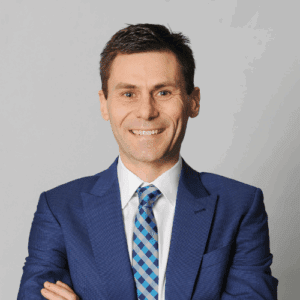
Piers Touzel
Head of ESG Advisory, Partner
ERM-Hong Kong Limited

Piers Touzel
ERM-Hong Kong Limited
Head of ESG Advisory, Partner
Piers is the head of ESG advisory services in Greater China and has over 25 years of ESG advisory experience. He has advised multinational investors on ESG risk management in relation to their investments in China, and Hong Kong-listed Chinese companies on ESG services of capital market transactions. He has served virtually all industry sectors, the major project experience includes climate risk assessments (TCFD) for various assets, ESG disclosure for listed companies etc.
Piers has advised multinational investors on managing ESG risks associated with inbound investments into Asia and listed corporates on the ESG aspects of capital market transactions, outbound M&A and investor relations. He has worked with the safeguard policies of major financial institutions including the World Bank/IFC, AIIB, ADB, EBRD, ECAs and Equator Principles Financial Institutions. He has acted as Lenders’ IESC on close to 100transactions across various industry sectors.
Speaking at 2026 sessions:
Day 2
Investing in Asia’s Fossil‑Fuel‑to‑Renewables Transition: Capital, Competitiveness and a Just Energy ShiftSupported by
Asia Investor Group on Climate Change (AIGCC)
AIGCC is the leading network of investors in Asia focussing on risks and opportunities in climate and nature – which are key to investors’ fiduciary duty. Our 80+ members have a combined AUM of more than US$30 trillion and have headquarters in 11 markets across the region. We are a not-for-profit, and our work across finance, business and policy making is underpinned by science, economics, and a deep knowledge of Asian markets and dynamics.
Our sustainability goals for 2026:
- Strengthen our role in mobilising institutional investors to fulfil their fiduciary duties on climate, so more capital is directed toward climate- and nature-positive outcomes.
- Deepen corporate engagement to encourage companies to adopt science-based, net-zero-aligned strategies and stronger climate and nature disclosure.
- Advance policy engagement to influence regulators and policymakers toward policy frameworks that support climate-resilient, nature-positive economies and sustainable returns.
General Enquiry Email Address: info@aigcc.net
With thanks to
ERM-Hong Kong Limited
Booth G30
Sustainability is our business.
As the world’s largest sustainability consultancy, ERM partners with clients to operationalize sustainability at pace and scale, deploying a unique combination of strategic transformation and technical delivery capabilities. This approach helps clients to accelerate the integration of sustainability at every level of their business.
With more than 50 years of experience, ERM’s diverse team of 8000+ experts in 40 countries and territories helps clients create innovative solutions to their sustainability challenges, unlocking commercial opportunities that meet the needs of today while preserving opportunity for future generations.
Our sustainability goals for 2026:
- Advance climate action and decarbonization by delivering on ERM’s science-based net-zero commitments and helping accelerate the global transition to a low-carbon economy.
- Maximize positive impact across Climate, Nature & Water, and social priorities, supporting the UN Sustainable Development Goals (SDGs) through both client work and ERM’s own operations.
- Embed sustainability into business operations and governance, ensuring ethics, compliance, human rights, responsible supply chains, and accountability remain at the core of how ERM operates.
- Reduce ERM’s environmental footprint through ongoing efforts to lower carbon emissions, improve resource efficiency, and implement sustainability initiatives across its global operations.
- Drive meaningful change through collaboration and innovation, partnering with clients, employees, industry organizations, and communities to scale sustainable solutions and deliver measurable environmental and social outcomes.
Legal Name: ERM-Hong Kong Limited
General Enquiry Email Address: parishrut.tripathi@erm.com
General Enquiry Phone Number: 22713000
Meet our 2026 speakers:

Yulia Dobrolyubova
Partner & Regional Service Leader, Corporate Sustainability & Climate Change
ERM-Hong Kong Limited
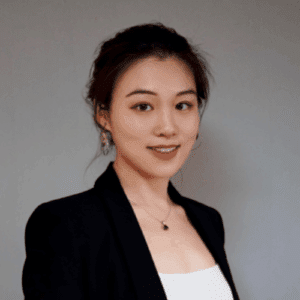
Summer Chen
Associate Partner, Corporate Sustainability & Climate Change.
ERM-Hong Kong Limited
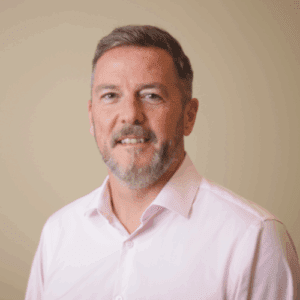
Dr. Robin Kennish
Business Unit Managing Partner, East Asia
ERM-Hong Kong Limited
Piers Touzel
Head of ESG Advisory, Partner
ERM-Hong Kong Limited
13:45 – 13:55
Speakers
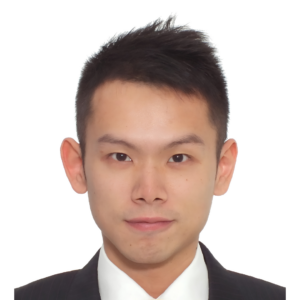
Jeffrey Chim
Acting Deputy Secretary for Transport and Logistics
Transport and Logistics Bureau
Jeffrey Chim
Transport and Logistics Bureau
Acting Deputy Secretary for Transport and Logistics
Mr Chim is a seasoned public administration specialist in the Hong Kong SAR Government with 20 years of experience in diverse areas of public policy. He oversees policy matters related to Hong Kong’s maritime and port development and the formulation of long-term development strategies in reinforcing and enhancing Hong Kong’s role as an international maritime centre. Prior to joining Transport and Logistics Bureau in October 2025, Mr Chim served in various government bureaux and departments, including Innovation, Technology and Industry Bureau, Hong Kong Economic and Trade Office in Brussels, Commerce and Economic Development Bureau, the then Transport and Housing Bureau, etc.
13:55 – 14:45
This panel brings together industry leaders and experts to examine the transformation of Hong Kong’s port into a Smart and Green Port, driven by decarbonisation and smart technology. The discussion will explore how terminal operators are advancing emissions reduction through electrification and renewable energy, while deploying smart technologies to enhance operational efficiency, safety and sustainability.
Panelists will address challenges and opportunities in adopting advanced operational technologies and clean energy infrastructure, as well as the significance of recent milestones, including the port’s first LNG bunkering operation in June 2025, methanol bunkering operation in March 2026, and the launch of Hong Kong’s inaugural autonomous truck fleet in April 2026. The session also covers the latest progress in the development of Hong Kong as an international green maritime fuel bunkering and trading centre, an important government initiative to positioning Hong Kong as a competitive green and smart port.
Session Learnings:
- Electrification and renewable energy are practical drivers of port decarbonisation.
- Hong Kong’s fuel diversification strategy enhances its competitive advantage.
- Terminal operators are moving forward towards the goal of establishing Hong Kong as a Smart and Green Port
- Recognise the importance of collaboration in the Smart and Green Port journey.
Post Event Actions:
- Assess readiness for adopting clean marine fuels and electrification solutions at port facilities.
- Evaluate the potential of deploying smart technologies to enhance port operations.
- Advocate more cross-sector collaboration together with the Hong Kong Government and stakeholders to advance the development of Hong Kong as an international green maritime fuel bunkering and trading centre.
- Initiate more concerted efforts to support Hong Kong to achieve its 2050 carbon neutrality goal.
Speakers
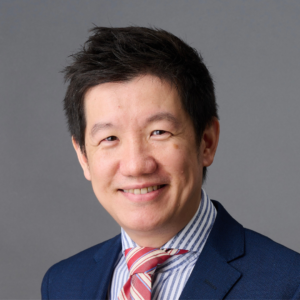
Moderator
Prof. Lapman Lee
Professor of Practice (Sustainabilty)
The Hong Kong Polytechnic University
Prof. Lapman Lee
The Hong Kong Polytechnic University
Professor of Practice (Sustainabilty)
Professor Lapman Lee is a Professor of Practice at the HK Polytechnic University, where he focuses on sustainability from a ratings, reporting, risk management, sustainable finance and technology perspective.
Prior to his academic role, Lapman was a Deloitte Partner focusing on risk management, sustainability and technology and was on the FinTech Association Board responsible for the AI Committee. He is a judge at the HK Green Council annual UN SDG Awards.
He sits on HKMA-HKIMR advisory council member, and as Vice Chairman of the Dutch Chamber sits on the Board of the European Chamber of Commerce.
My Sustainability Goal for 2026:
See ESG and sustainability as not only a regulatory reporting requirement and risk but also a potential business opportunity.
Speaking at 2026 sessions:
Day 2
Innovating Port Logistics: Integrating Sustainable Measures for a Greener Future
Jacques Borremans
Managing Director Asia
CharIN

Jacques Borremans
CharIN
Managing Director Asia
CharIN Asia Managing Director since 2016. Promoting the rollout of the Combined Charging System (CCS)/MCS (Megawatt Charging System)/ ISO15118-20 for E-Mobility in Asia, Australia and New Zealand
Managing Director Sigma – W2 Ltd since 1991
Business Development: Assisting Technology companies with their European or Asian market entry and Implementing sales & market strategies for Western companies into Asia
MBA Rutgers University (NJ, USA)
Master’s degree in engineering with a specialization in Applied Nuclear Physics (University of Brussels, Belgium)
My Sustainability Goals for 2026:
- Accelerate global adoption of electric vehicles (EVs)—including two- and three-wheelers, passenger cars, mining equipment, and marine vessels—by implementing interoperable charging standards like CCS and MCS, while cutting CO2 emissions and advancing climate-neutral transportation worldwide.
- Design and Certify standardized, reliable, and user-friendly charging solutions to streamline EV infrastructure, reduce costs, and enhance accessibility for sustainable urban mobility.
- Support climate-neutral cities by scaling EV charging infrastructure, aligning with UN Sustainable Development Goal 11 to create inclusive, safe, and resilient urban environments
Speaking at 2026 sessions:
Day 2
Innovating Port Logistics: Integrating Sustainable Measures for a Greener Future
Jeffrey Chim
Acting Deputy Secretary for Transport and Logistics
Transport and Logistics Bureau
Jeffrey Chim
Transport and Logistics Bureau
Acting Deputy Secretary for Transport and Logistics
Mr Chim is a seasoned public administration specialist in the Hong Kong SAR Government with 20 years of experience in diverse areas of public policy. He oversees policy matters related to Hong Kong’s maritime and port development and the formulation of long-term development strategies in reinforcing and enhancing Hong Kong’s role as an international maritime centre. Prior to joining Transport and Logistics Bureau in October 2025, Mr Chim served in various government bureaux and departments, including Innovation, Technology and Industry Bureau, Hong Kong Economic and Trade Office in Brussels, Commerce and Economic Development Bureau, the then Transport and Housing Bureau, etc.
Wing-chiu Lam
Head of Terminal Development
Modern Terminals Limited

Wing-chiu Lam
Modern Terminals Limited
Head of Terminal Development
Lam Wing Chiu is Head of Terminal Development at Modern Terminals Limited. He has more than 30 years of experience in operational improvement, port development, and decarbonisation and environmental projects.
Modern Terminals opened Hong Kong’s first purpose-built container terminal in September 1972 and since then has been operating container port facilities in both Hong Kong and Chinese Mainland. The Company has established two decarbonisation goals – to eliminate all direct GHG emissions in operations by 2030 and to become carbon neutral by 2050. In October 2023, it became the first company in Hong Kong to trial renewable diesel, Hydrotreated Vegetable Oil (HVO), in its operations.
Since 2021, Mr Lam has served as a member of the Marine Department’s Pilotage Advisory Committee, appointed by the Government of the Hong Kong SAR. He has also been a part-time lecturer in the Department of Logistics and Maritime Studies at The Hong Kong Polytechnic University since 2015.
He holds a Bachelor of Engineering (Mechanical) from the University of New South Wales, Australia, and an Executive MBA from City University of Hong Kong.
He has been appointed a Steering Committee Member of the Business Environment Council’s (BEC) Energy Transition Advisory Group for 2025–2027. He was previously a member of BEC’s Sustainable Living Environment Advisory Group for 2023–2025.
Speaking at 2026 sessions:
Day 2
Innovating Port Logistics: Integrating Sustainable Measures for a Greener Future
Alex Ying
Assistant General Manager of Operations
Hongkong International Terminals Limited

Alex Ying
Hongkong International Terminals Limited
Assistant General Manager of Operations
Mr. Ying is the Assistant General Manager of Operations at Hongkong International Terminals Limited (“HIT”). He joined HIT in 2000 and has accumulated over 25 years of extensive experience in terminal operations and operations development. Throughout his career, he has held key management positions at HIT, Yantian International Container Terminals, and COSCO-HIT Terminals (Hong Kong) Limited, providing him with deep insight into the operational dynamics of major ports across the region. Mr. Ying holds a Master of Science in Management Science from the Hong Kong Polytechnic University.
Speaking at 2026 sessions:
Day 2
Innovating Port Logistics: Integrating Sustainable Measures for a Greener FutureSupported by
Hong Kong Container Terminal Operators Association Limited (HKCTOA)
The Hong Kong Container Terminal Operators Association Limited (HKCTOA) was established in 1999. Its mission is to coordinate the efforts of its members to enhance the efficiency and the competitiveness of the Port, promoting Hong Kong as a key regional transshipment hub.
Members of HKCTOA include: Asia Container Terminals, COSCO-HIT Terminals (Hong Kong), Goodman DP World, Hongkong International Terminals and Modern Terminals. All terminal operators are located at Kwai Tsing district of Hong Kong.
Altogether, there are 24 container berths with a total quay length of 7,794 metres at Kwai Tsing Container Terminals. Equipped with the state-of-the-art infrastructure and an alongside water depth of 14 to 16.5 metres, Kwai Tsing Container Terminals are ready to receive the latest container vessels in the world. It can handle simultaneously eight mega container vessels, each with a capacity over 24,000 TEUs.
With a unique free port status, Kwai Tsing Container Terminals offer reliable, efficient, and flexible services to cater for the needs of shipping lines and shippers.
14:45 – 15:35
Hong Kong and the GBA are entering a crucial phase where low‑ and zero‑carbon vessels and green fuels must move from trials to consistent, day‑to‑day operations. This session focuses on how shipping lines, ports, fuel suppliers and regulators are practically implementing vessel retrofits, shore‑side solutions and green fuel deployment to build a net‑zero fleet in and around Hong Kong.
Speakers will share concrete examples of technology choices, operational adjustments and stakeholder coordination, from integrating shore power and alternative fuels at terminals to retrofitting existing vessels and preparing crews and systems for new operating standards. The discussion will highlight what is working on the ground, what needs to change in processes and infrastructure, and how organisations can prepare for upcoming regulatory and market requirements.
Session Learnings:
By the end of this session, participants will be able to:
- Describe practical pathways for decarbonising existing fleets, including retrofits, operational efficiency measures and integration of low‑carbon fuels.
- Understand the infrastructure, digital systems and operational changes required at ports and terminals to support shore power, green bunkering and new vessel technologies.
- Identify key implementation challenges (technical, operational, regulatory and stakeholder coordination) and proven approaches to overcoming them.
- Recognise the role of standards, certification, crew training and monitoring in ensuring reliable, safe and compliant deployment of new fuels and technologies.
- Outline immediate steps their organisations can take in the next 12–24 months to plan and execute pilots or scale up existing decarbonisation initiatives in Hong Kong and the GBA.
Post-Event Actions:
- Review internal fleet and port operations to identify high‑impact, near‑term decarbonisation measures that can be implemented with existing technologies.
- Engage technical and operational teams to co‑design pilots for retrofits, shore‑side solutions and green fuel use across key routes and terminals.
- Strengthen cross‑functional collaboration among operations, safety, sustainability and regulatory teams to ensure smooth roll‑out of new practices.
- Connect with peers and solution providers from the session to benchmark progress and share implementation playbooks for Hong Kong and the GBA.
Speakers
Moderator
Junice Yeo
Managing Partner
Eco-Business

Junice Yeo
Eco-Business
Managing Partner
Junice Yeo is Managing Partner at Eco-Business, where she leads research, advisory and executive training engagements across Asia Pacific focused on energy transition, decarbonisation, climate risk, carbon markets and sustainable finance. She oversees the organisation’s engagements in Greater China and ASEAN, working with corporates, financial institutions, policymakers and industry stakeholders on transition readiness, disclosure standards and low-carbon development pathways.
With over 20 years of experience across China and Southeast Asia, Junice brings a cross-sector perspective spanning sustainability strategy, market development, public policy and stakeholder engagement. She previously established the Southeast Asia practice of UK-based ESG consultancy Corporate Citizenship, advising listed companies and multinationals on ESG strategy and reporting.
Junice was previously part of the Sino-Singapore Tianjin Eco-City (SSTEC) project — one of China’s earliest flagship sustainable urban development initiatives — where she worked at the intersection of urban sustainability, investment promotion and public engagement.
Her work today frequently intersects with transition finance, clean energy systems, industrial decarbonisation, climate technologies and carbon market developments across Asia. She regularly convenes and moderates executive and multi-stakeholder dialogues on regional energy transition trends, regulatory developments and implementation challenges shaping Asia’s pathway to net zero.
Junice holds the CFA Institute Certificate in ESG Investing, and is an FSA Level II Candidate. She also serves as an external advisory member to the Airbus Executive Committee.
Speaking at 2026 sessions:
Day 2
Scaling Low‑ and Zero‑Carbon Vessels and Green Fuels: Advancing a Net‑Zero Fleet in Hong Kong and the GBA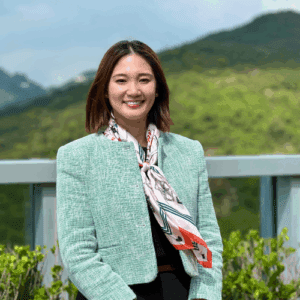
Eleanor Cunningham
General Manager, Sustainability
The Caravel Group

Eleanor Cunningham
The Caravel Group
General Manager, Sustainability
Eleanor is Head of Sustainability at The Caravel Group, where she leads the Group’s global sustainability strategy and decarbonisation performance across a fleet of more than 580 vessels under management via Fleet Management Limited, the Group’s shipping subsidiary. She has led fleet-wide climate and nature risk assessments and decarbonisation roadmaps, working across operations, technical and safety teams to move low-carbon technologies and green fuels from pilot to scaled deployment, using AI-supported analytics to strengthen carbon-risk forecasting and disclosure accuracy.
With over 15 years across consulting, maritime and hospitality, she builds the governance and data infrastructure that underpins credible disclosure and advises C-suite leadership on translating climate transition planning into operational roadmaps that address the regulatory and commercial realities of the maritime sector’s net-zero transition.
Speaking at 2026 sessions:
Day 2
Scaling Low‑ and Zero‑Carbon Vessels and Green Fuels: Advancing a Net‑Zero Fleet in Hong Kong and the GBA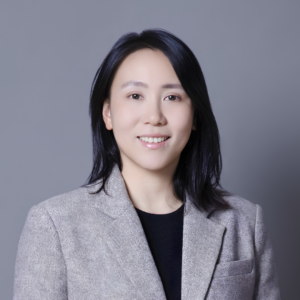
Li Fan
ESG Manager
COSCO SHIPPING Ports Limited
Li Fan
COSCO SHIPPING Ports Limited
ESG Manager
Ms. Li Fan is an ESG practitioner with over 14 years of experience in developing and managing comprehensive corporate ESG initiatives. In her current role, she is responsible for formulating strategic ESG frameworks, addressing climate change challenges, establishing decarbonisation targets, and creating pathways to carbon neutrality. Ms. Fan is also dedicated to enhancing corporate governance and promoting equality and diversity while actively engaging stakeholders and investors through ESG roadshows.
Her career began as an environmental consultant, where she provided expertise to multinational clients across various sectors, such as real estate, energy, automotive, mining, and pharmaceuticals. Her experience with a leading Hong Kong property firm and a prominent energy company has significantly deepened her understanding of ESG best practices and the complexities inherent in these sectors.
Ms. Fan holds a Master’s degree in Environmental Technology and a Bachelor’s degree in Chemistry from Imperial College London. She is a Certified Environmental, Social, and Governance Analyst and a Certified Carbon Auditor Professional. Having lived in the UK and Germany for over a decade, Ms. Fan brings a valuable global perspective to her work, enriching discussions on sustainable development and corporate responsibility.
Speaking at 2026 sessions:
Day 2
Scaling Low‑ and Zero‑Carbon Vessels and Green Fuels: Advancing a Net‑Zero Fleet in Hong Kong and the GBA
Chester Lee
Deputy Chief Operating Officer – Commercial, Green Fuels and Chemicals
The Hong Kong and China Gas Company Limited (Towngas)
Chester Lee
The Hong Kong and China Gas Company Limited (Towngas)
Deputy Chief Operating Officer – Commercial, Green Fuels and Chemicals
Chester Lee is the Deputy Chief Operating Officer – Commercial, Green Fuels and Chemicals at The Hong Kong and China Gas Company Limited (Towngas), where he is responsible for the commercial strategy and market development of the company’s VENEX green methanol business. He leads the development of global commercial partnerships and projects that support the growth of Towngas’ green methanol portfolio and the transition to sustainable marine fuels.
With more than 25 years of experience in the energy, petrochemical, and logistics sectors, Chester is focused on accelerating renewable energy growth across the Asia-Pacific region. He began his career as a mechanical engineer before relocating to China, where he spent over 15 years in the chemical storage and logistics industry with leading international companies including Royal Vopak, Helm AG, and Odfjell SE. He later returned to Singapore to serve as President, Asia of Odfjell Terminals, overseeing the company’s regional operations and strategic growth initiatives.
Prior to joining Towngas, Chester was with MOL Chemical Tankers, where he played a leading role in the successful US$1.8 billion acquisition of LBC Tank Terminals. The transaction strengthened the integration of land-based and maritime logistics capabilities, creating long-term synergies while supporting sustainability objectives and the pathway toward carbon neutrality. Across these positions, he spearheaded regional storage transformations, strategic M&A execution, and new energy investments.
Chester holds a Bachelor of Engineering (Honours) in Mechanical Engineering and a Master of Business Administration (MBA). With deep expertise in cross-border supply chains and state-owned enterprise (SOE) engagement, Chester bridges commercial strategy and operational execution across China, the Asia-Pacific region, and global energy markets.
Speaking at 2026 sessions:
Day 2
Scaling Low‑ and Zero‑Carbon Vessels and Green Fuels: Advancing a Net‑Zero Fleet in Hong Kong and the GBA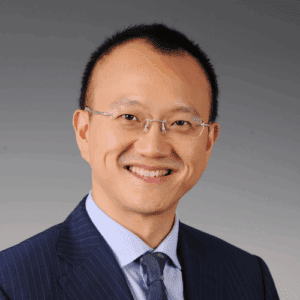
Mark Teng
Chief Financial Officer
SeaKapital Limited
Mark Teng
SeaKapital Limited
Chief Financial Officer
Mark Teng is the Chief Financial Officer at SeaKapital, a Hong Kong-based maritime leasing and investment company, and the former Managing Director in the Shipping and Offshore department of Credit Agricole Corporate and Investment Bank.
Throughout his 25+ year career, Mark has originated and executed extensive maritime transactions across Asia-Pacific, Europe, and the Middle East, with recent experience in financing alternative fuel vessels using use-of-proceed as well as sustainability-linked loans, green bonds, and other ESG-compliant structures specifically designed for the maritime sector’s transition to net-zero emissions. Mark’s combination of practical transaction experience and attention to prevailing trends in sustainable finance continues to bridge global capital with Asia’s shipbuilding ecosystem to accelerate the sector’s transition to net-zero operations.
Mark has a long track record as a keynote speaker, moderator, and panelist at international maritime finance conferences across Asia. His speaking portfolio demonstrates expertise across sustainable finance, decarbonization, and maritime banking, including the recent keynote presentation “Sustainable Finance in Shipping” at the 17th World Ocean Forum 2023 in Busan, Korea. He also serves as a regular panelist at annual Marine Money conferences in Singapore, Hong Kong, and Shanghai, where he has addressed topics ranging from bank finance evolution to ESG best practices in shipping. His presentations consistently focus on bridging the technological and financial challenges of maritime decarbonization, emphasizing the critical role of governments and financial institutions in supporting the industry’s ambitious IMO 2050 net-zero targets.
Mark holds a B.S. in Economics from The Wharton School and a B.A. in International Studies from the University of Pennsylvania.
My Sustainability Goals for 2026:
One way Hong Kong can elevate its port competitiveness is by promoting alternative fuel bunkering availability, in line with its “green and smart port” strategy. In parallel, wider adoption of innovative green financing solutions such as use-of-proceeds financing for green fuel, supply chain infrastructure, or decarbonizing retrofitting equipment would further expand the supply of green funding to the address the rising demand under IMO 2050.
Speaking at 2026 sessions:
Day 2
Scaling Low‑ and Zero‑Carbon Vessels and Green Fuels: Advancing a Net‑Zero Fleet in Hong Kong and the GBA15:35 – 16:25
Since the inception of green shipping corridors (GSC) at COP26 in 2021, there have been over 80 green shipping corridor initiatives generated globally. In the context of Asia, various initiatives can be seen from China, India, and Singapore.
While the adoption of green shipping corridors often appears on headlines as a key vehicle towards maritime decarbonization, it is generally speaking still at an initial stage with no clear structure or characteristics. It is also a very complex transnational public-private project involving policy, financial incentives, infrastructure, technology adoption, commercial readiness and so on. The session aims at addressing the feasibility and challenges for green shipping corridor initiative in HK.
Session Learnings:
- GSC review in 2026 – what are the success stories so far? What can HK learn from these pioneer experiences?
- GSC for HK and the GBA region – how will they elevate the strategic positioning of HK as a key maritime hub in Asia?
- GSC as a public-private partnership project – What has the HKSAR Government been doing, especially in terms of policy, financial incentives, and infrastructure readiness, in materialising GSC?
- What does the maritime industry see as major obstacles in GSC implementation?
Post-Event Actions:
- Progress and success stories of GSCs worldwide and the lessons learnt.
- Hong Kong’s position in developing GSCs for the GBA region and its implications.
- HKSAR Government’s initiatives and policies in the development of GSC.
- Industry’s take on opportunities and challenges in relation to GSC in Hong Kong.
Speakers
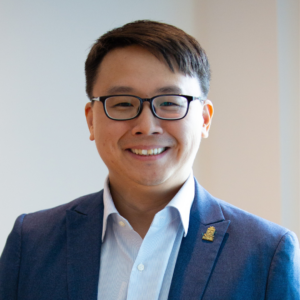
Moderator
Andrew Wong
Business Development Manager, Asia
MLA College
Andrew Wong
MLA College
Business Development Manager, Asia
Andrew Wong joined MLA College in January 2026 as Business Development Manager for Asia. He is responsible for driving B2B growth and strategic partnerships across the region, as well as supporting the establishment and operations of the College’s first overseas campus in Singapore.
With over a decade of experience in business development and operations management within the maritime sector, Andrew brings strong regional expertise and a proven track record in market expansion. Prior to joining MLA College, he led the APAC team of an international maritime professional body, where he played a key role in (re)designing products, developing new revenue streams, and penetrating emerging markets.
Andrew graduated from The Chinese University of Hong Kong in 2010 with a BSocSci (Hons) in Government and Public Administration. In 2024, he completed his MSc in Sustainable Maritime Operations at MLA College with Distinction. As an alumnus, Andrew is proud to return to MLA College and contribute to advancing its mission across Asia.
Speaking at 2026 sessions:
Day 2
Green Shipping Corridors: Positioning Hong Kong and the GBA as a Regional Net‑Zero Maritime Hub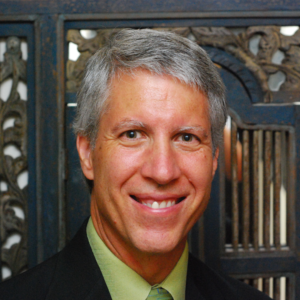
Roberto Giannetta
Chairman
Hong Kong Liner Shipping Association
Roberto Giannetta
Hong Kong Liner Shipping Association
Chairman
Roberto Giannetta has 35 years of service in the shipping industry. Having served as director of system development, financial controller, executive director, and now Chairman for shipping agreements and associations, he has a vast cross-reference of knowledge in shipping practices across Asia.
As Chairman of the Hong Kong Liner Shipping Association, Roberto represents the interests of container liner principals on numerous industry and governmental organisations (including APEC Shipping Port Network Security, Hong Kong Maritime and Port Board, Article Number Association, and others) covering operational, safety, environmental, regulatory, trade, and policy matters vis-à-vis government and industry stakeholders. With a board of directors comprising CEO and MD level representatives from major shipping lines serving trades to/from Asia and the rest of the world, Roberto has a well-guided understanding of shipping liner needs, objectives, and environment.
Speaking at 2026 sessions:
Day 2
Green Shipping Corridors: Positioning Hong Kong and the GBA as a Regional Net‑Zero Maritime Hub
Junyang Jiang
Consultant
Global Centre for Green Fuels

Junyang Jiang
Global Centre for Green Fuels
Consultant
Energy transition and sustainable fuels professional with over 20 years of experience supporting China’s climate, energy, agriculture and renewable‑fuel development.
He has extensive experience building partnerships across governments, international organizations, industry associations, research institutions and enterprises to deliver low‑carbon solutions. His core expertise covers renewable fuels, bioenergy, sustainable aviation fuel (SAF), maritime fuel transition, life‑cycle carbon assessment and China’s policy landscape. Previous work at USGC, FAS/USDA Beijing and Dow Jones Newswires Beijing.
My Sustainability Goals for 2026:
- Hong Kong could play a leading role in adoption of low carbon fuels in aviation and maritime sector; and a bunking hub for green maritime fuels.
Speaking at 2026 sessions:
Day 2
Green Shipping Corridors: Positioning Hong Kong and the GBA as a Regional Net‑Zero Maritime Hub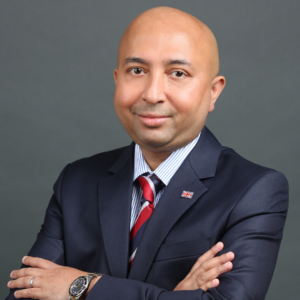
Dr. Kaushik Roy
Vice President
Nautical Institute
Dr. Kaushik Roy
Nautical Institute
Vice President
Dr Roy Kaushik is the Adviser to the world’s 4th largest shipping registry, a Board Member of the Institute of Marine Engineering Science and Technology (IMarEST), the Vice President of the Nautical Institute (NI), the Chair of the Nautical Institute Hong Kong, and a Council Member of the Hong Kong Institute of Marine Technology (HKIMT), IMarEST, and NI. He holds four ‘Charter’ & five ‘Fellow’ statuses; PRI assessor for Chartered Master Mariner (CMMar) and Chartered Marine Technologist (CMarTech). He is a Committee Member of 3 renowned classification societies: the ABS, BV, and LR and is an LNG safety, operation, joint venture start-up & management expert. Kaushik is a Doctorate (PhD) in Maritime Management, ‘Harvard-educated negotiator & mediator, and an expert witness on tankers & gas carriers and is also the first Asian origin Chartered Master Mariner and the first in Southeast/Far East Asia and China. He is one of the founding members of the Nautical Institute Armillary Club and secured the world’s first Green Award to the LNG vessel and the operator. He was involved in Argentina, Indonesia, & Japan’s 1st LNG STS operations & commissioning of HYLNG, Tianjin, Dhabol, and Adriatic-LNG terminals. Kaushik is the first Overseas Representative of the Registration Authority of the Honourable Company of Master Mariners, UK. Kaushik is the Govt. Adviser and Mentor to cadets/ interns and professionals of the Marine Society, UK, and Hong Kong Polytechnic University. He is well known in the maritime clusters of the East and West.
Kaushik completed his PhD on Maritime Management and his Master’s on International Trade Law from the University of Northumbria, UK. He was a full-time Nautical Studies Lecturer at the NAFC Marine Centre/ University of Highlands and Islands (UHI), UK.
Speaking at 2026 sessions:
Day 2
Green Shipping Corridors: Positioning Hong Kong and the GBA as a Regional Net‑Zero Maritime Hub
Malene Wang
Managing Director, Senior Lawyer
Gard (HK) Limited

Malene Wang
Gard (HK) Limited
Managing Director, Senior Lawyer
Malene is qualified as a solicitor in England & Wales and Hong Kong. She joined Gard in 2020 as a Defence lawyer, advising owners and charterers in Hong Kong, Mainland China, Taiwan and Korea on dry shipping disputes and contractual clauses. She is now the Managing Director of Gard Hong Kong.
Malene has a bachelors degree in international relations and a masters degree in computer science. She previously worked as a computer programmer in investment banks and hedge funds in New York and London. She is natively fluent in English and Mandarin.
Speaking at 2026 sessions:
Day 2
Green Shipping Corridors: Positioning Hong Kong and the GBA as a Regional Net‑Zero Maritime HubSupported by
MLA College
MLA College is an award-winning UK higher education institution specialising in flexible distance learning for professionals in sustainability, maritime, engineering and business. Through globally accessible programmes and CPD-accredited sustainability courses, developed in collaboration with UNITAR, we equip learners with the knowledge & skills to drive sustainable change across communities.
Our sustainability goals for 2026:
- Embed sustainability across education by expanding access to sustainability-focused programmes, ByteSize SDG courses and professional development opportunities for learners worldwide.
- Strengthen industry collaboration through partnerships with employers, professional bodies and international organisations to advance sustainability knowledge and skills.
- Reduce the College’s environmental impact by promoting digital-first learning, reviewing operational practices and identifying opportunities to improve resource efficiency.
- Measure and communicate impact by developing a clearer framework for monitoring and reporting the College’s environmental, social and educational contributions.
- Empower staff and students to drive change by embedding sustainability into decision-making, encouraging knowledge sharing and recognising initiatives that contribute to the UN Sustainable Development Goals.
Products, Services & Solutions:
Education/Training/Certification
General Enquiry Email Address: info@mla.ac.uk
General Enquiry Phone Number: 020 3997 7555
Meet our 2026 speakers:
All sessions are subject to change.