
Roundtable Sessions
Roundtable Sessions
Day 1 – Thursday 10 Sept
In partnership with
Foundation for Shared Impact Limited
FSI is built on the philosophy of “shared impact”. We help the people who help people. We are educators, inventors, founders, students, business leaders, and community members who believe in broad cross-sector collaboration and the free sharing of resources, knowledge, and information to tackle the root causes of some of society’s most challenging problems.
Our sustainability goals for 2026:
- Building equity into Hong Kong’s business ecosystem by enhancing under-resourced entrepreneurs’ access to knowledge, information, and resources to thrive and grow.
- Bringing true inclusion to Hong Kong’s diverse communities by fostering intercultural exchange and social inclusion through programmes and initiatives.
- Cultivating impact-driven leaders through experiential learning programmes and initiatives for youth and working professionals.
- Fostering even greater cross-sector collaboration to drive systems change through shared impact.
General Enquiry Email Address: info@shared-impact.com
Friends of the Earth (HK)
Friends of the Earth (HK) (“FoE (HK)”) is a leading environmental advocate that actively engages with the government, businesses, and the community to foster equitable and sustainable policymaking, business practices, and community lifestyles in protection of the local and regional environment.
Our sustainability goals for 2026:
We are dedicated to promoting green finance and cultivating ESG talents. By partnering closely with government and research institutes, professional bodies, SME associations, and international organisations, we strive to build a sustainable society and environment for all.
Products, Services and Solutions:
- Charity/NGO
- Education/Training/Certification
- Green Finance & Investments
- Sustainability Services
General Enquiry Email Address: foehk@foe.org.hk
General Enquiry Phone Number: 2528 5588
Meet our 2026 speakers:
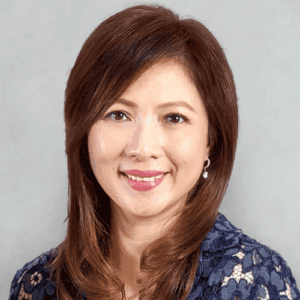
Social Ventures Hong Kong
Founded in 2007, Social Ventures Hong Kong (SVhk) is an Impact Purpose Organisation that innovates social change by re-imagining the city. We focus on inventing and incubating pioneering sustainable business solutions to urban challenges, and partners with communities and businesses alike to design and build cross-sector partnerships towards realising our dreams for NewUrban in 2030
General Enquiry Email Address: enquiry@sv-hk.org
General Enquiry Phone Number: 62634152
Meet our 2026 speakers:
Supported by
ERM-Hong Kong Limited
Booth G30
Sustainability is our business.
As the world’s largest sustainability consultancy, ERM partners with clients to operationalize sustainability at pace and scale, deploying a unique combination of strategic transformation and technical delivery capabilities. This approach helps clients to accelerate the integration of sustainability at every level of their business.
With more than 50 years of experience, ERM’s diverse team of 8000+ experts in 40 countries and territories helps clients create innovative solutions to their sustainability challenges, unlocking commercial opportunities that meet the needs of today while preserving opportunity for future generations.
Our sustainability goals for 2026:
- Advance climate action and decarbonization by delivering on ERM’s science-based net-zero commitments and helping accelerate the global transition to a low-carbon economy.
- Maximize positive impact across Climate, Nature & Water, and social priorities, supporting the UN Sustainable Development Goals (SDGs) through both client work and ERM’s own operations.
- Embed sustainability into business operations and governance, ensuring ethics, compliance, human rights, responsible supply chains, and accountability remain at the core of how ERM operates.
- Reduce ERM’s environmental footprint through ongoing efforts to lower carbon emissions, improve resource efficiency, and implement sustainability initiatives across its global operations.
- Drive meaningful change through collaboration and innovation, partnering with clients, employees, industry organizations, and communities to scale sustainable solutions and deliver measurable environmental and social outcomes.
Legal Name: ERM-Hong Kong Limited
General Enquiry Email Address: parishrut.tripathi@erm.com
General Enquiry Phone Number: 22713000
Meet our 2026 speakers:
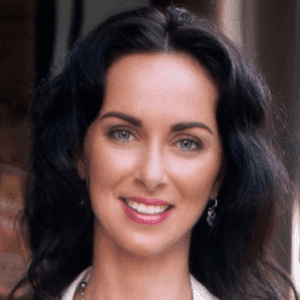
Yulia Dobrolyubova
Partner & Regional Service Leader, Corporate Sustainability & Climate Change
ERM-Hong Kong Limited
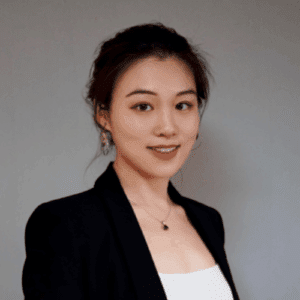
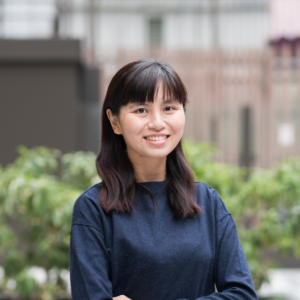
Summer Chen
Associate Partner, Corporate Sustainability & Climate Change.
ERM-Hong Kong Limited
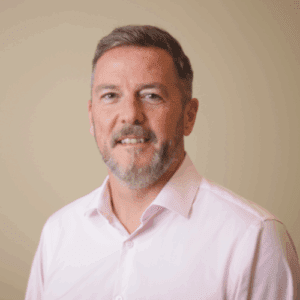
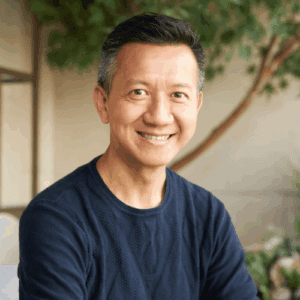
Dr. Robin Kennish
Business Unit Managing Partner, East Asia
ERM-Hong Kong Limited
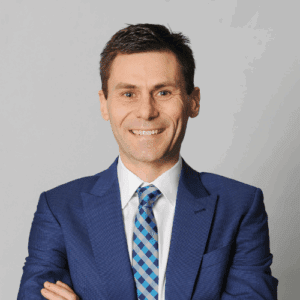
Piers Touzel
Head of ESG Advisory, Partner
ERM-Hong Kong Limited
10:00 – 11:30
What if the next frontier of place-based innovation is about laying the foundations for communities to thrive on their own terms? Building on existing community making efforts in Sham Shui Po, this roundtable workshop leaps from promoting “software” interventions to the underlying urban development system — by discovering the potential of the Community Foundation model. This intimate, small-group workshop is designed to enable delegates to co-investigate whether and how Community Foundation can become a replicable framework for place-based development and innovation in Hong Kong.
Session Learnings:
- How can Community Foundation be designed for neighbourhoods at different stages of urban development? How might we lay the groundwork for instilling long-term community ownership?
- What role can stakeholders play as long-term stewards, not just sponsors, of community engagement efforts?
- How do we evaluate the health of a community foundation — beyond economic indicators, toward social cohesion and civic agency?
Post-Event Actions:
- Personal reflection: What untapped community networks exist in your neighbourhood, and how might you engage as a participant, not just an observer?
- Organisation reflection: Could a community foundation approach elevate your current place-based urban development approach?
- Identify one concrete step to shift your organisation’s community engagement from transactional giving towards shared ownership with the community
Speakers
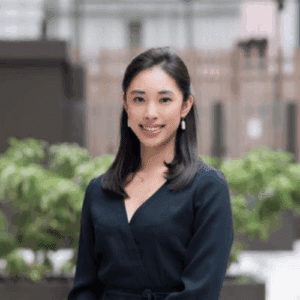
Florence Cheng 鄭樂雯
Chief Purpose Officer
Social Ventures Hong Kong
Florence Cheng 鄭樂雯
Social Ventures Hong Kong
Chief Purpose Officer
Ms Florence Cheng is the Chief Purpose Officer of SVhk and Co-Founder of COSMOS, dedicated to designing impact solutions across business and community. She has advised 10+ companies, startups, social-purpose organisations (SPOs), and public bodies on inclusive employment, family wellbeing, and community empowerment—turning strategy into partnerships and measurable results. She spearheads cross‑sector platforms including the Community Resilience Fund and Business with Purpose, mobilising capital and corporate action. She also develops place‑based social innovations in Sheung Wan, Sham Shui Po, Kwun Tong, and the Northern Metropolis, integrating capital deployment and community-making.
An LSE alumna and a former consultant, she serves as a Member of the SIE Fund Task Force.

Isabel Kwan
Impact Strategy Manager
Social Ventures Hong Kong
Isabel Kwan
Social Ventures Hong Kong
Impact Strategy Manager
Isabel is a seasoned grant-making and project management professional with extensive experience overseeing diverse charitable portfolios, particularly in community development, education, and sector-capacity building. She brings a strategic and collaborative approach to driving social impact across multiple domains.
Prior to joining SVhk as Manager of Impact Strategy in January 2026, Isabel played a pivotal role in fostering cross-sector partnerships among government bodies, community organizations, and educational institutions. She was instrumental in the design and execution of several citywide initiatives, including JC Volunteer Together, JC CoolScience, and the JC Broadening Outreach Scheme. Her contributions span the full project lifecycle—from developing conceptual frameworks and engaging stakeholders to leading implementation, outreach, impact evaluation, and sustainability planning. Isabel’s work reflects a deep commitment to building inclusive, resilient communities through innovative and evidence-based strategies.
Supported by
Social Ventures Hong Kong
Founded in 2007, Social Ventures Hong Kong (SVhk) is an Impact Purpose Organisation that innovates social change by re-imagining the city. We focus on inventing and incubating pioneering sustainable business solutions to urban challenges, and partners with communities and businesses alike to design and build cross-sector partnerships towards realising our dreams for NewUrban in 2030
General Enquiry Email Address: enquiry@sv-hk.org
General Enquiry Phone Number: 62634152
Meet our 2026 speakers:
12:00 – 13:30
AI has the potential to drastically accelerate social impact creation and advance effective philanthropy, from impact measurement and reporting, grant writing and evaluation, to organizational admin and operations, and even strategizing for systems change.
Join us at this roundtable discussion to hear from social impact leaders about the various risks and benefits of AI adoption in the social impact space in Hong Kong. In addition to learning about FSI’s Shared Data Project and how it improves transparency and accountability in the social impact and philanthropy sectors, you will also get to discuss with cross-sector professionals the effective ways to use AI to create and communicate social impact.
Session Learnings:
- Risks and benefits of using AI for social impact work
- How to leverage AI to accelerate social impact and effective philanthropy
- How FSI’s Shared Data Project can enhance transparency and accountability in the social impact space
Post-Event Actions:
- Identify responsible and effective ways to use AI and tech tools to advance social impact
- Test and provide feedback on existing AI tools with the aim of advancing social impact
- Get involved in cross-sector collaboration to enhance AI tools to accelerate social impact
Speakers
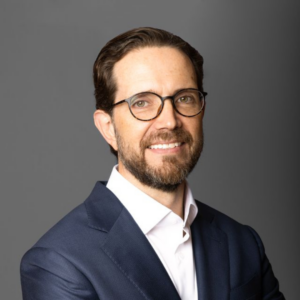
Prof. David Bishop
Associate Professor of Teaching
The University of Hong Kong

Prof. David Bishop
The University of Hong Kong
Associate Professor of Teaching
Prof. Bishop is an Associate Professor at The University of Hong Kong and the International MBA Program at Fudan University, Shanghai. He has won numerous awards for his teaching, including HKU’s Distinguished Teaching Award and Hong Kong’s highest teaching honor: the UGC Teaching Award. Prior to teaching, Prof. Bishop practiced law in both the United States and across Asia.
Prof. Bishop focuses significant time on activities and programs providing direct benefit to the community. He consults companies about their ethics, CSR, pro bono, and philanthropic initiatives, and is founder and director of multiple social impact organizations. He and his students are constantly looking for scalable solutions to complex societal problems.
My Sustainability Goals for 2026:
- I would like to see at least one large thoroughfare in Central closed to vehicular traffic and made exclusively into a pedestrian green space.
- I would like to see the solid waste levy codified into law.
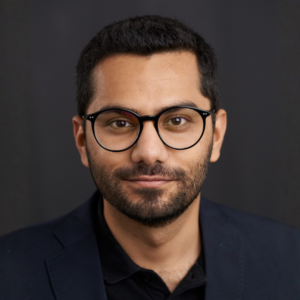
Paras Kalura
Chief Operating Officer
Migrasia
Paras Kalura
Migrasia
Chief Operating Officer
Paras Kalura is the Chief Operating Officer of Migrasia, a Hong Kong-based think-and-do tank dedicated to eradicating forced labor and systemic exploitation within the global migration system. Recognized on the Forbes 30 Under 30 Asia list for his contributions to social impact, Paras has been instrumental in scaling Migrasia’s operational and technological capabilities. Since joining the organization in 2022, he has overseen pioneering tech initiatives like PoBot—an AI-powered chatbot providing migrant workers with real-time, multilingual guidance on their legal rights and critical support services.
Under his strategic oversight, Migrasia has assisted over 42,000 workers, recovered more than $40 million USD in illegal fees, and repatriated over 350 individuals.
Paras holds a degree in engineering alongside a joint MBA from the University of Hong Kong and London Business School.
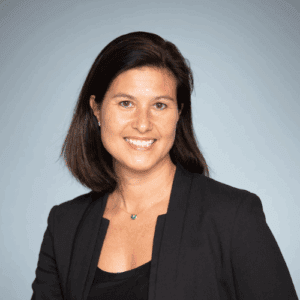
Pia Wong
Founder and CEO
Purpose Impact Action
Pia Wong
Purpose Impact Action Ltd.
Founder and CEO
Pia is a seasoned social impact strategist with 25+ years of experience in cross-sector partnerships, stakeholder engagement, and impact measurement. Her career began in leadership roles at Weber Shandwick Shanghai and Synovate (Ipsos) APAC before shifting her focus to scaling social impact in Hong Kong in 2006.
Driven by a commitment to systemic change, Pia has spearheaded initiatives in literacy and education during her 12-year tenure as Executive Director of Bring Me A Book Hong Kong. As Co-Founder of Voice for Social Good, Pia is also a huge advocate of operational funding for nonprofits to strengthen sector resilience and deliver on impact – as their viral “Bake a Difference” campaign demonstrates.
In 2025, Pia led Hong Kong’s first ever impact measurement research. This groundbreaking initiative addressed critical gaps in nonprofit effectiveness while responding to the growing imperative for SMEs to demonstrate their social impact and sustainability commitments to remain competitive.
By transforming complex data into actionable insights, Pia empowers organizations to demonstrate and scale their social value with clarity and confidence.
Pia holds a BA (Hons) from University College London and a Business Sustainability Management Certificate from the University of Cambridge (2022).
My Sustainability Goals for 2026:
Her 2026 sustainability goals are focused on advancing social impact measurement in Hong Kong through two strategic priorities;
1) Shifting mindsets: We advocate a long-term approach to sustainability by encouraging funders and investors to commit to multi-year grants or investments. This enables mission-driven organizations to generate robust, evidence-based outcomes over time. In parallel, nonprofits and social enterprises must confidently champion their impact measurement needs to secure the necessary resources and visibility.
2) Pooling Resources and Expertise: We seek to drive sector-wide collaboration by developing localized, shared impact measurement frameworks. Aligning on common outcomes and key indicators will enhance data comparability, reduce duplication, and streamline impact reporting — ultimately strengthening the ecosystem’s ability to demonstrate collective progress.
Supported by
Foundation for Shared Impact Limited
FSI is built on the philosophy of “shared impact”. We help the people who help people. We are educators, inventors, founders, students, business leaders, and community members who believe in broad cross-sector collaboration and the free sharing of resources, knowledge, and information to tackle the root causes of some of society’s most challenging problems.
Our sustainability goals for 2026:
- Building equity into Hong Kong’s business ecosystem by enhancing under-resourced entrepreneurs’ access to knowledge, information, and resources to thrive and grow.
- Bringing true inclusion to Hong Kong’s diverse communities by fostering intercultural exchange and social inclusion through programmes and initiatives.
- Cultivating impact-driven leaders through experiential learning programmes and initiatives for youth and working professionals.
- Fostering even greater cross-sector collaboration to drive systems change through shared impact.
General Enquiry Email Address: info@shared-impact.com
14:00 – 15:30
Sustainability has become a core part of business and economic decision-making, and professional services have an increasingly important role to play in supporting the transition. A broad ecosystem of green professional services, from engineering and accounting to consulting and assurance, helps organisations navigate evolving requirements, improve data quality, and build confidence in sustainability-related information.
This roundtable will explore how these services support businesses in managing transition risks, strengthening transparency, and aligning with international frameworks such as ISSB. It will also look at how better coordination across professional services can reduce information gaps, support more informed decision-making, and build capacity across the sustainability ecosystem.
Session Learnings:
- Understand the role of green professional services in advancing the transition.
- Explore how different services, including engineering, accounting, and assurance, contribute to credible and decision-useful sustainability information.
- Identify how alignment with global standards can enhance trust, transparency, and cross-border collaboration.
Post-Event Actions:
- Assess how their organisations can better leverage green professional services to support sustainability goals.
- Strengthen internal coordination across functions engaging with sustainability-related services.
- Identify opportunities to build capacity and partnerships within the green professional services ecosystem.
Speakers
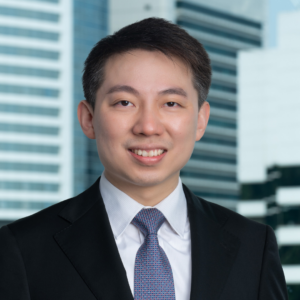
Anthony Cheung
Vice Chairperson of Friends of the Earth
GHG Protocol

Anthony Cheung
GHG Protocol
Vice Chairperson of Friends of the Earth
Anthony Cheung is Managing Director and Head of ESG at one of Asia’s largest multi-manager investment platforms, where he oversees ESG integration and sustainable investment strategies. With over 20 years of experience in asset management across Europe and Asia, he served at renowned institutions including Gartmore, Pictet, and BNP Paribas.
As the first Certified ESG Analyst (CESGA) in Asia, Anthony has served on the World Benchmarking Alliance (WBA) Supervisory Board, the Global Reporting Initiative (GRI) Stakeholder Council, and the CFA Institute ESG Technical Committee. He contributes to climate governance as a board member of Friends of the Earth (HK) and the Hong Kong Institute of Directors.
Recognized by the 2019 Regional ESG Leader Award by Insights and Mandate, Anthony actively advocates for advancing science-based, implementable climate accounting and sustainability reporting frameworks in Asia. Anthony is a Fellow of CPA Australia and based in Hong Kong
Speaking at 2026 sessions:
Day 1
Building Trust in the Transition: The Role of Green Professional Services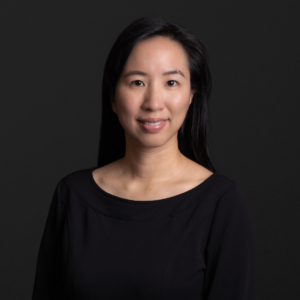
Karen Lam
Head of Hong Kong Securitisation and Derivatives
Simmons & Simmons

Karen Lam
Simmons & Simmons
Head of Hong Kong Securitisation and Derivatives
Karen is a partner in Simmons & Simmons’ Financial Markets group in Hong Kong, with more than 20 years of experience advising on a wide range of structured finance and financial markets transactions across Asia. She is particularly recognised for her expertise in securitisations, structured products and derivatives.
Her practice spans asset-based finance, structured products, derivatives, debt securities, margin lending and financial market infrastructure. Karen has played a leading role in some of Asia’s most significant market developments, including the launch of Stock Connect, Bond Connect and Swap Connect, and has been actively involved in the development of carbon markets across the region. She is also a trusted adviser on derivatives and structured products regulatory matters.
Prior to joining Simmons & Simmons in 2025, Karen was a partner at another leading international law firm. She is ranked by Chambers Greater China for Capital Markets: Derivatives & Structured Products, recognised as a Rising Star in Finance by the Euromoney Women in Business Law Awards, and named a Legal 500 Green Ambassador.
Speaking at 2026 sessions:
Day 1
Building Trust in the Transition: The Role of Green Professional Services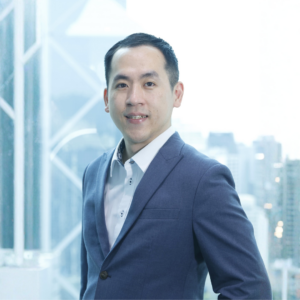
Andy Law
Partner, Sustainability
Deloitte

Andy Law
Deloitte
Partner, Sustainability
Mr. Law is a Sustainability Partner at Deloitte China with 15 years’ experience advising public and private companies on sustainability strategy, sustainability and financial reporting, and assurance. He works with boards and executive teams to build governance and capacity, quantify and account for greenhouse gas (GHG) emissions, assess climate resilience, develop decarbonisation strategies, and prepare disclosures that reflect both business implications and regulatory expectations.
Before Deloitte, Mr. Law served at a leading global professional services firm and was Sustainability Director at the Hong Kong Institute of Certified Public Accountants (HKICPA), where he led the localisation of sustainability standards – aligned with the ISSB – and built capacity programmes for practitioners and listed companies. He also supported the preparation of the Implementation Guidance for Climate Disclosures under the HKEX ESG Code, and now serves on HKICPA’s Sustainability Committee, advancing sustainability upskilling for the profession.
Mr. Law is a member of the GHG Protocol Technical Working Group, contributing to revisions of global greenhouse gas accounting standards, serves on the advisory committee for a sustainability-related
My Sustainability Goals for 2026:
- Advocating SustainNext Climate Reporting – Deloitte’s Al-powered platform combining our assurance expertise with Al-driven technology – to help corporates collect, analyse and report climate data efficiently, stay compliant with international frameworks (i.e. ISSB, CSRD), and transform reporting into strategic insights
- Supporting corporates in developing credible net-zero transition plans and facilitating their access to green financing
- Advancing market participants to understand the interplay between sustainability disclosures and financial reporting
- Promoting high-quality sustainability disclosures and equipping corporates to prepare assurance-ready sustainability data
Sustainability is not a tomorrow matter – it is an ASAP matter.
Speaking at 2026 sessions:
Day 1
Building Trust in the Transition: The Role of Green Professional Services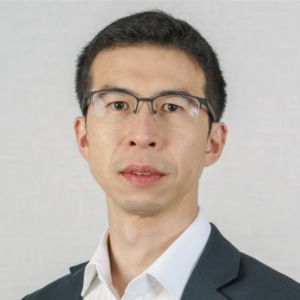
Pedro Yip
Partner, Head of the Consumer, Telco & Technology Practice in Asia Pacific
Oliver Wyman
Pedro Yip
Oliver Wyman
Partner, Head of the Consumer, Telco & Technology Practice in Asia Pacific
Pedro Yip is a Partner and the Head of the Consumer, Telco, and Technology Practice for Asia Pacific at Oliver Wyman. With over 20 years of experience driving large-scale business transformations across Europe and Asia, Pedro is a passionate advocate for the green economy and driving sustainable practices within the real economy.
A pioneer in operationalizing sustainability, Pedro previously served as Head of Supply Chain at the pioneering UK online grocer Ocado. There, he successfully translated environmental goals into operational reality, leveraging AI-driven forecasting to achieve one of the lowest food wastage levels in the grocery industry. Today, he helps leading global organizations translate ambitious environmental targets into actionable, high-impact initiatives through supply chain optimization, systemic change management, and advanced AI integration. He combines analytical precision with a profound commitment to driving long-term commercial and environmental sustainability.
Pedro holds a first-class engineering degree from the University of Cambridge.
Speaking at 2026 sessions:
Day 1
Building Trust in the Transition: The Role of Green Professional Services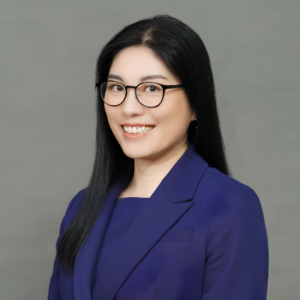
Serena Mak
Executive Director, Sustainable Finance, Institutional Banking Group; Board Governor & Honorary Secretary
DBS Bank (Hong Kong); Friends of the Earth (HK)
Serena Mak
DBS Bank (Hong Kong); Friends of the Earth (HK)
Executive Director, Sustainable Finance, Institutional Banking Group; Board Governor & Honorary Secretary
Serena Mak is currently Executive Director, Sustainable Finance, Institutional Banking Group at DBS Hong Kong. She provides strategic direction and guidance on sustainable finance transactions while also fostering a culture of sustainability within the bank.
Prior to joining DBS, Serena was the Head of ESG Funding Asia for Home Credit, where she successfully contributed to the group’s sustainability-linked financing in Asia. She also held several positions at Goldman Sachs in Singapore and Hong Kong, with a focus on liquidity management across the APAC region.
Serena holds a Master of Science degree in Financial Analysis as well as a Bachelor of Business Administration degree in Global Business & Management of Organizations from the Hong Kong University of Science and Technology. She is a Certified ESG Analyst (CESGA), CPA (Australia), and FRM.
Serena also contributes as Adjunct Associate Professor at the University of Hong Kong, Board Governor and Honorary Secretary at Friends of the Earth (Hong Kong), and is on the examiner team for the Certified ESG Analyst (CESGA) program by the European Federation of Financial Analysts Societies (EFFAS).
Speaking at 2026 sessions:
Day 1
Building Trust in the Transition: The Role of Green Professional ServicesDay 2
Unlocking Hydrogen Scalability in Hong Kong’s Energy TransitionSupported by
Friends of the Earth (HK)
Friends of the Earth (HK) (“FoE (HK)”) is a leading environmental advocate that actively engages with the government, businesses, and the community to foster equitable and sustainable policymaking, business practices, and community lifestyles in protection of the local and regional environment.
Our sustainability goals for 2026:
We are dedicated to promoting green finance and cultivating ESG talents. By partnering closely with government and research institutes, professional bodies, SME associations, and international organisations, we strive to build a sustainable society and environment for all.
Products, Services and Solutions:
- Charity/NGO
- Education/Training/Certification
- Green Finance & Investments
- Sustainability Services
General Enquiry Email Address: foehk@foe.org.hk
General Enquiry Phone Number: 2528 5588
Meet our 2026 speakers:
16:00 – 17:30
As organizations accelerate their transition efforts, climate, nature, and social priorities are often managed through separate strategies and workstreams. Yet these issues are increasingly interconnected, influencing business resilience, risk exposure, investment decisions, and long-term value creation.
Developed by WBCSD and ERM, Integrated Transition Planning (ITP) provides a practical framework to help organizations connect these priorities within a single, business-relevant strategy. By embedding climate, nature, and social considerations into governance, risk management, capital allocation, and operational decision-making, companies can better navigate complexity while identifying opportunities to protect and create value.
This executive roundtable will bring together senior leaders from across industries to explore how organizations are translating the principles of Integrated Transition Planning into practice. Participants will discuss the interdependencies, trade-offs, and synergies between climate, nature, and social agendas, and examine how greater alignment can strengthen business performance, resilience, and competitiveness.
Through an interactive peer-to-peer discussion, the session will explore practical challenges to integration, including governance structures, competing business priorities, incentives, metrics, and organizational silos. Participants will also share emerging practices, lessons learned, and opportunities for collaboration to advance more integrated, credible, and investment-ready transition strategies.
.Session Learnings:
- Understanding the business case for Integrated Transition Planning
- Aligning climate, nature, and social priorities within core business strategy
- Managing trade-offs and maximizing synergies across transition agendas
- Overcoming organizational and governance barriers to integration
- Advancing practical, investment-ready approaches through peer learning and collaboration
Post-Event Actions: Business Case Opportunities
- Assess their current approach and identify gaps in integrating climate, nature, and social priorities into core strategy
- Identify and prioritize “no-regret” actions that deliver multi-dimensional outcomes across risk, value, and resilience
- Engage internal stakeholders to advance actionable, credible transition plans aligned to evolving investor and regulatory expectations
Speakers
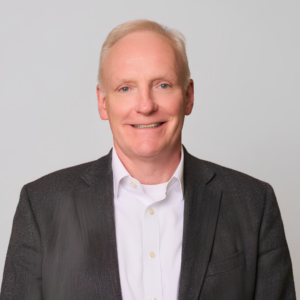
John Willis
Senior Director
World Business Council for Sustainable Development

John Willis
World Business Council for Sustainable Development
Senior Director
John Willis is Senior Director of Corporate Performance & Accountability at WBCSD, where he helps businesses embed sustainability into financial valuation and capital allocation to drive long-term value and competitiveness. With over 30 years in sustainable finance, including senior roles at the Tracker Group (home of Carbon Tracker and Planet Tracker), Sustainable Insight Capital Management, and Deutsche Asset Management (DWS), as well as Global Head of Equity Research at Deutsche Bank Securities. He brings financial market expertise to the challenge of making sustainability performance a genuine business advantage.
My Sustainability Goals for 2026:
- Demonstrate sustainable business strategies can pay, by driving competitiveness, resilience and value.
- Make sustainability strategies investible by translating them into the language of capital markets.
- Highlight credible transitions which turn ambition into corporate action.
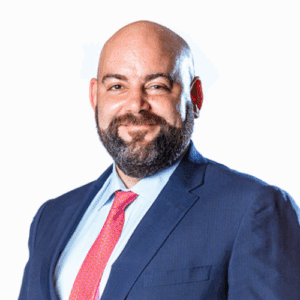
Joe Phelan
Executive Director, Asia Pacific
World Business Council for Sustainable Development
Joe Phelan
World Business Council for Sustainable Development
Executive Director, Asia Pacific
Joe is Executive Director, Asia Pacific for the World Business Council for Sustainable Development, the global, CEO-led community of the world’s leading sustainable businesses working together to realize a net-zero, nature-positive, more equitable future.
Joe is responsible for the engagement of ambitious companies from across Asia and Australasia in the World Business Council. He has supported collective action projects by business with demonstrable outcomes in areas such as climate change, energy transition, water risk, mobility and more resilient agriculture.
Prior to joining WBCSD, Joe held senior roles with the Prince of Wales Business Leaders Forum. Highlights included a series of special reports with the Financial Times on business and sustainable development, the development of the World Business & Development awards with the United Nations and International Chambers of Commerce, and delivery of programs in skills, inclusive business, and anti-corruption.
Born and educated in the UK, Joe has worked in Asia since 2009. He plays cricket and lives in Singapore with his wife, a writer, and their daughter.
Speaking at 2026 sessions:
Day 1
Integrated Transition Planning: Value from Connecting Climate, Nature & People
Dr. Robin Kennish
Business Unit Managing Partner, East Asia
ERM-Hong Kong Limited
Dr. Robin Kennish
ERM-Hong Kong Limited
Business Unit Managing Partner, East Asia
Dr Robin Kennish is the Managing Partner for ERM’s East Asia business. He has over 20 years of experience in managing and directing environment and sustainability studies. These studies have ranged from securing permits through to strategic advice on climate change, biodiversity and health and safety. He is working with power companies, conglomerates and asset management firms on aligning their climate change disclosure with the Task Force on Climate-related Financial Disclosure requirements. Robin has recently worked with HKEX listed companies on their Nature strategy which has included looking as risks and opportunities, value chain impacts as well as preparation of TNFD aligned disclosure for ESG reports. Robin has a PhD in Marine Sciences and has conducted numerous Aquatic and Terrestrial Biodiversity assessments while at ERM throughout the Asia Pacific region. His Biodiversity and Nature experience has ranged from developing corporate level policies through to site level assessments and habitat creation plans.
Yulia Dobrolyubova
Partner & Regional Service Leader, Corporate Sustainability & Climate Change
ERM-Hong Kong Limited
Yulia Dobrolyubova
ERM-Hong Kong Limited
Partner & Regional Service Leader, Corporate Sustainability & Climate Change
Yulia leads Corporate Sustainability and Climate Change services across Asia. She has 18 years’ experience in consulting and managing projects on climate change, clean energy and sustainable development, including over 15 years in Asia-Pacific (APAC). She has worked with various development organisations (World Bank/IFC, EBRD, ADB, United Nations agencies), impact investors and financial institutions, national and city governments, as well as companies in the Oil & Gas, energy, cement, steel, textile and apparel, automotive, chemical and pharmaceutical, consumer goods, and other sectors.
Yulia is one of the leads ERM experts in APAC for the design of environmental, social and governance (ESG) and climate strategies for various sectors and clients. She is also an author and reviewer of a number of studies and publications.
Speaking at 2026 sessions:
Day 1
Integrated Transition Planning: Value from Connecting Climate, Nature & People
Summer Chen
Associate Partner, Corporate Sustainability & Climate Change.
ERM-Hong Kong Limited
Summer Chen
ERM-Hong Kong Limited
Associate Partner, Corporate Sustainability & Climate Change.
Summer is an Associate Partner of the Corporate Sustainability and Climate Change (CSCC) Team with ERM based in Hong Kong. She leads the CSCC work across Greater China and currently serves as the APAC Technical Community Lead. Summer’s focus is on advising her Clients on their transition to a low carbon economy and working with their teams to ensure that a robust strategy is in place so they can meet their climate, nature and ESG goals. Summer has significant experience in climate risk assessment projects in the Asia region and depth knowledge around power & renewables including emerging clean technologies such as hydrogen, EV.
Prior to Hong Kong, Summer has worked for the UK Foreign & Commonwealth Office for over 5 years on climate change energy policy through the delivery of projects to support regional energy transition. She has previously lived and worked in Malaysia, Mainland China, Kenya and the UK, frequently collaborating with large multi-disciplinary teams throughout Europe, Middle East and Africa (EMEA) and APAC. She is passionate about promoting gender equality and women’s empowerment and was nominated as Champion for Women in Renewables Asia.
Speaking at 2026 sessions:
Day 1
Integrated Transition Planning: Value from Connecting Climate, Nature & PeopleWith thanks to
ERM-Hong Kong Limited
Booth G30
Sustainability is our business.
As the world’s largest sustainability consultancy, ERM partners with clients to operationalize sustainability at pace and scale, deploying a unique combination of strategic transformation and technical delivery capabilities. This approach helps clients to accelerate the integration of sustainability at every level of their business.
With more than 50 years of experience, ERM’s diverse team of 8000+ experts in 40 countries and territories helps clients create innovative solutions to their sustainability challenges, unlocking commercial opportunities that meet the needs of today while preserving opportunity for future generations.
Our sustainability goals for 2026:
- Advance climate action and decarbonization by delivering on ERM’s science-based net-zero commitments and helping accelerate the global transition to a low-carbon economy.
- Maximize positive impact across Climate, Nature & Water, and social priorities, supporting the UN Sustainable Development Goals (SDGs) through both client work and ERM’s own operations.
- Embed sustainability into business operations and governance, ensuring ethics, compliance, human rights, responsible supply chains, and accountability remain at the core of how ERM operates.
- Reduce ERM’s environmental footprint through ongoing efforts to lower carbon emissions, improve resource efficiency, and implement sustainability initiatives across its global operations.
- Drive meaningful change through collaboration and innovation, partnering with clients, employees, industry organizations, and communities to scale sustainable solutions and deliver measurable environmental and social outcomes.
Legal Name: ERM-Hong Kong Limited
General Enquiry Email Address: parishrut.tripathi@erm.com
General Enquiry Phone Number: 22713000
Meet our 2026 speakers:
Yulia Dobrolyubova
Partner & Regional Service Leader, Corporate Sustainability & Climate Change
ERM-Hong Kong Limited
Summer Chen
Associate Partner, Corporate Sustainability & Climate Change.
ERM-Hong Kong Limited
Dr. Robin Kennish
Business Unit Managing Partner, East Asia
ERM-Hong Kong Limited
Piers Touzel
Head of ESG Advisory, Partner
ERM-Hong Kong Limited
Day 2 – Friday 11 Sept
Supported by
CFA Institute
Booth F54
CFA Institute is a global association of investment professionals setting the standard for ethics, education, and professional excellence. In over 160 markets, we support sustainable development by advancing green finance capabilities, equipping professionals with sustainability and climate-risk skills, and fostering industry collaboration to transition to more resilient capital markets.
Solutions Showcase:
Education/Training/Certification
Legal Name: CFA Institute
General Enquiry Email Address: info@cfainstitute.org
General Enquiry Phone Number: 2868 2700
General Business Address: 27/F, Henley Building, 5 Queen’s Road Central, Central, Hong Kong
Meet our 2026 speakers:
EcoVadis Hong Kong Limited
Booth D32
EcoVadis is a purpose-driven company dedicated to embedding sustainability intelligence into every business decision worldwide. With global, trusted and actionable ratings, businesses of all sizes rely on EcoVadis’ detailed insights to comply with ESG regulations, reduce GHG emissions, and improve the sustainability performance of their business and value chain across 220 industries in 180 countries. Leaders like Johnson & Johnson, L’Oréal, Unilever, Bridgestone, BASF and JPMorgan are among 150,000+ businesses that use EcoVadis ratings, risk, and carbon management tools and e-learning platform to accelerate their journey toward resilience, sustainable growth and positive impact worldwide.
Our sustainability goals for 2026:
- Accelerating Value Chain Decarbonization: Drive measurable progress toward Net Zero by enabling companies to move from industry-average carbon estimations to primary, product-level carbon data across their global supply base.
- Strengthening Regulatory Readiness: Empower organizations to navigate the evolving ESG landscape—including CSRD and CSDDD—through auditable, evidence-based assessments that bridge the gap between compliance and strategic value.
- Driving Measurable Supplier Improvement: Foster a culture of “performance over reporting” by increasing the closure rate of Corrective Action Plans (CAPs) and building long-term sustainability capacity within the SME sector.
- Advancing Ethical Human Rights Oversight: Integrate “Worker Voice” data and enhanced due diligence frameworks to identify and mitigate modern slavery and labor risks within deep-tier supply chains.
Solutions Showcase:
- Carbon Management/Carbon Offset
- ESG Reporting/Consultancy
- Sourcing & Supply Chain
- Sustainability Services
- Sustainable Products
Legal Name: EcoVadis Hong Kong Limited
General Enquiry Email Address: marketing@ecovadis.com
Meet our 2026 speakers:
10:00 – 11:30
Hong Kong enterprises are operating in an era of permanent volatility, where supply chain resilience has become a commercial necessity. Yet many still treat sustainability as a compliance burden rather than a source of value. Drawing on EcoVadis’ 2026 Barometer (1,000 multinationals and 2,000 suppliers), this session shows how proactive procurement teams earn a measurable 3.6% revenue-growth premium by shifting from an “assess and chase” model to one built on shared network intelligence, supporting real ROI through cost avoidance, revenue protection and supplier-enabled innovation. It also looks at the role of AI, applied to verified supplier data, in bringing clarity to these decisions rather than adding noise. Delegates will hear from three local EcoVadis customers on their practical experiences, before moving into interactive roundtable discussions to work through shared challenges with peers.
Session Learnings:
- Key findings from EcoVadis’ 2026 Barometer, covering 1,000 multinationals and 2,000 suppliers, including the 3.6% revenue-growth premium observed among proactive procurement teams
- How a shared network intelligence model differs from the traditional “assess and chase” approach to supplier sustainability management
- Three areas where sustainable procurement can generate measurable ROI: cost avoidance, revenue protection and supplier-enabled innovation
- The role of AI applied to verified supplier data in procurement decision-making, and why data quality determines whether AI adds clarity or noise
- Practical experiences from three EcoVadis customers in the region on putting these approaches into practice
Post-Event Actions:
- Assess how their organization currently engages suppliers on sustainability and identify where a collaborative, network-based model could apply
- Identify where cost avoidance, revenue protection and supplier-enabled innovation can be measured within their own procurement program
- Review the quality and verification of the supplier data that informs sourcing decisions before extending AI use cases
- Take one shared challenge worked through at the roundtables and test the peer approaches discussed against a live situation in their own supply chain
- Compare their organization’s current approach with the practices described in the 2026 Barometer findings
Speakers
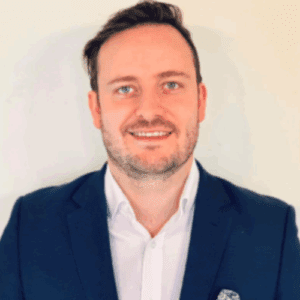
Richard Bourne
Head of APAC
EcoVadis Hong Kong Limited
Richard Bourne
EcoVadis Hong Kong Limited
Head of APAC
Richard Bourne is the Head of APAC and a member of the Senior Leadership team at EcoVadis. Over his 16-year tenure, Richard has played a pivotal role in expanding the company’s sustainability network, significantly contributing to the growth of its global rated network, which now includes over 150,000 companies. His leadership has been instrumental in engaging both requesting and rated companies, promoting sustainable business practices across SMEs and large corporations alike. Richard’s expertise continues to shape the future of sustainability in the APJ region and beyond.
My Sustainability Goals for 2026:
- Fostering transparent collaboration between the public and private sectors.
- Making sustainability practical and accessible for small and medium-sized businesses.
- Moving from promises to progress.
Speaking at 2026 sessions:
Day 1
From Liquidity to Resilience: Rethinking SME Financing for a Net-Zero Real EconomyDay 2
The 3.6% Premium: Resilience and ROI Through Shared Intelligence and AI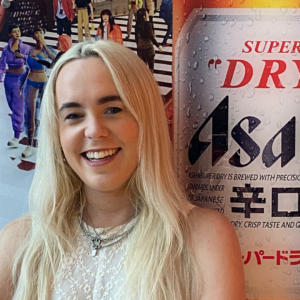
Morgan Cleland
Global Sustainable Procurement Lead
Asahi Global Procurement

Morgan Cleland
Asahi Global Procurement
Global Sustainable Procurement Lead
Morgan Cleland is Global Sustainable Procurement Lead at Asahi Global Procurement, where she leads the integration of sustainability across procurement strategy, supplier engagement and decision-making. Based in Melbourne, her work focuses on sustainable sourcing, human rights, climate, nature and circularity across Asahi’s global procurement network.
Prior to her current role, Morgan held sustainability positions at Asahi Beverages and UNIQLO Australia, following earlier experience in global production and ethical supply chain management at Globe International.
Speaking at 2026 sessions:
Day 2
The 3.6% Premium: Resilience and ROI Through Shared Intelligence and AI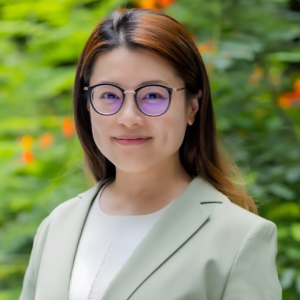
Ir Joey Lau
Manager, Sustainable Development
Swire Properties Limited

Ir Joey Lau
Swire Properties Limited
Manager, Sustainable Development
Joey Lau is the Manager, Sustainable Development at Swire Properties, a leading developer, owner, and operator of mixed-use developments in Hong Kong and the Chinese Mainland. In her current role, she provides strategic oversight on the implementation of the company’s sustainable development strategy, supporting decarbonisation, nature integration, and responsible business practices across its portfolio, while also leading responses to major global sustainability indices.
With over a decade of experience in sustainability across both consultancy and in-house roles, Joey brings a well-rounded perspective shaped by her work with multinational conglomerates and top-tier real estate developers. Her expertise spans GHG accounting and target setting, climate risk assessment, biodiversity and nature-related analysis, sustainability reporting, and supply chain ESG management.
Joey is particularly experienced in translating sustainability ambition into measurable outcomes—driving data-driven decision-making, strengthening governance frameworks, and advancing cross-sector collaboration to support the transition toward low-carbon and nature-positive built environments.
Speaking at 2026 sessions:
Day 1
Data: The Strategic Architecture of a Sustainable FutureDay 2
The 3.6% Premium: Resilience and ROI Through Shared Intelligence and AI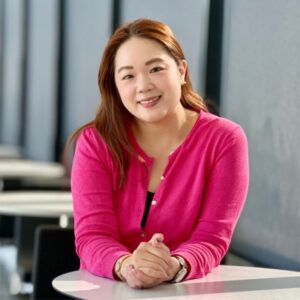
Geri Liu
Principal Manager – Supply Chain Sustainability
CLP Power Hong Kong Limited
Geri Liu
CLP Power Hong Kong Limited
Principal Manager – Supply Chain Sustainability
Geri Liu is Principal Manager, Supply Chain Sustainability at CLP, where the first Sustainable Procurement Roadmap grew from a blank page into a program covering more than 1,000 suppliers. Endorsed by CLP’s Sustainability Executive Committee and Sustainability Committee, the roadmap won the Green Supply Chain Award at the Procurement Success Summit 2025. Geri also helped launch CLP Power’s first Sustainable Supply Chain Finance Programme with HSBC, linking supplier ESG performance to financing incentives and earning Best ESG Solution at The Asset Triple A Treasurise Awards 2026. Geri was selected for the WBCSD Leadership Program’s 2026 cohort.
Speaking at 2026 sessions:
Day 2
The 3.6% Premium: Resilience and ROI Through Shared Intelligence and AIWith thanks to
EcoVadis Hong Kong Limited
Booth D32
EcoVadis is a purpose-driven company dedicated to embedding sustainability intelligence into every business decision worldwide. With global, trusted and actionable ratings, businesses of all sizes rely on EcoVadis’ detailed insights to comply with ESG regulations, reduce GHG emissions, and improve the sustainability performance of their business and value chain across 220 industries in 180 countries. Leaders like Johnson & Johnson, L’Oréal, Unilever, Bridgestone, BASF and JPMorgan are among 150,000+ businesses that use EcoVadis ratings, risk, and carbon management tools and e-learning platform to accelerate their journey toward resilience, sustainable growth and positive impact worldwide.
Our sustainability goals for 2026:
- Accelerating Value Chain Decarbonization: Drive measurable progress toward Net Zero by enabling companies to move from industry-average carbon estimations to primary, product-level carbon data across their global supply base.
- Strengthening Regulatory Readiness: Empower organizations to navigate the evolving ESG landscape—including CSRD and CSDDD—through auditable, evidence-based assessments that bridge the gap between compliance and strategic value.
- Driving Measurable Supplier Improvement: Foster a culture of “performance over reporting” by increasing the closure rate of Corrective Action Plans (CAPs) and building long-term sustainability capacity within the SME sector.
- Advancing Ethical Human Rights Oversight: Integrate “Worker Voice” data and enhanced due diligence frameworks to identify and mitigate modern slavery and labor risks within deep-tier supply chains.
Solutions Showcase:
- Carbon Management/Carbon Offset
- ESG Reporting/Consultancy
- Sourcing & Supply Chain
- Sustainability Services
- Sustainable Products
Legal Name: EcoVadis Hong Kong Limited
General Enquiry Email Address: marketing@ecovadis.com
Meet our 2026 speakers:
14:00 – 15:30
Hong Kong businesses are increasingly asked to report on sustainability performance, but fewer understand how that performance translates into financing outcomes — loan pricing, covenant terms, access to green credit, and investor appetite. For SME owners, corporate sustainability leads, and operators across construction, transport and logistics, energy, and consumer supply chains, the gap between disclosure and decision-making has real commercial consequences.
This roundtable demystifies the process. It gives attendees a practical, non-technical understanding of how banks, lenders, and investors evaluate sustainability performance, what data and evidence actually influences a financing decision, and what steps a business can take to improve its position — whether it is applying for a green loan, negotiating covenant terms, or preparing for future capital raises.
Session Learnings:
- Distinguish between sustainability disclosure as compliance and sustainability performance that influences credit and investment decisions.
- Recognise the data, governance, and target-setting practices lenders and investors look for before pricing risk favourably.
Post-Event Actions:
- Identify which financing instruments — green loans, sustainability-linked loans, or transition finance — fit their business, and how each is structured and priced.
- Avoid the common mistakes businesses make when presenting sustainability performance
- Take away a checklist to improve their financing readiness.
Speakers
David von Eiff
Director, Global Industry Standards
CFA Institute
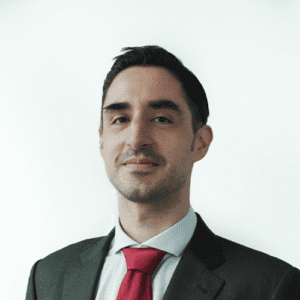
David von Eiff
CFA Institute
Director, Global Industry Standards
David von Eiff has a combined 13 years of experience in environmental compliance, research, and sustainability. He obtained his Doctor of Philosophy at the City University of Hong Kong and his Master of Science in Environmental Economics and Public Policy at the Rensselaer Polytechnic Institute in New York. His main research areas address the economic, sustainability and climate change issues associated with water supply management decisions. He has conducted extensive research projects and authored several works including publications on a range of topics. Most recently, he authored a public-facing report which analysed and recommended potential changes for Hong Kong’s water management framework. His work has focused on the carbon footprint of the water supply, using a life-cycle analysis approach to analysis various public policy decisions and water mixes. He has also studied the importance of governance and the governance capacity of the Water supplies department on achieving long term sustainability.
Speaking at 2026 sessions:
Day 2
Rethinking How Capital Markets and Lenders Evaluate Sustainability Performance, and What That Means for Financing Decisions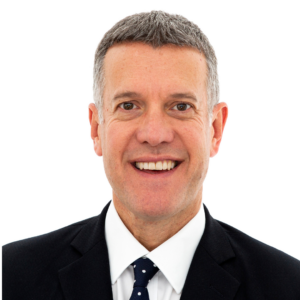
Richard McGillivray
Senior Director, Product Advocacy and Education, APAC
CFA Institute
Richard McGillivray
CFA Institute
Senior Director, Product Advocacy and Education, APAC
Richard McGillivray joined CFA Institute to lead its Asia Pacific Institutional Partnerships team in 2013, working with firms, regulators, and universities across the region, and is now a member of the Education and Product Advocacy team. Richard brings a blend of experience in both investment management and adult professional education to CFA Institute. Prior to joining CFA Institute, he set up and ran the Asia Pacific operations for a UK-headquartered asset management business in Hong Kong.
Richard has delivered finance-related professional development programs to a wide range of financial institutions including Asset Managers, Banks, Pension Funds, Regulators, Universities and Professional Associations across the Asia Pacific region. From 2018 Richard has focused extensively on ESG, and sustainability-related practice, in particular on Climate-related risk and valuation.
Prior to his move to Finance in 2007 Richard worked for 16 years in adult and professional education in Asia Pacific and southern Africa across a range of sectors, including financial services, government, universities, NGOs, law and media.
Speaking at 2026 sessions:
Day 2
Rethinking How Capital Markets and Lenders Evaluate Sustainability Performance, and What That Means for Financing DecisionsWith thanks to
CFA Institute
Booth F54
CFA Institute is a global association of investment professionals setting the standard for ethics, education, and professional excellence. In over 160 markets, we support sustainable development by advancing green finance capabilities, equipping professionals with sustainability and climate-risk skills, and fostering industry collaboration to transition to more resilient capital markets.
Solutions Showcase:
Education/Training/Certification
Legal Name: CFA Institute
General Enquiry Email Address: info@cfainstitute.org
General Enquiry Phone Number: 2868 2700
General Business Address: 27/F, Henley Building, 5 Queen’s Road Central, Central, Hong Kong
Meet our 2026 speakers:
All sessions are subject to change.