

Cities Theatre
Cities Theatre
Day 1 – Thursday 10 Sept
The Day 1 programme examines how Hong Kong can strengthen the resilience and performance of its built environment as the city transitions toward a low-carbon future. Participants will explore the systems, materials, and digital tools that enable more efficient construction, modernised infrastructure, and high-performing buildings across dense urban areas. Through case studies and practical insights, the programme highlights how developers, engineers, and facility managers can accelerate retrofits, improve operational efficiency, and integrate climate-ready design into existing and future assets.
In partnership with
Hong Kong Green Building Council
The HKGBC strives to promote the standard and development of sustainable buildings in HK by engaging the government, the industry and the public. It also aims to develop practical solutions for Hong Kong’s unique, subtropical built environment of high-rise, high density urban area, leading HK to achieve carbon neutrality by 2050 and to become a world’s exemplar of green building development.
Products, Services & Solutions
- Charity/NGO
- Green/Smart Buildings/PropTech
- Sustainability Services
General Enquiry Email Address: enquiry@hkgbc.org.hk
Meet our 2026 speakers:
The Hong Kong Chapter of The International Facility Management Association Limited
IFMA Hong Kong Chapter, established in 1992 was the first Chapter formed in Asia. The Chapter supports over 350 IFMA members in Hong Kong by offering diverse educational and networking events, international accrediting programs, and empowering its members to learn, connect and advance.
Our sustainability goals for 2026:
- Accelerate ESG Integration: Drive sustainability by leveraging technology (Proptech) in FM to meet net-zero carbon targets.
- Optimize Building Energy & Operations: Improve energy efficiency, reduce carbon footprints, and adopt sustainable operational practices.
- Education and Strategic Leadership: Equipping facility professionals with the knowledge and tools (e.g., CFM, SFP credential) to develop, implement, and measure sustainability strategies that add long-term business value.
Products, Services & Solutions
- Facilities Management
General Enquiry Email Address: hk-ifma.administrator@ifma.org.hk
General Enquiry Phone Number: 2512 0111
Meet our 2026 speakers:
Urban Land Institute
The Urban Land Institute is an international, membership-based nonprofit research and education organisation. Founded in 1936, the Institute now has over 48,000 members worldwide representing the entire spectrum of land use and real estate development disciplines, working in private enterprise and public service.
Our sustainability goals for 2026:
- ULI’s sustainability initiatives in the Asia Pacific are designed for driven real estate leaders committed to shaping the industry’s future.
- Our comprehensive programmes and initiatives empower you to actively drive positive change.
- Joining our community provides connections with global industry leaders, access to the latest resources and toolkits, and exposure to transformative real estate projects
General Enquiry Email Address: asiapacific@uli.org
General Enquiry Phone Number: 2886 1620
Meet our 2026 speakers:

11:00 – 11:10
Speakers
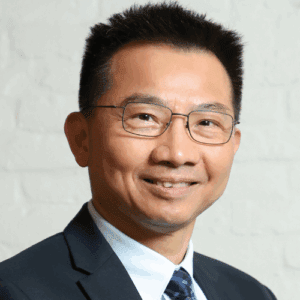
Dr. Tin-cheung Cheung
Chairman
Hong Kong Green Building Council
Dr. Tin-cheung Cheung
Hong Kong Green Building Council
Chairman
Dr CHEUNG Tin-cheung is the Chairman of the Hong Kong Green Building Council. He is also an Adjunct Professor of City University of Hong Kong, the University of Hong Kong and the Technological and Higher Education Institute of Hong Kong. In addition, he is a member of the Private Columbaria Licensing Board, the Appeal Tribunal Panel under section 45 of the Buildings Ordinance, the Appeal Panel under section 48 of the Basic Housing Units Ordinance, the Expanded Building Committee of the Buildings Department, the Project Board for New Railway Projects of the Transport and Logistics Bureau, and the Independent Railway Expert Advisory Committee for New Railway Projects of the Transport and Logistics Bureau.
Dr CHEUNG holds a Bachelor of Science Degree in Estate Management from the University of Reading, UK, a Master of Science Degree in Construction Management from the University of Bath, UK, and a Doctor of Philosophy Degree in Fire Engineering from the City University of Hong Kong. He has held professional qualifications in building surveying, property management and facility management. He is a Fellow of the Hong Kong Institute of Surveyors, a Registered Professional Surveyor (BS), an Honorary Fellow of the Hong Kong Institute of Facility Management, and a Fellow of the World Institute of Sustainable Development Planners.
Dr CHEUNG was previously Director of Buildings in the HKSAR Government and received the Silver Bauhinia Star Award in 2019 for his dedicated and meritorious service to the Government, particularly in promoting building safety and a sustainable built environment in Hong Kong. He previously also served as an Honorary Professor in the Department of Building and Real Estate at the Hong Kong Polytechnic University (PolyU) and is a recipient of the Outstanding PolyU Alumni Award in Professional Achievement.
Supported by
Hong Kong Green Building Council
The HKGBC strives to promote the standard and development of sustainable buildings in HK by engaging the government, the industry and the public. It also aims to develop practical solutions for Hong Kong’s unique, subtropical built environment of high-rise, high density urban area, leading HK to achieve carbon neutrality by 2050 and to become a world’s exemplar of green building development.
Products, Services & Solutions
- Charity/NGO
- Green/Smart Buildings/PropTech
- Sustainability Services
General Enquiry Email Address: enquiry@hkgbc.org.hk
Meet our 2026 speakers:
11:10 – 12:05
This session explores the strategies for managing climate risk through resilient planning and design across the built environment, supporting progress towards Hong Kong’s carbon neutrality goals. Drawing on real-world project experience and cross-sectoral perspectives, the discussion highlights how organisations are responding to this transition within an increasingly complex climate landscape.
Session Learnings:
- How can organisations manage climate risks strategically to strengthen resilience across the built environment?
- What practical actions can stakeholders take to respond to climate risks in an increasingly complex environment?
Post-Event Actions:
- Gain insights on the strategies of climate resilience design and planning across built environment.
- Seek further knowledge enhancement in the area of sustainable buildings through attending professional training and / or joining professional bodies such as HKGBC.
Speakers
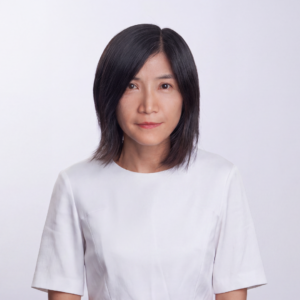
Moderator
Ir Vivian Lee
Market Director, Environment & Sustainability – Asia
Aurecon Hong Kong Limited
Ir Vivian Lee
Aurecon Hong Kong Limited
Market Director, Environment & Sustainability – Asia
Vivian Lee is the Market Director, Environment & Sustainability for Asia at Aurecon, an Asia-Pacific based leadership-owned engineering consulting company. She is a civil/environmental engineer with over 28 years of local, regional and international experience. Her expertise entails the integration of sustainability into various kinds of development projects from planning stage to final implementation. She is also adept in the advisory of sustainability and climate strategies for projects and corporates.
Vivian has a long history of working on climate risk assessments and climate resilience designs. In the early 2010s, she was involved in the study of climate change impact on the National Flood Insurance Program and Improvement of Coastal Floodplain Mapping commissioned by the U.S. Federal Emergency Management Agency to devise a science-based approach for evaluating financial impacts associated with climate risks. Over the years, she has continued to address climate risks and integrate climate resilient design into many projects, including the feasibility study for national flood control and drought relief command system for the PRC Ministry of Water Resources, application of nature-based solutions in flood management project for Alameda Creek in California, design of green infrastructure for redevelopment of Singapore National Stadium into the Sports Hub, integrated river and wetland management system for the Pak Phanang Basin in Thailand, decarbonisation plans for low carbon cities in Sarawak in Malaysia, zero irrigation and rainwater harvesting system at Shui Chuen O public housing estate in Hong Kong, etc.
She is currently a member of the Business Environment Council Climate Change Business Forum Advisory Group, and General Chamber of Commerce Environment & Sustainability Committee.
Speaking at 2026 sessions:
Day 1
From Climate Risk to Resilience: Strategic Approaches for the Built Environment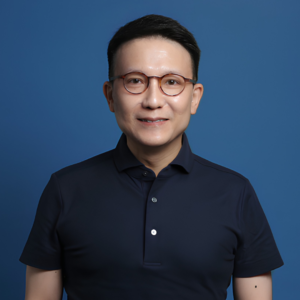
MK Leung
Director of Sustainable Design of Ronald Lu and Partners / Principal Behaviourist of Behave
Ronald Lu and Partners (RLP Asia) / Behave
MK Leung
Ronald Lu and Partners (RLP Asia) / Behave
Director of Sustainable Design of Ronald Lu and Partners / Principal Behaviourist of Behave
MK Leung is Director of Sustainable Design of Ronald Lu & Partners (RLP Asia), and Principal Behaviourist of RLP Asia’s insight partner, Behave. His team has delivered numerous high-profile projects, including CIC – Zero Carbon Park, a vertical campus for THEi, Treehouse – the firm’s winning entry in the inaugural Advancing Net Zero Ideas Competition, and many consultancy studies on low-energy residential building design, infrastructure design and construction under extreme temperatures, sponge city design, and others. MK was awarded SIA-Uniseal G-Architect Laureate in 2014 by the Singapore Institute of Architects. He has been recognised around the world for his specialised knowledge and integrated skills in sustainable, net-zero building design projects.
Speaking at 2026 sessions:
Day 1
From Climate Risk to Resilience: Strategic Approaches for the Built Environment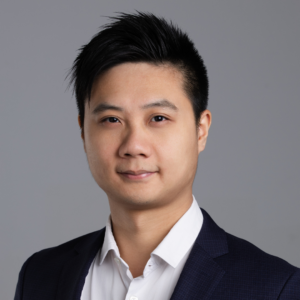
Woody Chan
Senior Manager – Sustainability
Link Asset Management Limited
Woody Chan
Link Asset Management Limited
Senior Manager – Sustainability
As Senior Sustainability Manager at Link Asset Management, Woody Chan oversees the strategic development and communication of Link’s sustainability framework in close alignment with business model evolution. Most recently, he spearheaded the first ever Sustainability-Linked Insurance renewal in APAC, establishing Link as a thought leader in climate resilience and adaptation finance.
Prior to joining Link, Woody established the CSR & Sustainability team at foodpanda Hong Kong, providing strategic oversight and hands-on execution in focus areas such as emissions and waste reduction as well as social wellbeing. Most notably, he pioneered the first-ever reusable food packaging pilot in Hong Kong in collaboration with WWF-HK in 2022.
Earlier in his career, Woody has also led projects at CWR, one of Asia’s leading think tanks on embedding climate and water risks into business and finance, honing his skills in research and analysis
Speaking at 2026 sessions:
Day 1
From Climate Risk to Resilience: Strategic Approaches for the Built Environment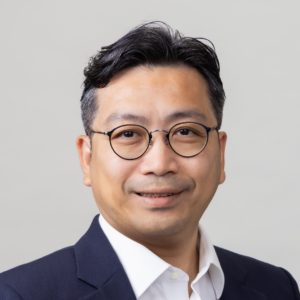
Daniel Chan
Group Field Quality and Excellence Director
Jardine Schindler Group

Daniel Chan
Jardine Schindler Group
Group Field Quality and Excellence Director
Daniel Chan is the Field Quality & Excellence Director and Sustainability Lead at Jardine Schindler Group (JSG), based at the Group Headquarters in Hong Kong. In his current role, he takes the lead to drive initiatives in field quality, operational excellence, and sustainability, with a focus on enhancing safety, performance, and environmental outcomes across the organization. As Sustainability Lead, he also supports efforts to advance low carbon and resilient practices within the built environment.
Daniel joined Jardine Schindler in 2003, following an earlier role as a Project Engineer with Mitsubishi. He began his career in engineering and project management, progressing from Senior Project Engineer to Project Manager, before moving into leadership roles in Jardine Schindler Macau as Projects Director and subsequently Field Operations Director.
In 2010, he was seconded to Jardine Schindler Taiwan, where he served as Product Line Manager for New Installations and later as General Manager. Upon returning to Hong Kong in 2012, he was appointed Projects Director and subsequently took on broader responsibilities overseeing New Installation fulfilment and Sales Engineering across Hong Kong and Macau. Since 2017, Daniel has held senior technical leadership roles with regional responsibilities spanning Hong Kong, Macau, and Taiwan, covering safety and quality operations. His career reflects a strong track record in operational leadership, technical excellence, and the integration of sustainability into business practices.
Beyond his corporate role, Daniel actively contributes to the industry in Hong Kong. He has served with organizations including the Lift and Escalator Contractors Association and the Electrical and Mechanical Services Department, and currently holds roles with the Vocational Training Council, the Pacific Asia Lift and Escalator Association, and the Hong Kong General Chamber of Commerce.
Daniel holds a bachelor’s degree in mechanical engineering and a master’s degree in industrial engineering and industrial management. He is a Registered Lift and Escalator Engineer in Hong Kong, a Chartered Engineer in the mechanical discipline, and a member of the Institution of Mechanical Engineers (IMechE).
My Sustainability Goals for 2026:
- Hong Kong can work out a better roadmap in supporting the waste management handling including the governance on the industrial waste collection and recycling
- Green energy promotion to encourage enterprise can find ways to easily access to get Green Energy instead of buying Renewable Energy Certificate
- Policy to encourage the E&M equipment upgrade/modernization shall have the energy efficient product/system feature
Speaking at 2026 sessions:
Day 1
From Climate Risk to Resilience: Strategic Approaches for the Built EnvironmentSupported by
Hong Kong Green Building Council
The HKGBC strives to promote the standard and development of sustainable buildings in HK by engaging the government, the industry and the public. It also aims to develop practical solutions for Hong Kong’s unique, subtropical built environment of high-rise, high density urban area, leading HK to achieve carbon neutrality by 2050 and to become a world’s exemplar of green building development.
Products, Services & Solutions
- Charity/NGO
- Green/Smart Buildings/PropTech
- Sustainability Services
General Enquiry Email Address: enquiry@hkgbc.org.hk
Meet our 2026 speakers:
With thanks to
Jardine Schindler Group
Booth R47
Founded in 1974, Jardine Schindler Group (JSG) is a Joint Venture between Jardine Matheson in Hong Kong and Schindler Group located Switzerland, who between them bring over 300 years of experience in business management, regional specialization and engineering excellence.
Headquartered in Hong Kong, JSG designs, engineers, installs, maintains and modernizes elevators, escalators and moving walkways in Brunei, Cambodia, Hong Kong, Macau, Malaysia, Myanmar, Indonesia, the Philippines, Singapore, Thailand and Vietnam.
On average, 100 million people throughout the Asia Pacific regions will be transported by equipment supplied and maintained by JSG on any given day.
Our sustainability goals for 2026:
As part of the Schindler Group, we follow the sustainability roadmap 2030 as our guiding principles to achieve our long-term science-based target of net zero greenhouse gas emission by 2040.
- Sustainable infrastructure: We continue to drive electrification our own service fleet and increase our investment in renewable energy production and efficiency measures at our production and owned sites. Across the whole Schindler Group we will procure 100% renewable energy.
- Energy efficiency of products: We innovate and upgrade our products with digital and physical energy optimization features and components. Our goal is to continue supplying our customers with the most energy-efficient product possible to improve operational performance of their new buildings as well as modernizations.
- Sustainable & resilient supply chain: We will invest in low carbon and efficient logistics, linked with returnable packaging, and gradual elimination of the use of plastics to future-proof our supply chains.
- Resource efficiency: We focus on reducing the major share of our product’s carbon foot-print with piloting and expanding the commercially viable use of low-carbon steel and other substitute materials to minimize the impact of resource inflow.
- Circularity: We focus on circularity by design and during product use, extending the lifetime of components with service, repair, refurbishments and modernizations. At the end of the cycle, we continue to put effort into responsible waste management.
- Value chain engagements: We seek to strengthen strategic relationships by engaging directly with upstream and downstream suppliers and business associations in our value chain that are key lever for our ambitions.
Solutions Showcase:
- Design/Interior Design
- Efficient Energy & Utilities
- Engineering & Infrastructure
- Green/Smart Buildings/PropTech
- Technology & Innovation
- Transport/Mobility
Legal Name: Jardine Schindler Group
General Enquiry Email Address: marketing.jsg.hk@schindler.com
General Enquiry Phone Number:2516 8168
General Business Address: 29/F, FWD Tower, 979 King’s Road, Quarry Bay, Hong Kong
Meet our 2026 speakers:
12:05 – 13:00
This session focuses on how retrofit solutions can enhance energy performance and contribute to decarbonization goals across existing buildings. Featuring insights from industry leaders, the discussion examines how retrofit can be progressed across different building portfolios, supported by green financing strategies in a pragmatic and scalable way.
Session Learnings:
- What factors should be considered when progressing retrofit solutions to improve energy performance across different building portfolios?
- How can green financing models advance the implementation of retrofit solutions in a pragmatic and scalable way?
Post-Event Actions:
- Gain insights on how retrofit can be progressed across different building portfolios and the green financing strategies that support retrofit in a pragmatic and scalable way.
- Seek further knowledge enhancement in the area of sustainable buildings through attending professional training and / or joining professional bodies such as HKGBC.
Speakers
Moderator
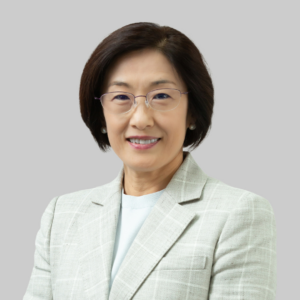
Dr. Helen Li
Managing Director, Hong Kong & Mainland China
WSP (Asia) Limited

Dr. Helen Li
WSP (Asia) Limited
Managing Director, Hong Kong & Mainland China
Dr. Li has more than 30 years of experience and is recognised for her ability to connect people, foster strategic partnerships, and guide organisations through complex and evolving challenges. In her current role, she leads WSP’s business across Hong Kong and Mainland China to drive strategic growth, with a particular focus to deliver integrated service offerings to clients in major projects and programmes in the region.
She previously served as Executive Director of Strategic Growth, Hong Kong & Mainland China, where she supported closer engagement with key clients and advanced strategic pursuits.
Dr. Li holds a PhD in Structural Engineering from the University of Edinburgh and a
Master’s in Sustainability from the University of Cambridge.
My Sustainability Goals for 2026:
I hope to see Hong Kong embrace a more future-focused mindset, where sectors work together, knowledge is shared generously, and the decisions we make today help shape a better city for tomorrow. As a leader, I want to champion the smart and digital technologies that can accelerate a shift in our sustainability strategies and designs, encourage more Future Ready thinking across our industry, and ensure the major projects we deliver today contribute to a more resilient, liveable and inclusive Hong Kong for generations to come.
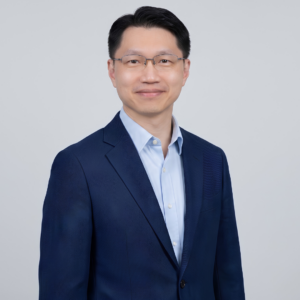
Lewis Lam
General Manager (Property Management)
Kai Shing Management Services Limited
Lewis Lam
Kai Shing Management Services Limited
General Manager (Property Management)
Lewis Lam serves as the General Manager (Property Management) at Kai Shing Management Services Limited. He supervises daily property management operations for commercial property projects developed by the Sun Hung Kai Properties Group, specifically within the West Kowloon team. Additionally, Lewis leads the company’s Technology Applications Working Committee and is a member of the ESG Committee, where he is responsible for exploring, implementing, and developing innovative solutions to promote smarter and more sustainable property management practices. He is a licensed property management services practitioner in Hong Kong and is professionally affiliated with various organizations in the property and facility management sector.
My Sustainability Goal for 2026:
1. Accelerating PropTech-Driven Decarbonization, 2. Enhancing Existing Building Performance & Climate Resilience
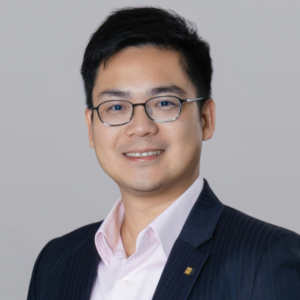
Ir Derek Chan
Lead Manager, Property and Technical Services
Hongkong Land
Ir Derek Chan
Hongkong Land
Lead Manager, Property and Technical Services
Ir. Derek Chan is the Lead Manager at Hongkong Land, responsible for Operational Sustainability, Energy Management, Technical Support, and Special Project Management across the Company’s Hong Kong Central portfolio. He also oversees the operation of the portfolio’s Central Monitoring Centre, which optimises building performance. As a Chartered Engineer, Ir. Chan specialises in green building design, tenant engagement, and implementing AI, IoT, and sustainability-focused projects in existing buildings.
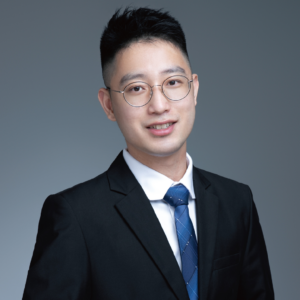
Dr. Martin Zhu
Co-Founder and CEO
i2Cool Trade Development Co. Limited
Dr. Martin Zhu
i2Cool Trade Development Co. Limited
Co-Founder and CEO
Prof. Martin Zhu is Co-Founder and CEO of i2Cool, whose electricity-free radiative cooling technology offers a retrofit pathway for existing buildings to cut energy demand without major structural upgrades.
He earned his PhD in Energy and Environment from the City University of Hong Kong (CityUHK) under the supervision of Ir Prof. Edwin Chi-Yan Tso, and now serves as Adjunct Professor in the University’s College of Business. He also sits on the HKSAR Government’s Green Technology and Finance Development Committee, and was named to Forbes China’s 30 Under 30 and the Hurun U30 China Entrepreneurship Pioneers list.
Co-founding i2Cool with Prof. Tso, Prof. Zhu has taken passive radiative cooling from lab research to commercial deployment across 30+ countries and regions, completing 500+ projects and saving over 15 million kWh of electricity to date.
My Sustainability Goal for 2026:
“From façades to fabrics — rethinking how the world stays cool, one surface at a time.”
Supported by
Hong Kong Green Building Council
The HKGBC strives to promote the standard and development of sustainable buildings in HK by engaging the government, the industry and the public. It also aims to develop practical solutions for Hong Kong’s unique, subtropical built environment of high-rise, high density urban area, leading HK to achieve carbon neutrality by 2050 and to become a world’s exemplar of green building development.
Products, Services & Solutions
- Charity/NGO
- Green/Smart Buildings/PropTech
- Sustainability Services
General Enquiry Email Address: enquiry@hkgbc.org.hk
Meet our 2026 speakers:
With thanks to
i2Cool Trade Development Co. Limited
Booth K37
i2Cool, incubated at City University of Hong Kong and Hong Kong Science and Technology Park, developed the world’s leading passive radiative cooling paint, requiring zero energy. Launched in November 2021, Electricity-free Cooling Paint achieves cooling below ambient temperature through high solar reflection and mid-infrared emission.
Our sustainability goals for 2026:
Energy Savings & Affordability:
Promote Electricity-free Cooling Paint for reduced energy consumption and ensure competitive pricing for accessibility.
Education & Carbon Footprint Reduction:
Raise awareness of passive cooling benefits while tracking greenhouse gas emission reductions due to paint usage.
Innovation & Partnerships:
Invest in R&D for paint improvement and collaborate with green building stakeholders to encourage widespread adoption.
Solutions Showcase:
- Efficient Energy & Utilities
- Green/Smart Buildings/PropTech
- Sustainable Products
UN SDG goals that we align with:
- SDG 7 Affordable and Clean Energy
- SDG 9 Industry, Innovation and Infrastructure
- SDG 11 Sustainable Cities and Communities
- SDG 13 Climate Action
Legal Name: i2Cool Trade and Development Co. Limited
General Enquiry Email Address: info@i2cool.com
Correspondence Address: Unit 527, 5/F, Building 19W, No. 19, Science Park West Avenue, Hong Kong
Meet our 2026 speakers:
13:00 – 13:50
Hong Kong’s housing challenge is not just about high prices. It is also about whether people can find homes that are affordable, well located and suitable for everyday life. With apartment prices at around 23 times median household income and rents taking up a significant share of earnings, improving housing attainability will require action across land and planning, finance, construction, housing quality, transport, public services and the wider cost to government and society.
Drawing on the Urban Land Institute’s latest research, Asia Pacific Home Attainability Index 2026, this session places Hong Kong within the context of more than 40 Asia Pacific cities and examines housing affordability across the full continuum of housing development. Bringing together perspectives from policy, research, non-profit organisations, academia and the public sector, the discussion will explore how decisions made at each stage—from planning, financing, delivery, to management, maintenance and supporting services—affect the attainability of housing and the quality of lives in them.
The panel will consider how the housing affordability conversation can move beyond a narrow focus on unit prices and delivery volumes to assess the broader value and cost of housing. This includes the relationship between housing and household finances, the role of public and private investment, the impact of planning and infrastructure decisions, the cost of delayed or inadequate housing, and the potential benefits of better housing for health, productivity, social mobility and public expenditure.
The audience will gain practical insights into how Hong Kong can improve housing attainability, learn from regional markets, and strengthen collaboration across the full development and occupancy cycle.
Session Learnings:
- Benchmark Hong Kong against Asia Pacific housing markets
- Understand the multiple layers and levels of housing affordability
- Examine the full housing continuum, from planning and investment to delivery, management and long-term use
- Explore how housing affects healthcare, productivity, social outcomes and public costs
- Identify opportunities to improve coordination across government, industry and communities
- Draw practical lessons for delivering more attainable, higher-quality and sustainable housing
Post-Event Actions:
- Identify one concrete commitment — in design, procurement, construction methods, or green financing — that your organisation can make toward faster and more sustainable housing delivery in Hong Kong
- Explore adoption of MiC, DfMA, or low-carbon construction materials in your next project, procurement round, or investment decision
- Assess the role of green finance in your organisation’s housing-related activities and identify one opportunity to deploy green bonds, impact lending, or sustainability-linked instruments
- Share the ULI HAI 2026 benchmarks and panel insights internally to advance alignment on affordable and sustainable housing as a shared organisational priority
Speakers
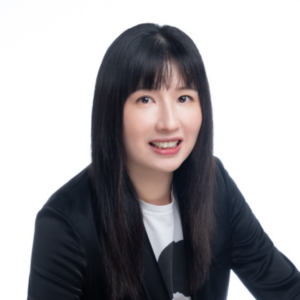
Moderator
Rose Hung
Director, Programmes and Thought Leadership, Asia Pacific
Urban Land Institute
Rose Hung
Urban Land Institute
Director, Programmes and Thought Leadership, Asia Pacific
Rose is a multidisciplinary strategist with over 15 years of experience shaping real estate and urban development narratives across the United States and Asia Pacific. As part of the Thought Leadership and Programmes team at ULI Asia Pacific, she leads industry dialogue on sustainability, resilience, and placemaking.
Rose is a co-author of ULI Emerging Trends in Real Estate® Asia Pacific and the ULI Asia Pacific Home Attainability Report, delivering data-driven insights and best-practice recommendations for developers, policymakers, and community stakeholders.
A registered architect in both Victoria and California, and a LEED AP BD+C, she combines technical expertise with a strong strategic lens.
Speaking at 2026 sessions:
Day 1
Affordable and Sustainable Housing at SpeedFrom Data to Action: Affordable Housing at Speed
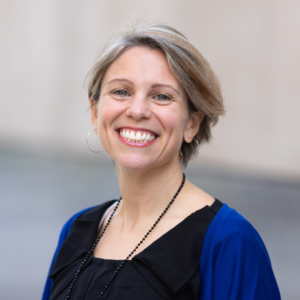
Jo Hayes
CEO
Habitat for Humanity Hong Kong
Jo Hayes
Habitat for Humanity Hong Kong
CEO
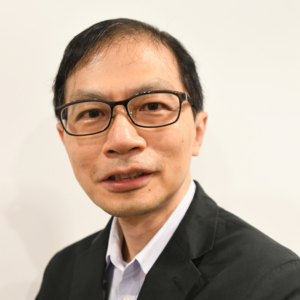
Jo Hayes is Chief Executive Officer of Habitat for Humanity Hong Kong, part of the global housing organisation working to ensure everyone has a safe, decent, and affordable place to live. She leads the organisation’s strategy, partnerships, and impact in Hong Kong, advancing housing solutions that improve living conditions and strengthen communities.
With nearly 30 years of international experience across the public, private, and nonprofit sectors, including roles with the British Council, BBC Worldwide, and The Women’s Foundation, Jo brings extensive expertise in strategy, governance, organisational leadership, and stakeholder engagement.
As CEO of Habitat for Humanity Hong Kong, Jo is a strong advocate for the role of housing as a foundation for health, economic opportunity, and social mobility. She works with community organisations, corporate partners, and policy makers to address housing vulnerability and promote housing as a critical component of sustainable and inclusive urban development.
A Hong Kong Jockey Club Chicago Booth Executive MBA Scholar, Jo brings analytical rigour, financial discipline, and systems thinking to complex social and organisational challenges. She is known for applying evidence-based decision-making to strategy, governance, and organisational growth. Originally from the UK, she has lived and worked across Asia and Europe and has been based in Hong Kong since 2013.
My Sustainability Goals for 2026:
1. Improve housing quality and living conditions for vulnerable households
Housing should be recognised as a sustainability issue, not just a social issue. I would like to see tangible progress in reducing the number of Hong Kong residents living in inadequate housing conditions and greater investment in healthy, safe, and climate resilient homes.
2. Accelerate low-carbon housing development and retrofitting
Hong Kong needs to increase the speed and scale of low-carbon construction and building upgrades. This includes reducing embodied carbon in new developments and improving the energy efficiency of existing housing stock.
3. Strengthen cross-sector collaboration to address housing attainability
No single sector can solve Hong Kong’s housing challenges alone. I would like to see stronger partnerships between government, developers, financiers, construction firms, and nonprofits to deliver affordable and sustainable housing solutions at scale.
Dr. Mckey Ho
Senior Structural Engineer (Technical Support)
Hong Kong Housing Authority
Dr. Mckey Ho
Hong Kong Housing Authority
Senior Structural Engineer (Technical Support)
Dr Mckey Ho is a structural engineer with over 30 years of experience in building structural design, construction supervision, and quality management. He currently serves as Senior Structural Engineer at the Hong Kong Housing Authority. Over the past 3 years, he has been responsible for research and development in sustainable construction, carbon footprint reduction, and ceiling price batch procurement of Modular Integrated Construction (MiC) modules. Prior to this, he served for 8 years as the Head of the Materials & Components Team, where he oversaw surveillance testing of materials and contributed to the development of product certification schemes.
Ryan Ip
Vice President & Executive Director of Public Policy Institute
Our Hong Kong Foundation
Ryan Ip
Our Hong Kong Foundation
Vice President & Executive Director of Public Policy Institute
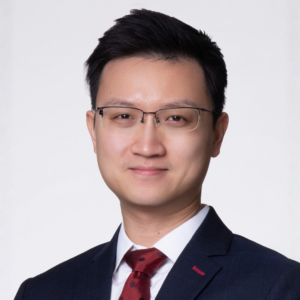
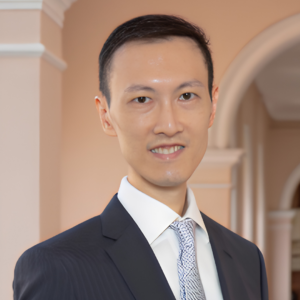
Ryan is the Vice President and Executive Director of Public Policy Institute at Our Hong Kong Foundation. He leads the Foundation’s think tank to advise the government and private sector organisations on public policy and strategic development. Before joining OHKF, he was an economist at JLL and the Hong Kong Monetary Authority. He holds a Master of Science degree in Economics from the London School of Economics and is a Chartered Surveyor. He is also an Independent Non-Executive Director at China Merchants Land Limited.
Ryan is active in public service and is a member of the Advisory Committee on the Northern Metropolis, the Land and Development Advisory Committee, the Town Planning Board, the Tourism Strategy Committee, the Estate Agents Authority, and the Hong Kong Maritime and Port Development Board. He is also a Vice President of the China Real Estate Chamber of Commerce Hong Kong and International Chapter, and a board member of the Hong Kong Proptech Association.
Prof. Kelvin Wong
Executive Associate Dean
The University of Hong Kong
Prof. Kelvin Wong
The University of Hong Kong
Executive Associate Dean
Kelvin S.K. Wong is a Professor of Real Estate at the University of Hong Kong, where he leads the Real Estate Lab and serves as Executive Associate Dean of the Faculty of Architecture. As a real estate economist, Kelvin focuses on analyzing the behaviors of developers, investors, occupiers, and agents in markets characterized by inefficiencies. He is renowned for co-inventing Hong Kong’s repeat-sales property price index—the first tradable housing derivative in Asia. Ranked globally for his leadership in real estate academia, he has received numerous awards such as the Senior Fulbright Scholar, Homer Hoyt Institute’s Post-Doctoral Honoree, and the University of Cambridge’s Doris-Zimmern Award. He also serves on the Engineering Panel of the Hong Kong Research Grants Council, helping to shape the direction of research funding across Hong Kong’s universities. Kelvin’s ongoing efforts strive to improve market understanding and inform policy development in real estate, ultimately benefiting both the industry and society.
Supported by
Urban Land Institute
The Urban Land Institute is an international, membership-based nonprofit research and education organisation. Founded in 1936, the Institute now has over 48,000 members worldwide representing the entire spectrum of land use and real estate development disciplines, working in private enterprise and public service.
Our sustainability goals for 2026:
- ULI’s sustainability initiatives in the Asia Pacific are designed for driven real estate leaders committed to shaping the industry’s future.
- Our comprehensive programmes and initiatives empower you to actively drive positive change.
- Joining our community provides connections with global industry leaders, access to the latest resources and toolkits, and exposure to transformative real estate projects
General Enquiry Email Address: asiapacific@uli.org
General Enquiry Phone Number: 2886 1620
Meet our 2026 speakers:
14:35 – 14:40
Speakers
Don Tse
President
The Hong Kong Chapter of The International Facility Management Association Limited
Don Tse
The Hong Kong Chapter of The International Facility Management Association Limited
President
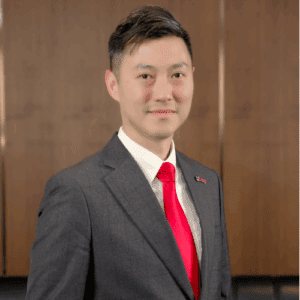
Don Tse serves as President (2026-2027) of the IFMA Hong Kong Chapter, having previously served as Secretary (2024-2025). He is currently Head of Property Management, Hong Kong Central at Hongkong Land Limited, leading the management and operational excellence of a portfolio of premier commercial properties.
With more than 20 years of experience in property management, building operations, technical services, energy management and sustainability, Don is passionate about creating high-performing, future-ready buildings. Throughout his career, he has championed initiatives that enhance operational efficiency, advance sustainability and drive innovation, from energy optimisation and renewable energy projects to the adoption of smart building technologies.
Beyond his professional responsibilities, Don is dedicated to advancing industry best practices and fostering collaboration across the built environment community. He actively contributes to sustainability and professional development initiatives through organisations including the Business Environment Council and the Hong Kong Green Building Council.
Don holds a Bachelor’s Degree in Mechanical Engineering (Building Services) from HKUST and a Master’s Degree in Urban Planning from HKU. As a Chartered Building Services Engineer, he believes that strong partnerships, continuous learning and innovation are essential to building a more sustainable and resilient future.
Supported by
The Hong Kong Chapter of The International Facility Management Association Limited
IFMA Hong Kong Chapter, established in 1992 was the first Chapter formed in Asia. The Chapter supports over 350 IFMA members in Hong Kong by offering diverse educational and networking events, international accrediting programs, and empowering its members to learn, connect and advance.
Our sustainability goals for 2026:
- Accelerate ESG Integration: Drive sustainability by leveraging technology (Proptech) in FM to meet net-zero carbon targets.
- Optimize Building Energy & Operations: Improve energy efficiency, reduce carbon footprints, and adopt sustainable operational practices.
- Education and Strategic Leadership: Equipping facility professionals with the knowledge and tools (e.g., CFM, SFP credential) to develop, implement, and measure sustainability strategies that add long-term business value.
Products, Services & Solutions
- Facilities Management
General Enquiry Email Address: hk-ifma.administrator@ifma.org.hk
General Enquiry Phone Number: 2512 0111
Meet our 2026 speakers:
14:40 – 15:30
As buildings become increasingly complex and expectations around resilience, sustainability, and safety rise, building operations must shift from reactive responses to proactive, intelligence-led management. This panel explores how AI is transforming building operations across digital infrastructure, property operations, and life-safety systems. Industry leaders will share insights on how robust digital foundations enable real-time data visibility, predictive analytics, and scalable AI applications. Perspectives from large-scale commercial property operations will highlight how AI improves operational efficiency, tenant experience, and sustainability performance in Grade A assets. The session will also examine how AI-driven fire service maintenance enhances system reliability, regulatory compliance, and risk prevention. Together, the discussion illustrates how integrated AI solutions are enabling smarter, safer, and future-ready building operations.
Session Learnings:
- How AI enables predictive maintenance and proactive operational decision-making
- The importance of digital infrastructure in supporting AI-driven building management
- Real-world applications of AI in large-scale commercial property operations
- How AI strengthens fire safety, compliance, and risk reduction
- Key considerations for adopting AI across building systems
Post-Event Actions:
- Identify areas within current building operations suitable for AI-driven improvements
- Initiate conversations on moving from reactive to predictive maintenance models
- Evaluate digital infrastructure readiness for AI adoption
- Pilot AI use cases in areas such as safety, energy, or asset management
- Develop a strategic roadmap for smarter, future-ready building operations
Speakers
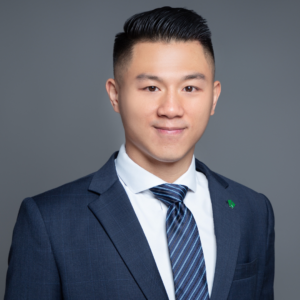
Moderator
Ho Yin (Deacon) Wong
Director
IFMA Hong Kong Chapter
Ho Yin (Deacon) Wong
IFMA Hong Kong Chapter
Director
Wong Ho Yin (Deacon) is a Director of IFMA Hong Kong Chapter and a PhD researcher in Fire Safety, with a strong focus on smart building technologies, AIoT applications and future-ready facility management. His work bridges academic research, building operations and technology adoption, particularly in how data, sensors, artificial intelligence and connected systems can help property and facility management teams move from reactive maintenance to more predictive, proactive and resilient operations.
My Sustainability Goals for 2026:
1. Smarter buildings: Use AI, IoT and data-driven facility management to improve efficiency, safety and resilience. SDG 9, 11
2. Resource efficiency: Reduce energy waste and unnecessary consumption through predictive maintenance and smarter operations. SDG 12, 13
3. Collaboration: Connect facility managers, property owners, technology providers and researchers to scale practical sustainability solutions. SDG 17
Speaking at 2026 sessions:
Day 1
From Reactive to Proactive: How AI is Powering Smarter, Future-Ready Building Operations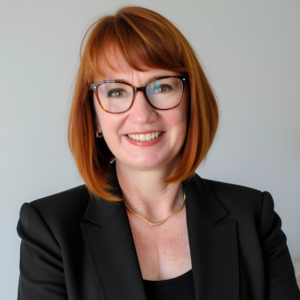
Kylie Davis
President
Proptech Australia
Kylie Davis
Proptech Australia
President
Kylie Davis is a globally recognised expert and commentator on the Australian proptech industry and entrepreneur. She is the founder and president of Proptech Australia, host of the Proptech Podcast and runs a successful consulting business specialising in helping proptechs to accelerate their growth.
Kylie has an MBA from the University of NSW, is a Graduate of the Australian Institute of Company Directors and is a founding member of the Rise Initiative, a charity that focuses on mental wellness across the property professions, in addition to holding multiple directorships and advisory board roles.
Her research into consumer experiences of real estate set the benchmark for behavioural performance in Australia. She is the author of more than a dozen landmark reports including analyses of property management, the future of real estate and delivering better buyer and seller experiences. She is currently co-authoring a book on AI in commercial real estate due for publication in 2027.
Speaking at 2026 sessions:
Day 1
From Reactive to Proactive: How AI is Powering Smarter, Future-Ready Building Operations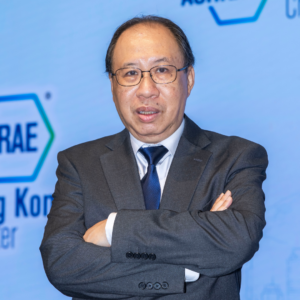
Barry Lau
President
ASHRAE Hong Kong Chapter
Barry Lau
ASHRAE Hong Kong Chapter
President
Barry is the President (2026-2027) at ASHRAE Hong Kong Chapter. He is the Head of Building Services at Swire Properties Limited. His works involve formulating the corporate decarbonization and energy saving strategies within Swire Properties to pave way for the company in advancing towards a net zero future, implementation of digitalization, artificial intelligence & innovative solution for building applications.
My Sustainability Goals for 2026:
1) Adopt Artificial Intelligence to achieve system optimization to drive decarbonization for Building Sector instead still under piecemeal consideration
2) With more open-minded collaborations between different stakeholders within Building Sector to work towards carbon neutrality
Speaking at 2026 sessions:
Day 1
From Reactive to Proactive: How AI is Powering Smarter, Future-Ready Building Operations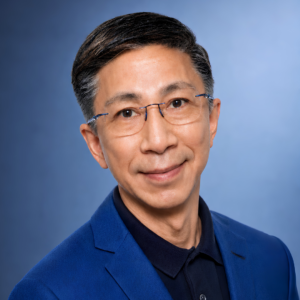
Jonathan Lee
Director, Advisory Technology Architect
LPS

Jonathan Lee
LPS
Director, Advisory Technology Architect
Mr Jonathan Lee is a seasoned IT professional with over 25 years of experience across financial services, manufacturing and retail, government, education and healthcare, telecommunications, and commercial industries, having held key roles in leading global technology companies spanning system integrator services, solution engineering, industry go-to-market programs, professional services delivery, and team leadership. His deep expertise spans agentic AI, SaaS, PaaS, cloud-native solutions, integration platforms, CRM, ERP, HCM, and big data technologies, complemented by growing specialisation in facilities management, digital twin technology, and Lenovo’s smart building and energy-saving solutions, where he applies IoT-enabled monitoring and intelligent building management to help organisations reduce energy consumption and advance their ESG and sustainability goals. This combination of enterprise technology depth and green building expertise enables him to partner effectively with customers and stakeholders to design, deliver, and scale digital transformation initiatives that are both business-driven and sustainability-focused.
Speaking at 2026 sessions:
Day 1
From Reactive to Proactive: How AI is Powering Smarter, Future-Ready Building Operations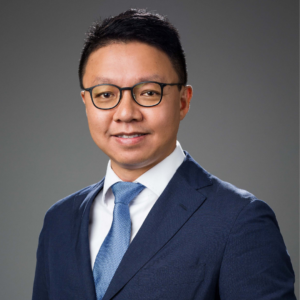
Steven So
Chief Operating Officer
NTT Com Asia

Steven So
NTT Com Asia
Chief Operating Officer
Mr. Steven So is responsible for the business development, facility planning, and performance management of data centers operated by NTT in Hong Kong. He is also in charge of business planning, infrastructure design, and project management of the award-winning Hong Kong Financial Data Center (FDCTM) in Tseung Kwan O.
Prior to joining the company in 2008, he was the Facility Manager of EC Harris responsible for operation and transition management at the HSBC Data Center. He was also the Senior Administration Manager of APT Satellite Co. Ltd. in charge of the construction and management of APT Telepark in the early 2000s.
Mr. So holds a Master of Science degree in Facility Management from the Hong Kong Polytechnic University and Bachelor’s degree in Mechanical Engineering from the University of New South Wales.
Speaking at 2026 sessions:
Day 1
From Reactive to Proactive: How AI is Powering Smarter, Future-Ready Building OperationsSupported by
The Hong Kong Chapter of The International Facility Management Association Limited
IFMA Hong Kong Chapter, established in 1992 was the first Chapter formed in Asia. The Chapter supports over 350 IFMA members in Hong Kong by offering diverse educational and networking events, international accrediting programs, and empowering its members to learn, connect and advance.
Our sustainability goals for 2026:
- Accelerate ESG Integration: Drive sustainability by leveraging technology (Proptech) in FM to meet net-zero carbon targets.
- Optimize Building Energy & Operations: Improve energy efficiency, reduce carbon footprints, and adopt sustainable operational practices.
- Education and Strategic Leadership: Equipping facility professionals with the knowledge and tools (e.g., CFM, SFP credential) to develop, implement, and measure sustainability strategies that add long-term business value.
Products, Services & Solutions
- Facilities Management
General Enquiry Email Address: hk-ifma.administrator@ifma.org.hk
General Enquiry Phone Number: 2512 0111
Meet our 2026 speakers:
With thanks to
LPS
Booth H32
LPS is a leading IT and technology solutions provider in the Asia Pacific region. We partner with governments and enterprises to achieve digital transformation excellence, driving business growth through our market-leading solutions and industry best practices. As a proud member of Lenovo Group, we have unlocked new synergies with Lenovo’s global reach and technological capabilities, focusing on AI, data practice, cloud and cybersecurity. With our 4,000+ team of domain experts and a strong network of ecosystem partners, LPS is committed to providing cutting-edge AI-powered solutions and data best practices to enable organizations to excel in their digital journey.
Solutions Showcases:
- Facilities Management
- Green/Smart Buildings/PropTech
- ICT & Data Solutions
- Technology & Innovation
Legal Name: PCCW Digital Solutions Limited
General Enquiry Email Address: lpsenquiry@lpstech.com
Meet our 2026 speakers:
15:30 – 16:20
Green buildings alone do not deliver sustainability outcomes without active participation from the people who use them. This panel explores how advancing green behaviours depends on effective tenant engagement and collaboration across building management, facilities operations, and the wider real estate ecosystem. Drawing on perspectives from building operators, facilities managers, and tenant-facing advisors, the discussion will examine how engagement strategies, data transparency, and shared accountability can turn sustainable design into real operational impact. Panelists will share practical insights on aligning landlord and tenant goals, influencing day-to-day behaviours, and embedding sustainability into workplace culture. Attendees will gain a clearer understanding of how tenant engagement acts as the critical bridge between green building ambitions and measurable environmental performance.
Session Learnings:
- Why tenant behaviour is critical to achieving green building performance
- Effective strategies for engaging tenants on sustainability initiatives
- The role of facilities management in enabling and reinforcing green practices
- How data, communication, and incentives drive behaviour change
- Ways to align landlord, tenant, and service provider sustainability goals
Post-Event Actions:
- Review current tenant engagement approaches related to sustainability
- Identify opportunities to collaborate more closely with occupants and service partners
- Introduce clearer communication and feedback mechanisms on building performance
- Pilot behaviour-focused sustainability initiatives within buildings or portfolios
- Develop action plans to translate green building features into real-world impact
Speakers
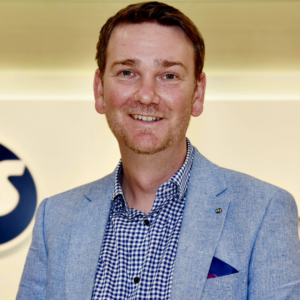
Moderator
Joshua Sharman
Chief Commercial Officer, ISS HK & APAC
ISS

Joshua Sharman
ISS
Chief Commercial Officer, ISS HK & APAC
Joshua Sharman, Chief Commercial Director of ISS Hong Kong, has over 15 years of Facility Management experience.
Joshua joined ISS in 2020, having already worked in FM in Hong Kong and around the Asia Pacific region for the previous 7 years and in the FM industry in the UK prior to that in a variety of Business Development and Operational roles.
Joshua was born and raised in Hong Kong. Joshua’s career to date has included helping different clients to review their contracts so as to identify areas for savings, operational gaps, reducing wastage, improving productivity through alternative business models and driving the ESG agenda.
Joshua has a passion for ESG and the unique strength our industry has to help drive it, as well as trying to attract new talent to the FM industry that he himself has gained so much learning and benefitting from. Having originally started in the sustainability industry, Joshua has taken great pride in carrying through his early honed specialisms to help continue to drive the advancement of the ESG agenda within a much broader context.
My Sustainability Goals for 2026:
- Greater use of data driven decision making to make smarter ESG decisions.
- The advancement of green energy sourcing, including energy from waste but also longer term plans for greater use of wind and solar.
- Continued momentum in electrification of vehicles.
Speaking at 2026 sessions:
Day 1
Advancing Green Behaviours in Green Buildings: Tenant Engagement as the Bridge to Real Impact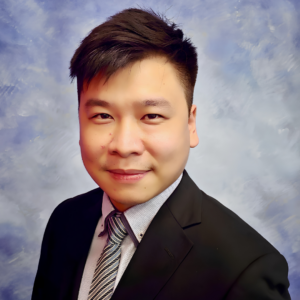
Rick Cheung
Assistant Vice President
HKT
Rick Cheung
HKT
Assistant Vice President
Rick Cheung is Assistant Vice President of Emerging Technologies and Solutions Development at HKT Enterprise Solutions, one of Hong Kong’s leading telecommunications and technology service providers. Rick leads the conceptualisation and commercialisation of next-generation enterprise solutions, with a particular focus on Artificial Intelligence, robotics automation and smart city applications.
Rick brings over a decade of hands-on experience in solutions development and technology innovation. Throughout his tenure at HKT, Rick has been instrumental in driving the adoption of AI-powered platforms and robotics across multiple industry verticals, including public utilities, healthcare, public transportation operators and large-scale property development. He has championed the integration of robotics and automation into enterprise workflows.
Rick is a recognised thought leader on the convergence of AI, 5G and physical automation, and regularly engages with academia, industry bodies and government partners to shape Hong Kong’s digital transformation agenda.
My Sustainability Goals for 2026:
- Drive low-carbon smart infrastructure by integrating AI, IoT, and 5G to optimise energy consumption and operational efficiency across buildings, transport, and utilities.
- Accelerate adoption of robotics and automation to reduce human-intensive processes, improve resource utilisation, and enhance workplace safety in high-risk or labour-constrained environments.
- Collaborate with government, academia, and industry to develop scalable smart city solutions that support ESG targets, including carbon reduction, sustainable urban planning, and data-driven environmental monitoring.
Speaking at 2026 sessions:
Day 1
Advancing Green Behaviours in Green Buildings: Tenant Engagement as the Bridge to Real Impact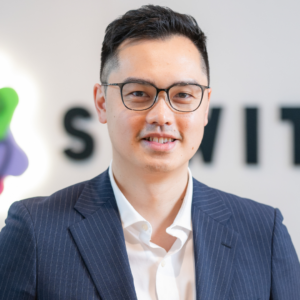
Garrick Lau
Head of Sustainability and Shared Value, SEWIT Department
Nan Fung Group
Garrick Lau
Nan Fung Group
Head of Sustainability and Shared Value, SEWIT Department
Garrick specialises in driving organisational change that creates business value alongside positive impact through the Creating Shared Value (CSV) strategy.
His 20+ years of experience and expertise cover real estate and hospitality asset management, organisational development, corporate sustainability, impact measurement and management, social intrapreneurship, NGO management, charitable fundraising, and grant management.
In his current role with a leading private conglomerate in Hong Kong, Garrick leads efforts to embed sustainability and shared value principles across the group’s operations and value chain through a Sustainability-as-a-Service approach. A core responsibility of his team is to implement new solutions that support commercial tenants in achieving their sustainability goals through green and social leases, to continuously enhancing the company’s competitiveness. In addition, his team oversees voluntary reporting related to decarbonisation and climate, nature, governance, and green financing.
For the wider industries, he advocates for the implementation of impact measurement, through thought leadership and consultancy engagement, to enable the continuous improvement of the effectiveness of corporate impact funding with transparency and accountability. These efforts extend beyond the local market and have received unprecedented recognition from global platforms, including the Shared Value Award and Social Value Award.
In addition to his professional role, Garrick serves on a voluntary basis as Chairperson of the Advisory Committee on Graduate Employment at The Hang Seng University of Hong Kong, Vice President of CareER (a charity supporting employability for students with special needs), and a Board Member of Junior Achievement Hong Kong (a charity promoting youth employability).
Speaking at 2026 sessions:
Day 1
Advancing Green Behaviours in Green Buildings: Tenant Engagement as the Bridge to Real Impact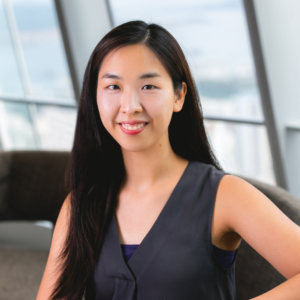
Phoebe Leung
Senior Sustainable Development Manager
Swire Properties Limited

Phoebe Leung
Swire Properties Limited
Senior Sustainable Development Manager
Phoebe Leung is the Senior Sustainable Development Manager of Swire Properties. Her work involves supporting the Company’s Sustainable Development (SD) 2030 Strategy as well as action plans and programmes to improve the company’s overall SD performance.
She leads the planning and execution of Swire Properties’ SD tenant engagement strategy and bespoke tenant programmes, such as the Green Performance Pledge and Green Kitchen Initiative, fostering landlord-tenant partnerships to incorporate sustainability throughout the design, fit-out and occupancy stages.
In addition, she drives the Company’s Resource and Circularity Taskforce, made up of representatives from portfolio teams and hotels, to regularly analyse waste performance and facilitate new initiatives. She leads the development of new partnerships and innovations to design out waste, encourage reuse and enhance resource recovery. Her recent projects include the Taikoo Place Smart Reusable Cup and Food Box Programme, and launching the Smart Waste Reduction Challenge which utilises smart scales and a digital engagement platform to gamify the Company’s collective sustainability journey with tenants.
Phoebe is a Chartered Environmentalist and also holds a Master of Public Administration from Columbia University.
Speaking at 2026 sessions:
Day 1
Advancing Green Behaviours in Green Buildings: Tenant Engagement as the Bridge to Real Impact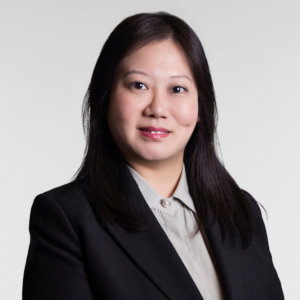
Amy Yu
Partner
Stephenson Harwood
Amy Yu
Stephenson Harwood
Partner
Amy Yu is a corporate partner at Stephenson Harwood, based in Hong Kong, where she supports financial institutions, private clients, and listed companies in navigating intricate corporate transactions.
Her expertise spans mergers and acquisitions, joint ventures, and corporate reorganizations, making her a trusted advisor for companies across diverse sectors such as life sciences, real estate, and financial services.
Amy’s approach is both strategic and pragmatic, with a strong client focus. She ensures compliance with Hong Kong Listing Rules and securities laws, while facilitating transactions that align with clients’ needs. She has a proven track record in advising on high-profile deals, including the strategic acquisition of logistics properties by NWS Holdings Limited and the sale of a controlling stake in SWCS Corporate Services.
Her ability to manage both transactional and compliance aspects makes her an invaluable asset to her clients. Clients appreciate Amy’s can-do attitude and her attentiveness to their needs, which have established her as a key player in the corporate legal landscape.
Her work is characterized by a commitment to delivering results that align with her clients’ business objectives, ensuring their success in a competitive market.
Speaking at 2026 sessions:
Day 1
Advancing Green Behaviours in Green Buildings: Tenant Engagement as the Bridge to Real ImpactSupported by
The Hong Kong Chapter of The International Facility Management Association Limited
IFMA Hong Kong Chapter, established in 1992 was the first Chapter formed in Asia. The Chapter supports over 350 IFMA members in Hong Kong by offering diverse educational and networking events, international accrediting programs, and empowering its members to learn, connect and advance.
Our sustainability goals for 2026:
- Accelerate ESG Integration: Drive sustainability by leveraging technology (Proptech) in FM to meet net-zero carbon targets.
- Optimize Building Energy & Operations: Improve energy efficiency, reduce carbon footprints, and adopt sustainable operational practices.
- Education and Strategic Leadership: Equipping facility professionals with the knowledge and tools (e.g., CFM, SFP credential) to develop, implement, and measure sustainability strategies that add long-term business value.
Products, Services & Solutions
- Facilities Management
General Enquiry Email Address: hk-ifma.administrator@ifma.org.hk
General Enquiry Phone Number: 2512 0111
Meet our 2026 speakers:
With thanks to
Nan Fung Group
Booth F40
Nan Fung Group is one of the largest privately held conglomerates in Hong Kong with global interests in real estate development and investment, which holds a well-diversified and substantial financial investment portfolio. The Group was founded in 1954 and has a track record spanning more than 60 years with over 170 projects including residential, commercial and industrial buildings. The Group also strategically focuses on first-tier cities in the Chinese Mainland and recognises attractive opportunities for development and investment overseas, including New York, Boston and London.
In 2022, Nan Fung Group established “SEWIT”, a sustainability framework built around five strategic pillars: Social Cohesion, Environment, Wellness, Innovation, and Technology. Integrated across the Group’s entire value chain, SEWIT has since become an integral part of the Group’s culture and a key driver of its sustainability ambitions. In 2025, the Group further advanced the impact of SEWIT through the introduction of “SEWIT-as-a-Service”, an innovative business strategy designed to support tenants, partners, and businesses in realizing their sustainability visions and business goals.
Together, these efforts underscore the Group’s commitment to embedding sustainability into every aspect of its operations, while creating lasting impact for its stakeholders and communities.
Our sustainability goals for 2026:
Sustainability Framework – SEWIT:
Our SEWIT framework — encompassing Social Cohesion, Environment, Wellness, Innovation and Technology pillars — embodies our values and strategic priorities, guiding us in creating lasting positive impact.
SEWIT-as-a-service: Creating Business and Shared Value:
In 2025, SEWIT further evolved to seamlessly integrate into our routine product and service innovation processes. SEWIT-related opportunities that can generate revenue, manage costs, or enhance efficiency are rigorously evaluated and invested in where feasible, consistent with our broader business innovation initiatives.
Our SEWIT Pillars:
- Social Value – We continue to invest in a more scientific, systematic and comparable approach to social impact measurement
- Environment – We recognise that decarbonisation is a complex journey and remain steadfast in achieving our 2050 net-zero goal
- Wellness – We place safety and wellbeing at the core of our business — guiding how we design, operate and create positive impact for our people and communities
- Innovation – We continue to partner with tenants through our engagement programme, the NPL — fostering collaboration, innovation and shared sustainability value
- Technology – We harness technology to enhance every pillar of our business — transforming data and insights into smarter decisions and greater operational efficiency
Solutions Showcase:
- Charity/NGO
- Corporate Office/HQ
- Education/Training/Certification
- ESG Reporting/Consultancy
- Property/Real Estate
- Social Enterprise
- Strategic/Corporate Consultancy
- Sustainability Services
Legal Name: Nan Fung Development Limited
General Enquiry Email Address: sewit@nanfung.com
General Business Address: 17th Floor, AIRSIDE, 2 Concorde Road, Kai Tak, Hong Kong
Meet our 2026 speakers:
Swire Properties Limited
Swire Properties develops and manages commercial, retail, hotel and residential properties, typically mixed-use developments in prime areas. Established in Hong Kong in 1972, we have investments across Hong Kong, the Chinese Mainland, Singapore and the US. Adhering to our core values of integrity, originality, long-term focus and quality, we aim to create sustained value by developing and managing large-scale mixed-use projects that serve as focal points of the surrounding urban areas.
Our sustainability goals for 2026:
In 2025, Swire Properties announced its updated Sustainable Development (SD) 2050 Vision and Strategy. Guided by a new vision, “Building the World’s Most Sustainable Communities”, the new strategy aims to lead transformative changes in the built environment by harmonising business, people and nature, while also supporting the Company’s ambitious business growth plans in Hong Kong, the Chinese Mainland and Southeast Asia.
Focused on four long-term commitments – Zero Harm, Net-Zero Carbon, Zero Waste to Landfill and Water Neutrality – the new Strategy will continue to drive impactful change through a total of 140 ambitious targets over the next decade, with innovative strategies across five strategic pillars: Places, People, Partners, Planet and Performance.
Key strategic targets include:
- Climate Transition: Deliver on near term, long term and net zero emissions targets validated under the Science Based Targets initiative (SBTi) Buildings Criteria, as the first real estate company in Hong Kong and the Chinese Mainland to have such targets validated;
- Nature and Biodiversity: As part of a new Nature Transition Plan, the Company targets to deliver nature-positive outcomes across the whole building lifecycle, from land acquisition and procurement to integrating nature-positive solutions into new development projects during the planning and design stages;
- Tenant Engagement Programmes: Scale up the Company’s proprietary tenant engagement programmes by committing to engage 70% of office tenants in the Green Performance Pledge, 100 of retail tenants in the Green Retail Partnership and 35% of food and beverage tenants in the Green Kitchen Initiative by 2030;
- Supplier Engagement: Strengthen the current proactive, strategic partnership approach to engage 100% of suppliers in sustainability/ESG risk screening to raise the supply-chain ESG performance, and expand sustainable procurement targets across new development projects, existing portfolios and hotels;
- Green Finance: Commit to having more than 90% of bond and loan facilities from green financing by 2035.
Legal Name: Swire Properties Limited
General Enquiry Email Address: sustainabaledevelopment@swireproperties.com
General Enquiry Phone Number: 2844 4900
General Business Address: 18/F , One Island East, Taikoo Place, 18 Westlands Road, Quarry Bay, Hong Kong
Meet our 2026 speakers:
Day 2 – Friday 11 Sept
Day 2 focuses on how cities can deliver cleaner, safer, and more connected urban environments through forward-looking mobility systems and people-centred planning. Attendees will explore strategies for reducing transport emissions, enhancing multimodal movement, improving street-level experience, and designing neighbourhoods that support health and social wellbeing. The programme emphasises how integrated planning, mobility innovation, and community-scale interventions can shape a more liveable and sustainable Hong Kong.
In partnership with
Construction Industry Council
The Construction Industry Council (CIC) consists of a chairman and 24 members representing various sectors of the industry. The main functions of CIC are to forge consensus on long-term strategic issues, convey the industry’s needs and aspirations to Government, as well as provide a communication channel for Government to solicit advice on all construction-related matters.
General Enquiry Email Address: e&sdepartment@cic.hk
General Enquiry Phone Number: 2100 9000
Meet our 2026 speakers:
Hong Kong Container Terminal Operators Association Limited (HKCTOA)
The Hong Kong Container Terminal Operators Association Limited (HKCTOA) was established in 1999. Its mission is to coordinate the efforts of its members to enhance the efficiency and the competitiveness of the Port, promoting Hong Kong as a key regional transshipment hub.
Members of HKCTOA include: Asia Container Terminals, COSCO-HIT Terminals (Hong Kong), Goodman DP World, Hongkong International Terminals and Modern Terminals. All terminal operators are located at Kwai Tsing district of Hong Kong.
Altogether, there are 24 container berths with a total quay length of 7,794 metres at Kwai Tsing Container Terminals. Equipped with the state-of-the-art infrastructure and an alongside water depth of 14 to 16.5 metres, Kwai Tsing Container Terminals are ready to receive the latest container vessels in the world. It can handle simultaneously eight mega container vessels, each with a capacity over 24,000 TEUs.
With a unique free port status, Kwai Tsing Container Terminals offer reliable, efficient, and flexible services to cater for the needs of shipping lines and shippers.
Our Hong Kong Foundation
OHKF is a non-government, non-profit organisation founded in November 2014 by Honourary Chairman Mr Tung Chee-hwa, former Vice Chairman of the National Committee of the Chinese People’s Political Consultative Conference and former Chief Executive of the Hong Kong Special Administrative Region. OHKF aims to contribute to Hong Kong’s prosperity and stability as well as its sustainable development.
Products, Services and Solutions:
- Charity/NGO
General Enquiry Email Address: info@ourhkfoundation.org.hk
General Enquiry Phone Number: 2603 3001
Meet our 2026 speakers:
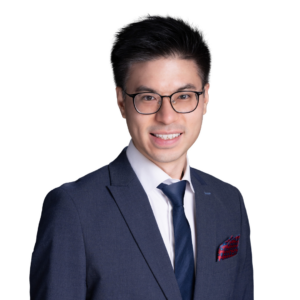
Pascal Siu
Senior Research Manager, Head of Green & Sustainability
Our Hong Kong Foundation
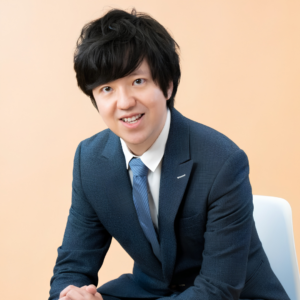
Chi Wai Kenny Shui
Vice President of OHKF and Executive Director of Public Policy Institute
Our Hong Kong Foundation

Jason Leung
Assistant Research Director, Head of Land and Housing Research
Our Hong Kong Foundation
Ryan Ip
Vice President & Executive Director of Public Policy Institute
Our Hong Kong Foundation

U.S. Green Building Council
USGBC, the U.S. Green Building Council, is the developer and owner of LEED, the leading program for green buildings and cities worldwide. Through LEED, USGBC is committed to a sustainable and prosperous future.
Hong Kong ranks sixth in the 2025 Top Countries and Regions for LEED outside the United States.
Products, Services & Solutions
- Charity/NGO
General Enquiry Email Address: northasia@usgbc.org
General Enquiry Phone Number: 0021 65126863
Meet our 2026 speakers:
10:30 – 10:40
Speakers
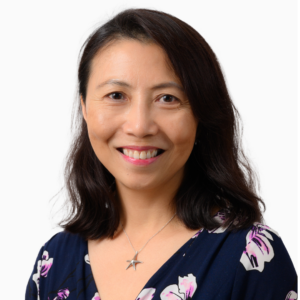
Olivia Wong
General Manager Environmental & Social Responsibility
MTR Corporation

Olivia Wong
MTR Corporation
General Manager Environmental & Social Responsibility
Olivia Wong is the General Manager – Environmental & Social Responsibility at MTR Corporation Ltd and is responsible for formulating and implementing clear and effective strategies in achieving MTR’s social and environmental objectives and in championing the corporation’s ESG efforts and commitments.
Prior to joining MTR, Olivia spent her entire professional career with the Swire group in different business units including Cathay Pacific and Swire Properties. Her last role in John Swire & Sons (H.K.) Ltd was the Group Head of Diversity & Inclusion where she developed a coherent diversity and inclusion (“D&I”) strategy and aligned D&I initiatives across the Swire Group.
At Swire Properties Ltd. she was the Director HR & Administration and prior to that she was General Manager – Leadership Development at John Swire & Sons (H.K.) Ltd with responsibility for recruiting and fostering talent for the Swire Group. She started her career in Cathay Pacific and held leadership roles in Hong Kong, Southeast Asia and Europe.
Olivia graduated with a Bachelor of Social Sciences degree from the University of California, Berkeley and has an MBA from the University of Michigan. She is a resolute volunteer with Habitat for Humanity since 2005 and recently stepped down as Chair of Habitat for Humanity Hong Kong after serving on the board for nine years. She continues to serve as a director on Habitat for Humanity International board. She has joined the board of ImpactHK in September 2025.
My Sustainability Goals for 2026:
My personal hope for Hong Kong in 2026 and beyond is that sustainability becomes understood and practised as an inseparable balance between environmental and social impact. We need to move beyond recognising this relationship in theory, and embed it in the way decisions are made, partnerships are formed, and progress is measured. I also hope Hong Kong will embrace the opportunities of AI responsibly — ensuring this powerful technology accelerates climate and sustainability solutions while helping to build a more equitable society where everyone can benefit. Above all, I hope to see deeper and more genuine partnership across civil society, with government, corporates, educational institutions and NGOs working together with shared purpose to build a more sustainable, inclusive and resilient Hong Kong.
Speaking at 2026 sessions:
Day 2
Opening Welcome MTRBlind Spots At The Top – Why Homogenous Leadership Fails
With thanks to
MTR Corporation
Booth L30
As a recognised world-class operator of sustainable rail transport services, MTR is a leader in safety, reliability, customer service and efficiency.
MTR has extensive end-to-end railway expertise with over 45 years of railway projects experience from design to planning and construction through to commissioning, maintenance and operations. Going beyond railway delivery and operation, MTR also creates and manages dynamic communities around its network through seamless integration of rail, commercial and property development.
Our sustainability goals for 2026:
- Social inclusion;
- Advancement & Opportunities; and
- Greenhouse Gas Emissions Reduction
Solutions Showcase:
- Technology & Innovation
- Transport/Mobility
Legal Name: MTR Corporation Limited
General Enquiry Phone Number: 2881 8888
Meet our 2026 speakers:
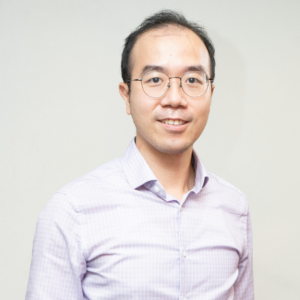
Andy Pang
Chief Data & Software Control Manager (Operations)
MTR Corporation
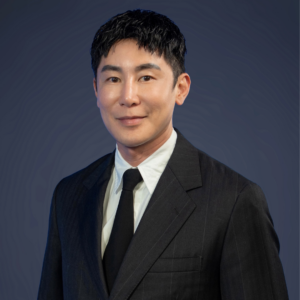
Ellis Ku
Chief Learning & Development Manager
MTR Corporation
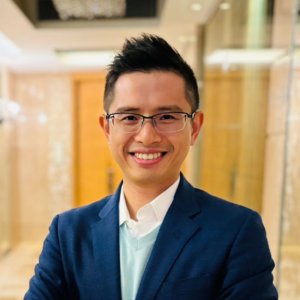
Bosco Leung
Social Responsibility Lead
MTR Corporation
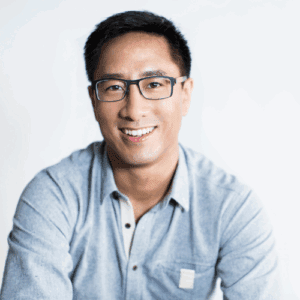
Gene Soo
Head of Ecosystem – Global Innovation
MTR Corporation
Olivia Wong
General Manager Environmental & Social Responsibility
MTR Corporation
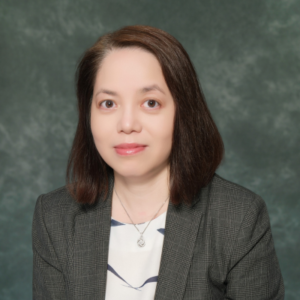
Jessica Chan
Head of Sustainability
MTR Corporation

Gillian E Meller
Legal and Governance Director
MTR Corporation
10:40 – 11:30
This session will spotlight how cities, industry leaders, and innovators are reimagining mobility to meet the urgent demands of climate resilience and digital transformation. Across modern urban landscapes, traditional transportation networks must adapt to keep pace with evolving environmental priorities, and stakeholders from across the sector will share insights on leveraging smart technologies to build cleaner and more efficient transport ecosystems.
Session Learnings:
- What strategies and digital tools can help transport operators enhance overall system efficiency while supporting sustainability goals?
- How can cross-sector collaboration between public institutions and private industry accelerate the adoption of sustainable mobility initiatives?
- What practices ensure that modern transport infrastructure remains resilient to climate impacts?
Post-event Actions:
- Review your organization’s mobility and sustainability objectives to identify opportunities for smart integration and carbon reduction.
- Explore collaborative opportunities with industry partners to pilot and scale innovative, user-focused transportation practices.
Speakers
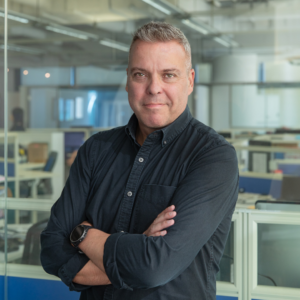
Moderator
Mark Jackson
Managing Director
Reputation Works
Mark Jackson
Reputation Works
Managing Director
With more than 35 years’ experience working with some of the world’s most renowned companies – from Huawei to Microsoft to Coca-Cola – Mark helps brands tell their stories in an increasingly complex communications environment.
Over the last five years, he has focused on helping organisations of all sizes and types, break through the clutter in and around sustainability helping them raise funding, find new customers or stay on the right side of regulators.
My Sustainability Goals for 2026:
The embedding of sustainability into the HKSAR Five-Year plan.
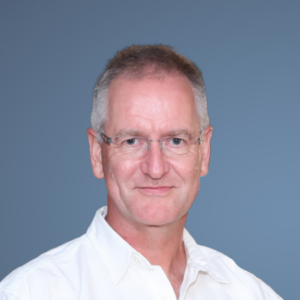
Jens-Peter Brauner
Chief Executive Officer
Siemens Mobility Limited
Jens-Peter Brauner
Siemens Mobility Limited
Chief Executive Officer
Jens-Peter is an expert in the transportation sector for 30 years and a Fellow of IET.
He has degrees in electrical engineering and economic psychology, because for him, technology and people belong together, especially when it comes to digital transformation and the application of artificial intelligence.
By living and working throughout Europe, America and Asia, he became passionate about diversity and leveraging cultural synergies for the development of disruptive innovations.
As the CEO of Siemens Mobility in Hong Kong, he is working with his team and local partners to turn Hong Kong into a sustainable and smart city.
Holding patents by himself, he is always looking for bright ideas and supports talents and their visions. And still today he is dealing with latest technologies and is using AI for developing apps by himself, just for fun.
My Sustainability Goals for 2026:
- Accelerate impact with smart and sustainable solutions for Hong Kong
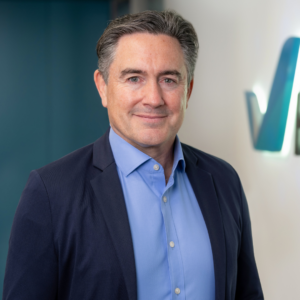
Tom Owen
Group Director Corporate Development
Hong Kong Aircraft Engineering Company Limited
Tom Owen
Hong Kong Aircraft Engineering Company Limited
Group Director Corporate Development
Tom Owen joined HAECO as Group Director Corporate Development in January 2026. He oversees the group’s strategic development, information and digital technology, and sustainable development, and manages relationships with joint venture and government partners. Prior to HAECO, he served as Director Cargo and Director People at Cathay. Since joining the Swire Group in 1995, Tom has held diverse leadership roles in both Hong Kong and abroad.
Andy Pang
Chief Data & Software Control Manager (Operations)
MTR Corporation
Andy Pang
MTR Corporation
Chief Data & Software Control Manager (Operations)
Mr. Andy Pang is experienced Engineer in Rolling Stocks and Maintenance Data Analytics. Mr. Pang established Data Studio office and team at MTR to support Smart Maintenance, providing insightful analytics to maintenance team through collection and integration of data and performing cross-system analytics to unlock actionable insights for asset maintenance in various Railway systems.
Mr. Pang is also experienced in Condition Based Monitoring in railway systems. He has designed and implemented sensors and IoT systems on the train and railways infrastructure, for proactive asset condition monitoring, so that developing mechanical faults could be identified, and corrective actions could be taken.
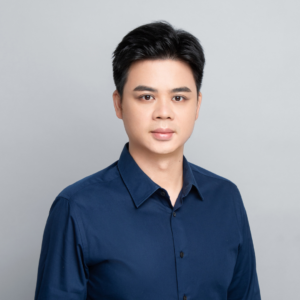
Ralph Xu
Head, Green Transportation, Centre of Advanced Power and Autonomous Systems (APAS)
Hong Kong Productivity Council

Ralph Xu
Hong Kong Productivity Council
Head, Green Transportation, Centre of Advanced Power and Autonomous Systems (APAS)
Mr Ralph Xu is now the Head, Green Transportation at Centre of Advanced Power and Autonomous Systems (APAS), Hong Kong Productivity Council(HKPC). He joined HKPC with his solid background of automotive industry and electric vehicle development. He has been working in automotive industry for 18 years, with profound experience in R&D, manufacturing and quality control.
Mr Xu obtained bachelor’s degree of engineering in Shanghai Jiao Tong University and started his career in automotive industry as quality engineer in Honda’s local joint venture. He is equipped with broad knowledge of vehicle engineering, component design and development, and good understanding of automotive suppliers. Along with the booming of EV market, he started the EV development career in DENZA, the joint venture of Daimler and BYD from 2011. Throughout 10 years, as R&D manager, he participated in the development of 4 BEV and 1 PHEV models. He has vast experience on EV project planning, product development, testing and validation. He provides a unique insight of NEV industry with the knowledge of electric vehicle integration, HV system and EV testing. He is now responsible for R&D projects in APAS focusing on new energy transportation including EV and hydrogen energy technology.
My Sustainability Goals for 2026:
- Promote energy-efficient buildings and smart city solutions
- Support green businesses and local innovation
- Promote environmental education in schools and workplaces.
- Encourage local partnerships between government, businesses, and citizens
- Increase the use of electric vehicles and clean public transport
With thanks to
MTR Corporation
Booth L30
As a recognised world-class operator of sustainable rail transport services, MTR is a leader in safety, reliability, customer service and efficiency.
MTR has extensive end-to-end railway expertise with over 45 years of railway projects experience from design to planning and construction through to commissioning, maintenance and operations. Going beyond railway delivery and operation, MTR also creates and manages dynamic communities around its network through seamless integration of rail, commercial and property development.
Our sustainability goals for 2026:
- Social inclusion;
- Advancement & Opportunities; and
- Greenhouse Gas Emissions Reduction
Solutions Showcase:
- Technology & Innovation
- Transport/Mobility
Legal Name: MTR Corporation Limited
General Enquiry Phone Number: 2881 8888
Meet our 2026 speakers:
Andy Pang
Chief Data & Software Control Manager (Operations)
MTR Corporation
Ellis Ku
Chief Learning & Development Manager
MTR Corporation
Bosco Leung
Social Responsibility Lead
MTR Corporation
Gene Soo
Head of Ecosystem – Global Innovation
MTR Corporation
Olivia Wong
General Manager Environmental & Social Responsibility
MTR Corporation
Jessica Chan
Head of Sustainability
MTR Corporation
Gillian E Meller
Legal and Governance Director
MTR Corporation
Siemens Mobility Hong Kong
Booth R27
Siemens Mobility is a separately managed company of Siemens AG. As a leader in intelligent transport solutions for more than 175 years, Siemens Mobility is constantly innovating its portfolio. Its core areas include rolling stock, rail automation and electrification, a comprehensive software portfolio, turnkey systems as well as related services. With digital products and solutions, Siemens Mobility is enabling mobility operators worldwide to make infrastructure intelligent, increase value sustainably over the entire lifecycle, enhance passenger experience and guarantee availability.
Our sustainability goals for 2026:
Accelerate impact with sustainable mobility solutions
Solutions Showcase:
- Efficient Energy & Utilitie
- Engineering & Infrastructure
- Sustainable Products
- Technology & Innovation
- Transport/Mobility
Legal Name: Siemens Mobility Limited
General Enquiry Email Address: mobility.hk@siemens.com
General Enquiry Phone Number: 25833388
Meet our 2026 speakers:
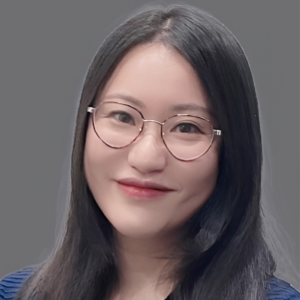
Hong Kong Productivity Council
Booth F42
The Hong Kong Productivity Council (HKPC) is a statutory body established in 1967, dedicated to enhancing the productivity and competitiveness of Hong Kong enterprises through world-class applied R&D, innovative technology services, and integrated manufacturing solutions. As a market-oriented, international R&D organisation, HKPC leverages its deep expertise and extensive industry experience in key areas such as AI, advanced manufacturing, life and health technology, green technology and new energy to drive new industrialisation and support the growth of emerging and future industries.
Legal Name: Hong Kong Productivity Council
General Enquiry Email Address: hkpcenq@hkpc.org
General Enquiry Phone Number: 2788 5678
General Business Address: HKPC Building, 78 Tat Chee Avenue, Kowloon, Hong Kong
Meet our 2026 speakers:
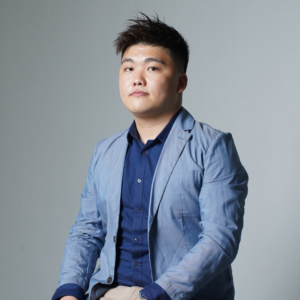
Dick Li
Senior Consultant, Industry 4.0+ & Low-altitude Economy, New Industrialisation Division
Hong Kong Productivity Council
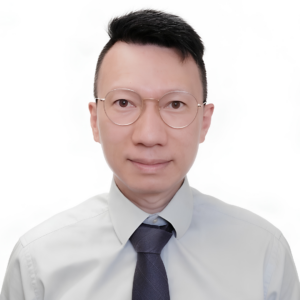
Ir Dr. Michael Ching
Head of Climate Technology and Innovation, Green Living and Innovation Division
Hong Kong Productivity Council
Ralph Xu
Head, Green Transportation, Centre of Advanced Power and Autonomous Systems (APAS)
Hong Kong Productivity Council
Hong Kong Aircraft Engineering Company Limited
Meet our 2026 speakers:
11:30 – 12:20
Hong Kong is entering the ecosystem-building phase of the low-altitude economy: moving beyond individual pilots to deliberately orchestrate the full stack of building blocks that make low-altitude services safe, scalable, and investable. This means aligning “hardware” and “software” across the system—shared rules and accountability, end-to-end safety assurance and incident handling, privacy-by-design data stewardship, interoperable standards, and cross-boundary coordination—so that different players can plug in and operate in harmony.
The session brings together LAE service providers, public organisations, infrastructure and data partners, and supporting professional services to discuss how Hong Kong can choreograph this ecosystem—from common operating pathways and governance interfaces, to repeatable service models and commercial arrangements—so that high-value use cases such as inspections, emergency response, and logistics can scale with public trust, safety, privacy, and transparency.
Session Learnings:
- What are the core ecosystem building blocks Hong Kong must put in place to scale LAE safely?
- How can organisations plug into the LAE ecosystem with manageable risk?
- How can cross-sector collaboration accelerate adoption and unlock value?
Post-event Actions:
- Identify 1–3 feasible LAE use cases for your organisation and outline the expected benefits, operating conditions, and key constraints.
- Engage potential partners to scope a small pilot with clear success metrics and a pathway from trial to routine operations.
Speakers
Moderator
Jason Leung
Assistant Research Director, Head of Land and Housing Research
Our Hong Kong Foundation
Jason Leung
Our Hong Kong Foundation
Assistant Research Director, Head of Land and Housing Research
Jason is the Assistant Research Director and Head of Land and Housing Research at Our Hong Kong Foundation, where he leads a team of research professionals conducting in-depth analysis across land and housing, transport and logistics, and retail and tourism.
Drawing on his expertise in research, advisory, and consultancy, he provides evidence-based insights and actionable recommendations to government agencies, statutory bodies, and major corporations. His work has directly influenced public policy, and he has authored 15 research reports and co-written a book.
A chartered surveyor and regular media commentator, Jason has written over 100 op-eds and appears frequently on local, Mainland, and international outlets to provide expert analysis on land and housing policies and real estate market dynamics. He is also an RICS Inspire Ambassador, actively contributing to the surveying profession and the next generation of built environment professionals.
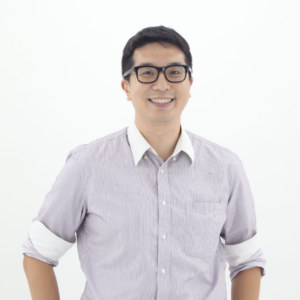
Terry Chu
Head of Information Technology Department
S.F. Express (Hong Kong) Limited

Terry Chu
S.F. Express (Hong Kong) Limited
Head of Information Technology Department
Terry Chu is the Head of IT at S.F. Express (Hong Kong) Limited(“SFHK”), where he directs the regional technology roadmap, cloud transformation, AI and data analytics, and digital innovation initiatives. With over 20 years of global IT leadership experience, Terry specializes in transforming enterprise IT operations into agile, high-performing engines that drive business growth and modern smart logistics solutions.
Under his leadership, SFHK established a dedicated innovation unit and has actively contributed to Hong Kong’s low-altitude sandbox initiatives—exploring drone applications, smart logistics, and advanced airspace logistics. Terry’s team focuses on building the robust digital architecture, real-time data modeling, and cloud-backed platforms needed to support complex low-altitude operations safely. At the forum, Terry shares practical insights on bridging physical logistics with low-altitude tech infrastructure and leveraging calculated innovation to accelerate safe, scalable drone deployments across Hong Kong and the Greater Bay Area.
Dick Li
Senior Consultant, Industry 4.0+ & Low-altitude Economy, New Industrialisation Division
Hong Kong Productivity Council
Dick Li
Hong Kong Productivity Council
Senior Consultant, Industry 4.0+ & Low-altitude Economy, New Industrialisation Division
Mr. Dick Li currently serves as a Senior Consultant for the Low-altitude Economy at Hong Kong Productivity Council (HKPC), specialising in drone project development and the creation of innovative applications through collaboration with government departments and corporates. He is a Civil Aviation Department (CAD) certified Advanced Rating Remote Pilot (Category A, B & C). In addition, he has participated as technical partner representative in the Transport and Logistics Bureau (TLB) and CAD Regulatory Sandbox initiatives, contributing to the advancement of drone technology and regulatory development in Hong Kong.

Dr. Yuehuan Li
Deputy General Manager
SUTPC Digital Technology (Hong Kong) Limited
Dr. Yuehuan Li
SUTPC Digital Technology (Hong Kong) Limited
Deputy General Manager
Li Yuehuan, holds a B.Sc. in Geodesy and Geomatics Engineering from Wuhan University and an advanced degree from the University of Hong Kong. She is currently Deputy General Manager of Business at SUTPC Digital Technology (Hong Kong) Limited.Specializing in digital twins, low-altitude economy and smart mobility, she has led the R&D and delivery of multiple large-scale smart-city projects in Shenzhen and spearheaded international flagship initiatives such as the Hong Kong Low-Altitude Economy Sandbox, the UAE Smart Transportation Project and Saudi Arabia’s Riyadh Integrated Operations Management Center, driving global advances in smart urban and low-altitude economic development.
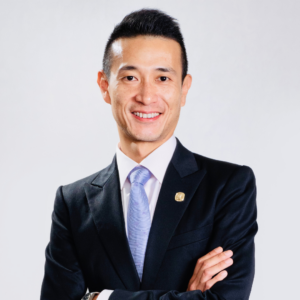
Prof. Eddie Lock
Head of Engineering Services
Hong Kong Cyberport
Prof. Eddie Lock
Hong Kong Cyberport
Head of Engineering Services
Adjunct Professor, Department of Electrical and Electronic Engineering, PolyU
Adjunct Professor, Department of Biomedical Engineering, CityU
Adjunct Professor, School of Science & Technology, MU
A Fellow Electrical and Automation Engineer Chartered since 2009 holding Postgraduate degrees in both Business Administration (DBA) and Science (MSc). Technical know-how with sound knowledge in project management, people development and operation management.
20 years of managerial experience in the Hong Kong International Airport, especially on mobilizing 40+ business partners towards electrification to achieve 25% carbon reduction.
Currently leading the Department of Engineering Services at Cyberport to nurture the youth and create smart living solutions. Moreover, I was the driving person of Digital Transformation returned from London Heathrow in 2019.
My Sustainability Goals for 2026:
- Turning ideas into business
- Explore the opportunities for long term development
Supported by
Our Hong Kong Foundation
OHKF is a non-government, non-profit organisation founded in November 2014 by Honourary Chairman Mr Tung Chee-hwa, former Vice Chairman of the National Committee of the Chinese People’s Political Consultative Conference and former Chief Executive of the Hong Kong Special Administrative Region. OHKF aims to contribute to Hong Kong’s prosperity and stability as well as its sustainable development.
Products, Services and Solutions:
- Charity/NGO
General Enquiry Email Address: info@ourhkfoundation.org.hk
General Enquiry Phone Number: 2603 3001
Meet our 2026 speakers:
Pascal Siu
Senior Research Manager, Head of Green & Sustainability
Our Hong Kong Foundation
Chi Wai Kenny Shui
Vice President of OHKF and Executive Director of Public Policy Institute
Our Hong Kong Foundation
Jason Leung
Assistant Research Director, Head of Land and Housing Research
Our Hong Kong Foundation
Ryan Ip
Vice President & Executive Director of Public Policy Institute
Our Hong Kong Foundation
13:10 – 14:00
The future of net-zero, resource-efficient cities lies in how effectively we manage construction materials. This session explores how digital marketplaces are redefining resource flows by connecting stakeholders across the supply chain to exchange, repurpose, and reuse construction materials. Through transparent data sharing, traceability tools, and collaborative digital platforms, these systems enable smarter procurement decisions and measurable carbon savings. Industry leaders and technology innovators will discuss how such solutions enhance material visibility, reduce waste, and foster trust among contractors, developers, and recyclers. The conversation will highlight practical pathways for building circular economies across urban infrastructure — driving both environmental and economic value on the road to net-zero cities.
Session Learnings:
- Discover how digital marketplaces and platforms are enhancing transparency, traceability, and efficiency across Hong Kong’s construction supply chain.
- Learn how data-driven material management supports waste reduction, carbon savings, and smarter procurement decisions.
- Explore successful examples of circular construction enabled by technology, collaboration, and innovative business models.
- Understand the critical role of industry-wide partnerships and leadership in accelerating the transition toward circular, net-zero cities.
- Gain insights into how Hong Kong’s construction sector is leveraging digital transformation to build a more sustainable and resource-efficient urban future.
Post-Event Actions:
- Assess current material management practices to identify opportunities for integrating circular principles and digital tracking tools.
- Initiate collaborations with industry partners and digital solution providers to pilot material exchange or reuse initiatives.
- Develop internal policies or guidelines to promote data transparency and material traceability across project lifecycles.
- Incorporate circular procurement criteria and reuse targets into sustainability strategies and tender frameworks.
- Leverage learnings from the session to strengthen organisational readiness for Hong Kong’s transition to a circular, low carbon construction economy.
Speakers
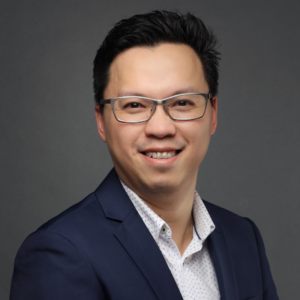
Moderator
Ir Raymond Kwok
General Manager – Environmental Science
Chinachem Group
Ir Raymond Kwok
Chinachem Group
General Manager – Environmental Science
Raymond Kwok is a trained mechanical engineer and the General Manager of Environmental Science at Chinachem Group, where he spearheads building services, sustainability, and innovation initiatives. In his current leadership role, he serves as the vice-chairman of the Corporate “Planet Sub-committee” and is a key member of the ESG steering committee, actively driving environmental policy-making from the planning stage through to operation. Drawing on his extensive background in advanced engineering and green building practices, his work champions lifecycle sustainability and directly supports the transition toward circular cities and highly resource-efficient built environments.
My Sustainability Goals for 2026:
- Scale Smart Building Innovations for Operational Efficiency
- Drive High Energy Performance Design in New Developments
- Boost Material Reuse and Cut Construction Waste
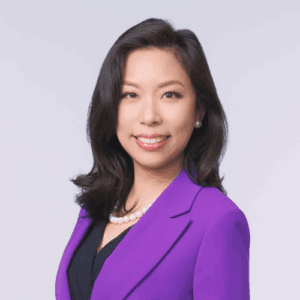
Celina Chan
Head of Sustainability & Sustainable Finance
OCBC Bank (Hong Kong) Limited
Celina Chan
OCBC Bank (Hong Kong) Limited
Head of Sustainability & Sustainable Finance
Celina Chan heads up Sustainability and Sustainable Finance for OCBC Bank in Hong Kong. OCBC is the longest established Singapore bank and is one of the world’s most highly-rated banks.
OCBC, as an early mover in mobilising capital to support corporates’ sustainable transition, has surpassed S$80 billion (c. HK$490 billion or US$60 billion) in sustainable financing. OCBC has been named Best Bank for Sustainable Finance in Hong Kong, and Best Bank for Sustainable Finance in Singapore, by Global Finance.
Celina, as a pioneer in ESG solutions, has contributed to innovative transactions including the world’s first Sustainability-Linked Bond for a real estate developer (2021), Hong Kong’s first sustainable finance in the logistics industry (2022), as well as Hong Kong’s first Green And Transition Loan in the real estate industry (2024).
Prior to joining OCBC, Celina was at HSBC as an International Manager where she was a corporate banker in Hong Kong, Sri Lanka, and the UK; and where she managed regional and global strategies for the bank. She specialised in impact finance when she was awarded a scholarship to complete an MBA at the University of Oxford. Celina has lived in Asia, Europe, US, and Africa and is an advocate of finance for good.
My Sustainability Goals for 2026:
For greater collaboration in Hong Kong, to mobilise much needed capital and to support sectors most in need on their transition towards a sustainable world.
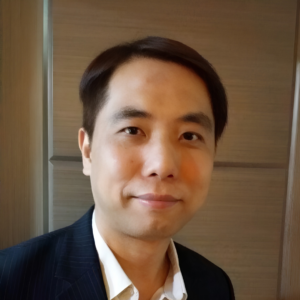
Ken Ho
Head of Sustainability and Environment
Hip Hing Construction Co. Ltd.
Ken Ho
Hip Hing Construction Co. Ltd.
Head of Sustainability and Environment
Ken Ho is the Head of Sustainability and Environment at Hip Hing Construction Co. Ltd., leading corporate ESG strategy, decarbonization roadmaps, and sustainable construction practices across major building and infrastructure projects in Hong Kong.
With deep expertise in site environmental management, Scope 1–3 emissions reduction, and low-carbon technology integration, Ken is a key driver of resource circularity within the local built environment.
Ken actively advocates for practical, scalable circular economy solutions—focusing on material lifecycle optimization, onsite waste reduction, and material reuse to accelerate Hong Kong’s transition toward net-zero, resilient urban development.
Speaker’s Sustainability Goals for 2026
My Sustainability Goals for 2026:
- Accelerate Construction Material Circularity: Expand onsite material sorting, reclamation, and reuse protocols across key building projects to reduce construction waste diverted to landfills.
- Drive Embodied Carbon Reduction: Collaborate with material suppliers and design teams to standardize low-carbon, recycled, and upcycled building materials in project specifications.
- Advance Whole-Lifecycle Stewardship: Foster regional supply chain partnerships to enable material traceability and turn temporary site resources into long-term circular assets.
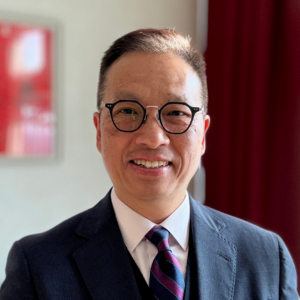
Siu Kei Wu
Head of ESG
Alliance Construction Materials Limited

Siu Kei Wu
Alliance Construction Materials Limited
Head of ESG
Siu Kei (SK) Wu is Head of ESG at Alliance Construction Materials Limited, with over 30 years of experience in sustainability, health and safety, environmental management, and risk management. He leads the company’s ESG, circular economy, and digital transformation initiatives, and has been a key contributor to low-carbon construction materials development in Hong Kong. SK actively supports industry advancement through his roles with HKQAA and the Hong Kong Accreditation Service on GHG validation and verification.
Supported by
Construction Industry Council
The Construction Industry Council (CIC) consists of a chairman and 24 members representing various sectors of the industry. The main functions of CIC are to forge consensus on long-term strategic issues, convey the industry’s needs and aspirations to Government, as well as provide a communication channel for Government to solicit advice on all construction-related matters.
General Enquiry Email Address: e&sdepartment@cic.hk
General Enquiry Phone Number: 2100 9000
Meet our 2026 speakers:
14:00 – 14:50
As cities across Asia accelerate their net-zero ambitions, the conversation is evolving beyond carbon reduction alone. Future-ready cities must not only decarbonize the built environment, but also enhance quality of life, strengthen community connections, and restore the natural systems that support long-term resilience.
This session brings together city leaders, asset owners, operators, and innovation partners to explore how these priorities can be advanced in an integrated manner. Through cross-sector perspectives and real-world blueprints—such as Hong Kong’s Northern Metropolis development—the discussion will examine how buildings, infrastructure, technology, and urban spaces can work together to create healthier, more connected, and climate-resilient cities.
Session Learnings:
- Decarbonization at Scale
How can cities accelerate the transition to low-carbon buildings and infrastructure while balancing economic growth and operational performance?
- People-Centered Urban Environments
What makes a city not only sustainable, but also healthy, inclusive, and desirable for people to live, work, and connect?
- Nature and Urban Resilience
How can cities integrate biodiversity, green infrastructure, and climate adaptation strategies into future development and regeneration efforts?
Post-Event Actions:
- Explore how cities can accelerate the transition to low-carbon buildings and infrastructure while balancing economic growth, operational performance, and long-term sustainability.
- Discover the strategies and design principles that make cities not only sustainable, but also healthy, inclusive, and vibrant places for people to live, work, and connect.
- Learn how biodiversity, green infrastructure, and climate adaptation strategies can be integrated into urban development and regeneration to create more resilient cities.
Speakers
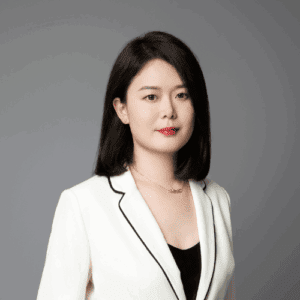
Moderator
Jing Wang
Vice President, North Asia
U.S. Green Building Council
Jing Wang
U.S. Green Building Council
Vice President, North Asia
Based in Shanghai, Jing Wang serves as Vice President for North Asia at USGBC and GBCI, the organizations that developed and administer LEED, one of the world’s leading green building rating systems. She works with industry leaders, developers, investors and public-sector organizations across North Asia to advance sustainable buildings and accelerate market transformation. A frequent speaker at regional industry forums, Jing shares insights on sustainable development, green building and market transformation, and is committed to fostering collaboration across the built environment.
Prior to joining USGBC and GBCI, Jing led the Marketing & Communications function at CBRE China, a leading global real estate services firm. She also held regional marketing roles with Starwood Hotels & Resorts in Singapore and China before the company became part of Marriott International.
Jing holds an MBA from the University of Manchester and is a member of the Royal Institution of Chartered Surveyors (RICS).
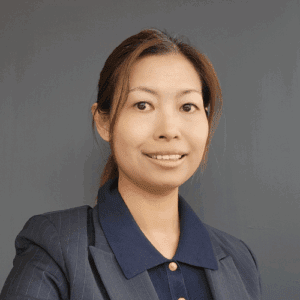
Julia Chan
Environment and Society Leader Asia
Mott MacDonald
Julia Chan
Mott MacDonald
Environment and Society Leader Asia
Ms. Julia Chan is an ecologist and Environmental Impact Assessment (EIA) Expert member for the Hong Kong Institute of Qualified Environmental Professionals. Currently the Environment and Society (E&S) Leader for Asia unit of Mott MacDonald Group based in Hong Kong, leading the E&S team across nine countries/cities in delivering environmental, sustainability and climate resilience solutions for local and international development projects for transportation, building and energy sectors.
She is specialised in wetland and biodiversity conservation, river revitalisation and eco-seawall design by nature-based solutions to promote liveable cities and biodiversity net gain. She has over 25 years’ experience in ecological monitoring, environmental and social impact assessment, environmental management and ecological design in support blue-green infrastructures. Projects involving ecological enhancement design and biodiversity conservation led by/with major involvement by Julia including the river revitalisation of Lower Lam Tsuen River site trial design for Eco-hydraulics Study on Green Channels Stage 2, Enhancement of Shek Sheung River Investigation and Enhancement of Existing River Sections Investigation for the Drainage Services Department, River Revitalisation Specialist for the Tung Chung New Town Development West Environmental Team Services, Project Director of a Comprehensive Residential Development with Wetland Restoration Area at Wo Shang Wai Yuen Long and Marine Ecology Specialist for the Third Runway Project Environmental Team, advising on marine and fisheries conservation initiatives for the Airport Authority Hong Kong.
My Sustainability Goals for 2026:
Conserving Life on Land and Below Water by nature-based design to promote sustainable cities and to the benefit to our communities.
Speaking at 2026 sessions:
Day 2
Connecting Carbon, Communities and Nature: Reimagining the Future of Net-Zero Connected Cities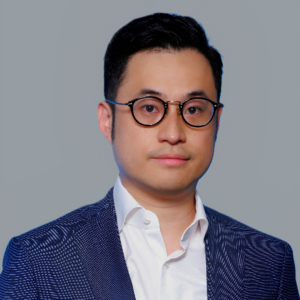
Victor Cheng
Director, Sustainability
HK-SZ Innovation and Technology Park

Victor Cheng
HK-SZ Innovation and Technology Park
Director, Sustainability
Victor joined Hong Kong-Shenzhen Innovation and Technology Park (HSITP) in 2024 as the Director of Sustainability to lead the development of net-zero roadmap, stakeholder engagement and shared value creation.
Victor assumed various global and regional executive roles with multinationals. Prior to joining HSITP, Victor oversaw the global sustainability strategy for a Fortune 500 fashion and wearable technology company with a presence of over 32 countries. He spearheads a net zero transition strategy for the 40 years old global brand.
He has been a prominent advocate for sustainable development and regional collaboration of his presence in multiple market segments – green tech, material science, retail and manufacturing,
He received a Master’s Degree in Business Administration from Imperial Business School in 2015 and a Bachelor’s Degree in Molecular Genetics from University of Toronto in 2000.
My Sustainability Goals for 2026:
More green tech companies would set up their innovation hub in Hong Kong. Succesful green tech application can be scaled up in Hong Kong and expand to other regions.
Speaking at 2026 sessions:
Day 2
Connecting Carbon, Communities and Nature: Reimagining the Future of Net-Zero Connected Cities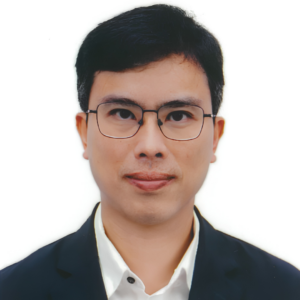
Ir Pak Kin Cheung
Chief Engineer
Civil Engineering and Development Department
Ir Pak Kin Cheung
Civil Engineering and Development Department
Chief Engineer
Mr. Pak Kin Cheung joined the HKSAR government as engineer in 2011 and joined CEDD in 2014. He is taking part in the development of Northern Metropolis (NM), and currently oversees the Fanling North / Kwu Tung North New Development Area implementation. Before participating in NM, Mr. Cheung spent over 10 years for the sustainable development and conservation in Lantau Island including Tung Chung New Town Extension, South Lantau Eco-recreation Corridor and Study for Kau Yi Chau Artificial Islands. Before joining CEDD, he worked in the Drainage Services Department responsible for major flood prevention projects against climate change.
Speaking at 2026 sessions:
Day 2
Connecting Carbon, Communities and Nature: Reimagining the Future of Net-Zero Connected Cities
Iping Yang
Sustainability Manager
TAIPEI 101
Iping Yang
TAIPEI 101
Sustainability Manager
Iping Yang, LEED Fellow, is Sustainability Manager of TAIPEI 101 Tower, responsible for green building marketing and strategy in order to ensure the green leadership for TAIPEI 101. Iping is a sustainability expert specialized in LEED & WELL, CSR, SDG, ESG, and successfully helped TAIPEI 101 to achieve LEED v4 O+M platinum certification. Iping is also in charge of TAIPEI 101’s new business line for green building consulting including LEED certification and green property management.
Iping maintains strong relationships with key organizations internationally. She is currently Chairman of Taiwan’s official LEED Professionals Association, seed. She is invited to join CTBUH Expert Peer Review Committee since 2018. With Iping’s support, in 2019, TAIPEI 101 team helped CTBC bank to achieve LEED v4.1 platinum certification, and CTBUH recognized TAIPEI 101 as one of the world’s “50 Most Influential Tall Buildings of the last 50 years”.
Speaking at 2026 sessions:
Day 2
Connecting Carbon, Communities and Nature: Reimagining the Future of Net-Zero Connected CitiesSupported by
U.S. Green Building Council
USGBC, the U.S. Green Building Council, is the developer and owner of LEED, the leading program for green buildings and cities worldwide. Through LEED, USGBC is committed to a sustainable and prosperous future.
Hong Kong ranks sixth in the 2025 Top Countries and Regions for LEED outside the United States.
Products, Services & Solutions
- Charity/NGO
General Enquiry Email Address: northasia@usgbc.org
General Enquiry Phone Number: 0021 65126863
Meet our 2026 speakers:
15:00 – 16:30
For decades, Hong Kong has demonstrated a remarkable capacity to adapt to the constraints of geography, space, and density. Today, as climate change reshapes urban priorities, that tradition is evolving into a broader effort to transform buildings, reinvent mobility, and rejuvenate the city.
French companies have long contributed to Hong Kong’s development. In 2024, several of them jointly published a Green Paper outlining recommendations for building a more sustainable city. Building on this momentum, an alliance of French companies and HKUST launched a low-carbon building retrofitting partnership in 2026. Against this backdrop, the forum will explore how innovation can help shape a more resilient, efficient, and future-ready city.
From energy efficiency and innovative materials to smarter grids, new financing models, and sustainable mobility solutions, speakers will discuss how innovation can turn environmental challenges into opportunities for sustainable cities and improved quality of life.
The discussion will feature two segments: first on infrastructure and construction, then on sustainable mobility and connectivity.
Opening Address
– Benjamin Hubin, Deputy Consul General of France in Hong Kong and Macau
– Mr Victor Tai, JP, Under Secretary for Housing
– Antoine Oustrin
Roundtable 1 – Decarbonizing Existing Buildings & Green Financing
– Yannick Mahe (moderator)
– Bruno Botella
– Jonathan Chiu
– Laurent Pelletier
– Carmen Tsang
– Eric Wong
Roundtable 2 – Sustainable Mobility and Connectivity
– Stephanie Dodin (moderator)
– Derek Chung
– Paul Tirvaudey
– Olivia To
Closing remarks from Patrick Delpy
Session Learnings:
- How can innovation in retrofitting and construction simultaneously strengthen building resilience and reduce the carbon footprint of the built environment?
- How are new approaches to green financing reshaping the way sustainable urban infrastructure is funded and delivered?
- How is the transition towards sustainability transforming the way cities design, operate, and experience mobility and connectivity?
- How can climate action become a driver of competitiveness, innovation, and improved quality of life for Hong Kong?
Post-Event Actions:
- Demonstrate integrated sustainability solutions across diverse scenarios through flagship projects and real-world case studies.
- Assess opportunities to improve the sustainability and resilience of assets, operations, and infrastructure.
- Explore new technologies, financing models, and partnerships capable of accelerating implementation.
This session can be accessed by all pass holders, including Expo Only Pass.
Speakers
Moderator
Stéphanie Dodin
Executive Director
French Chamber in Hong Kong

Stéphanie Dodin
French Chamber in Hong Kong
Executive Director
Stéphanie Dodin is the Executive Director of the French Chamber of Commerce and Industry in Hong Kong, leading its strategy to strengthen Franco-Hong Kong business ties. She brings over 20 years of experience in international tax, M&A, and corporate law, having held senior legal and advisory roles in Europe before taking on her current leadership position in Hong Kong.
Speaking at 2026 sessions:
Day 2
So French So Green – Sustainable Solutions for Green Cities: Buildings & Mobility (Open to all pass holders)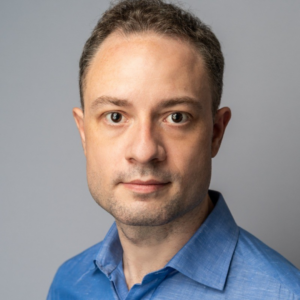
Moderator
Yannick Mahe
Board Member
FrenchTech Hong-Kong Shenzhen
Yannick Mahe
FrenchTech Hong-Kong Shenzhen
Board Member
Yannick has been a member of the board of FrenchTech HK SZ for the past year. He’s an active angel advisor, as well as a senior professional with over 15 years of experience in France and Asia.
Speaking at 2026 sessions:
Day 2
So French So Green – Sustainable Solutions for Green Cities: Buildings & Mobility (Open to all pass holders)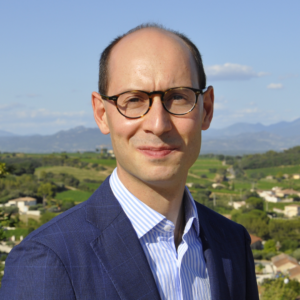
Moderator
Antoine Oustrin
Director of Industry and Technology
Business France – French Embassy in China

Antoine Oustrin
Business France – French Embassy in China
Director of Industry and Technology
Antoine Oustrin is Director of Industry & Technology at Business France in China, where he leads a team supporting French companies in their market entry, expansion, and partnership strategies across Greater China. Based in Beijing, he has spent more than 15 years helping international businesses navigate Greater China’s evolving economic landscape, regulatory environment, and industrial ecosystems.
Speaking at 2026 sessions:
Day 2
So French So Green – Sustainable Solutions for Green Cities: Buildings & Mobility (Open to all pass holders)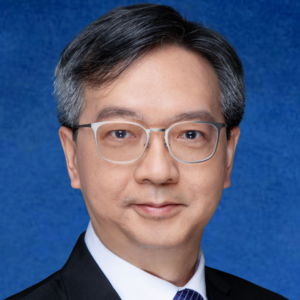
Mr. Victor Tai, JP
Under Secretary for Housing
Housing Bureau
Mr. Victor Tai, JP
Housing Bureau
Under Secretary for Housing
Mr. Victor Tai was appointed the Under Secretary for Housing of the HKSAR on 25 July 2022. Victor is an architect with over 30 years of experience covering project and programme management of public architecture projects in the Architectural Services Department, planning and implementation of the Kai Tak Sports Park in the former Home Affairs Bureau and works policies formulation in the Development Bureau.
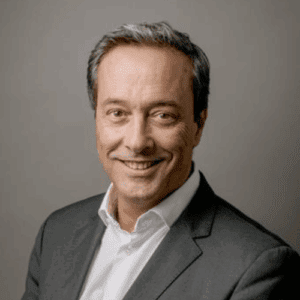
Bruno Botella
Chief Executive Officer Asia Pacific
Bouygues Batiment International Part of Bouygues Construction
Bruno Botella
Bouygues Batiment International Part of Bouygues Construction
Chief Executive Officer Asia Pacific
Bruno BOTELLA is a graduate of Arts et Métiers Engineering School in Paris. He is a highly experienced professional over 35 years of work experience. A strong background in general management, project financing, property development, contracts and project management in the fields of construction, venue operation and maintenance.
Since July 2022, he has been appointed CEO Asia Pacific for Bouygues Batiment International – the company with which he previously cultivated his global and pioneering spirit, starting his career in Hong Kong in 1987 before moving on to Jordan, the Czech Republic, Malaysia and the South-East of France where he was heading Bouygues Batiment Sud-Est.
He is overseeing the activities in all countries in the region Hong Kong, Macao, Vietnam, Thailand, Myanmar, Philippines, Singapore and Australia, with the vitally important support of the country directors. He is based in Hong Kong, the central headquarters for Asia Pacific activities.
Speaking at 2026 sessions:
Day 2
So French So Green – Sustainable Solutions for Green Cities: Buildings & Mobility (Open to all pass holders)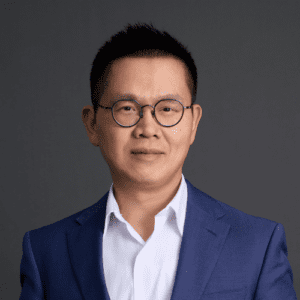
Jonathan Chiu
President
Schneider Electric (Hong Kong) Limited

Jonathan Chiu
Schneider Electric (Hong Kong) Limited
President
Jonathan Chiu is President of Schneider Electric Hong Kong. He currently heads the company’s Management Committee responsible for overseeing the strategic direction, operational delivery and business development for Schneider Electric in Hong Kong and Macau.
Since joining Schneider Electric three decades ago, Jonathan has held leadership positions across multiple business divisions. He is passionate about harnessing energy technology to advance digitalization, electrification and automation, driving greater efficiency and sustainability across buildings, data centers, infrastructure and grids in Hong Kong. His extensive experience has been instrumental in broadening Schneider Electric’s impact and strengthening its position as a trusted partner in the region.
Jonathan currently serves on the Board of Directors at the Business Environment Council, and was named Sustainability Leader of the Year at the HKMA Hong Kong Sustainability Award 2023.
He holds a Bachelor of Engineering from the University of Hong Kong, an MBA from the City University of Hong Kong, and an MBA from Kellogg-HKUST Executive MBA Program.
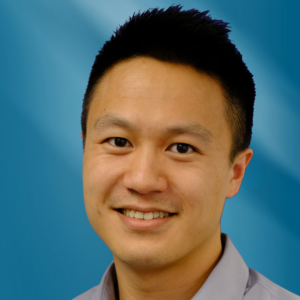
Derek Chung
General Manager – APAC
Artelia Airports

Derek Chung
Artelia Airports
General Manager – APAC
Derek Chung is the General Manager for APAC at Artelia Airports, where he leads multidisciplinary teams delivering airport planning, design, and advisory services across the Asia-Pacific region. With more than 16 years of experience in infrastructure and aviation development, he has worked across the full project lifecycle, from strategic planning and design management to construction and operational implementation. In his role, Derek champions Artelia’s integrated approach to sustainable airport development, helping clients balance operational efficiency, passenger experience, resilience, and long-term environmental performance. He works closely with airport operators, governments, and industry stakeholders to embed sustainability principles into planning and decision-making processes, ensuring that infrastructure investments remain adaptable to future challenges and opportunities.
Speaking at 2026 sessions:
Day 2
So French So Green – Sustainable Solutions for Green Cities: Buildings & Mobility (Open to all pass holders)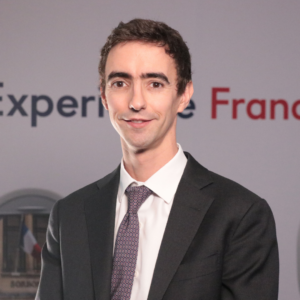
Benjamin Hubin
Acting Consul General
Consulate General of France in Hong Kong and Macao
Benjamin Hubin
Consulate General of France in Hong Kong and Macao
Acting Consul General
Mr. Benjamin Hubin was appointed in Hong Kong on 1 September 2024. Benjamin is a career diplomat with over 10 years of experience addressing global challenges and promoting partnerships across governments and business communities to deliver on sustainable solutions.
Speaking at 2026 sessions:
Day 2
So French So Green – Sustainable Solutions for Green Cities: Buildings & Mobility (Open to all pass holders)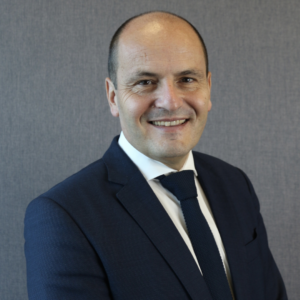
Laurent Pelletier
CEO
Veolia Hong Kong Holding Limited

Laurent Pelletier
Veolia Hong Kong Holding Limited
CEO
After a few years in a Consulting Firm that brought him to different continents, Laurent Pelletier joined Veolia twenty years ago and has not quit Asia ever since.
He started in Shanghai in the water business, taking different positions in Pudong Veolia Water, acting at the end as a COO.
In 2010, Laurent moved to Hong Kong to take the position of CTO for Asia and support our operations and fast growth in the region.
In 2019, he took over the responsibility of Veolia Hong Kong and diversified Veolia’s portfolio of activities there, not only focusing on waste management but also energy optimization for buildings. In 2024, Macau and Taiwan are added to his responsibilities.
Speaking at 2026 sessions:
Day 2
So French So Green – Sustainable Solutions for Green Cities: Buildings & Mobility (Open to all pass holders)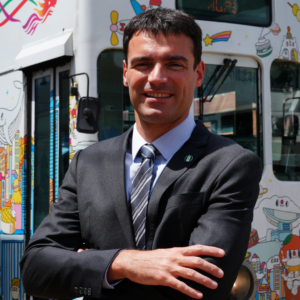
Paul Tirvaudey
Managing Director of Hong Kong Tramways
RATP Dev

Paul Tirvaudey
RATP Dev
Managing Director of Hong Kong Tramways
Paul Tirvaudey has been the Managing Director of Hong Kong Tramways since 2022.
Paul has more than 15 years of experience in various sectors. After starting his career in 2009 as a nuclear engineer for Electricité de France (EDF), he worked as a civil servant for the French Ministry for Environment and Energy, then for the French Ministry for Economics and Finance. Before joining RATP Group in 2017, he was a Portfolio Manager at the French Government’s Shareholding Agency, in charge of monitoring French railways and seaports. From 2017 and 2022, Paul has been Chief of Staff to RATP Group CEO Catherine Guillouard, and Secretary of the Management Board and the Supervisory Board. He has been strongly involved in key strategic projects for RATP Group, to prepare the opening to competition of Paris bus market.
Paul is a graduate in Engineering of Ecole Polytechnique (Paris) and holds a Master’s Degree in Project Finance from Ecole des Ponts ParisTech.
Speaking at 2026 sessions:
Day 2
So French So Green – Sustainable Solutions for Green Cities: Buildings & Mobility (Open to all pass holders)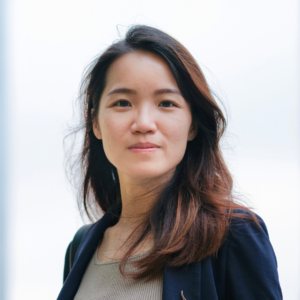
Olivia To
Senior Vice President (Sustainability) Technology, Innovation and Entrepreneurship
Invest Hong Kong

Olivia To
Invest Hong Kong
Senior Vice President (Sustainability) Technology, Innovation and Entrepreneurship
Olivia To is Senior Vice President (Sustainability) Technology, Innovation and Entrepreneurship at Invest Hong Kong, the government department responsible for attracting and facilitating foreign direct investment into Hong Kong. She is a sustainability professional specializing in climate change and green technology.
In her previous role at the Environmental Protection Department of HKSARG, she worked with directorates to prepare Hong Kong’s Climate Action Plan 2050 and carbon accounting. She is an engineer by training, certified carbon auditor, carbon trader and WELL AP. She serves as an Academy Fellow and Advisor at The Education University of Hong Kong Kong, the Advisory Committee Member of the Institute for Climate and Carbon Neutrality at the University of Hong Kong and a member of Committee of the Energy Institute.
She holds a master’s degree in environmental engineering and management from the Hong Kong University of Science and Technology and a bachelor’s degree in Global Environmental Studies from The Education University of Hong Kong. As a rescue diver, she continues her passion in marine conservation at leisure.
My Sustainability Goals for 2026:
- Connect international capital with Asian green tech innovation to scale globally
- Collaborate with Europe, North America, Middle East and China to land green tech in HK, achieving carbon neutrality goal.
Speaking at 2026 sessions:
Day 2
So French So Green – Sustainable Solutions for Green Cities: Buildings & Mobility (Open to all pass holders)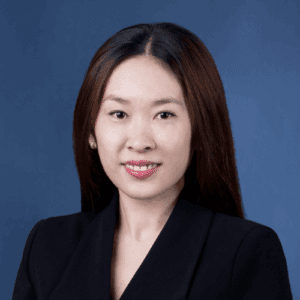
Carmen Tsang
Head of Sustainable Banking Greater China, Sustainable Banking APAC
Crédit Agricole CIB
Carmen Tsang
Crédit Agricole CIB
Head of Sustainable Banking Greater China, Sustainable Banking APAC
Carmen is an experienced sustainable finance professional with a focus in impact investing and sustainable finance. She joined Crédit Agricole CIB’s Sustainable Investment Banking (SIB) Asia Pacific team in 2018, and co-led the franchise into one of the region’s best, advising many cornerstone issuers such as the People’s Republic of China Government and the Hong Kong SAR Government for their sustainable bond transactions and winning multiple honors such as the IFR Asia ESG House of the Year. She serves in the cornerstone member working group of the Alliance for Green Commercial Banks and is in the Advisory Committee for the HKUST BSc Green & Sustainable Finance programme. Carmen started her career in UBS AG as a fixed income advisor in wealth management and subsequently joined a boutique impact advisory firm facilitating capital flows to microfinance mandates in Asia.
Carmen obtained a degree in BBA majoring in Global Business and Operations Management from the HKUST. She is a certified ESG Analyst of the EFFAS, a holder of the CFA Institute’s Certificate in ESG Investing, and an AEE Carbon Audit Professional (CAP). She is a Founder Advisor of a US-based social enterprise, Generation Conscious.
My Sustainability Goals for 2026:
- More investors moving the needle and vote for sustainability with their capital.
- More innovations to leverage digitalisation and technology to promote the green economy.
- More ways for allow green / impact projects to be bankable.
Speaking at 2026 sessions:
Day 2
So French So Green – Sustainable Solutions for Green Cities: Buildings & Mobility (Open to all pass holders)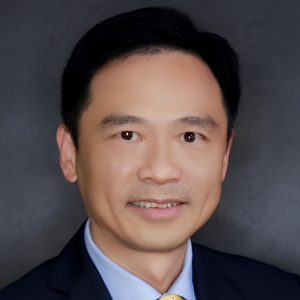
Eric Wong
General Manager
Saint-Gobain Hong Kong, Macau, Taiwan

Eric Wong
Saint-Gobain Hong Kong, Macau, Taiwan
General Manager
Eric Wong is General Manager for Saint-Gobain Hong Kong, Macau, and Taiwan. With over two decades of leadership experience in the building materials sector across Greater China, he previously served as Country Director of Canada Wood China, based in Shanghai, focusing on advancing sustainable construction practices and policy alignment.
Returning to Hong Kong, Eric now leads Saint-Gobain’s local team in championing light and sustainable construction solutions. He focuses on delivering low-carbon systems for both new developments and the renovation of aging building stock.
Eric holds a UK Bachelor degree in Electrical Engineering and a Master degree in Economics from The Chinese University of Hong Kong.
Speaking at 2026 sessions:
Day 2
So French So Green – Sustainable Solutions for Green Cities: Buildings & Mobility (Open to all pass holders)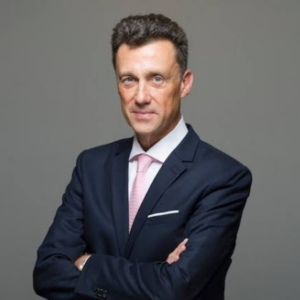
Patrick Delpy
President
Hong Kong Committee of French Foreign Trade Advisors

Patrick Delpy
Hong Kong Committee of French Foreign Trade Advisors
President
Speaking at 2026 sessions:
Day 2
So French So Green – Sustainable Solutions for Green Cities: Buildings & Mobility (Open to all pass holders)Supported by

Foreign Trade Advisors of France
The Foreign Trade Advisors of France (CCEs) benevolently share their experience working for the development and influence of France. They carry out concrete actions on a daily basis in partnership with public and private players who have a role in promoting and supporting the internationalization of French companies.
French Pavilion
Booth R25
Business France is the national agency supporting the international development of the French economy. It is responsible for fostering export-led growth by French businesses, as well as promoting and facilitating foreign investment in France.
It promotes France’s firms, business image and nationwide attractiveness as an investment location, and also runs the VIE international internship program.
Meet our 2026 speakers:
With thanks to

Artelia Group
Booth P40-01
Artelia is an international multidisciplinary consultancy, engineering and project management group specialising in mobility, water, energy, building and industry. With 11,000 employees and a consolidated turnover of €1.35 bn in 2025, Artelia is one of Europe’s leading engineering groups, present in over 40 countries in Europe, Africa, the Middle East, Asia-Pacific and the Americas. Designing Solutions for a Positive Life.
Our sustainability goals for 2026:
Artelia has a long-standing commitment to sustainable development, as demonstrated by its CSR approach, which has been in place for more than ten years and was awarded a Gold rating by Ecovadis in 2024, as well as ISO14001 certification (CSR policy and report attached).
Artelia’s raison d’être is related to this, as it has set itself the goal of creating solutions for positive living.
In this context, Artelia promotes the eco-design of the projects entrusted to it. To achieve this while keeping costs and deadlines under control, Artelia’s teams have developed a methodology and a tool to support project owners simply and effectively in defining, planning, structuring and communicating their approach.
This tool-based method, TRACE (Track, Reduce, Avoid, Challenge, Engage), is fully in line with our CSR policy, which aims to “promote an eco-design and eco-monitoring approach to worksites on 100% of our major projects”.
An innovative solution developed by ARTELIA to effectively implement eco-design in all projects entrusted to it, improving their environmental, social and economic sustainability throughout their lifecycle.
Solutions Showcase:
- Engineering & Infrastructure
- Transport/Mobility
Legal Name: Artelia
General Enquiry Email Address: tender.hongkong@arteliagroup.com
General Enquiry Phone Number: 39527231
General Business Address: 2/F Beverly House, 93-107 Lockhart Road, Wanchai, Hong Kong
Crédit Agricole CIB
Booth P40-02
With over 10,000 employees globally, Crédit Agricole CIB is the corporate and investment banking arm of Crédit Agricole Group, the 10th largest banking group worldwide.
As a sustainable finance pioneer, the Bank has supported all HKSAR Government institutional green bond issuances since 2019 and executed about 100 sustainable bond transactions for Hong Kong-based issuers since 2017. It actively contributed to developing the Hong Kong Taxonomy for Sustainable Finance and assists HKSAR Government in enhancing its Green Bond Framework, further consolidating Hong Kong’s position as a sustainable finance hub in Asia.
Legal Name: Crédit Agricole CIB Cic.
Meet our 2026 speakers:
Dragages Hong Kong
Booth P40-03
From its Asian roots in the early 1950s, Dragages came to Hong Kong more than 70 years ago. Since then, the company has been involved in a range of landmark projects, across Hong Kong and Asia, which have put Dragages firmly on the regional and international map. Dragages is a part of a globally-respected network of construction-related companies, headed by Bouygues Construction, hence empowered by the support, resources and technical know-how to complete the most technically demanding projects.
Bringing along our international experience and local knowledge, Dragages is recognized as a pioneer in its industry, spearheading new construction techniques and technologies across its civil, building, electrical and mechanical divisions.
Our sustainability goals for 2026:
- Using low carbon materials
- Raising Awareness
- Developing Sustainable Construction Models
- Reducing Energy Consumption
Solutions Showcase:
- Construction/Construction Products
- Design/Interior Design
- Efficient Energy & Utilities
- Engineering & Infrastructure
- Green/Smart Buildings/PropTech
Legal Name: Dragages Hong Kong
General Enquiry Email Address: enquiries@dragageshk.com
General Enquiry Phone Number: 2511 4261
General Business Address: 26/F, Two Harbour Square, 180 Wai Yip Street, Kwun Tong, Hong Kong
RATP Dev
Booth P40-04
RATP Dev is a subsidiary of the RATP Group, operator of the Paris metro. With 25,000 employees across 16 countries, we design, manage, maintain and modernise metro, rail, tramway and bus networks. In the Asia-Pacific region, our subsidiary Hong Kong Tramways operates the city’s iconic, inherently green electric tramway since 1904. We also manage public transport networks in Singapore, Sydney, Melbourne and Manila, enabling more than 500,000 passengers to travel sustainably every day.
Our sustainability goals for 2026:
- Support the transition to low-carbon urban mobility by encouraging modal shift towards public transport, reinforcing the role of electric mass transit in reducing congestion, emissions and reliance on private vehicles, and increasing the share of alternative-energy vehicles across our fleets, with a target of 55% alternative-energy buses by 2030.
- Improve energy efficiency through data-driven analysis and operational optimisation, leveraging energy monitoring, performance tracking and carbon footprint assessments to identify opportunities for continuous environmental improvement.
- Reduce resource consumption and waste through responsible water management, asset life extension, reuse, recycling and more sustainable use of materials across operations.
- Advance fleet modernisation, refurbishment and asset life extension programmes to reduce environmental impact and improve operational efficiency. Across the Group, we continuously integrate more energy-efficient technologies and upgrade existing assets to maximise their lifespan. In Hong Kong, this is reflected in the introduction of energy-saving tramcars since 2011, which can consume up to 30% less electricity than earlier designs.
Solutions Showcase:
Transport/Mobility
Legal Name: RATP
General Enquiry Email Address: contact.singapore@ratpdev.co
General Business Address: 152 Beach Road, Gateway East #25-06, Singapore 189721, Singapore
Meet our 2026 speakers:
Saint-Gobain Hong Kong, Macau, Taiwan
Booth P40-05
Worldwide leader in light and sustainable construction, Saint-Gobain designs, manufactures and distributes materials and services for the construction and industrial markets. Its integrated solutions for the renovation of public and private buildings, light construction and the decarbonization of construction and industry are developed through a continuous innovation process and provide sustainability and performance. The Group’s commitment is guided by its purpose, “MAKING THE WORLD A BETTER HOME”.
Locally in Hong Kong, Saint-Gobain offers a wide range of construction products such as Weber mortars, Gyproc gypsum building products, Isover insulation, Saint-Gobain building glass, SageGlass, adhesives & sealants, Weber / Chryso / GCP / Fosroc construction chemicals (including cement additives, concrete admixtures, and specialty building materials), PAM piping, Vetrotech, Abrasives, High Performance Plastics, etc.
Our sustainability goals for 2026:
- Offering sustainable and affordable solutions that are adapted to the lifestyle changes associated with increasing urbanisation
- Contributing to the emergence of low-carbon economies capable of preserving the common good
Solutions Showcase:
Construction/Construction Products
Legal Name: Saint-Gobain Hong Kong, Macau, Taiwan Cic.
General Enquiry Email Address: info.hk@saint-gobain.com
General Enquiry Phone Number: 28669199
General Business Address: Room 1601-8, 16/F, Tai Yau Building, 181 Johnston Road, Wan Chai, Hong Kong
Meet our 2026 speakers:
Schneider Electric (Hong Kong) Limited
Booth H35
Schneider Electric is a global energy technology leader, driving efficiency and sustainability by electrifying, automating, and digitalizing industries, businesses, and homes.
Its technologies enable buildings, data centers, factories, infrastructure, and grids to operate as open, interconnected ecosystems, enhancing performance, resilience, and sustainability. The portfolio includes intelligent devices, software-defined architectures, AI-powered systems, digital services, and expert advisory.
With 160,000 employees and 1 million partners in over 100 countries, Schneider Electric is consistently ranked among the world’s most sustainable companies.
Our sustainability goals for 2026:
Schneider Electric’s new sustainability roadmap, Impact 2030, provides a framework to drive broad, systemic transformation – bringing everyone along. This 5-year journey will translate our ambition into tangible, consistent and measurable progress, based on 4 strategic pillars:
- We electrify the world towards decarbonization.
- We reinvent our industry towards innovation.
- We unlock human potential towards equal opportunities.
- We empower local communities towards action and care.
Solutions Showcase:
- Efficient Energy & Utilities
- Engineering & Infrastructure
- Facilities Management
- Sustainability Services
- Technology & Innovation
Legal Name: Schneider Electric (Hong Kong) Limited
General Enquiry Email Address: customercare.hk@se.com
General Enquiry Phone Number: 3580 7188
General Business Address: 11/F, Kerry Centre, 683 King’s Road, Quarry Bay, Hong Kong
Meet our 2026 speakers:
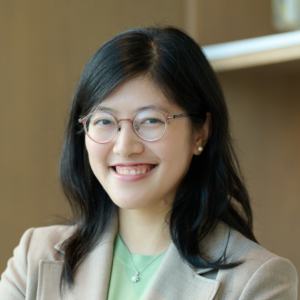
Veolia Hong Kong Holding Limited
Booth P40-06
Veolia, a global leader in environmental services, works every day to build environmental security for the benefit of public health and the competitiveness of industries and regions, addressing stakeholders’ environmental challenges through decarbonization, economy and regeneration of resources, and depollution. In Hong Kong, Veolia designed, built and operates landfills, chemical waste treatment facility, sludge treatment facility, district cooling system etc. Veolia is also expert in building services, managing and enhancing energy performance.
Our sustainability goals for 2026:
- To decarbonize by further reducing GHG emissions for our customers and in our operations.
- To depollute by removing pollutants and contaminants, safeguarding our air, water, and land for a sustainable future.
- To regenerate resources by recovering materials from waste streams, transforming what was once deemed waste into valuable resources for a circular economy.
Solutions Showcase:
- Circular Solutions
- Efficient Energy & Utilities
- Facilities Management
- Renewable Energy
- Waste Reduction & Recycling Management
Legal Name: Veolia Hong Kong Holding Limited
General Enquiry Email Address: info.hk-veolia@veolia.com
General Enquiry Phone Number: 2827 1383
General Business Address: 40/F, One Taikoo Place, Taikoo Place, 979 King’s Road, Hong Kong
Meet our 2026 speakers:
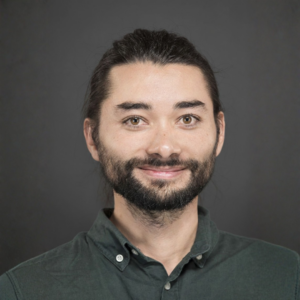
All sessions are subject to change.