
ReThink Forum
ReThink Forum
Day 1 – Thursday 10 Sept
The Day 1 programme examines how Hong Kong can navigate the transition from climate ambition to delivery, focusing on the systems, capital and infrastructure required to meet its 2035 and 2050 targets. Participants will explore how geopolitics, energy demand and emissions performance are reshaping risk, investment and competitiveness across the city. Through case studies and practical insights, the programme highlights how policymakers, corporates and investors can accelerate decarbonisation, retrofit the built environment, and integrate biodiversity and workforce readiness into long-term transition strategies.
In partnership with
Asia-Pacific Data Centre Association
The Asia Pacific Data Centre Association (APDCA) is the leading industry association representing data centre operators across Asia-Pacific. APDCA works with governments, regulators and industry to promote sustainable, resilient and internationally competitive digital infrastructure through policy engagement, research and thought leadership.
Electrical and Mechanical Services Department
Booth F30
Electrical and Mechanical Services Department (EMSD) has two functional arms – Regulatory Services and Trading Services – to provide E&M services for enhancing the safety and quality of life of Hong Kong. Its core functions include regulating electrical, gas, mechanical and railways safety; implementing energy efficiency and conservation programmes; and utilities monitoring. The department also provides engineering services to other government departments, helping to support infrastructure and public services. EMSD commits to enhance service excellence, ensure public safety, and support a green and innovative Hong Kong through professional and reliable engineering solutions.
Our sustainability goals for 2026:
- To take pride in ourselves as a responsible organisation that helps build a better environment.
- To endeavour to develop new quality productive forces and enhance work efficiency by utilising innovation and technology to streamline workflow.
- To take all reasonable and practicable measures to conserve resources, adopt e-workflow, minimise waste generation and prevent pollution in every business process.
- To comply with green legislation as the baseline of our operations and ensure that all staff adhere to the requirements.
- To encourage our contractors and their staff to be equally friendly to the environment and to ensure that our environmental management system conforms to the internationally recognised ISO 14001 standard.
Solutions Showcase:
- Efficient Energy & Utilities
- Engineering & Infrastructure
- Government Body / Agency
- Renewable Energy
- Technology & Innovation
Legal Name: Electrical and Mechanical Services Department
General Enquiry Email Address: info@emsd.gov.hk
General Enquiry Phone Number: 2333 3762
General Business Address: Electrical and Mechanical Services Department Headquarters, 3 Kai Shing Street, Kowloon, Hong Kong
Hong Kong 2050 is Now
Hong Kong 2050 is Now is a Hong Kong-based platform for education, collaboration, and action on the climate crisis. We seek to inspire ambitious target setting, induce behavior change, and mobilise collective action towards a carbon-neutral Hong Kong.
We believe a decarbonised city is people-centric, more liveable, healthier, and economically successful.
Our sustainability goals for 2026:
- Educate and engage the public on the risks and opportunities facing Hong Kong in an age of climate crisis, based on rigorous scientific and policy research.
- Encourage personal, corporate and government action to be undertaken now in combating the climate crisis, including personal lifestyle, business best practice, and regulatory change.
- Aggregate the efforts of stakeholders working towards the vision of a Net-Zero carbon Hong Kong, leveraging existing grassroot and community movements to further catalyse their impact.
Hong Kong Housing Authority
Meet our 2026 speakers:
Institution of Civil Engineers, Hong Kong Association
Institution of Civil Engineers (ICE) is one of the world’s most respected professional engineering associations. Established in 1818, it has 95,000 members across the globe. ICE’s vision is to place civil engineering at the heart of society, delivering sustainable development through knowledge, skills and professional expertise.
Our sustainability goals for 2026:
- Place the decarbonisation of our industry at the heart of our agenda (UNSDG 9.4)
- Working with others, both in the UK and overseas, to build resilience and mitigate the significant effects of climate change (UNSDG 13)
- Transform the availability of potable water and sanitation across the world (UNSDG 6 & 7)
- Transform the productivity of our industry by driving modern methods of procurement and manufacture (UNSDG 8 & 9)
- Enhance the knowledge, insight and ethical understanding of engineers wherever they work across the world
Products, Services & Solutions:
Education/Training/Certification
General Enquiry Email Address: icehk@ice.org.uk
General Enquiry Phone Number: 3153 4181
Meet our 2026 speakers:

The Nature Conservancy
The Nature Conservancy (TNC) is a global conservation organization dedicated to conserving the lands and waters on which all life depends. Guided by science, we create innovative, on-the-ground solutions to our world’s toughest challenges so that nature and people can thrive together. We are tackling climate change, conserving lands, waters and oceans at an unprecedented scale, providing food and water sustainably and helping to make cities more livable. Working in more than 81 countries and territories, we use a collaborative approach that engages local communities, governments, the private sector, and other partners. TNC has been in Asia Pacific for almost 30 years, with projects in Australia, mainland China, Hong Kong, Indonesia, Mongolia, New Zealand, and the Pacific Islands. In 2019, TNC was awarded the Lui Che Woo Prize for Sustainable Development. To learn more, visit www.tnc.org.hk
Legal Name: The Nature Conservancy Hong Kong Foundation Limited
General Enquiry Email Address: hkmkt@tnc.org
General Business Address: Unit 2107-08 Prosperity Millennia Plaza, 663 King’s Road, North Point, Hong Kong
Meet our 2026 speakers:


U.S. Green Building Council
USGBC, the U.S. Green Building Council, is the developer and owner of LEED, the leading program for green buildings and cities worldwide. Through LEED, USGBC is committed to a sustainable and prosperous future.
Hong Kong ranks sixth in the 2025 Top Countries and Regions for LEED outside the United States.
Products, Services & Solutions
- Charity/NGO
General Enquiry Email Address: northasia@usgbc.org
General Enquiry Phone Number: 0021 65126863
Meet our 2026 speakers:
Transition Asia
Transition Asia is a non-profit think tank accelerating decarbonisation in Asia’s materials and heavy industries. Through independent research, analytical models and stakeholder engagement, we assess corporate decarbonisation efforts and support evidence-based decision-making by companies, investors, policymakers and civil society to advance a 1.5°C future.
General Enquiry Email Address: contactus@transitionasia.org
09:20 – 09:50
Speakers
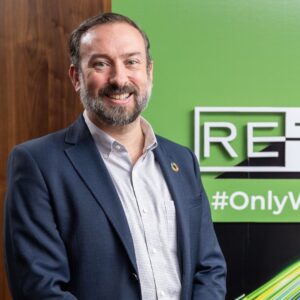
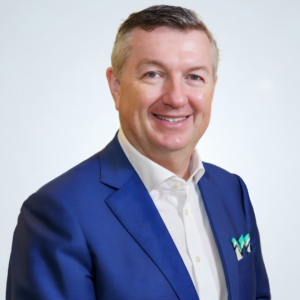
Chris Brown
Founder & CEO
EnviroEvents (Rethink) Ltd
Chris Brown
EnviroEvents (Rethink) Ltd
Founder & CEO
Chris has 25 years of experience working on large-scale business events. Originally from the UK, Chris has lived and worked in Hong Kong since 2015. Chris moved to Hong Kong to establish a North Asia office for a London-based trade expo organiser and launch a series of digital transformation events. The challenges of living sustainably and a developing concern around the exponential threats of the global climate emergency compelled Chris to “rethink” his own personal contribution to Hong Kong and how he could best make a positive impact on a city he now proudly calls home.
Chris conceived, designed and launched the ReThink HK event during the first part of 2019 – undeterred by the challenges faced by live events at that time, due to civil unrest, the new event concept for uniting the full business and sustainability ecosystem, championing positive action and shared responsibility received excellent support. The inaugural 2020 event was, unsurprisingly, delayed due to COVID but finally ran, in-person, at the K11 Quarry Bay with 500 attendees, with all delegate fees donated to local charities.
Chris’ experience in hosting content-led expo-style healthcare events in the UK, where partnerships and collaboration were crucial to scale and success, provided the foundation for Chris to widen the supporting network of organisations and sponsors for ReThink HK. The event was moved to the HKCEC for the 2021 edition and evolved into one of the region’s leading events for climate action and the business of sustainability, with over 9,500 attendees in 2025. Chris is proud to have maintained the event’s impact pledge, with all delegate fees contributing to impact projects with local Hong Kong charities.
Working alongside the Business Environment Council, Consulates and trade promotion offices, Chambers of Commerce, specialist industry associations, NGOs and action groups, the collective ambition for ReThink HK is to accelerate change in Hong Kong, and beyond – the event returns for its seventh edition this September at the HKCEC, will host over 10,000 attendees and aims to be at least carbon neutral.
Proceeds from delegate fees are now redirected to the Rethink Foundation, a not-for-profit focused on helping registered NGOs collaborate, build capacity and operate more sustainably.
Chris received a Bachelor’s degree in International Business and Italian from the University of Plymouth (UK). Chris is a current member of the British Chamber of Commerce’s ESG Committee, and sat on the Executive Committee and the Sustainability sub-committee of the Hong Kong Exhibition & Convention Industry Association between 2022 and 2026.
My Sustainability Goals for 2026:
- Greater action from businesses to contribute towards a more sustainable HK
- Encourage other event organisers to commit to sustainable solutions
- Demonstrate that businesses can be operated profitably and with purpose
Kevin O’Brien
Chairman
Business Environment Council
Kevin O’Brien
Business Environment Council
Chairman
Kevin O’Brien is the Chief Executive of Gammon Construction. He has over 35 years’ extensive management experience in the infrastructure and engineering industry covering both the private and public sectors. He is a fellow of the Royal Institution of Chartered Surveyors and a member of the Hong Kong Institute of Surveyors. He is the Chairman of the Business Environment Council and an Adjunct Professor in the Department of Real Estate & Construction at The University of Hong Kong.
My Sustainability Goals for 2026:
- Personal: Taking the best examples and decisions and applying them to my own behaviours and habits.
- Business: Racing towards our 2030 targets on our SBTI journey.
- Society: Leading BEC to help Hong Kong accelerate towards net zero.
09:50 – 10:00
Speakers
Miss Diane Wong, JP
Under Secretary for Environment and Ecology
Environment and Ecology Bureau
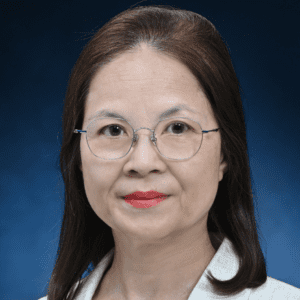
Miss Diane Wong, JP
Environment and Ecology Bureau
Under Secretary for Environment and Ecology
Miss Wong joined the Administrative Service in 1985. Throughout the service with the Government, Miss Wong had taken up a wide range of duties at different Bureaux and Departments, including the former City and New Territories Administration, the former Education and Manpower Branch, the Tsuen Wan District Office, the former Transport Branch, the former Housing Branch, the Wong Tai Sin District Office, the former Health and Welfare Branch (subsequently reorganised to become the former Health, Welfare and Food Bureau), the former Housing, Planning and Lands Bureau (subsequently reorganised to become the Development Bureau), and the former Food and Health Bureau. She was appointed as a Deputy Director of Food and Environmental Hygiene Department in 2018 and subsequently as the Under Secretary for Environment and Ecology in August 2022.
Miss Wong possesses a broad spectrum of experience in various areas of public administration, including food and environmental hygiene, land development, home affairs and social welfare. During her tenure as the Under Secretary for the Environment, she helped support the formulation of policies on air quality, waste management, climate actions and conservation.
10:00 – 10:20
Five years ago it seemed clear why companies should invest in ESG e.g. mandatory and voluntary ESG disclosure. Today, these drivers to act feel less compelling in a complex and contested world. Yet, if anything the imperative to act has grown. More extreme weather. Competition for energy, food, water and mineral resources. Societal trust in the deployment of AI. New markets such as EVs and sustainable proteins growing to scale. Mike will explore this landscape and crucially surface the best practices companies need to capture sustainable business value.
Session Learnings:
- Create a new, relevant business case for taking ambitious sustainability action
- Integrate sustainable action into a company’s value chain to deliver value in practice
- Deploy new digital and data tools to capture sustainable value
- Build partnerships to deliver collective change
- Engage customers if the positive difference more sustainable products and services make to them
Post-Event Actions:
- Ensure their business case for action is clear, compelling and future proof
- Have a clear plan to integrate sustainable thinking and action across their value chain
- Engage their customers in the positive benefits that more sustainable products/services deliver
- Be active in cross value chain, sector and economy coalitions for change
Speakers
Mike Barry
Co-Founder
Planeatry Alliance
Mike Barry
Planeatry Alliance
Co-Founder
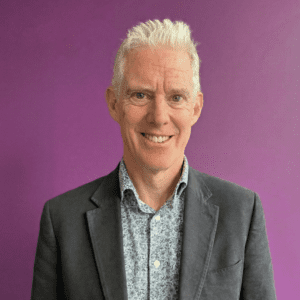
Mike is a sustainable business transformation agent, committed to helping business big and small, new and established to prepare for and succeed in the complex transformation to a Society, and Economy that serves it, that is healthier, more sustainable and more just.
He’s the co-founder of Planeatry Alliance that’s helping companies transform the food system by linking their work on human health and sustainability.
Mike was until 2019 Director of Sustainable Business at Marks & Spencer, spearheading its ground-breaking Plan A (because there is no Plan B for the one planet we have) sustainability program. He co-chaired the Consumer Goods Forum’s sustainability work bringing the world’s largest retailers and fast moving consumer goods brands together to work on issues such as deforestation, plastics and forced labour. He is a Senior Associate at the Cambridge Institute for Sustainability Leadership and a Trustee at Blueprint for Better Business. And Chair of local charity Greener Henley.
Speaking at 2026 sessions:
Day 1
Creating Sustainable Business Value in Turbulent TimesOur Food Systems: Recoupling Climate & Nature
10:20 – 11:10
Rewatch the session: https://youtu.be/yHyfq2l-G6k?si=-BCQ503p8ozidv7_
Read the summary: Key Learnings – Adapting to Global Shifts
As global sustainability enters a volatile new era, the language of “ESG” is being replaced by the hard reality of “Systems Change.” This session examines how Hong Kong can maintain its green momentum amidst shifting global trade dynamics, geopolitical tensions, and the urgent need for a new economic vocabulary. Participants will explore how to move beyond fragmented reporting to achieve the deep, structural shifts required in energy, finance, and supply chains. The discussion focuses on how Hong Kong businesses can insulate their sustainability strategies from political volatility and use systems thinking to drive radical collaboration. By addressing the “momentum gap,” this panel provides a roadmap for leaders to stay the course on long-term climate goals while navigating a complex, fast-changing global environment.
Session Learnings:
- Understand how global geopolitical shifts and trade policies are redefining local sustainability priorities.
- Identify the “systems change” levers required to move beyond incremental gains toward radical decarbonisation.
- Explore new ways of communicating impact that resonate in a more sceptical and pragmatic global market.
Post-Event Actions:
- Review sustainability strategies through a geopolitical risk lens to ensure long-term resilience.
- Audit internal “systems” to identify where siloed thinking is blocking large-scale carbon reduction.
- Refine corporate sustainability messaging to align with the evolving language of global value and transition.
Speakers
Moderator
Isadora Wang
Head of China
Transition Asia
Isadora Wang
Transition Asia
Head of China
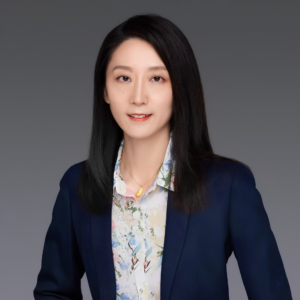
Isadora Wang is Head of China at Transition Asia, where she leads research on the decarbonisation of China’s industrial sectors. Her work focuses on analysing the transition of heavy industries and engaging with policymakers and industry stakeholders to advance evidence-based policy development. She has a longstanding focus on steel value chain decarbonisation.
Isadora has more than ten years of experience across China’s industrial and energy sectors. Before joining Transition Asia in 2025, she served as Senior Advisor, China Industry at Agora Industry, where she led research on industrial decarbonisation in sectors including steel, renewable hydrogen, and chemicals, as well as the EU Carbon Border Adjustment Mechanism (CBAM). Her work provided evidence-based policy recommendations to support China’s industrial transition. Prior to this, she worked at the Beijing office of the Australian Department of Industry, Science, Energy and Resources, where she analysed China’s policies on resources, energy, and climate change, and managed bilateral cooperation projects on energy and resources between China and Australia.
Isadora is an IEA Task 52 Hydrogen for Iron and Steelmaking Task Expert. Her publications include the chapter “Technologies and Energy Transitions in China” in The Palgrave Handbook of Cybersecurity, Technologies and Energy Transitions (2025), as well as reports including Analysis of the EU Carbon Border Adjustment Mechanism and Its Implications for the Low-Carbon Transition of China’s Steel Industry, The Prospects of Renewable Hydrogen in China and Its Role in Industrial Decarbonisation, and Green Hydrogen Promoting Low-Carbon Transition in China’s Chemical Industry. Through her research, she supports China’s industrial sector in navigating international policy developments and advancing the deployment of low-carbon technologies, including renewable electricity and green hydrogen.
Speaking at 2026 sessions:
Day 1
Adapting to Global Shifts: Strengthening Systemic Resilience Across Asia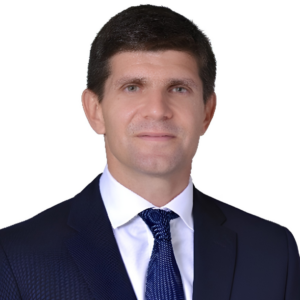
Arnaud Dupoizat
Division Director
International Finance Corporation
Arnaud Dupoizat
International Finance Corporation
Division Director
Arnaud Dupoizat is the Division Director for East Asia at the International Finance Corporation, based in Hong Kong.
Prior to his current position, Arnaud was the IFC Regional Industry Manager for Financial Institutions in Southeast Asia and the Pacific, and between 2018 and 2023, the IFC Country Manager for Türkiye. Arnaud has had a career of over 28 years in emerging markets finance.
As Division Director, Arnaud oversees the formulation and implementation of IFC’s investment strategy and advisory business in East Asia. IFC, a member of the World Bank Group, has an US$11 billion portfolio in region.
Arnaud holds a master’s degree from HEC Paris, an MBA from the Kellogg School of Management at Northwestern University.
Speaking at 2026 sessions:
Day 1
Adapting to Global Shifts: Strengthening Systemic Resilience Across Asia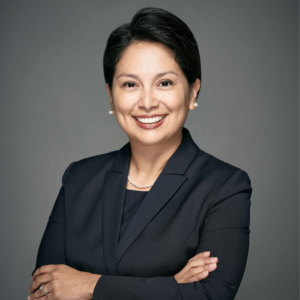
Diana Guzmán
Group Chief Sustainability Officer and Chair of the Prudence Foundation
Prudential Plc

Diana Guzmán
Prudential Plc
Group Chief Sustainability Officer and Chair of the Prudence Foundation
Diana Guzmán is a global sustainability leader and the Group Chief Sustainability Officer and Chair of the Prudence Foundation at Prudential Plc, where she directs the Group’s sustainability strategy across 24 markets and leads a multinational team to embed sustainability into core business decisions and long-term value creation — spanning inclusive products, responsible investment, climate and nature, and stewardship of a USD 16+ million philanthropic portfolio to maximise social impact.
A champion of financial innovation for inclusive and sustainable growth, Diana has spent her career at the intersection of public and private capital, policy and markets. She previously headed the Sustainable Development Investment Partnership (SDIP) and Development Finance at the World Economic Forum, where she mobilised private capital for emerging markets and shaped global initiatives on blended finance, just transition and SDG investment pathways.
Earlier, Diana served as Director at CDP, the global environmental disclosure system, working with listed companies, institutional investors and municipalities to measure and manage environmental risks and opportunities, influencing corporate strategies and investment decisions across Southern Europe and the Middle East. Before that, she worked in the carbon markets, originating and trading greenhouse gas emission reductions from clean technologies across China, Southeast Asia and North Africa. She has also chaired the OECD’s Building Inclusive Markets Working Group on Blended Finance, helping shape policy guidance and market standards to unlock capital for underserved communities.
Born and raised in Mexico, Diana holds an MBA from London Business School, where she was awarded the Future Global Leader scholarship, and a BA in Financial Management (summa cum laude) from the Monterrey Institute of Technology. She also holds a Diploma in ESG Analysis and Investments from POLIMI Graduate School of Management and CFA Society Italy, and a Diploma in Chinese Mandarin from Beijing Normal University. Recognised as one of “30 Changemakers: people changing the world” and a member of W50: The Next Generation of Leading Women, she continues to advocate for the role of sustainability, diversity and financial innovation in shaping a resilient future. She is fluent in Spanish, English and Italian, and speaks elementary Chinese and French.

John Haffner
Deputy Director — Sustainability
Hang Lung Properties
John Haffner
Hang Lung Properties
Deputy Director — Sustainability
John Haffner is Deputy Director – Sustainability, Hang Lung Properties, where he is responsible for formulating the Group-wide sustainability strategy and driving its execution. John is also Co-Chair of the ULI Asia-Pacific Net Zero Council. He has more than two decades of experience in cleantech, infrastructure and sustainability in Asia and North America, and is proficient in Mandarin. John was a World Fellow at Yale University, and has more than 20 publications on various topics including the environment, energy and international affairs.
My Sustainability Goal for 2026:
I hope Hong Kong will take initial steps towards developing and publishing a deep decarbonization model that would allow all stakeholders to compare transparently the abatement potential of various carbon reduction measures (including the technical feasibility and expected costs of such measures).
Speaking at 2026 sessions:
Day 1
Adapting to Global Shifts: Strengthening Systemic Resilience Across Asia
Scott Price
Group Chief Executive
DFI Retail Group

Scott Price
DFI Retail Group
Group Chief Executive
Scott Price is the Group Chief Executive of DFI Retail Group, bringing over 30 years of experience in retail, logistics and consumer packaged goods sectors globally. He began his career with The Coca-Cola Company in Japan where he continued through various leadership roles across Asia. In 2002, Scott joined DHL Express as President in Japan before advancing to Chief Executive Officer for Asia Pacific in 2005 and Chief Executive Officer for Europe in 2007.
From 2009, Scott led Walmart’s Asia business from Hong Kong overseeing operations across the region. He relocated in 2014 to the United States to take on a global leadership role, managing Walmart’s global sourcing as well as strategy, technology and real estate for the International Division.
In 2017, Scott joined UPS as Chief Strategy and Transformation Officer, responsible for strategic planning, Global Business Services and the company’s Advanced Technology Group. He was appointed Executive Vice-President, UPS International in 2020, overseeing all 220 markets outside the U.S.
In August 2023, Scott joined DFI Retail Group to lead the business. He also serves on the boards of Coles Group in Australia, The Consumer Goods Forum (CGF) and the World Retail Congress. Additionally, Scott is a co-sponsor of CGF’s Net Zero Coalition of Action, an initiative aimed at accelerating the reduction of greenhouse gas emissions within the retail and consumer goods industry.
Scott holds a bachelor’s degree in business administration from the University of North Carolina and earned both an MBA and a master’s degree in Asian studies from the University of Virginia.
Speaking at 2026 sessions:
Day 1
Adapting to Global Shifts: Strengthening Systemic Resilience Across AsiaSupported by
Transition Asia
Transition Asia is a non-profit think tank accelerating decarbonisation in Asia’s materials and heavy industries. Through independent research, analytical models and stakeholder engagement, we assess corporate decarbonisation efforts and support evidence-based decision-making by companies, investors, policymakers and civil society to advance a 1.5°C future.
General Enquiry Email Address: contactus@transitionasia.org
With thanks to
DFI Retail Group
Booth E40
DFI Retail Group is a leading Asian retailer, driven by its purpose to “Sustainably Serve Asia for Generations with Everyday Moments”. DFI and its associates operate over 7,500 outlets across 12 markets, with a portfolio of well-known brands across five formats: health and beauty, convenience, food, home furnishings, and restaurants.
Our sustainability goals for 2026:
- Accelerate decarbonisation across our operations and value chain to support the transition to a low-carbon future.
- Expand access to affordable, healthier and more sustainable choices that empower customers to live more sustainably.
- Advance circularity by reducing waste, improving diversion, and increasing resource efficiency.
- Strengthen sustainability awareness and capabilities across DFI and our ecosystem of partners and stakeholders.
- Create lasting positive impacts in the communities we serve through responsible business practices and community support.
Solutions Showcase:
- Brand Owner
- Circular Solutions
- F&B Products/Food Supply
- Sustainable Products
- Technology & Innovation
Legal Name: The Dairy Farm Company, Limited
Meet our 2026 speakers:
Hang Lung Properties
Hang Lung Properties Limited (SEHK stock code: 00101) creates compelling spaces that enrich lives. Headquartered in Hong Kong and Shanghai, the Company manages a portfolio of over 3.5 million square meters of retail, office, residential, and hotel properties across Hong Kong and Chinese Mainland.
The Company’s diverse portfolio in Hong Kong includes office towers and malls in prime districts, as well as luxury residential developments in prestigious areas. In Chinese Mainland, under the signature “66” brand, the Company’s mixed-use and retail developments are regarded as premium landmarks, strategically located in the hearts of key cities of Shanghai, Shenyang, Jinan, Wuxi, Tianjin, Dalian, Kunming, Wuhan, and Hangzhou.
The Company is recognized for pioneering sustainability in the real estate industry, with an MSCI ESG rating of AA and inclusion on CDP “A List” for Climate Change. The Company powers 90% of its operating properties in the Mainland with renewable energy, with a net zero commitment by 2050.
At Hang Lung Properties – We Do It Well.
Legal Name: Hang Lung Properties Limited
General Enquiry Email Address: corpcomm@hanglung.com
General Business Address: 28/F Standard Chartered Bank Building, 4 Des Voeux Road Central, Hong Kong
Meet our 2026 speakers:
11:20 – 12:10
Hong Kong enters a decisive phase of its climate transition as 2026–2030 becomes the period where long-announced targets must translate into demonstrable progress. This session examines how government, utilities, developers, transport operators and financial institutions can accelerate practical decarbonisation across buildings, mobility and energy systems. With interim 2035 milestones approaching, participants will explore the structural barriers slowing implementation, the influence of regional GBA alignment, and the evolving regulatory expectations shaping investment and operational decisions. The discussion focuses on moving from pledges toward coordinated, system-level execution that meaningfully reduces emissions across the real economy.
Session Learnings:
- Understand key enablers for achieving Hong Kong’s 2035 and 2050 climate commitments.
- Identify where implementation gaps persist across buildings, transport and energy systems.
- Explore regional and regulatory drivers influencing transition investment.
Post-Event Actions:
- Conduct internal readiness assessments against 2035 milestones.
- Align decarbonisation workstreams with forthcoming regulatory and reporting changes.
- Initiate cross-departmental planning to integrate transition actions into core operations.
Speakers
Moderator
Dr. Mark Hinnells
Director
Susenco Consulting
Dr. Mark Hinnells
Susenco Consulting
Director
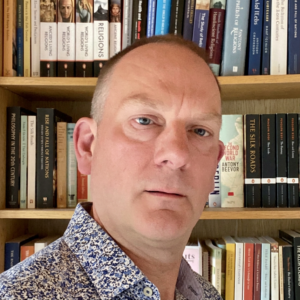
Dr Mark Hinnells has been working in sustainability for 34 years. He has helped the UK and the European Union introduce a range of policy to reduce carbon emissions, including energy labels and minimum standards for household appliances, since copied worldwide; he helped design a UK carbon tax and audit regime; and has managed major investment programmes in energy efficiency. He has helped large sites like airports target net zero. He has developed and sold solar and wind farms to major investment funds. He has taught business, energy and climate change, at Master’s Degree level, at three universities including Chinese University of Hong Kong. He has drafted a white Paper for Civic Exchange on the Hong Kong Climate Action Plan, in advance of its revision in 2026. He has written a book, ‘How Green is your Pension?’ and runs a podcast called ‘How green is your money?’. He now consults for customers in the UK, the Middle East and across Asia.
My Sustainability Goals for 2026:
- Influence the Hong Kong Climate Action Plan to deliver on Paris
- Enable Hong Kong to be part of an international carbon market
- Work with pension providers to refocus the 65 trillion USD invested in pensions globally towards Paris compliance
Speaking at 2026 sessions:
Day 1
From Targets to Delivery: Can Hong Kong Accelerate Progress Toward its 2035 and 2050 Climate Commitments?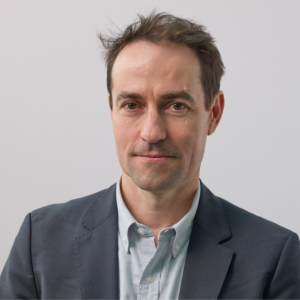
Nate Aden
Head of Asia; Head of Financial Standards
Science Based Targets initiative (SBTi)
Nate Aden
Science Based Targets initiative (SBTi)
Head of Asia; Head of Financial Standards
Nate Aden is Head of Asia and Head of Financial Institutions at the Science Based Targets initiative (SBTi). As a staff member with the World Resources Institute, Nate co-founded the SBTi in 2015. Over the years, he has contributed to the technical development of the initiative including leading standard development for financial institutions and the chemicals sector development. Nate has over 20 years of experience in industry, energy, trade, and climate across China, the U.S., and Europe, and holds a PhD from UC Berkeley, with degrees from Stanford and Cornell.
My Sustainability Goals for 2026:
- Doubling the number of Hong Kong entities with validated SBTs from the current 90 to 180.
- Linking targets with Hong Kong policies and regulations.
- Defining new business models whereby companies reduce GHG emissions while thriving economically.
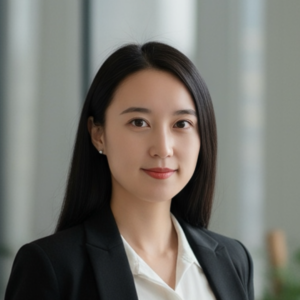
Dr. Peipei Chen
Assistant Professor
City University of Hong Kong
Dr. Peipei Chen
City University of Hong Kong
Assistant Professor
Peipei Chen is an Assistant Professor in the School of Energy and Environment at City University of Hong Kong. She is an interdisciplinary researcher in energy transition policy whose work focuses on low-carbon technology deployment, industrial decarbonisation pathways and the social impacts of energy transitions. She evaluates the feasibility and adoption potential of key low-carbon technologies and develops decarbonisation strategies for hard-to-abate industries, supported by integrated assessments of technology evolution and capacity-expansion pathways. She has published in journals such Nature Energy, Nature Climate Change and Nature Communications, with several of her findings cited in United Nations reports.
Speaking at 2026 sessions:
Day 1
From Targets to Delivery: Can Hong Kong Accelerate Progress Toward its 2035 and 2050 Climate Commitments?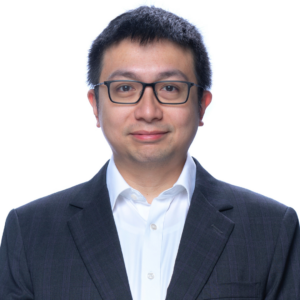
Ken Chiu
Head of Carbon and ESG Products, Sustainability Division
Hong Kong Exchanges and Clearing Limited (HKEX)
Ken Chiu
Hong Kong Exchanges and Clearing Limited (HKEX)
Head of Carbon and ESG Products, Sustainability Division
Ken Chiu has served as Head of Carbon & ESG Products at Hong Kong Exchanges and Clearing Limited (HKEX) since 2022, where he is responsible for driving the growth of HKEX’s Carbon & ESG business. He has led the development and launch of HKEX’s environmental marketplace, helping to expand sustainable finance and carbon market opportunities in the region.
Ken joined HKEX in 2018. Prior to his current role, he served as Senior Vice President, Fixed Income and Currency (FIC) Development, where he was responsible for HKEX’s FIC derivatives and bond listing businesses.
Ken holds a Master of Science in Mathematics for Finance and Actuarial Science from Université Paris-Dauphine and a Bachelor of Business Administration in Finance from the Hong Kong University of Science and Technology.
Speaking at 2026 sessions:
Day 1
From Targets to Delivery: Can Hong Kong Accelerate Progress Toward its 2035 and 2050 Climate Commitments?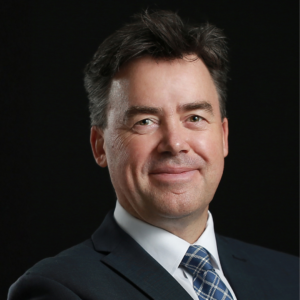
Martin Murray
Finance Director
Swire Pacific

Martin Murray
Swire Pacific
Finance Director
Martin Murray OBE is the Finance Director of Swire Pacific Limited, as well as a Non-Executive Director of Cathay Pacific. He is also the Director responsible for Swire Pacific’s ESG strategy and its Sustainable Development Office.
Martin was previously the Chief Financial Officer of Cathay Pacific. Prior to joining Cathay Pacific in November 2011, he was the Deputy Finance Director of Swire Pacific Limited – a post he took up in August 2009. Martin is also a former Non-Executive Director of Swire Properties.
Formerly with Ernst & Young in Scotland and Hong Kong, he joined the Swire Group in January 1995 and has worked for the Group in the Hong Kong SAR, the USA, Singapore and Australia. His roles have included Manager Treasury, Finance Director Trading Division, Finance Director of the Shipping Division and Finance Director of John Swire & Sons Pty Ltd.
Martin graduated from the University of Glasgow in 1988 with a Bachelor of Accountancy degree. He is a member of the Institute of Chartered Accountants of Scotland and the Hong Kong Institute of Certified Public Accountants, a Council member of the World Business Council for Sustainable Development and an Executive Committee member of The Hong Kong Management Association. He is also the former Director of Finance for Hong Kong China Rugby.
Martin is the Chairman of ISF Cambodia and My Name’5 Doddie Foundation in Hong Kong. He was awarded an OBE in January 2025 for his services to charity.
He was presented with the Climate Leadership Award at the 2025 Finance for the Future Awards. The award recognises his work in connecting sustainability initiatives with tangible business outcomes.
Martin is married with two children.
My Sustainability Goals for 2026:
- Embed sustainability factors into capital allocation, risk management and business planning.
- Strengthen the integration of sustainability and financial reporting.
- Equip leaders and employees with the skills needed for a changing business environment.
- Harness data, technology and AI to improve reporting and decision-making.
- Direct resources towards initiatives that create long-term business value and resilience.
Speaking in 2026 sessions:
Delivering Sustainable Value to Accelerate the Transition: CFO Priorities (Breakfast Roundtable)
Speaking at 2026 sessions:
Day 1
From Targets to Delivery: Can Hong Kong Accelerate Progress Toward its 2035 and 2050 Climate Commitments?With thanks to
Swire Pacific
Swire Pacific is a Hong Kong-listed international conglomerate with a diversified portfolio of market leading businesses. The company has a long history in Greater China, where the name Swire or Taikoo (太古) has been established for over 150 years. Swire has a longstanding commitment to sustainable development. The company invests in sustainable development because it supports the creation of long-term shareholder value.
The Swire Pacific SD 2050 sustainable development strategy provides a group-level framework that facilitates collaboration among our operating companies with a view to achieving common goals. It covers four priority areas: Climate, Nature, People and Communities.
Read more: https://www.swirepacific.com/en/sd/sd_overview.php
Our sustainability commitments under SD 2050:
(1) Climate
- 50% reduction in scope 1 and 2 emissions by 2030 from a 2018 baseline, and Net Zero Carbon by 2050;
(2) Nature
- 65% waste diversion from landfill by 2030 (non-hazardous waste), and Zero Waste to Landfill by 2050;
- 30% reduction in water withdrawal by 2030 from a 2018 frozen efficiency baseline, and Water Neutrality by 2050;
(3) People
- 30% female representation on our Board on average over any 3-year cycle;
- Zero harm
(4) Communities
- Create positive impact and build stronger communities
Legal Name: Swire Pacific Limited
General Enquiry Email Address: sd@swirepacific.com
General Enquiry Phone Number: 2840 0888
Meet our 2026 speakers:
12:10 – 13:00
Carbon performance is rapidly shifting from a reporting obligation to a determinant of cost of capital, resilience and long-term competitiveness. With global disclosure standards tightening and investors prioritising verifiable emissions data, Hong Kong businesses face growing pressure to treat carbon as a strategic financial variable. This session explores how organisations can embed carbon into investment planning, risk assessment, asset valuation and procurement decisions. Panellists will discuss the expanding role of transition finance, the rise of digital emissions measurement, and how Hong Kong’s financial ecosystem is reshaping expectations around climate-aligned business models.
Session Learnings:
- Recognise carbon as a value-linked financial metric.
- Understand financing mechanisms influencing carbon-intensive sectors.
- Identify data systems required for reliable emissions performance.
Post-Event Actions:
- Integrate carbon considerations into capital planning.
- Strengthen internal controls for emissions measurement.
- Engage financiers on transition-aligned funding options.
Speakers
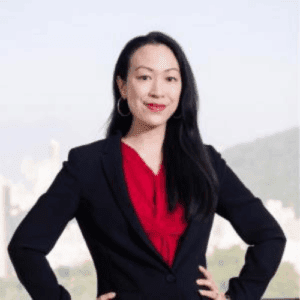
Moderator
Stacey Chow
Partner
Brunswick Group

Stacey Chow
Brunswick Group
Partner
Stacey advises on leadership transformation and corporate reputation strategies, with the goal to help organizations build long-term sustainability, resilience and competitiveness. Using her synergistic view anchored on public-private partnerships, she has advised major Asian conglomerates and Global Multinational Corporations, enabling them to mitigate risks, capture future value and lead positive change.
Stacey has over two decades of tri-sector experience in the government, international organization and corporate arenas, including at the World Economic Forum, the World Bank, the U.S. Department of Commerce and the U.S. Trade and Development Agency, and has worked at the nexus of international development, trade and investment promotion, and sustainable infrastructure development.
She was previously selected as a 2012–2015 Global Leadership Fellow at the World Economic Forum and was selected as a “Woman to Watch” in 2023 by The Women’s Foundation and 30% Club Hong Kong Chapter. Stacey is a Board of Governors for the American Chamber of Commerce (AmCham) Hong Kong, a member of the Sustainability Committee of AmCham, a member of the Sustainability Committee of the Hong Kong General Chamber of Commerce, and a committee member of the 30% Club Hong Kong.
She has a Bachelor’s Degree in Political Science from UCLA, a Master’s Degree in International Political Economy from the London School of Economics (LSE) and a professional certificate degree in Business Sustainability Management from the University of Cambridge’s Institute for Sustainability Leadership. She is an experienced conference speaker and workshop presenter on future-proofing strategies for companies with a focus on trade and investment, innovation, sustainability and future of work trends.
Speaking at 2026 sessions:
Day 1
The Carbon Balance Sheet: How Emissions Performance is Reshaping Risk, Capital and Competitiveness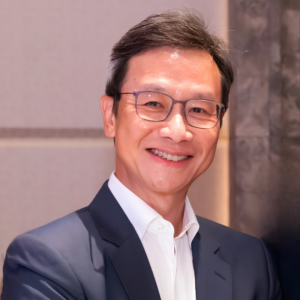
Andy Lam
Chief Executive Officer
Baron Corporation
Andy Lam
Baron Corporation
Chief Executive Officer
Andy S.K. Lam is the Founder and CEO of Baron Corporation, a Hong Kong-based investment group at the intersection of real estate, private equity, and carbon markets. An architect by training, he brings over 35 years of experience applying design-driven discipline to investment strategy and sustainability.
Baron Energy USA, the Group’s overseas unit, develops Verra-certified forestry-based carbon capture and storage projects, positioning Lam at the forefront of high-quality carbon removal solutions. Today, he is leading Baron’s evolution into a comprehensive carbon removal provider – integrating nature-based assets with proven technological approaches.
Lam’s career also includes establishing China’s first foreign-invested private equity firm and advising Fortune 500 companies and State-owned enterprises on strategic investments across Asia.
At Rethink 2026, Lam will share his perspectives on recognising carbon as a value-linked financial metric, financing mechanisms that influence carbon-intensive sectors, and the data systems required for reliable emissions performance, drawing on his unique vantage point as both an investor and a practitioner in the evolving carbon removal landscape.
My Sustainability Goals for 2026:
1. Expand carbon removal capacity by scaling nature-based and technology-enabled projects that position Hong Kong as a regional leader in high-integrity carbon solutions.
2. Strengthen Hong Kong’s carbon market infrastructure by forging strategic partnerships that connect local capital with verified, impactful decarbonization opportunities.
3. Drive decarbonization across Hong Kong’s real estate sector by embedding emissions reduction targets into property investments and advocating for green building standards.
4. Advance carbon accounting integrity by championing transparent, standardised emissions reporting across Hong Kong’s financial and corporate sectors.
Speaking at 2026 sessions:
Day 1
The Carbon Balance Sheet: How Emissions Performance is Reshaping Risk, Capital and Competitiveness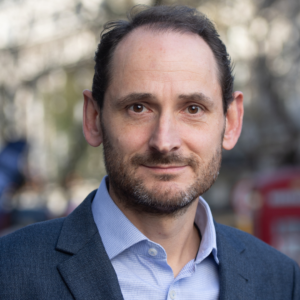
Prof. Jonatan Pinkse
Director of Centre for Sustainable Business
King’s Business School, King’s College London
Prof. Jonatan Pinkse
King’s Business School, King’s College London
Director of Centre for Sustainable Business
Jonatan Pinkse is a Professor of Sustainable Business and the Director of the Centre for Sustainable Business at King’s Business School, King’s College London.
His research examines how businesses can innovate, organise, and strategize to accelerate the transition to a more sustainable economy. Bringing together management and innovation perspectives, he explores how companies can redesign decision‑making, navigate sustainability tensions, and adopt new business models to create sustainable value. His work addresses fast‑emerging issues including climate change, biodiversity and nature, circularity, and AI-driven digital innovation.
Professor Pinkse’s publications and talks provide rigorous yet practical insights into the opportunities and challenges companies face when embedding sustainability into their core business. He has authored more than 80 scholarly and practitioner articles and has twice been recognised on the prestigious Clarivate Highly Cited Researchers list. He is also featured in Stanford University’s ranking of the world’s top 2% of scientists.
My Sustainability Goal for 2026:
- Creating awareness of sustainable business going beyond managing carbon alone to include biodiversity and nature
Speaking at 2026 sessions:
Day 1
The Carbon Balance Sheet: How Emissions Performance is Reshaping Risk, Capital and Competitiveness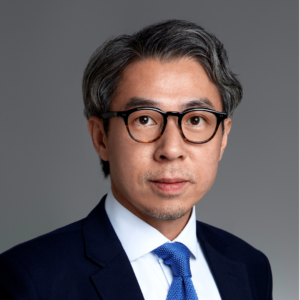
Frank Tsui
Head of Responsible Investment Development, Asia ex Japan
Amundi
Frank Tsui
Amundi
Head of Responsible Investment Development, Asia ex Japan
Frank Tsui
Head of Responsible Investment Development, Asia ex Japan
Frank Tsui was appointed as the Head of Responsible Investment Development for Asia ex-Japan at Amundi in January 2025. Based in Hong Kong, Frank leads the implementation of responsible investment strategies, as well as advocacy initiatives across the regional, encompassing all business segments and client units.
Prior to joining Amundi, Frank spent over 9 years at Value Partners Group, where he was the Head of ESG Investment and Client Portfolio Management. Frank led the group’s ESG investment functions, including ESG portfolio management, established and integrated ESG investment process, research, stewardship and strategic developments etc. He was the Chairperson of the group’s ESG Committee to oversee the group’s ESG governance and practices.
With over 24 years of experience in asset and wealth management, Frank has held positions at UBS, Julius Bar, Merrill Lynch and J.P. Morgan Asset Management.
Frank has a Bachelor’s degree in Finance and Economics from The Max M. Fisher College of Business at The Ohio State University and he is a Certified ESG Analyst (CESGA).
My Sustainability Goals for 2026:
1. To advance capital mobilization in support of sustainability initiatives and scale up green/transition finance deployment through blended finance approach.
2. Strengthen capacity-building and knowledge transfer through technical assistance and strategic advocacy initiatives.
Speaking at 2026 sessions:
Day 1
The Carbon Balance Sheet: How Emissions Performance is Reshaping Risk, Capital and Competitiveness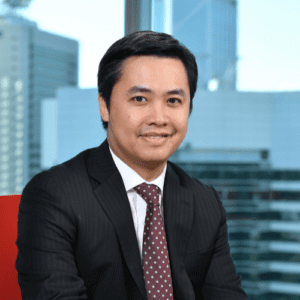
Ronald Young
Head of Sustainable Banking Development
Hong Kong Monetary Authority
Ronald Young
Hong Kong Monetary Authority
Head of Sustainable Banking Development
Ronald is Head of Sustainable Banking Development at the Hong Kong Monetary Authority. He is responsible for the formulation and implementation of policy to promote sustainable banking activities and facilitate the banking sector’s management of climate related financial risks.
Prior to his current role, Ronald was Head of Sustainable Finance for Asia at a major international bank based in Hong Kong, leading the bank’s sustainable banking activities in the region. During his time as a financier, he was an active contributor to the sustainable finance community, playing leadership roles in industry associations, championing improvements in market standards, and spearheading campaigns for capacity building.
Ronald has over 20 years of experience in international banking, finance and investment based in New York, London, Hong Kong and Singapore, focusing on sustainable finance and transactions in the energy, infrastructure and natural resources sectors.
He received a BS in Economics majoring in Finance from the Wharton School at the University of Pennsylvania, as well as a BSE in Civil Engineering from the same university. He is a CFA charter holder.
Speaking at 2026 sessions:
Day 1
The Carbon Balance Sheet: How Emissions Performance is Reshaping Risk, Capital and Competitiveness14:00 – 14:15
Speakers
Mr. Victor Tai, JP
Under Secretary for Housing
Housing Bureau
Mr. Victor Tai, JP
Housing Bureau
Under Secretary for Housing
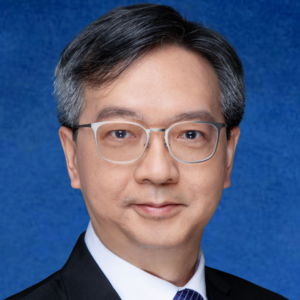
Mr. Victor Tai was appointed the Under Secretary for Housing of the HKSAR on 25 July 2022. Victor is an architect with over 30 years of experience covering project and programme management of public architecture projects in the Architectural Services Department, planning and implementation of the Kai Tak Sports Park in the former Home Affairs Bureau and works policies formulation in the Development Bureau.
Supported by
Hong Kong Housing Authority
Meet our 2026 speakers:
14:15 – 15:05
Hong Kong’s aging building stock represents one of the city’s largest decarbonisation challenges—and opportunities. This session examines how developers, asset owners, engineers and technology providers can accelerate deep retrofit deployment across commercial, residential and mixed-use buildings. With embodied-carbon expectations rising and electrification demands increasing, the conversation will cover new materials, digital performance optimisation, and financing mechanisms supporting high-impact building upgrades. Participants will also explore how cross-sector collaboration can address landlord–tenant split incentives and deliver meaningful energy savings within dense, high-usage districts.
Session Learnings:
- Understand pathways for scaling deep retrofits in high-density environments.
- Explore technologies improving building energy performance.
- Identify financing solutions for large-scale retrofit programmes.
Post-Event Actions:
- Conduct building-level retrofit opportunity assessments.
- Engage landlords/tenants in shared-savings models.
- Prioritise electrification-ready upgrades in asset planning.
Speakers
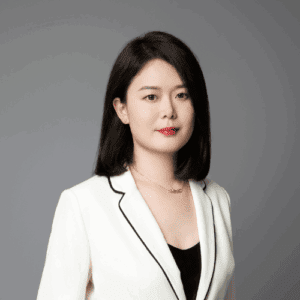
Moderator
Jing Wang
Vice President, North Asia
U.S. Green Building Council
Jing Wang
U.S. Green Building Council
Vice President, North Asia
Based in Shanghai, Jing Wang serves as Vice President for North Asia at USGBC and GBCI, the organizations that developed and administer LEED, one of the world’s leading green building rating systems. She works with industry leaders, developers, investors and public-sector organizations across North Asia to advance sustainable buildings and accelerate market transformation. A frequent speaker at regional industry forums, Jing shares insights on sustainable development, green building and market transformation, and is committed to fostering collaboration across the built environment.
Prior to joining USGBC and GBCI, Jing led the Marketing & Communications function at CBRE China, a leading global real estate services firm. She also held regional marketing roles with Starwood Hotels & Resorts in Singapore and China before the company became part of Marriott International.
Jing holds an MBA from the University of Manchester and is a member of the Royal Institution of Chartered Surveyors (RICS).
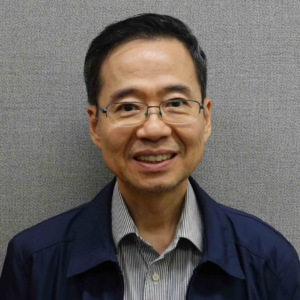
Ir C.M. CHAN
Senior Building Services Engineer
Hong Kong Housing Authority
Ir C.M. CHAN
Hong Kong Housing Authority
Senior Building Services Engineer
Mr. C.M. Chan is a Senior Building Services Engineer in the Hong Kong Housing Authority with 30 years’ experience in the building services engineering sector. Mr. Chan has participated in the design and construction of a number of new public housing development projects in early years.
Now, he is working for the Estate Management Division of the Housing Department responsible for the energy management for the existing public rental housing estates. With the concerted effort, the electricity consumption at the communal areas of the public rental housing blocks has recorded a significant decrease of 19% since 2015
Speaking at 2026 sessions:
Day 1
Retrofitting the Vertical City: Can Existing Buildings be Transformed Fast Enough to Meet Climate Targets?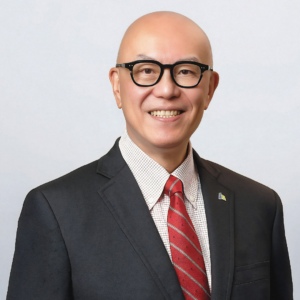
Ar Donald Choi, BBS, JP
Managing Director
Urban Renewal Authority
Ar Donald Choi, BBS, JP
Urban Renewal Authority
Managing Director
Ar Donald Choi is a Registered Architect and Authorized Person. He joined the Urban Renewal Authority on 15 June 2025 as Managing Director and Deputy Chairman. He has over 40 years of management experience across real estate investment, property development, and worked as a professional architect globally. Ar Choi believes in the power of people-centric development and humane design to create economic value and enhance the quality of life for all.
Ar Choi served as the CEO of Chinachem Group from 2018 to August 2024 before his retirement. Prior to this, he was the Managing Director of the Nan Fung Group and a Director at Foster + Partners. He was the Authorized Person for the CLK HK International Airport, voted one of the Top 10 construction projects of the 20th Century. Ar Choi was awarded the Executive of the Year Award 2021 by DHL-SCMP and won the CEO of the Year Award 2022 given by Real Estate Asia.
Alongside his professional career, Ar Choi has held multiple leadership roles in NGOs and professional bodies that focus on design, innovation, shared value creation, and the community well-being, making him a leading figure in the architecture and development sector. He is currently a Trustee of Rhode Island School of Design (RISD), an Adjunct Professor at both the University of Hong Kong and Hong Kong Polytechnic University and Professor of Practice at the School of Design. Ar Choi is a Member of the Corruption Prevention Advisory Committee, an Advisor of Our Hong Kong Foundation, Urban Land Institute Asia Pacific Housing Council Member, a Member of the Antiquities Advisory Board, a Member of the Hospital Governing Committee (HGC) of Hong Kong Eye Hospital & Kowloon Hospital and the Chairman of Sub-committee on Capital Works of the HGC of North District Hospital, an Honorary Advisor of Hong Kong Workers’ Health Centre, and a Member of the CreateSmart Initiative Vetting Committee. He was the Board Vice President of the Real Estate Developers Association of Hong Kong, Honorary Advisor of the Hong Kong PropTech Association, a Member of the Council for Carbon Neutrality and Sustainable Development, Advisory Committee Member of the HKTDC Infrastructure Development, Advisory Committee Member of PolyU Jockey Club Design Institute for Social Innovation, Member of the HKU Campus Development and Planning Committee, Land and Development Advisory Committee, Chairman of Architects Registration Board, Past President of the Hong Kong Institute of Architects, the Hong Kong Institute of Urban Design and the Hong Kong Institute of Real Estate Administrators. He had served as the Chairperson of the Construction Innovation and Technology Application Centre for six years and was a Board Member of Business Environment Council, Habitat of Humanity Hong Kong, Hong Kong Green Building Council, Hong Kong Design Centre and the Hong Kong Science and Technology Parks Corporation.
Ar Choi holds a Bachelor of Fine Arts and a Bachelor of Architecture from RISD, a Bachelor of Science from the University of British Columbia, and a Master of Arts from The Chinese University of Hong Kong. Additionally, he attained a joint Master of Business Administration degree from the University of Hong Kong, London Business School, and Columbia Business School.
Speaking at 2026 sessions:
Day 1
Retrofitting the Vertical City: Can Existing Buildings be Transformed Fast Enough to Meet Climate Targets?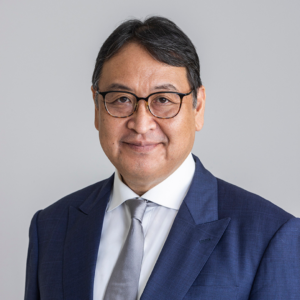
Yasushi Kinoshita
Chairperson
Green Building Japan

Yasushi Kinoshita
Green Building Japan
Chairperson
Yasushi Kinoshita, Esq., FRICS, is Representative Member of Eminence Partners, an independent real estate investment advisory firm, and Chairperson of Green Building Japan, a not-for-profit organization advancing sustainability in Japan’s built environment. He serves on the Governance Council of the International WELL Building Institute (IWBI), co-chairs IWBI’s Investing for Health Advisory, and is a Commissioner of the Global Commission on Healthy Indoor Air. With nearly four decades of experience in real estate investment, structured finance, and ESG, he has held senior roles at SBI Shinsei Bank, Touchstone Capital Management, and Secured Capital Japan (a.k.a. PAG Investment Management). He also serves on the Executive Committee of ULI Japan and is Co-Chair of the Asian Chapter of The Counselors of Real Estate (CRE).
Speaking at 2026 sessions:
Day 1
Retrofitting the Vertical City: Can Existing Buildings be Transformed Fast Enough to Meet Climate Targets?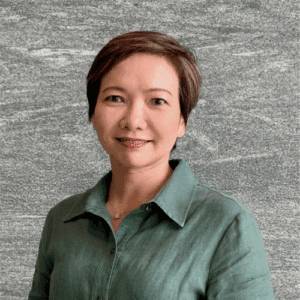
Grace Kwok
Board Director of HKGBC and WorldGBC
Hong Kong Green Building Council and World Green Building Council
Grace Kwok
Hong Kong Green Building Council and World Green Building Council
Board Director of HKGBC and WorldGBC
Grace is the Chairman and Executive Director of Allied Sustainability and Environmental Consultants Group. She currently serves as Chairman of the Environmental Campaign Committee, member of the Advisory Council on the Environment and the Energy Advisory Committee. Grace contributes to various professional bodies, including HKIQEP, HKGFA, GRESB, USGBC, CRREM and IWBI. She is a Board Director of HKGBC and WorldGBC. Her accolades include HKMA Sustainability Leader of the Year 2021, APEC Bio-Circular-Green Award 2023, WorldGBC Asia Pacific Leadership in Green Building Awards 2024 – Women in Green Building Leadership, Kate Hurst USGBC Leadership Award 2025, 2025 IWBI WELL Executive Award and EY EWW Asia-Pacific Class of 2026.
Grace has been involved in many green building and sustainable design projects in Hong Kong, Mainland China and across Asia-Pacific, acquiring vast professional experiences and regional insights. With a background in environmental engineering, she is a keen advocate for regenerative sustainability. Driven by a vision to shape a sustainable future for all, Grace facilitates collaboration through her work with environmental, building and construction, and finance sectors to build climate resilience and accelerate net-zero transition. With AEC Group’s expanding operations in South East Asia and Middle East, Grace is utilizing her experiences in bridging finance and sustainability through her extensive network to create impact at scale and drive transformative change.
Speaking at 2026 sessions:
Day 1
Retrofitting the Vertical City: Can Existing Buildings be Transformed Fast Enough to Meet Climate Targets?Supported by
Hong Kong Housing Authority
Meet our 2026 speakers:
U.S. Green Building Council
USGBC, the U.S. Green Building Council, is the developer and owner of LEED, the leading program for green buildings and cities worldwide. Through LEED, USGBC is committed to a sustainable and prosperous future.
Hong Kong ranks sixth in the 2025 Top Countries and Regions for LEED outside the United States.
Products, Services & Solutions
- Charity/NGO
General Enquiry Email Address: northasia@usgbc.org
General Enquiry Phone Number: 0021 65126863
Meet our 2026 speakers:
15:05 – 15:20
Speakers
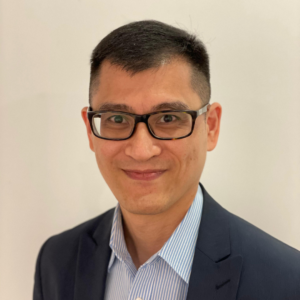
Ir Laurence Kwan
Chief Engineer
Electrical and Mechanical Services Department
Ir Laurence Kwan
Electrical and Mechanical Services Department
Chief Engineer
Ir KWAN has been working in the building services engineering field for over 25 years with involvement in wide range of government building projects and hospital projects. He is currently a Chief Engineer in the Energy Efficiency Office of Electrical and Mechanical Services Department responsible to oversee the law enforcement of Buildings Energy Efficiency Ordinance, implement of various government-led district cooling projects, administrate fresh water cooling tower scheme and lead various initiatives such as retro-commissioning and energy-saving retrofit to promote energy conservation for the Hong Kong’s built environment.
Supported by
Electrical and Mechanical Services Department
Booth F30
Electrical and Mechanical Services Department (EMSD) has two functional arms – Regulatory Services and Trading Services – to provide E&M services for enhancing the safety and quality of life of Hong Kong. Its core functions include regulating electrical, gas, mechanical and railways safety; implementing energy efficiency and conservation programmes; and utilities monitoring. The department also provides engineering services to other government departments, helping to support infrastructure and public services. EMSD commits to enhance service excellence, ensure public safety, and support a green and innovative Hong Kong through professional and reliable engineering solutions.
Our sustainability goals for 2026:
- To take pride in ourselves as a responsible organisation that helps build a better environment.
- To endeavour to develop new quality productive forces and enhance work efficiency by utilising innovation and technology to streamline workflow.
- To take all reasonable and practicable measures to conserve resources, adopt e-workflow, minimise waste generation and prevent pollution in every business process.
- To comply with green legislation as the baseline of our operations and ensure that all staff adhere to the requirements.
- To encourage our contractors and their staff to be equally friendly to the environment and to ensure that our environmental management system conforms to the internationally recognised ISO 14001 standard.
Solutions Showcase:
- Efficient Energy & Utilities
- Engineering & Infrastructure
- Government Body / Agency
- Renewable Energy
- Technology & Innovation
Legal Name: Electrical and Mechanical Services Department
General Enquiry Email Address: info@emsd.gov.hk
General Enquiry Phone Number: 2333 3762
General Business Address: Electrical and Mechanical Services Department Headquarters, 3 Kai Shing Street, Kowloon, Hong Kong
15:20 – 16:10
As Hong Kong seeks to strengthen its position as a leading AI hub, the opportunity extends beyond expanding infrastructure capacity – it is about ensuring that digital infrastructure can scale in a way that supports the city’s long-term sustainability and competitiveness. Across the Asia-Pacific region, the data centre industry is already taking proactive steps to embed sustainability into the design, construction and operation of digital infrastructure, and working collaboratively with governments to develop practical sustainability frameworks and transparent performance metrics. This includes initiatives such as the Sustainable Digital Infrastructure Accord (SDIA) – the first APAC-wide, industry-led baseline of sustainability commitments for the data centre sector – which is helping to establish common sustainability principles and promote the sharing of best practices across the region. These experiences offer valuable lessons as Hong Kong considers how best to support the next phase of AI-enabled growth.
Bringing together leaders from government, utilities, investors and the data centre industry, this session will explore how public and private sector collaboration can enable sustainable digital infrastructure for the AI era. Panelists will discuss how Hong Kong can foster an enabling policy environment that supports innovation, attracts investment, advances sustainability objectives and strengthens the city’s position as a leading digital economy.
Session Learnings:
- Understand the proactive measures the government and industry are taking to enable sustainable digital infrastructure for the AI era in the Asia-Pacific region.
- Explore how energy efficiency, clean energy, water stewardship and circular economy practices can be embedded across data centre lifecycle, including through industry-led sustainable commitments as embodied by SDIA.
- Learn how coordinated policy and industry collaboration can support AI growth while reducing regulatory fragmentation and encouraging long-term investment.
Post-Event Actions:
- Identify opportunities for collaboration between government, utilities and industry to accelerate sustainable digital infrastructure initiatives in Hong Kong.
- Consider how international best practices and industry-led initiatives, like the SDIA, can inform future sustainability and digital infrastructure policies.
- Explore practical approaches to developing coherent, investment-friendly regulatory frameworks that support AI growth while advancing Hong Kong’s long-term sustainability and competitiveness.
Speakers
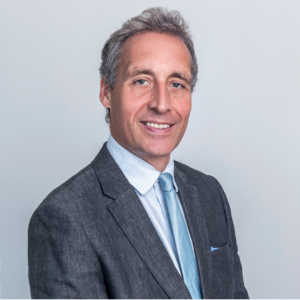
Moderator
David Skelton
Head of Secretariat
Asia-Pacific Data Cenre Association (APDCA)
David Skelton
Asia-Pacific Data Cenre Association (APDCA)
Head of Secretariat
David is the Head of the Secretariat for Asia-Pacific Data Centre Association (APDCA) which brings together leading commercial data centre operators in the Asia-Pacific to shape policy pathways and drive informed discussion about the systems and infrastructure needed to build a secure and sustainable digital future. APDCA members share the collective pursuit of strengthening modern, diversified, and resilient economies built on digital intelligence, innovation and ideas, through the development of a competitive market of future-proofed facilities and services.
David is also a Partner for Tech Policy at Flint Global based in Singapore. David has worked at the intersection of politics, business and technology for over a decade. He worked extensively in the private sector in London, Singapore and Silicon Valley and with senior politicians and decision makers. He spent seven years at Google, most recently working within the Global Strategy and Innovation team, as well as leading Google’s Policy Planning team within Asia Pacific, based in Singapore.
Speaking at 2026 sessions:
Day 1
Powering the Digital Future: Driving Sustainable Growth of Digital Infrastructure in Hong Kong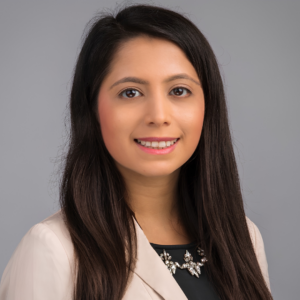
Pooja Changani
Director – Member Relations, Asia
GRESB

Pooja Changani
GRESB
Director – Member Relations, Asia
Pooja Changani is the Director of Member Relations for GRESB in Asia, where she oversees relationships with existing GRESB Participants, Investor Members, and Partners across the region. Prior to joining GRESB, she served as Sales Director for the Investor Segment (Asia) at ION Analytics, managing products across multiple asset classes, including infrastructure.
Speaking at 2026 sessions:
Day 1
Powering the Digital Future: Driving Sustainable Growth of Digital Infrastructure in Hong Kong
Ir Laurence Kwan
Chief Engineer
Electrical and Mechanical Services Department
Ir Laurence Kwan
Electrical and Mechanical Services Department
Chief Engineer
Ir KWAN has been working in the building services engineering field for over 25 years with involvement in wide range of government building projects and hospital projects. He is currently a Chief Engineer in the Energy Efficiency Office of Electrical and Mechanical Services Department responsible to oversee the law enforcement of Buildings Energy Efficiency Ordinance, implement of various government-led district cooling projects, administrate fresh water cooling tower scheme and lead various initiatives such as retro-commissioning and energy-saving retrofit to promote energy conservation for the Hong Kong’s built environment.
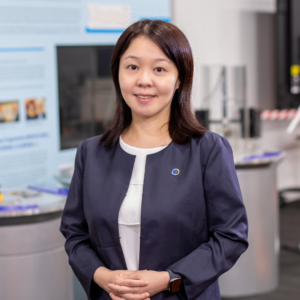
Vivian Leung
Director – Asset Management
CLP Power Hong Kong Limited
Vivian Leung
CLP Power Hong Kong Limited
Director – Asset Management
Ms. Vivian Leung is currently the Director – Asset Management of the Power Systems Business Group at CLP Power Hong Kong Limited (CLP).
With over 20 years’ experience in the electrical power industry, she started her career at CLP as a graduate trainee and subsequently took up various roles in distribution network construction, system operation, operational planning, corporate strategy, commercial development, customer service, and network planning.
In her current role as Director – Asset Management, she leads the development and implementation of asset and network strategies for the power system network business, ensuring the long‑term reliability, resilience, and value of CLP’s electricity supply infrastructure.In learned society activities, Vivian is a member of the Institution of Engineering and Technology, the Hong Kong Institution of Engineers, and The Women’s Foundation Hong Kong.
Vivian holds a Bachelor of Engineering and a Master of Science in Electrical Engineering from The Hong Kong Polytechnic University, and a Master of Arts in Translation from The Chinese University of Hong Kong.”
Speaking at 2026 sessions:
Day 1
Powering the Digital Future: Driving Sustainable Growth of Digital Infrastructure in Hong Kong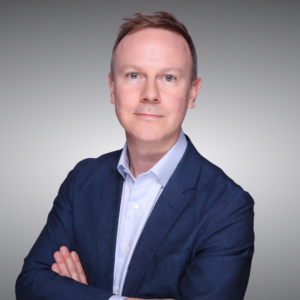
Max Parry
VP of Growth and Emerging Markets
Equinix
Max Parry
Equinix
VP of Growth and Emerging Markets
Max Parry is responsible for Equinix’s strategy, growth and operations across six markets: India, South Korea, Indonesia, Malaysia, Thailand and the Philippines. These countries are among the fastest-growing data center markets and are home to around a quarter of the global population.
Max assumed this role in late 2025 after five years leading Business Development for Equinix Asia-Pacific. In this role, Max focused on expanding strategic customer ecosystems, driving interconnection growth and enabling new market entry across the region. During this period, Equinix’s APAC interconnection revenue rose by over 60%. In 2023, Max also served as interim Managing Director for Equinix’s Hong Kong business.
Max joined Equinix in 2020 from British Telecom, where he was Strategy Director for its Global division. He has over 20 years of experience in strategy and transformation for global telecom, media, and technology businesses, including seven years in consulting. Max holds a master’s degree in English Literature and Management Studies from the University of Cambridge. He has also led WeAreEquinix for APAC, Equinix’s program to build culture and community in each local market.
Speaking at 2026 sessions:
Day 1
Powering the Digital Future: Driving Sustainable Growth of Digital Infrastructure in Hong KongSupported by
Asia-Pacific Data Centre Association
The Asia Pacific Data Centre Association (APDCA) is the leading industry association representing data centre operators across Asia-Pacific. APDCA works with governments, regulators and industry to promote sustainable, resilient and internationally competitive digital infrastructure through policy engagement, research and thought leadership.
Electrical and Mechanical Services Department
Booth F30
Electrical and Mechanical Services Department (EMSD) has two functional arms – Regulatory Services and Trading Services – to provide E&M services for enhancing the safety and quality of life of Hong Kong. Its core functions include regulating electrical, gas, mechanical and railways safety; implementing energy efficiency and conservation programmes; and utilities monitoring. The department also provides engineering services to other government departments, helping to support infrastructure and public services. EMSD commits to enhance service excellence, ensure public safety, and support a green and innovative Hong Kong through professional and reliable engineering solutions.
Our sustainability goals for 2026:
- To take pride in ourselves as a responsible organisation that helps build a better environment.
- To endeavour to develop new quality productive forces and enhance work efficiency by utilising innovation and technology to streamline workflow.
- To take all reasonable and practicable measures to conserve resources, adopt e-workflow, minimise waste generation and prevent pollution in every business process.
- To comply with green legislation as the baseline of our operations and ensure that all staff adhere to the requirements.
- To encourage our contractors and their staff to be equally friendly to the environment and to ensure that our environmental management system conforms to the internationally recognised ISO 14001 standard.
Solutions Showcase:
- Efficient Energy & Utilities
- Engineering & Infrastructure
- Government Body / Agency
- Renewable Energy
- Technology & Innovation
Legal Name: Electrical and Mechanical Services Department
General Enquiry Email Address: info@emsd.gov.hk
General Enquiry Phone Number: 2333 3762
General Business Address: Electrical and Mechanical Services Department Headquarters, 3 Kai Shing Street, Kowloon, Hong Kong
16:10 – 17:00
Nature-positive development is rapidly emerging as a key strategy for building resilient, liveable and economically competitive cities. As Hong Kong faces growing climate risks, biodiversity loss and development pressures, the challenge is no longer whether nature should be protected, but how it can be integrated into the way we plan, finance and build our urban future.
Bringing together leaders from real estate, finance, urban planning and ecology, this session explores how nature-positive approaches can help cities reduce risk, enhance resilience and create long-term value. Through practical examples and cross-sector perspectives, panellists will discuss how businesses, planners, investors and communities can work together to embed nature into development, infrastructure and decision-making, while supporting both urban growth and environmental outcomes.
Session Learnings:
- Understand why nature-positive development is becoming a resilience, planning, business and investment priority.
- Learn how nature can be integrated into development, urban planning and infrastructure strategies.
- Explore the role of finance, policy and cross-sector collaboration in accelerating nature-positive outcomes.
- Identify practical approaches for incorporating biodiversity and resilience considerations into projects and decision-making.
Post-Event Actions:
- Identify opportunities to integrate nature and resilience considerations into planning, development and investment decisions.
- Assess assets, projects or portfolios for blue-green infrastructure and nature-based solution opportunities.
- Explore ways to incorporate nature-related risks and opportunities into strategy, planning and decision-making.
- Build partnerships across government, business, finance and civil society to accelerate nature-positive implementation.
Speakers
Moderator
Scott Lim
NbS Project Manager
The Nature Conservancy
Scott Lim
The Nature Conservancy
NbS Project Manager
As a Chartered Environmentalist (CEnv) and sustainability practitioner, I lead the development and scaling of Nature-based Solutions (NbS) to address climate resilience across Hong Kong and the Greater Bay Area in my role as Project Manager at The Nature Conservancy. My work focuses on shaping how NbS is integrated into policy, planning, and investment decisions, working at the intersection of government, finance, and on-the-ground implementation.
I specialise in translating science into action at scale—designing and delivering flagship NbS pilots, influencing regional strategies, and convening cross-sector partnerships to drive adoption. This includes working closely with government agencies, local communities, and international partners to embed NbS into real-world projects with measurable biodiversity and climate outcomes.
My strengths lie in strategic positioning, stakeholder alignment, and execution under complexity, with a strong focus on moving from concept to implementation. I am particularly passionate about advancing NbS financing and delivery models, and enabling ecosystems where public, private, and community actors can collaborate effectively to scale impact.
My Sustainability Goals for 2026:
1. Mainstream nature-based solutions in Hong Kong’s climate resilience and development projects
Success looks like: More hectares of wetlands, rivers, and coastal habitats restored; increased public and private investment in NbS; and clear integration of NbS into government planning, infrastructure, and development projects.
2. Foster stronger public-private-community partnerships for sustainability action
Success looks like: More cross-sector partnerships established, greater co-investment in sustainability initiatives, and more collaborative projects progressing from planning to implementation.
3. Build a culture of stewardship where more people actively care for and restore nature
Success looks like: Higher participation in conservation and restoration activities, more community-led stewardship programs, and stronger public awareness and support for nature-positive solutions.
Speaking at 2026 sessions:
Day 1
Nature-Positive Development: How Can Cities Integrate Biodiversity, Climate Resilience and Urban Growth?
Patrick Ho
Head of Sustainable Development / Member of TNFD
Swire Properties Limited

Patrick Ho
Swire Properties Limited
Head of Sustainable Development / Member of TNFD
Patrick is responsible for formulating and executing the Sustainable Development 2030 Strategy for Swire Properties’ global operations across Hong Kong, Chinese Mainland and U.S.A. portfolios. Through engaging stakeholders, setting science-based targets and developing action plans, he leads a team to manage the full spectrum of the Company’s environmental, social and economic impact and to integrate ESG considerations into every facet of the Company’s business.
My Sustainability Goals for 2026:
- Guided by the Sustainable Development 2030 Strategy, continue to pioneer sustainable business practices, adopt innovative technologies, and actively share best practices with the business community.
- Engage actively with stakeholders in HK and the broader region to foster partnerships and develop collective solutions for the net-zero and nature-positive transitions.
Speaking at 2026 sessions:
Day 1
Nature-Positive Development: How Can Cities Integrate Biodiversity, Climate Resilience and Urban Growth?Day 2
Opening Welcome BECImpact Capital for Planetary Resilience: Heat, Water, and What’s Next
Nature as a Business Solution: Inspirations for Hong Kong Companies
Dr. Michael Lau
Founder
Hong Kong Wetlands Conservation Association
Dr. Michael Lau
Hong Kong Wetlands Conservation Association
Founder
Dr Michael Lau is now working as an independent ecological consultant and is the Founder of Hong Kong Wetlands Conservation Association. Previously, he had worked for World Wide Fund for Nature – Hong Kong as the Wetlands Conservation Director and for Kadoorie Farm and Botanic Garden as the Department Head of the South China Biodiversity Programme. He has wide experience on studying the threats to the natural world, formulating conservation and sustainable development strategy and implementing projects in the region.
He pursued his Ph.D. research in the University of Hong Kong on the habitat use of Hong Kong amphibians and the conservation of the Romer’s Tree Frog and took part in the Hong Kong Biodiversity Survey that covered all the terrestrial and aquatic habitats in the SAR.
He is a member of the Government’s Advisory Committee on Countryside Conservation and had sat in a number of other committees including Hong Kong Biodiversity Strategy and Action Plan Steering Committee, Advisory Council on the Environment, Lantau Development Committee and Country and Marine Parks Board. He is also a member of several IUCN Species Survival Commission specialist groups and has contributed to the Red List assessment of various threatened wildlife.
My Sustainability Goals for 2026:
Hong Kong embraces Ecological Civilization thinking and adopts a holistic approach that include nature as infrastructures of future developments. This would ensure the ecosystems will be conserved or restored for climate resilience, biodiversity, and people’s enjoyment.
Speaking at 2026 sessions:
Day 1
Nature-Positive Development: How Can Cities Integrate Biodiversity, Climate Resilience and Urban Growth?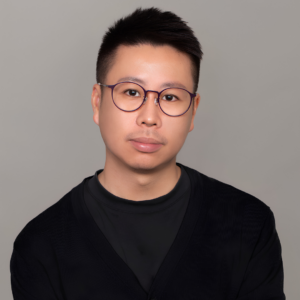
Benni Pong
Vice President
Hong Kong Institute of Landscape Architects
Benni Pong
Hong Kong Institute of Landscape Architects
Vice President
Benni is the Vice President of the Hong Kong Institute of Landscape Architects (HKILA) and Deputy Chair of the Executive Organizing Committee for International Federation of Landscape Architects (IFLA) World and Asia-Pacific Regional Congress 2026.
He is a Registered Landscape Architect who received his Master of Landscape Architecture (MLA) with distinction from the University of Hong Kong (HKU) and Master in Design Studies (MDes) from the Harvard University Graduate School of Design (GSD).
He has 17 years of practising experience in landscape architecture and involved in a number of awarded projects. His professional practice has ranged from public space design to urban design and landscape planning of major developments incorporating nature-based solutions, blue-green infrastructure and resilient design initiatives. His works have been featured in the 2022 Hong Kong Shenzhen Bi-City Biennale Urbanism \ Architecture and 2019 Beijing International Horticultural Exposition. Recent design awards include the International Design Award (IDA), Architizer A+ Award, the Hong Kong Institute of Architects (HKIA) Special Award and HKILA Awards.
His researches examine and experiment spontaneous landscape, urban ecology, perception of space, cultural landscape and design anthropology and are published and presented in Landscape Review, HKIA Journal, HKILA Journal Yuan Lin, Landscape Architecture Frontier (LAF), Council of Educators in Landscape Architecture (CELA) Annual Conference 2026 and 60th IFLA World Congress 2024.
My Sustainability Goals for 2026:
1. Foster Interdisciplinary collaborations and strategic partnerships to mainstream and scale up Nature-based Solutions (NbS) across Hong Kong and the Greater Bay Area.
2. Strengthen capacity building and enhance public awareness of the interconnection between nature and culture, with a particular focus on advocating for cultural landscapes and the Historic Urban Landscape (HUL).
3. Advance advocacy for urban nature and promote ecological and landscape design in development projects to enhance biodiversity and improve human well-being.
Speaking at 2026 sessions:
Day 1
Nature-Positive Development: How Can Cities Integrate Biodiversity, Climate Resilience and Urban Growth?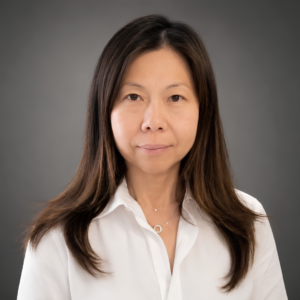
Gwen Yu
Head of Emerging Sustainability Issues
JPMorganChase
Gwen Yu
JPMorganChase
Head of Emerging Sustainability Issues
Global Head of Emerging Sustainability Issues at JPMorgan Chase, coordinating across global business lines to provide strategic insight on topics including nature and biodiversity, climate resilience, and other frontier sustainability challenges. Previous roles include Head of Nature and Biodiversity for JPMorgan Chase, Structurer in the firm’s Global Markets Sustainability Center, and Head of Sustainable Business Strategy and Innovation at BNP Paribas.
A contributor to international policy efforts, served as a member and workstream lead on the European Commission’s Platform on Sustainable Finance and played a founding role in the setup of the Taskforce on Nature-related Financial Disclosures (TNFD). Also lectures on sustainable finance at several universities and has co-authored publications on sustainability and derivatives.
Experience spans strategy development, product design and integration, with a focus on sustainable finance, natural capital, policy and impact.
Has worked across Europe, North America, and Asia, speaks five languages, and is a graduate of the University of California, Berkeley.
Speaking at 2026 sessions:
Day 1
Nature-Positive Development: How Can Cities Integrate Biodiversity, Climate Resilience and Urban Growth?Supported by
The Nature Conservancy
The Nature Conservancy (TNC) is a global conservation organization dedicated to conserving the lands and waters on which all life depends. Guided by science, we create innovative, on-the-ground solutions to our world’s toughest challenges so that nature and people can thrive together. We are tackling climate change, conserving lands, waters and oceans at an unprecedented scale, providing food and water sustainably and helping to make cities more livable. Working in more than 81 countries and territories, we use a collaborative approach that engages local communities, governments, the private sector, and other partners. TNC has been in Asia Pacific for almost 30 years, with projects in Australia, mainland China, Hong Kong, Indonesia, Mongolia, New Zealand, and the Pacific Islands. In 2019, TNC was awarded the Lui Che Woo Prize for Sustainable Development. To learn more, visit www.tnc.org.hk
Legal Name: The Nature Conservancy Hong Kong Foundation Limited
General Enquiry Email Address: hkmkt@tnc.org
General Business Address: Unit 2107-08 Prosperity Millennia Plaza, 663 King’s Road, North Point, Hong Kong
Meet our 2026 speakers:
With thanks to
Swire Properties Limited
Swire Properties develops and manages commercial, retail, hotel and residential properties, typically mixed-use developments in prime areas. Established in Hong Kong in 1972, we have investments across Hong Kong, the Chinese Mainland, Singapore and the US. Adhering to our core values of integrity, originality, long-term focus and quality, we aim to create sustained value by developing and managing large-scale mixed-use projects that serve as focal points of the surrounding urban areas.
Our sustainability goals for 2026:
In 2025, Swire Properties announced its updated Sustainable Development (SD) 2050 Vision and Strategy. Guided by a new vision, “Building the World’s Most Sustainable Communities”, the new strategy aims to lead transformative changes in the built environment by harmonising business, people and nature, while also supporting the Company’s ambitious business growth plans in Hong Kong, the Chinese Mainland and Southeast Asia.
Focused on four long-term commitments – Zero Harm, Net-Zero Carbon, Zero Waste to Landfill and Water Neutrality – the new Strategy will continue to drive impactful change through a total of 140 ambitious targets over the next decade, with innovative strategies across five strategic pillars: Places, People, Partners, Planet and Performance.
Key strategic targets include:
- Climate Transition: Deliver on near term, long term and net zero emissions targets validated under the Science Based Targets initiative (SBTi) Buildings Criteria, as the first real estate company in Hong Kong and the Chinese Mainland to have such targets validated;
- Nature and Biodiversity: As part of a new Nature Transition Plan, the Company targets to deliver nature-positive outcomes across the whole building lifecycle, from land acquisition and procurement to integrating nature-positive solutions into new development projects during the planning and design stages;
- Tenant Engagement Programmes: Scale up the Company’s proprietary tenant engagement programmes by committing to engage 70% of office tenants in the Green Performance Pledge, 100 of retail tenants in the Green Retail Partnership and 35% of food and beverage tenants in the Green Kitchen Initiative by 2030;
- Supplier Engagement: Strengthen the current proactive, strategic partnership approach to engage 100% of suppliers in sustainability/ESG risk screening to raise the supply-chain ESG performance, and expand sustainable procurement targets across new development projects, existing portfolios and hotels;
- Green Finance: Commit to having more than 90% of bond and loan facilities from green financing by 2035.
Legal Name: Swire Properties Limited
General Enquiry Email Address: sustainabaledevelopment@swireproperties.com
General Enquiry Phone Number: 2844 4900
General Business Address: 18/F , One Island East, Taikoo Place, 18 Westlands Road, Quarry Bay, Hong Kong
Meet our 2026 speakers:
17:00 – 17:50
Hong Kong has developed a deep and well-rounded pool of climate capability, spanning finance, engineering, infrastructure delivery, energy systems, carbon management and professional services. Through its own transition journey, the city has built practical experience in planning, financing and delivering low carbon solutions in a dense, complex urban environment.
The question now is how to better mobilise that talent and experience to support climate delivery beyond its own boundaries. This session will explore how Hong Kong can build on its existing achievements to play a more influential role in climate delivery across East Asia and the Global South, where the scale and urgency of transition demand not just ambition, but execution.
The discussion will also highlight one of Hong Kong’s core advantages: its ability to bridge Eastern and Western standards, systems and market expectations. For business leaders, this creates both commercial opportunity and a wider strategic role in supporting Asia’s low-carbon transition.
Session Learnings:
- Understand how Hong Kong’s existing achievements across engineering, infrastructure, finance and professional services provide a strong foundation for contributing to climate delivery beyond the city.
- Recognise that Hong Kong’s value lies not only in its own transition progress, but also in its ability to connect talent, capital and expertise to wider regional needs.
- Explore how integrating technical, infrastructure and financial capabilities can accelerate practical, on-the-ground climate implementation.
- Examine how Hong Kong’s role in bridging Eastern and Western standards, systems and market expectations can create practical advantages for business and implementation.
- Gain a clearer view of how business leaders can step up Hong Kong’s role from successful local transition to regional and global climate impact.
Post Event Actions:
- Reflect on how their organisation can build on Hong Kong’s existing climate strengths to capture new opportunities across Asia.
- Identify ways to connect their expertise in engineering, infrastructure, energy, carbon management or finance to regional climate delivery needs.
- Explore new partnerships that position Hong Kong-based businesses and professionals as enablers of climate implementation and scaling.
- Consider how Hong Kong’s established strengths and East–West bridging role can support business growth, collaboration and market access.
- Take forward practical conversations within their organisation on how to position Hong Kong-based talent and platforms as contributors to regional and global climate action.
Speakers
Moderator
Ir Tim Wong
ESG & Sustainability Hub Lead
AECOM

Ir Tim Wong
AECOM
ESG & Sustainability Hub Lead
Tim Wong is the ESG & Sustainability Hub Lead at AECOM Hong Kong, driving innovation in sustainable infrastructure and carbon management. With over 18 years of experience in both civil engineering and ESG, Tim has worked on major climate-resilient transport and water projects across the Greater Bay Area and Southeast Asia.
Starting his career in 2008, Tim applied ESG principles to infrastructure projects even before the concept was widely recognized – most notably on a drainage tunnel project in northwest Hong Kong Island. He is a certified carbon auditor, ESG planner, and analyst, and has been a member of the Institution of Civil Engineers (ICE) since 2013.
A strong advocate for sustainable practices, Tim serves on the Hong Kong Green Building Council’s infrastructure rating system committee. He was named Young Engineer of the Year by the Hong Kong Institution of Engineers in 2020 and represented Hong Kong at the UN’s COP28 climate conference in 2023. He is an Adjunct Professor at Academy of Innovations in City University of Hong Kong since 2025.
My Sustainability Goal for 2026:
- Enhancing social outcomes
- Deploy Nature based solutions for tracking and disclosure
- Carbon management for built environment and corporate operation
Speaking at 2026 sessions:
Day 1
Mobilising Hong Kong’s Climate Talent to Deliver: Our Role in Asia’s Climate Transition
Winnie Lai
Vice Chairperson
Institution of Civil Engineers, Hong Kong Association
Winnie Lai
Institution of Civil Engineers, Hong Kong Association
Vice Chairperson
Winnie Lai is Vice Chairperson of the Institution of Civil Engineers Hong Kong Association (ICE HKA) and Business Manager at AtkinsRéalis. She is a Chartered Civil Engineer who works across industry, professional institutions and the wider community, bringing together diverse stakeholders to support the advancement of the engineering profession. Through her work with ICE HKA, she champions the role of engineering in addressing societal and sustainability challenges. Drawing on experience across engineering delivery, business strategy and governance, she brings a cross-sector perspective on the relationship between technical expertise, leadership and long-term societal outcomes.
My Sustainability Goals for 2026:
1. Advance the contribution of engineering to sustainable and resilient communities.
2. Support more diverse and accessible pathways into the engineering profession.
Speaking at 2026 sessions:
Day 1
Mobilising Hong Kong’s Climate Talent to Deliver: Our Role in Asia’s Climate Transition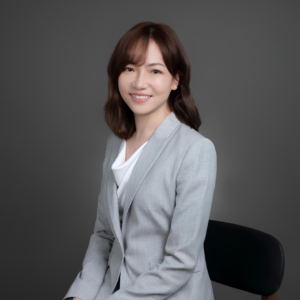
Andrea Lam
Director, Infrastructure & Capital Projects
Alvarez & Marsal

Andrea Lam
Alvarez & Marsal
Director, Infrastructure & Capital Projects
Andrea Lam is a Director in Infrastructure & Capital Projects at Alvarez & Marsal, with over 10 years of experience advising infrastructure owners, investors and Governments across Greater China, Southeast Asia, Australia and the Middle East. Her experience spans across infrastructure classes including power and decarbonisation, healthcare, rail & maritime transport and logistics, and social infrastructure.
With a dual background in Chemical & Process Engineering and Finance, Andrea bridges technical execution with public-private-partnerships (PPPs), commercial structuring, and project finance. She specializes in translating policy and strategic ambitions into bankable, actionable infrastructure projects.
She has led high-impact initiatives, including green infrastructure transition analyses across multiple jurisdictions, strategic projects for the Hong Kong Development Bureau, Health Bureau, and Home & Youth Affairs Bureau, as well as supported the ASEAN Secretariat under the Australian Government’s Partnerships for Infrastructure Programme.
My Sustainability Goals for 2026:
1. Promoting Sustainable Infrastructure & Procurement Best Practices for the Northern Metropolis:
Promote capacity-building initiatives, modern methods of construction, and develop procurement frameworks that drive long-term operational resilience and minimize lifecycle carbon footprints across future infrastructure developments in Hong Kong’s Northern Metropolis.
2. Supporting Cross-Border Climate Finance & PPPs across Asia:
Leverage Hong Kong’s role as a regional financial and professional hub to bring private capital to infrastructure projects across Southeast Asia through efficient risk allocation and PPPs.
Speaking at 2026 sessions:
Day 1
Mobilising Hong Kong’s Climate Talent to Deliver: Our Role in Asia’s Climate Transition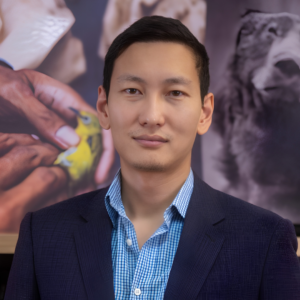
Lionel Mok
Programme Lead
Civic Exchange
Lionel Mok
Civic Exchange
Programme Lead
Lionel Mok is the Sustainable Finance Programme Lead for Civic Exchange. He is responsible for managing the organisation’s efforts to conduct research and engage with stakeholders on the integration of sustainability considerations into financial market practices. Lionel has previously worked for Climate Bonds Initiative and the International Finance Corporation.
Speaking at 2026 sessions:
Day 1
Mobilising Hong Kong’s Climate Talent to Deliver: Our Role in Asia’s Climate Transition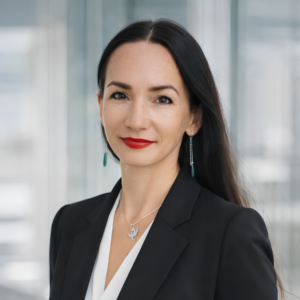
Galina Panina
Business Psychologist and Trainer
Onwire Online
Galina Panina
Onwire Online
Business Psychologist and Trainer
Galina Panina is a Corporate Psychologist, Global Speaker, and Organizational Resilience Expert with over 16 years of experience helping leaders and teams thrive through high‑stakes transformation. With a unique background bridging clinical psychology, political science, and global communications, she works at the intersection of human behavior, leadership performance, and AI‑driven organizational change.
Galina specializes in decoding the psychological dynamics that shape corporate success—how people react under uncertainty, how teams adapt when leadership shifts, and how organizations can reduce “human friction” during transformation. Her work integrates behavioral profiling, cross‑cultural intelligence, and resilience frameworks to help companies navigate rapid change without losing alignment, trust, or performance.
She has trained executives and internal speakers for global organizations including Shell, Nike, Orange, Leroy Merlin, and Workplace Options, and has delivered high‑impact sessions at world‑class stages such as the World Communication Forum in Davos. Her experience spans multinational corporations, diplomatic environments, and large‑scale events such as the Sochi 2014 Olympics and the Gas Exporting Countries Forum.
Currently based in China, Galina provides strategic training and executive coaching in English, Russian, and French, supporting leaders across Asia, Europe, and the Middle East. Her work focuses on preparing organizations for the next era of human‑centric AI, where psychological adaptability becomes a core business competency.
My Sustainability Goals for 2026:
1. Strengthen human adaptability in fast‑changing organizations
Equip leaders and teams with psychological tools to remain stable, collaborative, and high‑performing during leadership transitions, restructuring, and rapid strategic shifts.
2. Reduce human friction in transformation processes
Implement profiling‑based communication frameworks that help organizations minimize resistance, misunderstandings, and emotional overload during change.
3. Advance human‑centric AI integration
Support companies in building psychologically safe environments where employees can adopt AI without fear, burnout, or loss of identity.
4. Build resilient cross‑cultural teams in APAC
Provide Asia‑focused insights that help multinational teams navigate cultural complexity and maintain cohesion under pressure.
5. Promote sustainable people‑strategy alignment
Ensure that wellbeing, performance, and transformation goals remain connected, even when the organization is evolving at high speed.
Speaking at 2026 sessions:
Day 1
Mobilising Hong Kong’s Climate Talent to Deliver: Our Role in Asia’s Climate TransitionSupported by
Hong Kong 2050 is Now
Hong Kong 2050 is Now is a Hong Kong-based platform for education, collaboration, and action on the climate crisis. We seek to inspire ambitious target setting, induce behavior change, and mobilise collective action towards a carbon-neutral Hong Kong.
We believe a decarbonised city is people-centric, more liveable, healthier, and economically successful.
Our sustainability goals for 2026:
- Educate and engage the public on the risks and opportunities facing Hong Kong in an age of climate crisis, based on rigorous scientific and policy research.
- Encourage personal, corporate and government action to be undertaken now in combating the climate crisis, including personal lifestyle, business best practice, and regulatory change.
- Aggregate the efforts of stakeholders working towards the vision of a Net-Zero carbon Hong Kong, leveraging existing grassroot and community movements to further catalyse their impact.
Institution of Civil Engineers, Hong Kong Association
Institution of Civil Engineers (ICE) is one of the world’s most respected professional engineering associations. Established in 1818, it has 95,000 members across the globe. ICE’s vision is to place civil engineering at the heart of society, delivering sustainable development through knowledge, skills and professional expertise.
Our sustainability goals for 2026:
- Place the decarbonisation of our industry at the heart of our agenda (UNSDG 9.4)
- Working with others, both in the UK and overseas, to build resilience and mitigate the significant effects of climate change (UNSDG 13)
- Transform the availability of potable water and sanitation across the world (UNSDG 6 & 7)
- Transform the productivity of our industry by driving modern methods of procurement and manufacture (UNSDG 8 & 9)
- Enhance the knowledge, insight and ethical understanding of engineers wherever they work across the world
Products, Services & Solutions:
Education/Training/Certification
General Enquiry Email Address: icehk@ice.org.uk
General Enquiry Phone Number: 3153 4181
Meet our 2026 speakers:
Day 2 – Friday 11 Sept
The Day 2 programme examines how Hong Kong can align with national priorities and translate policy into execution, positioning itself at the centre of Asia’s transition economy. Participants will explore the financial, regulatory and market mechanisms required to mobilise capital, scale transition finance and support cross-border collaboration within the Greater Bay Area. Through case studies and practical insights, the programme highlights how organisations can move beyond frameworks to create markets, export green technologies across the region, and embed governance structures that enable credible, long-term net-zero delivery.
In partnership with


ClientEarth
ClientEarth is a non-profit organisation that uses the law to create systemic change that protects the Earth for – and with – its inhabitants. We are tackling climate change, protecting nature and stopping pollution, with partners and citizens around the globe. In Asia, we work with the private sector, civil society and government regulators to support the net zero transition.
Meet our 2026 speakers:
Climate Governance Initiative Hong Kong Chapter
The Climate Governance Initiative Hong Kong Chapter (“CGI HK”) is a local Chapter of Climate Governance Initiative (“CGI”).
CGI empowers board directors on every continent to take climate action by enhancing their knowledge and skills in climate governance. Our rapidly growing network of Chapters in over 70 countries reaches more than 100,000 board directors.
Our sustainability goals for 2026:
- To mobilise boards to accelerate the transition to net zero and build climate resilience
- To help Hong Kong companies address their climate transition journeys and identify value in making their businesses more sustainable
Meet our 2026 speakers:
Division of Environment and Sustainability, HKUST
Established in 2010, ENVR is a global leader in interdisciplinary education & research in environment and sustainability, fostering sustainability professionals to address complex environmental challenges across scientific, societal, regulatory, & business issues. ENVR also serves as an intellectual hub linking academia, government, business & community leaders to advance sustainability solutions.
Our sustainability goals for 2026:
UN SDG goals that we align with:
- SDG 1 No Poverty
- SDG 3 Good Health and Well-being
- SDG 4 Quality Education
- SDG 7 Affordable and Clean Energy
- SDG 8 Decent Work and Economic Growth
- SDG 11 Sustainable Cities and Communities
- SDG 12 Responsible Consumption and Production
- SDG 13 Climate Action
General Enquiry Email Address: envr@ust.hk
General Enquiry Phone Number: 23588363
Meet our 2026 speakers:
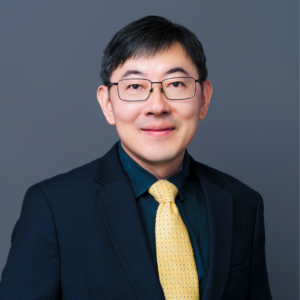
Prof. Dan Wang
Professor
Division of Environment and Sustainability, HKUST

Dr. Jay Joan Minuti
Marine Ecologist & Lecturer
Division of Environment and Sustainability, HKUST
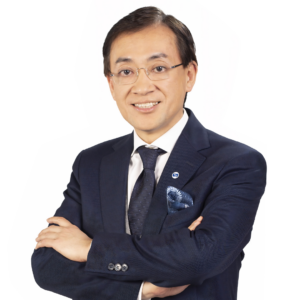
Prof. Chi Ming Shun
Adjunct and Visiting Professor
Division of Environment and Sustainability, HKUST
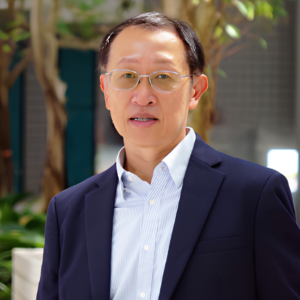
Prof. Fei Chen
Associate Head and Professor
Division of Environment and Sustainability, HKUST
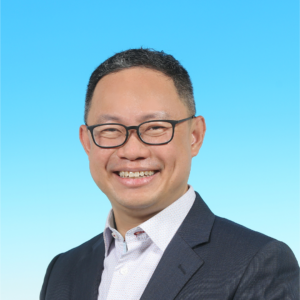
Dr. Laurence Delina
Associate Professor
Division of Environment and Sustainability, HKUST
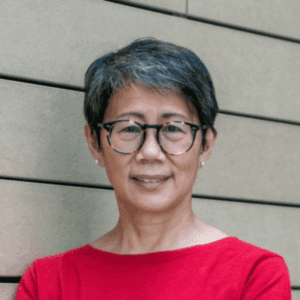
Prof. Christine Loh
Chief Development Strategist, Institute for the Environment
Division of Environment and Sustainability, HKUST
Hong Kong Green Finance Association
Founded in September 2018, Hong Kong Green Finance Association (HKGFA) creates a platform that offers channels and opportunities to facilitate the development of green finance and sustainable investments in Hong Kong and beyond. It aims to mobilize both public and private sectors resources and talents in developing green finance policies, to promote green finance business and product innovation.
Our sustainability goals for 2026:
HKGFA’s key activities are organised through five working groups, namely Banking – Financing the Transition, Product Innovation and Solutions, Sustainability-related Disclosures, Policy and Standards, Greater Bay Area Green Finance Alliance, and Real Estate. Currently, the Association has over 160 members that include but are not limited to financial institutions, companies, market service providers and other key stakeholders.
Meet our 2026 speakers:
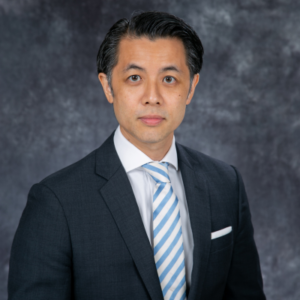
09:30 – 09:40
Speakers
Chris Brown
Founder & CEO
EnviroEvents (Rethink) Ltd
Chris Brown
EnviroEvents (Rethink) Ltd
Founder & CEO
Chris has 25 years of experience working on large-scale business events. Originally from the UK, Chris has lived and worked in Hong Kong since 2015. Chris moved to Hong Kong to establish a North Asia office for a London-based trade expo organiser and launch a series of digital transformation events. The challenges of living sustainably and a developing concern around the exponential threats of the global climate emergency compelled Chris to “rethink” his own personal contribution to Hong Kong and how he could best make a positive impact on a city he now proudly calls home.
Chris conceived, designed and launched the ReThink HK event during the first part of 2019 – undeterred by the challenges faced by live events at that time, due to civil unrest, the new event concept for uniting the full business and sustainability ecosystem, championing positive action and shared responsibility received excellent support. The inaugural 2020 event was, unsurprisingly, delayed due to COVID but finally ran, in-person, at the K11 Quarry Bay with 500 attendees, with all delegate fees donated to local charities.
Chris’ experience in hosting content-led expo-style healthcare events in the UK, where partnerships and collaboration were crucial to scale and success, provided the foundation for Chris to widen the supporting network of organisations and sponsors for ReThink HK. The event was moved to the HKCEC for the 2021 edition and evolved into one of the region’s leading events for climate action and the business of sustainability, with over 9,500 attendees in 2025. Chris is proud to have maintained the event’s impact pledge, with all delegate fees contributing to impact projects with local Hong Kong charities.
Working alongside the Business Environment Council, Consulates and trade promotion offices, Chambers of Commerce, specialist industry associations, NGOs and action groups, the collective ambition for ReThink HK is to accelerate change in Hong Kong, and beyond – the event returns for its seventh edition this September at the HKCEC, will host over 10,000 attendees and aims to be at least carbon neutral.
Proceeds from delegate fees are now redirected to the Rethink Foundation, a not-for-profit focused on helping registered NGOs collaborate, build capacity and operate more sustainably.
Chris received a Bachelor’s degree in International Business and Italian from the University of Plymouth (UK). Chris is a current member of the British Chamber of Commerce’s ESG Committee, and sat on the Executive Committee and the Sustainability sub-committee of the Hong Kong Exhibition & Convention Industry Association between 2022 and 2026.
My Sustainability Goals for 2026:
- Greater action from businesses to contribute towards a more sustainable HK
- Encourage other event organisers to commit to sustainable solutions
- Demonstrate that businesses can be operated profitably and with purpose
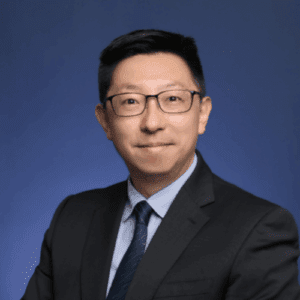
Simon Ng
Chief Executive Officer
Business Environment Council
Simon Ng
Business Environment Council
Chief Executive Officer
Mr Simon Ng is Chief Executive Officer of Business Environment Council (BEC). He works closely with BEC Board of Directors in setting and implementing organisation goals and strategies conducive to supporting BEC members and the wider business community in the transition towards net-zero economy and a sustainable Hong Kong.
My Sustainability Goals for 2026:
Mobilise corporates in Hong Kong for accelerated climate action.
Speaking at 2026 sessions:
Day 1
The Local Blueprint: Hong Kong’s Five-Year Plan (2026-2030)Day 2
Opening Welcome for Day 2Supported by
Business Environment Council
Booth E45
Business Environment Council Limited (BEC) is an independent, charitable corporate membership organisation, established by the business sector in Hong Kong.
Since its establishment in 1992, BEC has been at the forefront of promoting environmental excellence by advocating the uptake of clean technologies and practices which reduce waste, conserve resources, prevent pollution and improve corporate environmental and social responsibility.
BEC offers sustainable solutions and professional services covering advisory, research, assessment, training and award programmes for government, business and the community, thus enabling environmental protection and contributing to the transition to a net-zero carbon economy.
Meet our 2026 speakers:
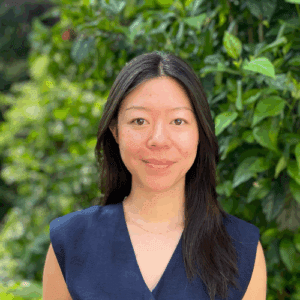
Katie Chan
Specialist – Policy & Research
Business Environment Council
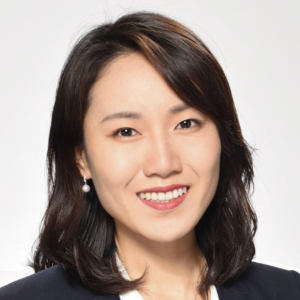
Suki Han
Assistant Manager
Business Environment Council
Kevin O’Brien
Chairman
Business Environment Council
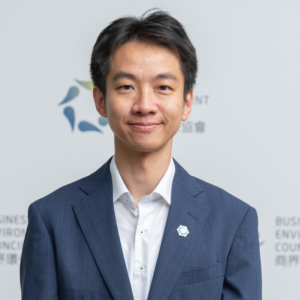
Merlin Lao
Head – Policy and Research
Business Environment Council
Simon Ng
Chief Executive Officer
Business Environment Council
09:40 – 10:00
Speakers
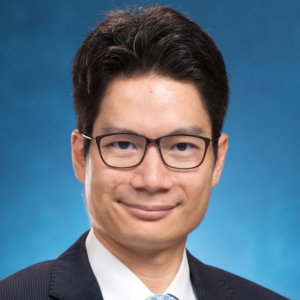
Mr Joseph H. L. Chan, JP
Under Secretary for Financial Services and the Treasury
The Government of the Hong Kong Special Administrative Region Financial Services and the Treasury Bureau
Mr Joseph H. L. Chan, JP
The Government of the Hong Kong Special Administrative Region Financial Services and the Treasury Bureau
Under Secretary for Financial Services and the Treasury
Mr Chan was appointed the Under Secretary for Financial Services and the Treasury on 16 August 2017.
Mr Chan has many years of senior executive experience in the banking industry. He was a Managing Director in the Global Markets Division of Credit Agricole Corporate & Investment Bank, and was a Managing Director in Financial Markets of Standard Chartered Bank.
Prior to joining the Government, Mr Chan held multiple roles in a number of public and professional bodies, including Vice President of the Hong Kong Society of Financial Analysts, Director of Hong Kong Securities & Investment Institute, Advisor of the Chinese Gold & Silver Exchange Society, as well as a General Committee member of the Hong Kong General Chamber of Commerce. Mr Chan was also a member of the Central & Western District Council.
Mr Chan holds a Bachelor of Arts in Economics (Hon) and Psychology from the University of Michigan, USA. He is also a Chartered Financial Analyst.
Speaking at 2026 sessions:
Day 2
Keynote Address – Under Secretary for Financial Services and the Treasury10:00 – 10:15
Speakers
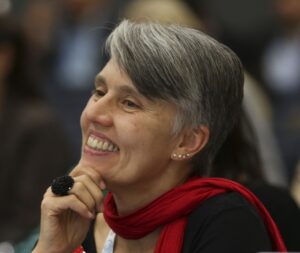
Prof Debra Roberts
IPCC AR6 WGII Co-Chair; Core team member of UNEP Limiting Overshoot Report; Co-ordinating Lead Author for the IPCC 2027 Special Report on Climate Change and Cities
Prof Debra Roberts
IPCC AR6 WGII Co-Chair; Core team member of UNEP Limiting Overshoot Report; Co-ordinating Lead Author for the IPCC 2027 Special Report on Climate Change and Cities
Prof. Debra Roberts holds a PhD in urban biogeography and is currently head of the Sustainable and Resilient City Initiatives Unit in eThekwini Municipality (Durban, South Africa). She was a lead author of Chapter 8 (Urban Areas) and a contributing author to Chapter 12 (Africa) of Working Group II’s contribution to the Fifth Assessment Report of the Intergovernmental Panel on Climate Change (IPCC).
She was elected Co-Chair of Working Group II in 2015. Under her co-leadership Working Group II published the IPCC Special Report on Ocean and the Cryosphere in a Changing Climate (SROCC) in 2019 and contributed to the Special Reports on “Climate Change and Land” and “Global warming of 1.5°C in 2018. She was a member of the Scientific Steering Committee of the IPCC co-sponsored International Conference on Climate Change and Cities in 2018 and IPCC-IPBES co-sponsored workshop on “Biodiversity and Climate Change” in 2020. Prof Roberts co-led the Scientific Steering Committees of the IPCC-UNHabitat-GCom co-sponsored Innovate for Cities Conference and the IPCC-ICOMOS- UNESCO international co-sponsored meeting on Culture, Heritage and Climate Change, both held in 2021.
Prof. Roberts is an Honorary Professor at the University of KwaZulu-Natal in the School of Life Sciences and has been an advisor to the Global Commission on Adaptation, United Cities and Local Governments (UCLG) and the United Nations Secretary General’s 2019 Climate Summit. She was a member of the South African United Nations Framework Convention on Climate Change (UNFCCC) negotiating team until December 2015, and has sat on various international advisory bodies focused on climate change issues in cities (e.g., the Rockefeller Foundation’s Asian Cities Climate Change Resilience Network and UN-Habitat’s 2011 ‘Cities and Climate Change’ Global Report). In 2019 she was included in a list of the World’s 100 Most Influential People in Climate Policy.
Speaking at 2026 sessions:
Day 2
Limiting Overshoot – Navigating Exceedance of 1.5°C and Pathways Towards Return10:15 – 10:30
As the race to achieve net-zero carbon accelerates, the need for scalable and commercially viable decarbonisation solutions has never been more urgent. Green fuels are emerging as a critical breakthrough to power this transition.
In alignment with the national “dual carbon” strategy and Hong Kong’s Climate Action Plan 2050, Towngas is pioneering a multi-pathway transition: green methanol for sea, hydrogen for land, and sustainable aviation fuel (SAF) for air. In this keynote, Ir. Don Cheng will shed light on Towngas’ competitive advantages in hydrogen alongside its concurrent developments in SAF and green methanol. He will also examine the company’s strategic transformation from a traditional gas supplier to an integrated green energy service provider and discuss how this shapes Hong Kong’s next-generation energy landscape.
Session Learnings:
- Discover: Actionable decarbonisation pathways across sea, land, and air transport.
- Understand: Practical deployment and scaling of hydrogen and alternative green fuels.
- Gain: Strategic foresight on navigating regional policy frameworks and transition opportunities.
Speakers
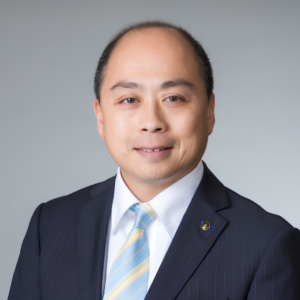
Ir Don Cheng
Chief Operating Officer – Hong Kong Business
The Hong Kong and China Gas Company Limited (Towngas)
Ir Don Cheng
The Hong Kong and China Gas Company Limited (Towngas)
Chief Operating Officer – Hong Kong Business
Ir Don Cheng is the Chief Operating Officer – Hong Kong Business of the Hong Kong and China Gas Company Limited (Towngas).
Since joining Towngas in 1995, Ir Cheng has taken on key managerial roles spanning customer service, product development and commercial & industrial marketing & sales departments. He also oversees marketing, sales and customer services, and leads the strategic development and planning of green energy initiatives and projects.
Ir Cheng graduated from Queen’s University and The University of Calgary in Canada, with BSc degrees in Statistics and Engineering Chemistry and an MSc degree in Statistics respectively. He has also achieved the status of Chartered Engineer and fellow membership from various professional associations of overseas and in Hong Kong.
He is also a member of HKSAR District Fight Crime Committee (Southern District), Fire Service Department Dangerous Goods Standing Committee Member, Director of Association of Restaurant Managers, Academic Advisors for engineering departments of Hong Kong University of Science & Technology and City University of Hong Kong, Fund Vetting Committee Member of Hong Kong Productivity Council, and Vice Chairman (Energy and Power) of the Federation of Hong Kong Industries.
With thanks to
The Hong Kong and China Gas Company Limited (Towngas)
Booth J35
Founded in 1862, The Hong Kong and China Gas Company Limited (Towngas) is Hong Kong’s first public utility. With over 160 years of heritage, Towngas has evolved into a leading clean and smart energy provider.
Aligned with the national “dual carbon” goals,Towngas is accelerating green energy for land, sea, and air transport through hydrogen, green methanol, and Sustainable Aviation Fuel, for a sustainable future.
Our sustainability goals in 2026:
Towngas championed green energy transition across sea, land and air transport:
- Green methanol for sea transport: Through technological upgrades, the Inner Mongolia plant has increased its production capacity, and the additional production lines in Foshan are expected to commence operations in 2028.
- Sustainable Aviation Fuel (SAF) for air transport: New SAF plant in Malaysia commenced operations, doubling annual production capacity of renewable fuels.
- Hydrogen for land transport: Towngas has initiated Hong Kong’s first green hydrogen project at SENTX, which will target to launch this year.
- We are advancing multiple hydrogen innovation pilot projects, including support initiatives for the 15th National Games, Hong Kong Science and Technology Parks Corporation, a Sai Kung recreational facility, to deliver efficient and low-carbon solutions across the city.
- Carbon reduction: Total Scope 1 and Scope 2 greenhouse gas (GHG) emissions decreased by 20% from 2020 baseline (Target in 2025: Achieved).
Solutions Showcase:
- Corporate Office/HQ
- Efficient Energy & Utilities
- Green Finance & Investments
- Renewable Energy
- Waste Reduction & Recycling Management
Legal Name: The Hong Kong & China Gas Company Limited
General Enquiry Email Address: esg@towngas.com
General Enquiry Phone Number: 28806988
General Business Address: 363 Java Road, North Point, Hong Kong
Meet our 2026 speakers:
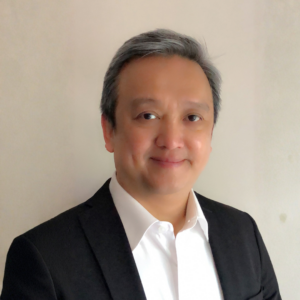
Chester Lee
Deputy Chief Operating Officer – Commercial, Green Fuels and Chemicals
The Hong Kong and China Gas Company Limited (Towngas)
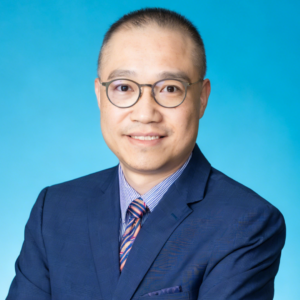
Ir Trevor Tang
General Manager – Corporate Supplies and Administration
The Hong Kong and China Gas Company Limited (Towngas)
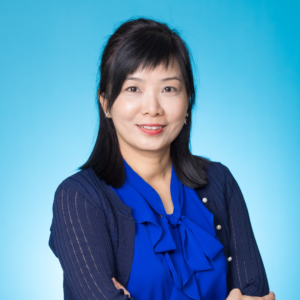
Ir Queenie Chan
General Manager – Business Transformation and Enquiry
The Hong Kong and China Gas Company Limited (Towngas)
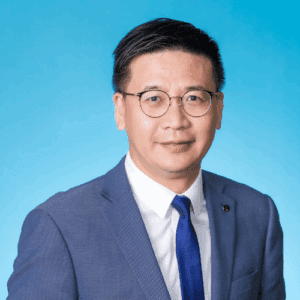
Ir Sammy Kong
General Manager, Commercial & Industrial Marketing & Sales
The Hong Kong and China Gas Company Limited (Towngas)
Ir Don Cheng
Chief Operating Officer – Hong Kong Business
The Hong Kong and China Gas Company Limited (Towngas)

Bien Wong
Assistant General Manager – Group ESG cum Executive – Group Knowledge Management Office
The Hong Kong and China Gas Company Limited (Towngas)
10:30 – 10:50
The15th Five-Year Plan covers the critical period leading to China’s target of peaking carbon emissions before 2030. At the same time, the country must meet rapidly growing electricity demand, strengthen energy security and sustain industrial and economic development. How will these priorities be balanced, and what role will renewable energy, coal, nuclear power, electrification and energy efficiency play in the next phase of China’s transition? Professor Jiang Kejun will examine the emerging energy and climate priorities of the 15th Five-Year Plan, the policy choices facing China, and their implications for the country’s longer-term carbon-neutrality goal and the global energy transition.
Speakers
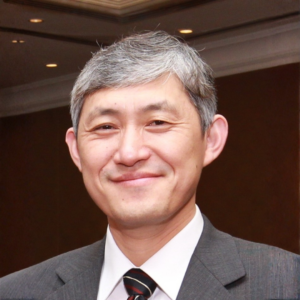
Prof. Kejun Jiang
Professor
The Hong Kong University of Science and Technology (Guangzhou)
Prof. Kejun Jiang
The Hong Kong University of Science and Technology (Guangzhou)
Professor
Professor, Head, Carbon Neutrality and Climate Change Thrust, Society Hub, The Hong Kong University of Science and Technology (Guangzhou).
Kejun Jiang’s research focus is energy, climate change mitigation and air pollution prevention policy assessment by using IPAC modeling, to support national five-year plans, and long-term planning. He began his research in ERI from 1990 and led the development of Integrated Policy Assessment Model for China (IPAC). IPAC modeling team is now a leading research team on China’s 2050 energy transition studies by providing benchmark research results. Major research focus includes energy and emission scenarios, energy policy, energy system, energy market analysis, and climate change, local environment policies and international negotiation. He also was authors of IPCC for Special Report on Emission Scenario from 1997, and Working Group III Third Assessment Report, leader author for IPCC WGIII AR4 Chapter 3, and leader author for GEO-4 Chapter 2, CLA in WGIII of IPCC AR5, LA for IPCC AR5 Synthesis Report, CLA of IPCC Special Report on 1.5℃ Warning, Lead Author of IPCC AR6WGIII Chapter 3 and SPM, Vice Co-Chair of GEO6, lead author of GEO7. From 2010, he is author for UNEP Emission Gaps. Now he is lead author of IPCC AR6 WGIII. He also joined international research collaboration projects such as EMF, FP6, FP7 and H2020 research projects. He is member of Scientific Panel of UNEP CCAC, and Scientific Committee of IAMC. He got his PHD in Social Engineering Department of Tokyo Institute of Technology.
My Sustainability Goals for 2026:
- Move more towards CO2 emission reduction
- More electric vehicle fleet
- More renewable energy utilization
10:50 – 11:10
China has made significant progress in ecological conservation in the past three decades, represented by improving survival conditions for the giant panda. China has also led global biodiversity conservation initiatives by setting up 2050 vision of “living in harmony with nature” and 2030 targets to reverse biodiversity loss through efforts by “whole of government and whole of society”. China’s commitment has been translated into government plans and policies including the 15th Five-Year Plan, which places ecological protection and the relationship between humanity and nature at the heart of the country’s development through 2030. How can these ambitions be translated into effective actions in conservation while accommodating economic development and the needs of local communities? Professor Lu Zhi will examine China’s evolving conservation approaches based on her long-term research and practices in the field of biodiversity conservation, to illustrate what will be required to turn global and national commitments into outcomes on the ground.
Speakers
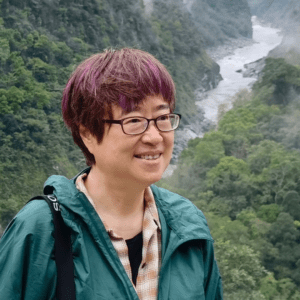
Prof. Zhi Lu
Professor
Peking University / ShanShui Conservation Center
Prof. Zhi Lu
Peking University / ShanShui Conservation Center
Professor
Dr. Lu Zhi is a Boya Distinguished Professor at Peking University. She founded Peking University’s Center for Nature and Society, and Shan Shui Conservation Center. She also serves as the co-chair of the second global assessment by the Intergovernmental Science-Policy Platform on Biodiversity and Ecosystem Services (IPBES).
Dr. Lu’s research tackles critical sustainability issues in China, with a focus on finding practical solutions that promote coexistence between humans and nature. Her work encompasses the study of ecosystem services (forests and grasslands), the natural history and conservation of endangered species like giant pandas and snow leopards, and the development of community-led conservation strategies. She is particularly known for her innovative approach, which tests and implements conservation tools grounded in economic incentives, cultural values, and policy improvements, ensuring that local communities benefit from their conservation efforts. This work extends to both rural and urban settings.
Dr. Lu Zhi earned her undergraduate degree and Ph.D. from Peking University. She has been a visiting scholar at the National Institutes of Health , Harvard University and the Yale School of Forest and Environmental Studies (2001-2002).
11:10 – 11:30
This past March, China’s National People’s Congress adopted the Environmental Ecological Code. It integrates over 30 laws and includes China’s first climate legislation – committing the country to fulfil its obligations under international climate treaties. The code was designed to send a clear international message: China is elevating environmental protection and climate action. The code also holds the promise to serve as a model for other countries. Adam Weiss will highlight some of the code’s most interesting features from an international perspective, and how they compare with similar laws adopted elsewhere, notably in Europe.
Speakers
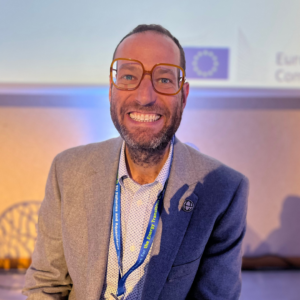
Adam Weiss
Chief Programmes and Impact Officer
ClientEarth
Adam Weiss
ClientEarth
Chief Programmes and Impact Officer
As Chief Programmes and Impact Officer, Adam ensures ClientEarth projects deliver the greatest impact and spearheads critical fundraising efforts to align resources with ClientEarth’s goals.
Adam previously managed the legal practice at two NGOs: the European Roma Rights Centre and, before that, the AIRE Centre.
He has litigated before the European Court of Human Rights, UN treaty bodies, and national courts in twenty countries across Europe. Adam is currently on the board of two NGOs: the Platform for International Cooperation on Undocumented Migrants (Belgium) and Focus on Labour Exploitation (UK).
Adam holds an LLM from King’s College (University of London) and a JD from Columbia Law School (New York). He is a member of the New York State bar.
Before studying law, he received a diplôme d’études approfondies (Master of Advanced Study) from the University of Paris-IV (La Sorbonne), specialising in 18th-century French literature. He received his undergraduate degree from Harvard University in history and literature. He speaks English, French, Spanish, Hungarian, and some Dutch.
My Sustainability Goals for 2026:
- Increased recognition of the role of the law in the environmental transition.
- Increased support for lawyers and organisations using the law to combat climate change and protect nature and health.
11:30 – 12:10
With the national 15th Five-Year Plan setting direction on energy transition, carbon reduction, and industrial transformation, and Hong Kong preparing its first Five-Year Plan, the key question is how ambition translates into delivery. This session explores how Hong Kong can align with national priorities while leveraging its strengths as an international financial, trade, maritime and aviation hub and to mobilise capital, support transition investments, and accelerate implementation across the Greater Bay Area and beyond.
Session Learnings:
How national priorities can inform Hong Kong’s emerging Five-Year Plan in practical, actionable ways
Post-Event Actions:
- Where Hong Kong can play a distinctive role in supporting national transition goals
- How public and private sectors can better align to enable implementation
- Identify the conditions needed to mobilise capital at scale
Speakers
Moderator
Prof. Christine Loh
Chief Development Strategist, Institute for the Environment
Division of Environment and Sustainability, HKUST
Prof. Christine Loh
Division of Environment and Sustainability, HKUST
Chief Development Strategist, Institute for the Environment
Professor Christine Loh is Chief Development Strategist at the Institute for the Environment, Hong Kong University of Science and Technology. She is a leading voice on public policy, climate governance and sustainable development in Hong Kong, with experience spanning government, the legislature, think tanks, business and academia. Loh was Under Secretary for the Environment in the HKSAR Government from 2012 to 2017, where she worked on air quality, climate change, energy, nature conservation and stakeholder engagement. She also served as Special Consultant to the Chief Executive’s Office on ecological civilization and the Greater Bay Area from 2019 to 2020. Earlier in her career, she was a Member of the Hong Kong Legislative Council. At HKUST, Professor Loh focuses on climate policy, sustainability transitions, green finance, governance and regional cooperation. She is also a published author and frequent commentator on environmental policy, climate risk, China and Hong Kong affairs. She currently serves on the board of Towngas Smart Energy, and is Scholar in Residence at Asia Society Hong Kong from 2023 to 2026.
Prof. Kejun Jiang
Professor
The Hong Kong University of Science and Technology (Guangzhou)
Prof. Kejun Jiang
The Hong Kong University of Science and Technology (Guangzhou)
Professor
Professor, Head, Carbon Neutrality and Climate Change Thrust, Society Hub, The Hong Kong University of Science and Technology (Guangzhou).
Kejun Jiang’s research focus is energy, climate change mitigation and air pollution prevention policy assessment by using IPAC modeling, to support national five-year plans, and long-term planning. He began his research in ERI from 1990 and led the development of Integrated Policy Assessment Model for China (IPAC). IPAC modeling team is now a leading research team on China’s 2050 energy transition studies by providing benchmark research results. Major research focus includes energy and emission scenarios, energy policy, energy system, energy market analysis, and climate change, local environment policies and international negotiation. He also was authors of IPCC for Special Report on Emission Scenario from 1997, and Working Group III Third Assessment Report, leader author for IPCC WGIII AR4 Chapter 3, and leader author for GEO-4 Chapter 2, CLA in WGIII of IPCC AR5, LA for IPCC AR5 Synthesis Report, CLA of IPCC Special Report on 1.5℃ Warning, Lead Author of IPCC AR6WGIII Chapter 3 and SPM, Vice Co-Chair of GEO6, lead author of GEO7. From 2010, he is author for UNEP Emission Gaps. Now he is lead author of IPCC AR6 WGIII. He also joined international research collaboration projects such as EMF, FP6, FP7 and H2020 research projects. He is member of Scientific Panel of UNEP CCAC, and Scientific Committee of IAMC. He got his PHD in Social Engineering Department of Tokyo Institute of Technology.
My Sustainability Goals for 2026:
- Move more towards CO2 emission reduction
- More electric vehicle fleet
- More renewable energy utilization
Adam Weiss
Chief Programmes and Impact Officer
ClientEarth
Adam Weiss
ClientEarth
Chief Programmes and Impact Officer
As Chief Programmes and Impact Officer, Adam ensures ClientEarth projects deliver the greatest impact and spearheads critical fundraising efforts to align resources with ClientEarth’s goals.
Adam previously managed the legal practice at two NGOs: the European Roma Rights Centre and, before that, the AIRE Centre.
He has litigated before the European Court of Human Rights, UN treaty bodies, and national courts in twenty countries across Europe. Adam is currently on the board of two NGOs: the Platform for International Cooperation on Undocumented Migrants (Belgium) and Focus on Labour Exploitation (UK).
Adam holds an LLM from King’s College (University of London) and a JD from Columbia Law School (New York). He is a member of the New York State bar.
Before studying law, he received a diplôme d’études approfondies (Master of Advanced Study) from the University of Paris-IV (La Sorbonne), specialising in 18th-century French literature. He received his undergraduate degree from Harvard University in history and literature. He speaks English, French, Spanish, Hungarian, and some Dutch.
My Sustainability Goals for 2026:
- Increased recognition of the role of the law in the environmental transition.
- Increased support for lawyers and organisations using the law to combat climate change and protect nature and health.
Supported by
ClientEarth
ClientEarth is a non-profit organisation that uses the law to create systemic change that protects the Earth for – and with – its inhabitants. We are tackling climate change, protecting nature and stopping pollution, with partners and citizens around the globe. In Asia, we work with the private sector, civil society and government regulators to support the net zero transition.
Meet our 2026 speakers:
Division of Environment and Sustainability, HKUST
Established in 2010, ENVR is a global leader in interdisciplinary education & research in environment and sustainability, fostering sustainability professionals to address complex environmental challenges across scientific, societal, regulatory, & business issues. ENVR also serves as an intellectual hub linking academia, government, business & community leaders to advance sustainability solutions.
Our sustainability goals for 2026:
UN SDG goals that we align with:
- SDG 1 No Poverty
- SDG 3 Good Health and Well-being
- SDG 4 Quality Education
- SDG 7 Affordable and Clean Energy
- SDG 8 Decent Work and Economic Growth
- SDG 11 Sustainable Cities and Communities
- SDG 12 Responsible Consumption and Production
- SDG 13 Climate Action
General Enquiry Email Address: envr@ust.hk
General Enquiry Phone Number: 23588363
Meet our 2026 speakers:
Prof. Dan Wang
Professor
Division of Environment and Sustainability, HKUST
Dr. Jay Joan Minuti
Marine Ecologist & Lecturer
Division of Environment and Sustainability, HKUST
Prof. Chi Ming Shun
Adjunct and Visiting Professor
Division of Environment and Sustainability, HKUST
Prof. Fei Chen
Associate Head and Professor
Division of Environment and Sustainability, HKUST
Dr. Laurence Delina
Associate Professor
Division of Environment and Sustainability, HKUST
Prof. Christine Loh
Chief Development Strategist, Institute for the Environment
Division of Environment and Sustainability, HKUST
12:50 – 13:40
This session examines Hong Kong’s hydrogen development landscape through the lenses of policy, technology and cross-sector collaboration. Panellists will discuss recent industry innovations and pilot projects, exploring how Hong Kong can leverage its credibility, Asia’s capital hub status and Greater Bay Area connectivity to attract global hydrogen enterprises and support public-private partnership driving the city’s energy transition.
Session Learnings:
- How national policy frameworks and Hong Kong’s own advantages are building momentum for hydrogen development, and what current projects and diverse applications demonstrate the technology’s significant potential
- What financial and certification infrastructure is needed to scale hydrogen from demonstration to commercial deployment , and how taxonomies and green finance mechanisms can support this transition
- How Hong Kong can leverage its international credibility and connectivity to attract hydrogen enterprises, and what collaboration across government, industry and research is needed to build a scalable hydrogen economy and support long-term industry growth, while also examining the critical importance of testing, certification, and talent development
Post-Event Actions:
- Assess opportunities to develop or adopt hydrogen initiatives and applications relevant to your own organisation
- Explore financing and certification pathways available to support hydrogen initiatives
- Identify potential partnerships that could help scale hydrogen infrastructure and cross-border connectivity
Speakers
Moderator
Bien Wong
Assistant General Manager – Group ESG cum Executive – Group Knowledge Management Office
The Hong Kong and China Gas Company Limited (Towngas)
Bien Wong
The Hong Kong and China Gas Company Limited (Towngas)
Assistant General Manager – Group ESG cum Executive – Group Knowledge Management Office
Bien Wong is an experienced professional with experience in ESG strategy development, corporate communications, and investor relations. As the head of Group ESG, he oversees the integration of sustainability concepts into business strategies, ensuring compliance with stringent international sustainability standards. Concurrently, he also leads the Group Knowledge Management Office, focusing on capturing critical knowledge and embedding it within the company’s culture. Prior to joining Towngas, he worked consistently in the sustainability industry, which deepened his passion for driving positive, lasting impact for the community.
Beyond his professional responsibilities, Bien serves on various advisory committees of the HKSAR Government and on the Board of various non-profit organizations and professional associations. He is also an Adjunct Associate Professor at Hong Kong Baptist University and a member of the Advisory Committee of the Department of Earth and Environmental Sciences at The Chinese University of Hong Kong.
Bien holds a Master’s degree from The University of Hong Kong and a Bachelor’s degree from the University of York, United Kingdom. He was among the first ESG professionals in the Asia-Pacific region to complete the EFFAS Certified ESG Analyst (CESGA) programme and was subsequently invited by the European Federation of Financial Analysts Societies (EFFAS) to serve as an examiner for the qualification, contributing to the development of ESG professional standards in the region.
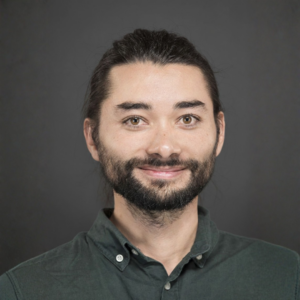
Christophe Blanchard
Technical & Performance Director
Veolia Hong Kong Holding Limited

Christophe Blanchard
Veolia Hong Kong Holding Limited
Technical & Performance Director
Christophe Blanchard has been with Veolia for 13 years following his engineering studies.
He currently serves as the Technical Director for Veolia Hong Kong and Macau, a position he has held for 1.5 years.
In this role, he works with his team on the commissioning of the new hydrogen plant at the SENT landfill, a facility designed and built by Veolia.
Ir Don Cheng
Chief Operating Officer – Hong Kong Business
The Hong Kong and China Gas Company Limited (Towngas)
Ir Don Cheng
The Hong Kong and China Gas Company Limited (Towngas)
Chief Operating Officer – Hong Kong Business
Ir Don Cheng is the Chief Operating Officer – Hong Kong Business of the Hong Kong and China Gas Company Limited (Towngas).
Since joining Towngas in 1995, Ir Cheng has taken on key managerial roles spanning customer service, product development and commercial & industrial marketing & sales departments. He also oversees marketing, sales and customer services, and leads the strategic development and planning of green energy initiatives and projects.
Ir Cheng graduated from Queen’s University and The University of Calgary in Canada, with BSc degrees in Statistics and Engineering Chemistry and an MSc degree in Statistics respectively. He has also achieved the status of Chartered Engineer and fellow membership from various professional associations of overseas and in Hong Kong.
He is also a member of HKSAR District Fight Crime Committee (Southern District), Fire Service Department Dangerous Goods Standing Committee Member, Director of Association of Restaurant Managers, Academic Advisors for engineering departments of Hong Kong University of Science & Technology and City University of Hong Kong, Fund Vetting Committee Member of Hong Kong Productivity Council, and Vice Chairman (Energy and Power) of the Federation of Hong Kong Industries.
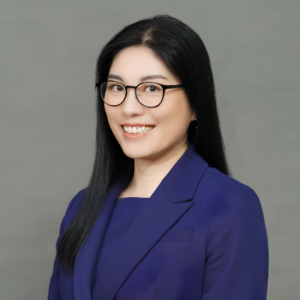
Serena Mak
Executive Director, Sustainable Finance, Institutional Banking Group; Board Governor & Honorary Secretary
DBS Bank (Hong Kong); Friends of the Earth (HK)
Serena Mak
DBS Bank (Hong Kong); Friends of the Earth (HK)
Executive Director, Sustainable Finance, Institutional Banking Group; Board Governor & Honorary Secretary
Serena Mak is currently Executive Director, Sustainable Finance, Institutional Banking Group at DBS Hong Kong. She provides strategic direction and guidance on sustainable finance transactions while also fostering a culture of sustainability within the bank.
Prior to joining DBS, Serena was the Head of ESG Funding Asia for Home Credit, where she successfully contributed to the group’s sustainability-linked financing in Asia. She also held several positions at Goldman Sachs in Singapore and Hong Kong, with a focus on liquidity management across the APAC region.
Serena holds a Master of Science degree in Financial Analysis as well as a Bachelor of Business Administration degree in Global Business & Management of Organizations from the Hong Kong University of Science and Technology. She is a Certified ESG Analyst (CESGA), CPA (Australia), and FRM.
Serena also contributes as Adjunct Associate Professor at the University of Hong Kong, Board Governor and Honorary Secretary at Friends of the Earth (Hong Kong), and is on the examiner team for the Certified ESG Analyst (CESGA) program by the European Federation of Financial Analysts Societies (EFFAS).
Speaking at 2026 sessions:
Day 1
Building Trust in the Transition: The Role of Green Professional ServicesDay 2
Unlocking Hydrogen Scalability in Hong Kong’s Energy Transition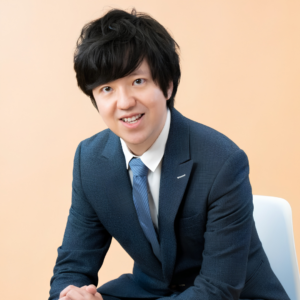
Chi Wai Kenny Shui
Vice President of OHKF and Executive Director of Public Policy Institute
Our Hong Kong Foundation
Chi Wai Kenny Shui
Our Hong Kong Foundation
Vice President of OHKF and Executive Director of Public Policy Institute
Kenny Shui is Vice President of Our Hong Kong Foundation and Executive Director of Public Policy Institute. He also serves as Vice President of the Hong Kong Green Finance Association and an Honorary Lecturer at The University of Hong Kong. With extensive public policy experience, his research covers AI, economic innovation, the Greater Bay Area, fintech, green finance, and technology. His team has produced influential reports on AI, CBDCs, ESG, and biotechnology. Additionally, Shui is active in sharing his insights, having spoken at international events including those for the United Nations, and publishing policy-related commentaries.
With thanks to
The Hong Kong and China Gas Company Limited (Towngas)
Booth J35
Founded in 1862, The Hong Kong and China Gas Company Limited (Towngas) is Hong Kong’s first public utility. With over 160 years of heritage, Towngas has evolved into a leading clean and smart energy provider.
Aligned with the national “dual carbon” goals,Towngas is accelerating green energy for land, sea, and air transport through hydrogen, green methanol, and Sustainable Aviation Fuel, for a sustainable future.
Our sustainability goals in 2026:
Towngas championed green energy transition across sea, land and air transport:
- Green methanol for sea transport: Through technological upgrades, the Inner Mongolia plant has increased its production capacity, and the additional production lines in Foshan are expected to commence operations in 2028.
- Sustainable Aviation Fuel (SAF) for air transport: New SAF plant in Malaysia commenced operations, doubling annual production capacity of renewable fuels.
- Hydrogen for land transport: Towngas has initiated Hong Kong’s first green hydrogen project at SENTX, which will target to launch this year.
- We are advancing multiple hydrogen innovation pilot projects, including support initiatives for the 15th National Games, Hong Kong Science and Technology Parks Corporation, a Sai Kung recreational facility, to deliver efficient and low-carbon solutions across the city.
- Carbon reduction: Total Scope 1 and Scope 2 greenhouse gas (GHG) emissions decreased by 20% from 2020 baseline (Target in 2025: Achieved).
Solutions Showcase:
- Corporate Office/HQ
- Efficient Energy & Utilities
- Green Finance & Investments
- Renewable Energy
- Waste Reduction & Recycling Management
Legal Name: The Hong Kong & China Gas Company Limited
General Enquiry Email Address: esg@towngas.com
General Enquiry Phone Number: 28806988
General Business Address: 363 Java Road, North Point, Hong Kong
Meet our 2026 speakers:
Chester Lee
Deputy Chief Operating Officer – Commercial, Green Fuels and Chemicals
The Hong Kong and China Gas Company Limited (Towngas)
Ir Trevor Tang
General Manager – Corporate Supplies and Administration
The Hong Kong and China Gas Company Limited (Towngas)
Ir Queenie Chan
General Manager – Business Transformation and Enquiry
The Hong Kong and China Gas Company Limited (Towngas)
Ir Sammy Kong
General Manager, Commercial & Industrial Marketing & Sales
The Hong Kong and China Gas Company Limited (Towngas)
Ir Don Cheng
Chief Operating Officer – Hong Kong Business
The Hong Kong and China Gas Company Limited (Towngas)
Bien Wong
Assistant General Manager – Group ESG cum Executive – Group Knowledge Management Office
The Hong Kong and China Gas Company Limited (Towngas)
13:40 – 14:40
This session focuses on how financial institutions and corporates can move from transition planning and frameworks to implementation. Speakers will share the latest market developments, practical best practices, tools, strategies and financing solutions available to support firms on their transition journey.
Session Learnings:
- Understanding of the various transition-related instruments currently used in the market, the standards and frameworks available, and how to set credible KPIs.
- Practical ways to align incentives across stakeholders: borrowers, lenders, regulators, and investors, while avoiding greenwashing through robust data, disclosures, and verification.
- What actually unlocks capital at scale; understanding of common pitfalls, and the opportunities of taking action now.
Post-Event Actions:
- Identify a potential transition opportunity in your portfolio and map out a structure (instrument, KPIs, stakeholders, and timeline).
- Apply a disclosure and data framework to strengthen credibility; define metrics, reporting processes, and verification steps for a live or upcoming transaction.
- Initiate discussion, capacity building and internal alignment (e.g. risk, sustainability, and business teams) on transition-related business strategy and opportunity.
Speakers
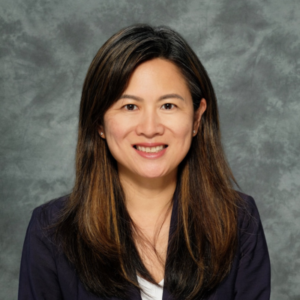
Moderator
Jenny Lee
Deputy Secretary General
Hong Kong Green Finance Association
Jenny Lee
Hong Kong Green Finance Association
Deputy Secretary General
Jenny Lee is Deputy Secretary General of the Hong Kong Green Finance Association (HKGFA), where she leads multi-stakeholder engagement and advances sustainable finance initiatives across the public and private sectors, regulators, and government. She contributes to capacity building, data analytics, and transition planning under Hong Kong’s Cross-Agency Steering Group’s Green and Sustainable Finance Centre, and is actively involved in global platforms including UNFC4S, the Global Capacity Building Coalition (GCBC). Jenny convenes regional bi-lateral sustainable finance dialogues, co-convenes the Hong Kong chapter of the Taskforce on Nature-related Financial Disclosures (TNFD) and has advised on key Hong Kong green fintech initiatives, and proof-of-concept funding support scheme.
After a 20-year career in investment banking at Goldman Sachs, Credit Suisse, and JPMorgan, Jenny transitioned into sustainability. She is committed to driving positive change and impact, integrating finance, technology, and nature, and is a life-long learner, holding certifications from the CFA Institute in Climate Risk, Valuation and Investing, CFA Sustainability Investing and MIT Sloan Management in Artificial Intelligence: Implications for Business Strategy.
My Sustainability Goals for 2026:
Advancing cross-sector collaboration and pratical application of sustainable and transition finance
Speaking at 2026 sessions:
Day 2
Beyond Credible Transition Planning to Transactions: Executing Transition Finance in the Real Economy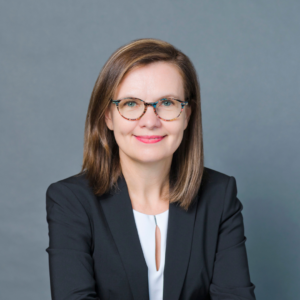
Stephanie Clement de Givry
Head of Global Banking and Advisory, Asia Pacific
Societe Generale

Stephanie Clement de Givry
Societe Generale
Head of Global Banking and Advisory, Asia Pacific
Stephanie Clement de Givry has over 30 years of experience. She began her career at Societe Generale in Mexico after joining from The Chase Manhattan Bank in 1996. In 2000, Stephanie relocated to Paris, where she held various roles within Commodity Finance across the EMEA region. From 2006 to 2014, she moved to Asia (Shanghai and Hong Kong) to establish the Natural Resources, Energy, and Infrastructure Finance activities. From 2014 to 2022, she served as the Global Head of Mining, Metals & Industries Finance.
Based in Hong Kong since January 2022, Stephanie is the Head of Global Banking and Advisory for Asia Pacific. In addition to growing the Bank’s financing and advisory franchise in the region, she has played a pivotal role in driving sustainable and positive impact finance. Currently, she oversees client coverage, structured finance, sustainable finance, investment banking, distribution and credit solutions, as well as credit portfolio management, leading teams across eight markets.
Speaking at 2026 sessions:
Day 2
Beyond Credible Transition Planning to Transactions: Executing Transition Finance in the Real Economy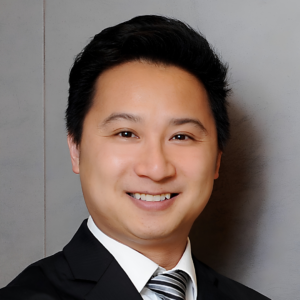
Dr. Calvin Lee Kwan
Head of Sustainability
Link Asset Management Limited
Dr. Calvin Lee Kwan
Link Asset Management Limited
Head of Sustainability
Calvin Lee Kwan is an enterprise resilience executive with more than two decades of experience turning complexity into measurable commercial outcomes.
His career has taken him across operations, corporate development, strategy, the CEO Office, investor relations, sustainability and enterprise risk governance across Asia-Pacific. He has led work that delivered more than HKD125 million in recurring annual operating savings, translated physical climate-risk adaptation into an approximately 11.7% reduction in portfolio-wide insurance premiums while doubling aggregate flood cover, and led the sustainability structuring behind the first green bond issued by a property company in Asia.
Beyond his corporate work, Calvin has helped advance resilience practice through leadership with the Principles for Responsible Investment and UNEP Finance Initiative, cross-sector collaboration, and more than a decade of executive education.
His work is guided by a simple idea: resilience is about keeping organisations fit to compete in what comes next.
Speaking at 2026 sessions:
Day 2
Beyond Credible Transition Planning to Transactions: Executing Transition Finance in the Real Economy
Carol Mo
Chief Investment and ALM Officer
Chow Tai Fook Life Insurance Company Limited
Carol Mo
Chow Tai Fook Life Insurance Company Limited
Chief Investment and ALM Officer
Carol is the Chief Investment & ALM Officer of Chow Tai Fook Life Insurance Company Limited (“CTF Life”). She also serves on the Hong Kong Federation of Insurers Task Force on Green Insurance. She has 20 years of professional experience in investment management and asset allocation for insurance companies. Carol possessed in-depth understanding and solid experience in assets selection, insurance asset accounting, investment legal, SAA and ALM.
Carol is also recognized as an alternative investment specialist. She led the acquisition of several core infrastructure assets globally including the Tai Lam Tunnel in Hong Kong (2009), en-bloc Bishopsgate 99 development in London (2015), and en-bloc acquisition of office building China Life Center situated in Hung Hom (2016). Carol also led the pre-IPO acquisition of Alibaba and private acquisition in TPG Capital GP stakes. She possesses in-depth knowledge in HKEX Listing Rules and SFC Ordinance.
Carol actively contributes to the broader finance community by serving on the AsianInvestor Editorial Advisory Board to provide strategic advice on shaping the industry themes. Her experience is also recognized through her roles as a judge for AsianInvestor Asset Management Awards (2024, 2025) and FinanceAsia Awards (2025) evaluating excellence across the industry. Carol is a frequent speaker for 100 Women in Finance where she contributes insights and promote diversity in the finance community. Carol is one of the top 3 finalist of Woman of Influence Award 2025.
Carol is instrumental in implementing ESG considerations throughout the investment process. She had served on the board of several investee companies offering practical governance experience relevant to stewardship and sustainability. She contributed hands-on experience in embedding sustainability into corporations to the Task Force on Green Insurance, where she actively contributed to the development of the Insurance Industry Climate Charter and climate risk disclosures in the insurance industry.
Carol possesses Bachelor of Business Administration (Information Systems Management) from the HKUST and Master in Investments from the University of Birmingham, U.K.
Speaking at 2026 sessions:
Day 2
Beyond Credible Transition Planning to Transactions: Executing Transition Finance in the Real Economy
Elaine Ng
Associate Director, International Affairs and Sustainable Finance
Securities and Futures Commission Hong Kong
Elaine Ng
Securities and Futures Commission Hong Kong
Associate Director, International Affairs and Sustainable Finance
Elaine is Associate Director in the International Affairs and Sustainable Finance team at the Chief Executive Officer’s Office of the Securities and Futures Commission (SFC) of Hong Kong. Her work focuses on international regulatory cooperation and the implementation of sustainable finance policies relevant to Hong Kong’s capital markets.
Elaine supports the SFC’s senior management in engaging with international regulators and standard‑setting bodies, including IOSCO and the Financial Stability Board, and contributes to policy discussions on sustainability disclosures, transition finance and market integrity. In Hong Kong, she is closely involved in cross‑agency work under the Green and Sustainable Finance Cross‑Agency Steering Group, with a focus on sustainability disclosures, transition and adaptation finance, and supporting market infrastructure such as data, assurance and capacity building.
Before joining the SFC in 2020, Elaine worked at MSCI in Hong Kong for over eight years and has more than 20 years of private sector experience in the financial services industry. Her background includes investment risk management, product development, client consulting and implementation. She moved into ESG work in 2015, supporting asset owners and asset managers in integrating ESG and sustainability risks into investment processes across Asia ex‑Japan.
Elaine holds a Master of Science in Applied Finance from Singapore Management University and a Bachelor of Engineering in Chemical Engineering from the National University of Singapore.
Speaking at 2026 sessions:
Day 2
Beyond Credible Transition Planning to Transactions: Executing Transition Finance in the Real Economy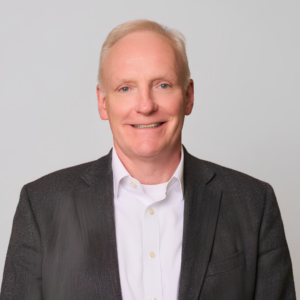
John Willis
Senior Director
World Business Council for Sustainable Development

John Willis
World Business Council for Sustainable Development
Senior Director
John Willis is Senior Director of Corporate Performance & Accountability at WBCSD, where he helps businesses embed sustainability into financial valuation and capital allocation to drive long-term value and competitiveness. With over 30 years in sustainable finance, including senior roles at the Tracker Group (home of Carbon Tracker and Planet Tracker), Sustainable Insight Capital Management, and Deutsche Asset Management (DWS), as well as Global Head of Equity Research at Deutsche Bank Securities. He brings financial market expertise to the challenge of making sustainability performance a genuine business advantage.
My Sustainability Goals for 2026:
- Demonstrate sustainable business strategies can pay, by driving competitiveness, resilience and value.
- Make sustainability strategies investible by translating them into the language of capital markets.
- Highlight credible transitions which turn ambition into corporate action.
Supported by
Hong Kong Green Finance Association
Founded in September 2018, Hong Kong Green Finance Association (HKGFA) creates a platform that offers channels and opportunities to facilitate the development of green finance and sustainable investments in Hong Kong and beyond. It aims to mobilize both public and private sectors resources and talents in developing green finance policies, to promote green finance business and product innovation.
Our sustainability goals for 2026:
HKGFA’s key activities are organised through five working groups, namely Banking – Financing the Transition, Product Innovation and Solutions, Sustainability-related Disclosures, Policy and Standards, Greater Bay Area Green Finance Alliance, and Real Estate. Currently, the Association has over 160 members that include but are not limited to financial institutions, companies, market service providers and other key stakeholders.
Meet our 2026 speakers:
14:40 – 15:30
Hong Kong is evolving from a destination for international investment into a two-way platform for sustainable business growth. Through its international connectivity, financial markets, professional-services ecosystem and global network, Hong Kong can help Mainland and GBA companies scale clean technologies across energy, mobility, and infrastructure overseas, while enabling international companies, investors and technology providers to enter the GBA and wider Asian markets.
This session explores how Hong Kong can move beyond its traditional “super-connector” role to enable the cross-border scaling of green technologies, linking innovation, capital, and markets across the Asia-Pacific region.
Session Learnings:
- How Hong Kong can support the regional scaling of GBA/China-driven green innovation
- How overseas companies can use Hong Kong to access the GBA and Mainland China.
Post-Event Actions:
- Where the GBA/China is developing scalable green technologies
- How Hong Kong can facilitate cross-border deployment into APAC markets
- The role of finance, trade, and partnerships in accelerating adoption
- What it takes to position Hong Kong as a platform for regional scaling
Speakers
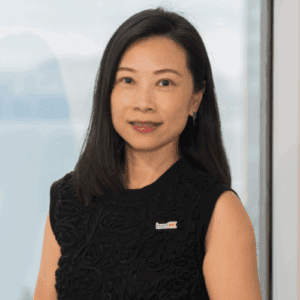
Moderator
Sindy Wong
Head of Consumer & Hospitality
Invest Hong Kong

Sindy Wong
Invest Hong Kong
Head of Consumer & Hospitality
Ms Sindy Wong is Head of Consumer and Hospitality at Invest Hong Kong, the government department responsible for attracting and facilitating foreign direct investment into Hong Kong and beyond.
She joined Invest Hong Kong in 2004 and was promoted to Head of Tourism and Hospitality in 2015, and now serves as Head of Consumer and Hospitality. Her team assists companies from consumer brands, food services, food and beverage trading, foodtech, travel, MICE, wellness and beauty industries globally to establish themselves in her home city of Hong Kong. Prior to joining Invest Hong Kong, Ms Wong’s career experience spanned advertising and corporate communication, tourism, entertainment and banking industries .
Ms Wong holds a bachelor’s degree in arts from The University of Hong Kong and is a Certified Financial Planner. She speaks fluent English, Mandarin and Cantonese. She is an animal lover and enjoys introducing new dining and beauty concepts to Hong Kong which is not only her passion for life but mission for Hong Kong!
Recent InvestHK clients includes Budweiser, Chagee, Edrington, Five Guys, foodpanda, Green Tea Restaurant Group, Informa Markets, Keeta, Kiztopia, Klook Travel, Luckin Coffee, Matsuya, POPMART, QB House etc. (as of Feb 2026)
Speaking at 2026 sessions:
Day 2
Hong Kong as a Two-Way Sustainability Gateway: Connecting GBA Innovation with Global Markets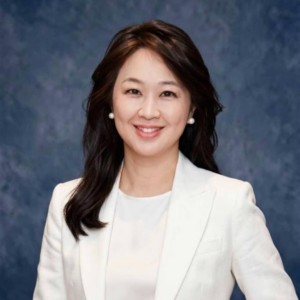
Claudia Ng
President of Hong Kong
Shandong Hi-Speed New Energy Group Limited
Claudia Ng
Shandong Hi-Speed New Energy Group Limited
President of Hong Kong
Claudia Ng brings nearly 20 years of cross-border executive expertise across Hong Kong-listed state-owned new energy groups and multinational technology corporations. She currently serves as Board Secretary, President of Hong Kong Office, and Sustainability Committee Member at Shandong Hi-Speed New Energy Group (1250.HK), leading corporate governance, investor relations, cross-border compliance, and group-wide ESG strategic deployment. Under her strategic ESG leadership, the Group built its foundational sustainability architecture from the ground up, successfully achieving historic inclusion in the S&P Global Corporate Sustainability Assessment (CSA) Yearbook (China Edition). Leveraging extensive cross-border governance experience, including a decade in MNC strategy and operations, she seamlessly combines commercial execution with board-level ESG governance to accelerate sustainable finance and the net-zero transition.
My Sustainability Goals for 2026:
- Board Accountability. Embed robust ESC governance and climate-riskmetrics into core board-level decision-making for cross-border listed companies.
- Practical Decarbonisation: Drive actionable, technology-backed decarbonization execution across new energy
project portfolios. - Ecosystem Building: Advance unified cross-market ESG disclosure standards and stakeholder engagement toreinforce Hong Kong’s position as Asia’s sustainable finance and climate action hub.
Speaking at 2026 sessions:
Day 2
Hong Kong as a Two-Way Sustainability Gateway: Connecting GBA Innovation with Global Markets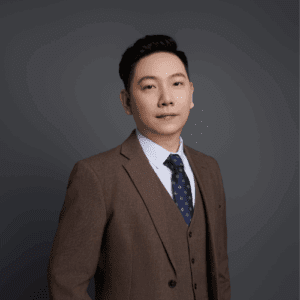
Leo Ren
ED & GM
CATL Choco-Swap HK

Leo Ren
CATL Choco-Swap HK
ED & GM
Leo holds a Master’s degree in Logistics Engineering and a Bachelor’s degree in Business Economics from the University of Duisburg-Essen in Germany, with a strong background combining engineering and business.
Since 2021, he has led the overseas aftermarket at CATL, building a global service network from scratch. During the pandemic, he successfully established eight regional warehouses, four repair centers, and three training hubs, covering 95 overseas sites. He also established strategic partnerships with Bosch, ZF, and other global players, earning CATL’s “President’s Award.”
Now, Leo serves as CATL Choco-Swap HK’s Executive Director and General Manager. He drives the global expansion of the “Choco-Swap” battery swapping ecosystem, focusing on building a standardized international battery swapping ecosystem via strategic global partnerships.
Speaking at 2026 sessions:
Day 2
Hong Kong as a Two-Way Sustainability Gateway: Connecting GBA Innovation with Global Markets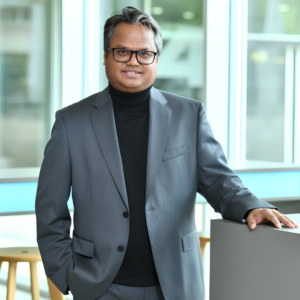
Feroz Sheikh
Group Chief Information and Digital Officer
Syngenta Group

Feroz Sheikh
Syngenta Group
Group Chief Information and Digital Officer
Feroz Sheikh is the Chief Information and Digital Officer at Syngenta Group, a global leader in agricultural innovation. Based in Basel, Switzerland, he drives the company’s IT and digital strategy, spearheading transformative initiatives to enhance food security, sustainability, and productivity in agriculture.
Feroz has been instrumental in advancing the company’s digital transformation, notably through the development of Cropwise, a digital platform connecting over 180 million acres of farmland worldwide. His leadership extends to Syngenta’s AI initiatives, which empower farmers with data-driven solutions.
Prior to joining Syngenta in 2018, Feroz was an accomplished entrepreneur, having founded and led multiple technology-driven ventures, securing venture capital funding and achieving successful mergers and acquisitions. He also contributed to philanthropic efforts, leveraging digital technologies to make education accessible to children in India.
As a passionate advocate for agricultural data standards, Feroz serves as Chairperson of the Board at AgGateway, a global non-profit consortium of over 200 companies driving digital connectivity in agriculture.
Feroz holds a bachelor’s degree from Delhi College of Engineering and completed the executive management program at the Indian Institute of Management, Kozhikode. His passion for innovation, rooted in early achievements like building a superconductor and a robotic arm in high school, continues to shape his vision for a sustainable agricultural future.
Speaking at 2026 sessions:
Day 2
Hong Kong as a Two-Way Sustainability Gateway: Connecting GBA Innovation with Global Markets
Naomi Zhang
Co-founder and CEO
RelyEZ Energy Storage Technology
Naomi Zhang
RelyEZ Energy Storage Technology
Co-founder and CEO
Naomi Zhang is the Co-Founder and CEO of RelyEZ Energy Storage Technology, a global battery energy storage system (BESS) technology and solutions provider committed to accelerating the transition toward a cleaner, more resilient and intelligent energy system.
Under Naomi’s leadership, RelyEZ has expanded its presence across major international energy markets, with projects and operations spanning Asia, Europe, the Americas and Africa. The company integrates energy storage technology, system design and delivery, digital energy management and lifecycle services, supporting utilities, developers and energy investors in deploying increasingly complex large-scale energy storage infrastructure.
Naomi brings a multidisciplinary background spanning renewable energy, investment banking and international business. Prior to founding RelyEZ, she worked in the renewable energy sector at DuPont and subsequently held senior positions in investment banking. This combination of industrial and financial experience has shaped her approach to the energy transition: clean-energy technologies must not only be technically innovative, but also bankable, scalable and commercially sustainable.
She is particularly focused on the convergence of energy storage, artificial intelligence and global energy markets, and on how digitalisation and advanced algorithms can transform energy storage from physical infrastructure into an intelligent, actively managed energy asset.
Based in the Greater Bay Area and working extensively across international markets, Naomi is also an advocate for Hong Kong’s role as a bridge connecting China’s green technology innovation with global capital, talent and markets.
My Sustainability Goals for 2026:
In 2026, my sustainability goal is to help accelerate the transition from simply deploying renewable energy to building intelligent, flexible and investable energy systems.
Through RelyEZ, I am focused on three priorities: expanding large-scale energy storage deployment across global markets; using AI and digital technologies to improve the efficiency, flexibility and economic value of energy assets; and developing commercially sustainable business models that can attract long-term institutional capital into the energy transition.
Beyond our own business growth, I hope to contribute to a stronger global ecosystem connecting green technology, responsible capital and international collaboration. In particular, I believe Hong Kong can play an important role in connecting China’s rapidly evolving clean-energy technologies with global investors, talent and markets.
Ultimately, our goal is not simply to deliver more battery capacity, but to enable a more resilient, efficient and sustainable global energy system.
Speaking at 2026 sessions:
Day 2
Hong Kong as a Two-Way Sustainability Gateway: Connecting GBA Innovation with Global MarketsWith thanks to
Invest Hong Kong
Booth E55
Invest Hong Kong (InvestHK) is the investment promotion agency of the Government of the Hong Kong Special Administrative Region (HKSAR).
Our vision is to strengthen Hong Kong’s status as a leading international finance and business hub.
Our mission is to facilitate and promote economically and strategically important investment, both inward and outward, to support the economic development of Hong Kong.
We support overseas and Mainland Chinese companies and institutions, from multinational corporates to startups, to plan, set up their business in Hong Kong, and to expand their operations and international reach via Hong Kong.
We collaborate with investment promotion agencies from around the world to facilitate this two-way investment.
In all our services, we uphold our core values: passion, professionalism, responsiveness, integrity, and customer service delivered from the heart.
Legal Name: Invest Hong Kong
General Enquiry Email Address: enq@InvestHK.gov.hk
General Enquiry Phone Number: 31071000
Meet our 2026 speakers:
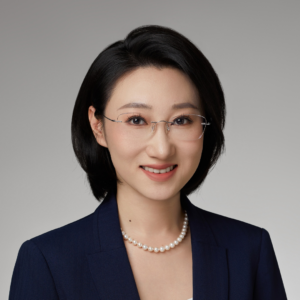
Diana Yang
Northern Metropolis Lead, Senior Vice President of Infrastructure
Invest Hong Kong
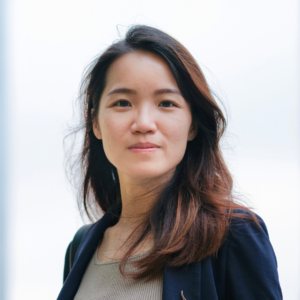
Olivia To
Senior Vice President (Sustainability) Technology, Innovation and Entrepreneurship
Invest Hong Kong
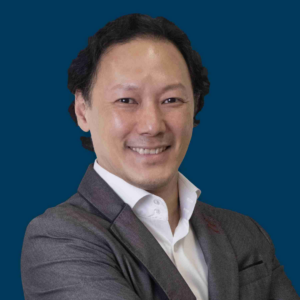
King Leung
Global Head of Financial Services, Fintech and Sustainability
Invest Hong Kong
Sindy Wong
Head of Consumer & Hospitality
Invest Hong Kong
Syngenta Group
Syngenta Group is one of the world’s biggest agricultural innovation companies, employing over 50,000 people in more than 90 countries. Syngenta Group is focused on developing technologies and farming practices that empower farmers, so they can make the transformation required to feed the world’s population while preserving our planet. Syngenta Group’s bold scientific discoveries deliver better benefits for farmers and society on a bigger scale than ever before. Guided by its Sustainability Goal, Syngenta Group supports farmers to grow healthier plants in healthier soil with a higher yield.
Legal Name: Syngenta AG
Meet our 2026 speakers:
15:30 – 16:20
As climate commitments mature, governance is becoming the critical link between ambition and delivery. Yet a persistent gap remains between high-level commitments and what happens in government, corporate boardrooms, and important institutions. Governance impacts how decisions are made, who is accountable, how different actors are coordinated, and how progress is tracked over time. It shapes whether strategies translate into consistent, credible action. This session explores how climate governance is evolving across both the public and private sectors. Bringing together diverse perspectives, it focuses on how decisions are made in practice, how trade-offs are managed, and what is needed to embed climate considerations into real-world strategies and operations.
Session Learnings:
How climate governance is shifting from commitments, coordination and disclosure toward decision-making and accountability
Post-Event Actions:
- How governance expectations are evolving across public and private sectors
- The role of leadership and institutions in translating ambition into action
- How organisations navigate trade-offs between short-term pressures and long-term transition goals
- What enabling conditions – policy, market, or organisational – support effective implementation
Speakers
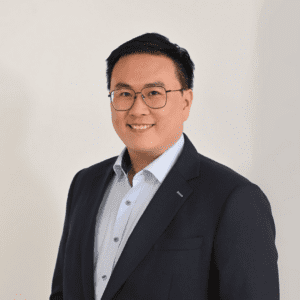
Moderator
Spencer Liu
Executive Director
Climate Governance Initiative Hong Kong Chapter
Spencer Liu
Climate Governance Initiative Hong Kong Chapter
Executive Director
Spencer Liu is Executive Director of the Climate Governance Initiative Hong Kong Chapter (CGI HK), a non-profit initiative dedicated to empowering board directors to exercise effective climate governance. In this role, Spencer works with business leaders and governance professionals to strengthen boardroom capabilities and embed climate oversight across Hong Kong’s corporate landscape, influencing through practical guidance, cross-sector engagement, and original research to support decision-making in the climate transition.
Beyond CGI HK, Spencer has founded Riverwood Climate Solutions, where he advises corporations and startups across Asia on climate technologies, with a focus on strategy and venture building in sustainable transportation and circular economy.
Earlier in his career, Spencer spent eight years at McKinsey & Company, where he co-led sustainability and green business building in Greater China as an Associate Partner. He is a CFA charterholder, CESGA holder, and LEED Green Associate.
My Sustainability Goals for 2026:
Deepen tradeoff discussions in sustainability-embedded business decisions in the board room
Speaking at 2026 sessions:
Day 2
Nature as a Business Solution: Inspirations for Hong Kong CompaniesClimate Governance in Practice: Decisions Shaping Climate Outcomes
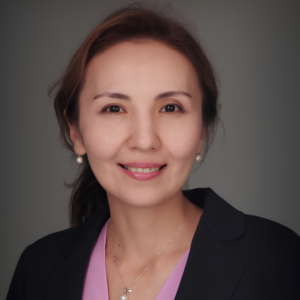
Aya Batyrbekova
Head of Sustainability Advisory Services – EMEA & APAC
ISS-Corporate

Aya Batyrbekova
ISS-Corporate
Head of Sustainability Advisory Services – EMEA & APAC
Aya Batyrbekova is Head of Sustainability Advisory Services for EMEA & APAC at ISS-Corporate, where she leads advisory engagements that help corporate issuers integrate sustainability into strategy, governance, reporting, and stakeholder engagement.
With nearly two decades of experience, she works with companies across sectors to navigate evolving investor expectations and sustainability disclosure requirements, providing practical, business-focused guidance that supports long-term value creation.
Prior to joining ISS-Corporate in 2015, Aya held a variety of roles at ISS STOXX and MCSI spanning sustainability, governance, compensation advisory, and research services. Earlier in her career, she worked in business development consulting and international development, including with the United Nations Development Programme (UNDP).
Aya holds a Master of Science in Multinational Commerce and Finance from Boston University and the CFA Institute Sustainable Investing Certificate.
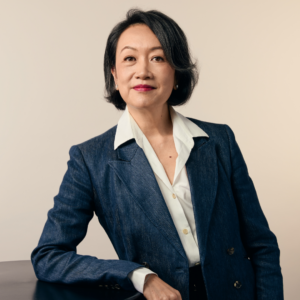
Teresa Ko
Former Vice Chair of IFRS Foundation
Teresa Ko
Former Vice Chair of IFRS Foundation
Often described as an icon in Hong Kong’s legal sector, Teresa Ko completed a 37-year career with Freshfields ( 32 years as partner) , China Chairman, and founder of its Asia equity capital markets practice. Advised on numerous landmark IPOs and M&A transactions, she was the first woman to chair the Hong Kong Stock Exchange’s Listing Committee, and held key public and international roles, including appointments with the SFC and HKMA, Co-Vice Chair of the IFRS Foundation, Chair of its Due Process Committee, and contributor to the establishment of the International Sustainability Standards Board. Co- founded Pedal Power, a cycling fundraiser supporting youth leadership, and founded Metier Minus, a registered charity promoting circularity in luxury fashion and empowering youth in HK . Currently she serves on the advisory committee of HKUST Business School, the finance and business committee of M+, and she is a Non-Executive Director of Chanel Limited.

Gillian E Meller
Legal and Governance Director
MTR Corporation

Gillian E Meller
MTR Corporation
Legal and Governance Director
Gill Meller is MTR Corporation Limited’s Legal & Governance Director. She is responsible for leading the Company’s environmental, social and governance initiatives and for overseeing the Company’s legal, company secretarial, insurance, risk and assurance management and procurement and supply chain functions.
Gill is qualified to practise as a solicitor in Hong Kong and England and Wales. She graduated with a Master of Arts degree in Geography from Hertford College, the University of Oxford and obtained her postgraduate qualifications in law from The College of Law in the United Kingdom. She is the chair of the Legal Committee of The Hong Kong General Chamber of Commerce, a member of the Listing Committee of The Stock Exchange of Hong Kong Limited and an independent director of Hong Kong, China Rugby. She is also a representative of the China/Hong Kong Division on and President of the Council of the international Chartered Governance Institute.
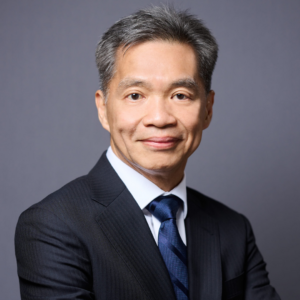
Eric Tang
Independent Non Executive Director
Chow Tai Fook Jewellery Group Limited
Eric Tang
Chow Tai Fook Jewellery Group Limited
Independent Non Executive Director
Mr. Tang Ying Cheung, Eric (“Mr. Tang”) is an independent non-executive director, chairman of the Audit Committee and Sustainability Committee of Chow Tai Fook Jewellery Group Limited.
Mr. Tang has over 35 years of audit and assurance experience, with clientele covering listed companies in Hong Kong, state owned enterprises, MNCs and SEC registrants. He has in-depth experience in consumer business industry and capital market transactions including initial public offerings, re-organisations, and strategic acquisitions. Mr. Tang was a Partner of Deloitte Touche Tohmatsu from 1999 to 2022. He had held different leadership roles during his tenure which included National Leader of Consumer Business & Transportation Industry, National Leader of Audit Learning, National Audit Risk Leader, and National Professional Practice Director, and he had served as a member of Deloitte China Governing Board. Mr. Tang has been appointed as an advisor of Deloitte Touche Tohmatsu since his retirement from Deloitte Touche Tohmatsu in 2022.
Mr. Tang is a Fellow member of the Hong Kong Institute of Certified Public Accountants and the Association of Chartered Certified Accountants; a member of the Chinese Institute of Certified Public Accountants and the American Institute of Certified Public Accountants; a Certified Internal Auditor of the Institute of Internal Auditors; and an FSA Credential Holder recognised by the IFRS Foundation. He is a member of Honorary Advisory Panel, a Panel Convenor of Financial Reporting Review Panel and a member of Investigation and Compliance Committee of the Hong Kong Accounting and Financial Reporting Council.
Supported by
Climate Governance Initiative Hong Kong Chapter
The Climate Governance Initiative Hong Kong Chapter (“CGI HK”) is a local Chapter of Climate Governance Initiative (“CGI”).
CGI empowers board directors on every continent to take climate action by enhancing their knowledge and skills in climate governance. Our rapidly growing network of Chapters in over 70 countries reaches more than 100,000 board directors.
Our sustainability goals for 2026:
- To mobilise boards to accelerate the transition to net zero and build climate resilience
- To help Hong Kong companies address their climate transition journeys and identify value in making their businesses more sustainable
Meet our 2026 speakers:
With thanks to
ISS-Corporate
Booth D35
ISS-Corporate is a leading provider of robust SaaS and expert advisory services to companies, globally. ISS-Corporate’s data-driven, research-backed Compass platform empowers businesses to understand and shape the signals they send to institutional investors, regulators, lenders, and other key stakeholders. By delivering essential data, tools, and advisory services, ISS-Corporate can help businesses around the world to be more resilient, align with market demands, and proactively manage governance, sustainability, compensation, and cyber risk initiatives.
Solutions Showcase:
- ESG Reporting/Consultancy
- Professional Services (inc Legal & Recruitment)
- Sustainability Services
- Technology & Innovation
Legal Name: ISS Corporate Solutions, Inc.
General Enquiry Email Address: info@iss-corporate.com
Meet our 2026 speakers:
16:30 – 17:35
Rewatch the debate: https://youtu.be/WKsSvPMKCYM
Read the summary: Key Learnings – The Great Debate
In this thought-provoking final session of ReThink HK, two teams of experts will go head-to-head to debate the power of local behavioural change and corporate-funded climate repair versus the deeply embedded expectations of a modern city.
Arguing in favour of the motion, the proposition will highlight how immediate, collective civic action such as community pledges to reduce high consumption habits like excessive air conditioning and waste can rapidly drive down carbon footprints and emissions without waiting for structural legislation. They will showcase how Hong Kong businesses can champion this shift by funding pioneering scientific research units dedicated to local climate repair, empowering consumers to audit their daily carbon choices and take immediate ownership of the crisis.
On the opposing side, the opposition will challenge the notion that citizens can solve the problem individually, arguing that luxury, convenience, and high energy usage are structurally woven into the very fabric of Hong Kong’s lifestyle and economic identity. They will address the limitations of placing the burden of a global crisis onto individual consumer behaviours, questioning whether lifestyle auditing alone can achieve the scale of impact needed to survive accelerating climate risks. Moderated by a leading sustainability thought leader, this dynamic debate will explore the friction between immediate habit changes and entrenched socio-economic realities, leaving the audience with actionable insights and a deeper understanding of our collective civic duty in shaping a sustainable economy.
Proposing Team
- Prof. Benjamin Horton, Dean, School of Energy and Environment, CityU Hong Kong
- Priscilla Lin, Manager, Strategy & Sustainability, Schneider Electric Hong Kong
- Francis Ngai, Founder and CEO, Social Ventures Hong Kong
Opposing Team
- Meng Yi Bay, Director, Sustainability, Singapore Environment Council (SEC)
- Sonalie Figueiras, Founder & Editor-in-Chief, Green Queen Media
- Ivy Leung, Executive Director, CarbonCare InnoLab
Speakers

Moderator
Helen Pink
Regional Director – Executive Engagement and Consulting
Punch Presentations

Helen Pink
Punch Presentations
Regional Director – Executive Engagement and Consulting
Former CEO of TEDxAmsterdamWomen, Helen has spent years leading large-scale professional productions while directly curating and coaching speakers to translate powerful ideas into high-impact, world-class TED talks with clarity, authority, and emotional resonance.
Now based in Hong Kong as Regional Director at Punch Presentations, Helen works with executives, high-performing teams, and event leaders across APAC. As an active public speaker and experienced moderator, she offers an insider’s perspective on stagecraft. Using a playful, learning-oriented approach, Helen coaches individuals and groups to master public speaking, sharpen their communication skills, and excel as captivating panel members and moderators. This results in presentations and discussions that are top-quality, authoritative, and high-impact.
My Sustainability Goals for 2026:
1) Raise awareness in every individual to live more consciously by knowing the impact their lifestyle has on the environment.
2) Provide actionable ideas on how to buy, use and dispose of food, packaging and household waste to turn awareness into long-term personal accountability
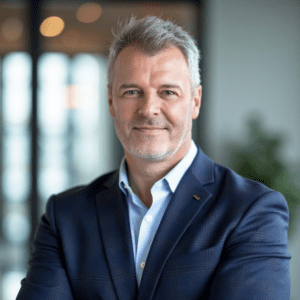
Prof. Benjamin Horton
Dean
School of Energy and Environment, City University of Hong Kong
Prof. Benjamin Horton
School of Energy and Environment, City University of Hong Kong
Dean
Professor Benjamin Horton is Dean of the School of Energy and Environment at City University of Hong Kong and a leading coastal scientist specializing in sea-level change. He has received major accolades from the European Geophysical Union, American Geophysical Union and Geological Society of America. Professor Horton is a Fellow of both the Geological Society of America and the American Geophysical Union. He served as a Review Editor for the Intergovernmental Panel on Climate Change (IPCC) Sixth Assessment Report, has been a contributor to the Conference of Parties (COP), and is currently the Principal Investigator of UN Decade of Ocean Science for Sustainable Development project, promoting global coastal policy through scientific leadership and interdisciplinary research.
Speaking at 2026 sessions:
Day 1
The Men in Black Session : Three Scientists. Three Systems. One Planet. Part II: Oceans: Sea-Level Rise and the Future of Coastal CitiesThe Men in Black Session : Three Scientists. Three Systems. One Planet. Part IV: Moderated Discussion
Day 2
The Great Debate: This House Believes Corporate Action and Individual Civic Duty, Not Policy Shifts, Are the Fastest Way to Achieve a Climate-Resilient Hong Kong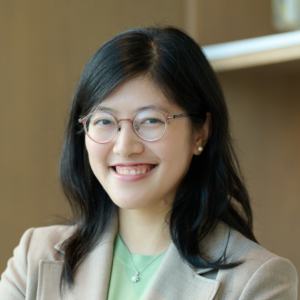
Priscilla Lin
Manager, Strategy & Sustainability
Schneider Electric (Hong Kong) Limited

Priscilla Lin
Schneider Electric (Hong Kong) Limited
Manager, Strategy & Sustainability
Priscilla Lin is Strategy and Sustainability Manager at Schneider Electric Hong Kong, where she works with businesses and institutions to accelerate climate action through technology, collaboration and innovation. She leads sustainability initiatives locally and supports organisations in advancing their climate commitments and resilience strategies.
Before joining Schneider Electric Hong Kong, Priscilla advised companies on sustainability strategy, reporting and stakeholder engagement. Drawing on experience from both the corporate and non-profit sectors, she is a strong advocate for collective action and believes meaningful climate progress requires collaboration among businesses, governments and communities.
Priscilla has participated in COP26, COP27 and COP29 and continues to champion climate education, youth empowerment and community engagement.
My sustainability goals for 2026:
To foster greater collaboration across business, government and civil society, accelerating climate action and integrating sustainable development more deeply into policy, business decision-making and public discourse.
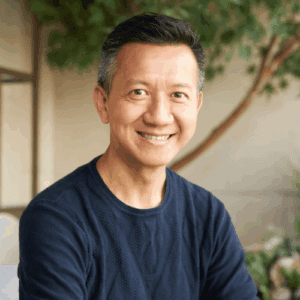
Francis Ngai
Founder and CEO
Social Ventures Hong Kong
Francis Ngai
Social Ventures Hong Kong
Founder and CEO
Francis Ngai is the Founder and CEO of Social Ventures Hong Kong. Since 2007, he’s been dedicated to impact design for the future urban city. His social innovation portfolio includes Hong Kong’s first venture philanthropy fund, Community Resilience Fund, Green Monday, Bottless, RunOurCity, LightBe affordable housing, Playtao Education, HATCH women empowerment initiative, COMM-ON co-caring space, Institute of Community Making, and COMSMOS impact consultancy, among others. Through impact strategy consulting and building collective platforms for corporates, family foundations, and government departments—including Airport Authority HK, Urban Renewal Authority HK, Swire Trust, Rosewood Hotel, Cathay Pacific, Standard Chartered, HK Management Association and Energizing Kowloon East Office—SVhk is committed to creating integrated impact solutions across all sectors in the city.
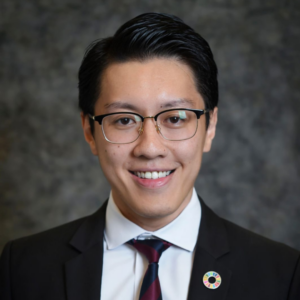
Meng Yi Bay
Director Sustainability
Singapore Environment Council
Meng Yi Bay
Singapore Environment Council
Director Sustainability
Bay Meng Yi is the Director for Sustainability of the Singapore Environment Council (SEC), a non-government organization that catalyses action towards environmental sustainability via certification and policy advocacy.
Meng Yi oversees SEC’s green certification programmes and sustainability initiatives, supporting companies and communities in integrating sustainable practices into their operations and daily lives. He also leads policy research and international collaborations, advancing SEC’s work on sustainable consumption, circular economy and green trade.
Prior to joining SEC, Meng Yi spent over a decade in the public sector, where he was involved in the development and implementation of recycling and circular economy policies. He holds a Bachelor’s degree in Chemical Engineering from the National University of Singapore, and Master’s degrees from Columbia University and Tsinghua University.
My Sustainability Goals for 2026:
- Sustainability is not merely about protecting the environment; it is about building resilient systems that allow people, communities and economies to prosper for generations to come.
- My goal is to build resilient, people-centric recycling systems; they are built not just on technology, but on people. I would like to help communities co-design solutions that make recycling accessible and efficient for everyday life.
- Recycling does not begin at the bin; it begins with design. I hope to create systems to incentivize products and packaging to be designed for recovery, reuse and recycling.
- I hope to support SMEs in integrating practical sustainability approaches into their operations, from resource efficiency to better waste management, so that sustainability becomes both achievable and value-adding for smaller businesses.

Sonalie Figueiras
Founder & Editor-in-Chief
Green Queen Media

Sonalie Figueiras
Green Queen Media
Founder & Editor-in-Chief
AsiaGlobal Fellow 2025, 2021 Women of Power, 2019 GEN T Honouree, V Label Global Hero, and two-time TEDx Speaker: serial social entrepreneur and trends forecaster Sonalie Figueiras is a sustainability expert, food futurist, and eco-powerhouse who has been inspiring international audiences for over a decade with practical steps to combat climate change. Known globally as the Green Queen, she is the founder and Editor-in-Chief of the award-winning Green Queen, the original impact media platform that educates millions about the link between food technology and climate change. She is also the co-founder and CEO of organic sourcing platform Ekowarehouse and climate tech SaaS Source Green. Additionally, Sonalie is a global keynote speaker, an advisor to multiple mission-driven startups and NGOs, and a venture partner and advisor to several venture capital funds.
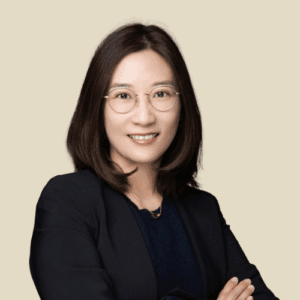
Ivy Leung
Executive Director
CarbonCare InnoLab

Ivy Leung
CarbonCare InnoLab
Executive Director
Ivy Leung is the Executive Director of CarbonCare InnoLab (CCIL), an environmental charity dedicated to driving climate solution, community resilience, and sustainability education. Ivy leads organizational strategy centered on “climate justice” and “just transition,” connecting climate solutions with social services to protect vulnerable urban communities from the impacts of the climate crisis.
Bringing a versatile background across journalism, non-profit management, philanthropic grantmaking, and corporate social responsibility, Ivy has served at HandsOn Hong Kong, The Hong Kong Jockey Club Charities Trust, and Hang Seng Bank. This cross-sector experience underpins her approach to stakeholder co-creation, public engagement, and regional decarbonization strategies. She holds a Master’s degree in Cultural Management from The Chinese University of Hong Kong and a Bachelor’s degree in Broadcast Journalism from Hong Kong Baptist University.
My Sustainability Goal for 2026:
- Enhance climate resilience of the communities
All sessions are subject to change.