
Resources Theatre
Resources Theatre
Day 1 – Thursday 10 Sept
Day 1 programme examines how material innovation and responsible sourcing can reshape value chains and reduce environmental impact. Participants will explore low-impact materials, bio-based alternatives, transparency tools, and the practices that strengthen traceability across regional supply networks. The programme highlights how businesses can adopt forward-looking material strategies that enhance resilience, competitiveness, and sustainability performance.
In partnership with
Asia Environmental Innovation Forum
Asia Environmental Innovation Forum (AEIF) aims to encourage and support innovative ideas and solutions proposed in response to the key environmental challenges facing the world. Every year, it holds an annual conference and a series of activities that bring together environmental innovators, investors, governments, enterprises, civil society and individuals.
Our sustainability goals for 2026:
- SDG11
- SDG12
- SDG13
- SDG14
- SDG15
Products, Services & Solutions:
- Circular Solutions
- New Materials/Chemicals
- Sustainable Products
- Technology & Innovation
- Waste Reduction & Recycling Management
General Enquiry Email Address: info@aeif.asia
General Enquiry Phone Number: +86 755 82762819
Meet our 2026 speakers:


Designing Hong Kong Ltd
Designing Hong Kong Limited is a not-for-profit organization devoted to promoting sustainability, quality of life and good design as core values in planning, development and governance. Its aim is to increase public awareness and to improve Hong Kong’s collective ability to plan and deliver a ‘beautiful’ city.
Hong Kong Institute of Urban Design
Established in 2010, the Hong Kong Institute of Urban Design (HKIUD) brings together urban designers and related professionals in practice and academia to champion good future ready urban design and placemaking strategies that deliver innovative, vibrant, sustainable, and resilient communities and cities with a commitment to professional ethics.
Our sustainability goals for 2026:
HKIUD strives to raise awareness of the impacts of urban design by influencing policy and decision making to enhance inclusive liveability, health and well-being for a better quality of life.
Products, Services & Solutions
- Charity/NGO
General Enquiry Email Address: inq@hkiud.org
General Enquiry Phone Number: 22359057
Meet our 2026 speakers:
Hong Kong Waste Management Association
Inaugurated on 14th September 1994 as a Registered Society, the Hong Kong Waste Management Association (HKWMA) has been the premier organization representing professionals in Hong Kong’s solid waste management and environmental industries. We take an active interest in all areas represented by our membership. Our members range from government officials, consultants, contractors and academia.
Our sustainability goals for 2026:
Working Towards Effective Waste Management for a Sustainable Society
Meet our 2026 speakers:
The Mills Fabrica
The Mills Fabrica is a global collaborative hub propelling sustainability-focused tech innovations within the techstyle and agrifood sectors. To innovators at various growth stages, it uniquely offers resources encompassing venture capital, incubation support, impact retail (Fabrica X), prototyping lab, co-working and event spaces in Hong Kong and London.
Our sustainability goals for 2026:
- Accelerating Scale for High-Impact Innovators: Channeling venture capital into techstyle and agrifood startups that align with the Stockholm Resilience Centre’s planetary boundaries framework.
- Expanding Supply Chain Ecosystem Partnerships: Deepening collaborations with global corporate brands through high-impact scouting initiatives—such as the Global Change Award and the Sustainability Innovation Challenge—to fast-track the commercial adoption and integration of sustainable technologies into upstream and downstream supply chains.
- Cultivating Conscious Consumption and Education: Utilising our impact retail store, Fabrica X, to act as experiential retail and educational touchpoint, translating complex sustainability knowledge into actionable insights to spark long-term consumer behavioral shifts.
General Enquiry Email Address: contact@themillsfabrica.com
General Enquiry Phone Number: 3979 2335
11:15 – 12:05
Materials are the fundamental DNA of architecture; they define its visible identity, and as such, its true value for people and the planet. Different material choices profoundly affect the overall construction carbon footprint, the sustainability of the supply chain associated with the construction industry, the sense of place and belonging that our cities provide for their inhabitants, and the ethical practices associated with sourcing and manufacturing them. By carefully choosing best practices and sustainable materials rooted in a place’s culture and identity, we ensure our buildings contribute to society and improve our environmental impact.
Session Learnings:
- How material choices contribute to the carbon impact of the construction industry (material type, origin, weight, efficiency)
- How materiality has a story of the place to tell, and links to people’s spaces and their identities
- How can we design and engineer buildings for maximum efficiency, ensuring they’re used to benefit from their best properties (for example, in structural engineering), and in the right quantities, avoiding unnecessary carbon budgets
Post-Event Actions:
- More conscious, embodied carbon-informed procurement process for delegates responsible for making decisions on construction projects.
- By understanding how materials link to a place’s heritage, delegates will be able to select, propose and prioritise the regeneration and adaptive reuse projects in the city.
- Spearheading low-carbon and biogenic materials in innovative, demonstrative projects that pave the way for code changes and the introduction of new structural and architectural materials.
Speakers

Moderator
Dr. Sujata Govada
Chairlady, Programs and Events Committee
Hong Kong Institute of Urban Design
Dr. Sujata Govada
Hong Kong Institute of Urban Design
Chairlady, Programs and Events Committee
Dr. Sujata S. Govada is an award-winning, qualified urban designer, certified urban planner and registered architect in India with over 35 years of experience having worked on a diverse range of projects in Hong Kong, US, Philippines, India and the region. She is the CEO and Managing Director of UDP International, an award winning global boutique practice based in Hong Kong since 1994, with representative offices in San Francisco, and Hyderabad, India. UDP International has won 16 major planning and design awards including Central Harbourfront Master Plan, Graham Street Urban Regeneration Alternate Proposal, Harbourfront Connectivity Study in Hong Kong, the Clark Green City Master Plan in the Philippines, Naya Dharavi Master Plan and IT Master Plan in India. UDP International is Innovative by Design leveraging award- winning smart and sustainable design and planning with a collaborative place-making approach with a focus on People, Place and Planet. Some of her recent and current projects include Kai Tak Sports Park and Smart Cultural Precinct @ Central in Hong Kong; large waterfront master planning projects in the Philippines and Balanced land use plan for a Marina District in the US; and the ADB Metro Rail TOD Project in Bengaluru and Urban Design and Architectural Guidelines for Amaravati in India.
Dr. Govada is the Founding Director of the Institute for Sustainable Urbanisation (ISU) which she set up in 2014 in Hong Kong. She has undertaken Smart City Research leading to the Hong Kong sections in Springer publications “Smart City Smart Economy” (2016), “E- Democracy” (2017), “Smart Metropolitan Region” (2018), “Smart Environment for Smart Cities” (2019), “Smart Living for Smart Cities (2020) and Smart Mega Cities” (2021) edited by Prof. T.M.V Kumar. ISU has also undertaken local initiatives such as the Smart Cultural Precinct (SCP) engaging the local community with a vision to develop a walkable Cultural Precinct in Central, Hong Kong. Over the last two years Dr. Govada has been involved with Ar. Sergeijs and his team in the Rebuilding Cities Workshop and was instrumental in making it an international workshop getting universities in Hong Kong, India and the US to participate as well. She has gained a reputation as a thought leader in shaping smart, sustainable, resilient, liveable and walkable communities and cities around the world.
In 2025, Dr. Govada was teaching as Part-time Lecturer in the Department of Architecture and Civil Engineering, Urban Design & Regional Planning Program of City University of Hong Kong. Prior to this, as an Adjunct Associate Professor, at the School of Architecture, The Chinese University of Hong Kong, Dr. Govada taught courses and studios as part of the master’s program in Urban Design that she also helped to start. She also was Assistant Professor at Urban Planning at the Department of Urban Planning and Design, the Faculty of Architecture, The University of Hong Kong, teaching part time in the master’s programs in Urban Design and Planning. She was also a Global Trustee of the Urban Land Institute (ULI) and was an Exco Member as well as the 2015 President of the Hong Kong Chapter of the American Institute of Architects (AIA Hong Kong). She was also the Founding Vice President of the Hong Kong Institute of Urban Design (HKIUD), which she was primarily responsible in setting up. Dr. Govada was also a former representative of the Harbourfront Commission in Hong Kong instrumental in the enhancing the Hong Kong harboufront. Dr. Govada was also an advisor for World Bank on their Transit Oriented Development (TOD) Study focused on design, planning, development, implementation and scaling up of TOD based developments around the world.
Speaking at 2026 sessions:
Day 1
Built to Last: Maximising Efficiency and Minimising Embodied Carbon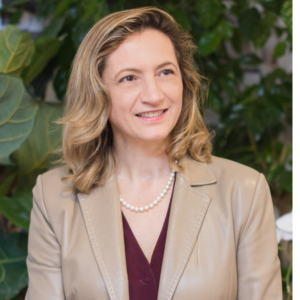
Dr. Christine Bruckner
Global Director
M Moser Associates

Dr. Christine Bruckner
M Moser Associates
Global Director
For over thirty years, Dr. Christine Bruckner has demonstrated that the spaces we build shape the lives we live, a conviction she brings to every stage she stands on. An architect, PhD (University of Tokyo), and graduate of Yale and Rice, she is one of the most credentialed voices in sustainable and wellness design working today. As leader of M Moser’s global integrative sustainable and wellness design initiatives, she has embedded WELL engineered design and urban integration strategies into projects spanning individual workplaces to citywide developments, shaping the built environment at every scale. What distinguishes her as a speaker isn’t the résumé; it’s what audiences walk away with.
Christine translates decades of global, practical experience into insight people can put to immediate use: how to design healthier buildings and cities, weave biophilic and WELL engineered principles into the spaces we occupy every day, and bring more intentional, people centered design thinking to the built environment. Audiences leave with real direction and the clarity to act on it. Whether addressing architects, executives, or entire communities, Christine delivers the opportunity to design and think beyond the expected, equipping audiences to understand the true value behind every priority and to fully realize these ideas in partnership.
Dr. Bruckner’s sustainability goals transverse places, people, projects and time periods. They are interwoven with every decision I make for myself, family, colleagues, clients and for people I may never meet and many who have not yet been born. For Christine, the stewardship of our shared world for present and future generations is a daily guide.
My Sustainability Goals for 2026:
- Deliver measurable positive impact, starting now. Every environment she designs or builds in 2026 and beyond is held to a single standard: leave it better than she found it — for the people who use it and the planet that supports it.
- Design in partnership with nature. Through her Design Essentials™ framework, she weaves biophilia and the natural world’s own laws into every project — creating architecture that works with nature rather than against it.
- Put human health first, without exception. From the boldest concept to the smallest specification, human health and wellbeing sit at the center of every design decision she makes.
Speaking at 2026 sessions:
Day 1
Built to Last: Maximising Efficiency and Minimising Embodied Carbon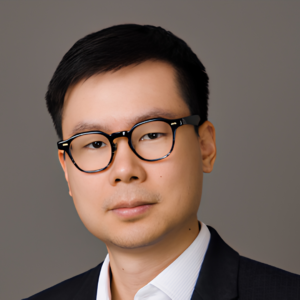
Ian Chan
Joint Managing Director
ASTD (Allied Success Technology Development)
Ian Chan
ASTD (Allied Success Technology Development)
Joint Managing Director
Ian P.H. Chan is joint managing director of ASTD (滙興 Allied Success Technology Development). ASTD is a leading plastic recycler, with a 20-year contract in EcoPark to recycle mixed waste plastics at scale from the entirety of Hong Kong.
ASTD stands apart from others by addressing the gap in this area and by finally introducing transparency and accountability to recycling with its revolutionary Green Hoop® system.
By proving that our most complex problems can be solved, we are now capable of systematically raising the standards of recycling and sustainability in Hong Kong.
My Sustainability Goal for 2026:
I hope to see Hong Kong jump at opportunities to adopt higher standards for recycling and sustainability overall for the sake of ourselves and the future generations.
Speaking at 2026 sessions:
Day 1
Built to Last: Maximising Efficiency and Minimising Embodied Carbon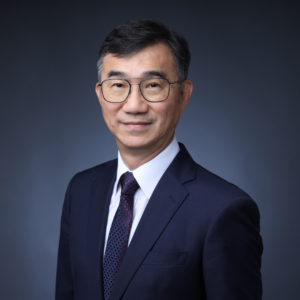
Ir Tai On Lee
Section Head (Applied R&D)
Building Technology Research Institute
Ir Tai On Lee
Building Technology Research Institute
Section Head (Applied R&D)
Ir LEE Tai-on is the Section Head (Applied R&D) at the BTRi, with over 40 years of experience in engineering and public service. He previously held senior roles in the Water Supplies Department (WSD), including Assistant Director (Mechanical & Electrical) and Chief Electrical & Mechanical Engineer, leading infrastructure operations and project development.
Ir LEE began his career in 1983 after earning a BSc in Electrical Engineering from the University of Hong Kong, completed Scheme A training at Hongkong Electric, and joined WSD in 1987. He became a Chartered Electrical Engineer in 1990 and after retirement, continued serving as Team Leader for M&E Projects of WSD from 2023 to 2025.
Ir LEE has extensive expertise in M&E system management, project delivery, innovation and technology applications, and departmental administration. He remains committed to advancing public infrastructure through engineering excellence and applied research.
My Sustainability Goals for 2026:
(1) achieving a low-carbon construction industry through wider adoption of green materials and carbon-conscious project delivery;
(2) advancing a circular economy by reducing construction waste through reuse, recycling, MiC and MiMEP; and
(3) creating a smarter and more climate-resilient built environment through smart technologies such as AI, digital twins, and predictive maintenance.
Speaking at 2026 sessions:
Day 1
Built to Last: Maximising Efficiency and Minimising Embodied Carbon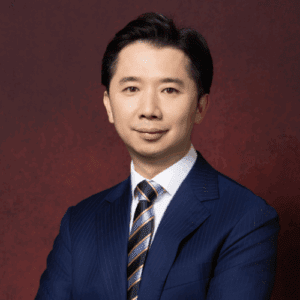
Rex Wong, JP
CEO
Kum Shing (K.F.) Construction Company Limited
Rex Wong, JP
Kum Shing (K.F.) Construction Company Limited
CEO
Mr Rex Wong Siu-han, JP is the CEO of Kum Shing Group, which actively participates in decarbonization-related projects. He is currently a member of Hong Kong Housing Authority, Construction Industry Council (“CIC”), Occupational Safety and Health Council, Steering Committee of New Energy Transport Fund and the Council of the City University of Hong Kong. He also serves as a Board member of CIC-Zero Carbon Park, member of CIC’s Committee on Environment and Sustainability, Chairperson of CIC’s Committee on Construction Safety, as well as the First Vice-President of Hong Kong Construction Association. Mr. Wong is a qualified BEAM Pro, LEED AP and a registered architect in the USA.
王紹恆先生, JP是金城營造集團行政總裁。該集團積極參與重大減碳相關項目。王先生現為香港房屋委員會、香港建造業議會、職業安全健康局、新能源運輸基金督導委員會和城市大學校董會的成員。他亦是零碳天地董事會成員、建造業議會環境及可持續發展專責委員會成員、建造業議會建造安全專責委員會主席,以及香港建造商會第一副會長。王先生是獲認可的綠建專才、LEED AP,亦是美國註冊建築師
Speaking at 2026 sessions:
Day 1
Built to Last: Maximising Efficiency and Minimising Embodied CarbonSupported by
Hong Kong Institute of Urban Design
Established in 2010, the Hong Kong Institute of Urban Design (HKIUD) brings together urban designers and related professionals in practice and academia to champion good future ready urban design and placemaking strategies that deliver innovative, vibrant, sustainable, and resilient communities and cities with a commitment to professional ethics.
Our sustainability goals for 2026:
HKIUD strives to raise awareness of the impacts of urban design by influencing policy and decision making to enhance inclusive liveability, health and well-being for a better quality of life.
Products, Services & Solutions
- Charity/NGO
General Enquiry Email Address: inq@hkiud.org
General Enquiry Phone Number: 22359057
Meet our 2026 speakers:
12:05 – 12:55
Asia sits at the heart of global textile production and is now a hotspot for bio‑based fibres, textile‑to‑textile recycling, and low‑impact dye technologies. This panel brings together an Asia‑based brand, regional materials innovators, and The Mills Fabrica to explore how collaboration across the value chain is turning the region into a testbed for the next generation of materials.
Session Learnings:
- Innovation is moving from ideas to workable systems – exploring how new fibre and processing approaches can be integrated across design, sourcing, and production realities.
- Regional partnerships accelerate adoption of lower-impact textiles – the session highlights how sharing expertise and developing joint solutions can reduce barriers to implementation.
- Next-generation materials require collective problem-solving – the panel will emphasise that breakthroughs in materials must be matched with compatible processes, partnerships, and end-to-end commitment to make impact measurable.
Post-Event Actions:
- Revisit your organisation’s impact goals and select one area to act on next (bio-based fibres, textile-to-textile recycling, or low-impact dye/finishing).
- Save and share the key takeaways from the session internally (with sustainability, sourcing, and product teams) to build alignment on priorities.
- Look for collaboration opportunities by identifying where you can contribute (materials, processing, buying power, or testing capacity) and who you could partner with.
Speakers
Moderator
Cintia Nunes
General Manager, Head of Asia
The Mills Fabrica
Cintia Nunes
The Mills Fabrica
General Manager, Head of Asia
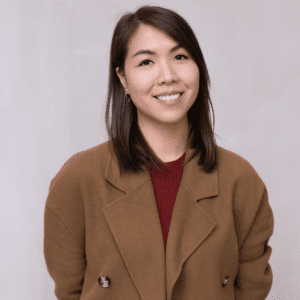
Cintia Nunes is the General Manager and Head of Asia of The Mills Fabrica. As the innovation engine to sustainability and impact of Hong Kong conglomerate Nan Fung Group, Cintia leads the team to connect innovators in the techstyle and agrifood tech space with capital, connections, and expertise — to bring sustainability tech innovations from concept to market.
Drawing inspiration from social business principles that prioritize both profitability and purpose, she is committed to facilitating collaboration among stakeholders across the ecosystem to advance positive environmental and social impact at scale.
Before joining The Mills Fabrica, Cintia served as Chief of Strategy and Growth at Hong Kong’s largest network of social enterprises and impact ventures. She also held leadership roles at a multinational FMCG company where she formalized business strategies for over 10 brands.
My Sustainability Goals for 2026:
- More industry level cross-sectors collaborations
- Open dialogues across stakeholder groups on what works/what doesn’t
- Accessibility/transparency to capital across asset classes for impact
Speaking at 2026 sessions:
Day 1
Asia’s Materials Revolution: Building Circular Textiles Through PartnershipsThe Mills Fabrica Start-up Pitching Series : Agrifood Track
Day 2
The Mills Fabrica Start-up Pitching Series : Techstyle TrackFrom Innovation to Impact: Leveraging Partnerships for Scope 3 Decarbonisation
Clement Chan
General Manager
DETERMINANT
Clement Chan
DETERMINANT
General Manager
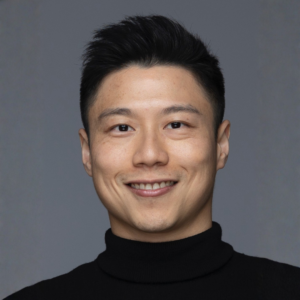
Clement Chan is General Manager of DETERMINANT APAC, the Hong Kong performance shirting brand. He owns the full profit and loss across Hong Kong, Singapore and Vietnam.
DETERMINANT works closely with our partner, so every material advance it sells has to be built with sustainability in mind. Its 360BETTER strategy commits the brand to textile waste innovation, garment life extension and water stewardship, and its Cotton Waterless Dye saves 40 litres of water per shirt. Clement’s job is to make those choices pay for themselves.
Speaking at 2026 sessions:
Day 1
Asia’s Materials Revolution: Building Circular Textiles Through Partnerships
Hoiki Liu
CEO / Founder / Podcast Host
Skyrex / Anthora / Conscious Cut Podcast

Hoiki Liu
Skyrex / Anthora / Conscious Cut Podcast
CEO / Founder / Podcast Host
Two decades deep in China’s garment manufacturing industry, Hoiki leads Nicetones and Skyrex with the kind of operational fluency that only comes from living every stage of production. That frontline experience — especially the cost of overproduction — pushed her to found Anthora Collection, a sustainable label built on deadstock and circular principles, and to host The Conscious Cut, a podcast digging into real solutions for more realistic circular systems.
In 2026 she completed a University of Hong Kong sustainability course taught by Harvard Business School faculty. Drawing on years of hands-on experience, she teaches and coaches on sustainable fashion and purposeful design across Hong Kong schools and university master’s programmes.
As sustainability and manufacturing lead at Exposed Layers, she helps turn garments into living digital objects through AR, NFC and digital product passports — including an experimental live phygital T-shirt project. She also led the crossover with HKCCPA on their inter-school cheongsam competition and fashion show.
As Director of Development at HKCCPA, she project-managed the three-part “A Thousand Threads, A Thousand Journeys” fashion show at Hong Kong Fashion Week / Centre Stage (September 2026), bringing the 12 winning Changshan designs to life and overseeing show direction for the Silver Stage. Nice Tones manufactured the Classics Anew collection.
My Sustainability Goals for 2026:
- With EU’s lead in banning overproduction from being destroyed, we need policies to ensure the overproduction ordered there, doesn’t end up here, we need to be careful about the movement of this excess waste.
- Enforce the reduction of waste, mandate recycling in schools.
- Implement forest school programs, environmental studies, R&D into all levels of education.
Speaking at 2026 sessions:
Day 1
Asia’s Materials Revolution: Building Circular Textiles Through Partnerships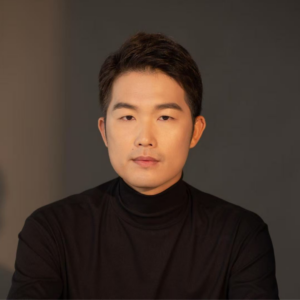
Aaron Ma
Brand Manager
Peelsphere
Aaron Ma
Peelsphere
Brand Manager
Ma Qiao is the Brand Manager at PEELSPHERE®, a bio-based materials innovation brand dedicated to developing sustainable material solutions by transforming agricultural and food waste into high-performance alternatives for fashion, lifestyle, and consumer industries.
At PEELSPHERE®, Ma Qiao leads brand development, strategic communication, and market positioning, working across design, research, and business teams to bridge material innovation with real-world applications. He focuses on translating advanced biomaterial technologies into compelling brand narratives and meaningful solutions for global partners across footwear, fashion, accessories, and consumer products.
With a strong interest in sustainable innovation and brand marketing, Ma Qiao contributes to building PEELSPHERE® as a next-generation materials platform, demonstrating how waste-derived resources can be transformed into desirable, scalable, and responsible materials for future industries.
Through his work, he supports PEELSPHERE®’s mission of redefining the relationship between materials, design, and sustainability, and advancing the transition toward a more circular material ecosystem.
Speaking at 2026 sessions:
Day 1
Asia’s Materials Revolution: Building Circular Textiles Through Partnerships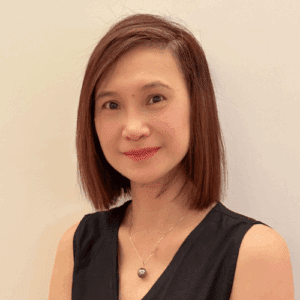
Audrey Yip
Deputy Head of Business Development
The Hong Kong Research Institute of Textiles and Apparel (HKRITA)

Audrey Yip
The Hong Kong Research Institute of Textiles and Apparel (HKRITA)
Deputy Head of Business Development
Audrey Yip is the Deputy Head of Business Development at The Hong Kong Research Institute of Textiles and Apparel (HKRITA), where she focuses initiatives in textile recycling, sustainability, and industrial innovation. With over 10 years of experience in textiles and apparel sales and merchandising, she worked extensively with international retailers and manufacturers. She is currently dedicated in driving the development of scalable recycling technologies and strengthening international collaboration to accelerate the textile industry’s transition toward a circular economy.
Speaking at 2026 sessions:
Day 1
Asia’s Materials Revolution: Building Circular Textiles Through PartnershipsSupported by
The Mills Fabrica
The Mills Fabrica is a global collaborative hub propelling sustainability-focused tech innovations within the techstyle and agrifood sectors. To innovators at various growth stages, it uniquely offers resources encompassing venture capital, incubation support, impact retail (Fabrica X), prototyping lab, co-working and event spaces in Hong Kong and London.
Our sustainability goals for 2026:
- Accelerating Scale for High-Impact Innovators: Channeling venture capital into techstyle and agrifood startups that align with the Stockholm Resilience Centre’s planetary boundaries framework.
- Expanding Supply Chain Ecosystem Partnerships: Deepening collaborations with global corporate brands through high-impact scouting initiatives—such as the Global Change Award and the Sustainability Innovation Challenge—to fast-track the commercial adoption and integration of sustainable technologies into upstream and downstream supply chains.
- Cultivating Conscious Consumption and Education: Utilising our impact retail store, Fabrica X, to act as experiential retail and educational touchpoint, translating complex sustainability knowledge into actionable insights to spark long-term consumer behavioral shifts.
General Enquiry Email Address: contact@themillsfabrica.com
General Enquiry Phone Number: 3979 2335
With thanks to
The Hong Kong Research Institute of Textiles and Apparel (HKRITA)
Booth C05
Established in 2006, HKRITA is funded by the Innovation and Technology Commission of the HKSAR Government and is hosted by The Hong Kong Polytechnic University. HKRITA contributes to the competitiveness of the textile and apparel industry by providing one-stop services in applied research, technology transfer and commercialisation. HKRITA also plays a vital and expanding role in driving sustainable improvements in the industry and thus bringing benefits to society as a whole.
Solutions Showcase:
- Circular Solutions
- New Materials/Chemicals
- Sustainable Products
Legal Name: The Hong Kong Research Institute of Textiles and Apparel
General Enquiry Email Address: info@hkrita.com
General Enquiry Phone Number: 26270180
General Enquiry Phone Number: R906-08, Shirley Chan Building, The Hong Kong Polytechnic University, Kowloon, Hong Kong
Meet our 2026 speakers:
12:55 – 13:45
Achieving a systematic transition to lower carbon emissions – by extending product lifecycles, recovering waste, and optimizing resources – demands more than technological advancement. It requires design thinking, behavioral incentives, and active community engagement to connect every actor directly to climate goals.
This session brings together designers, tech innovators, corporate ESG leaders, and community practitioners to address a central challenge: how to transform “carbon circularity” from an abstract concept into tangible, scalable action through innovative design, accessible technology, and behavioral change.
Session learnings:
A new language for climate conversations. Learn to explain the real connection between carbon capture and the circular economy in terms that resonate – not in the language of IPCC reports, but in narratives that move people, whether you are speaking to colleagues, clients, or students.
- On-the-ground practices already happening. Gain insight into innovations across the design end (building products that inherently support circularity), the production end (translating ESG commitments into tangible products and services), and the consumption end (how low-cost behavioral nudges are reshaping habits).
- A clearer map of where the real opportunities lie. Identify genuine pain points and unmet needs in circular economy innovation – including where technology costs have already dropped low enough to act, and where the barriers to behavioral change can actually be designed away.
- The connection you are missing. Whether you bring technology, capital, distribution channels, or user insight, you will have the opportunity to meet a complementary partner and make an initial connection before leaving the room.
Post-event Actions:
This is not a conversation about what the future should look like – it is a conversation about what is already happening and what is still missing. Different participants will leave with different entry points:
- Corporate ESG / Sustainability leaders: Integrate circular design principles into the evaluation framework for the next product development or procurement cycle.
- Designers / Innovation teams: Re-examine a current project’s material or process decisions through the lens of carbon circularity.
- Community practitioners / NGOs: Draw on behavioral incentive tools shared in the session to design or strengthen community-level climate action programs.
- Investors / Financial institutions: Identify potential investment targets or partners with a compelling circular economy narrative, and establish initial contact with innovators on the ground.
Speakers
Moderator
Dr. Patrick Yeung
Program Manager, East Asia
Plastic Solutions Fund
Dr. Patrick Yeung
Plastic Solutions Fund
Program Manager, East Asia
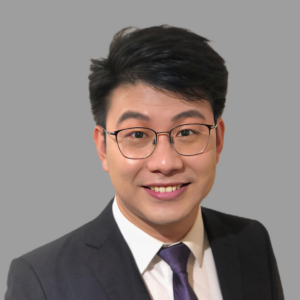
Patrick Yeung is the East Asia Program Manager at Plastic Solutions Fund, connecting the power of philanthropy to the grassroots and uniting organizations from small, local groups to international legal experts to end plastic pollution in the region. He is also supporting the Asia Environmental Innovation Forum as an expert advisor on sustainable development topics.
He obtained his PhD in marine biology from the Chinese University of Hong Kong in 2017, with professional field in ecological conservation. He joined the marine conservation team of WWF Hong Kong in 2014, to study on marine litter problems as well as coastal biodiversity through citizen science activities. He also led on identifying marine ecological hotspots as the basis for conservation and research works by facilitating expert groups. In 2019, he started working in Mainland China on marine and wetland habitat conservation, sustainable fisheries and ocean plastic.
Besides, he actively built partnerships with NGOs, government authorities, research institutes, industry associations, and managed funding programs, to provide more innovative and in-depth sustainability solutions. He also supported international cooperation and policy advocacy on nature conservation and sustainable blue economy development.
In his last job at AVPN, he leveraged the social investor network to support climate actions and promote sustainable development.
My Sustainability Goals for 2026:
- SDG 8, 11, 12, 13, 14, 15, 17
Speaking at 2026 sessions:
Day 1
Translating Circularity: From Material Innovation to Community Impact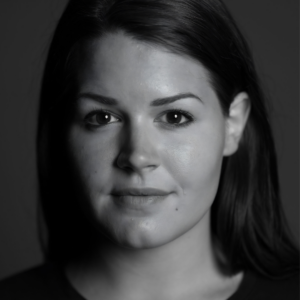
Dr. Emma Fromberg
Research Fellow
King’s College London Centre for Sustainable Business
Dr. Emma Fromberg
King’s College London Centre for Sustainable Business
Research Fellow
Dr. Emma H. E. Fromberg is a Research Fellow at King’s College London’s Centre for Sustainable Business, where she leads academic–industry partnerships focused on circular economy innovation and sustainable value chains.
Trained as an Industrial Design Engineer and Strategic Product Designer, her work explores how business-led activities can contribute to system-level change towards more regenerative and inclusive economic models.
Her doctoral research investigated how insights from ecology can inform a rethinking of economic systems. This work led to the development of Nature’s Playbook, a research-based circular economy innovation tool that supports organisations in applying ecological design thinking in practice. The project has been awarded innovation funding through the SPARK scheme at King’s College London and is currently being developed for international application, including a Mandarin translation.
Alongside this, she develops and delivers applied research projects with industry partners, including work on circular economy systems and the collection of low-value products with BIC, as well as a Knowledge Transfer Partnership with Circularise on Digital Product Passports for EV batteries, focusing on value creation beyond compliance and recycling.
Previously, she was Course Director in Sustainable Business at the University of Cambridge Institute for Sustainability Leadership (CISL), where she led the Postgraduate Certificate in Sustainable Business. She continues to contribute to CISL as an academic supervisor on the Postgraduate Diploma in Sustainable Business.
Earlier in her career, she led open education programmes at the Ellen MacArthur Foundation and contributed to the design and development of a circular economy MOOC for the Leiden-Delft-Erasmus Centre for Sustainability.
Speaking at 2026 sessions:
Day 1
Translating Circularity: From Material Innovation to Community Impact
Yuxi Lei
Founder/CEO
NANOxARCH® (材料乘以设计)
Yuxi Lei
NANOxARCH® (材料乘以设计)
Founder/CEO
Yuxi LEI is the Founder&CEO of NANOxARCH® (Materials × Design), a pioneering Sustainable Material Design(SMD) focused consulting venture based in Shenzhen, China.
Trained in Materials Chemistry and cross-disciplinary design, her work investigates how material innovation and circular design can catalyze systemic transition towards regenerative industrial value chains across built environment, manufacturing and consumer sectors, with a vision set in 2011 to turn materials into a medium to mitigate climate change and reshape the relationship between people and the planet to be healthier and more intimate.
Founded in 2018, NANOxARCH® pioneered and defined Sustainable Material Design(SMD). It is a systematic, full-lifecycle methodology centered on two core pillars: sustainable material development innovation and material application innovation. The complete industrial system spans waste recycling, material research, performance tuning, product and spatial deployment, supply chain rollout, IP cultivation and material storytelling. With this structured system, Yuxi and her team help enterprises cut carbon emissions, lower costs, upgrade products and elevate brand value. She also built the decade-long China Sustainable Materials System(CSMS) and created an exclusive MCF+B framework, compressing waste-to-material circular development cycles down to 2–6 weeks.
Alongside material innovation development, she leads her team to deliver strategic sustainability and ESG advisory for manufacturing enterprises preparing for capital markets from the niche perspective of materials, supporting organizations to embed circularity beyond compliance and build long-term regenerative business models. During the past 8 years, her research-led practice bridges lab-scale material technology, industrial scaling and market adoption, and provide tailored solutions for global partners such as Airbus, BMW and Covestro, and deliver official SMD courses at leading universities across China.
My Sustainability Goals for 2026:
- SDG3
- SDG9
- SDG11
- SDG12
- SDG13
Speaking at 2026 sessions:
Day 1
Translating Circularity: From Material Innovation to Community Impact
Qidan Wang
Senior Manager (Research)
HKU Jockey Club Enterprise Sustainability Global Research Institute
Qidan Wang
HKU Jockey Club Enterprise Sustainability Global Research Institute
Senior Manager (Research)
Ms. Qidan Wang is the Senior Manager (Research) at the HKU Jockey Club Enterprise Sustainability Global Research Institute, leading industry-focused research on pressing sustainability challenges. At the Institute, she is in charge of two flagship programs, including the NGO Empowerment Program, which examines how NGOs address environmental priorities such as decarbonization, biodiversity conservation, and waste reduction, as well as governance dimensions including transparency, accountability, and social responsiveness. Drawing on her consulting background and extensive cross-sector experience with corporates, regulators, financial institutions, and NGOs, she translates academic insights into actionable strategies and transforms sustainability concepts into measurable, real-world impact.
My Sustainability Goals for 2026:
1. Hong Kong’s scale and connectivity make it a prime environment for testing fresh ideas and new solutions in sustainability. Hope to see more locally-grown success stories that can travel across the region.
2. Waste reduction becomes a daily reality in Hong Kong, not just a conference conversation, and that local success here can pave the way for broader change.
Speaking at 2026 sessions:
Day 1
Translating Circularity: From Material Innovation to Community ImpactBeyond the Bin: Rethinking Waste in Hong Kong
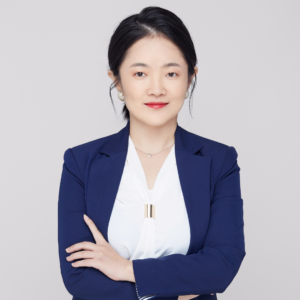
Miao Zhang
Director
Shanghai Ecocycle Circular Economy Center
Miao Zhang
Shanghai Ecocycle Circular Economy Center
Director
Zhang Miao is the founder and director of Shanghai Ecocycle Circular Economy Center, which is a think tank focusing on the research, communication and solutions exploration in the circular economy field. She is also the founder of R Cubic, a consulting company providing zero-waste solutions for hotels, office buildings and etc.
In the field of circular economy, Ecocycle has published 9 reports on specific sub-topics such as waste sorting, plastic pollution, textile recycling, and the recycling of retired “new Trio” products (lithium batteries, photovoltaic modules and wind power equipment ). These reports provide a detailed investigation and systematic review of the effectiveness of relevant solutions, the current state of recycling system development, and the evolution of domestic and international policies.
In recent years, Zhang Miao focus on the recycling of textile and lithium batteries, did research on the development of relative industries and followed up policies in China.
My Sustainability Goals for 2026:
- SDG11
- SDG12
Speaking at 2026 sessions:
Day 1
Translating Circularity: From Material Innovation to Community ImpactSupported by
Asia Environmental Innovation Forum
Asia Environmental Innovation Forum (AEIF) aims to encourage and support innovative ideas and solutions proposed in response to the key environmental challenges facing the world. Every year, it holds an annual conference and a series of activities that bring together environmental innovators, investors, governments, enterprises, civil society and individuals.
Our sustainability goals for 2026:
- SDG11
- SDG12
- SDG13
- SDG14
- SDG15
Products, Services & Solutions:
- Circular Solutions
- New Materials/Chemicals
- Sustainable Products
- Technology & Innovation
- Waste Reduction & Recycling Management
General Enquiry Email Address: info@aeif.asia
General Enquiry Phone Number: +86 755 82762819
Meet our 2026 speakers:
14:40 – 14:45
Speakers
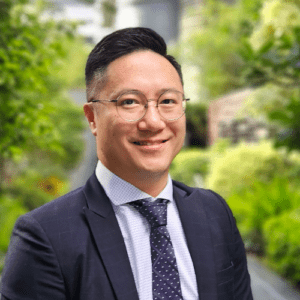
Andy Chan
Chairman
Hong Kong Waste Management Association
Andy Chan
Hong Kong Waste Management Association
Chairman
Mr. Andy Chan is currently serving as Technical Director at Binnies Hong Kong Limited. He also holds the position of Chairman of the Hong Kong Waste Management Association (HKWMA), where he actively contributes to shaping policies and practices in waste management in Hong Kong.
As a chartered civil engineer with nearly 20 years of diverse consulting experience in the United States and Hong Kong, Andy has specialized in civil, water, and environmental engineering. Throughout his career, he has successfully advised clients on critical issues such as flood management, climate change adaptation and mitigation, and effective waste management strategies.
At Binnies Hong Kong, Andy manages various environmental engineering and waste infrastructure projects, focusing on innovative solutions that promote resource recovery and beneficial reuse. His played pivotal roles in initiatives like the establishment of the Pilot Biochar Production Plant in EcoPark, the first of its kind in Hong Kong. Additionally, he is currently collaborating with the Environmental Protection Department (EPD) on the development of the Integrated Waste Management Facility Phase 2 (I.PARK2).
Andy’s passion for the environment and sustainability drives him to seek realistic advancements for a more sustainable future in Hong Kong through the principles of circular economy. His commitment to fostering collaboration among public and private sectors exemplifies his dedication to creating impactful changes in the community.
My Sustainability Goals for 2026:
- Foster a unique green culture consisting of a balance between life and sustainability within the hectic and congested living environment of Hong Kong
- Continue to forge collaborations between the public and private sectors in establishing a local circular economy.
Speaking at 2026 sessions:
Day 1
Opening Welcome HKWMAPublic-Private Synergy: Connecting Waste Infrastructure and Resource Recovery for a Circular Hong Kong
Supported by
Hong Kong Waste Management Association
Inaugurated on 14th September 1994 as a Registered Society, the Hong Kong Waste Management Association (HKWMA) has been the premier organization representing professionals in Hong Kong’s solid waste management and environmental industries. We take an active interest in all areas represented by our membership. Our members range from government officials, consultants, contractors and academia.
Our sustainability goals for 2026:
Working Towards Effective Waste Management for a Sustainable Society
Meet our 2026 speakers:
14:45 – 15:35
While the Government has expanded the local recycling network, achieving a truly circular economy requires deep integration between policy, private innovation, and community participation. This session explores how government policies, innovations and technologies such as AI-driven tools from the public sector and public perception can be further enhanced to optimize collection efficiency.
Beyond collection, the panel will examine the commercial viability of existing facilities, such as the recent additions of paper and vehicle batteries facilities, and identify the regulatory frameworks needed to sustain the momentum in resource recovery. By bridging the gap between government mandates and private sector operational expertise, there a clear opportunity to transform waste management from a service into a robust resource recovery industry. Our experts will discuss how cross-sector partnerships can unlock new value chains, ensuring Hong Kong’s sustainability goals are both technologically advanced and economically resilient.
Session Learnings:
- Understand how government policies and private sector operations can align to create a seamless, city-wide collection infrastructure.
- Learn how to resource recovery can be a sustaining commercial industry
- Gain insights into the upcoming legislative frameworks to support long-term success of recycling facilities.
- Identify opportunities for government, business and the public can co-develop innovative solutions for Hong Kong’s unique urban waste challenges.
Post-Event Actions:
- Insights into establishing a framework for all parties involved.
- Tools for communicating the economic and environmental rewards of advanced resource recovery to internal boards and external community partners.
- Actions that can be taken to collaboratively move the resource recovery movement forward in the short term.
Speakers
Moderator
Andy Chan
Chairman
Hong Kong Waste Management Association
Andy Chan
Hong Kong Waste Management Association
Chairman
Mr. Andy Chan is currently serving as Technical Director at Binnies Hong Kong Limited. He also holds the position of Chairman of the Hong Kong Waste Management Association (HKWMA), where he actively contributes to shaping policies and practices in waste management in Hong Kong.
As a chartered civil engineer with nearly 20 years of diverse consulting experience in the United States and Hong Kong, Andy has specialized in civil, water, and environmental engineering. Throughout his career, he has successfully advised clients on critical issues such as flood management, climate change adaptation and mitigation, and effective waste management strategies.
At Binnies Hong Kong, Andy manages various environmental engineering and waste infrastructure projects, focusing on innovative solutions that promote resource recovery and beneficial reuse. His played pivotal roles in initiatives like the establishment of the Pilot Biochar Production Plant in EcoPark, the first of its kind in Hong Kong. Additionally, he is currently collaborating with the Environmental Protection Department (EPD) on the development of the Integrated Waste Management Facility Phase 2 (I.PARK2).
Andy’s passion for the environment and sustainability drives him to seek realistic advancements for a more sustainable future in Hong Kong through the principles of circular economy. His commitment to fostering collaboration among public and private sectors exemplifies his dedication to creating impactful changes in the community.
My Sustainability Goals for 2026:
- Foster a unique green culture consisting of a balance between life and sustainability within the hectic and congested living environment of Hong Kong
- Continue to forge collaborations between the public and private sectors in establishing a local circular economy.
Speaking at 2026 sessions:
Day 1
Opening Welcome HKWMAPublic-Private Synergy: Connecting Waste Infrastructure and Resource Recovery for a Circular Hong Kong

Dr. Vanessa Au
Deputy Director of Environmental Protection
Environmental Protection Department
Dr. Vanessa Au
Environmental Protection Department
Deputy Director of Environmental Protection
Dr Vanessa Au is the Deputy Director of Environmental Protection of the Government of the Hong Kong Special Administrative Region. She is responsible for implementing the statutory environmental impact assessments, integrating environmental considerations into infrastructure development and planning, overseeing environmental compliance and enforcement, and managing water quality and sewerage infrastructure. Vanessa had worked in various divisions and had been responsible for different environmental portfolios, including waste reduction, community recycling, air pollution control, and air quality monitoring. Before taking up her current appointment, Vanessa served as the Assistant Director (Air Quality Management) and Assistant Director (Waste Reduction and Recycling).
My Sustainability Goal for 2026:
To forge public-private synergies by establishing regulatory frameworks and cross-sector partnerships that transform waste management into an economically resilient resource recovery industry, driving Hong Kong towards a truly circular economy and carbon neutrality by 2050.
Speaking at 2026 sessions:
Day 1
Public-Private Synergy: Connecting Waste Infrastructure and Resource Recovery for a Circular Hong Kong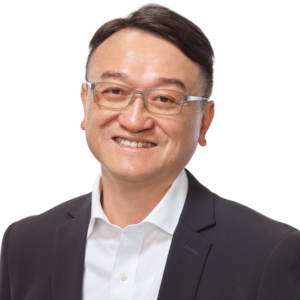
Alex Law
Director of Tendering
The Jardine Engineering Corporation Ltd
Alex Law
Jardine Engineering Corporation
Director of Tendering
Alex is the Director of Tendering at JEC, bringing over 33 years of experience in the engineering industry. A corporate member of HKIE, he has more than 25 years of post-qualification experience. He has played a leading role in the development of major Design-Build-Operate projects, including Hong Kong’s first desalination plant in Tseung Kwan O and O·PARK2, a waste-to-energy facility. He also serves on the board of directors for these landmark projects, providing strategic oversight and governance.
With strong expertise in strategic business partnering, he works closely with joint venture partners to drive project success and long-term value creation. In addition, he is actively involved in new business development, championing the adoption of innovative technologies to advance sustainability and support future growth.
Speaking at 2026 sessions:
Day 1
Public-Private Synergy: Connecting Waste Infrastructure and Resource Recovery for a Circular Hong Kong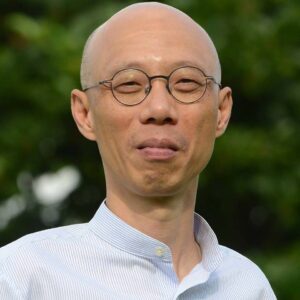
KS Wong
Chairman
Wu Zhi Qiao (Bridge to China) Charitable Foundation
KS Wong
Wu Zhi Qiao (Bridge to China) Charitable Foundation
Chairman
Professor WONG Kam Sing, GBS, JP
Professor Wong is currently chairman of Wu Zhi Qiao (Bridge to China) Charitable Foundation (WZQ), and serves as honorary/adjunct professor in various universities including The University of Hong Kong (HKU) and The Chinese University of Hong Kong (CUHK). He is Distinguished Department of Architecture Fellow and Adjunct Professor in the Department of Politics and Public Administration, HKU, Adjunct Professor in the School of Architecture, CUHK, and Honorary Professor in Hong Kong Chu Hai College.
WZQ was formally established in 2007, recently with charity projects in both Mainland Chinese and Hong Kong focusing on “rural revitalization x youth development x low-carbon transformation”. In Hong Kong, WZQ is leading two recent community projects, namely Management Agreement Scheme at Lai Chi Wo Enclave, and Jockey Club Sha Tau Kok Eco Eight Recycling and Ecotourism Education Project.
Professor Wong published the book Hong Kong’s Stories in the Journey towards Carbon Neutrality in 2024, and has been acting as a columnist contributing monthly articles on stories about Hong Kong community’s climate and environmental actions via the online media outlet HK01 since July 2024.
He was the former Secretary for the Environment in Hong Kong Special Administrative Region Government in 2012-2022. During his 10-year tenure as the “Environment Minister”, he launched a series of policy blueprints on climate actions, energy saving, clean air, popularisation of electric vehicles, waste management, and biodiversity conservation, leading Hong Kong towards carbon neutrality before 2050.
My Sustainability Goals for 2026:
1. Strengthening climate governance
2. Enhancing biodiversity and countryside conservation
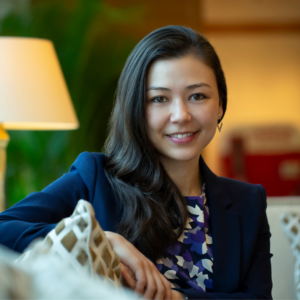
Samantha Woods
Sustainability Director
Swire Coca-Cola
Samantha Woods
Swire Coca-Cola
Sustainability Director
Samantha Woods is Sustainability Director at Swire Coca-Cola, the fifth-largest bottling partner of The Coca-Cola Company by global volume. She is responsible for shaping and overseeing the company’s sustainability strategy across Greater China, Southeast Asia and the United States, working with leaders across the business to embed sustainability into operations, planning and decision-making. Her responsibilities span strategy, governance, target-setting, performance management and stakeholder engagement across key priorities including climate, water, packaging and circularity.
Prior to joining Swire Coca-Cola, Samantha held sustainability leadership roles at John Swire & Sons (HK) Ltd. and ELEVATE, and co-founded a social enterprise focused on urban rooftop farming. She is passionate about demonstrating that sustainability can strengthen business performance, resilience and long-term value creation while delivering positive outcomes for people and the planet.
My Sustainability Goals for 2026:
1. Collaboration between government, industry and consumers to build a practical, trusted and scalable circular economy for packaging, ensuring that more materials are collected and recycled.
2. Greater public appreciation for nature, helping more people understand the value of Hong Kong’s biodiversity and the importance of protecting it for our wellbeing and resilience.
Supported by
Environmental Protection Department
Meet our 2026 speakers:
Hong Kong Waste Management Association
Inaugurated on 14th September 1994 as a Registered Society, the Hong Kong Waste Management Association (HKWMA) has been the premier organization representing professionals in Hong Kong’s solid waste management and environmental industries. We take an active interest in all areas represented by our membership. Our members range from government officials, consultants, contractors and academia.
Our sustainability goals for 2026:
Working Towards Effective Waste Management for a Sustainable Society
Meet our 2026 speakers:
With thanks to
Jardine Engineering Corporation
JEC was established in 1923 and is headquartered in Hong Kong and operates throughout Asia. We enable customers to operate their facilities at world-class standards by providing contracting expertise to design, supply and install building and specialised processes; facility operation and management; asset enhancement and energy management; and the sourcing of electrical and mechanical equipment and architectural fixtures. JEC is part of Jardine Matheson.
Our sustainability goals for 2026:
- Environment – Deliver the SBTi validated decarbonisation pathway, enlarge our impacts into providing energy efficiency and business circular solutions to our clients and improve resource efficiency
- People – Minimise site-related health risks, improve safety performance and invest in workforce wellbeing and capability through safety innovation, wellness programmes and continuous learning
- Governance – Strengthen ESG leadership by embedding climate risks into enterprise risk management, refreshing materiality using a double materiality approach, and expanding ESG accountability across supplier engagement
Solutions Showcase:
- Efficient Energy & Utilities
- Engineering & Infrastructure
- Renewable Energy
- Sustainable Products
- Technology & Innovation
Legal Name: The Jardine Engineering Corporation, Limited
General Enquiry Email Address: jec@jec.com
General Business Address: 5/F, Tower A, Manulife Financial Centre, 223-231 Wai Yip Street, Kwun Tong, Kowloon, Hong Kong
Meet our 2026 speakers:
15:35 – 16:25
Hong Kong is entering a transformative era where waste management evolves from a municipal necessity into a high-value growth sector. By leveraging the city’s unique “Super-Connector” status, this session explores the immense commercial opportunities emerging at the intersection of national-level plans, local government policy, and the unique yet pivotal role Hong Kong plays.
Our panel, comprising government officials and multi-industry business leaders, will examine successful waste management models from beyond our borders to identify transferable innovations in policy and technology. By fostering knowledge exchange and collaboration, the discussion will focus on how businesses can capitalize on regional synergies to drive large-scale impacts in resource recovery. We will explore how Hong Kong can bypass long-standing hurdles, aligning our local expertise with those beyond our borders to build a world-class sustainability hub.
Session Learnings:
- Identify specific, successful waste management and circular economy models from beyond our borders that can be adapted to Hong Kong’s high-density urban environment.
- Gain insights into how Hong Kong’s regulatory framework is evolving to better harmonize with regional standards, facilitating smoother cross-border collaboration.
- Understand how leveraging Hong Kong’s “Super-Connector” status can help businesses attract green investment by serving as a gateway to regional sustainability projects.
- Discover established platforms and informal channels for ongoing knowledge exchange between Hong Kong industry leaders and their regional counterparts.
Post-Event Actions:
- Facilitate organizations to identify opportunities presented to Hong Kong’s waste management and resource recovery industry.
- Familiarize with the waste management best practices currently being conducted in the neighbouring regions for the benefits in Hong Kong.
- Sustainability and resource recovery opportunities are everywhere, look into our neighbouring regions for innovations and inspirations.
Speakers

Moderator
Kitty Lee
Committee Member
Hong Kong Waste Management Association
Kitty Lee
Hong Kong Waste Management Association
Committee Member
Kitty is a committee member of the Hong Kong Waste Management Association (HKWMA) and has served the organization for over a decade. She is also a Chartered Environmental Engineer, a Chartered Water and Environmental Manager, Engineering EIA Professional and a Certified ESG Analyst with over 16 years of professional experience. She has been based in Hong Kong and has worked on projects in Hong Kong, China, Australia, India, Malaysia and the US. Her expertise includes the delivery of environmental projects related to waste, hydraulic, water, drainage, sewerage, environmental assessment and sustainability. She has been involved in several iconic projects such as Integrated Waste Management Facility (I∙Park 1), Organic Waste Treatment Facility Phase 2 (O∙Park 2), Pillar Point Sewage treatment Works, Tai Po Water Treatment Works Phase 2. She is passionate about the environment and sustainability. She is currently an Associate Director in the Environmental Team at SJ Group focusing on waste management and resource recovery.
Speaking at 2026 sessions:
Day 1
The New Green Frontier: Driving Circular Innovation and Cross-Border Synergy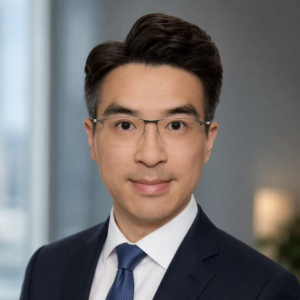
Alfred Wong
Senior Business Development Manager
Grandblue Environment Co., Ltd.

Alfred Wong
Grandblue Environment Co., Ltd.
Senior Business Development Manager
Alfred Wong leads business development activities for Grandblue Environment Co., Ltd. in Hong Kong, focusing on environmental projects including waste transfer stations, waste-to-energy facilities, effluent polishing plants and other municipal environmental services.
His work is dedicated to supporting sustainable development through circular economy solutions, resource recovery initiatives and environmental infrastructure improvements. He works closely with public and private sector stakeholders to identify opportunities that help advance Hong Kong’s environmental and climate ambitions.
Backed by Grandblue’s integrated expertise across solid waste management, sewerage services, water supply and renewable energy solutions, he is particularly interested in supporting the adoption and implementation of proven environmental technologies and sustainability solutions in Hong Kong, helping advance decarbonization, resource efficiency and long-term environmental resilience.
My Sustainability Goals for 2026:
1. Introduce fully electric container vessels for waste transfer into daily operations, reducing carbon emissions in marine transport.
2. Enhance public awareness of hydrogen solutions and explore application opportunities as part of Hong Kong’s low-carbon energy future.
Speaking at 2026 sessions:
Day 1
The New Green Frontier: Driving Circular Innovation and Cross-Border Synergy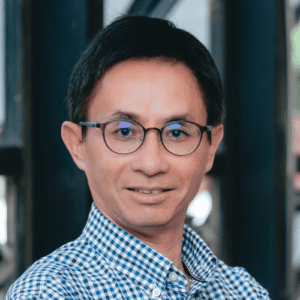
Ir Kenny Wong
Director, Business Development and Projects – Hong Kong
ALBA Group Asia
Ir Kenny Wong
ALBA Group Asia
Director, Business Development and Projects – Hong Kong
Ir Kenny Wong is the Director, Business Development & Projects – Hong Kong of ALBA Group Asia. Ir Wong is responsible for identifying, developing and implementing projects for waste management and recycling to foster circular economy and carbon neutrality. He is also acting as the Director and Project Manager of the WEEE·PARK that is currently recycling over 23,000 tons of waste electrical & electronic equipment per year. Ir Wong has over 30 years of experience in environmental management and technologies R&D, with expertise in waste, energy and carbon management, corporate sustainability; and has been leading design and implementation of cleaner production systems for various industries, R&D & commercialization of technologies. Ir Wong also has extensive experience in leading public policy research and studies; including development and implementation, as well as conducting stakeholders’ engagement on government policies and initiatives. Ir Wong is enthusiastic in contributing to the community through providing volunteer services to serve in government’s boards/ committees as well as senior positions in renowned local and international environmental / engineering institutions.
My Sustainability Goals for 2026:
- Accelerate transition to Circular Economy
- Achieve carbon neutrality before 2050
Speaking at 2026 sessions:
Day 1
The New Green Frontier: Driving Circular Innovation and Cross-Border Synergy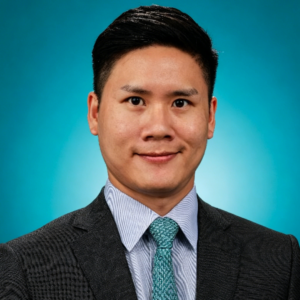
Steve Wong
Assistant Director (Waste Management)
Environmental Protection Department
Steve Wong
Environmental Protection Department
Assistant Director (Waste Management)
Assistant Director of Environmental Protection for the Government of the Hong Kong Special Administrative Region. He is responsible for the policy formulation and implementation of Hong Kong’s waste management, resources recovery and circular economy, including driving legislative proposals for producer responsibility schemes, regulating disposable plastic tableware and other plastic products, and promoting the regional co-operation under “Zero Waste Bay Area”.
My Sustainability Goals for 2026:
To cultivate regional synergy across the GBA by accelerating the deployment of circular innovations and recovery infrastructure. We aim to achieve “zero landfill” by 2035 without the need for a third incinerator and carbon neutrality by 2050.
Speaking at 2026 sessions:
Day 1
The New Green Frontier: Driving Circular Innovation and Cross-Border Synergy
Diana Yang
Northern Metropolis Lead, Senior Vice President of Infrastructure
Invest Hong Kong

Diana Yang
Invest Hong Kong
Northern Metropolis Lead, Senior Vice President of Infrastructure
Prior to joining Invest Hong Kong of the HKSAR Government, Ms. Diana YANG worked for a French multinational engineering group and a Chinese state-owned construction enterprise. She boasts a decade of in-depth experience in Hong Kong’s construction sector, with expertise spanning the full lifecycle of infrastructure projects, covering tendering and design, construction and installation, digitalisation deployment, carbon-neutral construction practices, and infrastructure operation and maintenance.
At the end of 2022, Invest Hong Kong established a dedicated Infrastructure Team to bolster its investment promotion efforts for the Northern Metropolis and infrastructure development. In this role, Ms. Yang has successfully supported numerous local and overseas enterprises to establish a foothold in Hong Kong, ranges from tech start-ups to large state-owned enterprises, for whom she delivers end-to-end support covering strategic planning through to on-the-ground implementation.
Speaking at 2026 sessions:
Day 1
The New Green Frontier: Driving Circular Innovation and Cross-Border SynergySupported by
Environmental Protection Department
Meet our 2026 speakers:
Hong Kong Waste Management Association
Inaugurated on 14th September 1994 as a Registered Society, the Hong Kong Waste Management Association (HKWMA) has been the premier organization representing professionals in Hong Kong’s solid waste management and environmental industries. We take an active interest in all areas represented by our membership. Our members range from government officials, consultants, contractors and academia.
Our sustainability goals for 2026:
Working Towards Effective Waste Management for a Sustainable Society
Meet our 2026 speakers:
16:25 – 17:15
Hong Kong government has created the legal framework necessary to roll out ‘producer responsibility schemes’ to cover the collection and recycling used packaging and products at the end of life. The first to roll out is beverage packaging including plastic bottles and drink cartons. What can we learn from the high recycling rates for paper and metal in Hong Kong? How did we achieve this? Can we successfully expand existing networks to collect other materials? What can we learn from other economies? Who pays?
Session Learnings:
- Which recycling models succeed in dense Asian communities? How do they differ from European models?
- How do Asian cities leverage their extensive networks of cleaners in collecting recyclables?
- How to facilitate separation and sorting along the route from consumer to processors?
- How to adapt and grow recycling systems to include ever more items, including different types of plastics?
Post-Event Actions:
- Ways in which property managers can support residents and cleaners with recycling
- Policy makers to recognize and support cleaners with their recycling work
- Producers and recyclers to work closely with property managers and cleaners
Speakers
Moderator
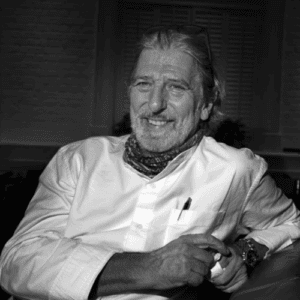
Paul Zimmerman
CEO
Designing Hong Kong Ltd
Paul Zimmerman
Drink Without Waste
CEO
Speaking at 2026 sessions:
Day 1
Designing Recycling Systems for Local Communities: Paper, Metal, Plastic and Beyond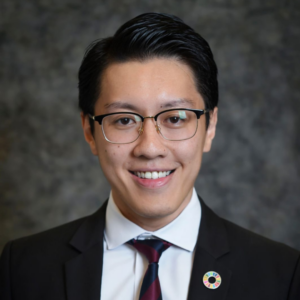
Meng Yi Bay
Director Sustainability
Singapore Environment Council
Meng Yi Bay
Singapore Environment Council
Director Sustainability
Bay Meng Yi is the Director for Sustainability of the Singapore Environment Council (SEC), a non-government organization that catalyses action towards environmental sustainability via certification and policy advocacy.
Meng Yi oversees SEC’s green certification programmes and sustainability initiatives, supporting companies and communities in integrating sustainable practices into their operations and daily lives. He also leads policy research and international collaborations, advancing SEC’s work on sustainable consumption, circular economy and green trade.
Prior to joining SEC, Meng Yi spent over a decade in the public sector, where he was involved in the development and implementation of recycling and circular economy policies. He holds a Bachelor’s degree in Chemical Engineering from the National University of Singapore, and Master’s degrees from Columbia University and Tsinghua University.
My Sustainability Goals for 2026:
- Sustainability is not merely about protecting the environment; it is about building resilient systems that allow people, communities and economies to prosper for generations to come.
- My goal is to build resilient, people-centric recycling systems; they are built not just on technology, but on people. I would like to help communities co-design solutions that make recycling accessible and efficient for everyday life.
- Recycling does not begin at the bin; it begins with design. I hope to create systems to incentivize products and packaging to be designed for recovery, reuse and recycling.
- I hope to support SMEs in integrating practical sustainability approaches into their operations, from resource efficiency to better waste management, so that sustainability becomes both achievable and value-adding for smaller businesses.
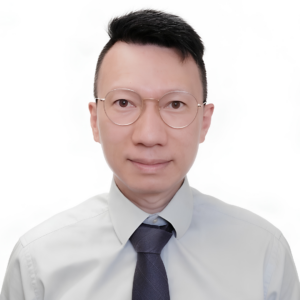
Ir Dr. Michael Ching
Head of Climate Technology and Innovation, Green Living and Innovation Division
Hong Kong Productivity Council

Ir Dr. Michael Ching
Hong Kong Productivity Council
Head of Climate Technology and Innovation, Green Living and Innovation Division
Ir Dr. Michael Ching, Head of Climate Technology and Innovation at the Hong Kong Productivity Council (HKPC), is a leading expert in energy efficiency, sustainable development, and climate technology. With over 20 years of experience in computational fluid dynamics (CFD) modeling, building ventilation analysis, retro-commissioning, and carbon/energy/waste auditing, he has pioneered innovative solutions that bridge academic research and commercial application. Michael leads a multidisciplinary team to deliver high-impact consultancy services, driving advancements in green technology and decarbonization strategies for industries and governments. His work spans policy research, stakeholder engagement, and the development of scalable strategies to reduce environmental footprints.
A respected academic and industry leader, Michael holds an Honorary Adjunct Assistant Professorship at The University of Hong Kong and serves on the Chemical Discipline Advisory Panel of The Hong Kong Institution of Engineers (HKIE). His professional credentials include registration as a Professional Engineer, and member of the Chemical, Mechanical, and Environmental disciplines in HKIE, alongside certifications as a Registered Energy Auditor, BEAM Professional, RCx Professional, and Certified Carbon Auditor. As a seasoned project manager, he has overseen the delivery of over 3,000 numbers of energy audit, managing large-scale initiatives that have significantly advanced energy savings and carbon reduction across sectors.
Speaking at 2026 sessions:
Day 1
Designing Recycling Systems for Local Communities: Paper, Metal, Plastic and Beyond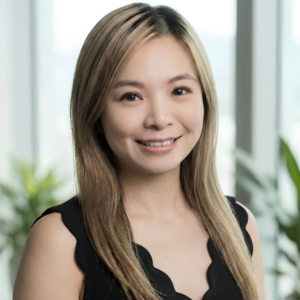
Iris Lee
General Manager, Hong Kong and Macau
The Coca-Cola Company
Iris Lee
The Coca-Cola Company
General Manager, Hong Kong and Macau
Iris Lee is the General Manager, Hong Kong and Macau at The Coca-Cola Company, where she leads end-to-end franchise performance across commercial strategy, frontline marketing, and system execution. She partners closely with bottlers and key stakeholders to accelerate sustainable growth, strengthen brand leadership, and deliver world-class marketplace execution across Hong Kong and Macau. As the senior system integrator for the market and General Manager of the Hong Kong oFice, Iris connects global strategy with local insight to unlock shared value for customers, consumers, and partners.
Iris is an accomplished business executive with nearly two decades of experience driving commercial success for global FMCG leaders, including The Coca-Cola Company, Mars Wrigley, Johnson & Johnson, and L’Oréal. With deep operational roots in both Mainland China and Hong Kong, Iris brings a nuanced understanding of the regional complexities required to manage diverse business environments. She has successfully overseen portfolios reaching $250M USD, with core strengths in P&L optimization, disciplined commercial strategy, and category revitalization through market expansion and executional excellence.
Central to Iris’s leadership philosophy is the integration of strategic customer collaboration with a people-first organizational culture. She excels at building high-value partnerships that balance corporate ambition with market realities to deliver sustainable growth. An advocate of authentic leadership, Iris focuses on developing high-performance teams grounded in trust, accountability, and empowerment. By fostering a culture where people feel ownership and pride in their work, she enables both business results and talent to thrive in highly competitive markets.
Speaking at 2026 sessions:
Day 1
Designing Recycling Systems for Local Communities: Paper, Metal, Plastic and Beyond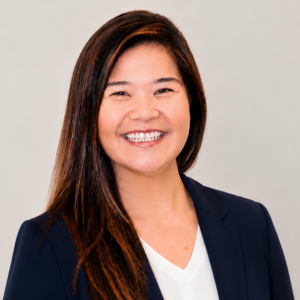
Stephanie Yip
CEO
Beverage Container Refund Scheme (BCRS) Ltd
Stephanie Yip
Beverage Container Refund Scheme (BCRS) Ltd
CEO
Speaking at 2026 sessions:
Day 1
Designing Recycling Systems for Local Communities: Paper, Metal, Plastic and BeyondSupported by
Designing Hong Kong Ltd
Designing Hong Kong Limited is a not-for-profit organization devoted to promoting sustainability, quality of life and good design as core values in planning, development and governance. Its aim is to increase public awareness and to improve Hong Kong’s collective ability to plan and deliver a ‘beautiful’ city.
Drink Without Waste
The Drink Without Waste initiative is led by the Single-Use Beverage Packaging Working Group, a coalition of beverage manufacturers and importers, waste handlers and recyclers, institutions, retailers and NGOs in Hong Kong. The Working Group seeks to reduce the volume of used beverage packaging going to waste by 70 to 90%. Drink Without Waste Limited is a registered charitable organisation under Section 88 in Hong Kong.
With thanks to
Hong Kong Productivity Council
Booth F42
The Hong Kong Productivity Council (HKPC) is a statutory body established in 1967, dedicated to enhancing the productivity and competitiveness of Hong Kong enterprises through world-class applied R&D, innovative technology services, and integrated manufacturing solutions. As a market-oriented, international R&D organisation, HKPC leverages its deep expertise and extensive industry experience in key areas such as AI, advanced manufacturing, life and health technology, green technology and new energy to drive new industrialisation and support the growth of emerging and future industries.
Legal Name: Hong Kong Productivity Council
General Enquiry Email Address: hkpcenq@hkpc.org
General Enquiry Phone Number: 2788 5678
General Business Address: HKPC Building, 78 Tat Chee Avenue, Kowloon, Hong Kong
Meet our 2026 speakers:
Dick Li
Senior Consultant, Industry 4.0+ & Low-altitude Economy, New Industrialisation Division
Hong Kong Productivity Council
Ir Dr. Michael Ching
Head of Climate Technology and Innovation, Green Living and Innovation Division
Hong Kong Productivity Council
Ralph Xu
Head, Green Transportation, Centre of Advanced Power and Autonomous Systems (APAS)
Hong Kong Productivity Council
The Coca-Cola Company
The Coca-Cola Company has been refreshing the world for more than 140 years, offering a diverse portfolio of beloved beverages that cater to every lifestyle and occasion. We craft brands and beverages that people love, refreshing them in body and spirit while building a more sustainable business and a better shared future for people, communities, and the planet.
We aim to drive growth and build resilience for the long term. To achieve this, we prioritize goals and actions that seek to improve water security in high-risk locations, reduce packaging waste, and decrease emissions.
Globally, our goals are to use 35% to 40% recycled material in our primary packaging (plastic, glass, and aluminum), including increasing recycled plastic content to 30% to 35% globally by 2035. We also strive to help ensure the collection of 70% to 75% of the equivalent number of bottles and cans introduced into the market annually by 2035.
Together with our partners across the Coca-Cola system, we focus on measurable and interconnected actions under two pillars: Design and Partner to Collect. Currently, almost all of our primary consumer packaging is recyclable, and we continue to work on making the remaining packaging recyclable as well. Through collaboration with local and global partners, we continue to explore new collection models and enhance existing ones, invest in local infrastructure, and engage with policymakers.
Legal Name: The Coca-Cola Company
Meet our 2026 speakers:
Day 2 – Friday 11 Sept
Day 2 explores practical pathways for accelerating Hong Kong’s transition toward a circular resource system. Attendees will examine opportunities to redesign products and processes, enhance recovery and reuse, and reduce landfill dependence across the real economy. The programme emphasises scalable solutions, policy drivers, and cross-sector collaboration that enable organisations to minimise waste, improve efficiency, and contribute to long-term environmental resilience.
In partnership with
Amfori
amfori is a global business association dedicated to helping companies improve their environmental, social, and governance (ESG) performance across supply chains. Our comprehensive solutions support sustainability efforts while mitigating supply chain disruptions.
Our sustainability goals for 2026:
- Deliver expertise and thought leadership to amfori members on key ESG trends and legislation
- Ensure trusted quality of ESG audits for our members’ supply chains
- Foster a collaborative ecosystem of global and regional businesses that work together to promote resilience and mitigate ESG risks
- Enable the scalable impact of amfori members’ ESG efforts, programs, and initiatives by providing integrated and user-friendly solutions
Products, Services & Solutions:
- Charity/NGO
General Enquiry Email Address: info@amfori.org
General Enquiry Phone Number: 2157 3727
Meet our 2026 speakers:
Institute for Supply Management – Hong Kong
ISM-HK is an affiliate of ISM in Hong Kong, aims to serve members, professionals and organizations with an interest in supply management in Hong Kong and neighboring region.
ISM-HK’s mission is to lead the supply management through its standards of excellence, research, promotional activities, and education and play a highly influential role in the industry and business community.
Our sustainability goals for 2026:
- Educate and empower supply management professionals to integrate sustainability into their procurement and supply chain strategies
- Encourage innovation and technology adoption to address sustainability challenges in supply chains
- Influence policy and industry standards to advance sustainability in supply management
- Minimize ISM-HK’s carbon footprint and environmental impact through operational efficiencies and sustainable practices
General Enquiry Email Address: general@ism-hk.org
General Enquiry Phone Number: 39229000
Meet our 2026 speakers:


Sedex
Booth D50
Sedex is a global membership company that specialises in data, insights and professional services to empower supply chain sustainability.
We offer site-specific capabilities for efficient, in-depth analysis on social and environmental practices globally, and workable solutions for supply chain due diligence, translating international principles into practical activities. Our solutions enable companies to continuously improve environmental, social and governance (ESG) performance and outcomes, and meet their supply chain sustainability goals.
Our sustainability goals for 2026:
- To be a leader in making global supply chains more socially and environmentally sustainable. As businesses face increasing demands for responsible practices from investors, legislators and consumers, they need a strong partner to empower their efforts.
- To supply data-led insights, accessible tools and exceptional services for more sustainable supply chains. Our solutions enable companies to continuously improve environmental, social and governance (ESG) performance and outcomes, and meet their supply chain sustainability goals
Solutions Showcase:
Sustainability Services
Legal Name: Sedex Information Exchange (Shanghai) Ltd
General Enquiry Email Address: sedexasianews@sedex.com
General Enquiry Phone Number: +86 (0)21-6043 1022
General Business Address: Room 701-703, No. 228 Huashan Road, Jing’an District, Shanghai, China
Meet our 2026 speakers:
The Institute of Purchasing & Supply of Hong Kong
The Institute of Purchasing & Supply of Hong Kong (the ‘IPSHK’) was first established in 1973 and was incorporated as a Limited by Guarantee (under Company Ordinance Chap. 32) in February 1996. The main objectives of the Institute are to promote professionalism in the purchasing and supply disciplines and to bring into association those engaged in the professions.
Meet our 2026 speakers:
10:15 – 11:05
With increasing awareness on the reduction of Scope 1, 2 & 3 emissions, and business demands for decarbonised products, procurement plays a vital role in contributing to carbon reduction through embedding carbon reduction goals into sourcing and procurement decisions. This panel explores strategies for embedding carbon-reduction criteria into supplier selection, contracts, KPIs, and cost models. Speakers will share their experience in measuring and reducing carbon emissions across multi-tier networks, balancing carbon reduction targets with cost and delivery performance, and engaging suppliers to build low-carbon supply chains.
Session Learnings:
- How to incorporate carbon reduction targets into supplier evaluation, contracts, and scorecards without eroding competitiveness
- Approaches to measure and manage Scope 3 emissions in complex supply networks
- Strategies to balance carbon reduction goals with traditional procurement priorities such as cost, quality, and lead time
- Engaging and supporting multi-tier suppliers in decarbonization efforts
- Experience sharing on practical applications.
Speakers

Moderator
Wendy Chan
Chairlady – Activities & Events Committee
The Institute of Purchasing & Supply of Hong Kong
Wendy Chan
The Institute of Purchasing & Supply of Hong Kong
Chairlady – Activities & Events Committee
Wendy serves as the Chairlady of the Activities & Events Committee for the Institute of Purchasing & Supply of Hong Kong, where she actively promotes professionalism and best practices in the purchasing and supply chain sectors. At CLP Power Hong Kong Limited, she played a key role in developing a sustainable procurement policy and establishing a program focused on risk assessment, capability building, and supplier due diligence. Prior to that, Wendy led procurement operations at ExxonMobil
Hong Kong Limited, where she developed cross-regional sourcing strategies and low-cost country sourcing initiatives for the Asia-Pacific fuels and lubricants sectors.
She is dedicated to enhancing supply chain professionalism and sustainability through competency development, research, and academic engagement.
Speaking at 2026 sessions:
Day 2
The Green Supply Chain: Embedding Carbon Reduction Goals into Sourcing and Procurement Decisions
Eric Chau
AWS Enterprise Partner Development Manager
Amazon Web Services

Eric Chau
Amazon Web Services
AWS Enterprise Partner Development Manager
Eric Chau is an accomplished Information Technology professional with over 15 years of experience in digital transformation, consultancy, and business development. He holds a Sustainable Investing Certificate from the CFA Institute and a Global ESG Investing Certificate from HKMA Global. Currently serving as an Enterprise Partner Success Manager at Amazon Web Services (AWS), Eric excels in bridging business and IT strategies, leveraging his expertise in cloud services, data analytics, and AI/ML. Eric has successfully supported Digital Platform projects for smart building digitalization, utilizing AWS’s renowned AI and cloud technology services. His strong analytical skills and ability to translate enterprise requirements into service-oriented business models have positioned him as a trusted advisor among vendors, partners and clients. His dedication to guiding clients in adopting new technologies sets him apart as a thought leader in the industry.
My Sustainability Goals for 2026:
- Enhance Energy Efficiency in Local Communities: Eric aims to implement innovative energy efficiency programs that reduce energy consumption in local businesses and community facilities. This will involve collaboration with local stakeholders to identify the best practices and technologies that promote sustainable energy use.
- Promote Decarbonization Initiatives: Eric seeks to drive a community-wide decarbonization initiative that targets carbon emissions reduction within the local area. This goal will focus on encouraging the adoption of renewable energy sources, and supporting low-carbon technology advancements.

Fion Dong
Head of Procurement & Logistics
Siemens Mobility Limited
Fion Dong
Siemens Mobility Hong Kong
Head of Procurement & Logistics
Fion is the Head of Procurement & Logistics at Siemens Mobility Limited in Hong Kong, where she leads strategic sourcing, supply chain optimization, and cross-regional sustainability procurement initiatives. She began her career in 2006 at Siemens, gaining foundational experience in procurement operations and global supply chain management. Fion holds a Bachelor’s degree in Business Administration and Management, which underpins her strategic approach to procurement and stakeholder engagement.
With nearly two decades of experience, Fion has played a pivotal role in driving sustainable procurement practices and enhancing supplier collaboration across Greater China. Her leadership is marked by a commitment to transparency, efficiency, and innovation.
Fion actively contributes to global procurement dialogues and feedback forums, advocating for responsible sourcing and digital integration in Supply Chain. She has also served as panel guest at various local sustainability forums, sharing insights on green procurement and circular supply chains. Her work supports the transition to a circular economy, emphasizing resource efficiency, waste reduction, and long-term supplier resilience. Based in Hong Kong, Fion continues to champion procurement strategies that align with sustainable business environments and circular principles.
My Sustainability Goals for 2026:
- Scope 1 & 2 emissions reduction >70%
- Scope 1 & 2 emission reduction >90% (Large Cap listed companies)
- Scope 3 emission reduction at Suppliers > 30%
Speaking at 2026 sessions:
Day 2
The Green Supply Chain: Embedding Carbon Reduction Goals into Sourcing and Procurement Decisions
Khairul Nizam
Global Scheme Owner, Sustainability and Traceability
BSI Pacific Limited
Khairul Nizam
BSI Pacific Limited
Global Scheme Owner, Sustainability and Traceability
Technologist Khairul (Khai) Nizam is the Global Scheme Owner for Sustainability and Traceability at BSI, where he leads the design and global rollout of carbon and sustainability certification schemes, including the Global Product Carbon Footprint scheme (aligned to ISO 14067) and the Carbon Neutrality Kitemark (ISO 14068-1). His work sits at the intersection of product-level carbon accounting and the supply chains that generate those emissions, giving him direct insight into how Scope 3 data moves between suppliers, manufacturers, and buyers.
Khai brings more than 10 years of experience across sustainability engineering, research, and scheme management, working with organisations across APAC, EMEA, and beyond to translate carbon reduction commitments into verifiable, auditable standards. Through his role at BSI, he regularly engages various teams to embed credible carbon criteria into product claims, helping organisations move from voluntary carbon ambition to certifiable, defensible performance.
His career began in engineering and construction, before moving into research with the Construction Research Institute of Malaysia (CREAM) and later the Construction Industry Development Board (CIDB), where he helped shape sustainability practices within Malaysia’s construction and built environment sector, an experience that grounds his understanding of multi-tier supply networks and the practical trade-offs between cost, quality, and decarbonisation.
Beyond his professional role, Khai is an active contributor to the sustainability conversation, having published articles on carbon reduction, waste management, and circular economy practices, and advocating for green public procurement and resilient, low-carbon supply chains.
In short, Khai is a global sustainability leader, driving the standards and schemes that hold organisations accountable for the carbon in their supply chains, and helping businesses worldwide turn sourcing decisions into verifiable climate action.
My Sustainability Goals for 2026:
My Sustainability Aspirations for Hong Kong:
1. I would love to see Hong Kong’s supply chains move from voluntary carbon disclosure to verified, product-level carbon data, so businesses and consumers alike can trust the numbers behind every “low-carbon” claim.
2. My hope is that more Hong Kong organisations embed carbon criteria into supplier scorecards and contracts.
3. I would like to see Hong Kong become a leading voice in Asia for trusted, internationally recognised sustainability standards, helping suppliers across the region access the same playing field as global manufacturers.
Speaking at 2026 sessions:
Day 2
The Green Supply Chain: Embedding Carbon Reduction Goals into Sourcing and Procurement Decisions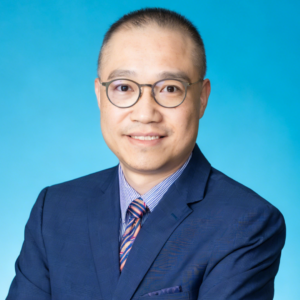
Ir Trevor Tang
General Manager – Corporate Supplies and Administration
The Hong Kong and China Gas Company Limited (Towngas)
Ir Trevor Tang
The Hong Kong and China Gas Company Limited (Towngas)
General Manager – Corporate Supplies and Administration
Ir Trevor Tang has been with Towngas for over 20 years. As a Chartered Engineer, he has extensive experience in gas network operations, business analysis, strategic planning, business innovation and supply chain management. Throughout his career, he has contributed significantly to the Group’s ongoing transformation. Since 1 July 2025, he has served as General Manager – Corporate Supplies & Administration of Towngas.
Ir Tang oversees material procurement, inventory management, transport fleet operations and insurance functions. He ensures an efficient and effective supply chain by maintaining optimal inventory levels and managing logistics to support daily operations. He is also responsible for insurance strategy and risk mitigation, while promoting procurement and supply chain best practices to improve operational efficiency and cost-effectiveness.
Ir Tang also serves as Chief Deputy District Head (Central & Western and Wan Chai) under Towngas’ Community Relations Focus Team, and is a member of the District Fire Safety Committee (Wan Chai District) of the Hong Kong SAR Government.
My Sustainability Goals for 2026:
1. Promote environmental awareness to suppliers
2. Transform to a greener transport fleet
Speaking at 2026 sessions:
Day 2
The Green Supply Chain: Embedding Carbon Reduction Goals into Sourcing and Procurement DecisionsSupported by
The Institute of Purchasing & Supply of Hong Kong
The Institute of Purchasing & Supply of Hong Kong (the ‘IPSHK’) was first established in 1973 and was incorporated as a Limited by Guarantee (under Company Ordinance Chap. 32) in February 1996. The main objectives of the Institute are to promote professionalism in the purchasing and supply disciplines and to bring into association those engaged in the professions.
Meet our 2026 speakers:
With thanks to
Amazon Web Services
Booth R45
Since 2006, Amazon Web Services has been the world’s most comprehensive and broadly adopted cloud. AWS has been continually expanding its services to support virtually any workload, and it now has more than 240 fully featured services for compute, storage, databases, networking, analytics, machine learning and artificial intelligence (AI), Internet of Things (IoT), mobile, security, hybrid, media, and application development, deployment, and management from 117 Availability Zones within 37 geographic regions, with announced plans for 13 more Availability Zones and four more AWS Regions in Chile, New Zealand, the Kingdom of Saudi Arabia, and the AWS European Sovereign Cloud. Millions of customers—including the fastest-growing startups, largest enterprises, and leading government agencies—trust AWS to power their infrastructure, become more agile, and lower costs. To learn more about AWS, visit aws.amazon.com.
Our sustainability goals for 2026:
Transition to carbon-free energy: The Climate Pledge: Amazon’s commitment to reach net-zero carbon emissions by 2040
- Amazon is investing in carbon-free energy to help power our operations and bring new sources of energy to the grid.
- In 2024, Amazon signed 4 nuclear energy projects that will help power our data centers.
- In Spain, we grew our renewable energy portfolio to a total of more than 90 projects.
- In Europe, we added 46 new projects, including our first investment in Portugal to build the country’s largest wind farm, which is also the largest hydroelectric complex in the country.
- In India, we grew our total investments to 53 projects, which can generate enough energy to power the equivalent of over 1.3 million Indian homes annually.
- AWS works with energy regulators and policymakers to support Grid Enhancing Technologies (GETs), advocating for hardware and software solutions to make existing power grids smarter and more resilient.
Legal Name: Amazon Web Services Hong Kong Limited
General Enquiry Email Address: aws-hk@amazon.com
Meet our 2026 speakers:

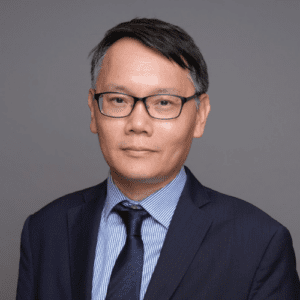
BSI Pacific Limited
Booth G35
Accelerating Progress Towards a Fair Society and a Sustainable World
As an organization without shareholders, we reinvest our profits to achieve the difference we want to see in the world.
Our purpose-led approach attracts other organizations and thought-leaders to work with us. Our stakeholders and clients value our impartiality, global reach, and leading-edge expertise.
We give organizations of all sizes the confidence to explore, grow, and prepare for the challenges ahead. We form strong collaborations and partnerships with experts, businesses, governments, and non-governmental organizations to deliver a positive impact.
Our sustainability goals for 2026:
- Guidance on achieving resource security across water, waste and the circular economy.
- Ensuring your supply chain is ethical.
- Insight into establishing sustainable infrastructure.
- Helping reduce greenhouse gas emissions, achieve net zero and think beyond 2050.
- Accelerating progress towards a sustainable world.
Solutions Showcase:
- Carbon Management/Carbon Offset
- Circular Solutions
- Education/Training/Certification
- Sustainability Services
- Technology & Innovation
Solutions Showcase:
- Carbon Management/Carbon Offset
Legal Name: BSI Pacific Limited
General Enquiry Email Address: productcertification@bsigroup.com
General Business Address: 23/F, Cambridge House, Tai Koo Place, 979 King’s Road, Quarry Bay, Hong Kong
Meet our 2026 speakers:
11:05 – 11:55
When discussing sustainable supply chains, the focus is often on environmental issues (such as Scope 3 emissions reductions and plastic reduction initiatives within the supply chain). However, environmental issues are invariably linked to human activity; human activity impacts the environment, and the state of the environment, in turn, affects people. In this session, the sustainable supply chain perspective focuses on social issues, exploring how supply chain activities affect workers, communities and consumers. This is what is often referred to as ‘social sustainability’, and it is a crucial component of the three bottom lines that is closely intertwined with economic and environmental considerations.
Session Learnings:
- Sustainable supply chains are not solely about environmental issues; social issues cannot be overlooked.
- Which social issues require attention
- The potential risks and opportunities that social issues within the supply chain present to businesses and investors
- Business practices in addressing social issues from the perspective of sustainable supply chains
Post-Event Actions:
- Re-establish the equal importance of social and environmental issues within the context of sustainable supply chains within the organisation
- Examine potential social issues from the perspective of sustainable supply chains within the organisation, as well as their significance and associated risks
- How to integrate social and environmental issues as a unified whole into the strategies and practices of sustainable supply chain management
Speakers
Moderator
Walter Lin
Managing Director, Asia
Sedex
Walter Lin
Sedex
Managing Director, Asia
Walter has over 20 years of experience in supply chain management and international trade in international and local companies/institutions. He is currently responsible for the strategic development and overall operations of Sedex in Asia, working with multi-stakeholders from upstream and downstream companies in the supply chain, industry associations, governments and UN agencies to raise awareness, capacity and performance of companies in the supply chain dimension. He also serves as a guest lecturer on supply chain sustainability and ESG in relevant universities and academic institutions to promote education and dissemination of responsible business.
Speaking at 2026 sessions:
Day 2
Exploring Social Issues from a Sustainable Supply Chain Perspective
Cherry Liu
Assistant Manager, Social Compliance
tms

Cherry Liu
tms
Assistant Manager, Social Compliance
Cherry Liu is a social compliance professional with more than 16 years of experience helping businesses strengthen labor practices and build responsible supply chains across Asia.
Having spent the first 10 years of her career with third-party auditing firms, Cherry gained extensive on-the-ground experience assessing working conditions and labor standards across a wide range of industries, including apparel, footwear, electronics, toys, jewelry, labor agencies, logistics and construction. She has worked extensively throughout China and Southeast Asia, providing her with deep insights into the region’s evolving labor and sustainability challenges.
With experience from both the third-party auditing and brands, Cherry brings perspectives on addressing social issues in global supply chains and driving positive impact for workers and businesses alike.
Today, as Assistant Manager, Social Compliance at tms, which is the exclusive agency partner responsible for managing a flagship youth-focused promotional program for a leading international brand, Cherry works closely with toy suppliers and their subcontractors to enhance responsible sourcing practices and promote continuous improvement in supply chain performance.
Speaking at 2026 sessions:
Day 2
Exploring Social Issues from a Sustainable Supply Chain Perspective
Keith Savage
Group Head of Central Technical Services and Responsible & Ethical Sourcing Management
DFI Retail Group

Keith Savage
DFI Retail Group
Group Head of Central Technical Services and Responsible & Ethical Sourcing Management
After graduating with a degree in Industrial Design, Keith has worked in retail product technology for nearly 20 years, first in the UK, and for the last 8 years with DFI Retail Group in Hong Kong. Previously embedding responsible sourcing and packaging sustainability into his Technical roles, Keith now leads the execution of the Sustainability strategy for DFI own brand products.
My Sustainability Goals for 2026:
- Build on the foundations that have been put in place over the last 4 years.
- Embed sustainability goals within our brand
- Challenge and support suppliers to join us on the journey
Speaking at 2026 sessions:
Day 2
Exploring Social Issues from a Sustainable Supply Chain Perspective
Evan Wong
Senior Ethical & Sustainability Specialist
John Lewis Partnership
Evan Wong
John Lewis Partnership
Senior Ethical & Sustainability Specialist
Evan Wong is a Senior Ethical & Sustainability Specialist at John Lewis Partnership, working on responsible sourcing and sustainability across the company’s Asia supply chain. Based in Hong Kong, he works with suppliers, sourcing teams and internal stakeholders on social sustainability, ethical trade and responsible business practices.
His areas of work include labour standards, modern slavery, human rights due diligence, supplier engagement and regulatory developments affecting global supply chains. With experience across major UK and European retailers, Evan brings a practical perspective on addressing social and sustainability challenges within complex international supply chains and driving meaningful improvements through responsible sourcing.
Speaking at 2026 sessions:
Day 2
Exploring Social Issues from a Sustainable Supply Chain Perspective
Liyue Zhou
National Private Sector Engagement Officer
International Organization for Migration (IOM)
Liyue Zhou
International Organization for Migration (IOM)
National Private Sector Engagement Officer
Liyue Zhou is the Private Sector Engagement Officer at the International Organization for Migration (IOM) in China. She works with companies, industry associations, foundations, and other stakeholders to advance ethical recruitment, responsible business practices, and innovative solutions that create positive outcomes for migrants, communities, and businesses.
Liyue builds partnerships that align business contributions with social impact priorities and the Sustainable Development Goals (SDGs), mobilizing private sector resources and expertise to support people on the move. She holds an MBA from Peking University and a Master’s in South East Asian Studies from SOAS, University of London.
Speaking at 2026 sessions:
Day 2
Exploring Social Issues from a Sustainable Supply Chain PerspectiveSupported by
Sedex
Booth D50
Sedex is a global membership company that specialises in data, insights and professional services to empower supply chain sustainability.
We offer site-specific capabilities for efficient, in-depth analysis on social and environmental practices globally, and workable solutions for supply chain due diligence, translating international principles into practical activities. Our solutions enable companies to continuously improve environmental, social and governance (ESG) performance and outcomes, and meet their supply chain sustainability goals.
Our sustainability goals for 2026:
- To be a leader in making global supply chains more socially and environmentally sustainable. As businesses face increasing demands for responsible practices from investors, legislators and consumers, they need a strong partner to empower their efforts.
- To supply data-led insights, accessible tools and exceptional services for more sustainable supply chains. Our solutions enable companies to continuously improve environmental, social and governance (ESG) performance and outcomes, and meet their supply chain sustainability goals
Solutions Showcase:
Sustainability Services
Legal Name: Sedex Information Exchange (Shanghai) Ltd
General Enquiry Email Address: sedexasianews@sedex.com
General Enquiry Phone Number: +86 (0)21-6043 1022
General Business Address: Room 701-703, No. 228 Huashan Road, Jing’an District, Shanghai, China
Meet our 2026 speakers:
11:55 – 12:45
The EU’s Corporate Sustainability Due Diligence Directive (CSDDD) has increased the urgency for businesses to strengthen social and environmental due diligence, with the main obligations expected to apply from 26 July 2029. Companies that supply, source for, or trade with businesses linked to the EU market may soon face growing expectations to demonstrate robust ESG risk management. This will bring greater scrutiny of supply chain risks and stronger pressure to show credible action and measurable progress, with implications across global supply chains and particularly for businesses in Asia.
But due diligence is no longer only about compliance. It is becoming a driver of customer relationships, sourcing decisions, supplier performance, business continuity and competitiveness. This session will explore how businesses can move beyond reactive compliance and build practical due diligence systems, drawing on tools such as risk assessment, supplier engagement, audit insights, grievance mechanisms and improvement plans.
Session Learnings:
- To understand how the CSDDD and other due diligence developments in Asia may affect business operations and supply chain expectations.
- To learn how companies in Asia can build practical due diligence systems that support both regulatory compliance and commercial readiness
- To explore how risk assessment, supplier engagement, audit insights, grievance mechanisms and improvement plans can strengthen due diligence in practice.
- To gain insights from real-life examples on how practical tools can help businesses manage human rights and environmental risks with greater structure and credibility.
Post-Event Actions:
- Review whether the current operations and management approach are ready for rising due diligence expectations
- Identify where organisations may face risk exposure through customers, suppliers, sourcing offices or other business relationships
- Assess gaps in current due diligence processes, including risk assessment, supplier monitoring, grievance channels and improvement planning.
- Consider how amfori’s tools and services can support organisations in strengthening due diligence readiness and supply chain partnerships
Speakers
Moderator
John Poon
Advocacy & Engagement Advisor
Amfori
John Poon
Amfori
Advocacy & Engagement Advisor
John Poon joined amfori in May 2024 as the Advocacy & Engagement Advisor for Asia Pacific. His role is to implement amfori’s advocacy and stakeholder engagement plans and actions in sustainable trade, responsible supply chains and ESG related priority issues in the APAC region that is aligned with amfori’s global strategy of supporting businesses to pursue responsible supply chains across APAC.
With over 7 years of experience in public policy and public affairs, John has worked extensively in roles that involve public policy analysis, advocacy and stakeholders engagement. Prior to amfori, he was the Public Affairs Manager at Tencent and Assistant Manager, Business Policy of the Hong Kong General Chamber of Commerce. John holds a Master of Public Policy from the Lee Kuan Yew School of Public Policy at the National University of Singapore and a Bachelor of Social Sciences in Communication – Journalism from Hong Kong Baptist University.
Speaking at 2026 sessions:
Day 2
From Compliance to Competitiveness: Building Practical Due Diligence Systems for Business Success
Kassidy Huang
Global Policy Manager
World Benchmarking Alliance
Kassidy Huang
World Benchmarking Alliance
Global Policy Manager
Kassidy works at the intersection of research and public policy, using evidence on corporate performance to advance sustainability and responsible business policy. At the World Benchmarking Alliance, she draws on global benchmarks to support the development of policy and corporate sustainability frameworks on human rights due diligence, corporate accountability and sustainable transition. Kassidy holds a master’s degree in Public Policy from the University of Oxford and a bachelor’s degree in Sociology from Peking University.
Speaking at 2026 sessions:
Day 2
From Compliance to Competitiveness: Building Practical Due Diligence Systems for Business Success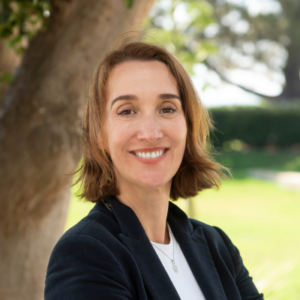
Johanna Levy
VP Communications and Corporate Affairs
GIA (Gemological Institute of America)
Johanna Levy
GIA (Gemological Institute of America)
VP Communications and Corporate Affairs
Johanna Levy joined GIA in July 2022 as VP, ESG, to develop strategic programs that advance the Institute’s mission. Since then, she launched an educational program for small-scale and artisanal diamond miners in Sierra Leone, conducted a living wage analysis in two producing countries, spearheaded an analysis of the environmental impact of colored stones, led GIA’s Positive Luxury certification, and published GIA’s first sustainability report. In 2025, Levy’s scope of responsibility was expanded to include corporate communications and corporate affairs. Levy came to GIA from Firmenich, the largest privately owned company in the flavor and fragrance industry. As senior director of global environmental excellence and previously director of sustainability for North America, she built ambitious programs focused on supply chain transparency and net positive impact for 40+ manufacturing sites. Before Firmenich, she worked in-house and as a consultant for Google, Nestlé and the World Gold Council. She holds a Master of Liberal Arts in the field of environmental sciences from Harvard University, a Master of Science in sustainability from Columbia University and a Master’s degree in management from ESCP in France.
Speaking at 2026 sessions:
Day 2
From Compliance to Competitiveness: Building Practical Due Diligence Systems for Business Success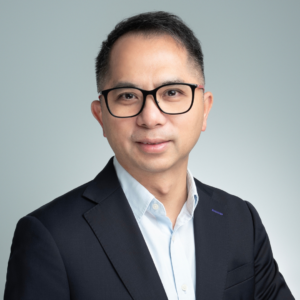
Jimmy Po
DVP, Quality Management & Sustainability
OBI Group Sourcing Hong Kong Limited

Jimmy Po
OBI Group Sourcing Hong Kong Limited
DVP, Quality Management & Sustainability
Jimmy Po is the Divisional Vice President of Quality Management and Sustainability at OBI Group Sourcing Hong Kong Limited, which serves as the group’s sourcing hub in Asia. He brings over 30 years of executive leadership in global sourcing, quality management, and supply chain sustainability, while also managing internal corporate governance and compliance across the region. Prior to his current role, he held key leadership positions across major European retail sourcing organizations in Asia, building extensive expertise in end-to-end quality systems, regulatory compliance, risk mitigation, and manufacturer collaboration across the Asia-Pacific region.
Throughout his career, he has focused on elevating product quality standards while driving transparent, resilient supply chain operations. In his present capacity, Jimmy actively leads the strategic integration of environmental, social, and governance standards into daily sourcing workflows alongside maintaining internal governance frameworks. He specializes in helping organizations navigate complex international due diligence frameworks, such as evolving European Union regulations and directives, turning regulatory obligations into commercial advantages for supplier networks across Asia.
Jimmy holds an Executive MBA and a BEng in Manufacturing Engineering, and is currently pursuing a Doctorate in Engineering Management at City University of Hong Kong. A passionate advocate for continuous learning, he frequently delivers university guest lectures and speaks at commercial chambers in Hong Kong, sharing actionable insights that bridge regulatory requirements, commercial readiness, and operational excellence.
My Sustainability Goals for 2026:
1. Enhance Regulatory Agility for Regional SMEs:
Equip Hong Kong and Greater Bay Area suppliers with actionable frameworks to navigate and overcome pressing EU compliance challenges, including Ecodesign (ESPR) and supply chain due diligence rules, swiftly and efficiently.
2. Drive Competitive & Resilient Supply Chain Growth:
Enable local manufacturers to convert regulatory compliance into a strategic market differentiator, securing Hong Kong and GBA as preferred, resilient sourcing partners for European and global supply chains.
Speaking at 2026 sessions:
Day 2
From Compliance to Competitiveness: Building Practical Due Diligence Systems for Business SuccessSupported by
Amfori
amfori is a global business association dedicated to helping companies improve their environmental, social, and governance (ESG) performance across supply chains. Our comprehensive solutions support sustainability efforts while mitigating supply chain disruptions.
Our sustainability goals for 2026:
- Deliver expertise and thought leadership to amfori members on key ESG trends and legislation
- Ensure trusted quality of ESG audits for our members’ supply chains
- Foster a collaborative ecosystem of global and regional businesses that work together to promote resilience and mitigate ESG risks
- Enable the scalable impact of amfori members’ ESG efforts, programs, and initiatives by providing integrated and user-friendly solutions
Products, Services & Solutions:
- Charity/NGO
General Enquiry Email Address: info@amfori.org
General Enquiry Phone Number: 2157 3727
Meet our 2026 speakers:
14:00 – 14:50
As global resource scarcity and regulatory pressures intensify, transitioning from a linear “take-make-dispose” model to a circular economy is a strategic imperative. This panel explores how businesses across diverse sectors are revolutionizing their value chains to design out waste and keep materials in continuous use.
Expert panelists will dissect the systemic shifts required to create truly circular supply chains, regardless of the industry. The discussion begins with circular product design, prioritizing durability and material recovery. It then transitions to manufacturing and supply chain adaptations, highlighting how organizations are scaling reverse logistics, remanufacturing, and new business models. Finally, the panel addresses the infrastructure required for end-of-life recovery, examining cross-sector synergies and the role of policy in unlocking circular markets. Attendees will discover how systemic thinking and collaboration can harmonize economic growth with environmental regeneration.
Session Learnings:
- Implement Circular Design Strategies: Discover how to rethink product development to prioritize modularity, repairability, and the use of regenerative materials from the outset.
- Scale Innovative Business Models: Learn how to transition from traditional sales to product-as-a-service, leasing, and take-back programs that incentivize longevity and material recovery.
- Optimize Reverse Logistics: Understand the operational challenges and solutions for recovering products and materials at scale, enabling efficient remanufacturing and recycling.
- Leverage Cross-Sector Synergies: Gain insights into industrial symbiosis, where the waste or byproducts of one industry become valuable raw materials for another.
Post-Event Actions:
- Conduct a Circularity Audit: Assess current product lifecycles and supply chain operations to identify the most significant areas of material waste and linear dependency.
- Pilot a Circular Initiative: Launch a small-scale pilot project—such as a product take-back scheme, a transition to regenerative materials for a single product line, or an asset-as-a-service model—to test viability and gather data.
- Establish Cross-Functional Working Groups: Break down internal silos by forming a dedicated team comprising design, procurement, manufacturing, and sustainability leaders to embed circular principles from the earliest stages of product development.
- Initiate Ecosystem Partnerships: Identify and engage with at least one external partner (e.g., a reverse logistics provider, a material recovery facility, or a complementary industry player) to explore collaborative solutions for end-of-life material recovery.
Speakers
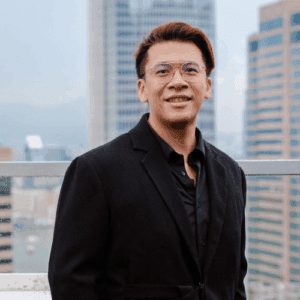
Moderator
Nelson Chow
President
Institute for Supply Management – Hong Kong
Nelson Chow
Institute for Supply Management – Hong Kong
President
Nelson Chow stands at the forefront of business transformation in Asia as both the President of the Institute for Supply Management – Hong Kong Branch (ISM-HK) and the leading Partner at Argon & Co. With over twenty years of experience, his expertise spans operational excellence, margin enhancement, supply chain risk management, sustainability and digital transformation across both multinational and local organizations. He has served 50+ clients worldwide and managed 100+ strategic projects across sectors including Automotive, FMCG, Food & Beverages, Luxury & Fashion, Private Equity, Retail & E-commerce, Power & Utilities, Life Sciences, Transport & Logistic, Trading and Industrial.
Nelson is passionate about nurturing the next generation of business and digital talents, highlighted by his roles as a Professor of Practice at The Hong Kong Polytechnic University and an Advisor at The Hang Seng University of Hong Kong. Nelson is currently a Doctoral Candidate at the Business School Lausanne. He has enriched his academic credentials with Executive programs from prestigious institutions including The Chinese University of Hong Kong, Stanford, and Cambridge.
A sought-after speaker, Nelson recently spoke and moderated the 8th SSCL China Convention and Exhibition, Asian Logistics, Maritime and Aviation Conference 2024 (ALMAC), ESG Xchange 2024, Suzhou American Chamber Manufacturing Conference, 2nd Annual ASEAN Procurement Innovation Summit, Digital Procurement Transformation 2024, Luxury Symposium 2024 and more. He, representing ISM-HK, will be co-organizing the Supply Chain, Procurement and Logistics Theatre with ReThink HK 2025.
Speaking at 2026 sessions:
Day 2
Accelerating the Transition: Implementing Circular Supply Chains from Design to End-of-Life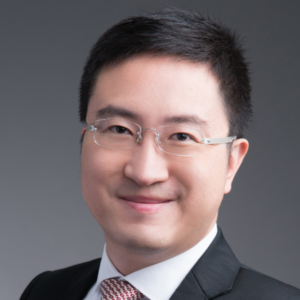
Ron Chow
Chief Strategy Officer
Baguio Green Group Limited
Ron Chow
Baguio Green Group Limited
Chief Strategy Officer
Ron Chow is the Chief Strategy Officer of Baguio Green Group, one of the largest environmental groups in Hong Kong with around 7,000 employees. He is a Subject Matter Expert in circular economy, recycling, green technology, waste management, corporate strategy, innovation, M&A/investments/partnerships, and ESG-related government policies. He holds both the Chartered Financial Analyst (CFA) and Certified ESG Analyst (CESGA) designations. He graduated from the Master of Studies in Sustainability Leadership at the University of Cambridge, UK.
Ron has led numerous pioneering circular economy and sustainability projects for the HKSAR Government (“Government”). Key achievements include developing the Smart Recycling Machine & Big Data Platform, AI-powered Smart Toilet solutions, bioconversion technology for chicken waste and marine cleaning in Hong Kong. He advises the Government on various circular economy and waste management strategies, including Waste Charging Schemes, Producer Responsibility Scheme on Plastic Beverage Containers and Beverage Cartons, and environmental policies related to Hong Kong Budget 2026/27.
He is also an active speaker in various recycling, circular economy, green technology and sustainability related forums.
Speaking at 2026 sessions:
Day 2
Accelerating the Transition: Implementing Circular Supply Chains from Design to End-of-Life
Tze Ni Yeoh
Packaging Sustainability Innovation Manager
Colgate Palmolive

Tze Ni Yeoh
Colgate Palmolive
Packaging Sustainability Innovation Manager
As Colgate-Palmolive’s Packaging Sustainability Innovation Manager for APAC, Tze leads the development, deployment, and advocacy of Packaging & Plastics Sustainability programs to advance Colgate’s key packaging sustainability goals within APAC. She is also responsible for building external engagement networks for packaging sustainability with NGOs, Government Agencies, Recycling Value Chain and Infrastructure, Packaging Suppliers, and other organizations.
Prior to joining Colgate- Palmolive, Tze was a Circular Packaging Manager at Danone. She was responsible for sourcing, evaluating, and monitoring projects and partnerships contributing to Danone brands’ sustainability and circularity targets. In addition, Tze was a consultant at the World Bank, where she provided advisory on projects related to the circular economy, private sector competitiveness, and plastic value chain analysis.
Tze is an advocate for a zero-waste lifestyle and volunteers as a speaker for Zero Waste Malaysia. Tze graduated with a Master in Public Policy from Harvard Kennedy School and BSc in Economics from London School of Economics.
My Sustainability Goals for 2026:
- Build systems that better embed sustainability into our core business and innovation processes
- Contribute to shaping a competitive and resilient 2030 plastic and packaging sustainability roadmap
- Advocate for collaboration both internally and externally to drive change at systems level
Speaking at 2026 sessions:
Day 2
Accelerating the Transition: Implementing Circular Supply Chains from Design to End-of-Life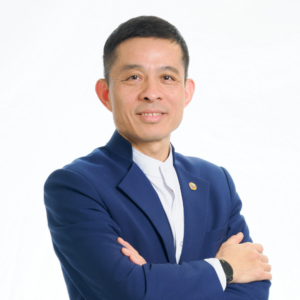
Dr. Zongbin Yue
Principal Advisor
Companhia de Electricidade de Macau
Dr. Zongbin Yue
Companhia de Electricidade de Macau
Principal Advisor
Benjamin ZB Yue joined CEM in 1999. He has been involved in different areas of power system operation and management for more than 30 years. He currently serves as Principal Advisor to the Executive Committee.
Mr. Benjamin Yue holds a Bachelor’s degree and a Master’s degree in Power System and Automation from Shandong University. He also earned a Master degree of Business Administration from University of Saint Joseph, as well as a Doctorate of Business Administration from the University of Macau. In addition, he is a senior member of the Institute of Electrical and Electronics Engineers USA, and has been actively participated in the management of the Macau Institute of Electrical and Electronics Engineers for many years.
Speaking at 2026 sessions:
Day 2
Accelerating the Transition: Implementing Circular Supply Chains from Design to End-of-Life
Ir. Dannie Yung
Director
Asia Circular Economy Association (ACEA)
Ir. Dannie Yung
Asia Circular Economy Association (ACEA)
Director
Ir Dannie Yung
Strategic Doing, Systems Thinking, Circular & Regeneration
Dannie is interested in both science and art. She paints in ink brushes, largely from observations of the Nature with her heart’s impressions. She was one of the early engineers in thriving economic times of Hong Kong and the World. Her work takes her to different countries, regions, and work with different cultures embracing the academic, corporate and consulting realms in North America, Japan, South-East Asia, Hong Kong and China.
Dannie Yung has life-long experience and passion leading, entangling and coaching business leaders, functional heads, interdisciplinary change teams, taskforce groups to achieve success, deliver results, solve problems, …sustain gains and take on new strategic initiatives.
She believes in integrative holistic approach. A Y=f(x’s) approach. Hard and soft skills interplay in pursuit of operations excellence, strategic development, sustainable procurement and supply chain, business excellence, customer delight.
Her recent focus includes the art of negotiation, transforming future leadership; strategic doing, systems thinking, circularity and regeneration for a better common home planet Earth.
Dannie is a member of the ISO20400.org Steering Committee. The Chinese contributor of the sustainable supply chain self-assessment. She transition to wider boundary focus in learning and entanglement with
The Common Earth Insights 2024 (MIT Systems Design and Dynamics), Frijof Capra Systems View of Life 2023, Design for Environment (MIT Design Thinking and Product Innovation 2017) Collaborator at AreYouClimateReady?
Operations Excellence – GE Master Black Belt, global, regional and local clients in design, financial, service, IT, manufacturing, utility sectors, excellence of individual, team and organizations.
My Sustainability Goals for 2026:
Coaching younger upcoming engineers and other professionals for integrative entanglement transforming supply chains to value regenerative eco-systems cradle to cradle through : –
- Paradigm Transform
- Performance Specification
- KISS, Keep It Simple and Strong
Speaking at 2026 sessions:
Day 2
Accelerating the Transition: Implementing Circular Supply Chains from Design to End-of-LifeSupported by
Institute for Supply Management – Hong Kong
ISM-HK is an affiliate of ISM in Hong Kong, aims to serve members, professionals and organizations with an interest in supply management in Hong Kong and neighboring region.
ISM-HK’s mission is to lead the supply management through its standards of excellence, research, promotional activities, and education and play a highly influential role in the industry and business community.
Our sustainability goals for 2026:
- Educate and empower supply management professionals to integrate sustainability into their procurement and supply chain strategies
- Encourage innovation and technology adoption to address sustainability challenges in supply chains
- Influence policy and industry standards to advance sustainability in supply management
- Minimize ISM-HK’s carbon footprint and environmental impact through operational efficiencies and sustainable practices
General Enquiry Email Address: general@ism-hk.org
General Enquiry Phone Number: 39229000
Meet our 2026 speakers:
With thanks to
Asia Circular Economy Association
Asia Circular Economy Association (ACEA) is established with the vision of providing knowledge of Circular Economy (CE) to all industries and communities and educate them how to apply this concept in their businesses and daily life and relate CE to other major topics such as climate change and sustainability.
Our sustainability goals for 2026:
- Interweave Circular Economy with Climate Action, TCFD, Environmental and other related topics into the ACEA knowledge hub and network.
- Action projects to escalate enterprise, supply chain and stakeholders climate and sustainability aptitude to transform and thrive in transition to the circular economy.
- Partner with professional institutions to assert and reach out to communities in delivering ACEA workshops, activities and escalation programmes.
Solutions Showcase:
- Circular Solutions
- Education/Training/Certification
- ESG Reporting/Consultancy
- Sustainability Services
- Technology & Innovation
UN SDG goals that we align with:
- SDG 1 No Poverty
- SDG 2 Zero Hunger
- SDG 3 Good Health and Well-being
- SDG 4 Quality Education
- SDG 5 Gender Equality
- SDG 6 Clean Water and Sanitation
- SDG 7 Affordable and Clean Energy
- SDG 8 Decent Work and Economic Growth
- SDG 9 Industry, Innovation and Infrastructure
- SDG 10 Reduced Inequalities
- SDG 11 Sustainable Cities and Communities
- SDG 12 Responsible Consumption and Production
- SDG 13 Climate Action
- SDG 14 Life below Water
- SDG 15 Life on Land
- SDG 16 Peace, Justice and Strong Institutions
- SDG 17 Partnerships for the Goals
Legal Name: Circular Economy (Hong Kong) Limited
General Enquiry Email Address: harryli@circular-economy.asia
General Enquiry Phone Number: 31859516
14:50 – 15:40
Traditionally, the relationship between buyers and suppliers has tended to focus on price, cost, product quality, manufacturing processes and service. As sustainability and ESG considerations are increasingly integrated into the supply chain (i.e. procurement and supplier relationships), procurement organisations must meet the sustainability expectations of their customers and various stakeholders. Beyond their own efforts, they must rely on the cooperation of suppliers to achieve overall sustainability objectives. However, supplier companies—particularly small and medium-sized enterprises (SMEs)—often lack the necessary resources, experience and skills, and may have a limited awareness of sustainability, frequently viewing it as an additional, burdensome requirement imposed by clients. This session will explore how, from a sustainability perspective, procurement organisations can assist and empower suppliers to go beyond merely meeting basic requirements, enabling them to achieve self-improvement, growth, and even business expansion, whilst fostering positive, long-term procurement-supplier relationships.
Session Learnings:
- The gradual integration of sustainability into procurement and supply chain relationships, and the dilemmas and challenges faced by both procurement and supplier organisations
- The blind spots and pain points encountered by supplier organisations—particularly small and medium-sized enterprises—in addressing purchasers’ sustainability requirements
- Exploring different methods and approaches to drive supplier progress and business growth from a sustainability perspective
Post-Event Actions:
- Re-evaluate the role of sustainability factors in procurement considerations
- Explore and implement various approaches to enhance suppliers’ awareness and capabilities regarding sustainability
- A clash of perspectives and a shift in mindset: creating long-term value versus cost considerations
Speakers
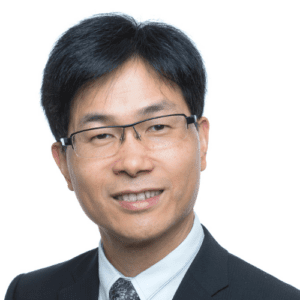
Moderator
Felix Lam
Chairman, Communication Committee
The Institute of Purchasing & Supply of Hong Kong
Felix Lam
The Institute of Purchasing & Supply of Hong Kong
Chairman, Communication Committee
Felix is the Chairman of Communication Committee of The Institute of Purchasing and Supply of Hong Kong and Director of Institute for Supply Management (Hong Kong) , where he is responsible for promoting professionalism in procurement and supply management.
He served as the Head of Sustainability at the Green Council for seven years, during which he advocated for corporate and supply chain sustainability through various initiatives, including training courses, seminars, membership programs, corporate sustainability awards, and consultancy services. Prior to that, he had a distinguished career at Towngas for twenty-seven years, culminating in his role as the Head of Corporate Supplies Department, where he led the procurement and supply chain operations. Felix has also been a guest lecturer at PolyU, HKHSU, HKU SPACE, and HKMA, BEC where he taught supply chain sustainability.
My Sustainability Goals for 2026:
- No matter large corporate or SMEs, climate actions are one of the key policys in organisation.
- 4Rs principles of Circular Economy are promoted and implemented in the society.
Speaking at 2026 sessions:
Day 2
How Procurement Organisations can Effectively Empower Suppliers through a Sustainability Lens to Achieve Mutual Progress and Growth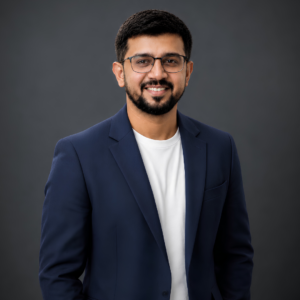
Bhaumik Pandya
Global Manager – Sustainability
DKSH Performance Materials (DKSH Holding AG)
Bhaumik Pandya
DKSH Performance Materials (DKSH Holding AG)
Global Manager – Sustainability
Bhaumik Pandya is a sustainability, ESG, and climate-risk professional with more than 14 years of experience across chemicals, paints, nutraceuticals, FMCG, and global distribution.
He currently serves as Global Manager – Sustainability & ESG at DKSH Holding AG/DKSH PM, where he leads supplier sustainability and responsible sourcing initiatives across more than 30 markets and a network of over 5,000 suppliers. His work focuses on translating sustainability expectations into practical action, particularly across complex and less mature supply chains. Through DKSH’s Responsible Supplier Program, he has worked closely with suppliers on ESG assessments, capability building, climate and regulatory risks, and responsible business practices.
Previously, at OmniActive Health Technologies, Bhaumik helped build the company’s sustainability and ESG strategy from the ground up, covering areas including climate action, responsible sourcing, ESG disclosure, and operational sustainability.
Beyond his corporate role, he is passionate about making climate and sustainability conversations more accessible, particularly within communities such as his hometown of Amreli in Gujarat, India.
Bhaumik regularly contributes to conversations on climate risk, ESG, decarbonisation, responsible supply chains, and sustainability-driven business transformation. He holds a Master of Technology in Environmental Engineering and a Bachelor of Engineering in Chemical Engineering, and has completed the Corporate Sustainability programme at London Business School.
My Sustainability Goals for 2026:
- Accelerate responsible sourcing by increasing the share of business with sustainable, assessed, and responsible suppliers across the global supplier network.
- Strengthen supplier climate and ESG capability through targeted engagement, mentoring, assessments, and practical tools, especially for MSMEs and less mature suppliers.
- Create meaningful social impact beyond the workplace by taking sustainability awareness to local communities, including my hometown, and helping people connect climate action with simple everyday choices around waste, energy, responsible consumption, and community wellbeing.
Speaking at 2026 sessions:
Day 2
How Procurement Organisations can Effectively Empower Suppliers through a Sustainability Lens to Achieve Mutual Progress and Growth
Pascal Vieilvoye
CEO & CFO
Concept 4 Ltd.
Pascal Vieilvoye
Concept 4 Ltd.
CEO & CFO
Pascal is the Group CEO and CFO of Concept 4 Group and an active member of global sustainability and entrepreneurship networks, including the UN Global Compact’s Coalition for Sustainable Procurement, the B Beauty Coalition Supervisory Board, and French Founders, where he contributes to advancing responsible business practices and innovation across industries.
With over twenty-five years of international experience in the cosmetics and fashion sectors, he has led the growth of Concept 4 into a globally recognized partner for beauty and fashion brands, offering end-to-end expertise from design and product development to sourcing and manufacturing. He has driven the company’s transformation into a tech-enabled and sustainability-focused organization, building a strong international presence across Asia, Europe, and the United States. Pascal is passionate about leveraging blockchain technology and sustainability principles to create transparent, ethical, and innovative solutions across the value chain.
My Sustainability Goals for 2026:
- Accelerate the transition of the cosmetics and fashion industries toward decentralized, transparent, and sustainable ecosystems enabled by digital technologies.
- Promote ethical sourcing and innovation by integrating sustainability principles and blockchain solutions across the entire value chain.
Speaking at 2026 sessions:
Day 2
How Procurement Organisations can Effectively Empower Suppliers through a Sustainability Lens to Achieve Mutual Progress and Growth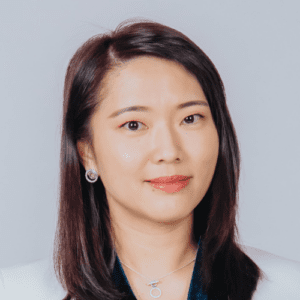
Suki Wong
Senior Director, Investor Relations & ESG
ANTA Sports Products Limited
Suki Wong
ANTA Sports Products Limited
Senior Director, Investor Relations & ESG
Ms. Wong Shui Ki, Suki is the Senior Director of Anta Sports Products Limited (2020.HK) and is in charge of the investor relations and ESG function of the Company. Ms. Wong has over 15 years of experience in the industry. Ms. Wong has been working in ANTA Sports since it got listed in 2007. Prior to joining the Company, she had worked in investor relations agency for several years and specialized in serving H-shares listed companies. Ms. Wong holds a master’s degree in Business Administration from the Chinese University of Hong Kong.
Speaking at 2026 sessions:
Day 2
How Procurement Organisations can Effectively Empower Suppliers through a Sustainability Lens to Achieve Mutual Progress and GrowthSupported by
Sedex
Booth D50
Sedex is a global membership company that specialises in data, insights and professional services to empower supply chain sustainability.
We offer site-specific capabilities for efficient, in-depth analysis on social and environmental practices globally, and workable solutions for supply chain due diligence, translating international principles into practical activities. Our solutions enable companies to continuously improve environmental, social and governance (ESG) performance and outcomes, and meet their supply chain sustainability goals.
Our sustainability goals for 2026:
- To be a leader in making global supply chains more socially and environmentally sustainable. As businesses face increasing demands for responsible practices from investors, legislators and consumers, they need a strong partner to empower their efforts.
- To supply data-led insights, accessible tools and exceptional services for more sustainable supply chains. Our solutions enable companies to continuously improve environmental, social and governance (ESG) performance and outcomes, and meet their supply chain sustainability goals
Solutions Showcase:
Sustainability Services
Legal Name: Sedex Information Exchange (Shanghai) Ltd
General Enquiry Email Address: sedexasianews@sedex.com
General Enquiry Phone Number: +86 (0)21-6043 1022
General Business Address: Room 701-703, No. 228 Huashan Road, Jing’an District, Shanghai, China
Meet our 2026 speakers:
15:40 – 16:30
As sustainability regulations reshape global trade, companies across Asia face growing pressure to understand and respond to new European Union requirements. Laws such as the Carbon Border Adjustment Mechanism (CBAM), the Ecodesign for Sustainable Products Regulation (ESPR) including the Digital Product Passport (DPP), the Battery and Battery Waste Regulation (EUBR) and the Packaging and Packaging Waste Regulation (PPWR) are introducing new obligations. They cover a wide range of topics, amongst other things carbon transparency, product traceability, due diligence, and circularity which demand new business processes and make data management crucial.
This session will explore the practical implications of these regulations for manufacturers, exporters, sourcing offices, and supply chain partners operating in Hong Kong, Mainland China, and across Asia. Industry experts will examine key compliance challenges, reporting duties, common implementation pitfalls, and emerging best practices from companies already preparing for these requirements.
Participants will gain insights into how regulatory developments are influencing procurement decisions, supplier engagement, product design, data governance, and market access. The discussion will focus on actionable strategies that help businesses move beyond compliance and strengthen their long-term competitiveness in an increasingly regulated global marketplace.
Session Learnings:
- Understand the latest developments and business implications of CBAM, ESPR, DPP, EUBR, and PPWR.
- Identify common compliance challenges facing Asian supply chains.
- Learn about practical approaches for data collection, traceability, and stakeholder engagement.
- Explore how leading companies are turning regulatory requirements into opportunities for innovation and resilience.
Post-Event Actions:
- Assess regulatory exposure by identifying which products, markets, and business activities may be affected by CBAM, ESPR, DPP, EUBR, and PPWR requirements.
- Strengthen supply chain data readiness by reviewing current capabilities for carbon accounting, supply chain transparency, circularity, due diligence and sustainability reporting.
- Engage business partners and customers proactively to address information gaps and ensure compliance across the value chain.
- Develop a practical compliance roadmap that ensures regulatory compliance while reflecting operational realities and available resources.
- Identify strategic opportunities to improve competitiveness, market access, and customer trust through greater transparency and sustainability performance.
Speakers
Moderator
Michael Keppe
Co-Founder & CEO
Impala Services and Pergamon Labs
Michael Keppe
Impala Services and Pergamon Labs
Co-Founder & CEO
Michael is Co-Founder and CEO of Impala Services and Pergamon Labs, specialising in AI-driven compliance documentation for the retail and consumer goods industries. He is not a technologist by background but a documentation and compliance expert who built an AI platform, a distinction that shapes how he approaches regulatory change: as an operational problem to be solved with structure and data, not a reporting exercise.
As a Board Member of the German Chamber of Commerce in Hong Kong, Michael co-chairs both the Sustainability Committee and the AI Committee. He co-developed the Chamber’s AI Transformation Blueprint, a seven-pillar readiness framework now applied across member companies, and contributed to the Committee’s “Green Future — Empowering Sustainable Compliance” guide for member companies and their suppliers. He continues to work with the Sustainability Committee on practical tools that help Asian suppliers understand which EU requirements apply to them. He is also Vice Chairman of the Hong Kong Artificial Intelligence and Industry Association.
He holds a Master’s in Technical Documentation, is a Certified AI Transformation Leader, and brings over 20 years of leadership in retail and consumer goods across Europe and Asia.
My Sustainability Goals for 2026:
Making EU regulation navigable for Asian suppliers. CBAM, the Digital Product Passport and PPWR are landing on factories that often learn about them from a buyer’s email. I want the gap between European legislation and Asian shop-floor reality to narrow, through practical tools, not more guidance documents.
Treating compliance data as an asset, not a cost. Companies collecting carbon, material and traceability data for regulators are sitting on the same data that improves sourcing decisions. The businesses that build this properly once will have an advantage over those that rebuild it for every new regulation. The industry should stop solving identical problems in parallel behind closed doors.
Speaking at 2026 sessions:
Day 2
From Compliance Hurdle to Competitive Advantage: Navigating a New Regulatory Era
Karl Borgschulze
Managing Director
CSI Ltd.

Karl Borgschulze
CSI Ltd.
Managing Director
Karl Borgschulze, a seasoned professional with over 30 years of experience, is the Managing Director at Consulting Service International Ltd., which he founded in Hong Kong in 2005. With a strong foundation in Germany, Karl brings extensive expertise in sales, procurement, and sustainable product development across diverse international markets. His career is marked by a focus on value chain optimization, sustainable marketing strategies, and innovative business solutions.
My Sustainability Goals for 2026:
My sustainability goals for Hong Kong focus on better energy management and significant waste reduction. The city should use digital technologies, real-time data, and smarter infrastructure to reduce energy consumption, improve efficiency, minimise waste generation, increase recycling, and make better use of resources across buildings, businesses, and public infrastructure.
Speaking at 2026 sessions:
Day 2
From Compliance Hurdle to Competitive Advantage: Navigating a New Regulatory Era
Jill Valentina Dessel
Project Manager Compliance & Regulatory Processes
REWE Far East Ltd.
Jill Valentina Dessel
REWE Far East Ltd.
Project Manager Compliance & Regulatory Processes
Jill Valentina Dessel is a Project Manager for Compliance & Regulatory Processes at REWE Far East Ltd. (RFE). It is the sourcing organisation for the REWE Group in Asia, one of the largest food retailers in Europe with a strong non-food business base. Jill leads cross-functional projects for the implementation of emerging sustainability and product-related EU laws across international supply chains, such as CBAM, EUBR, ESPR & DPP. Based in Hong Kong, she works closely with internal sourcing teams, suppliers, and stakeholders in Asia and Europe to translate complex regulatory requirements into practical business solutions. Her work focuses on compliance while strengthening transparency, resilience, and long-term competitiveness across value chains.
My Sustainability Goals for 2026:
My goal is to help colleagues and business partners see the sustainability legislation as more than just a compliance obligation. I want to show how greater transparency, better supplier engagement, and stronger data management can also create business value. Through my work with sourcing teams and suppliers across Asia, I hope to support practical and workable solutions for new EU requirements and encourage companies to use regulatory readiness as an opportunity to strengthen competitiveness, market access, and trust.
Speaking at 2026 sessions:
Day 2
From Compliance Hurdle to Competitive Advantage: Navigating a New Regulatory Era
Martin Fan
Solar Procurement & Quality Expert
EU Renewable Energy Firm
Martin Fan
EU Renewable Energy Firm
Solar Procurement & Quality Expert
A Procurement & Quality Expert with over two decades of international experience in supply chain governance, quality assurance, and regulatory compliance. Currently leading solar supply chain strategic procurement and quality strategies for a major renewable energy firm, Martin specializes in turning complex regulatory demands into strategic operational advantages. Prior to entering the solar sector, Martin spent 17 years in the Testing, Inspection, and Certification (TIC) industry, designing and executing global ESG, QA/QC, and compliance programs for multinational retailers and their supply networks.
Speaking at 2026 sessions:
Day 2
From Compliance Hurdle to Competitive Advantage: Navigating a New Regulatory Era
Arianna Ji
Senior Sustainability Manager
STARTEAM GLOBAL
Arianna Ji
STARTEAM GLOBAL
Senior Sustainability Manager
Arianna Ji is the Senior Sustainability Manager at STARTEAM GLOBAL, a German PCB manufacturer with over 35 years of expertise and operations across Asia, Europe, and North America. She leads transformative initiatives across ESG strategy, sustainability reporting, climate action, and supply chain sustainability. With a background in finance and economic statistics, Arianna brings a data-driven approach to sustainable procurement, decarbonization, and circular product innovation.
She has been an instrumental driving force in advancing STARTEAM GLOBAL’s sustainability agenda, successfully leading the company to achieve the EcoVadis Silver Medal and ensuring alignment with leading international frameworks, including the EU European Sustainability Reporting Standards (ESRS) and the Global Reporting Initiative (GRI). As an SBTi expert, Arianna successfully guided the development and validation of STARTEAM GLOBAL’s Science Based Targets initiative (SBTi) targets, reinforcing the company’s commitment to science-based climate action and long-term emissions reduction.
Fluent in four languages, she champions inclusive, resilient, and globally connected supply chains while driving measurable sustainability outcomes across international operations.
My Sustainability Goals for 2026:
My Wishes for Hong Kong
I hope the Hong Kong Government can expand the availability of public recycling facilities across the city, making recycling more accessible and convenient for residents. A more effective and transparent recycling system, supported by clear and consistent guidance on how and where to recycle different types of waste, would help encourage greater public participation and improve overall recycling rates.
I would like to see regular public updates on recycling performance and outcomes, so residents can better understand the impact of their participation and stay engaged in sustainability efforts.
More convenient collection and recycling stations should be provided for small electronic devices and accessories, including:
Cables and wires
Headphones and earphones
SIM cards
Computer mice
Batteries
Chargers and adapters
Power banks
Other small electronic components and accessories
A more accessible and well-communicated recycling infrastructure would encourage greater public participation, reduce electronic waste, and help Hong Kong move towards a more circular and sustainable economy.
Speaking at 2026 sessions:
Day 2
From Compliance Hurdle to Competitive Advantage: Navigating a New Regulatory EraSupported by
German Chamber of Commerce, Hong Kong
Founded in 1983, the German Chamber of Commerce, Hong Kong (GCC) today is one of the largest membership organisations among the European national chambers in Hong Kong with over 400 corporate members. GCC serves as a catalyst, promoter and facilitator of members’ interests in Hong Kong and the region. Members comprise of German, Hong Kong and international companies with an interest in doing business in Germany or in cooperation with German business partners.
GCC together with the Delegation of German Industry and Commerce (GIC) offers a wide range of services and activities for its member companies, including regular business and networking events, as well as exclusive Committees (Sourcing, Logistics, Mittelstand, CFO, Women in Business) and Working Groups (AI, HR, Sustainability) to meet peers, exchange views, and work on joint publications and projects.
Furthermore, GCC is a member chamber of the European Chamber of Commerce in Hong Kong and represents the interests of the German business community in Hong Kong on the International Business Committee (IBC).
Our company’s sustainability goals for 2026:
- 400+ Corporate Members
- 8 Committees and Working Groups
- 50+ Events Per Year
Solutions Showcase:
- Education/Training/Certification
- Sourcing & Supply Chain
Legal Name: German Chamber of Commerce, Hong Kong
General Enquiry Email Address: gcc-sustainability@hongkong.ahk.de
General Enquiry Phone Number: 25265481
General Business Address: 2302, COFCO Tower, 262 Gloucester Road, Causeway Bay, Hong Kong
All sessions are subject to change.