
BEC Climate & Nature Theatre
BEC Climate & Nature Theatre
Day 1 – Thursday 10 Sept
The Day 1 programme examines how organisations can understand and respond to the growing intersection of climate and nature risks, with a focus on resilience, disclosure and operational performance. Participants will explore the physical impacts of climate change, the role of biodiversity and natural systems, and the increasing expectations around climate and nature-related reporting. Through case studies and practical insights, the programme highlights how businesses can integrate risk into asset management, strengthen decarbonisation strategies, and build more resilient operations in the face of environmental uncertainty.
In partnership with
ADM Capital Foundation
Our mission is to understand how our environmental and economic systems are evolving, and to take those insights as a starting point to protect biodiversity, natural resources, reduce system stresses and build environmental resilience. Four themes permeate all of our work: biodiversity, natural resources, climate change and finance.
Meet our 2026 speakers:
Business Environment Council
Booth E45
Business Environment Council Limited (BEC) is an independent, charitable corporate membership organisation, established by the business sector in Hong Kong.
Since its establishment in 1992, BEC has been at the forefront of promoting environmental excellence by advocating the uptake of clean technologies and practices which reduce waste, conserve resources, prevent pollution and improve corporate environmental and social responsibility.
BEC offers sustainable solutions and professional services covering advisory, research, assessment, training and award programmes for government, business and the community, thus enabling environmental protection and contributing to the transition to a net-zero carbon economy.
Meet our 2026 speakers:
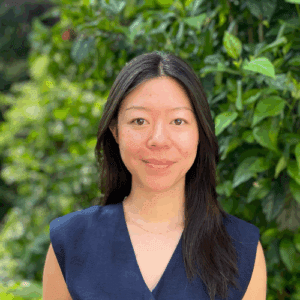
Katie Chan
Specialist – Policy & Research
Business Environment Council

Suki Han
Assistant Manager
Business Environment Council
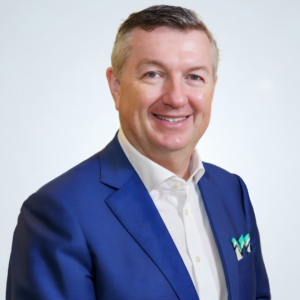
Kevin O’Brien
Chairman
Business Environment Council
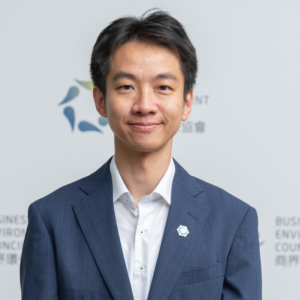
Merlin Lao
Head – Policy and Research
Business Environment Council
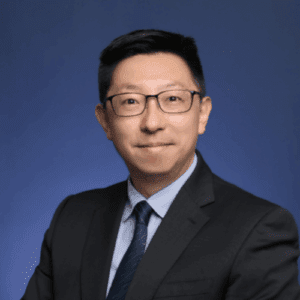
Simon Ng
Chief Executive Officer
Business Environment Council
Division of Environment and Sustainability, HKUST
Established in 2010, ENVR is a global leader in interdisciplinary education & research in environment and sustainability, fostering sustainability professionals to address complex environmental challenges across scientific, societal, regulatory, & business issues. ENVR also serves as an intellectual hub linking academia, government, business & community leaders to advance sustainability solutions.
Our sustainability goals for 2026:
UN SDG goals that we align with:
- SDG 1 No Poverty
- SDG 3 Good Health and Well-being
- SDG 4 Quality Education
- SDG 7 Affordable and Clean Energy
- SDG 8 Decent Work and Economic Growth
- SDG 11 Sustainable Cities and Communities
- SDG 12 Responsible Consumption and Production
- SDG 13 Climate Action
General Enquiry Email Address: envr@ust.hk
General Enquiry Phone Number: 23588363
Meet our 2026 speakers:
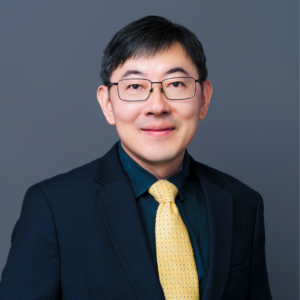
Prof. Dan Wang
Professor
Division of Environment and Sustainability, HKUST

Dr. Jay Joan Minuti
Marine Ecologist & Lecturer
Division of Environment and Sustainability, HKUST
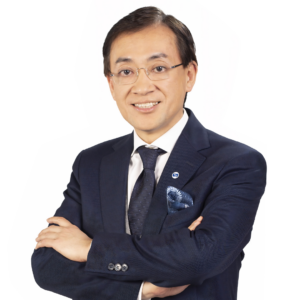
Prof. Chi Ming Shun
Adjunct and Visiting Professor
Division of Environment and Sustainability, HKUST
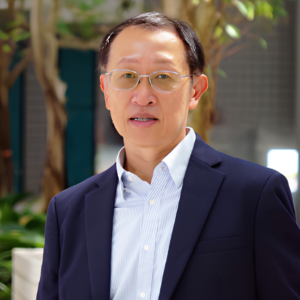
Prof. Fei Chen
Associate Head and Professor
Division of Environment and Sustainability, HKUST
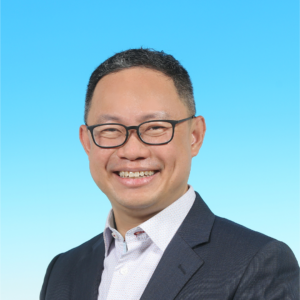
Dr. Laurence Delina
Associate Professor
Division of Environment and Sustainability, HKUST
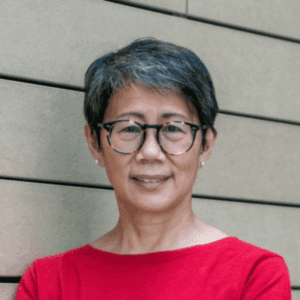
Prof. Christine Loh
Chief Development Strategist, Institute for the Environment
Division of Environment and Sustainability, HKUST
11:00 – 11:05
Speakers
Kevin O’Brien
Chairman
Business Environment Council
Kevin O’Brien
Business Environment Council
Chairman
Kevin O’Brien is the Chief Executive of Gammon Construction. He has over 35 years’ extensive management experience in the infrastructure and engineering industry covering both the private and public sectors. He is a fellow of the Royal Institution of Chartered Surveyors and a member of the Hong Kong Institute of Surveyors. He is the Chairman of the Business Environment Council and an Adjunct Professor in the Department of Real Estate & Construction at The University of Hong Kong.
My Sustainability Goals for 2026:
- Personal: Taking the best examples and decisions and applying them to my own behaviours and habits.
- Business: Racing towards our 2030 targets on our SBTI journey.
- Society: Leading BEC to help Hong Kong accelerate towards net zero.
Supported by
Business Environment Council
Booth E45
Business Environment Council Limited (BEC) is an independent, charitable corporate membership organisation, established by the business sector in Hong Kong.
Since its establishment in 1992, BEC has been at the forefront of promoting environmental excellence by advocating the uptake of clean technologies and practices which reduce waste, conserve resources, prevent pollution and improve corporate environmental and social responsibility.
BEC offers sustainable solutions and professional services covering advisory, research, assessment, training and award programmes for government, business and the community, thus enabling environmental protection and contributing to the transition to a net-zero carbon economy.
Meet our 2026 speakers:
Katie Chan
Specialist – Policy & Research
Business Environment Council
Suki Han
Assistant Manager
Business Environment Council
Kevin O’Brien
Chairman
Business Environment Council
Merlin Lao
Head – Policy and Research
Business Environment Council
Simon Ng
Chief Executive Officer
Business Environment Council
11:05 – 11:20
Professor Fei Chen opens the session by showing how the atmosphere is changing around us, from rising temperatures and extreme weather to air quality and urban heat. Drawing on his expertise in climate and urban weather modelling, he will explain what the latest science tells us about the risks facing dense coastal cities like Hong Kong, and why better prediction, data and planning are essential for resilience.
Speakers
Prof. Fei Chen
Associate Head and Professor
Division of Environment and Sustainability, HKUST
Prof. Fei Chen
Division of Environment and Sustainability, HKUST
Associate Head and Professor
Professor Fei Chen is Associate Head and Professor in the Division of Environment and Sustainability at the Hong Kong University of Science and Technology. A leading urban climate scientist, he spent more than 26 years at the National Center for Atmospheric Research in the United States, where he led major advances in land, hydrology, weather prediction and regional climate modelling. Chen is internationally recognised for his work on land-atmosphere interactions, urban meteorology and climate resilience. He led the development of the widely used WRF-Urban modelling system, adopted by weather prediction centres and research institutions worldwide. He currently serves as Co-Chair of the World Meteorological Organization Urban-Predict Project, Co-Editor-in-Chief of Urban Climate, and Co-Chair of the Urban Meteorology Committee of the Chinese Meteorological Society. He is a Fellow of both the American Meteorological Society and the American Geophysical Union. His honours include the AMS Helmut E. Landsberg Award and the 2025 IAUC Luke Howard Award, the highest international accolade in urban climatology. At HKUST, Chen is advancing high-resolution climate information for tropical Asian cities, including through SEA4C, which supports adaptation, disaster risk reduction and sustainable urban planning across Southeast Asia.
Supported by
Division of Environment and Sustainability, HKUST
Established in 2010, ENVR is a global leader in interdisciplinary education & research in environment and sustainability, fostering sustainability professionals to address complex environmental challenges across scientific, societal, regulatory, & business issues. ENVR also serves as an intellectual hub linking academia, government, business & community leaders to advance sustainability solutions.
Our sustainability goals for 2026:
UN SDG goals that we align with:
- SDG 1 No Poverty
- SDG 3 Good Health and Well-being
- SDG 4 Quality Education
- SDG 7 Affordable and Clean Energy
- SDG 8 Decent Work and Economic Growth
- SDG 11 Sustainable Cities and Communities
- SDG 12 Responsible Consumption and Production
- SDG 13 Climate Action
General Enquiry Email Address: envr@ust.hk
General Enquiry Phone Number: 23588363
Meet our 2026 speakers:
Prof. Dan Wang
Professor
Division of Environment and Sustainability, HKUST
Dr. Jay Joan Minuti
Marine Ecologist & Lecturer
Division of Environment and Sustainability, HKUST
Prof. Chi Ming Shun
Adjunct and Visiting Professor
Division of Environment and Sustainability, HKUST
Prof. Fei Chen
Associate Head and Professor
Division of Environment and Sustainability, HKUST
Dr. Laurence Delina
Associate Professor
Division of Environment and Sustainability, HKUST
Prof. Christine Loh
Chief Development Strategist, Institute for the Environment
Division of Environment and Sustainability, HKUST
11:20 – 11:35
Professor Ben Horton takes the discussion from the atmosphere to the ocean, showing how sea-level rise is reshaping the future of coastal cities. Drawing on his expertise in past and future sea-level change, he will explain what the science tells us about risks to Asia’s densely populated coastlines, and why adaptation, planning, and coastal resilience must move much faster.
Session Learnings:
- Understand the consequences of exceeding 1.5°C warming, including amplified extreme weather, sea‑level rise, and risks to vulnerable regions—illustrated through Hong Kong’s recent climate records.
- Recognize the potential for cascading climate tipping points, such as ocean circulation slowdown, permafrost thaw, and coral reef collapse, and their irreversible impacts on ecosystems and societies.
- Identify the urgent actions required for a net‑zero, climate‑resilient future, including energy transitions, ecosystem protection, emissions reductions, and the role of research and innovation in driving evidence‑based climate solutions.
Post-Event Actions:
- Integrate insights into decision‑making, applying the latest climate science to strengthen organizational strategies, risk assessments, and long‑term planning.
- Advance climate‑resilient and net‑zero initiatives, such as accelerating decarbonization efforts, scaling renewable energy, and supporting ecosystem protection within their spheres of influence.
- Champion cross‑sector collaboration, engaging with policymakers, researchers, and industry partners to develop and implement bold, evidence‑based climate solutions.
Speakers
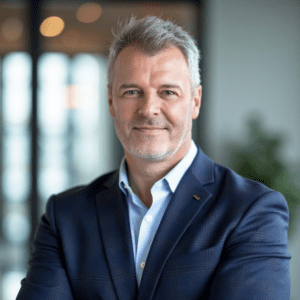
Prof. Benjamin Horton
Dean
School of Energy and Environment, City University of Hong Kong
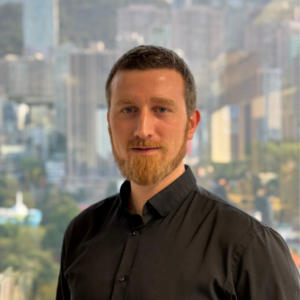
Prof. Benjamin Horton
School of Energy and Environment, City University of Hong Kong
Dean
Professor Benjamin Horton is Dean of the School of Energy and Environment at City University of Hong Kong and a leading coastal scientist specializing in sea-level change. He has received major accolades from the European Geophysical Union, American Geophysical Union and Geological Society of America. Professor Horton is a Fellow of both the Geological Society of America and the American Geophysical Union. He served as a Review Editor for the Intergovernmental Panel on Climate Change (IPCC) Sixth Assessment Report, has been a contributor to the Conference of Parties (COP), and is currently the Principal Investigator of UN Decade of Ocean Science for Sustainable Development project, promoting global coastal policy through scientific leadership and interdisciplinary research.
Speaking at 2026 sessions:
Day 1
The Men in Black Session : Three Scientists. Three Systems. One Planet. Part II: Oceans: Sea-Level Rise and the Future of Coastal CitiesThe Men in Black Session : Three Scientists. Three Systems. One Planet. Part IV: Moderated Discussion
Day 2
The Great Debate: This House Believes Corporate Action and Individual Civic Duty, Not Policy Shifts, Are the Fastest Way to Achieve a Climate-Resilient Hong Kong11:35 – 11:50
Sam Inglis completes the session by turning to the living systems that sustain planetary balance. He will provide an update on the global biodiversity crisis – why species loss and ecosystem degradation matter for climate stability, resilience and human wellbeing. He will also focus on wildlife trade as a powerful example of how global supply chains, consumption and organised crime can drive nature loss far beyond our borders.
Speakers
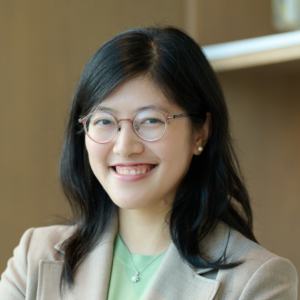
Sam Inglis
Wildlife Programme Manager
ADM Capital Foundation
Sam Inglis
ADM Capital Foundation
Wildlife Programme Manager
Sam has been developing strategy and leading numerous projects focusing on the wildlife trade since 2016. His work entails conducting research, developing campaigns and engaging stakeholders. He manages the Foundation’s ‘Wildlife Product Seizures’ (WiPS) database and ‘Seizure to Sentencing’ (S2S) initiative, has co-authored numerous reports and papers on wildlife crime and exotic animal trade, led dialogues with the Hong Kong Government, civil society and the private sector, and presented in fora ranging from local schools to the United Nations. With over a decade of experience addressing environmental issues across Asia, Sam previously served as Cryosphere Programme Coordinator at the International Centre for Integrated Mountain Development (ICIMOD), a writer for Columbia University, and consulted for several NGOs. Sam holds an MSc in Climate Change & Risk Management as well as a BSc in Geography from the University of Exeter (UK).
My Sustainability Goals for 2026:
- Strengthen Hong Kong’s wildlife trade enforcement by closing policy loopholes, enhancing enforcement and building stakeholder coalitions, directly supporting HK BSAP Action 1.6 and the 5YP’s ecological security pillar.
- Mainstream the interconnectedness of climate and biodiversity into policy through targeted stakeholder engagement and capacity-building, contributing to HK BSAP Priority Action 2.5.
Supported by
ADM Capital Foundation
Our mission is to understand how our environmental and economic systems are evolving, and to take those insights as a starting point to protect biodiversity, natural resources, reduce system stresses and build environmental resilience. Four themes permeate all of our work: biodiversity, natural resources, climate change and finance.
Meet our 2026 speakers:
11:50 – 12:20
Professor Christine Loh will moderate a discussion connecting the three presentations and exploring what planetary risks mean for Hong Kong’s resilience, policy choices and business responsibilities.
Speakers
Moderator
Prof. Christine Loh
Chief Development Strategist, Institute for the Environment
Division of Environment and Sustainability, HKUST
Prof. Christine Loh
Division of Environment and Sustainability, HKUST
Chief Development Strategist, Institute for the Environment
Professor Christine Loh is Chief Development Strategist at the Institute for the Environment, Hong Kong University of Science and Technology. She is a leading voice on public policy, climate governance and sustainable development in Hong Kong, with experience spanning government, the legislature, think tanks, business and academia. Loh was Under Secretary for the Environment in the HKSAR Government from 2012 to 2017, where she worked on air quality, climate change, energy, nature conservation and stakeholder engagement. She also served as Special Consultant to the Chief Executive’s Office on ecological civilization and the Greater Bay Area from 2019 to 2020. Earlier in her career, she was a Member of the Hong Kong Legislative Council. At HKUST, Professor Loh focuses on climate policy, sustainability transitions, green finance, governance and regional cooperation. She is also a published author and frequent commentator on environmental policy, climate risk, China and Hong Kong affairs. She currently serves on the board of Towngas Smart Energy, and is Scholar in Residence at Asia Society Hong Kong from 2023 to 2026.
Prof. Fei Chen
Associate Head and Professor
Division of Environment and Sustainability, HKUST
Prof. Fei Chen
Division of Environment and Sustainability, HKUST
Associate Head and Professor
Professor Fei Chen is Associate Head and Professor in the Division of Environment and Sustainability at the Hong Kong University of Science and Technology. A leading urban climate scientist, he spent more than 26 years at the National Center for Atmospheric Research in the United States, where he led major advances in land, hydrology, weather prediction and regional climate modelling. Chen is internationally recognised for his work on land-atmosphere interactions, urban meteorology and climate resilience. He led the development of the widely used WRF-Urban modelling system, adopted by weather prediction centres and research institutions worldwide. He currently serves as Co-Chair of the World Meteorological Organization Urban-Predict Project, Co-Editor-in-Chief of Urban Climate, and Co-Chair of the Urban Meteorology Committee of the Chinese Meteorological Society. He is a Fellow of both the American Meteorological Society and the American Geophysical Union. His honours include the AMS Helmut E. Landsberg Award and the 2025 IAUC Luke Howard Award, the highest international accolade in urban climatology. At HKUST, Chen is advancing high-resolution climate information for tropical Asian cities, including through SEA4C, which supports adaptation, disaster risk reduction and sustainable urban planning across Southeast Asia.
Prof. Benjamin Horton
Dean
School of Energy and Environment, City University of Hong Kong
Prof. Benjamin Horton
School of Energy and Environment, City University of Hong Kong
Dean
Professor Benjamin Horton is Dean of the School of Energy and Environment at City University of Hong Kong and a leading coastal scientist specializing in sea-level change. He has received major accolades from the European Geophysical Union, American Geophysical Union and Geological Society of America. Professor Horton is a Fellow of both the Geological Society of America and the American Geophysical Union. He served as a Review Editor for the Intergovernmental Panel on Climate Change (IPCC) Sixth Assessment Report, has been a contributor to the Conference of Parties (COP), and is currently the Principal Investigator of UN Decade of Ocean Science for Sustainable Development project, promoting global coastal policy through scientific leadership and interdisciplinary research.
Speaking at 2026 sessions:
Day 1
The Men in Black Session : Three Scientists. Three Systems. One Planet. Part II: Oceans: Sea-Level Rise and the Future of Coastal CitiesThe Men in Black Session : Three Scientists. Three Systems. One Planet. Part IV: Moderated Discussion
Day 2
The Great Debate: This House Believes Corporate Action and Individual Civic Duty, Not Policy Shifts, Are the Fastest Way to Achieve a Climate-Resilient Hong Kong
Sam Inglis
Wildlife Programme Manager
ADM Capital Foundation
Sam Inglis
ADM Capital Foundation
Wildlife Programme Manager
Sam has been developing strategy and leading numerous projects focusing on the wildlife trade since 2016. His work entails conducting research, developing campaigns and engaging stakeholders. He manages the Foundation’s ‘Wildlife Product Seizures’ (WiPS) database and ‘Seizure to Sentencing’ (S2S) initiative, has co-authored numerous reports and papers on wildlife crime and exotic animal trade, led dialogues with the Hong Kong Government, civil society and the private sector, and presented in fora ranging from local schools to the United Nations. With over a decade of experience addressing environmental issues across Asia, Sam previously served as Cryosphere Programme Coordinator at the International Centre for Integrated Mountain Development (ICIMOD), a writer for Columbia University, and consulted for several NGOs. Sam holds an MSc in Climate Change & Risk Management as well as a BSc in Geography from the University of Exeter (UK).
My Sustainability Goals for 2026:
- Strengthen Hong Kong’s wildlife trade enforcement by closing policy loopholes, enhancing enforcement and building stakeholder coalitions, directly supporting HK BSAP Action 1.6 and the 5YP’s ecological security pillar.
- Mainstream the interconnectedness of climate and biodiversity into policy through targeted stakeholder engagement and capacity-building, contributing to HK BSAP Priority Action 2.5.
Supported by
Division of Environment and Sustainability, HKUST
Established in 2010, ENVR is a global leader in interdisciplinary education & research in environment and sustainability, fostering sustainability professionals to address complex environmental challenges across scientific, societal, regulatory, & business issues. ENVR also serves as an intellectual hub linking academia, government, business & community leaders to advance sustainability solutions.
Our sustainability goals for 2026:
UN SDG goals that we align with:
- SDG 1 No Poverty
- SDG 3 Good Health and Well-being
- SDG 4 Quality Education
- SDG 7 Affordable and Clean Energy
- SDG 8 Decent Work and Economic Growth
- SDG 11 Sustainable Cities and Communities
- SDG 12 Responsible Consumption and Production
- SDG 13 Climate Action
General Enquiry Email Address: envr@ust.hk
General Enquiry Phone Number: 23588363
Meet our 2026 speakers:
Prof. Dan Wang
Professor
Division of Environment and Sustainability, HKUST
Dr. Jay Joan Minuti
Marine Ecologist & Lecturer
Division of Environment and Sustainability, HKUST
Prof. Chi Ming Shun
Adjunct and Visiting Professor
Division of Environment and Sustainability, HKUST
Prof. Fei Chen
Associate Head and Professor
Division of Environment and Sustainability, HKUST
Dr. Laurence Delina
Associate Professor
Division of Environment and Sustainability, HKUST
Prof. Christine Loh
Chief Development Strategist, Institute for the Environment
Division of Environment and Sustainability, HKUST
ADM Capital Foundation
Our mission is to understand how our environmental and economic systems are evolving, and to take those insights as a starting point to protect biodiversity, natural resources, reduce system stresses and build environmental resilience. Four themes permeate all of our work: biodiversity, natural resources, climate change and finance.
Meet our 2026 speakers:
12:20 – 13:10
Agriculture and our current food systems are among the leading drivers of global nature loss, while also being highly vulnerable to our rapidly changing climate. With Hong Kong relying on imports for more than 90% of its food, our city faces significant risk from the rapidly changing climate and biodiversity decline. This session will explore vulnerabilities land use and agriculture, fisheries and global food supply chains exposed by climate change and highlight how businesses must rethink their role in shaping resilient and responsible food systems. Going beyond identifying risks, the session will deep dive into how businesses can evolve and transform supply chains and business models through responsible sourcing, regenerative practices and strategies to not only reduce risk but address the twin crises of climate and nature.
Session Learnings:
- How food systems are central and critical to global climate change and biodiversity decline crises
- Where the climate change and biodiversity risks lie for businesses that have exposure, direct or indirect, with food systems
- Practical approaches for organisations to evolve supply chains to create more sustainable food systems
Post-Event Actions:
- Moving beyond risk mitigation to support biodiversity and climate resilience in supply chains and procurement
- Embedding sourcing practices that prioritise sustainability and regenerative models into current business models
Speakers
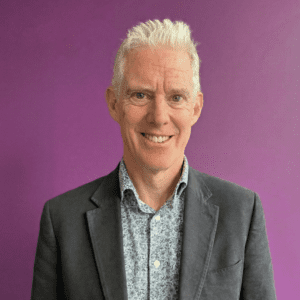
Moderator
Priscilla Lin
Manager, Strategy & Sustainability
Schneider Electric (Hong Kong) Limited

Priscilla Lin
Schneider Electric (Hong Kong) Limited
Manager, Strategy & Sustainability
Priscilla Lin is Strategy and Sustainability Manager at Schneider Electric Hong Kong, where she works with businesses and institutions to accelerate climate action through technology, collaboration and innovation. She leads sustainability initiatives locally and supports organisations in advancing their climate commitments and resilience strategies.
Before joining Schneider Electric Hong Kong, Priscilla advised companies on sustainability strategy, reporting and stakeholder engagement. Drawing on experience from both the corporate and non-profit sectors, she is a strong advocate for collective action and believes meaningful climate progress requires collaboration among businesses, governments and communities.
Priscilla has participated in COP26, COP27 and COP29 and continues to champion climate education, youth empowerment and community engagement.
My sustainability goals for 2026:
To foster greater collaboration across business, government and civil society, accelerating climate action and integrating sustainable development more deeply into policy, business decision-making and public discourse.
Mike Barry
Co-Founder
Planeatry Alliance
Mike Barry
Planeatry Alliance
Co-Founder
Mike is a sustainable business transformation agent, committed to helping business big and small, new and established to prepare for and succeed in the complex transformation to a Society, and Economy that serves it, that is healthier, more sustainable and more just.
He’s the co-founder of Planeatry Alliance that’s helping companies transform the food system by linking their work on human health and sustainability.
Mike was until 2019 Director of Sustainable Business at Marks & Spencer, spearheading its ground-breaking Plan A (because there is no Plan B for the one planet we have) sustainability program. He co-chaired the Consumer Goods Forum’s sustainability work bringing the world’s largest retailers and fast moving consumer goods brands together to work on issues such as deforestation, plastics and forced labour. He is a Senior Associate at the Cambridge Institute for Sustainability Leadership and a Trustee at Blueprint for Better Business. And Chair of local charity Greener Henley.
Speaking at 2026 sessions:
Day 1
Creating Sustainable Business Value in Turbulent TimesOur Food Systems: Recoupling Climate & Nature
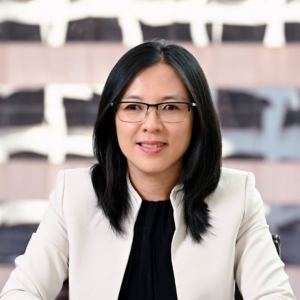
Lit Ping Low
Group Sustainability Director
DFI Retail Group

Lit Ping Low
DFI Retail Group
Group Sustainability Director
Lit Ping Low brings over 20 years of experience in driving sustainability and climate change priorities across a wide range of sectors including retail, food and beverage, hospitality and conglomerates.
As the Group Sustainability Director at DFI Retail Group, Lit Ping leads the development and implementation of DFI’s sustainability strategy, including the decarbonisation of operations and supply chain, climate and environmental sustainability risk management, and ensuring transparent sustainability disclosures. She leads and represents DFI in key partnerships and collaborations on sustainability to deliver our strategic ambition with our ecosystem partners.
Prior to DFI, she was PwC’s Asia Pacific Climate lead partner, supporting businesses and governments in developing net zero strategies, managing climate risks, and mobilising green finance. Her experience also includes extensive collaboration with international organisations such as the World Economic Forum, UNFCCC, UNEP Finance Initiative, and the Carbon Disclosure Project, contributing to global dialogues on climate transition pathways and sustainable finance frameworks.
My Sustainability Goals for 2026:
Lit Ping’s ongoing priorities is to lead DFI’s efforts to meet our short- and medium- term sustainability targets. In 2026, this includes looking at more breakthrough or innovative collaboration approaches that can help amplify our strategic ambition across all People, Products and Planet priorities.
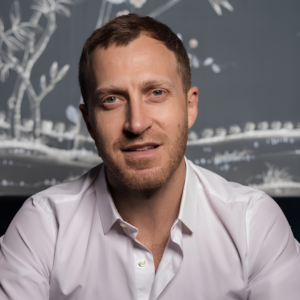
Matt Reid
Co-founder
KIN Farms
Matt Reid
KIN Farms
Co-founder
Matt Reid is an award-winning entrepreneur and creative leader in global hospitality. As Co-founder of Maximal Concepts and KIN Farms, he has led the creation of more than 60 restaurants and lifestyle concepts worldwide, earning over 500 international accolades for innovation, design, and guest experience. Through KIN Farms, he extends this work upstream — championing ingredient change as a quiet but practical lever for climate change, with animal welfare, traceability, and lower-carbon farming at the foundation.
My Sustainability Goals for 2026:
- Highlight food miles and promote local farms
- Reduce or remove single use plastic consumption
- Promote greater equality in the food supply chain with farmers, biodiversity and the environment all treated as fairly as stakeholders
Carol Tse
Group Senior Manager – Sustainability
Vitasoy International
Carol Tse
Vitasoy International
Group Senior Manager – Sustainability
Carol Tse leads the implementation of the Taskforce on Nature-related Financial Disclosures (TNFD) at Vitasoy, driving the integration of nature-related risks, impacts, dependencies, and opportunities into business strategy and operations. With over a decade of experience in corporate sustainability and strategy across sectors including conglomerates, luxury and food and beverage, she focuses on advancing the management of climate- and nature-related issues throughout the value chain and embedding sustainability into business decision-making.
Prior to her corporate career, Carol worked as an environmental consultant, conducting environmental impact and biological risk assessments to support regulatory compliance and biodiversity conservation.
Carol holds a Master’s degree in Biology and a Bachelor’s degree in Environmental Science from The Chinese University of Hong Kong.
My Sustainability Goals for 2026:
Strengthen engagement and long-term planning for nature-related risks and opportunities, embedding sustainability considerations across the company, city, and region.
Supported by
Business Environment Council
Booth E45
Business Environment Council Limited (BEC) is an independent, charitable corporate membership organisation, established by the business sector in Hong Kong.
Since its establishment in 1992, BEC has been at the forefront of promoting environmental excellence by advocating the uptake of clean technologies and practices which reduce waste, conserve resources, prevent pollution and improve corporate environmental and social responsibility.
BEC offers sustainable solutions and professional services covering advisory, research, assessment, training and award programmes for government, business and the community, thus enabling environmental protection and contributing to the transition to a net-zero carbon economy.
Meet our 2026 speakers:
Katie Chan
Specialist – Policy & Research
Business Environment Council
Suki Han
Assistant Manager
Business Environment Council
Kevin O’Brien
Chairman
Business Environment Council
Merlin Lao
Head – Policy and Research
Business Environment Council
Simon Ng
Chief Executive Officer
Business Environment Council
With thanks to
DFI Retail Group
Booth E40
DFI Retail Group is a leading Asian retailer, driven by its purpose to “Sustainably Serve Asia for Generations with Everyday Moments”. DFI and its associates operate over 7,500 outlets across 12 markets, with a portfolio of well-known brands across five formats: health and beauty, convenience, food, home furnishings, and restaurants.
Our sustainability goals for 2026:
- Accelerate decarbonisation across our operations and value chain to support the transition to a low-carbon future.
- Expand access to affordable, healthier and more sustainable choices that empower customers to live more sustainably.
- Advance circularity by reducing waste, improving diversion, and increasing resource efficiency.
- Strengthen sustainability awareness and capabilities across DFI and our ecosystem of partners and stakeholders.
- Create lasting positive impacts in the communities we serve through responsible business practices and community support.
Solutions Showcase:
- Brand Owner
- Circular Solutions
- F&B Products/Food Supply
- Sustainable Products
- Technology & Innovation
Legal Name: The Dairy Farm Company, Limited
Meet our 2026 speakers:
14:00 – 14:15
Speakers
Prof. Christine Loh
Chief Development Strategist, Institute for the Environment
Division of Environment and Sustainability, HKUST
Prof. Christine Loh
Division of Environment and Sustainability, HKUST
Chief Development Strategist, Institute for the Environment
Professor Christine Loh is Chief Development Strategist at the Institute for the Environment, Hong Kong University of Science and Technology. She is a leading voice on public policy, climate governance and sustainable development in Hong Kong, with experience spanning government, the legislature, think tanks, business and academia. Loh was Under Secretary for the Environment in the HKSAR Government from 2012 to 2017, where she worked on air quality, climate change, energy, nature conservation and stakeholder engagement. She also served as Special Consultant to the Chief Executive’s Office on ecological civilization and the Greater Bay Area from 2019 to 2020. Earlier in her career, she was a Member of the Hong Kong Legislative Council. At HKUST, Professor Loh focuses on climate policy, sustainability transitions, green finance, governance and regional cooperation. She is also a published author and frequent commentator on environmental policy, climate risk, China and Hong Kong affairs. She currently serves on the board of Towngas Smart Energy, and is Scholar in Residence at Asia Society Hong Kong from 2023 to 2026.
Simon Ng
Chief Executive Officer
Business Environment Council
Simon Ng
Business Environment Council
Chief Executive Officer
Mr Simon Ng is Chief Executive Officer of Business Environment Council (BEC). He works closely with BEC Board of Directors in setting and implementing organisation goals and strategies conducive to supporting BEC members and the wider business community in the transition towards net-zero economy and a sustainable Hong Kong.
My Sustainability Goals for 2026:
Mobilise corporates in Hong Kong for accelerated climate action.
Speaking at 2026 sessions:
Day 1
The Local Blueprint: Hong Kong’s Five-Year Plan (2026-2030)Day 2
Opening Welcome for Day 2Supported by
Business Environment Council
Booth E45
Business Environment Council Limited (BEC) is an independent, charitable corporate membership organisation, established by the business sector in Hong Kong.
Since its establishment in 1992, BEC has been at the forefront of promoting environmental excellence by advocating the uptake of clean technologies and practices which reduce waste, conserve resources, prevent pollution and improve corporate environmental and social responsibility.
BEC offers sustainable solutions and professional services covering advisory, research, assessment, training and award programmes for government, business and the community, thus enabling environmental protection and contributing to the transition to a net-zero carbon economy.
Meet our 2026 speakers:
Katie Chan
Specialist – Policy & Research
Business Environment Council
Suki Han
Assistant Manager
Business Environment Council
Kevin O’Brien
Chairman
Business Environment Council
Merlin Lao
Head – Policy and Research
Business Environment Council
Simon Ng
Chief Executive Officer
Business Environment Council
Division of Environment and Sustainability, HKUST
Established in 2010, ENVR is a global leader in interdisciplinary education & research in environment and sustainability, fostering sustainability professionals to address complex environmental challenges across scientific, societal, regulatory, & business issues. ENVR also serves as an intellectual hub linking academia, government, business & community leaders to advance sustainability solutions.
Our sustainability goals for 2026:
UN SDG goals that we align with:
- SDG 1 No Poverty
- SDG 3 Good Health and Well-being
- SDG 4 Quality Education
- SDG 7 Affordable and Clean Energy
- SDG 8 Decent Work and Economic Growth
- SDG 11 Sustainable Cities and Communities
- SDG 12 Responsible Consumption and Production
- SDG 13 Climate Action
General Enquiry Email Address: envr@ust.hk
General Enquiry Phone Number: 23588363
Meet our 2026 speakers:
Prof. Dan Wang
Professor
Division of Environment and Sustainability, HKUST
Dr. Jay Joan Minuti
Marine Ecologist & Lecturer
Division of Environment and Sustainability, HKUST
Prof. Chi Ming Shun
Adjunct and Visiting Professor
Division of Environment and Sustainability, HKUST
Prof. Fei Chen
Associate Head and Professor
Division of Environment and Sustainability, HKUST
Dr. Laurence Delina
Associate Professor
Division of Environment and Sustainability, HKUST
Prof. Christine Loh
Chief Development Strategist, Institute for the Environment
Division of Environment and Sustainability, HKUST
14:15 – 15:05
The disclosure landscape for climate and nature-related risks is shifting rapidly in Hong Kong and globally. With HKEX’s enhanced ESG reporting requirements taking effect, the international rollout of ISSB standards (IFRS S1 and S2), and the emergence of the TNFD framework, companies face an increasingly complex web of compliance obligations. This panel brings together regulators, standard-setters, and advisory experts to help businesses understand what is now required, what is coming next, and how to build internal governance structures that satisfy both mandatory reporting standards and growing investor expectations. The discussion will address practical challenges in data collection, metrics, and assurance readiness, while exploring how robust disclosure can move beyond a box-ticking exercise to become a strategic tool for managing climate and nature-related risks and opportunities.
Session Learnings:
- Understand the current and upcoming regulatory requirements for climate and nature-related disclosure in Hong Kong, including HKEX’s enhanced ESG reporting rules and their alignment with ISSB standards (IFRS S1 and S2).
- Learn how the TNFD framework complements existing climate disclosure standards and what practical steps businesses should take now to prepare for nature-related reporting.
- Gain insights on the data collection, metrics, and assurance readiness challenges that companies face in meeting evolving compliance baselines, and hear how leading firms are addressing them.
- Explore how institutional investors and lenders are using disclosure data to inform capital allocation, engagement, and risk pricing, and what this means for the quality bar companies must meet.
- Understand the governance structures and internal capabilities required to embed climate and nature reporting into board-level decision-making and enterprise risk management.
Post-Event Actions:
- Conduct a gap analysis of your organisation’s current climate and nature-related disclosures against HKEX, ISSB, and TNFD requirements, identifying priority areas for improvement.
- Establish or strengthen internal governance structures for overseeing climate and nature risk disclosure and assurance.
- Develop a phased roadmap for adopting TNFD-aligned nature-related disclosures alongside existing climate reporting obligations.
- Engage auditors and external advisors to assess assurance readiness ahead of mandatory sustainability disclosure assurance timelines.
- Review investor relations and stakeholder communications strategies to ensure disclosure outputs are meeting the expectations of capital providers.
Speakers
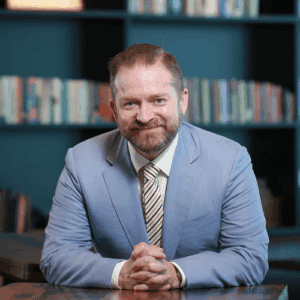
Moderator
Mark Harper
Consulting Director, Sustainability Advisory
FGS Global
Mark Harper
FGS Global
Consulting Director, Sustainability Advisory
Mark Harper leads FGS Global’s work on ESG in Asia helping clients develop better strategies and implement campaigns to promote sustainability in their companies and beyond.
He is Chair of the BritCham ESG Committee and has over 20 years of experience in corporate sustainability. Recently served as Group Head of Sustainability at John Swire & Sons (H.K.) Ltd., where he led the Group’s global sustainability strategy, SwireTHRIVE, and advanced ESG integration across its businesses. Earlier in his career, he held senior roles at NGOs including the Earthwatch Institute, Fauna & Flora International, China Water Risk, and the Business Environment Council, focusing on sustainability strategy, climate change and nature risk and ESG reporting.
My Sustainability Goals for 2026:
- Hong Kong to integrate sustainability as a key foundation for Hong Kong’s economic future within its first five year plan.
- Hong Kong to increase its decarbonisation ambition within the updated climate action plan.
Speaking at 2026 sessions:
Day 1
Shifting Compliance Baselines: Climate and Nature Action in Hong KongData: The Strategic Architecture of a Sustainable Future
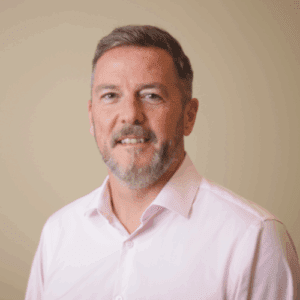
Dr. Robin Kennish
Business Unit Managing Partner, East Asia
ERM-Hong Kong Limited
Dr. Robin Kennish
ERM-Hong Kong Limited
Business Unit Managing Partner, East Asia
Dr Robin Kennish is the Managing Partner for ERM’s East Asia business. He has over 20 years of experience in managing and directing environment and sustainability studies. These studies have ranged from securing permits through to strategic advice on climate change, biodiversity and health and safety. He is working with power companies, conglomerates and asset management firms on aligning their climate change disclosure with the Task Force on Climate-related Financial Disclosure requirements. Robin has recently worked with HKEX listed companies on their Nature strategy which has included looking as risks and opportunities, value chain impacts as well as preparation of TNFD aligned disclosure for ESG reports. Robin has a PhD in Marine Sciences and has conducted numerous Aquatic and Terrestrial Biodiversity assessments while at ERM throughout the Asia Pacific region. His Biodiversity and Nature experience has ranged from developing corporate level policies through to site level assessments and habitat creation plans.
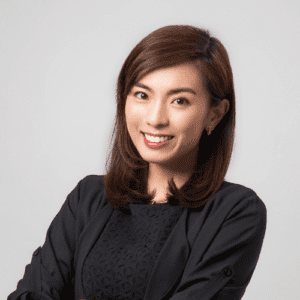
Christine Lau
Vice President
Hong Kong Exchanges and Clearing Limited (HKEX)
Christine Lau
Hong Kong Exchanges and Clearing Limited (HKEX)
Vice President
Christine Lau, Vice President of Listing Policy and Secretariat Services, Hong Kong Exchanges and Clearing Limited
Ms. Christine Lau joined Hong Kong Exchanges and Clearing Limited (“HKEX”) in 2016. Ms. Lau has been working in the Policy and Secretariat Services of the Listing Division, and has been involved in HKEX’s listing policy initiatives in relation to corporate governance and environmental, social and governance matters in recent years. Prior to joining HKEX, Ms. Lau was a senior associate practicing corporate and securities law in Hong Kong with a leading international law firm. Ms. Lau graduated from the University of Hong Kong with a bachelor’s degree in Laws, and is a qualified lawyer in Hong Kong.
Speaking at 2026 sessions:
Day 1
Shifting Compliance Baselines: Climate and Nature Action in Hong Kong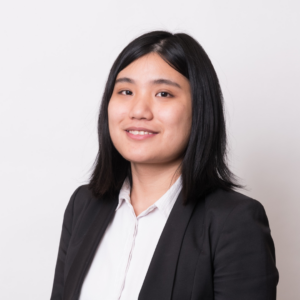
Nana Li
Head of Sustainability & Stewardship, Asia-Pacific, Director
Impax Asset Management
Nana Li
Impax Asset Management
Head of Sustainability & Stewardship, Asia-Pacific, Director
Nana Li leads Impax’s sustainability research, stewardship strategy and policy advocacy across the Asia-Pacific region. She is responsible for overseeing sustainability analysis and engagement priorities, coordinating dialogue with investee companies and regulators, managing external sustainability- and stewardship-related inquiries, and contributing to the ongoing development of Impax’s proprietary sustainability frameworks and methodologies.
Prior to joining Impax in 2022, Nana served as Research and Project Director at the Asian Corporate Governance Association (ACGA). During her tenure, she authored and co-authored multiple flagship research reports on corporate governance in Asia and regularly presented to regulators and market participants, including the Shanghai and Shenzhen Stock Exchanges and the Shenzhen Asset Management Association. Since 2018, Nana has chaired ACGA’s China Working Group, a role she continues to hold, and she remains a Specialist Consultant to ACGA following her transition to Impax.
Nana is a frequent speaker at international conferences and industry forums organised by financial institutions, multilateral organisations and market bodies, and she is regularly invited to contribute to discussions on corporate governance, stewardship and sustainability. She has been interviewed by leading international media outlets and serves as a guest speaker at universities in Asia, Europe and North America. In 2024, Nana co-authored Unlocking Corporate Success by the Power of Diversity, the first book to examine gender diversity in Japan from an investor perspective. She is also the author of Navigating Sustainability in Asia: A Practical Guide for Corporate Leaders and Investors, which provides an applied and region-specific perspective on sustainability, governance and stewardship across Asia-Pacific. In 2025, Nana was awarded the International Corporate Governance Network (ICGN) Excellence in Stewardship Award (the first Asian recipient), recognising her leadership and contributions to stewardship and policy advocacy in Asia.
Nana serves on the Stakeholder Advisory Council of the International Auditing and Assurance Standards Board and the International Ethics Standards Board for Accountants. She is also a member of the Global Policy Committee of the ICGN, the Global Policy Reference Group of the Principles for Responsible Investment, the Advisory Group of the Global Capacity Building Coalition, the ESG Committee of Women in Finance Asia and the Caixin China ESG30 Forum. In addition, she participates in global standard-setting and capacity-building initiatives as a member of the IFRS Sustainability Reference Group and the Global Capacity Building Coalition Advisory Group. Nana is also an instructor with the Association of Stewardship Professionals.
Nana holds an MBA (Honors) from the University of Chicago, a Master of Finance from the University of Hong Kong (Dean’s List), and a Bachelor of Commerce from the University of New South Wales (Distinction). She is a CFA charterholder and has completed the HKICPA Qualification Programme.
Speaking at 2026 sessions:
Day 1
Shifting Compliance Baselines: Climate and Nature Action in Hong Kong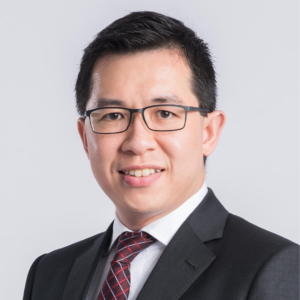
Clement Tam
Managing Director
Kadoorie Estates Limited
Clement Tam
Kadoorie Estates Limited
Managing Director
Clement Tam is a seasoned executive with extensive experience across real estate operations and development, asset management, aviation, and organisational transformation.
As Managing Director of Kadoorie Estates Limited, he leads the Group’s real estate arm in Hong Kong, with responsibility for strategic planning, overall operations, asset enhancement, and project management across its luxury residential and Grade-A commercial portfolio.
Prior to joining Kadoorie Estates, Clement held senior management positions at Hang Lung Properties, HKR International, Cathay Pacific Airways, and Hong Kong Aircraft Engineering Company. His diverse experience spans multiple industries and markets, including Hong Kong, Mainland China, the Middle East, Indonesia, and Japan.
Clement holds a Master of Engineering Science degree from the University of Oxford, UK.
My Sustainability Goals for 2026:
1) Improving asset lifespan
Enhance the performance and resilience of residential and commercial buildings through asset enhancement, proactive maintenance and renovation. These efforts extend the serviceable lifespan of assets, reduce the environmental impact of demolition and redevelopment, promote low-carbon construction, and strengthen climate resilience.
2) Protect biodiversity and embed sustainability in culture and stakeholder engagement
Engage employees, tenants, contractors and community partners in wellbeing, safety, learning and environmental initiatives, while helping to protect Kadoorie Hill’s biodiversity and Garden City character.
3) Strengthen governance, accountability and sustainable growth
Integrate ESG priorities into business planning, risk management, procurement, financing and reporting, while upholding strong ethics, compliance, and transparent stakeholder communication.
Speaking at 2026 sessions:
Day 1
Shifting Compliance Baselines: Climate and Nature Action in Hong KongSupported by
Business Environment Council
Booth E45
Business Environment Council Limited (BEC) is an independent, charitable corporate membership organisation, established by the business sector in Hong Kong.
Since its establishment in 1992, BEC has been at the forefront of promoting environmental excellence by advocating the uptake of clean technologies and practices which reduce waste, conserve resources, prevent pollution and improve corporate environmental and social responsibility.
BEC offers sustainable solutions and professional services covering advisory, research, assessment, training and award programmes for government, business and the community, thus enabling environmental protection and contributing to the transition to a net-zero carbon economy.
Meet our 2026 speakers:
Katie Chan
Specialist – Policy & Research
Business Environment Council
Suki Han
Assistant Manager
Business Environment Council
Kevin O’Brien
Chairman
Business Environment Council
Merlin Lao
Head – Policy and Research
Business Environment Council
Simon Ng
Chief Executive Officer
Business Environment Council
With thanks to
ERM-Hong Kong Limited
Booth G30
Sustainability is our business.
As the world’s largest sustainability consultancy, ERM partners with clients to operationalize sustainability at pace and scale, deploying a unique combination of strategic transformation and technical delivery capabilities. This approach helps clients to accelerate the integration of sustainability at every level of their business.
With more than 50 years of experience, ERM’s diverse team of 8000+ experts in 40 countries and territories helps clients create innovative solutions to their sustainability challenges, unlocking commercial opportunities that meet the needs of today while preserving opportunity for future generations.
Our sustainability goals for 2026:
- Advance climate action and decarbonization by delivering on ERM’s science-based net-zero commitments and helping accelerate the global transition to a low-carbon economy.
- Maximize positive impact across Climate, Nature & Water, and social priorities, supporting the UN Sustainable Development Goals (SDGs) through both client work and ERM’s own operations.
- Embed sustainability into business operations and governance, ensuring ethics, compliance, human rights, responsible supply chains, and accountability remain at the core of how ERM operates.
- Reduce ERM’s environmental footprint through ongoing efforts to lower carbon emissions, improve resource efficiency, and implement sustainability initiatives across its global operations.
- Drive meaningful change through collaboration and innovation, partnering with clients, employees, industry organizations, and communities to scale sustainable solutions and deliver measurable environmental and social outcomes.
Legal Name: ERM-Hong Kong Limited
General Enquiry Email Address: parishrut.tripathi@erm.com
General Enquiry Phone Number: 22713000
Meet our 2026 speakers:
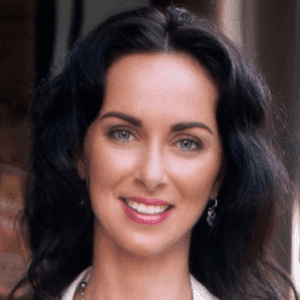
Yulia Dobrolyubova
Partner & Regional Service Leader, Corporate Sustainability & Climate Change
ERM-Hong Kong Limited
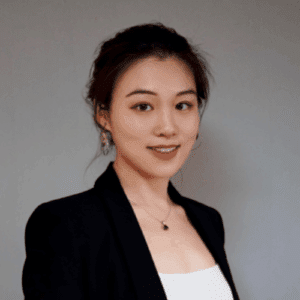
Summer Chen
Associate Partner, Corporate Sustainability & Climate Change.
ERM-Hong Kong Limited
Dr. Robin Kennish
Business Unit Managing Partner, East Asia
ERM-Hong Kong Limited
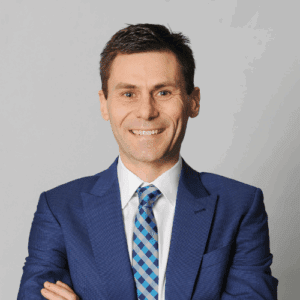
Piers Touzel
Head of ESG Advisory, Partner
ERM-Hong Kong Limited
15:05 – 15:55
Physical climate risks are rising, and so is the financial exposure for companies and investors who fail to act. This session answers a blunt question: how are you going to survive? From physical asset vulnerability to transition shocks, leading practitioners will share how they are stress-testing portfolios, embedding climate risk into accounting, and building adaptive responses. Moving beyond disclosure to hard risk management, learn what worst-case scenario planning looks like, how to quantify what you cannot afford to ignore, and why the businesses on the forefront today will be the ones standing tomorrow.
Session Learnings:
- Stress-testing for survival: Approaches for modelling climate scenarios and translating physical risk into financial exposure
- Embedding climate into accounting: Methods for integrating climate risk into asset valuation, provisioning, and corporate balance sheets
- From assessment to response: Pathways for adapting operations, supply chains, and capital allocation in response to climate risk
- The investor lens: What asset managers and banks consider when assessing a company’s climate resilience
- Hong Kong-specific risks: Perspectives on addressing typhoon, flood, and heat stress vulnerabilities in a dense urban context
Post-Event Actions:
- Reflect on whether your current scenario analysis approach captures the right climate risks for your portfolio
- Flag climate risk as a topic for your next cross-functional meeting between finance and risk teams
- Identify one or two questions to ask your asset managers about their climate stress testing practices
- Note which of your assets or operating locations may be most exposed to local climate hazards
Speakers
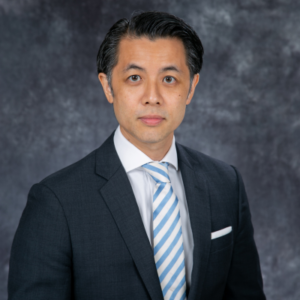
Moderator
Tsun Chen
Secretary General
Hong Kong Green Finance Association
Tsun Chen
Hong Kong Green Finance Association
Secretary General
Tsun has over 20 years of experience in the financial services industry. Prior to joining HKGFA, he worked for a number of corporate finance advisory firms and a specialist bank where he was responsible for cross-border mergers and acquisitions, initial public offerings, debt and equity restructurings and direct investments. Tsun is a qualified solicitor in England & Wales (non-practising), holds a BSc. in History and Philosophy of Science from University College London and is certified by the CFA in ESG Investing.

Mark Fletcher
Head of Zurich Resilience Solutions, Asia Pacific
Zurich Resilience Solutions
Mark Fletcher
Zurich Resilience Solutions
Head of Zurich Resilience Solutions, Asia Pacific
Mark Fletcher is regional executive of Zurich Resilience Solutions Asia Pacific. Mark has held leadership positions in EMEA, APAC and North America and is an expert in risk management consultancy, with a focus on climate resilience.
Speaking in 2026 sessions:
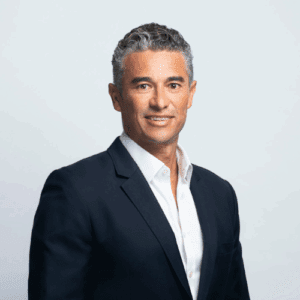
Michael Long
Director and Head of Sustainability
Hongkong Land
Michael Long
Hongkong Land
Director and Head of Sustainability
Michael Long joined Hongkong Land as Director and Head of Sustainability in April 2025. He brings over 28 years of experience in environmental, social, and governance (ESG) strategy and implementation across the real estate sectors in Asia, Australia, and the United Kingdom.
Mr Long combines technical knowledge with a commercial, results-driven approach to help organisations address complex sustainability challenges. His philosophy centers on simplifying complexity, focusing on what truly matters, and always starting with the ‘Why’—creating impactful, meaningful outcomes for businesses and stakeholders alike.
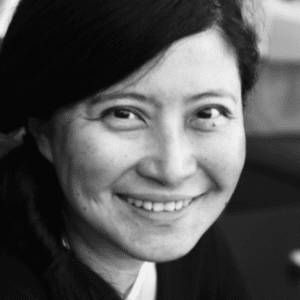
Debra Tan
Director & Head
CWR
Debra Tan
CWR
Director & Head
Tan heads CWR, a non-profit that aims to “mainstream” water & climate risks into financial decision-making & corporate strategies. She built CWR from an idea into a ‘go-to’ resource in the global climate water risk conversation. Today, CWR’s decade+ of work on assessing & valuing risk exposure to rising water scarcity & coastal threats is highlighted in TCFD’s Knowledge Hub, technical guides for disclosure (IFRS/CDSB, SBTN, CDP) and various textbooks on water risk modeling. Her research & reports unpacking water risks with financial institutions & government-related organisations in China are considered groundbreaking and instrumental in understanding not just China’s but future global water challenges. CWR was part of China’s Environmental Risk Analysis Task Force as well as a founding member of Hong Kong’s Green Finance Association. Tan’s work is widely cited from the IPCC and IGOs to the financial sector and mainstream media. As a recognized authority in the water & climate space, Tan is published by SpringerNature, Palgrave MacMillan, G20 & UN editions, China policy journals and was a contributing author to the latest IPCC report “Climate Change 2022: Impacts, Adaptation and Vulnerability”. She also sat on various advisory committees for MNCs & IGOs including CDP, CDSB (now IFRS) as well as judging panels for ACI and UNPRI awards. Before water, Tan spent over a decade in finance. She spends her spare time exploring Himalayan glaciers.
My Sustainability Goals for 2026:
- Realistic recognition of accelerating climate risks
- HK as the regional leader in coastal adaptation
- HK as the regional thought leader in financing resilience
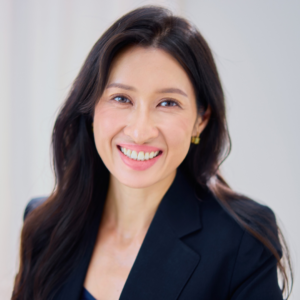
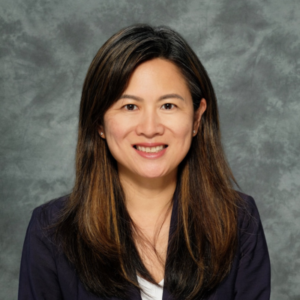
Heidi Yip
Head, Sustainable & Transition Solutions, APAC
BlackRock
Heidi Yip
BlackRock
Head, Sustainable & Transition Solutions, APAC
Heidi Yip is BlackRock’s Head of Sustainable and Transition Solutions for APAC. Based in Singapore, she leads the team responsible for BlackRock’s Sustainable and Transition strategy for the region, including building up sustainability capabilities in the firm, leading engagements with clients and relevant industry groups, and supporting product development to address client needs.
Heidi joined BlackRock from GIC Private Limited where she held multiple roles, shaping long-term strategy development for the enterprise, leading the Sustainability Office’s integration pillar, and supporting sustainable investing via the multi-asset Sustainable Investment Fund and equities-focused Climate Change Opportunities Portfolio. She has 20 years of functional expertise in sustainability, strategy and finance under her belt, built up from her professional experience in Standard Chartered Private Bank, McKinsey & Company, and Singapore’s Ministry of Finance, in addition to GIC.
Heidi holds a Masters in Business Administration from Harvard Business School, and dual degrees in Mechanical Engineering and Biology from Cornell University.
Supported by
ADM Capital Foundation
Our mission is to understand how our environmental and economic systems are evolving, and to take those insights as a starting point to protect biodiversity, natural resources, reduce system stresses and build environmental resilience. Four themes permeate all of our work: biodiversity, natural resources, climate change and finance.
Meet our 2026 speakers:
Hong Kong Green Finance Association
Founded in September 2018, Hong Kong Green Finance Association (HKGFA) creates a platform that offers channels and opportunities to facilitate the development of green finance and sustainable investments in Hong Kong and beyond. It aims to mobilize both public and private sectors resources and talents in developing green finance policies, to promote green finance business and product innovation.
Our sustainability goals for 2026:
HKGFA’s key activities are organised through five working groups, namely Banking – Financing the Transition, Product Innovation and Solutions, Sustainability-related Disclosures, Policy and Standards, Greater Bay Area Green Finance Alliance, and Real Estate. Currently, the Association has over 160 members that include but are not limited to financial institutions, companies, market service providers and other key stakeholders.
Meet our 2026 speakers:
With thanks to
Hongkong Land
Hongkong Land is a major listed property investment, management and development group. Founded in 1889, Hongkong Land’s business is built on excellence, integrity and partnership.
The Group owns and manages more than 850,000 sq. m. of prime office and luxury retail assets in key Asian cities, principally Hong Kong, Singapore, Beijing and Jakarta. Its properties hold industry leading green building certifications and attract the world’s foremost companies and luxury brands.
The Group’s Central Hong Kong portfolio represents some 450,000 sq. m. of prime property. It has a further 165,000 sq. m. of prestigious office space in Singapore mainly held through joint ventures, five retail centres on the Chinese mainland, including a luxury retail centre at Wangfujing in Beijing, and a 50% interest in a leading office complex in Central Jakarta. The Group also has a number of high-quality residential, commercial and mixed-use projects under development in cities across China and Southeast Asia, including a 43% interest in a 1.1 million sq. m. mixed-use project in West Bund, Shanghai. Its subsidiary, MCL Land, is a well-established residential developer in Singapore.
Hongkong Land Holdings Limited is incorporated in Bermuda and has a primary listing in the standard segment of the London Stock Exchange, with secondary listings in Bermuda and Singapore. The Group’s assets and investments are managed from Hong Kong by Hongkong Land Limited. Hongkong Land is a member of the Jardine Matheson Group.
Our sustainability goals for 2026:
Sustainability Framework 2030 reflects our ambitions regarding decarbonisation, climate change and adaptation, stakeholder engagement and support local communities. Examples of our targets:
- Adopt the use of low-carbon construction materials for new developments in line with our science-based targets.
- Establish sustainable procurement guidelines and engagement programme with supply chains.
- Collaborate with tenants through Tenant Sustainability Partnership Programme which aims to foster environmental and social initiatives.
- Strategically invest in or organise long-term community programmes via HOME FUND
Legal Name: Hongkong Land Limited
General Enquiry Email Address: gpobox@hkland.com
General Enquiry Phone Number: 28428428
General Business Address: 8/F, One Exchange Square, 8 Connaught Place, Central, Hong Kong
Meet our 2026 speakers:
Zurich Resilience Solutions
Zurich is committed to being one of the most responsible and impactful businesses in the world, making a difference for our customers and communities.
To do that, our Zurich Resilience Solutions’ (ZRS) Climate Resilience team is helping organizations around the world to reduce the frequency and severity of their climate-related events and preparing them for growing regulatory and stakeholder demands.
We also collaborate with a number of industry experts with the ultimate goal of aligning the pillars of people, planet and profits to help shape a better future.
Find out more our Climate Resilience Services:
https://www.zurich.com/en/commercial-insurance/services/climate-resilience
Our sustainability goals for 2026:
Planet
We will focus on achieving net-zero outcomes. A low carbon economy will positively impact climate and society. Reducing emissions across our value chain lies at the heart of our efforts.
Customers
To meet our customers’ changing needs, we are constantly growing our range of sustainable products and services. They are designed to support activities that generate a positive environmental or social impact and contribute to the mitigation of climate risks.
People
We are actively supporting our people to remain employable for the long-term, while addressing customer and societal needs. Meanwhile, our community investment activities are mainly delivered through the Zurich Foundation. Its purpose is to create a brighter future for vulnerable people.
Legal Name: Zurich Insurance Company Ltd (Singapore Branch)
Meet our 2026 speakers:
16:15 – 17:05
Incremental emissions reductions are no longer enough. Leading companies across sectors are now pursuing carbon-negative and nature-positive strategies that require fundamental shifts in how they operate, invest, and compete. This session brings together corporates at the forefront of this transition to share how they are setting credible science-aligned targets, decarbonising operations and value chains, and investing in nature restoration. Panellists will confront the real barriers businesses face, including technology gaps, cost pressures, supply chain complexity, and the challenge of maintaining competitiveness while pursuing ambitious environmental commitments. The discussion will draw on practical case studies to illustrate what is working, what still needs to be solved, and how Hong Kong companies can align transition strategies with the city’s evolving policy direction.
Session Learnings:
- Understand what it means in practice to pursue carbon-negative and nature-positive targets, including the science-based frameworks that underpin credible corporate commitments.
- Learn from real-world case studies how leading Hong Kong and regional companies across property, retail, and environmental services are decarbonising operations, greening supply chains, and investing in nature restoration.
- Identify the most significant barriers to business model transition and explore strategies to overcome them.
- Explore how collaboration across industry peers, value chain partners, and innovation ecosystems can accelerate the transition beyond what any single company can achieve alone.
- Understand how corporate transition strategies can align with Hong Kong’s policy direction, including the Five-Year Plan and the pathway to CAP 2050.
Post-Event Actions:
- Assess your organisation’s current emissions profile and nature impacts to identify the most material areas requiring business model transformation.
- Set or strengthen science-aligned targets for climate and nature, ensuring targets are backed by credible transition plans.
- Develop or refine a transition roadmap with clear milestones, investment requirements, and accountability mechanisms for decarbonising operations and supply chains.
- Explore investment in nature-based solutions, circular economy approaches, and low-carbon technologies relevant to their sector.
- Initiate or deepen engagement with value chain partners and industry peers to drive collective action on shared transition challenges
Speakers
Moderator
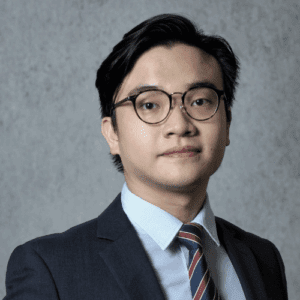
Suki Han
Assistant Manager
Business Environment Council
Suki Han
Business Environment Council
Assistant Manager
Suki has 10 years of experience in sustainability consulting, stakeholder engagement, and policy research. Currently at BEC, Suki leads research initiatives related to climate change and energy transition, including BEC’s Climate Change Business Forum, Net-zero Carbon Charter and sectoral energy transition research projects.
Previously, Suki worked with a range of clients across different sectors on sustainability issues in the US and Hong Kong. Her responsibilities included researching international renewable energy policies and developing ESG strategies. She also worked in private equity and venture capital. She has actively participated in international climate change negotiations and policy development, such as COP21.
Suki holds a Bachelor of Science degree from the Georgia Institute of Technology, a Master of Environmental Management degree from Duke University, and an MBA degree from the University of Chicago Booth School of Business
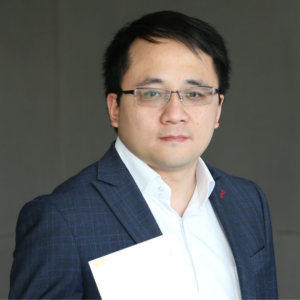
Wilson Huo
Director
JINGDONG Logistics

Wilson Huo
JINGDONG Logistics
Director
Wilson HuoDirector at JINGDONG Logistics, HK & Macao RegionWilson Huo is an accomplished logistics executive with over 15 years of deep industry expertise spanning end-to-end supply chain management, solution design, and large-scale system implementations. Known for his strategic leadership, Wilson currently serves as the Director for the Hong Kong & Macao Region at JINGDONG Logistics. In this role, he spearheads advanced solution design, project execution, and cross-functional system integration to optimize high-density regional logistics corridors.
Prior to joining JINGDONG Logistics in April 2026, Wilson built a highly distinguished, 15-and-a-half-year tenure at Kerry Logistics, one of Asia’s premier logistics providers. Entering the company as a Management Trainee in 2010, his career trajectory reflects a steady, merit-based ascension through critical operational and executive roles:
Executive Leadership (2020 – 2026): He served as General Manager and Deputy General Manager of General Services, directing comprehensive corporate service frameworks and regional logistics networks.
Niche Sector Expertise (2012 – 2019): As Senior Manager and Manager of Logistics Solutions, Wilson mastered specialized warehousing, cold chain dynamics, and customized distribution networks tailored to the demanding Food & Beverage sector.
Operational Foundations (2011 – 2012): He honed his ground-level expertise through various pivotal roles, including Corporate Services Officer and Assistant Officer.
Wilson’s professional footprint is characterized by a unique blend of technical logistics acumen and high-level performance management. He specializes in engineering technology-driven warehousing workflows, aligning complex operations with stringent KPIs, and maximizing regional supply chain efficiency. He holds a degree from Hong Kong Baptist University, combining strong academic foundations with decades of practical, executive-level triumphs in the field.
My Sustainability Goals for 2026:
- Incremental emissions reductions are no longer enough. Representing the logistics and supply chain sector on this panel, Wilson Huo will address how JINGDONG Logistics is moving beyond standard mitigation toward carbon-negative and nature-positive blueprints. He will discuss how regional logistics networks can decarbonize complex value chains and leverage circular economy models to relieve pressure on natural ecosystems, all while overcoming major corporate barriers like technology gaps, cost constraints, and supply chain complexity.
- To provide delegates with practical, real-world case studies that align with Hong Kong’s Climate Action Plan 2050 (CAP 2050).
Wilson highlights JINGDONG Logistics’ concrete sustainability goals and commitments for 2026:
- Science-Aligned Targets (SBTi Framework): In line with the panel’s focus on credible commitments, JINGDONG Logistics actively advances its net-zero pledge under the Science Based Targets initiative (SBTi). We are implementing validated roadmaps to decouple business growth from environmental impact across the region.
- Decarbonizing Value Chains via Full-Scenario Green Packaging (Green Stream Initiative): To foster a nature-positive ecosystem, we are scaling our flagship circular economy initiative by implementing a comprehensive green packaging framework focused on “circularity, reduction, and recyclability.” Through the promotion of original-packaging shipping (direct delivery in original manufacturer packaging), secondary carton recycling and reuse, the large-scale deployment of reusable thermal containers, and the innovative R&D of the “X-Series” eco-cartons, we aim to drastically eliminate the use of single-use packaging. This strategy directly reduces the upstream and downstream plastic and paper footprint across our regional networks, minimizing the impact on natural habitats.
- Optimizing Logistics Infrastructure & Scaling Zero-Emission Transport: Leveraging our advanced digital capabilities, JINGDONG Logistics continuously optimizes its transport structures to build a highly efficient, low-carbon national network. We are steadily increasing the deployment of new-energy vehicles across our operations, while pioneering innovative low-carbon multimodal solutions—such as shifting freight from road to rail, and air to rail—to comprehensively drive down carbon emissions. As the first Chinese enterprise to join the World Economic Forum’s First Movers Coalition
(FMC), this dual strategy empowers us to actively transform our heavy and medium-duty freight fleets. For the HK & Macao region, this means navigating local infrastructure barriers to increase the ratio of green vehicles, directly supporting Hong Kong’s localized transition to zero-emission transport. - Data-Driven Carbon Governance via the “Jing Tan Hui” (京碳惠) Platform: To effectively measure the synergy between carbon reduction and cost optimization, JINGDONG Logistics has independently developed the “Jing Tan Hui” platform. Integrating advanced AI with MRV-T (Measurement, Reporting, Verification, and Tracking) technologies, the platform aggregates carbon emission factor data for over 140 types of road transport vehicles. By calculating carbon footprints at the smallest possible granularity based on real-time vehicle trajectories, it precisely identifies critical carbon emission nodes to build a scientific and highly efficient carbon management system. Furthermore, based on these systematic calculation results, the platform delivers actionable logistics and transport optimization strategies that simultaneously drive down costs and carbon emissions, empowering retail and value chain partners to tangibly manage their Scope 3 profiles.
- Navigating the climate-nature nexus requires us to fundamentally rethink logistics infrastructure. Driven by technological innovation, JINGDONG Logistics systematically builds a sustainable operational framework spanning warehousing, transportation, packaging, and technology coordination. Rather than viewing the transition toward net-zero carbon operations and eco-friendly supply chains as a regulatory burden, we see it as a powerful catalyst for cross-industry ecosystem collaboration and long-term competitiveness in Hong Kong and beyond.

Ellen Jackowski
Chief Sustainability Officer
Mastercard

Ellen Jackowski
Mastercard
Chief Sustainability Officer
Ellen Jackowski is Chief Sustainability Officer at Mastercard, where she spearheads the integration of the company’s impact strategy into the organization.
As part of this work, she oversees internal and external environmental-focused strategy, as well as stakeholder engagement, governance and reporting for environmental and social impact. Ellen drives climate leadership for Mastercard-wide programs and commitments, such as reaching net-zero emissions by 2040 and helping accelerate the company’s impact in climate action initiatives like Priceless Planet Coalition. Mastercard’s efforts, established more than a decade ago, are rooted in a belief of doing well by doing good in order to enable both people and the planet to thrive.
Previously, Ellen served as Chief Impact Officer and Head of Sustainable Impact at HP. Her global team developed and delivered a wide range of programs focused on climate action, human rights and digital equity. Earlier in her career, she served in several management and consulting roles.
Ellen has been named to TIME100 2024 Climate Leaders List. She serves on the board of The Abrams Climate Academy at Northwestern University, serves on the advisory board of the Ocean Plastics Leadership Network, is a deputy advisor on the World Economic Forum’s Champions for Nature community and has served as a faculty member of The Prince of Wales’s Business & Sustainability Programme at the University of Cambridge.
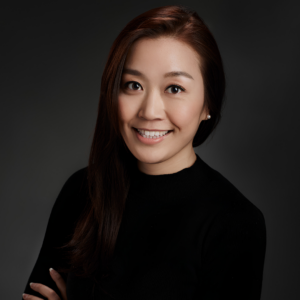
Tin Lee
Senior Director, Owner Relations & Sustainability, Greater China
Marriott International

Tin Lee
Marriott International
Senior Director, Owner Relations & Sustainability, Greater China
Tin leads Sustainability for Greater China at Marriott International and plays a key role in the region’s ESG efforts, partnering closely with key stakeholders across the organization to identify opportunities, drive awareness and implement sustainability initiatives. In her Owner Relations role, Tin is responsible for building loyalty with Marriott’s owner franchise community through pro-active and effective communication, engagement and account management on behalf of leadership.
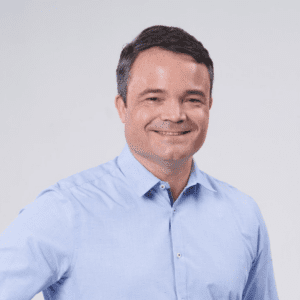
Sébastien Pivet
Chief Sustainability Officer and QA Director
AS Watson Group
Sébastien Pivet
AS Watson Group
Chief Sustainability Officer and QA Director
Sebastien Pivet is a senior sustainability leader with over 26 years of international retail experience driving sustainability strategy, governance and transformation in large, complex retail and consumer goods organisations.
As Chief Sustainability Officer at AS Watson Group, the world’s largest international health and beauty retailer, he leads the Group’s sustainability ambition across 12 retail Brands in 31 markets, and across global supply chains spanning Asia and Europe.
Sebastien has been instrumental in embedding sustainability into corporate strategy, strengthening governance and advancing data-driven ESG management. He is leading large-scale sustainability reporting and transformation programmes aligned with various reporting frameworks such as CSRD and ISSB, enhanced climate transition planning and risk assessment, and driven responsible sourcing and supplier due diligence across diverse markets. His work focuses on translating regulatory and scientific complexity into pragmatic, business-relevant action.
Passionate about using sustainability as a driver of long-term value creation, resilience and trust, Sebastien regularly engages with regulators, investors, industry peers and NGOs. He is a frequent contributor to sustainability conferences and industry forums, where he shares practical insights on scaling sustainability in global retail, navigating regulatory change and accelerating corporate climate and nature action.
Supported by
Business Environment Council
Booth E45
Business Environment Council Limited (BEC) is an independent, charitable corporate membership organisation, established by the business sector in Hong Kong.
Since its establishment in 1992, BEC has been at the forefront of promoting environmental excellence by advocating the uptake of clean technologies and practices which reduce waste, conserve resources, prevent pollution and improve corporate environmental and social responsibility.
BEC offers sustainable solutions and professional services covering advisory, research, assessment, training and award programmes for government, business and the community, thus enabling environmental protection and contributing to the transition to a net-zero carbon economy.
Meet our 2026 speakers:
Katie Chan
Specialist – Policy & Research
Business Environment Council
Suki Han
Assistant Manager
Business Environment Council
Kevin O’Brien
Chairman
Business Environment Council
Merlin Lao
Head – Policy and Research
Business Environment Council
Simon Ng
Chief Executive Officer
Business Environment Council
With thanks to
Marriott International
Booth D40
Marriott International is based in Bethesda, Maryland, USA, and encompasses a portfolio of compelling brands across luxury, premium, select, midscale, extended stay, and all-inclusive, with approximately 10,000 properties in 146 countries and territories, as of June 11, 2026. The company offers Marriott Bonvoy, its highly awarded travel platform.
Read More:
https://www.marriott.com/default.mi
https://serve360.marriott.com/sustainable-goals/
Rooted in our core value Serve Our World, we recognize our responsibility to address some of the world’s most pressing social, environmental and economic issues with our size and scale. Serve 360 remains our guiding framework, ensuring that positive, sustainable impact is embedded wherever we do business.
Our Sustainability and Social Impact Goals 2030:
NURTURE OUR WORLD
By volunteering our time, caring for the natural environment, supporting the well- being of children, and providing essential help in times of need, we’re working to strengthen our local communities around the world.
GOALS
- Contribute 15 million hours of volunteer service globally
- Positively impact the lives of 5 million children via Marriott philanthropic
partner programs - Conduct 35,000 activities to protect, restore, or enhance nature in the
regions where we operate
SUSTAIN RESPONSIBLE OPERATIONS
We take a steadfast approach to designing, renovating, sourcing, and operating responsibly and efficiently — integrating sustainable practices into what we do to meet today’s performance expectations and enable long-term resilience for the company and the environment we all depend on.
GOALS
- Achieve Near-Term Science-Based Targets
Read More: https://news.marriott.com/news/2024/04/22/marriott-international-celebrates-milestone-on-journey-towards-net-zero - Reduce water intensity by 10
- Reduce single-use products intensity by 10%
EMPOWER THROUGH OPPORTUNITY
By prioritizing associate well-being, creating career pathways, and fostering an inclusive, supportive environment, we empower people to thrive. To shape the future of hospitality, we work with organizations to prepare individuals for meaningful careers, strengthening both our industry and the communities we serve.
GOALS
- Educate 300,000 people in hospitality through Marriott-developed programs and community partnerships
- Support growth through 200 million completed learning development experiences
WELCOME ALL AND ADVANCE HUMAN RIGHTS
We strive to advance respect for human rights within our business, combat human trafficking in our industry, and make travel more accessible.
GOALS
- Complete 7.5 million training courses on welcoming all
- Support 1,000 survivors of human trafficking through Marriott-developed
programs
Legal Name: Luxury Hotels International of Hong Kong Limited
Meet our 2026 speakers:
17:05 – 17:55
Climate risks are becoming increasingly immediate for businesses, affecting assets, infrastructure, supply chains and day-to-day operations. As extreme weather intensifies and climate science improves, companies face growing pressure to understand where they are vulnerable and how quickly they need to act.
Bringing together perspectives from climate science, transport infrastructure, property and insurance, this discussion examines the latest drivers of corporate adaptation and resilience. How are companies translating climate risk into operational and investment decisions? What is pushing action faster? And what can businesses learn from those already adapting critical assets and systems to a changing climate?
Speakers
Moderator
KS Wong
Chairman
Wu Zhi Qiao (Bridge to China) Charitable Foundation
KS Wong
Wu Zhi Qiao (Bridge to China) Charitable Foundation
Chairman
Professor WONG Kam Sing, GBS, JP
Professor Wong is currently chairman of Wu Zhi Qiao (Bridge to China) Charitable Foundation (WZQ), and serves as honorary/adjunct professor in various universities including The University of Hong Kong (HKU) and The Chinese University of Hong Kong (CUHK). He is Distinguished Department of Architecture Fellow and Adjunct Professor in the Department of Politics and Public Administration, HKU, Adjunct Professor in the School of Architecture, CUHK, and Honorary Professor in Hong Kong Chu Hai College.
WZQ was formally established in 2007, recently with charity projects in both Mainland Chinese and Hong Kong focusing on “rural revitalization x youth development x low-carbon transformation”. In Hong Kong, WZQ is leading two recent community projects, namely Management Agreement Scheme at Lai Chi Wo Enclave, and Jockey Club Sha Tau Kok Eco Eight Recycling and Ecotourism Education Project.
Professor Wong published the book Hong Kong’s Stories in the Journey towards Carbon Neutrality in 2024, and has been acting as a columnist contributing monthly articles on stories about Hong Kong community’s climate and environmental actions via the online media outlet HK01 since July 2024.
He was the former Secretary for the Environment in Hong Kong Special Administrative Region Government in 2012-2022. During his 10-year tenure as the “Environment Minister”, he launched a series of policy blueprints on climate actions, energy saving, clean air, popularisation of electric vehicles, waste management, and biodiversity conservation, leading Hong Kong towards carbon neutrality before 2050.
My Sustainability Goals for 2026:
1. Strengthening climate governance
2. Enhancing biodiversity and countryside conservation
Jessica Chan
Head of Sustainability
MTR Corporation

Jessica Chan
MTR Corporation
Head of Sustainability
Jessica is the Head of Sustainability at MTR Corporation, where she leads the development of the Corporation’s sustainability strategies, drives key initiatives, oversees sustainability reporting and disclosures, and supports sustainable finance initiatives. With over 25 years of experience in environmental and corporate sustainability, Jessica is a seasoned professional who actively participates in several international and local sustainability-related committees. She serves as Vice Chair of the Sustainable Development Committee of The International Association of Public Transport and is a member of the Environment & Sustainability Committee of The Hong Kong General Chamber of Commerce. She is also appointed as a Co-opt Member of the Sub-committee on Low-carbon Transition under the Council for Carbon Neutrality and Sustainable Development of the HKSAR Government. In addition, Jessica contributes to academia as a member of the Programme Advisory Committee for an MSc sustainability programme at The Chinese University of Hong Kong and serves as an Advisory Board member for an MSc ESG Management programme at Lingnan University. Since 2021, she has been a Board of Examiners member for the HKMA Sustainability Award.
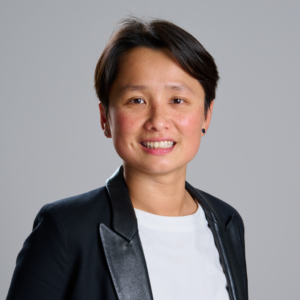
Joy Lam
Group ESG Director
Crown Worldwide Group

Joy Lam
Crown Worldwide Group
Group ESG Director
Joy Lam is Group ESG Director at Crown Worldwide Group, a global logistics, mobility and workplace services company operating across 40 countries. She leads the Group’s sustainability strategy, governance, reporting, decarbonisation programme and ESG performance improvement initiatives, working with operations, supply chains and executive leadership teams worldwide.
Currently based in London, Joy brings more than 20 years of international sustainability experience spanning APAC, Denmark and the UK across corporate, NGO and higher education sectors. Prior to joining Crown, she was Circular Economy Director at the LEGO Group in Denmark, where she shaped the organisation’s circular economy strategy, ambition and roadmap. She has also held sustainability leadership roles at the University of Hong Kong, worked with international conservation organisations, and teaches sustainability-related subjects at University College London (UCL).
At Crown, Joy has led the company’s Science Based Targets journey, global carbon governance framework development, ESG integration into the Group’s 2030 Strategy, and significant improvements in EcoVadis performance. She works closely with business and operational leaders across Asia, Europe, New Zealand, the Americas and the Middle East to embed sustainability into decision-making, strengthen supply chain resilience and support long-team business growth.
Drawing on her Hong Kong heritage and extensive experience working across Asia and global markets, Joy brings a practical, business-focused perspective on how organisations can translate ambitious ESG commitments into measurable action while building resilience, managing risk and creating long-term value in an increasingly complex operating environment.
My Sustainability Goals for 2026:
As a sustainability leader originally from Hong Kong and now working globally, I hope to see Hong Kong recognised not only as a financial and logistics centre, but also as a leader in sustainable business innovation.
- Position Hong Kong as a global leader in sustainable business innovation, demonstrating how companies headquartered in the city can drive positive change and compete successfully on the world stage.
- See more organisations move beyond ESG reporting and compliance towards measurable action, embedding sustainability into business strategy, operations and decision-making.
- Accelerate collaboration between businesses, government and civil society to advance climate action, innovation and sustainable economic growth across Hong Kong and the wider region.
Prof. Chi Ming Shun
Adjunct and Visiting Professor
Division of Environment and Sustainability, HKUST
Prof. Chi Ming Shun
Division of Environment and Sustainability, HKUST
Adjunct and Visiting Professor
Prof SHUN Chi-ming graduated from the University of Hong Kong in Bachelor of Science, with major in Physics. He joined the Hong Kong Observatory in 1986. He received post-graduate training in radiological protection and meteorology in the United Kingdom in 1987-88. He specialized in aeronautical meteorology since the 1990s and led the development of the world-first LIDAR Windshear Alerting System for the Hong Kong International Airport. He was promoted to Director of the Hong Kong Observatory in 2011 and retired in 2020.
In the international arena, Prof Shun was President of the Commission for Aeronautical Meteorology of the UN World Meteorological Organization during 2010-2018, the first Asian elected to take up this high international position.
After retirement, Prof Shun has been active in popularization of science and meteorology, as a writer of books, columnist on climate change, and speaker for schools and professional bodies. In 2023, Prof Shun was appointed member of the Council for Carbon Neutrality and Sustainable Development, and he joined the Division of Environment and Sustainability of HKUST as Adjunct and Visiting Professor. In the same year, he obtained Master of Arts in Comparative and Public History from CUHK. In 2025, Prof Shun also joined The Jockey Club School of Public Health and Primary Care of CUHK as Adjunct Professor.
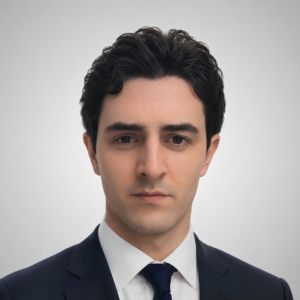
Noah Wescombe
Senior Specialist, Climate Resilience
Cadlas

Noah Wescombe
Cadlas
Senior Specialist, Climate Resilience
Noah Wescombe is a Senior Climate Resilience Specialist at Cadlas, a technical advisory practice specialising in climate adaptation finance within the global investment landscape. He both leads and supports technical climate adaptation finance work for MDBs, DFIs, and major global investor initiatives, and spearheads product innovation at Cadlas. He previously spent over 2 years at the UN-backed Principles for Responsible Investment, originating and leading their physical climate risk programme. Noah is also a globally recognised resilience expert, sitting on a number of working groups for governments, non-profits, and investor initiatives focused on food security, physicial climate risk, and resilience.
My Sustainability Goals for 2026:
I hope to see a greater awareness for the need to develop more robust resilience metrics, engage effectively on physical risk and resilience outcomes, and most importantly resilience performance. Serious discussions of adaptation alpha identification and product development is essential for progress on filling the financing gap regionally and globally.
Supported by
Division of Environment and Sustainability, HKUST
Established in 2010, ENVR is a global leader in interdisciplinary education & research in environment and sustainability, fostering sustainability professionals to address complex environmental challenges across scientific, societal, regulatory, & business issues. ENVR also serves as an intellectual hub linking academia, government, business & community leaders to advance sustainability solutions.
Our sustainability goals for 2026:
UN SDG goals that we align with:
- SDG 1 No Poverty
- SDG 3 Good Health and Well-being
- SDG 4 Quality Education
- SDG 7 Affordable and Clean Energy
- SDG 8 Decent Work and Economic Growth
- SDG 11 Sustainable Cities and Communities
- SDG 12 Responsible Consumption and Production
- SDG 13 Climate Action
General Enquiry Email Address: envr@ust.hk
General Enquiry Phone Number: 23588363
Meet our 2026 speakers:
Prof. Dan Wang
Professor
Division of Environment and Sustainability, HKUST
Dr. Jay Joan Minuti
Marine Ecologist & Lecturer
Division of Environment and Sustainability, HKUST
Prof. Chi Ming Shun
Adjunct and Visiting Professor
Division of Environment and Sustainability, HKUST
Prof. Fei Chen
Associate Head and Professor
Division of Environment and Sustainability, HKUST
Dr. Laurence Delina
Associate Professor
Division of Environment and Sustainability, HKUST
Prof. Christine Loh
Chief Development Strategist, Institute for the Environment
Division of Environment and Sustainability, HKUST
With thanks to
MTR Corporation
Booth L30
As a recognised world-class operator of sustainable rail transport services, MTR is a leader in safety, reliability, customer service and efficiency.
MTR has extensive end-to-end railway expertise with over 45 years of railway projects experience from design to planning and construction through to commissioning, maintenance and operations. Going beyond railway delivery and operation, MTR also creates and manages dynamic communities around its network through seamless integration of rail, commercial and property development.
Our sustainability goals for 2026:
- Social inclusion;
- Advancement & Opportunities; and
- Greenhouse Gas Emissions Reduction
Solutions Showcase:
- Technology & Innovation
- Transport/Mobility
Legal Name: MTR Corporation Limited
General Enquiry Phone Number: 2881 8888
Meet our 2026 speakers:
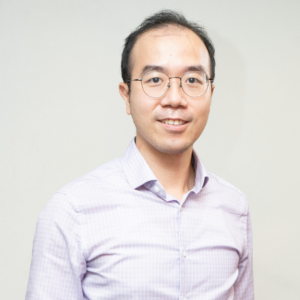
Andy Pang
Chief Data & Software Control Manager (Operations)
MTR Corporation
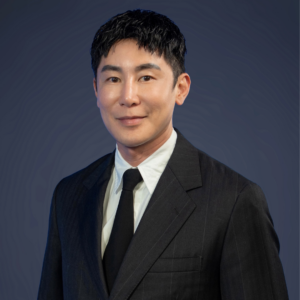
Ellis Ku
Chief Learning & Development Manager
MTR Corporation
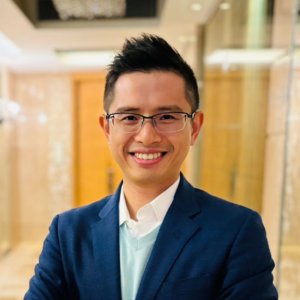
Bosco Leung
Social Responsibility Lead
MTR Corporation
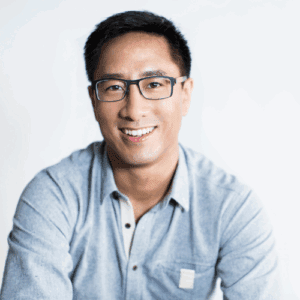
Gene Soo
Head of Ecosystem – Global Innovation
MTR Corporation
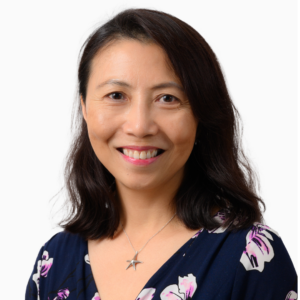
Olivia Wong
General Manager Environmental & Social Responsibility
MTR Corporation
Jessica Chan
Head of Sustainability
MTR Corporation

Gillian E Meller
Legal and Governance Director
MTR Corporation
Day 2 – Friday 11 Sept
The Day 2 programme builds on the foundations of climate and nature risk and disclosure by focusing on implementation, innovation, and systemic transformation. Participants will examine how Hong Kong can strengthen action on biodiversity, integrate climate and nature into urban development plans and mobilise nature financing for resilience. Sessions will highlight opportunities in corporate action, value chain greening, and transparent supply chains, while identifying intersections of climate, health, and city resilience. Through practical case studies and policy insights, the programme showcases how organisations can move from commitments to delivery, bridging climate and nature priorities to create long‑term value for business and society.
In partnership with
ADM Capital Foundation
Our mission is to understand how our environmental and economic systems are evolving, and to take those insights as a starting point to protect biodiversity, natural resources, reduce system stresses and build environmental resilience. Four themes permeate all of our work: biodiversity, natural resources, climate change and finance.
Meet our 2026 speakers:
Business Environment Council
Booth E45
Business Environment Council Limited (BEC) is an independent, charitable corporate membership organisation, established by the business sector in Hong Kong.
Since its establishment in 1992, BEC has been at the forefront of promoting environmental excellence by advocating the uptake of clean technologies and practices which reduce waste, conserve resources, prevent pollution and improve corporate environmental and social responsibility.
BEC offers sustainable solutions and professional services covering advisory, research, assessment, training and award programmes for government, business and the community, thus enabling environmental protection and contributing to the transition to a net-zero carbon economy.
Meet our 2026 speakers:
Katie Chan
Specialist – Policy & Research
Business Environment Council
Suki Han
Assistant Manager
Business Environment Council
Kevin O’Brien
Chairman
Business Environment Council
Merlin Lao
Head – Policy and Research
Business Environment Council
Simon Ng
Chief Executive Officer
Business Environment Council
Division of Environment and Sustainability, HKUST
Established in 2010, ENVR is a global leader in interdisciplinary education & research in environment and sustainability, fostering sustainability professionals to address complex environmental challenges across scientific, societal, regulatory, & business issues. ENVR also serves as an intellectual hub linking academia, government, business & community leaders to advance sustainability solutions.
Our sustainability goals for 2026:
UN SDG goals that we align with:
- SDG 1 No Poverty
- SDG 3 Good Health and Well-being
- SDG 4 Quality Education
- SDG 7 Affordable and Clean Energy
- SDG 8 Decent Work and Economic Growth
- SDG 11 Sustainable Cities and Communities
- SDG 12 Responsible Consumption and Production
- SDG 13 Climate Action
General Enquiry Email Address: envr@ust.hk
General Enquiry Phone Number: 23588363
Meet our 2026 speakers:
Prof. Dan Wang
Professor
Division of Environment and Sustainability, HKUST
Dr. Jay Joan Minuti
Marine Ecologist & Lecturer
Division of Environment and Sustainability, HKUST
Prof. Chi Ming Shun
Adjunct and Visiting Professor
Division of Environment and Sustainability, HKUST
Prof. Fei Chen
Associate Head and Professor
Division of Environment and Sustainability, HKUST
Dr. Laurence Delina
Associate Professor
Division of Environment and Sustainability, HKUST
Prof. Christine Loh
Chief Development Strategist, Institute for the Environment
Division of Environment and Sustainability, HKUST
Hong Kong Green Finance Association
Founded in September 2018, Hong Kong Green Finance Association (HKGFA) creates a platform that offers channels and opportunities to facilitate the development of green finance and sustainable investments in Hong Kong and beyond. It aims to mobilize both public and private sectors resources and talents in developing green finance policies, to promote green finance business and product innovation.
Our sustainability goals for 2026:
HKGFA’s key activities are organised through five working groups, namely Banking – Financing the Transition, Product Innovation and Solutions, Sustainability-related Disclosures, Policy and Standards, Greater Bay Area Green Finance Alliance, and Real Estate. Currently, the Association has over 160 members that include but are not limited to financial institutions, companies, market service providers and other key stakeholders.
Meet our 2026 speakers:
10:30 – 10:35
As Chair of the BEC’s Nature & Biodiversity Advisory Group, Patrick will give the Opening Welcome to day 2 of the BEC Climate & Nature Theatre.
Speakers
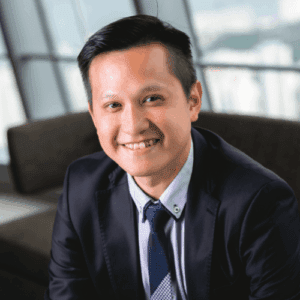
Patrick Ho
Head of Sustainable Development / Member of TNFD
Swire Properties Limited

Patrick Ho
Swire Properties Limited
Head of Sustainable Development / Member of TNFD
Patrick is responsible for formulating and executing the Sustainable Development 2030 Strategy for Swire Properties’ global operations across Hong Kong, Chinese Mainland and U.S.A. portfolios. Through engaging stakeholders, setting science-based targets and developing action plans, he leads a team to manage the full spectrum of the Company’s environmental, social and economic impact and to integrate ESG considerations into every facet of the Company’s business.
My Sustainability Goals for 2026:
- Guided by the Sustainable Development 2030 Strategy, continue to pioneer sustainable business practices, adopt innovative technologies, and actively share best practices with the business community.
- Engage actively with stakeholders in HK and the broader region to foster partnerships and develop collective solutions for the net-zero and nature-positive transitions.
Speaking at 2026 sessions:
Day 1
Nature-Positive Development: How Can Cities Integrate Biodiversity, Climate Resilience and Urban Growth?Day 2
Opening Welcome BECImpact Capital for Planetary Resilience: Heat, Water, and What’s Next
Nature as a Business Solution: Inspirations for Hong Kong Companies
Supported by
Business Environment Council
Booth E45
Business Environment Council Limited (BEC) is an independent, charitable corporate membership organisation, established by the business sector in Hong Kong.
Since its establishment in 1992, BEC has been at the forefront of promoting environmental excellence by advocating the uptake of clean technologies and practices which reduce waste, conserve resources, prevent pollution and improve corporate environmental and social responsibility.
BEC offers sustainable solutions and professional services covering advisory, research, assessment, training and award programmes for government, business and the community, thus enabling environmental protection and contributing to the transition to a net-zero carbon economy.
Meet our 2026 speakers:
Katie Chan
Specialist – Policy & Research
Business Environment Council
Suki Han
Assistant Manager
Business Environment Council
Kevin O’Brien
Chairman
Business Environment Council
Merlin Lao
Head – Policy and Research
Business Environment Council
Simon Ng
Chief Executive Officer
Business Environment Council
10:35 – 10:55
This session, delivered by Mr Mickey LAI, Director of Agriculture, Fisheries and Conservation, will unpack Hong Kong’s updated Biodiversity Strategy and Action Plan (BSAP) and its implications for the city’s long‑term nature policy and sustainable development. Mr Lai will outline the vision, key targets and priority action areas under the BSAP, and explain how these measures support resilience in Hong Kong’s ecosystems while aligning with global biodiversity commitments. Participants will gain a clearer understanding of how government strategy is evolving, what this means for land use, conservation and community engagement, and where collaboration with businesses and civil society will be most critical in the years ahead.
Speakers
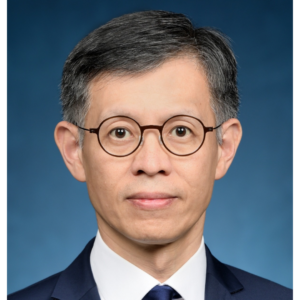
Mickey Lai
Director of Agriculture, Fisheries and Conservation
Agriculture, Fisheries and Conservation Department, Hong Kong SAR Government
Mickey Lai
Agriculture, Fisheries and Conservation Department, Hong Kong SAR Government
Director of Agriculture, Fisheries and Conservation
Mr Mickey Lai joined the Government in 1990 and has served as Director of Agriculture, Fisheries and Conservation since 2024. With extensive expertise and decades of experience across diverse fields, he leads the city in advancing the sustainable development of local agriculture and fisheries industries, and in safeguarding natural resources and biodiversity.
Under his leadership, the Department facilitates Hong Kong’s agricultural and fisheries production; conserves native flora, fauna and natural habitats; manages protected areas including country parks, special areas, marine parks and the marine reserve; regulates international trade in endangered species; promotes animal welfare; and controls the introduction and spread of animal and plant diseases.
Supported by
Business Environment Council
Booth E45
Business Environment Council Limited (BEC) is an independent, charitable corporate membership organisation, established by the business sector in Hong Kong.
Since its establishment in 1992, BEC has been at the forefront of promoting environmental excellence by advocating the uptake of clean technologies and practices which reduce waste, conserve resources, prevent pollution and improve corporate environmental and social responsibility.
BEC offers sustainable solutions and professional services covering advisory, research, assessment, training and award programmes for government, business and the community, thus enabling environmental protection and contributing to the transition to a net-zero carbon economy.
Meet our 2026 speakers:
Katie Chan
Specialist – Policy & Research
Business Environment Council
Suki Han
Assistant Manager
Business Environment Council
Kevin O’Brien
Chairman
Business Environment Council
Merlin Lao
Head – Policy and Research
Business Environment Council
Simon Ng
Chief Executive Officer
Business Environment Council
10:55 – 11:45
Hong Kong’s updated Biodiversity Strategy and Action Plan (BSAP) sets out a bold vision for its biodiversity and sustainable development for the next decade. This session will outline what the new BSAP means for the city’s ambition, its biodiversity, and what it means for business stakeholders. Attendees will gain clarity on how biodiversity goals intersect with climate strategies and how businesses can align with the Government’s priorities to drive meaningful action.
Session Learnings:
- How BSAP and the ambition outlined for Hong Kong will shape stakeholder action in the coming decade
- Existing examples of action from the business sector to drive action forward on biodiversity
- Opportunities for business engagement in biodiversity conservation
Post-Event Actions:
- Aligning corporate strategies with BSAP priorities
- Understand how the private sector can engage with other key stakeholders on nature conservation and biodiversity and contribute to a whole-of-society approach
- Explore partnerships with Government, NGOs and other stakeholders to support nature projects and embed biodiversity into business models
Speakers
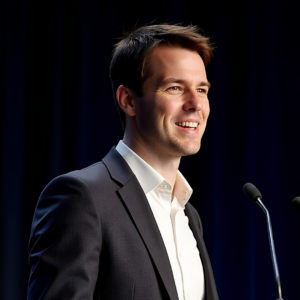
Moderator
Peter Haasz
Founder & Director
Valinor Strategies
Peter Haasz
Valinor Strategies
Founder & Director
Peter Haasz is the founder of Valinor Strategies, a Hong Kong-based conservation AI consultancy at the intersection of nature tech and green finance MRV. He leads applied AI projects across camera trapping, acoustic monitoring, and wildlife trade enforcement (including AI-powered visual identification systems for illegally traded species). Peter currently serves as Lead AI Strategist for one of Hong Kong’s largest conservation organizations, developing species identification pipelines for Hong Kong’s native fauna. His background combines institutional finance experience at Morgan Stanley with life sciences training, underpinning Valinor Strategies’ broader mission of bridging conservation AI and green finance. Valinor draws on a global network of experts to address the field’s most complex challenges across biodiversity MRV, NbS, and blended finance.
My Sustainability Goals for 2026:
- BSAP commitments being translated to actionable items and KPIs
- Sustainability and conservation goals appearing in the 5-Year Plan in a more holistic way, tying nature tech, nature finance, and infrastructure together
- Drive buildout of AI and nature tech usage across the city’s conservation organizations
Ir Jasper Chan
Director, ESG & Carbon
Hang Seng Bank
Ir Jasper Chan
Hang Seng Bank
Director, ESG & Carbon
Jasper is Director of ESG and Carbon at Hang Seng Bank, with more than 15 years’ experience in sustainability management and climate risk strategy. He supports organisations in navigating both physical and transition risks, translating complex climate considerations into practical actions and measurable outcomes. His work includes designing business resilience frameworks, developing carbon-neutrality roadmaps, and implementing scalable decarbonisation solutions.
In his role, Jasper also helps corporate clients access green finance, strengthen investor and stakeholder confidence, and unlock long-term capital for sustainable projects. He is known for bridging ESG ambition with commercial performance, enabling organisations to embed sustainability into core business models and deliver credible impact.
Beyond the bank, Jasper serves on the GHG Protocol Technical Working Group and contributes to professional committees at The Hong Kong Institution of Engineers, the Hong Kong Green Building Council, and the Business Environment Council, helping to advance robust standards and accelerate market adoption of low-carbon solutions.
Dr. Andy Cornish
Coordinator / Chief Strategist
HK Biodiversity Expert Group / Cornerstone Strategies
Dr. Andy Cornish
HK Biodiversity Expert Group / Cornerstone Strategies
Coordinator / Chief Strategist
Andy Cornish completed a Ph.D on reef fishes at The University of Hong Kong in 2000.
He worked on local and global nature conservation issues for two decades before establishing Cornerstone Strategies, a boutique consultancy that advises organisations on strategic planning and execution.
In recent years, he has acted as the Coordinator for the HK Biodiversity Expert Group, and the HK Marine Protection Alliance, two large collaborations supporting the Government in delivering the Biodiversity Strategy Action Plan (BSAP)
My Sustainability Goal for 2026:
- Widespread Whole-of-Society support for implementing the BSAP 2035
Marlene Lee
Assistant Manager, Group Sustainability
Hongkong Land
Marlene Lee
Hongkong Land
Assistant Manager, Group Sustainability
Marlene has extensive experience in developing and implementing sustainability strategies and policies across the APAC region. She specialises in integrating ESG principles into corporate operations, focusing on decarbonisation pathways towards net zero, climate risk managemenmt, and tenant engagement to drive substantial change.
Her diverse expertise encompasses environmental management, embodied carbon, ESG reporting, strategic planning, sustainable procurement, green building initiatives and ensuring that organisations meet evolving sustainability demands while maintaining business resilience. She believes in the importance of balance among business development, environmental protection, and nature conservation.
My Sustainability Goals for 2026:
- A shift in mindset where sustainability is valued as a core part of Hong Kong’s long-term prosperity and resilience.
- Greater integration of nature and biodiversity into urban planning and the built environment.
- Stronger alignment of climate resilience, biodiversity and business decision-making to support sustainable growth.
Supported by
Business Environment Council
Booth E45
Business Environment Council Limited (BEC) is an independent, charitable corporate membership organisation, established by the business sector in Hong Kong.
Since its establishment in 1992, BEC has been at the forefront of promoting environmental excellence by advocating the uptake of clean technologies and practices which reduce waste, conserve resources, prevent pollution and improve corporate environmental and social responsibility.
BEC offers sustainable solutions and professional services covering advisory, research, assessment, training and award programmes for government, business and the community, thus enabling environmental protection and contributing to the transition to a net-zero carbon economy.
Meet our 2026 speakers:
Katie Chan
Specialist – Policy & Research
Business Environment Council
Suki Han
Assistant Manager
Business Environment Council
Kevin O’Brien
Chairman
Business Environment Council
Merlin Lao
Head – Policy and Research
Business Environment Council
Simon Ng
Chief Executive Officer
Business Environment Council
11:45 – 12:35
As climate and nature risks intensify, cities and developers are looking beyond concrete alone. Nature-based Solutions (NbS), from restored wetlands to green corridors to living shorelines, offer a powerful complement to traditional drainage, coastal, and slope infrastructure. This session explores how to invest in nature as infrastructure, with a spotlight on Hong Kong as a case study. Learn where NbS are already working, how to evaluate them, and how businesses can utilise these solutions to mitigate risk, reduce long-term costs, and build resilience into their operations.
Session Learnings:
- Investing in nature as infrastructure: Frameworks for evaluating Nature-based Solutions alongside traditional engineered assets
- The Hong Kong lens: Insights on where NbS are already working locally and where opportunities or gaps remain
- Business opportunities in resilience: How companies can utilise NbS to mitigate climate risk and reduce long-term costs
- From assessment to action: Approaches for moving from climate risk analysis to NbS implementation
- Unlocking investment: Pathways for public-private collaboration and financing mechanisms for NbS
Post-Event Actions:
- Ask yourself whether any of your assets or locations could benefit from a nature-based approach
- Consider which physical risks (flooding, heat, slope instability) are most relevant to your portfolio
- Explore potential NbS partners such as government bodies, NGOs, or developers
- Think about how you might begin framing a business case for NbS within your organisation
Speakers
Moderator
Sophie le Clue
CEO
ADM Capital Foundation
Sophie le Clue
ADM Capital Foundation
CEO
Sophie has worked for 30 years in the field of environmental protection and conservation, principally in the Asia Pacific region. She joined ADMCF a year after its founding in 2007, as director responsible for developing the Foundation’s environmental programme. Today, ADMCF focuses almost solely on environmental issues regionally, while maintaining some legacy children at risk projects. Its four strategic programmes include : Acting for Climate, Living Oceans, Water, Wildife Trade. In late 2021, Sophie stepped into ADMCF’s CEO role .
My Sustainability Goals for 2026:
I hope to see the Administration embracing Hong Kong’s environmental challenges to ensure our well being and a healthy environment. This will require setting aspirational goals as well as policy enhancements and reform across a broad range of environmental issues.
Speaking at 2026 sessions:
Day 2
Concrete & Canopies: Integrating Nature, Infrastructure, Development and Planning
Ir Sui Ping Chow
Chief Engineer/North 4
North Development Office, Civil Engineering and Development Department, CEDD
Ir Sui Ping Chow
North Development Office, Civil Engineering and Development Department, CEDD
Chief Engineer/North 4
Ir CHOW Sui-ping is a Chief Engineer of the North Development Office, Civil Engineering and Development Department, delivering the San Tin Technopole, which is the flagship project of the Northern Metropolis with a total area of about 600 hectares, to increase the supply of innovation and technology land for Hong Kong as well as create a new community for quality, healthy and green living. Ir CHOW also spearheads key initiatives like nature-based solutions and urban-rural integration, overseeing development of relevant guidelines and piloting implementation in the San Tin Technopole.
Ir CHOW received his BSc degree in civil engineering from The University of Hong Kong in 2004 and his second BSc degree in laws from The University of London in 2008. He is a professional engineer with over 20 years of experience in delivering infrastructure projects and formulating policies and had been working in Development Bureau, Civil Engineering and Development Department, Drainage Services Department, Highways Department and Building Technology Research Institute.
My Sustainability Goals for 2026:
We build to make Hong Kong a world-class sustainable and resilient city for living, working and playing
Speaking at 2026 sessions:
Day 2
Concrete & Canopies: Integrating Nature, Infrastructure, Development and Planning
Ada Lam
Special Advisor
Kadoorie Farm and Botanic Garden
Ada Lam
Kadoorie Farm and Botanic Garden
Special Advisor
Ada is a strategic philanthropy and grants management specialist whose career bridges the corporate and non-profit sectors. She currently leads a feasibility study on restoring degraded hillsides in Hong Kong’s Northern Metropolis, evaluating the economic, social, and ecological dimensions of forest restoration.
Previously, as Deputy Executive Director of EarthCare Foundation (Hong Kong), Ada directed regional grant portfolios across Southeast Asia, establishing strategic giving frameworks aligned with measurable climate objectives. Her expertise spans greenhouse gas mitigation, climate adaptation, and community-driven nature based solutions. Ada also serves as a non-executive director at District Capital, a family office impact investment carve out. She holds a Bachelor of Laws (LLB) from the University of Hong Kong and is a Richard Rockefeller Fellow at Columbia University.
My Sustainability Goals for 2026:
- Drive an enabling regulatory and policy framework to scale landscape-level Nature-based Solutions (NbS) in Hong Kong.
- Elevate Asian perspectives and grassroots expertise in the global climate discourse through targeted strategic philanthropy.
- Secure capital for a pilot forest restoration project in Hong Kong to demonstrate multi-benefit outcomes and establish a scalable case study.
Speaking at 2026 sessions:
Day 2
Concrete & Canopies: Integrating Nature, Infrastructure, Development and Planning
Marine Thomas
Associate Director of Conservation
The Nature Conservancy
Marine Thomas
The Nature Conservancy
Associate Director of Conservation
Marine Thomas is Associate Director of Conservation for The Nature Conservancy (TNC) Hong Kong. She is responsible for overseeing TNC’s marine conservation projects on the ground, with a current focus on restoring natural habitats, community-based conservation, and developing sustainable livelihoods as nature-based solutions. Marine is also restoration ecologist specializing in estuarine ecosystems. Over the past 8 years, she has been developing restoration methods, evaluating ecosystem services, developing innovative conservation finance and advocating for policy changes that support widespread restoration efforts in Hong Kong’s waters.
My Sustainability Goals for 2026:
I would like to help Hong Kong develop a high-integrity ecotourism policy
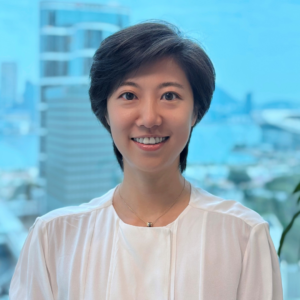
Nicole Zheng
Investment Officer
International Finance Corporation
Nicole Zheng
International Finance Corporation
Investment Officer
Nicole Zheng is Investment Officer at the International Finance Corporation (IFC), the private sector investment arm of the World Bank Group. She is is based in IFC’s Hong Kong office, covering the organization’s engagements in real sectors, with particular focus on sustainable and nature finance.
Speaking at 2026 sessions:
Day 2
Concrete & Canopies: Integrating Nature, Infrastructure, Development and PlanningSupported by
ADM Capital Foundation
Our mission is to understand how our environmental and economic systems are evolving, and to take those insights as a starting point to protect biodiversity, natural resources, reduce system stresses and build environmental resilience. Four themes permeate all of our work: biodiversity, natural resources, climate change and finance.
Meet our 2026 speakers:
Civil Engineering and Development Department
Meet our 2026 speakers:
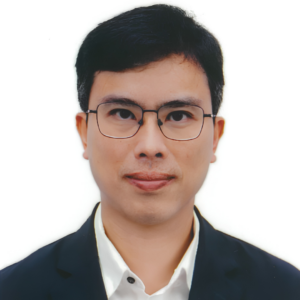
13:20 – 14:10
This session moves from ambition to execution showcasing real case studies in Asia on designing and deploying financial products that fund nature and climate resilience. Speakers will use real deal examples in Asia to demonstrate the structuring, pricing, stakeholder engagement and partnerships necessary to make nature bankable. In addition to how the TNFD LEAP framework and available tools can support organisations in integrating nature-related considerations into their business strategy as a first-step.
Session Learnings:
- Understand how nature and resilience transactions are structured in Asia; the financial products and post-trade support needed to make these trades bankable.
- Understand the importance of effective multi-stakeholder coordination, use of concessional capital, and partnerships that reduce risk and unlock funding.
- Understand the frameworks available to translate nature outcomes into credible, measurable metrics that align with financial returns and meet investor expectations.
Post-event Actions:
- Review TNFD’s LEAP framework to understand how to integrate nature into business strategy
- Initiate discussions with potential partners, or stakeholders on TNFD’s LEAP framework, to start reviewing how LEAP can be applied to a project or asset.
- Be an early adopter of TNFD.
Speakers
Moderator
Jean-Marc Champagne
Managing Director
Seneca Impact Advisors
Jean-Marc Champagne
Seneca Impact Advisors
Managing Director
Jean-Marc is Managing Director at Seneca Impact Advisors, where he leads all aspects of the firm’s work, including strategy, business development, and project origination. He works closely with governments, development finance institutions, and global organizations to design and implement capital solutions that support biodiversity, climate resilience, and sustainable livelihoods.
He works across Asia-Pacific and is expanding the firm’s presence in Africa through partnerships with governments, funders, and implementation partners. His current focus is on developing new finance models that blend public and private capital, enable local implementation, and support scalable outcomes. He brings a strong emphasis on ecological integrity and ensures that nature and biodiversity remain central to how impact is defined, delivered, and sustained.
Before founding Seneca, Jean-Marc dedicated seven years to the World Wide Fund for Nature (WWF). In his capacity as Head of Bankable Nature Solutions for Asia-Pacific, he developed and scaled pipeline projects across the region. He set up and led the Dutch Fund for Climate and Development (DFCD) in Asia-Pacific, and also led the finance work for WWF’s global Freshwater Practice, supporting the development of financing solutions for river basins and wetlands. He was also instrumental in co-establishing the Climate Impact Asia Fund, a long-only equity fund.
Jean-Marc’s earlier career spanned 17 years in the financial industry, working across capital markets and investment banking. He began his career in 1997 with Merrill Lynch in New York. Since 2004, he has been based in Hong Kong, with significant time in Tokyo and Singapore, working with institutions such as BNP Paribas and Jefferies in senior client-facing roles.
He holds a bachelor’s degree from Clarkson University in Potsdam, New York, and is based in Hong Kong.
Thomas Holland
Founder and Managing Partner
DFA & Vana Holdings
Thomas Holland
DFA & Vana Holdings
Founder and Managing Partner
Tom is Co-Founder & Managing Partner of Vana, a nature based solutions developer focused on bankable community forest restoration projects in Southeast Asia, and Development Finance Asia, a sustainable finance platform. Tom co- founded R2O, the largest rural NBFI/financial inclusion platform in Myanmar with over 750,000 clients. Tom also served on the Investment and Executive Committees as consultant to an IFC (World Bank) backed Asian investment platform, and has worked extensively with the European Bank for Reconstruction and Development in Mongolia.
Tom sits on several Boards across Emerging Asia including companies focused on financial services, real estate, logistics and FMCG. He is an advisor to The Nature Conservancy in Mongolia and on the board of the Alliance for Responsible Forest Management.
Previously Tom was Managing partner at Cube Capital in Hong Kong, where he built and managed the Asia business with a focus on China asset backed lending, Vietnam real estate, Myanmar, Mongolia and event trading. Tom started his career at J.P. Morgan in New York, London, Singapore and Tokyo.
Tom has a BA from Cornell University, Ithaca, NY, and an MSc from the University of Oxford in sustainable development.
My Sustainability Goals for 2026:
- Hong Kong be a leader in blended finance for nature based solutions for developing countries in Asia;
- Hong Kong create innovative financing structures and incentives to conserve nature.
Ritesh Thakkar
Senior Advisor and Head of Asia Pacific
Convergence Blended Finance
Ritesh Thakkar
Convergence Blended Finance
Senior Advisor and Head of Asia Pacific
Ritesh Thakkar has 20 years of experience in financial services, development finance, management consulting and advancing public-private partnerships in the Asia and Eastern Europe and Central Asia (EECA) region. In his role at Alliance for Financial Inclusion (AFI), he worked extensively with governments, central banks, private sector and multi-lateral development banks towards advancing SDGs and Green finance policy development to foster enabling ecosystems towards a net-zero transition. Ritesh was part of the core team for the Asia Asset Management practice at McKinsey & Co. He has served clients across variety of key topics including Market entry, Growth strategy, Digital and Distribution strategy. He has also worked with ING Investment Management and ICICI Prudential Asset Management building Institutional Partnerships with Central Banks, Pension Funds, SWFs, Life Insurance Companies and Banks in the Asia region to deliver tailored ESG integrated Investment management solutions and was a founder of an NGO in India which provided a platform to the youth to serve the under privileged section of the society. Ritesh holds a Masters of Business Administration from Asian Institute of Management and completed a Sustainable Finance course from University of Cambridge Institute for Sustainability Leadership.
Audrey Underhill
Business for Nature Specialist
ADM Capital Foundation
Audrey Underhill
ADM Capital Foundation
Business for Nature Specialist
Audrey is Business for Nature Specialist at ADM Capital Foundation in Hong Kong. Her work focuses on the intersection of nature and finance, specifically elevating nature considerations within the finance community and providing tools and resources to integrate nature and biodiversity into financial institutions’ operations. She works closely with the sector to understand the current status and challenges of nature integration and implementing solutions such as the TNFD and has supported the TNFD-aligned disclosures of ADM Capital. On the conservation and education side, Audrey oversees grants to scientific research organizations advancing knowledge of the natural world, with a focus on biodiversity hotspots in Southeast Asia. Before joining ADMCF, Audrey led the impact assessment function at venture capital fund Loyal VC, which funds start-ups with positive environmental and social impacts. Audrey holds an MBA from INSEAD and dual BA degrees from American University and is a certified anti money laundering specialist (CAMS).
Zoe Jiang Yinglin
SVP of Sustainability Strategy
BOC
Zoe Jiang Yinglin
BOC
SVP of Sustainability Strategy
Ms. Zoe Jiang currently serves as Senior Vice President of Sustainability Strategy at Bank of China Hong Kong, with extensive experiences in sustainable finance.
At BOCHK, Zoe has led a number of strategic initiatives, including the 5-Year Sustainability Plan, the BOCHK Greater Bay Area CTB Index and ETF, etc. She is currently responsible for the driving the Bank’s Net Zero Transition Planning Project. In addition, she has strong expertise in sustainability research. She has published articles in industry journals such as the International Finance Magazine, and co-authored HKEX’s first published book in green and sustainable finance, From Vision to Market Practice.
Zoe obtained her B.A. degree from Fudan University, M.A. in Strategic Public Relations from University of Southern California, and MBA from Hong Kong University of Science and Technology. She is also a Chartered Financial Analyst (CFA) charter holder.
Supported by
Hong Kong Green Finance Association
Founded in September 2018, Hong Kong Green Finance Association (HKGFA) creates a platform that offers channels and opportunities to facilitate the development of green finance and sustainable investments in Hong Kong and beyond. It aims to mobilize both public and private sectors resources and talents in developing green finance policies, to promote green finance business and product innovation.
Our sustainability goals for 2026:
HKGFA’s key activities are organised through five working groups, namely Banking – Financing the Transition, Product Innovation and Solutions, Sustainability-related Disclosures, Policy and Standards, Greater Bay Area Green Finance Alliance, and Real Estate. Currently, the Association has over 160 members that include but are not limited to financial institutions, companies, market service providers and other key stakeholders.
Meet our 2026 speakers:
ADM Capital Foundation
Our mission is to understand how our environmental and economic systems are evolving, and to take those insights as a starting point to protect biodiversity, natural resources, reduce system stresses and build environmental resilience. Four themes permeate all of our work: biodiversity, natural resources, climate change and finance.
Meet our 2026 speakers:
14:10 – 14:50
This session explores how cutting-edge technologies – from ocean-based monitoring to spaceborne observation – are transforming our ability to understand and protect nature. Bringing together expertise in marine ecosystems, AI-driven biodiversity tracking, and satellite-based emissions monitoring, speakers will highlight how tools such as drones, environmental DNA, and high-resolution instruments like MUSICO are enabling more precise, data-driven climate action. The discussion will connect innovations across scales, demonstrating how integrated technologies can strengthen conservation strategies and accelerate the transition to a nature-positive future.
The entities that will present:
Supporting Sustainable Development with Satellite Remote Sensing – Prof. Hui Su
Seeing the planet from every angle: HKUST’s multi-modal satellites are the eyes in the sky for carbon accountability, disaster resilience, and smarter environmental stewardship
Smart Shoreline: From Passive Structure to Active Intelligent Platform – Dr. Jay Joan Minuti
Tree Surveying by Airborne Sensors – Prof. Kenneth Leung
Speakers
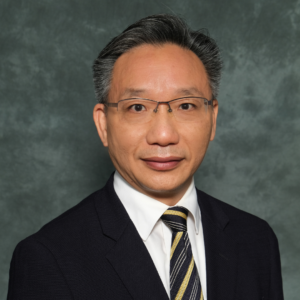
Kenneth Leung
Director of Sustainability/Net-Zero Office
The Hong Kong University of Science and Technology
Kenneth Leung
The Hong Kong University of Science and Technology
Director of Sustainability/Net-Zero Office
Prof Kenneth LEUNG is the Director of Sustainability/Net-Zero Office at the Hong Kong University of Science and Technology. Prior to joining the university, he was the Principal Assistant Secretary (Air Policy) at the Environment and Ecology Bureau and Assistant Director (Air Policy) at the Environmental Protection Department of the Government of the Hong Kong Special Administrative Region.
Prof Leung obtained his PhD in mechanical engineering from Imperial College London and has expertise in combustion science, air quality management, environmental impact assessment, policy formulation relating to climate change, electric vehicles and new energy applications.
My Sustainability Goals for 2026:
- Establish a food waste processing facility at HKUST to upscale waste to valuable products.
- Establish a carbon emissions calculation framework for the shipping sector.
Speaking at 2026 sessions:
Day 2
From Ocean to Orbit: Tech Innovations Transforming Nature Monitoring and Climate Action
Dr. Jay Joan Minuti
Marine Ecologist & Lecturer
Division of Environment and Sustainability, HKUST
Dr. Jay Joan Minuti
Division of Environment and Sustainability, HKUST
Marine Ecologist & Lecturer
Dr Jay Joan Minuti is a marine scientist, having obtained her PhD in Marine Ecology from The University of Hong Kong (HKU), with over a decade of experience in research, teaching, and project management. Her expertise lies in coastal and marine ecosystem restoration, biodiversity and the application of nature-based solutions to climate adaptation in urban and coastal environments. She has led and managed numerous interdisciplinary projects in collaboration with government departments, NGOs, and industry partners in Hong Kong. Her work emphasises the translation of scientific research into practical and accessible formats to support environmental decision-making and public understanding. She has worked across different avenues of science communication and outreach, including the development of public-facing programs, workshops, and creative engagement initiatives that connect research with communities. Through these activities, she seeks to strengthen the interface between science, society, and environmental practice, particularly in the context of coastal sustainability in Hong Kong.
My Sustainability Goals for 2026:
- Hope 1: Coastal Restoration through Nature-Based Solutions (NbS) and Green-Grey Infrastructure
I hope to see Hong Kong scale up the restoration of its coastal and marine habitats (mangroves, seagrasses, oyster habitat and coral communities) through Nature-Based Solutions (NbS) that are embedded within urban infrastructure planning. By integrating living eco-shorelines and hybrid green-grey infrastructure into coastal development, I envision a future where ecological recovery and climate resilience go hand in hand, delivering shoreline protection, storm surge mitigation, and carbon sequestration in line with the Hong Kong Biodiversity Strategy and Action Plan 2035. - Hope 2: A “Blue Literacy” Movement
Despite being surrounded by the sea, many Hong Kong residents have limited awareness of local marine biodiversity or the pressures it faces. I hope to see a city-wide “Blue Literacy” movement take root. One that deepens public understanding of Hong Kong’s marine environment and the challenges it faces. Through accessible science communication, creative outreach, and community engagement, I envision a society where citizens, students, and policymakers alike are informed and inspired to become active stewards of our coastal waters.
Speaking at 2026 sessions:
Day 2
From Ocean to Orbit: Tech Innovations Transforming Nature Monitoring and Climate Action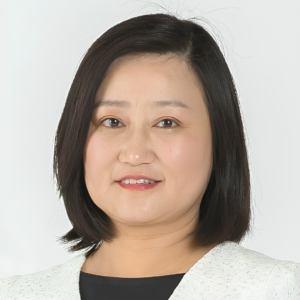
Prof. Hui Su
Chair Professor
The Hong Kong University of Science and Technology
Prof. Hui Su
The Hong Kong University of Science and Technology
Chair Professor
Professor Hui Su is a Chair Professor and Global STEM Professor in the Department of Civil and Environmental Engineering, and the Director of the Space Science and Technology Institute at The Hong Kong University of Science and Technology (HKUST). Prior to joining HKUST in 2022, she served as a Principal Scientist and Weather Discipline Program Manager at NASA’s Jet Propulsion Laboratory (JPL). She received her Ph.D. in Atmospheric Sciences from the University of Washington and her B.S. from Peking University.
Professor Su is the co-lead of the HKUST-FYBB#1 satellite project and currently leads the MUSICO (Multi-Spectral Imaging Carbon Observatory) project at HKUST. MUSICO is a lightweight, high-resolution greenhouse gas point-source monitoring payload aboard China’s Space Station, providing measurements of CO₂ and CH₄ concentrations for selected point sources across latitudes from 42°S to 42°N.
Her research interests centre on extreme weather, climate change, and remote sensing. She has published over 160 peer-reviewed articles. In 2024, she received the Banner I. Miller Award from the American Meteorological Society. She was twice awarded the NASA Exceptional Scientific Achievement Medal (2010, 2022), received JPL’s Edward Stone Award (2021), and was honoured with the Lew Allen Award for Excellence in 2008.
Professor Su serves as a Member of the WCRP CLIVAR/GEWEX Global Monsoons Panel and as Co-Chair of the Global Precipitation Experiment Working Group 2 (Precipitation Data). She is a Fellow of the American Meteorological Society and the Asia Oceania Geosciences Society, and serves as an Editor for Geophysical Research Letters and Communications Earth & Environment.
My Sustainability Goals for 2026:
- I aim to improve extreme rainfall forecast in Hong Kong and contribute to the city’s climate resilience.
- I also aim to use satellite data to help Hong Kong to achieve carbon neutrality by 2050.
Speaking at 2026 sessions:
Day 2
From Ocean to Orbit: Tech Innovations Transforming Nature Monitoring and Climate ActionSupported by
Division of Environment and Sustainability, HKUST
Established in 2010, ENVR is a global leader in interdisciplinary education & research in environment and sustainability, fostering sustainability professionals to address complex environmental challenges across scientific, societal, regulatory, & business issues. ENVR also serves as an intellectual hub linking academia, government, business & community leaders to advance sustainability solutions.
Our sustainability goals for 2026:
UN SDG goals that we align with:
- SDG 1 No Poverty
- SDG 3 Good Health and Well-being
- SDG 4 Quality Education
- SDG 7 Affordable and Clean Energy
- SDG 8 Decent Work and Economic Growth
- SDG 11 Sustainable Cities and Communities
- SDG 12 Responsible Consumption and Production
- SDG 13 Climate Action
General Enquiry Email Address: envr@ust.hk
General Enquiry Phone Number: 23588363
Meet our 2026 speakers:
Prof. Dan Wang
Professor
Division of Environment and Sustainability, HKUST
Dr. Jay Joan Minuti
Marine Ecologist & Lecturer
Division of Environment and Sustainability, HKUST
Prof. Chi Ming Shun
Adjunct and Visiting Professor
Division of Environment and Sustainability, HKUST
Prof. Fei Chen
Associate Head and Professor
Division of Environment and Sustainability, HKUST
Dr. Laurence Delina
Associate Professor
Division of Environment and Sustainability, HKUST
Prof. Christine Loh
Chief Development Strategist, Institute for the Environment
Division of Environment and Sustainability, HKUST
14:50 – 15:30
Explores how organizations can move AI-driven sustainability initiatives from early concepts to real-world production outcomes.
The session will share practical, field-tested approaches for scaling responsibly and efficiently, focusing on the mindset and methods.
The session will highlight how AI can be leveraged to stress-test assumptions early, walk fewer wrong paths.
Attendees will leave with actionable insights on how to design lightweight pilots, build credibility with stakeholders, and create a clear pathway from experimentation to scalable impact—turning sustainability goals into outcomes that last.
Speakers

Moderator
Jacqueline Chong
AWS Specialist for AI Innovation & Adoption
Amazon Web Services

Jacqueline Chong
Amazon Web Services
AWS Specialist for AI Innovation & Adoption
Jacqueline Chong is AWS’s Specialist for AI Innovation & Adoption in Hong Kong. She is accountable for end-to-end delivery of enterprise AI adoption programs — from C-suite alignment and commercial scoping through to production deployment and sustained organizational capability. Her Hong Kong track record spans 200+ executive engagements, 10,000+ professionals activated, 63 validated use cases, and US$5.9M+ in quantified customer value across Financial Services, Enterprise, and Technology.
Jacqueline has been in the tech industry for over 15 years, playing the roles of corporate communications, digital marketer, startup co-founder, UX consultant, and AI strategist for enterprises. Her diverse background allows her to understand and serve customers’ interests and needs from different perspectives. She has delivered 500+ teaching contact hours across six Hong Kong tertiary institutions — including PolyU, HKU SPACE, Central Saint Martins, HKDI, and Hang Seng University — and runs workshops on design thinking, innovation methodologies, and AI adoption, which when combined with Amazon’s Working Backwards mechanisms serve as a powerful tool to open up executive dialogs about strategic AI transformation.
Prior to her current role, Jacqueline led AWS’s Digital Innovation Program for Hong Kong, where she analyzed 46+ engagements to isolate the drivers of production conversion and redesigned the engagement model around them — lifting success rates to 80–100% on engagements meeting the optimized formula. Before AWS, she served as Chief Strategy Officer and Chief Marketing Officer for over a decade at Green Tomato Limited, one of Hong Kong’s leading innovation consultancies, scaling the group from 30 to 400 people. In 2011, she co-founded TalkBox, a mobile app with over 13 million users that pioneered hold-to-talk voice messaging. She received her Master’s degree in Creative and Media Enterprises (with Distinction) from the University of Warwick and is currently pursuing an MSc in Health Informatics at The Hong Kong Polytechnic University.
Jacqueline holds the AWS Certified Machine Learning Engineer – Associate and AWS Certified AI Practitioner certifications, and is an IBM Enterprise Design Thinking Practitioner. She is also an ICSD certified ESG planner and a member of the AWS Environmental Sustainability Technical Field Community.
My Sustainability Goals for 2026:
Upskilling Hong Kong professionals on the intersection of AI, cloud, and ESG.
Key Results:
- Deliver sustainability-focused workshops at Hong Kong tertiary institutions with AI-for-sustainability curriculum
- Activate professionals through sustainability + AI training programs
- Contribute knowledge assets to AWS Environmental Sustainability Technical Field based on Hong Kong market insights
Speaking at 2026 sessions:
Day 2
From Pilot to Planet Impact – Scaling AI Sustainability Projects Without Massive Investment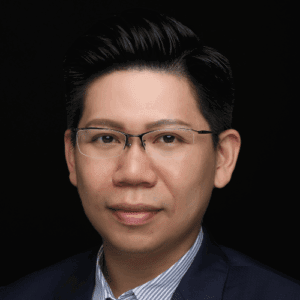
Eric Chau
AWS Enterprise Partner Development Manager
Amazon Web Services
Eric Chau
Amazon Web Services
AWS Enterprise Partner Development Manager
Eric Chau is an accomplished Information Technology professional with over 15 years of experience in digital transformation, consultancy, and business development. He holds a Sustainable Investing Certificate from the CFA Institute and a Global ESG Investing Certificate from HKMA Global. Currently serving as an Enterprise Partner Success Manager at Amazon Web Services (AWS), Eric excels in bridging business and IT strategies, leveraging his expertise in cloud services, data analytics, and AI/ML. Eric has successfully supported Digital Platform projects for smart building digitalization, utilizing AWS’s renowned AI and cloud technology services. His strong analytical skills and ability to translate enterprise requirements into service-oriented business models have positioned him as a trusted advisor among vendors, partners and clients. His dedication to guiding clients in adopting new technologies sets him apart as a thought leader in the industry.
My Sustainability Goals for 2026:
- Enhance Energy Efficiency in Local Communities: Eric aims to implement innovative energy efficiency programs that reduce energy consumption in local businesses and community facilities. This will involve collaboration with local stakeholders to identify the best practices and technologies that promote sustainable energy use.
- Promote Decarbonization Initiatives: Eric seeks to drive a community-wide decarbonization initiative that targets carbon emissions reduction within the local area. This goal will focus on encouraging the adoption of renewable energy sources, and supporting low-carbon technology advancements.
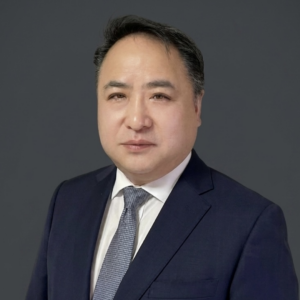
Stephen Lee
Director, Strategic Deals
NCS

Stephen Lee
NCS
Director, Strategic Deals
Stephen Lee is the Director, Strategic Deals at NCS, where he looks after major clients in the transportation sector in Hong Kong.
Stephen has deep experience in IT consulting and commercial operations with strong entrepreneurial capabilities. He has managed IT transformation projects with teams of over 100 people and demonstrates solid change management abilities. With his cross-industry knowledge in business operations and senior management relationships, he has a proven track record of successful major consulting engagements in the region.
Prior to joining NCS, Stephen worked at Accenture, where he led a regional team of over 50 people in North Asia. He holds a Bachelor of Electrical and Electronic Engineering from The University of Hong Kong and an MBA from The Hong Kong University of Science and Technology.
Speaking at 2026 sessions:
Day 2
From Pilot to Planet Impact – Scaling AI Sustainability Projects Without Massive Investment
Gene Soo
Head of Ecosystem – Global Innovation
MTR Corporation
Gene Soo
MTR Corporation
Head of Ecosystem – Global Innovation
Gene Soo is Head of Ecosystem at MTR Corporation’s Global Innovation Department, where he supports innovation initiatives across Hong Kong and MTR’s international operations. His work focuses on turning ideas into practical pilots, with a growing emphasis on applying AI and automation to support MTR’s people in their everyday work, improve urban mobility, and enhance the commuter experience.
Much of Gene’s recent work centres on driving AI adoption and everyday use at MTR. He builds AI agents and tools for real operational challenges, from smarter staff canteen menus to sharing knowledge across business units. He also champions ShiftChat, a platform that connects and coordinates frontline and shift-based workers. Gene favours working pilots over presentations, testing where AI genuinely adds value before scaling it, and helping colleagues get comfortable using the tools themselves.
Gene is personally committed to environmental sustainability and is an active recycler. He regularly uses MTR’s Carbon Wallet and Hong Kong’s Green@Community network to reduce waste and support circular practices in daily life.
Prior to joining MTR, Gene brought Citymapper to Hong Kong and co-founded StartupsHK, contributing to the city’s growing tech and startup community. He holds a BS and MS in Electrical and Computer Engineering from Carnegie Mellon University and an MBA from Columbia University.
My Sustainability Goals for 2026:
Make sustainability the invisible default
I hope to see smart technology and AI woven so deeply into everyday life that the low-carbon, low-waste option quietly becomes the default in how we move, work, and consume, rather than something people have to actively choose.
Make the greener choice the easier choice
I want people gently nudged toward sustainable habits through good design, digital incentives, and rewards, so recycling, low-carbon travel, and circular consumption feel effortless and even a little rewarding, rather than a chore.
Make sustainability inclusive, not just corporate
I hope to see innovation break down silos and open opportunity across the public, private, and civic sectors, so progress on sustainability is community-driven and inclusive, leaving no one behind.
With thanks to
Amazon Web Services
Booth R45
Since 2006, Amazon Web Services has been the world’s most comprehensive and broadly adopted cloud. AWS has been continually expanding its services to support virtually any workload, and it now has more than 240 fully featured services for compute, storage, databases, networking, analytics, machine learning and artificial intelligence (AI), Internet of Things (IoT), mobile, security, hybrid, media, and application development, deployment, and management from 117 Availability Zones within 37 geographic regions, with announced plans for 13 more Availability Zones and four more AWS Regions in Chile, New Zealand, the Kingdom of Saudi Arabia, and the AWS European Sovereign Cloud. Millions of customers—including the fastest-growing startups, largest enterprises, and leading government agencies—trust AWS to power their infrastructure, become more agile, and lower costs. To learn more about AWS, visit aws.amazon.com.
Our sustainability goals for 2026:
Transition to carbon-free energy: The Climate Pledge: Amazon’s commitment to reach net-zero carbon emissions by 2040
- Amazon is investing in carbon-free energy to help power our operations and bring new sources of energy to the grid.
- In 2024, Amazon signed 4 nuclear energy projects that will help power our data centers.
- In Spain, we grew our renewable energy portfolio to a total of more than 90 projects.
- In Europe, we added 46 new projects, including our first investment in Portugal to build the country’s largest wind farm, which is also the largest hydroelectric complex in the country.
- In India, we grew our total investments to 53 projects, which can generate enough energy to power the equivalent of over 1.3 million Indian homes annually.
- AWS works with energy regulators and policymakers to support Grid Enhancing Technologies (GETs), advocating for hardware and software solutions to make existing power grids smarter and more resilient.
Legal Name: Amazon Web Services Hong Kong Limited
General Enquiry Email Address: aws-hk@amazon.com
Meet our 2026 speakers:
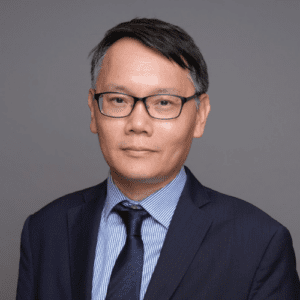
15:30 – 16:10
Innovation and technology are two of the critical tools we have to tackle both the nature and climate crises. This rapid-fire session will spotlight several start-up solutions across the Asia-Pacific region that are already developing and implementing real, scalable technologies. We will invite speakers to pitch their technological solutions to showcase actionable solutions with relevance to the regional and local Hong Kong context and explore how these solutions can accelerate sustainable outcomes for both climate and nature.
The entities that will present:
Greening the Grey: Enhancing the Ecological Value of Urban Seawalls – Dr. Juan Carlos Astudillo
Investing in Nature with Confidence: Transparent Carbon Removal through TREES+ – Bas Fransen
Beyond Plastic: Real-World Applications and ESG Value of Seaweed Film Packaging – Amy Ho
Discover how certified home-compostable seaweed film provides immediate, functional packaging solutions — from window envelopes, food takeaway boxes, stickers to protective bags — helping corporate clients meet stringent ESG targets and local sustainability standards.
Making Natural Capital Measurable: Measurement and Trusted Data Infrastructure for Forests – Diana Liu
Session Learnings:
- What are some climate and nature tech solutions already in being deployed?
- How are technology companies in the region are approaching climate, food, energy, and biodiversity challenges?
- Potential opportunities for corporates to invest in or pilot solutions, feasibility for scaling and collaboration
Post-Event Actions:
- Building a stronger local climate and nature tech ecosystem in Hong Kong through partnership, piloting or other means
- Integrating scalable solutions into ESG strategy to support climate and biodiversity strategy or targets
Speakers
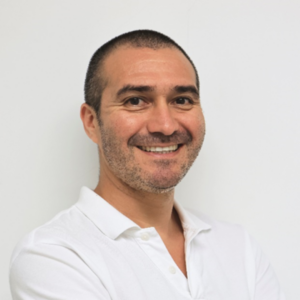
Dr. Juan Carlos Astudillo
Director
afterNATURE
Dr. Juan Carlos Astudillo
afterNATURE
Director
Dr. Juan Carlos Astudillo is an Assistant Professor at the Metropolitan University of Hong Kong and a member of the State Key Laboratory of Marine Environmental Health at the City University of Hong Kong (SKLMEH-CityU). As a marine ecologist, he specializes in marine biodiversity assessment and ecological engineering for habitat rehabilitation. His current research focuses on applying ecological and engineering principles to enhance the biodiversity and ecosystem services of degraded coastal areas, such as biofiltration, carbon storage, nursery grounds, and coastal protection. His goal is to develop ecologically engineered technologies to support sustainable coastal development.
Dr. Astudillo co-founded afterNATURE, a start-up committed to developing eco-engineering technologies and designs for rehabilitating biodiversity and ecosystem services on artificial shorelines. He is also a founding member of the Hong Kong Marine Ecological Association, advocating for ecosystem restoration and environmental education. Additionally, Dr. Astudillo serves as Thematic Editor for the Hong Kong Register of Marine Species (HKRMS).
My Sustainability Goals for 2026:
- Expand the use of eco-engineered habitat units and living shoreline solutions that support marine species and restore ecological functions along urban coastlines.
- Advance living shoreline technologies that help coastal cities adapt to sea-level rise, coastal erosion, and extreme weather while maintaining healthy ecosystems.
- Expand educational programs and public outreach initiatives that increase awareness of marine conservation and sustainable coastal development.
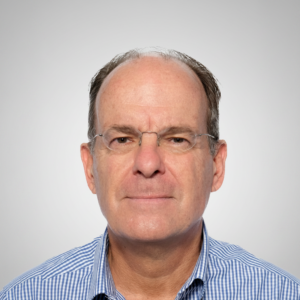
Bas Fransen
CEO and Founder
EcoMatcher

Bas Fransen
EcoMatcher
CEO and Founder
I’m passionate about tackling the climate crisis by combining technology, data, and scalable business models. My background spans product and portfolio development, global partnerships, and growth strategy — across Fortune 500 companies and high-growth start-ups.
As Founder & CEO of EcoMatcher, a Certified B Corporation, I set out to solve a fundamental challenge in global reforestation: the lack of trust and engagement. Too often, tree planting is invisible, unverifiable, or disconnected from the people it’s meant to inspire.
EcoMatcher changes that.
We enable companies to integrate real tree planting directly into their business — across multiple countries — supported by a proprietary technology stack that includes a digital platform, mobile apps, satellite mapping, blockchain verification, and even 3D tree tracking.
My Sustainability Goals for 2026:
- Hong Kong to become Asia’s climate finance and technology hub.
- EcoMatcher further expanding in Asia, notably Greater China and Japan.
- On a personal level, buy less, consume less, re-use more.

Amy Ho
Senior Manager, Marketing & Sales
Greenwich (China) Technology Development Limited
Amy Ho
Greenwich (China) Technology Development Limited
Senior Manager, Marketing & Sales
As Senior Manager of Marketing and Sales at BOTEC, Amy leads commercial growth and global market adoption for certified home-compostable seaweed film solutions. Combining strategic commercial leadership with deep, hands-on expertise in industrial printing, converting, and packaging production, she specializes in bridging the gap between innovative bio-material science and real-world factory operations. Amy leads her commercial team in working directly with global brands, packaging converters, and factory partners to address machine compatibility, material trial requirements, and commercial scaling. By solving practical converting and production challenges on the factory floor, she enables businesses to seamlessly transition away from conventional plastics without compromising operational efficiency or print quality.
My Sustainability Goals for 2026:
1. Accelerate Local Print & Production Integration: Work directly with Hong Kong printing houses and packaging converters to trial, validate, and scale certified home-compostable seaweed films on existing commercial production lines.
2. Drive High-Volume Plastic Replacement: Help Hong Kong enterprise and consumer sectors — spanning institutional document mailers, food packaging, and personal care — transition to fully home-compostable packaging barriers.
3. Scale Practical Nature-Tech Adoption: Demonstrate the commercial and operational feasibility of seaweed-derived materials across global supply chains, proving that sustainable alternatives can seamlessly meet industrial manufacturing standards.

Diana Liu
CEO
Bluesky Carbon Sink Asset Management Co., Limited
Diana Liu
Bluesky Carbon Sink Asset Management Co., Limited
CEO
北京大學光華管理學院碩士,賓夕法尼亞大學沃頓商學院校友,具備深厚的金融與國際背景。
曾任海富通基金管理公司高管、高盛資產管理公司及美國國際集團金融管理人員,專注養老金投資管理近20年,主導發行中國首支信託型養老金產品(中石油西氣東輸項目)。
擅長市場開拓、資源整合與金融創新,秉持“長期主義”,長期投身公益,擔任多家基金會理事並積極參與志願活動。
Master’s degree from Peking University’s Guanghua School of Management; alumnus of the Wharton School of the University of Pennsylvania, with extensive experience in finance and international markets.
Former senior executive at HFT Investment Management, with prior roles at Goldman Sachs Asset Management and American International Group (AIG). Has nearly 20 years of experience in pension investment management and led the launch of China’s first trust-based pension product, associated with the PetroChina West–East Gas Pipeline Project.
Experienced in market development, resource integration, and financial innovation.
Committed to a long-term approach and actively engaged in philanthropy, serving as a board member of multiple foundations and participating in volunteer initiatives.
Supported by
Business Environment Council
Booth E45
Business Environment Council Limited (BEC) is an independent, charitable corporate membership organisation, established by the business sector in Hong Kong.
Since its establishment in 1992, BEC has been at the forefront of promoting environmental excellence by advocating the uptake of clean technologies and practices which reduce waste, conserve resources, prevent pollution and improve corporate environmental and social responsibility.
BEC offers sustainable solutions and professional services covering advisory, research, assessment, training and award programmes for government, business and the community, thus enabling environmental protection and contributing to the transition to a net-zero carbon economy.
Meet our 2026 speakers:
Katie Chan
Specialist – Policy & Research
Business Environment Council
Suki Han
Assistant Manager
Business Environment Council
Kevin O’Brien
Chairman
Business Environment Council
Merlin Lao
Head – Policy and Research
Business Environment Council
Simon Ng
Chief Executive Officer
Business Environment Council
With thanks to
EcoMatcher Ltd.
Booth SCU-N
EcoMatcher, a certified B-Corporation, plants trees and complete forests with vetted foundations and NGOs from around the world specialized in planting trees. Through technologies, EcoMatcher knows everything about each tree planted offering full transparency. Each tree can be virtually visited. Companies use trees for corporate gifts, rewards, loyalty, and employee engagement programs. EcoMatcher is a strategic partner of the United Nations.
Our sustainability goals for 2026:
Plant 10 million trees by 2021 and prepare for 1 billion trees planted by 2023.
Legal Name: EcoMatcher Ltd.
Greenwich (China) Technology Development Limited
Booth B15
BOTEC pioneers revolutionary seaweed-based materials, transforming Hong Kong’s business and packaging landscape through zero-plastic alternatives. Our home-compostable films, developed through proprietary R&D, help businesses achieve ESG goals and comply with plastic reduction regulations. Winner of Forbes China Innovative Brands 2025 and GS1 ESG Achievement Award 2025, we’re enabling Hong Kong’s transition to sustainable business and packaging solutions across envelopes, food service, retail, and corporate sectors.
Our sustainability goals for 2026:
- Replace 30% of Hong Kong’s institutional plastic envelope windows with our carbon-negative seaweed films, targeting banks, utilities, and government sectors
- Enable 10+ F&B businesses to transition to zero-plastic packaging solutions through our food-safe seaweed technology
- Establish closed-loop collection systems with strategic partners to ensure proper composting of our biodegradable materials
- Reduce 10 tonnes of single-use plastic consumption in Hong Kong through cross-industry implementation of our sustainable alternatives
Solutions Showcase:
- Brand Owner
- New Materials/Chemicals
- Sustainable Products
Legal Name: Greenwich (China) Technology Development Ltd.
General Enquiry Email Address: sales@algaemembrane.com
General Enquiry Phone Number: 35430708
General Business Address: Unit A, 16/F, Lee & Man Commercial Center, 169 Electric Road, North Point, Hong Kong
Meet our 2026 speakers:
All sessions are subject to change.