
Workshops
Workshops
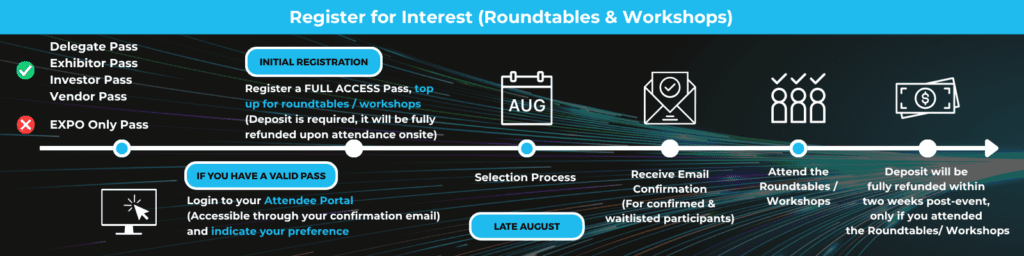
Workshop A
Day 1 – Thursday 10 Sept
Supported by
HKU Jockey Club Enterprise Sustainability Global Research Institute
Booth D30
Established by HKU Business School and funded by The Hong Kong Jockey Club, the Institute is a world-class hub for sustainability. We unite global scholars to integrate knowledge, inspire innovation, and conduct impactful research. Partnering with government and corporate sectors, we harness transformative power to create a sustainable, equitable future.
Legal Name: HKU Jockey Club Enterprise Sustainability Global Research Institute
General Enquiry Email Address: esgri@hku.hk
General Enquiry Phone Number: 39177760
General Business Address: 6/F., T.T. Tsui Building, The University of Hong Kong, Hong Kong
Meet our 2026 speakers:
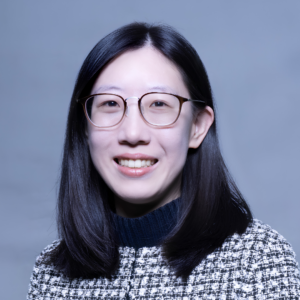
Wendy Cui
Senior Manager (Business Development and Strategy)
HKU Jockey Club Enterprise Sustainability Global Research Institute
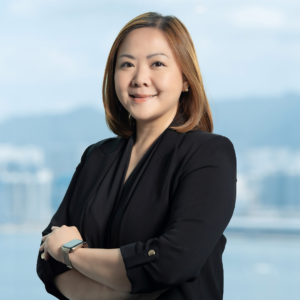
Bernice Yu
Head of Operations
HKU Jockey Club Enterprise Sustainability Global Research Institute
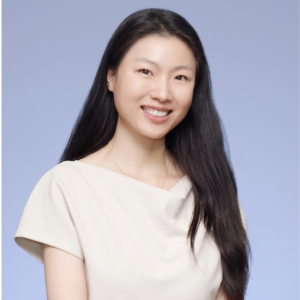
Qidan Wang
Senior Manager (Research)
HKU Jockey Club Enterprise Sustainability Global Research Institute
Prudential Hong Kong Limited
Prudential has been serving the people of Hong Kong since 1964, offering a broad range of health protection, wealth and retirement planning solutions, as well as general insurance and employee benefits services. supporting over 1.41 million customers in Hong Kong. Beyond Hong Kong, Prudential also serves the Macau community through its branch, providing health insurance and financial solutions and completing its footprint in the Greater Bay Area.
At Prudential, our mission is to be the most trusted partner and protector for this generation and generations to come. We boast a strong multi-channel distribution network with the largest agency force in Hong Kong with 19,000 financial consultants. Customers can also access our life insurance products through Standard Chartered Hong Kong and over 160 intermediary partners in our brokerage channel.
Prudential has always been at the forefront of digital innovation. Our omni-channel strategy offers timely, easy-to-access, tailored insurance products plus other value-added services. To date, we have almost 360 industry-leading partners in the Prudential ecosystem, empowering our customers to manage their health and wellbeing.
Our sustainability goals for 2026:
Our sustainability ambition is to work towards creating a sustainable, inclusive, and responsible future for our customers, people, shareholders, and communities. We achieve this by making health and financial security accessible for everyone, adopting an inclusive approach to investment practices, and maintaining a sustainable business.
Legal Name: Prudential Hong Kong Limited
Meet our 2026 speakers:
SEWIT Consultancy
Booth F40
Nan Fung Group is one of the largest privately held conglomerates in Hong Kong with global interests in real estate development and investment, which holds a well-diversified and substantial financial investment portfolio. The Group was founded in 1954 and has a track record spanning more than 60 years with over 170 projects including residential, commercial and industrial buildings. The Group also strategically focuses on first-tier cities in the Chinese Mainland and recognises attractive opportunities for development and investment overseas, including New York, Boston and London.
In 2022, Nan Fung Group established “SEWIT”, a sustainability framework built around five strategic pillars: Social Cohesion, Environment, Wellness, Innovation, and Technology. Integrated across the Group’s entire value chain, SEWIT has since become an integral part of the Group’s culture and a key driver of its sustainability ambitions. In 2025, the Group further advanced the impact of SEWIT through the introduction of “SEWIT-as-a-Service”, an innovative business strategy designed to support tenants, partners, and businesses in realizing their sustainability visions and business goals.
Together, these efforts underscore the Group’s commitment to embedding sustainability into every aspect of its operations, while creating lasting impact for its stakeholders and communities.
Our sustainability goals for 2026:
Sustainability Framework – SEWIT:
Our SEWIT framework — encompassing Social Cohesion, Environment, Wellness, Innovation and Technology pillars — embodies our values and strategic priorities, guiding us in creating lasting positive impact.
SEWIT-as-a-service: Creating Business and Shared Value:
In 2025, SEWIT further evolved to seamlessly integrate into our routine product and service innovation processes. SEWIT-related opportunities that can generate revenue, manage costs, or enhance efficiency are rigorously evaluated and invested in where feasible, consistent with our broader business innovation initiatives.
Our SEWIT Pillars:
- Social Value – We continue to invest in a more scientific, systematic and comparable approach to social impact measurement
- Environment – We recognise that decarbonisation is a complex journey and remain steadfast in achieving our 2050 net-zero goal
- Wellness – We place safety and wellbeing at the core of our business — guiding how we design, operate and create positive impact for our people and communities
- Innovation – We continue to partner with tenants through our engagement programme, the NPL — fostering collaboration, innovation and shared sustainability value
- Technology – We harness technology to enhance every pillar of our business — transforming data and insights into smarter decisions and greater operational efficiency
Solutions Showcase:
- Charity/NGO
- Corporate Office/HQ
- Education/Training/Certification
- ESG Reporting/Consultancy
- Property/Real Estate
- Social Enterprise
- Strategic/Corporate Consultancy
- Sustainability Services
Legal Name: Nan Fung Development Limited
General Enquiry Email Address: sewit@nanfung.com
General Business Address: 17th Floor, AIRSIDE, 2 Concorde Road, Kai Tak, Hong Kong
Meet our 2026 speakers:


The Centre for Child Rights and Business
Booth SE-06
The Centre helps companies navigate child rights, ESG and human rights due diligence (HRDD), supporting compliance with evolving international frameworks, reporting requirements and legislation. Through our work, businesses strengthen responsible supply chain management while contributing to meaningful, lasting improvements for children, youth and families.
Our mission is to help companies understand and enhance their direct and indirect impact on children, and to embed child rights into core business practices and sustainability strategies to drive long-term change.
Headquartered in Hong Kong, we work with companies locally and globally across more than 30 countries. We support businesses operating in Hong Kong and throughout Asia, Africa, Europe and the Americas in addressing child rights and human rights risks within their operations, supply chains and wider business relationships, helping them meet growing stakeholder expectations and sustainability commitments.
Solutions Showcase:
- ESG Reporting/Consultancy
- Social Enterprise
- Sourcing & Supply Chain
- Strategic/Corporate Consultancy
- Sustainability Services
Legal Name: CCR CSR (HK) Limited
General Enquiry Email Address: info@childrights-business.org
General Business Address: Unit 808, 8/F, Tung Che Commercial Centre, 246 Des Voeux Road West, Sai Ying Pun, Hong Kong
Meet our 2026 speakers:
10:15 – 11:30
As human rights due diligence (HRDD) becomes increasingly embedded in regulation, investor expectations and business practice, companies are investing significant time and resources in monitoring, auditing, reporting and managing human rights risks across their supply chains.
But are we using social audits and sustainability reporting in the right way?
These mechanisms can provide valuable visibility into human rights risks. Yet monitoring alone does not prevent harm. When resources are concentrated on identifying and reporting problems, with less attention given to addressing root causes and funding meaningful remediation, companies risk becoming better at documenting problems without becoming better at solving the root cause.
This interactive workshop will examine what it takes to turn social audits and sustainability reporting into more effective levers for change. Drawing on practical insights from business and implementation perspectives, and The Centre for Child Rights and Business’s latest proprietary research studies, we will explore how companies can use these mechanisms more strategically, influencing internal decision-making and investment, and strengthening their approaches to prevention and remediation, particularly in relation to child labour.
Rather than presenting another set of best-practice checklists, the session will ask a more fundamental question: How can we make the audits and reports companies already use work harder for people at risk of harm?
Through facilitated peer discussions and group exercises, participants will actively co-create actionable recommendations alongside fellow practitioners. The goal is for everyone to leave not just with ideas, but with practical recommendations, developed by peers in the room, that can be taken back into their own organisations and applied to strengthen HRDD in practice
Session Learnings:
By the end of this session, participants will be able to:
- Shift from compliance to strategy: Move beyond using social audits as mere compliance checklists and understand how to integrate the human rights data they generate into core corporate strategy and governance.
- Apply auditor insights to real-world challenges: Examine key findings from The Centre for Child Rights and Business’s latest global study on social auditors’ experiences, with specific attention to how child labour and forced labour are identified and the barriers to effective remediation.
- Strengthen HRDD through child rights disclosures: Drawing on Making Children Count: Sustainability Reporting—the latest UNICEF report authored by The Centre—participants will explore how robust child rights disclosures build stakeholder trust, enhance due diligence performance, and meet evolving regulatory expectations.
- Build internal buy-in for resource allocation: Start developing practical business-case arguments to secure the necessary resources and internal stakeholder commitment for strengthening HRDD across supply chains.
Post-Event Actions:
The Centre will produce a resource capturing guest speaker insights and the consolidated recommendations from workshop group activities. The resource will identify common challenges, promising practices, and actionable strategies to strengthen HRDD—to be shared with all participants post-event.
Speakers
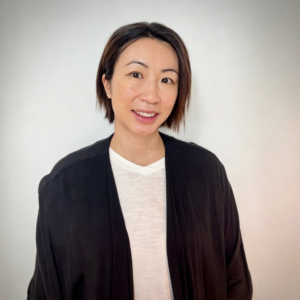
Gayang Ho
Director of Research
The Centre for Child Rights and Business
Gayang Ho
The Centre for Child Rights and Business
Director of Research
Gayang leads the research team in developing research studies, impact assessment tools, and insights based on evidence at The Centre for Child Rights and Business. Her work focuses on child and human rights due diligence issues and related risk areas. She has more than 18 years of experience in market and policy research across various private, public, and social sectors.
Before joining The Centre, she worked on research programmes related to sustainable development, such as climate change, sustainable mobility, sustainable development education, corporates’ sustainability programmes, and environmental philanthropy. She has published and presented her work at or on behalf of various development bodies, including UNDP, Asia Development Bank, UNICEF. Her exposure to different sectors, stakeholders, and international markets helps The Centre spread awareness of child rights risks and solutions among the business community. She has a Master of Commerce from the University of New South Wales and a Bachelor of Business Administration from the University of Toronto.
Speaking at 2026 sessions:
Day 1
What Meaningful Human Rights Due Diligence Approaches Look Like in Practice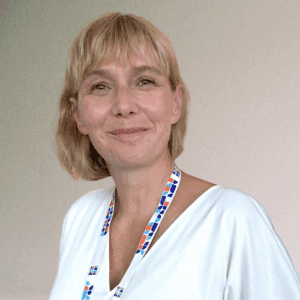
Ines Kaempfer
CEO
The Centre for Child Rights and Business
Ines Kaempfer
The Centre for Child Rights and Business
CEO
Ines is the CEO of The Centre for Child Rights and Business, a global social enterprise headquartered in Hong Kong, with programmes and staff across over 30 countries. With over 15 years of expertise in supply chain sustainability, she has been at the forefront of addressing child rights, labour rights, and human rights issues in Asia and beyond.
Since 2014, Ines has been instrumental in guiding The Centre to help businesses understand and address their impact on children, especially within supply chains. She leads the organisation’s strategic direction, overseeing global operations, and engaging with major multinational companies and partners. Ines also drives the development and scaling of innovative child rights and human rights due diligence programmes across diverse industries.
Under her leadership, The Centre has grown into a recognised leader in child rights and business, working with an expanding network of international companies and partners to create lasting, positive change for children, youth and parents worldwide.
In addition to her role at The Centre, Ines serves as the Chair of the Steering Committee of the Fair Cobalt Alliance (FCA), a multi-stakeholder platform launched in 2020 to mobilise supply chain-wide resources and support a fair, safe and formal artisanal cobalt sector. As Chair, she helps guide the FCA’s strategic direction, align stakeholders and ensure accountability to its mission. She also serves on the Advisory Board of the Association of Professional Social Compliance Auditors (APSCA), where she contributes to developing recommendations that support APSCA’s mission and objectives and represent the perspectives of all stakeholders.
Speaking at 2026 sessions:
Day 1
What Meaningful Human Rights Due Diligence Approaches Look Like in Practice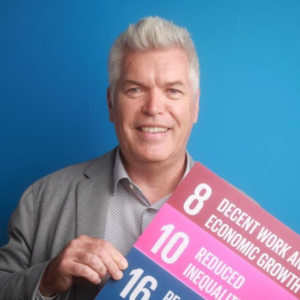
Geoff Trotter
Senior Sustainability Advisor
The ESG Institute
Geoff Trotter
The ESG Institute
Senior Sustainability Advisor
Geoff Trotter has built a 40+ year career in London, Hong Kong and San Francisco, during which time he held a series of CxO roles in the ‘for-profit’ and ‘not-for-profit’ sectors, and as a Big 4 Partner in Hong Kong centred around Information Services, Knowledge Management, Sustainability and ESG Measurement & Reporting.
Geoff is a Senior Sustainability Advisor with The ESG Institute. He is also a Founder Member of The Coaching Circle by Dr. John Blakey, an Executive Coaching organisation that places Trust, Purpose and Values at the centre of organisational leadership.
Speaking at 2026 sessions:
Day 1
What Meaningful Human Rights Due Diligence Approaches Look Like in Practice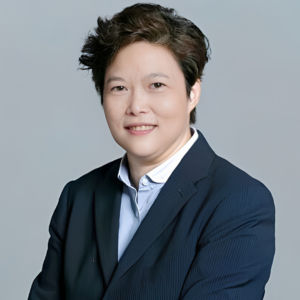
Satte Tsao
Head of Vendor Compliance
Li & Fung Trading Ltd.
Satte Tsao
Li & Fung Trading Ltd.
Head of Vendor Compliance
Satte Tsao is Head of Vendor Compliance at Li & Fung, where she leads global initiatives in due diligence, responsible sourcing, supplier compliance, and ESG across global supply chains. She works closely with suppliers, customers, and industry partners to strengthen labor standards, responsible recruitment, worker wellbeing, and supply chain transparency. With extensive experience in supply chain governance and social sustainability, her focus is on implementing practical, risk-based due diligence approaches that help identify, prevent, and address social and ethical risks while delivering meaningful outcomes for workers, businesses, and communities.
My Sustainability Goals for 2026:
There is growing recognition that due diligence and social sustainability are strategic business priorities rather than solely compliance obligations. Organizations are increasingly focusing on proactive risk management, supply chain transparency, and meaningful outcomes for workers and businesses.
Speaking at 2026 sessions:
Day 1
What Meaningful Human Rights Due Diligence Approaches Look Like in PracticeWith thanks to
The Centre for Child Rights and Business
Booth SE-06
The Centre helps companies navigate child rights, ESG and human rights due diligence (HRDD), supporting compliance with evolving international frameworks, reporting requirements and legislation. Through our work, businesses strengthen responsible supply chain management while contributing to meaningful, lasting improvements for children, youth and families.
Our mission is to help companies understand and enhance their direct and indirect impact on children, and to embed child rights into core business practices and sustainability strategies to drive long-term change.
Headquartered in Hong Kong, we work with companies locally and globally across more than 30 countries. We support businesses operating in Hong Kong and throughout Asia, Africa, Europe and the Americas in addressing child rights and human rights risks within their operations, supply chains and wider business relationships, helping them meet growing stakeholder expectations and sustainability commitments.
Solutions Showcase:
- ESG Reporting/Consultancy
- Social Enterprise
- Sourcing & Supply Chain
- Strategic/Corporate Consultancy
- Sustainability Services
Legal Name: CCR CSR (HK) Limited
General Enquiry Email Address: info@childrights-business.org
General Business Address: Unit 808, 8/F, Tung Che Commercial Centre, 246 Des Voeux Road West, Sai Ying Pun, Hong Kong
Meet our 2026 speakers:
12:00 – 13:15
What if a pearl oyster could offer far more than beautiful pearls, creating benefits for both people and the planet?
Co-hosted by Prudence Foundation, Prudential Hong Kong, and A Plastic Ocean Foundation, using the pearl oyster as a powerful example, this session explores how sustainable aquaculture can support water quality improvement, biodiversity recovery, climate adaptation, and community resilience.
Drawing on Hong Kong’s coastal heritage, the living shoreline initiative at Tai O, local marine fish farms, and international case studies, the session will explore how bivalves such as pearl oysters improve water quality, enhance biodiversity, support climate adaptation, bolster food system resilience, and contribute to sustainable local livelihoods. The session will also examine how cross-sector partnerships can move beyond isolated environmental projects to create integrated solutions that deliver environmental, social, and economic outcomes while empowering communities to remain stewards of their own natural and cultural assets.
Each participant will create a bespoke Hong Kong-cultivated pearl bracelet to take home, a meaningful reminder of how nature, communities, and sustainable aquaculture can thrive together. In addition, each participant will have the opportunity to adopt an Akoya pearl oyster from a local farm, supporting the purification of an estimated 36,000 litres of seawater over six months while helping to improve the health of Hong Kong’s coastal marine environment.
Session Learnings:
- Explore the full lifecycle of a pearl oyster and understand how its ecological functions extend far beyond pearl production, supporting healthy and resilient marine ecosystems
- Understand how bivalves can serve as nature-based infrastructure through water filtration, biodiversity enhancement, shoreline protection, and ecosystem restoration
- Examine how sustainable aquaculture can create multiple forms of value simultaneously, including environmental restoration, local livelihoods, food system resilience, and circular blue economy opportunities
- Learn how the Tai O Living Shoreline Initiative is applying nature-based solutions to strengthen climate resilience while preserving local community identity and cultural heritage
- Discover how corporates, non-profits, and local communities can collaborate to unlock greater sustainability impact through integrated, systems-based approaches
Post-Event Actions
- Apply systems thinking to identify sustainability solutions that generate multiple environmental, social, and economic benefits
- Explore opportunities to integrate nature-based solutions into climate adaptation, biodiversity, and resilience strategies
- Build partnerships across sectors to address complex sustainability challenges that no single organisation can solve alone
- Incorporate local knowledge, cultural heritage, and community participation into sustainability and resilience programmes
- Support sustainable business models and local producers that contribute to ecosystem restoration, community resilience, and long-term shared value
Speakers
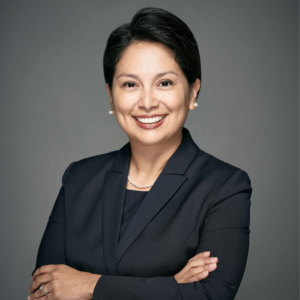
Diana Guzmán
Group Chief Sustainability Officer and Chair of the Prudence Foundation
Prudential Plc

Diana Guzmán
Prudential Plc
Group Chief Sustainability Officer and Chair of the Prudence Foundation
Diana Guzmán is a global sustainability leader and the Group Chief Sustainability Officer and Chair of the Prudence Foundation at Prudential Plc, where she directs the Group’s sustainability strategy across 24 markets and leads a multinational team to embed sustainability into core business decisions and long-term value creation — spanning inclusive products, responsible investment, climate and nature, and stewardship of a USD 16+ million philanthropic portfolio to maximise social impact.
A champion of financial innovation for inclusive and sustainable growth, Diana has spent her career at the intersection of public and private capital, policy and markets. She previously headed the Sustainable Development Investment Partnership (SDIP) and Development Finance at the World Economic Forum, where she mobilised private capital for emerging markets and shaped global initiatives on blended finance, just transition and SDG investment pathways.
Earlier, Diana served as Director at CDP, the global environmental disclosure system, working with listed companies, institutional investors and municipalities to measure and manage environmental risks and opportunities, influencing corporate strategies and investment decisions across Southern Europe and the Middle East. Before that, she worked in the carbon markets, originating and trading greenhouse gas emission reductions from clean technologies across China, Southeast Asia and North Africa. She has also chaired the OECD’s Building Inclusive Markets Working Group on Blended Finance, helping shape policy guidance and market standards to unlock capital for underserved communities.
Born and raised in Mexico, Diana holds an MBA from London Business School, where she was awarded the Future Global Leader scholarship, and a BA in Financial Management (summa cum laude) from the Monterrey Institute of Technology. She also holds a Diploma in ESG Analysis and Investments from POLIMI Graduate School of Management and CFA Society Italy, and a Diploma in Chinese Mandarin from Beijing Normal University. Recognised as one of “30 Changemakers: people changing the world” and a member of W50: The Next Generation of Leading Women, she continues to advocate for the role of sustainability, diversity and financial innovation in shaping a resilient future. She is fluent in Spanish, English and Italian, and speaks elementary Chinese and French.
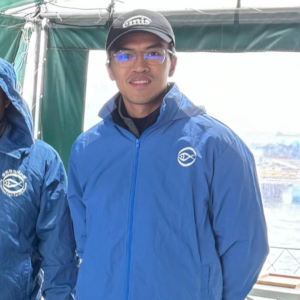
Woody Fan
Person-in-charge
Fishermen Fish Farming
Woody Fan
Fishermen Fish Farming
Person-in-charge
Growing up in a Sai Kung fishing family, Woody manages a floating fish farm in Sham Wan, dedicating his work to local pearl cultivation and marine conservation. He actively leads eco-tours and educational workshops for schools, NGOs, and corporate partners to promote sustainable aquaculture and heritage preservation. By bridging traditional local wisdom with hands-on engagement, Woody inspires the public to appreciate the rich marine biodiversity and cultural legacy of Hong Kong’s waters.
Speaking at 2026 sessions:
Day 1
Beyond the Pearl: Sustainable Aquaculture for Coastal Resilience in Hong Kong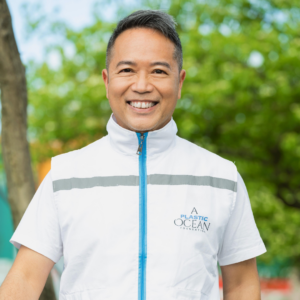
Edison Liu
Head of Education Department
A Plastic Ocean Foundation
Edison Liu
A Plastic Ocean Foundation
Head of Education Department
Since joining A Plastic Ocean Foundation (APO) in 2019, Edison has been a seasoned trainer and educator specializing in community engagement, public outreach, and program leadership. As a scuba diver, he serves as a core coordinator for APO’s “Ghostnet Hunters” team, actively leading underwater cleanup initiatives and marine conservation activities to translate frontline action into impactful educational experiences.
Speaking at 2026 sessions:
Day 1
Beyond the Pearl: Sustainable Aquaculture for Coastal Resilience in Hong KongWith thanks to
Prudential Hong Kong Limited
Prudential has been serving the people of Hong Kong since 1964, offering a broad range of health protection, wealth and retirement planning solutions, as well as general insurance and employee benefits services. supporting over 1.41 million customers in Hong Kong. Beyond Hong Kong, Prudential also serves the Macau community through its branch, providing health insurance and financial solutions and completing its footprint in the Greater Bay Area.
At Prudential, our mission is to be the most trusted partner and protector for this generation and generations to come. We boast a strong multi-channel distribution network with the largest agency force in Hong Kong with 19,000 financial consultants. Customers can also access our life insurance products through Standard Chartered Hong Kong and over 160 intermediary partners in our brokerage channel.
Prudential has always been at the forefront of digital innovation. Our omni-channel strategy offers timely, easy-to-access, tailored insurance products plus other value-added services. To date, we have almost 360 industry-leading partners in the Prudential ecosystem, empowering our customers to manage their health and wellbeing.
Our sustainability goals for 2026:
Our sustainability ambition is to work towards creating a sustainable, inclusive, and responsible future for our customers, people, shareholders, and communities. We achieve this by making health and financial security accessible for everyone, adopting an inclusive approach to investment practices, and maintaining a sustainable business.
Legal Name: Prudential Hong Kong Limited
Meet our 2026 speakers:
14:00 – 15:15
Recycling and food waste sound like solved problems, until you see the gap between what we think happens and what actually does. Hosted by the HKU Jockey Club Enterprise Sustainability Global Research Institute, this 75-minute workshop brings leading organisations across two focused conversations to make the chain visible from the inside.
Rethinking Recycling: Reward and Recover, explores what it actually takes for a bottle in a recycling bin to come back as a new bottle — from the consumer-facing incentives that get it there to the industrial processing that makes bottle-to-bottle recycling possible.
Rethinking Food Waste: Prevent and Reshape, examines where food surplus forms across the food system — from retail operations to the shifting patterns of how Hong Kong orders, prepares, and consumes food.
Expect to walk away knowing things most people in Hong Kong don’t — straight from the operators making it happen.
Session Learnings:
- Understand how Hong Kong’s recycling chain actually functions, and where the friction lies between consumer behaviour, collection, and industrial-scale processing.
- Learn what food-grade PET recycling specifically demands of every upstream player, and what ordinary residents don’t realise about how their own recycling habits decide whether a bottle becomes a new bottle or fails.
- Have a clearer picture of where consumer-facing schemes meet the operational realities of the recycling industry, what each side enables, what each side requires, and where the trade-offs sit.
- Gain a practical view of where food surplus forms in retail operations, and how shifting demand patterns, including the rise of food delivery, reshape preparation and packaging across the food chain.
Post-Event Actions:
- Apply immediately actionable changes to their own household, organisational, or supply chain recycling practices.
- Explore potential partnerships or commercial engagement with the featured organisations across the recycling and food waste reduction value chains.
- Continue the cross-sector dialogue through follow-on engagement with the host organization and the wider research community working at the intersection of NGO practice, social enterprise, and corporate sustainability.
- Share session insights within their own networks to support the shift from sustainability ambition toward coordinated, on-the-ground action.
Speakers
Wendy Cui
Senior Manager (Business Development and Strategy)
HKU Jockey Club Enterprise Sustainability Global Research Institute
Wendy Cui
HKU Jockey Club Enterprise Sustainability Global Research Institute
Senior Manager (Business Development and Strategy)
Ms. Wendy Cui is the Senior Manager, Business Development and Strategy, at the HKU Jockey Club Enterprise Sustainability Global Research Institute, where she builds the University’s partnerships with business, government, and the wider sustainability community. She also serves as Programme Manager of the Institute’s Impact Assessment Lab, which helps business leaders and policymakers make evidence-based decisions through rigorous, real-world experiments. Before joining HKU, she worked at Boston Consulting Group as a management consultant.
My Sustainability Goals for 2026:
1. Evidence over instinct — more sustainability decisions in HK grounded in research and rigorous evidence, not just good intentions.
2. Universities at the table — deeper collaboration between academia and industry, so world-class research actually reaches the frontline.
3. From paper to practice — fewer pilots that stall, more proven ideas scaled into real-world impact.

Raymond Mak
Co-founder & CEO
Farmacy Group
Raymond Mak
Farmacy Group
Co-founder & CEO
Raymond Mak is an AgriTech pioneer dedicated to transforming urban food systems. As Co-founder and CEO of Farmacy Group, he spearheaded the development of decentralized Smart Mobile Farms that bring zero-mile agriculture directly into cities — significantly reducing carbon footprints and food waste to deliver high-value ESG impact.
His commitment to sustainable growth earned international acclaim when he won the APEC Bio-Circular-Green (BCG) Award (MSME category) for Farmacy’s replicable green business model.
To build localized resilience, Raymond and his team established Farmunity, an innovative business-in-community initiative. By converting underutilized urban spaces into smart indoor farms, Farmunity blends STEM education, ESG values, and social entrepreneurship. This self-sustainable model empowers local communities and students to grow fresh produce for low-income families, driving long-term environmental and social impact.
My Sustainability Goals for 2026:
1) Develop a resilient, self-sustainable business model for lasting social impact
2) Build an ecosystem where every stakeholder in the community, across sectors and backgrounds, has a role to play to make a difference, and eventually get benefited from it.
3) Public and private sector leaders to create a more enabling environment for robust social innovation for sustainability
Eric Swinton
Co-founder & Chief Empowerment Officer
V Cycle Company Ltd
Eric Swinton
V Cycle Company Ltd
Co-founder & Chief Empowerment Officer
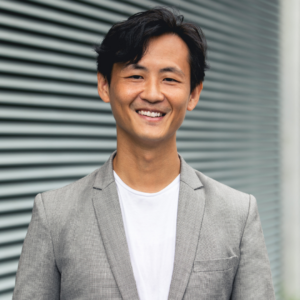
Mr. Eric Swinton founded V Cycle with the belief that environmental solutions should create both ecological and social value. Through V Cycle, he works with schools, businesses, and the wider community to promote plastic reduction and responsible recycling. The team also collects plastic waste locally and transforms them into high value products, creating job opportunities and supporting elderly waste pickers along the way. With more than 15 years of experience in recycling, sustainable product development, offshore manufacturing, and business development, Eric combines practical industry knowledge with a passion for community impact. He is also a frequent speaker and educator on environmental and circular economy topics.
My Sustainability Goals for 2026:
- Scalable Local Plastic Recycling Infrastructure
Hong Kong currently exports much of its recyclables. By 2026, I hope to see:
- Expanded local plastic sorting and processing facilities
- Investment in advanced recycling technologies
- Stronger integration between municipal collection systems and private recyclers
Building local capacity reduces leakage into landfills and strengthens resource security.
Market Demand for Recycled & Reusable Plastics
A circular economy only works when there is demand for recycled materials. By 2026, I hope to see:
- Public procurement policies favoring recycled-content products
- Corporate commitments to minimum recycled plastic content
- Wider adoption of refill and reuse systems in retail and F&B sectors
This would create economic incentives that make circular plastics financially viable and sustainable long-term
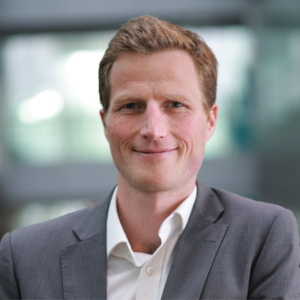
Alfred Weston
General Manager
New Life Plastics Ltd
Alfred Weston
New Life Plastics Ltd
General Manager
Mr. Alfred Weston is the General Manager at New Life Plastics. He has been with the Swire Group since 2011 and joined New Life Plastics (‘NLP’) in 2022. NLP is Hong Kong’s first recycling facility dedicated to processing PET beverage bottles into a standard that allows them to go back into beverage production. NLP enables a circular economy within Hong Kong – all 500ml Coca-Cola bottles and Bonaqua bottles under 1.5L are now made with 100% recycled PET from bottles collected in Hong Kong and processed at NLP. The company also actively promotes recycling and hosts around 2,000 visitors per year to its facility in the EcoPark.
My Sustainability Goals for 2026:
- A genuine commitment to eco-design from more beverage manufacturers – starting with the phase out of colour PET bottles
- The passing of the PCPRS by LegCo for implementation at the start of 2028
Qidan Wang
Senior Manager (Research)
HKU Jockey Club Enterprise Sustainability Global Research Institute
Qidan Wang
HKU Jockey Club Enterprise Sustainability Global Research Institute
Senior Manager (Research)
Ms. Qidan Wang is the Senior Manager (Research) at the HKU Jockey Club Enterprise Sustainability Global Research Institute, leading industry-focused research on pressing sustainability challenges. At the Institute, she is in charge of two flagship programs, including the NGO Empowerment Program, which examines how NGOs address environmental priorities such as decarbonization, biodiversity conservation, and waste reduction, as well as governance dimensions including transparency, accountability, and social responsiveness. Drawing on her consulting background and extensive cross-sector experience with corporates, regulators, financial institutions, and NGOs, she translates academic insights into actionable strategies and transforms sustainability concepts into measurable, real-world impact.
My Sustainability Goals for 2026:
1. Hong Kong’s scale and connectivity make it a prime environment for testing fresh ideas and new solutions in sustainability. Hope to see more locally-grown success stories that can travel across the region.
2. Waste reduction becomes a daily reality in Hong Kong, not just a conference conversation, and that local success here can pave the way for broader change.
Speaking at 2026 sessions:
Day 1
Translating Circularity: From Material Innovation to Community ImpactBeyond the Bin: Rethinking Waste in Hong Kong
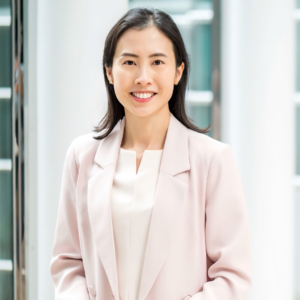
Landico Wong
Senior Sustainability Manager
DFI Retail Group

Landico Wong
DFI Retail Group
Senior Sustainability Manager
Landico Wong is the Senior Sustainability Manager at DFI Retail Group. She is a member of the HKICPA, and a Certified ESG Planner of the International Chamber of Sustainable Development. She holds the GRI Professional Certification and GARP Sustainability and Climate Risk (SCR®) qualification. She has over 16 years of experience spanning ESG and strategic planning, corporate communications, operational excellence, and business development.
At DFI, Landico manages the Group’s sustainability reporting and implementation of its sustainability strategy. Her key focus areas include waste reduction and recycling, climate change, community support, and sustainable products and packaging. She works across formats and functions to drive sustainability initiatives, foster external partnerships, and support the Sustainability Committee in setting long-term and annual targets while monitoring the progress.
Prior to joining DFI, Landico led the change management team of a chemical company, partnering with business units to deliver sustainability-driven improvement projects, including reducing production waste, optimising supply chain planning, and redesigning packaging and products to improve operational efficiency. With a strong understanding of diverse stakeholder needs—from customers and investors to frontline teams and senior leadership—she is skilled at aligning sustainability with business value, engaging stakeholders, and driving collaboration that leads to meaningful organisational change.
My Sustainability Goals for 2026:
- Unlock the value of sustainability by improving resource efficiency, identifying sustainable growth opportunities, and strengthening climate resilience.
- Make sustainable choices more accessible and affordable, empowering customers, businesses and communities to contribute to positive environmental and social impact.
With thanks to
HKU Jockey Club Enterprise Sustainability Global Research Institute
Booth D30
Established by HKU Business School and funded by The Hong Kong Jockey Club, the Institute is a world-class hub for sustainability. We unite global scholars to integrate knowledge, inspire innovation, and conduct impactful research. Partnering with government and corporate sectors, we harness transformative power to create a sustainable, equitable future.
Legal Name: HKU Jockey Club Enterprise Sustainability Global Research Institute
General Enquiry Email Address: esgri@hku.hk
General Enquiry Phone Number: 39177760
General Business Address: 6/F., T.T. Tsui Building, The University of Hong Kong, Hong Kong
Meet our 2026 speakers:
Wendy Cui
Senior Manager (Business Development and Strategy)
HKU Jockey Club Enterprise Sustainability Global Research Institute
Bernice Yu
Head of Operations
HKU Jockey Club Enterprise Sustainability Global Research Institute
Qidan Wang
Senior Manager (Research)
HKU Jockey Club Enterprise Sustainability Global Research Institute
15:45 – 17:00
Impact comes in many forms, and organisations often face a fundamental challenge: how do we understand what has changed, for whom, and how far those changes have improved people’s lives or circumstances?
This workshop is designed for corporates and organisations looking to strengthen the evidence behind their social programmes. It introduces Social Return on Investment (SROI) as a practical tool to help quantify and articulate impact in financial terms, creating a common language to communicate value across stakeholders.
By translating different impact drivers into measurable value, SROI enables organisations to better understand where impact is being created, compare outcomes, and identify opportunities to enhance programme effectiveness.
The workshop will also introduce how to define outcomes and develop indicators that are meaningful to stakeholders and feasible to track in lean team settings. Participants will leave with a clearer understanding of how to begin applying these concepts in a practical way within their own programmes and organisations.
Session Learnings:
- Understand the core concepts and principles of Social Return on Investment (SROI)
- Explore how SROI can support both impact reporting and programme improvement
- Learn how to define clear outcomes for social initiatives
- Develop practical approaches to setting relevant and measurable indicators
- Recognise common challenges and myths in impact measurement and how to address them pragmatically
Post-Event Actions:
- Initiate internal discussions with different stakeholders on the potential use of SROI within their organisation
- Review existing programmes to identify opportunities for improving impact measurement
- Strengthen impact reporting by defining clearer outcomes and aligning indicators
- Pilot simple outcome measurement approaches in programmes or initiatives
Speakers

Lillian Chan
Assistant Manager, Sustainability and Shared Value
SEWIT Consultancy
Lillian Chan
SEWIT Consultancy
Assistant Manager, Sustainability and Shared Value
Lillian focuses on how social programmes lead to real change in people’s lives and communities. With a degree in Journalism and Communication, she naturally looks for both the story and the evidence behind it, and now brings that mindset into sustainability and social impact.
At Nan Fung Group, Lillian works with internal teams and NGO partners to optimise community projects, track results, and use approaches such as Social Return on Investment (SROI) and Theory of Change to connect those results with the outcomes they aim to deliver. Her role spans social value disclosure and impact advisory, bringing together data and stories to generate insights that inform decisions, strengthen programmes and build trust with stakeholders.
Earlier in her career, Lillian worked in corporate PR and media relations, partnering with clients in culture, finance and professional services to shape their narratives and engage the public. That experience continues to guide how she approaches impact today – keeping information robust, but also clear, human and meaningful for the people reading it.
At ReThink HK 2026, Lillian will co-host “Quantifying What Matters: SROI 101”, supporting participants to clarify outcomes, measure change and communicate their social value with greater confidence and care.
My Sustainability Goals for 2026:
Make impact visible and actionable: Support organisations to turn their social impact work into clearer outcomes, practical indicators and robust stories, enabling teams and stakeholders to learn from the evidence, improve programme design and communicate those changes with confidence.
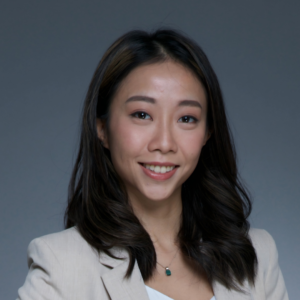
Crystal Lai
Manager, Sustainability and Shared Value
SEWIT Consultancy
Crystal Lai
SEWIT Consultancy
Manager, Sustainability and Shared Value
Crystal Lai is a philanthropy and social impact advisor with over seven years of experience in grantmaking, strategic giving, impact measurement and ecosystem building across foundations, corporates and NGOs in Hong Kong and internationally. She leads SEWIT Consultancy, Nan Fung Group’s impact advisory practice, where she advises institutional clients and family offices on funding strategies, impact frameworks, and organisational change.
As a Manager at Nan Fun Group, Crystal also shapes the Group’s social value strategy and leads its work to measure and disclose social value. Nan Fung was the first company in Hong Kong to set a HK$100 million social-value target by 2030; in 2024/25, the Group generated or facilitated HK$86.3 million cumulatively.
Prior to joining Nan Fung Group, Crystal worked at a leading Hong Kong charitable trust, managing a diverse portfolio spanning arts and culture, elderly services, youth development and education.
Crystal is an Accredited Social Value Associate and a regular speaker and facilitator on strategic philanthropy and social value. She is particularly interested in helping organisations move beyond activity-based reporting to understand, manage and communicate the outcomes that matter most to people and communities.
At ReThink HK 2026, Crystal will host “Quantifying What Matters: SROI 101”, introducing participants to the fundamentals of Social Return on Investment and practical approaches to articulating, measuring and using social value in decision-making.
My Sustainability Goals for 2026:
- Advance practical impact measurement across the social sector: Enable more NGOs, funders and corporate partners to define meaningful outcomes and use fit-for-purpose data to improve programmes, funding decisions and accountability.
- Steer the development of open impact data infrastructure: Advocate for a shared, trusted and accessible data platform for Hong Kong’s social sector, to make relevant outcomes, indicators, benchmarks and evidence easier to find, compare and apply.
With thanks to
SEWIT Consultancy
Booth F40
Nan Fung Group is one of the largest privately held conglomerates in Hong Kong with global interests in real estate development and investment, which holds a well-diversified and substantial financial investment portfolio. The Group was founded in 1954 and has a track record spanning more than 60 years with over 170 projects including residential, commercial and industrial buildings. The Group also strategically focuses on first-tier cities in the Chinese Mainland and recognises attractive opportunities for development and investment overseas, including New York, Boston and London.
In 2022, Nan Fung Group established “SEWIT”, a sustainability framework built around five strategic pillars: Social Cohesion, Environment, Wellness, Innovation, and Technology. Integrated across the Group’s entire value chain, SEWIT has since become an integral part of the Group’s culture and a key driver of its sustainability ambitions. In 2025, the Group further advanced the impact of SEWIT through the introduction of “SEWIT-as-a-Service”, an innovative business strategy designed to support tenants, partners, and businesses in realizing their sustainability visions and business goals.
Together, these efforts underscore the Group’s commitment to embedding sustainability into every aspect of its operations, while creating lasting impact for its stakeholders and communities.
Our sustainability goals for 2026:
Sustainability Framework – SEWIT:
Our SEWIT framework — encompassing Social Cohesion, Environment, Wellness, Innovation and Technology pillars — embodies our values and strategic priorities, guiding us in creating lasting positive impact.
SEWIT-as-a-service: Creating Business and Shared Value:
In 2025, SEWIT further evolved to seamlessly integrate into our routine product and service innovation processes. SEWIT-related opportunities that can generate revenue, manage costs, or enhance efficiency are rigorously evaluated and invested in where feasible, consistent with our broader business innovation initiatives.
Our SEWIT Pillars:
- Social Value – We continue to invest in a more scientific, systematic and comparable approach to social impact measurement
- Environment – We recognise that decarbonisation is a complex journey and remain steadfast in achieving our 2050 net-zero goal
- Wellness – We place safety and wellbeing at the core of our business — guiding how we design, operate and create positive impact for our people and communities
- Innovation – We continue to partner with tenants through our engagement programme, the NPL — fostering collaboration, innovation and shared sustainability value
- Technology – We harness technology to enhance every pillar of our business — transforming data and insights into smarter decisions and greater operational efficiency
Solutions Showcase:
- Charity/NGO
- Corporate Office/HQ
- Education/Training/Certification
- ESG Reporting/Consultancy
- Property/Real Estate
- Social Enterprise
- Strategic/Corporate Consultancy
- Sustainability Services
Legal Name: Nan Fung Development Limited
General Enquiry Email Address: sewit@nanfung.com
General Business Address: 17th Floor, AIRSIDE, 2 Concorde Road, Kai Tak, Hong Kong
Meet our 2026 speakers:
Workshop B
Day 1 – Thursday 10 Sept
In partnership with
Hong Kong Institute of Landscape Architects
Established in 1988, HKILA is a body incorporated by The Hong Kong Institute of Landscape Architects Incorporation Ordinance (Cap. 1162), with the objects, among others, to promote the advancement of landscape architecture, raise the standard and maintain integrity of the profession, and to facilitate the exchange of information and ideas in relation to all aspects of landscape architecture.
General Enquiry Email Address: secretariat@hkila.com
Meet our 2026 speakers:
Supported by
Tangelo Software B.V.
Booth A32
Corporate reporting is not just disclosure. It is reputation, accountability and trust.
Tangelo is the end-to-end corporate reporting platform built for teams that are done with version chaos, design bottlenecks, late night number checks and last minute tagging pressure. We provide one structured and secure platform where finance, sustainability and communications teams can create, review and publish their most important reports without juggling Word files, chasing designers or rebuilding content for different output formats.
With automated typesetting, integrated data synchronisation, built in ESEF and regulatory tagging and enterprise grade workflows, Tangelo transforms a fragmented and high stress reporting process into a faster, more collaborative and fully controlled way of working. Since 2010, leading listed companies and public institutions across Europe, Africa, Asia and the
Pacific have relied on Tangelo to deliver accurate, on brand and compliant reports across PDF, ESEF and digital channels with confidence. This is not just a better workflow. It is a fundamentally better way of working.
Solutions Showcase:
- ESG Reporting/Consultancy
Legal Name: Tangelo Software B.V.
General Enquiry Phone Number: +31 30 694 0490
Meet our 2026 speakers:
Sphera
Booth K34
Sphera is the Operational Intelligence Platform, unifying risk, safety, and sustainability insights into connected, actionable intelligence. Powered by Sphera AI, the platform brings together EHS, sustainability, product stewardship and supply chain data to create a single, enterprise-wide view of risk. Built on trusted, proprietary data and deep industry and regulatory expertise, it delivers the visibility and control organizations need to act with confidence. Organizations operating in complex, high-risk environments rely on Sphera to gain a complete view of risk that enables informed, defensible decisions, more resilient operations, and improved operational performance.
Legal Name: Sphera Solutions Inc.
Meet our 2026 speakers:
Urban Land Institute
The Urban Land Institute is an international, membership-based nonprofit research and education organisation. Founded in 1936, the Institute now has over 48,000 members worldwide representing the entire spectrum of land use and real estate development disciplines, working in private enterprise and public service.
Our sustainability goals for 2026:
- ULI’s sustainability initiatives in the Asia Pacific are designed for driven real estate leaders committed to shaping the industry’s future.
- Our comprehensive programmes and initiatives empower you to actively drive positive change.
- Joining our community provides connections with global industry leaders, access to the latest resources and toolkits, and exposure to transformative real estate projects
General Enquiry Email Address: asiapacific@uli.org
General Enquiry Phone Number: 2886 1620
Meet our 2026 speakers:
10:15 – 11:30
As climate-related reporting requirements under HKEX, IFRS and ESRS continue to evolve, companies are expected to demonstrate not only disclosure readiness but credible implementation. This workshop explores how organizations can operationalize sustainability by developing integrated climate mitigation and adaptation programs that translate reporting requirements into business action. Participants will learn how transition planning can support climate mitigation through GHG inventory forecasting, how to assess and quantify decarbonization levers, develop company-specific decarbonization scenarios in line with climate targets. The session will also address climate risk and resilience, including how to assess physical and transition risks and develop adaptation measures that strengthen long-term business resilience. With a focus on practical implementation steps for sustainability practitioners, how to use software for managing the data for disclosure but also active ESG management. The workshop connects regulatory expectations with decision-making across governance, finance, operations, procurement and risk management.
Session Learnings:
- Learn about requirements for both HKEX, IFRS and ESRS in regards to climate risk, GHG accounting, GHG targets and climate transition planning
- Get insights into best practice and conceptual understanding on how to develop a corporate climate transition plans
- Transition planning methodology, including GHG inventory forecasting, decarbonization scenarios and quantified reduction levers.
- Climate risk assessment, resilience analysis and adaptation program development
- Acquire knowledge on implementing these programs in your organization across governance, finance, procurement, operations and risk management beyond compliance to create sustainability initiatives creating business value.
Post-Event Actions:
- Understand how to articulate the value of these programs within your organization and decision-makers
- Baseline to create your company-specific plan for a regulatory-ready climate adaptation and climate transition plan for HKES, IFRS and ESRS
- Conceptual understanding and technical knowledge to start these initiatives within your departments and contextualizing it to your product/service system.
- Roadmap for automation and software application on corporate climate management.
Speakers
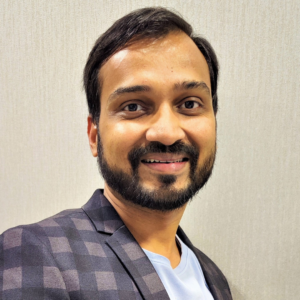
Ritesh Agrawal
Senior Director, Consulting
Sphera
Ritesh Agrawal
Sphera
Senior Director, Consulting
Ritesh Agrawal is Senior Director of Sustainability Consulting at Sphera, with nearly 18 years of experience helping organizations build more sustainable and resilient businesses. He specializes in life cycle assessment (LCA), product carbon footprint (PCF), GHG accounting, ESG strategy, and CBAM compliance, advising global companies on practical decarbonization strategies, carbon footprint reduction, and evolving ESG and climate reporting requirements. Recognized for his collaborative approach and deep industry expertise, Ritesh helps organizations turn sustainability ambitions into measurable business outcomes and long-term value.
Speaking at 2026 sessions:
Day 1
Operationalizing Sustainability: Developing Climate Mitigation and Adaptation Programs for HKEX IFRS and ESRS requirements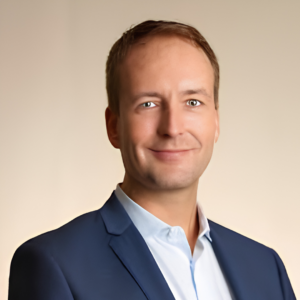
Marc Loesche
Director Sales, APAC
Sphera
Marc Loesche
Sphera
Director Sales, APAC
Marc Loesche is the Sales Director for APJ at Sphera, where he helps organizations transform sustainability, ESG, and operational risk into strategic business value. With more than two decades of experience in enterprise software and digital transformation, Marc works with executive leaders to navigate complex regulatory environments while driving innovation through technology. He is passionate about how software, data, and AI can accelerate meaningful business outcomes—enabling smarter decisions, greater resilience, and measurable impact.
Marc can share practical insights on the intersection of sustainability, business transformation, and emerging technologies, helping organizations move beyond compliance to create lasting competitive advantage.
Speaking at 2026 sessions:
Day 1
Operationalizing Sustainability: Developing Climate Mitigation and Adaptation Programs for HKEX IFRS and ESRS requirements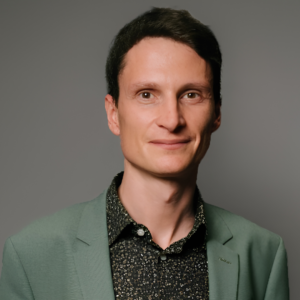
Stefan Premer
Senior Director, Consulting
Sphera
Stefan Premer
Sphera
Senior Director, Consulting
Stefan Premer is Senior Director within Sphera’s Consulting Organization, where he leads the Corporate Sustainability Consulting department. He manages teams focused on ESG and corporate sustainability strategy, advising organizations on evolving sustainability requirements, regulatory developments, and reporting frameworks such as CSRD and IFRS.
Stefan has deep expertise in climate strategy development and corporate carbon accounting, including quantified transition planning and climate risk modelling. He has supported companies in developing and operationalizing sustainability strategies, automating sustainability processes, and implementing large-scale strategic sustainability projects across sectors.
At present, Stefan is an ISO committee member for “Quantification and reporting of greenhouse gas emissions and removals at organizational level,” contributing to the GHG Protocol update, as well as “Greenhouse gas and climate change management and related activities – Mitigation.”
Stefan is based in Zürich, Switzerland, and holds an M.Sc. in Business Administration, specializing in Strategy and Management in International Organizations, from Linköping University in Sweden.
With thanks to
Sphera
Booth K34
Sphera is the Operational Intelligence Platform, unifying risk, safety, and sustainability insights into connected, actionable intelligence. Powered by Sphera AI, the platform brings together EHS, sustainability, product stewardship and supply chain data to create a single, enterprise-wide view of risk. Built on trusted, proprietary data and deep industry and regulatory expertise, it delivers the visibility and control organizations need to act with confidence. Organizations operating in complex, high-risk environments rely on Sphera to gain a complete view of risk that enables informed, defensible decisions, more resilient operations, and improved operational performance.
Legal Name: Sphera Solutions Inc.
Meet our 2026 speakers:
12:00 – 13:15
Nature-based Solutions (NbS) have emerged as a powerful opportunity to transform how cities and businesses respond to climate change and biodiversity loss. Increasingly recognized by governments, private sector, and professionals, NbS are being integrated into projects that deliver both ecological and social value.
This workshop will explore the multifaceted role of NbS — not only as an environmental strategy, but as a driver of innovation, resilience, and value creation to address societal challenges. Through interactive discussions, participants will discover practical approaches to embedding NbS in design and planning, uncover its potential to strengthen ESG performance and green finance, and mainstreaming NbS across disciplines and engaging the public. By positioning NbS as a catalyst for biodiversity and human well-being in cities, this workshop empowers participants to champion nature-driven approaches that accelerate Hong Kong’s sustainable development and inspire broader community participation.
Session Learnings:
- Understand key concepts, definitions and standards of NbS.
- Explore practical approaches and case studies to integrating NbS into design and planning to enhance biodiversity and improve human well-being in development projects.
- Discover the benefits of NbS in advancing ESG goals and green finance, highlighting its role in Sustainable Development Goals.
- Explore strategies and actionable pathways for mainstreaming NbS across interdisciplinary professions and engaging the wider public.
Post-Event Actions:
- Conduct self-assessment to evaluate whether projects or investments meet the criteria of NbS standards.
- Identify opportunities for collaboration with landscape architects and partnering organizations to strengthen NbS for diverse industries and sectors.
- Promote awareness and mainstream NbS through policy development, practical implementation, and education initiatives.
Speakers
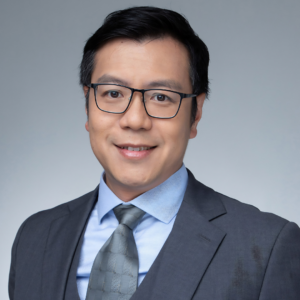
Paul Chan
Immediate Past President
Hong Kong Institute of Landscape Architects
Paul Chan
Hong Kong Institute of Landscape Architects
Immediate Past President
Mr. Chan is a practicing landscape architect with academic backgrounds in architecture, project management, law, and landscape architecture. In former years of his career, he obtained a variety of experience through renowned architectural consultancies and construction companies. He was head of project management department of an international property developer. He then practiced landscape architecture and urban design at Earthasia Limited and became director of the company. He later joined the Technological and Higher Education Institute of Hong Kong (THEi) as the founding head of landscape architecture. In 2018 he joined Otherland Limited as a co-founder and director. Mr. Chan has taken up leadership on a wide range of landmark projects in Hong Kong and nearby regions covering landscape planning and design of the public realm, institutional, infrastructural, residential, and commercial projects.
Mr. Chan serves a number of professional, consultative bodies and NGOs. He is the current President of the Hong Kong Institute of Landscape Architects (HKILA), member of the Appeal Board Panel (Town Planning), member of the Advisory Committee on the Northern Metropolis Sub-committee on Planning, Land and Conservation, member of the Land and Development Advisory Committee’s Building Sub-committee and Joint Sub-committee on Streamlining Development Control, member of the DEVB’s Urban Forestry Advisory Panel, member of the DEVB’s Common Spatial Data Advisory Committee, and an Executive Committee member of Playright Children’s Play Association. He is also the current Chairperson of the Climate Change and Biodiversity Working Group of the International Federation of Landscape Architects Asia Pacific Regions. On behalf of HKILA and ALC, Mr. Chan led and successfully completed the government funded projects Development of the landscape architectural profession in Hong Kong and its Positioning in the Region between 2013 and 2015 and Resilient City – Landscape Planning towards Climate Adaptation between 2018 and 2020.
My Sustainability Goals for 2026:
1. Adopt nature-positive and climate-positive design in developments.
2. Champion landscape for the wellbeing of people of all ages.
3. Drives awareness for a more resilient city under climate and nature emergencies.
Speaking at 2026 sessions:
Day 1
Designing with Nature-based Solutions (NbS): Towards an Ecological and Healthy City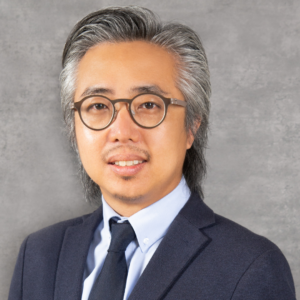
Dr. Yin-Lun Chan
President
The Hong Kong Institute of Landscape Architects
Dr. Yin-Lun Chan
Hong Kong Institute of Landscape Architects
President
Dr Yin-Lun Chan is a landscape architect and urban historian, current President of the Hong Kong Institute of Landscape Architects (HKILA); Associate Professor and Head of the Department of Design and Architecture at the Technological and Higher Education Institute of Hong Kong (THEi). He holds a PhD in Architectural History and Theory and Master of Landscape Architecture. He is also Chief Editor the HKILA Journal Yuanlin and Chair of the Centre for Community Cultural Development (CCCD). His teaching and research explore intersections of community arts and design and landscape architecture. He is editor of The Landscape Profession of Hong Kong, 1978–2015.
My Sustainability Goals for 2026:
- Initiating the landscape and ecological blueprint for Hong Kong
- Publishing the mini-forest guidelines
- Instigating the agenda on circular landscape practices
Speaking at 2026 sessions:
Day 1
Designing with Nature-based Solutions (NbS): Towards an Ecological and Healthy City
Marine Thomas
Associate Director of Conservation
The Nature Conservancy
Marine Thomas
The Nature Conservancy
Associate Director of Conservation
Marine Thomas is Associate Director of Conservation for The Nature Conservancy (TNC) Hong Kong. She is responsible for overseeing TNC’s marine conservation projects on the ground, with a current focus on restoring natural habitats, community-based conservation, and developing sustainable livelihoods as nature-based solutions. Marine is also restoration ecologist specializing in estuarine ecosystems. Over the past 8 years, she has been developing restoration methods, evaluating ecosystem services, developing innovative conservation finance and advocating for policy changes that support widespread restoration efforts in Hong Kong’s waters.
My Sustainability Goals for 2026:
I would like to help Hong Kong develop a high-integrity ecotourism policy
Supported by
Hong Kong Institute of Landscape Architects
Established in 1988, HKILA is a body incorporated by The Hong Kong Institute of Landscape Architects Incorporation Ordinance (Cap. 1162), with the objects, among others, to promote the advancement of landscape architecture, raise the standard and maintain integrity of the profession, and to facilitate the exchange of information and ideas in relation to all aspects of landscape architecture.
General Enquiry Email Address: secretariat@hkila.com
Meet our 2026 speakers:
14:00 – 15:15
As ISSB-based sustainability reporting becomes mandatory across Hong Kong and many other Asian jurisdictions, organizations need more than compliance – they need an effective end-to-end reporting process.
In this joint workshop, KPMG Hong Kong and Tangelo will demonstrate how organizations can build an integrated ESG reporting journey, from understanding ISSB-based reporting requirements and establishing robust governance and data collection processes, through to producing high-quality sustainability reports and engaging stakeholders through modern digital reporting.
KPMG Hong Kong will share practical insights into materiality, value chain considerations, gap analyses, governance, and change management. Tangelo will demonstrate an integrated ESG reporting workflow, showing how organizations can streamline data collection, report production, and digital publication.
Using the award-winning Swire Pacific Sustainability Report as a real-world example, we will conclude by demonstrating how a modern sustainability microsite transforms a sustainability report into an engaging, accessible, and transparent digital experience.
Session Learnings:
- Understand how ISSB-based reporting requirements are shaping sustainability reporting across Asia.
- Learn how to establish a controlled, auditable ESG reporting process from materiality assessment to publication.
- See how integrated ESG data collection and report production can improve efficiency, governance, and reporting quality.
- Discover how digital sustainability reporting can increase stakeholder engagement beyond regulatory compliance.
- Gain practical insights from a leading corporate sustainability reporting implementation.
Post-Event Actions:
- Assess your organization’s readiness for ISSB-based sustainability reporting.
- Identify opportunities to strengthen ESG data collection, governance, and reporting workflows.
- Evaluate how digital reporting can improve stakeholder communication and transparency.
- Develop a roadmap towards an integrated, end-to-end ESG reporting process.
Speakers
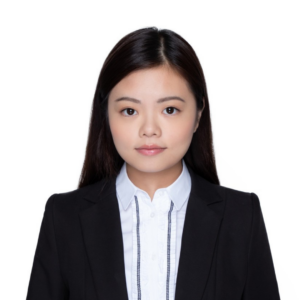
Moderator
Christy Tong
Manager, ESG Reporting and Assurance
KPMG China
Christy Tong
KPMG China
Manager, ESG Reporting and Assurance
Christy is a Manager in ESG Reporting and Assurance practice, supporting clients on a wide range of sustainability and ESG initiatives.
Her experience spans ESG reporting and disclosure, decarbonisation strategies, climate and nature-related assessments, and ESG ratings enhancement. She works with organizations across various industries to integrate sustainability considerations into business strategy, manage ESG-related risks and opportunities, and navigate evolving regulatory and stakeholder expectations.
Speaking at 2026 sessions:
Day 1
From ISSB Readiness to Stakeholder Engagement: Building an End-to-End ESG Reporting Journey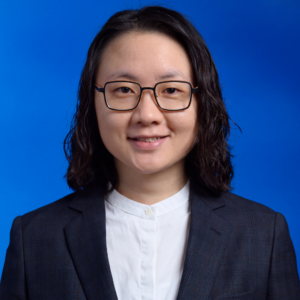
Catherine Chung
Director, ESG Reporting and Assurance
KPMG
Catherine Chung
KPMG
Director, ESG Reporting and Assurance
Catherine is a Director in ESG Reporting and Assurance practice, with over 9 years of experience supporting clients in sustainability, including developing their sustainability framework and governance, preparing sustainability reports following various guidelines such as the HKEX ESG Reporting Code, GRI Standards, TCFD and ISSB, developing decarbonisation plans and conducting materiality assessments.
Catherine is a Certified Public Accountant and has delivered sustainability assurance services to a range of clients in accordance with International Standard on Assurance Engagements (ISAE) 3000.
Speaking at 2026 sessions:
Day 1
From ISSB Readiness to Stakeholder Engagement: Building an End-to-End ESG Reporting Journey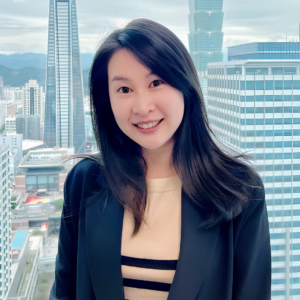
Erin Hsu
Regional Sales Manager
Tangelo Software B.V.
Erin Hsu
Tangelo Software B.V.
Regional Sales Manager
Erin works with organizations across APAC to rethink how corporate and sustainability reporting gets done — bringing together people, processes and technology to make reporting more efficient and a little less painful. With a practical approach to complex reporting challenges, she believes producing a great report shouldn’t require quite so many spreadsheets, emails and late nights.
Speaking at 2026 sessions:
Day 1
From ISSB Readiness to Stakeholder Engagement: Building an End-to-End ESG Reporting Journey
Arko Vervark
CCO
Tangelo Software B.V.
Arko Vervark
Tangelo Software B.V.
CCO
Arko Vervark, MBA, serves as Chief Commercial Officer at Tangelo Software, where he leads initiatives to enhance corporate reporting through innovative solutions. With a strong passion for advising organizations and empowering individuals, Arko focuses on streamlining corporate reporting processes like annual reporting and ESG reporting to meet the evolving demands of stakeholders.
Speaking at 2026 sessions:
Day 1
From ISSB Readiness to Stakeholder Engagement: Building an End-to-End ESG Reporting JourneyWith thanks to
Tangelo Software B.V.
Booth A32
Corporate reporting is not just disclosure. It is reputation, accountability and trust.
Tangelo is the end-to-end corporate reporting platform built for teams that are done with version chaos, design bottlenecks, late night number checks and last minute tagging pressure. We provide one structured and secure platform where finance, sustainability and communications teams can create, review and publish their most important reports without juggling Word files, chasing designers or rebuilding content for different output formats.
With automated typesetting, integrated data synchronisation, built in ESEF and regulatory tagging and enterprise grade workflows, Tangelo transforms a fragmented and high stress reporting process into a faster, more collaborative and fully controlled way of working. Since 2010, leading listed companies and public institutions across Europe, Africa, Asia and the
Pacific have relied on Tangelo to deliver accurate, on brand and compliant reports across PDF, ESEF and digital channels with confidence. This is not just a better workflow. It is a fundamentally better way of working.
Solutions Showcase:
- ESG Reporting/Consultancy
Legal Name: Tangelo Software B.V.
General Enquiry Phone Number: +31 30 694 0490
Meet our 2026 speakers:
15:45 – 17:00
Hong Kong’s housing challenge extends beyond high prices. Improving access to affordable, well-located, liveable and sustainable homes requires coordinated action across land, planning, construction, finance, housing quality and public policy.
As a companion workshop to the earlier panel discussion, Affordable and Sustainable Housing at Speed, this interactive session will build on the issues raised earlier in the day and move from discussion to practical exploration. Drawing on the Urban Land Institute Asia Pacific Home Attainability Index 2026, participants will benchmark Hong Kong against more than 40 Asia Pacific cities and consider regional lessons for delivering more attainable housing.
Following a presentation of the latest ULI research, participants will join one of the facilitated roundtables to examine a particular bottleneck, such as: land allocation and supply planning; faster and more sustainable construction; the role of capital, and service gaps to support people’s transition through housing options, or collaboration and risk-sharing in supporting delivery at scale.
Participants will test assumptions and consider where perspectives converge or diverge. Is land the primary constraint, or are planning and approvals too slow? Can MiC and DfMA accelerate delivery? How can financing and risk allocation support investable projects without compromising affordability, quality, liveability or sustainability?
Bring your perspective. Participants from public sector, private development, construction, finance, academia and the non-profit sector are all welcome to share your practical experiences, challenge existing approaches and identify actions for the next three to five years. Insights will inform ULI Asia Pacific’s Thought Leadership Journal and help shape what the industry can implement next.
Session Learnings:
- Benchmark Hong Kong against regional housing markets.
- Identify delivery bottlenecks.
- Explore faster, greener construction.
- Examine innovative capital and risk-sharing models.
- Build on the panel discussion and translate key themes into practical actions.
- Identify practical actions for cross-sector collaborations.
Post-Event Actions:
- Identify and commit to one specific action — in design, procurement, construction methods, or financing — that your organisation can take to support faster delivery of affordable and sustainable housing in Hong Kong in the next 12 months
- Explore adoption of MiC, DfMA, or low-carbon construction methods in an upcoming project or procurement process
- Assess the applicability of green finance instruments — green bonds, sustainability-linked loans — to a real housing project or investment decision within your organisation
- Share HAI 2026 data and regional benchmarks internally to build awareness of Hong Kong’s housing challenge and the cross-sector response it requires
Speakers

Rose Hung
Director, Programmes and Thought Leadership, Asia Pacific
Urban Land Institute
Rose Hung
Urban Land Institute
Director, Programmes and Thought Leadership, Asia Pacific
Rose is a multidisciplinary strategist with over 15 years of experience shaping real estate and urban development narratives across the United States and Asia Pacific. As part of the Thought Leadership and Programmes team at ULI Asia Pacific, she leads industry dialogue on sustainability, resilience, and placemaking.
Rose is a co-author of ULI Emerging Trends in Real Estate® Asia Pacific and the ULI Asia Pacific Home Attainability Report, delivering data-driven insights and best-practice recommendations for developers, policymakers, and community stakeholders.
A registered architect in both Victoria and California, and a LEED AP BD+C, she combines technical expertise with a strong strategic lens.
Speaking at 2026 sessions:
Day 1
Affordable and Sustainable Housing at SpeedFrom Data to Action: Affordable Housing at Speed

Jenny Zhang
Director of Sustainability
Urban Land Institute
Jenny Zhang
Urban Land Institute
Director of Sustainability
Jenny is the Director of Sustainability for Urban Land Institute APAC. She is the regional lead for ULI’s Greenprint community, a global alliance of leading property developers and investors striving to achieve net zero. Her previous experience includes climate-tech entrepreneur building carbon management software, and financial advisory on cross-border M&A transactions. Jenny graduated from UC Berkeley, is a licensed CPA, and a trainer in social impact assessment and design thinking.
My Sustainability Goals for 2026:
- Connect the property development value chain (from building material all the way to tenants) to collaborate on accelerating the sector’s decarbonizing process.
- Connect property investment value chain (from LPs, benchmark/standards, to asset managers) to price-in climate resilience as core value protection metric.
Supported by
Urban Land Institute
The Urban Land Institute is an international, membership-based nonprofit research and education organisation. Founded in 1936, the Institute now has over 48,000 members worldwide representing the entire spectrum of land use and real estate development disciplines, working in private enterprise and public service.
Our sustainability goals for 2026:
- ULI’s sustainability initiatives in the Asia Pacific are designed for driven real estate leaders committed to shaping the industry’s future.
- Our comprehensive programmes and initiatives empower you to actively drive positive change.
- Joining our community provides connections with global industry leaders, access to the latest resources and toolkits, and exposure to transformative real estate projects
General Enquiry Email Address: asiapacific@uli.org
General Enquiry Phone Number: 2886 1620
Meet our 2026 speakers:
Workshop A
Day 2 – Friday 11 Sept
In partnership with


PRHK
PRHK is a modern and forward-looking industry organisation for PR and communications professionals in Hong Kong. It represents, champions, promotes and supports the Hong Kong public relations and communications industry, its professionals, its affiliates, its academic institutions and their students.
Our sustainability goals for 2026:
- Champion ESG Communications in Hong Kong and beyond
- Educate our professionals and the wider HK industry on best practice in ESG Communications, hosting forums, events and though leadership opprotunities
- Be an agent of change
Supported by
Business Environment Council
Booth E45
Business Environment Council Limited (BEC) is an independent, charitable corporate membership organisation, established by the business sector in Hong Kong.
Since its establishment in 1992, BEC has been at the forefront of promoting environmental excellence by advocating the uptake of clean technologies and practices which reduce waste, conserve resources, prevent pollution and improve corporate environmental and social responsibility.
BEC offers sustainable solutions and professional services covering advisory, research, assessment, training and award programmes for government, business and the community, thus enabling environmental protection and contributing to the transition to a net-zero carbon economy.
Meet our 2026 speakers:
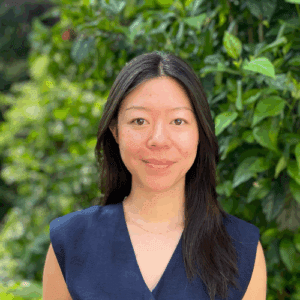
Katie Chan
Specialist – Policy & Research
Business Environment Council
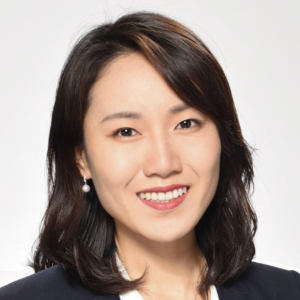
Suki Han
Assistant Manager
Business Environment Council
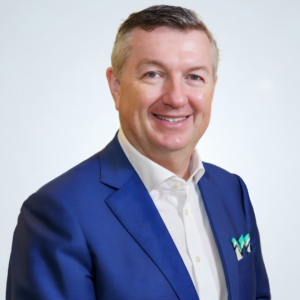
Kevin O’Brien
Chairman
Business Environment Council
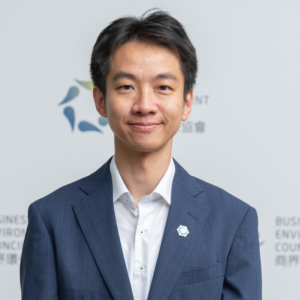
Merlin Lao
Head – Policy and Research
Business Environment Council
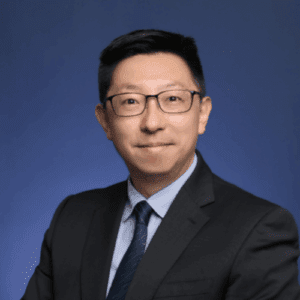
Simon Ng
Chief Executive Officer
Business Environment Council


Odoo
Booth B34
Odoo is a leading global provider of open-source business software, offering a fully integrated suite of applications that covers everything from CRM and e-commerce to accounting and inventory management. Originating as one of Belgium’s premier tech “unicorn” companies—now valued at approximately €7 billion—Odoo serves over 16 million users worldwide. To support its rapid expansion in the Asia-Pacific market, the company manages its regional operations from its APAC headquarters in Hong Kong. Cementing its commitment to data security and operational excellence, Odoo recently achieved the prestigious ISO/IEC 27001:2022 certification, ensuring its cloud infrastructure meets the international gold standard for information security management.
Odoo 是全球領先的開源業務管理系統供應商,提供涵蓋客戶關係管理 (CRM)、電子商務、會計及庫存管理等全方位的一站式業務管理系統。Odoo 創立於比利時,是當地最具代表性的科技「獨角獸」企業,目前市值估計已達 70 億歐元,在全球擁有過千萬名用戶。為了支援其在亞太區市場的蓬勃發展,Odoo 於香港設立了亞太區總部,以此全面統籌區域營運。此外,Odoo 於近期成功榮獲享譽國際的 ISO/IEC 27001:2022 資訊安全管理認證,這不僅體現了公司對數據安全與卓越營運的承諾,也確保其雲端基礎架構完全符合全球最高標準的資訊安全規範。
Solutions Showcase:
Technology & Innovation
Legal Name: Odoo HK Limited
General Enquiry Email Address: hkevents@odoo.com
General Enquiry Phone Number: 6491 9878
General Business Address: 32/F, 118 Connaught Road West, Hong Kong
Meet our 2026 speakers:
10:15 – 11:30
In today’s complex business environment, enterprise data is expanding faster than legacy systems can process. To unlock true agility, organizations must move beyond traditional data entry. The future of corporate efficiency lies at the intersection of Artificial Intelligence and Enterprise Resource Planning (ERP)—transforming the corporate core from a passive database into an autonomous, predictive engine.
This technical and operational workshop explores the practical integration of AI algorithms directly into enterprise ERP architecture. We will dive deep into how machine learning, predictive analytics, and automated data orchestration can be deployed across procurement, manufacturing, and resource allocation. Attendees will discover how to leverage AI x ERP synergy to eliminate operational silos, automate complex workflows, and optimize resource utilization. Join us to learn how leading organizations are modernizing their enterprise tech stack to drive maximum operational yield and future-proof their corporate infrastructure.
Session Learnings:
- AI x ERP Architecture: Understanding the data pipelines and integration touchpoints required to embed AI into existing ERP modules.
- Predictive Operations: How to use machine learning for demand forecasting, automated inventory optimization, and reducing operational waste.
- Data-Driven Agility: Strategies for breaking down departmental silos to achieve real-time, cross-functional enterprise visibility.
Post-Event Actions:
- An Integration Blueprint: A clear technical map of how to utilize AI models directly in your existing ERP data pipelines.
- High-ROI Use Cases: Practical applications—like predictive procurement and automated inventory tracking—to pitch to internal stakeholders for immediate cost savings.
- A Silo-Breaking Framework: Strategies to shift your organization from reactive data entry to real-time, cross-functional automation across all departments.
Speakers

Jonathan Howells
Go-To-Market & Enterprise Growth Lead
Odoo
Jonathan Howells
Odoo
Go-To-Market & Enterprise Growth Lead
Jonathan Howells is an accomplished sales leader and Go-To-Market & Enterprise Growth Specialist, recognized for his distinguished track record of driving strategic growth and building elite, high-performing teams. With deep expertise in crafting impactful Go-To-Market (GTM) strategies, Jonathan specializes in aligning organizational vision with execution, consistently exceeding targets, and cultivating a vibrant, positive workplace culture.
Jonathan infuses his professional leadership with a unique passion for high performance, team cohesion, and continuous self-development. As a speaker, he brings actionable insights on outbound strategy, leadership, and the mindset required to build teams that strive toward shared excellence.
My Sustainability Goals for 2026:
- Resource Optimization & Waste Reduction: ERP systems track inventory and logistics in real-time. By optimizing outbound workflows, businesses can eliminate overproduction and minimize transportation emissions (fuel waste).
- Decarbonizing the Value Chain: Outbound business activities contribute directly to Scope 3 emissions. ERP platforms centralize data from supply chains and logistics, allowing companies to measure, manage, and reduce their distribution footprint.
- Digital Transformation: Moving manual, paper-heavy outbound and sales workflows into automated, cloud-based ERP systems inherently slashes paper waste and operational energy consumption.
Speaking at 2026 sessions:
Day 2
Architecting the Intelligent Enterprise: Transforming Corporate Operations through AI x ERP Synergy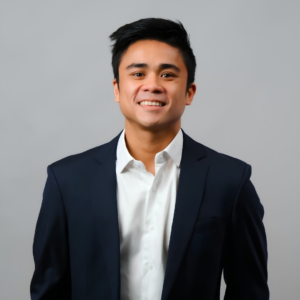
Stephane Motte
Enterprise Solutions & Digital Transformation Lead
Odoo
Stephane Motte
Odoo
Enterprise Solutions & Digital Transformation Lead
Stephane Motte specializes in helping organizations streamline their complex operations and scale efficiently through smart Enterprise Resource Planning (ERP) solutions. Backed by over seven years of deep-domain experience across the fast-paced E-commerce and SaaS sectors, Stephane brings a wealth of expertise in navigating digital transformation and market expansion within the APAC region.
He is passionate about empowering businesses to harness integrated tech stacks to optimize their outbound strategies, eliminate operational friction, and drive sustainable growth. At ReThink HK 2026, Stephane focuses on how modern cloud ERP systems can bridge the gap between day-to-day commercial execution and a company’s long-term environmental and operational sustainability goals.
My Sustainability Goals for 2026:
- Zero-Waste Inventory: Advocate for the use of smart ERP forecasting to help E-commerce and retail brands eliminate deadstock and product waste.
- Greener Logistics in APAC: Help businesses design smarter outbound and reverse logistics workflows to reduce the environmental impact of rapid cross-border shipping and customer returns.
- Democratize Green Tech: Enable mid-market APAC enterprises to easily access and implement scalable SaaS tools that embed sustainability into their daily operational DNA.
Speaking at 2026 sessions:
Day 2
Architecting the Intelligent Enterprise: Transforming Corporate Operations through AI x ERP SynergyWith thanks to
Odoo
Booth B34
Odoo is a leading global provider of open-source business software, offering a fully integrated suite of applications that covers everything from CRM and e-commerce to accounting and inventory management. Originating as one of Belgium’s premier tech “unicorn” companies—now valued at approximately €7 billion—Odoo serves over 16 million users worldwide. To support its rapid expansion in the Asia-Pacific market, the company manages its regional operations from its APAC headquarters in Hong Kong. Cementing its commitment to data security and operational excellence, Odoo recently achieved the prestigious ISO/IEC 27001:2022 certification, ensuring its cloud infrastructure meets the international gold standard for information security management.
Odoo 是全球領先的開源業務管理系統供應商,提供涵蓋客戶關係管理 (CRM)、電子商務、會計及庫存管理等全方位的一站式業務管理系統。Odoo 創立於比利時,是當地最具代表性的科技「獨角獸」企業,目前市值估計已達 70 億歐元,在全球擁有過千萬名用戶。為了支援其在亞太區市場的蓬勃發展,Odoo 於香港設立了亞太區總部,以此全面統籌區域營運。此外,Odoo 於近期成功榮獲享譽國際的 ISO/IEC 27001:2022 資訊安全管理認證,這不僅體現了公司對數據安全與卓越營運的承諾,也確保其雲端基礎架構完全符合全球最高標準的資訊安全規範。
Solutions Showcase:
Technology & Innovation
Legal Name: Odoo HK Limited
General Enquiry Email Address: hkevents@odoo.com
General Enquiry Phone Number: 6491 9878
General Business Address: 32/F, 118 Connaught Road West, Hong Kong
Meet our 2026 speakers:
13:45 – 15:00
This interactive workshop introduces the CIRCO method – a structured approach that has supported over 3,500 companies worldwide in exploring circular business opportunities.
Hosted by the Business Environment Council (BEC) and led by local CIRCO trainer Dr Tony Ip, participants will receive a brief overview before working in small groups on selected exercises drawn from a full CIRCO Track.
The session offers a practical introduction to circular design thinking and outlines BEC’s upcoming CIRCO Tracks for those interested in going further.
Session Learnings:
- Gain a practical understanding of the CIRCO circular design method
- Experience selected hands-on exercises used in BEC’s CIRCO Track
- Explore potential circular opportunities relevant to their organisation
- Learn about the structure and value of BEC’s full CIRCO training programme
Post-Event Actions:
- Reflect on one circular opportunity or insight relevant to their organisation and note it down
- Share a key takeaway from the workshop with colleagues or team members
- Explore BEC’s upcoming CIRCO Tracks and consider whether the full programme could support their circular economy goals
- Reach out to the BEC team if they would like further information or an informal discussion about joining the next CIRCO Tracks
Speakers
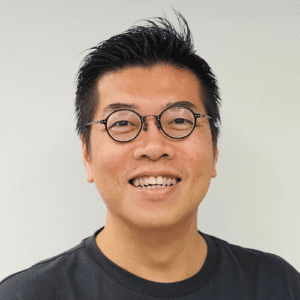
Dr. Tony Ip
Director
Tony Ip Green Architects Ltd.

Dr. Tony Ip
Tony Ip Green Architects Ltd.
Director
Dr Tony Ip is a community-centric, sustainable design architect, and urban designer. He founded Tony Ip Green Architects Ltd “TiP” with a vision to advocate the paradigm shift towards green architecture and biophilic urban-scape in response to climate change. He holds BEng, MSc(Eng), MArch & MUrbanDesign from HKU, BBE(Arch) from QUT, MSt IDBE from the University of Cambridge, and PhD from PolyU. His passion and contributions to green architecture and the creative industry have been recognized by receiving the HKSAR Medal of Honour in 2022, the Australia China Alumni Award for Arts and Creative Industries in 2018, and the Ten Outstanding Young Persons Award in 2016
My Sustainability Goals for 2026:
- Advancing the circular economy in design and construction.
- Establishing recycled material flows to enhance circularity in the Guangdong-Hong Kong
Macao Greater Bay Area. - Mainstreaming green architecture for all.
Speaking at 2026 sessions:
Day 2
Building a Sustainable Future: Spain’s Smart Materials and DecarbonizationBEC – CIRCO Taster: Hands-on Circular Business Design Tools
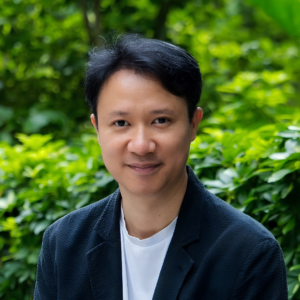
Matthew Mak
Events Sustainability Consultant
Earth Events Consulting
Matthew Mak
Earth Events Consulting
Events Sustainability Consultant
Matthew is an experienced event producer, startupreneur, educator, and sustainability consultant with over 20 years’ experience in event marketing and management. Founded Earth Production in 2016 to integrate his event expertise with climate action, providing unique sustainable-event consulting for projects in Hong Kong and overseas.
Currently, he is translating Sustainable Event Management: A Practical Guide into Chinese for Greater China and Asia, and co-authoring research-led publications on ESG management for convention and exhibition centres and practical MICE sustainability strategies at the Hong Kong Polytechnic University.
My Sustainability Goals for 2026:
- HK Sustainable MICE Destination Policy (HK 5-years Plan) align with China’s national Green MICE policy, HK 2050 Climate Acton Plan and Paris Agreement
Supported by
Business Environment Council
Booth E45
Business Environment Council Limited (BEC) is an independent, charitable corporate membership organisation, established by the business sector in Hong Kong.
Since its establishment in 1992, BEC has been at the forefront of promoting environmental excellence by advocating the uptake of clean technologies and practices which reduce waste, conserve resources, prevent pollution and improve corporate environmental and social responsibility.
BEC offers sustainable solutions and professional services covering advisory, research, assessment, training and award programmes for government, business and the community, thus enabling environmental protection and contributing to the transition to a net-zero carbon economy.
Meet our 2026 speakers:
Katie Chan
Specialist – Policy & Research
Business Environment Council
Suki Han
Assistant Manager
Business Environment Council
Kevin O’Brien
Chairman
Business Environment Council
Merlin Lao
Head – Policy and Research
Business Environment Council
Simon Ng
Chief Executive Officer
Business Environment Council
15:15 – 16:30
Hong Kong companies are investing more than ever in sustainability — but stakeholder trust isn’t keeping pace. ESG reports are getting longer while readership stays flat. Net-zero pledges are multiplying while public skepticism grows. The problem isn’t a lack of effort — it’s a credibility gap in how progress gets communicated. Too much sustainability messaging is vague, jargon-heavy, and indistinguishable from one company to the next. The result: genuine progress gets drowned out alongside hollow claims.
This workshop equips sustainability and communications professionals with a practical framework for communicating sustainability work in ways that are specific, evidence-based, and trusted.
Session Learnings:
- Understand why most sustainability communications fail to build trust — and what the research says about what works
- Apply a credibility lens to existing sustainability messaging to identify greenwashing risks before publication
- Use a practical framework to make sustainability communications more specific, accountable and audience-relevant
- Bridge the gap between sustainability teams and communications teams
Post-event Actions:
- Apply the “Red Pen Exercise” to one piece of your organisation’s current sustainability communications and identify three improvements
- Share the Substance Framework with your communications, legal or IR counterparts as a shared quality standard
- Revisit your next ESG report or sustainability announcement draft using the accountability criteria from the workshop
Speakers

Adam Martin
Vice President and Managing Editor
Weber Shandwick

Adam Martin
Weber Shandwick
Vice President and Managing Editor
Adam is a Hong Kong-based strategic communications consultant, executive trainer and editor. As a veteran journalist with more than a decade and a half of newsroom experience, Adam helps clients with media strategy and content creation.
Working across industries, Adam applies newsroom-honed editorial sensibility to communications planning, international media engagement, content development and editing. Adam routinely leads trainings in media handling, crisis communications and message development for a variety of clients including automotive brands, financial institutions, hospitality companies, tech firms and health companies.
Adam entered the corporate communications field in 2021 after six years as a news editor with The Wall Street Journal in Hong Kong. He moved to Hong Kong in 2014 to join the South China Morning Post as an editor, after eight years in New York working for New York magazine and The Atlantic on their digital offerings.
Adam holds a bachelor’s degree in English literature from the University of California at Berkeley. He began his career as a daily news reporter with the San Francisco Examiner, covering crime, courts, city politics and development.
My Sustainability Goals for 2026:
Eliminate marine trash in Hong Kong and worldwide
Speaking at 2026 sessions:
Day 2
Cut Through the Noise: How to Communicate Sustainability Progress with Substance and Accountability
Carol Yeung
President & General Manager | Innovator 25 by PRovoke media
Omnicom Public Relations

Carol Yeung
Omnicom Public Relations
President & General Manager | Innovator 25 by PRovoke media
Carol is the President and General Manager at Omnicom Public Relations Hong Kong. She was the ESG lead at Golin Ketchum, with 18 years of experience in brand reputation and communications. Recognized as Innovator 25, 40 under 40 and a Women to Watch by Campaign Asia-Pacific, she holds a certification in Sustainable Business Strategy from Harvard Business School.
She has successfully led two two-year campaigns for the Hong Kong Government’s Environmental Protection Department, focusing on public education for waste reduction and recycling, and developed a strategy to phase out microbeads in personal care products.
In addition to her public sector work, Carol advises brands on sustainability communications.
Carol also served as chairperson and deputy chairperson of PRHK, and has supported the partnership between ReThink and PRHK for 3 years.
Speaking at 2026 sessions:
Day 2
Cut Through the Noise: How to Communicate Sustainability Progress with Substance and AccountabilitySupported by
PRHK
PRHK is a modern and forward-looking industry organisation for PR and communications professionals in Hong Kong. It represents, champions, promotes and supports the Hong Kong public relations and communications industry, its professionals, its affiliates, its academic institutions and their students.
Our sustainability goals for 2026:
- Champion ESG Communications in Hong Kong and beyond
- Educate our professionals and the wider HK industry on best practice in ESG Communications, hosting forums, events and though leadership opprotunities
- Be an agent of change
Workshop B
Day 2 – Friday 11 Sept
In partnership with
Climate Governance Initiative Hong Kong Chapter
The Climate Governance Initiative Hong Kong Chapter (“CGI HK”) is a local Chapter of Climate Governance Initiative (“CGI”).
CGI empowers board directors on every continent to take climate action by enhancing their knowledge and skills in climate governance. Our rapidly growing network of Chapters in over 70 countries reaches more than 100,000 board directors.
Our sustainability goals for 2026:
- To mobilise boards to accelerate the transition to net zero and build climate resilience
- To help Hong Kong companies address their climate transition journeys and identify value in making their businesses more sustainable
Meet our 2026 speakers:
Supported by


3Spheres Limited
Booth SCU-GG
3Spheres is a design-led sustainability studio transforming how brands design, develop and deliver product and packaging.
We unite design, technology, and user centricity—the three spheres of our philosophy.
From concept to commercialization, we craft product and packaging that are clearly communicated, genuinely sustainable and visually distinct.
3Spheres applies sustainable system design thinking to new products design, packaging development, market launches, supply chain services including user behavior treating them as one interconnected ecosystem — from first concept to real-world adoption and through its end-of-life.
Our approach transforms sustainability from a constraint into a strategic advantage by aligning innovation, circularity and business viability from day one.
We are powered with :
- Experts having 20+ years of Industrial experience in Design, Technology, Sustainability and Engineering.
- Based in major strategic business hubs Hong Kong, Mumbai, Delhi, Boston & London.
- Industry expertise across consumer products, personal care & Cosmetics, Foods& Beverages, Apparels & Softlines, spatial & retail design.
We believe sustainability should be seen, felt, and valued—at first glance.
Our sustainability goals for 2026:
- Accelerate adoption of sustainable innovation through partnerships.
- Embed systems‑thinking frameworks across all design workflows.
- Support climate‑positive outcomes by designing solutions that contribute to measurable emissions reductions across product lifecycles.
Solutions Showcase:
- Circular Solutions
- Design/Interior Design
- ESG Reporting/Consultancy
- Print & Packaging Solutions
- Strategic/Corporate Consultancy
- Technology & Innovation
Legal Name: 3Spheres Limited
General Enquiry Email Address: connect@3spheres.co
General Enquiry Phone Number: 9427 5747
General Business Address: 17/F, Glenealy Tower, NO.1 Glenealy Central, Hong Kong
Meet our 2026 speakers:
10:15 – 11:30
Sustainability mandates and cost-reduction pressure are the two dominant forces shaping sourcing and product decisions in Hong Kong’s global brand offices today. Too often, they are treated as forces in conflict. This workshop challenges this paradigm head-on.
Hosted by — a Global strategic design and innovation consultancy — this session makes the case, through
evidence, tool-kit, Simplified frameworks, and hands-on group work that the product design decisions with the greatest environmental benefit are frequently the same over arching decisions that can help reduce material cost, streamline manufacturing, and improve logistics efficiency.
Drawing on 3Spheres’ methodology and real-world product development and sourcing examples across consumer products, apparel and consumer electronics, participants will work through a understanding material, recycling streams, regulations, practical cost-impact mapping exercise using a product category. The participants will leave with a personalised design lever brief — a single, actionable design change identified during the session that can be brought back to their next product development cycle.
Who should attend: Sourcing directors and managers at global brand offices, senior merchandisers – product development managers responsible for product briefs, sustainability leaders seeking commercial traction for ESG initiatives, and operations leaders managing cost-to-market performance.
Session Learnings:
- Sustainable design and cost reduction share the same upstream lever.
- The five design levers that unlock dual benefit across product categories.
- Where in the product lifecycle the sourcing team has the most leverage — and how to use it.
- How to make the commercial case for sustainable design internally.
- Cross-sector insight: the same design principles apply across consumer products, apparel and electronic.
- LCA is a great tool, where to use it, how it doesn’t solve the core material-design issues.
Post-Event Actions:
- Bring the design lever brief into the next product development cycle
- Reframe an existing sustainability requirement as a cost management proposal.
- Conduct a cost-impact audit of one existing packaging or material specification.
- Initiate a peer conversation across cross functional teams, developers, designers, sourcing and sustainability functions.
- Explore a design-led sustainability assessment for priority product lines with 3Spheres.
Speakers
Venkatesh Sheregar
Director – Chief Innovation Officer
3Spheres Limited
Venkatesh Sheregar
3Spheres Limited
Director – Chief Innovation Officer
Venkatesh, hold over 18 years of global innovation and sustainability leadership experience across FMCG, beauty, and F&B sectors, he has lead large-scale product and packaging transformation for some of the world’s most influential consumer brands. In senior leadership global and regional roles at L’Oréal, Mondelez, Unilever, and Vitasoy, he has led multi-market innovation programs, built and scaled innovation centres, shaped long-term sustainability roadmaps and delivered transformation initiatives across Asia.
Venkatesh, holds an MBA from HKUST, a Master’s in Packaging Technology, and more than 50 patents in packaging, materials, and design, supported by multiple global awards and industry recognitions.
As Co-Founder of 3Spheres Limited — a design-led sustainability and innovation studio based in Hong Kong with leadership presence in London, Boston, and Mumbai — He partners with FMCG, luxury, and beauty brands to build next-generation sustainable innovation ecosystems. His work integrates systems thinking across design, user experience, across end-to-end supply chain, ensuring sustainability is not only environmentally responsible but also intuitive, desirable, and commercially scalable. He helps organisations translate ESG ambitions into practical, high-impact innovative product and packaging solutions that strengthen brand experience and long-term business value.
My Sustainability Goals for 2026:
- Accelerate adoption of sustainable innovation through partnerships.
- Support climate‑positive outcomes by designing solutions that contribute to measurable emissions reductions across product lifecycles
Speaking at 2026 sessions:
Day 2
Green by Design, Lean by Default: How Sustainable Design Decisions Cut Product Cost
Aditya V
Director – Design
3Spheres Limited
Aditya V
3Spheres Limited
Director – Design
Aditya holds more than 10 years of Design and Innovation expertise in product and packaging within automotive and Beauty sectors. He has spent his best years in converting user needs and pain points into effective upstream design strategies that are intuitive, value driven and future-secure to both the manufacturer and the end user.
As Co-Founder of 3Spheres Limited — a design-led sustainability and innovation studio based in Hong Kong with leadership presence in London, Boston, and Mumbai — He partners with FMCG, luxury, and beauty brands to design the next-generation sustainable innovation products. His work integrates systems design, user experience, product ergonomics and aesthetics, ensuring sustainability is not only environmentally responsible but also intuitive, desirable, and commercially scalable. He helps organisations visualize their product recycling life cycle into practical, high-impact innovative product and packaging solutions that
strengthen brand experience and long-term business value.
My Sustainability Goals for 2026:
- Design and engineer intuitive recycling world for the consumers through easy identification and differentiation of products, through design and systems.
- Help manufacturers convert sustainable design to visibly distinguishable products.
- Support climate positive outcomes by designing solutions that contribute to measurable emissions reductions across product lifecycles
Speaking at 2026 sessions:
Day 2
Green by Design, Lean by Default: How Sustainable Design Decisions Cut Product Cost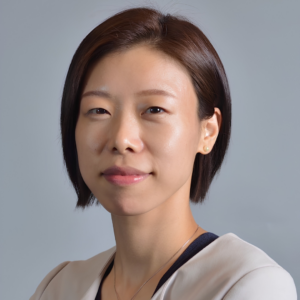
Amy Zhang
ESG Advisor
3Spheres Limited
Amy Zhang
3Spheres Limited
ESG Advisor
Amy is an ESG advisor to Sunlight Partners, an Australia-headquartered activist hedge fund targeting uncorrelated returns and environmental impact. She is also a Certified Virtual Asset Professional accredited by the Hong Kong Securities and Investment Institute.
Previously, Amy was the Head of Sustainable Solutions & Products for Asia Pacific,Global Markets at Société Générale, where she led the systematic consideration of ESG within Global Markets through product innovation, client advisory, and capacity building.
Amy developed her passion for sustainability through her participation in United Nations climate change conferences and an expedition to Antarctica. She began her career as an environmental scientist and has 15+ years of experience spanning banking, sustainability and ESG consulting, technology risk, and data, working with ESG consulting firms, Big 4s and Fortune 500 company.
Amy holds double bachelor’s degrees in biotechnology and global economy & trade from Shanghai Jiao Tong University (SJTU), an MPhil degree in marine science & ecotoxicology from the University of Hong Kong (HKU) and an MBA degree from the Hong Kong University of Science and Technology (HKUST).
Amy is a Chartered Water and Environmental Manager (CIWEM), a Chartered Environmentalist (Society for the Environment), and holds certifications in Green and Sustainable Finance (Chartered Banker Institute, UK), ESG Investing (CFA Institute),and Impact Investing (CFA UK).
My Sustainability Goals for 2026:
- Drive sustainable roadmap and goals for organization
Speaking at 2026 sessions:
Day 2
Green by Design, Lean by Default: How Sustainable Design Decisions Cut Product CostWith thanks to
3Spheres Limited
Booth SCU-GG
3Spheres is a design-led sustainability studio transforming how brands design, develop and deliver product and packaging.
We unite design, technology, and user centricity—the three spheres of our philosophy.
From concept to commercialization, we craft product and packaging that are clearly communicated, genuinely sustainable and visually distinct.
3Spheres applies sustainable system design thinking to new products design, packaging development, market launches, supply chain services including user behavior treating them as one interconnected ecosystem — from first concept to real-world adoption and through its end-of-life.
Our approach transforms sustainability from a constraint into a strategic advantage by aligning innovation, circularity and business viability from day one.
We are powered with :
- Experts having 20+ years of Industrial experience in Design, Technology, Sustainability and Engineering.
- Based in major strategic business hubs Hong Kong, Mumbai, Delhi, Boston & London.
- Industry expertise across consumer products, personal care & Cosmetics, Foods& Beverages, Apparels & Softlines, spatial & retail design.
We believe sustainability should be seen, felt, and valued—at first glance.
Our sustainability goals for 2026:
- Accelerate adoption of sustainable innovation through partnerships.
- Embed systems‑thinking frameworks across all design workflows.
- Support climate‑positive outcomes by designing solutions that contribute to measurable emissions reductions across product lifecycles.
Solutions Showcase:
- Circular Solutions
- Design/Interior Design
- ESG Reporting/Consultancy
- Print & Packaging Solutions
- Strategic/Corporate Consultancy
- Technology & Innovation
Legal Name: 3Spheres Limited
General Enquiry Email Address: connect@3spheres.co
General Enquiry Phone Number: 9427 5747
General Business Address: 17/F, Glenealy Tower, NO.1 Glenealy Central, Hong Kong
Meet our 2026 speakers:
12:00 – 13:15
This session brings together leading Spanish companies operating across the fields of surfaces, natural stone, ceramics, and sustainable coatings to explore how advanced materials are helping drive decarbonization in the construction industry. Speakers will discuss strategies for reducing embodied carbon, supporting green building certifications, and aligning with evolving sustainability policies and urban development initiatives.
Discover how material innovation contributes to more resilient and resource-efficient buildings, highlighting successful projects across Asia and beyond. Attendees will gain practical perspectives on integrating low-carbon solutions into the design, construction, and operation of buildings while responding to the growing demand for measurable environmental performance.
Session Learnings:
- Green Building Certifications and Carbon Reduction (Embodied Carbon)
- Sustainability policies and contributions to the Northern Metropolis project
- Success cases in the region
- Product demonstrations
Post-Event Actions:
- Assess the embodied carbon impact
- Integrate sustainability criteria earlier in the design and procurement process
- Engage with suppliers and technology partners
- Explore innovative low-carbon materials and technologies
Speakers
Moderator
Dr. Tony Ip
Director
Tony Ip Green Architects Ltd.
Dr. Tony Ip
Tony Ip Green Architects Ltd.
Director
Dr Tony Ip is a community-centric, sustainable design architect, and urban designer. He founded Tony Ip Green Architects Ltd “TiP” with a vision to advocate the paradigm shift towards green architecture and biophilic urban-scape in response to climate change. He holds BEng, MSc(Eng), MArch & MUrbanDesign from HKU, BBE(Arch) from QUT, MSt IDBE from the University of Cambridge, and PhD from PolyU. His passion and contributions to green architecture and the creative industry have been recognized by receiving the HKSAR Medal of Honour in 2022, the Australia China Alumni Award for Arts and Creative Industries in 2018, and the Ten Outstanding Young Persons Award in 2016
My Sustainability Goals for 2026:
- Advancing the circular economy in design and construction.
- Establishing recycled material flows to enhance circularity in the Guangdong-Hong Kong
Macao Greater Bay Area. - Mainstreaming green architecture for all.
Speaking at 2026 sessions:
Day 2
Building a Sustainable Future: Spain’s Smart Materials and DecarbonizationBEC – CIRCO Taster: Hands-on Circular Business Design Tools
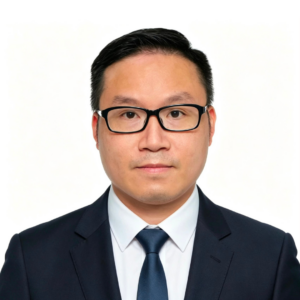
Woods Chow
Sales & Marketing Consultant
Graphenstone

Woods Chow
Graphenstone
Sales & Marketing Consultant
Zilver Limited (Graphenstone)
Sales & Marketing Consultant
Speaking at 2026 sessions:
Day 1
Spanish Craft, Global Tech: The Future of Advanced MaterialsDay 2
Building a Sustainable Future: Spain’s Smart Materials and Decarbonization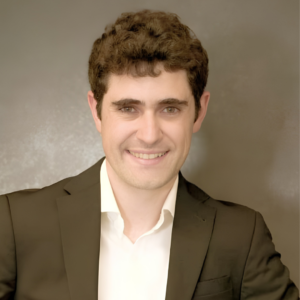
Ramon Ruiz de Garibay Urbizu
Area Manager Hong Kong
Cosentino
Ramon Ruiz de Garibay Urbizu
Cosentino
Area Manager Hong Kong
Area manager in Hong Kong and South Korea for Cosentino with over 8 years of experience in the industry
Speaking at 2026 sessions:
Day 1
Spanish Craft, Global Tech: The Future of Advanced MaterialsDay 2
Building a Sustainable Future: Spain’s Smart Materials and Decarbonization
Qiannan Hua
Managing Director Asia
Levantina Group
Qiannan Hua
Levantina Group
Managing Director Asia
Having lived in Spain for over a decade, my goal has always been served as a bridge facilitating economic, trade, and cultural exchange between East and West, while dedicating myself to pioneering new products and developing new channels in the green materials sector.
Understand the diverse contexts regarding new materials across the Asia-Pacific region and the solutions tailored to each market.
From natural origins to eco-friendliness, and from manufacturing to application, I remain committed to striking a balance among environmental sustainability, innovation, aesthetics, and practicality in our product.
My Sustainability Goals for 2026:
- Keep doing the recycle at home (we’ve been always separate the kitchen waste/plastics/paper but as far as I know when it goes to the trash trunk, is does not being handled properly, i think this is a point for government to improve)
- Donating TNC and joining activities for ocean animal saving and beach cleaning
- Always bring my own coffee cups to take away
Speaking at 2026 sessions:
Day 1
Spanish Craft, Global Tech: The Future of Advanced MaterialsDay 2
Building a Sustainable Future: Spain’s Smart Materials and Decarbonization
Marco A. Lahoz
General Manager
Faveker – Gres Aragón

Marco A. Lahoz
Faveker – Gres Aragón
General Manager
Marco Lahoz is General Manager of Gres Aragón and FAVEKER, a Spanish manufacturer of innovative ceramic solutions for architecture and sustainable construction. With extensive experience in the building materials industry and international business development, he leads the company’s strategy focused on decarbonisation, circular economy and resource-efficient building envelopes. Under his leadership, FAVEKER has advanced high-performance ceramic ventilated façade systems that improve energy efficiency, reduce environmental impact and support healthier, more sustainable buildings. Marco is actively involved in promoting sustainable architecture and contributing to the transition towards low-carbon construction through innovation, responsible manufacturing and long-term value creation.
My Sustainability Goals for 2026:
- To help accelerate the decarbonisation of the built environment through circular, energy-efficient and low-carbon construction solutions. I believe sustainable innovation must create value while reducing environmental impact.
- The change I hope to see in Hong Kong and across Asia is a stronger collective commitment to climate action, recognising that tackling climate change is a shared global responsibility. By working together across continents, industries and communities, we can accelerate the transition towards resilient, low-carbon and sustainable cities.
Speaking at 2026 sessions:
Day 1
Spanish Craft, Global Tech: The Future of Advanced MaterialsDay 2
Building a Sustainable Future: Spain’s Smart Materials and DecarbonizationWith thanks to

ICEX España Exportación e Inversiones
Booth R25
ICEX is the national internationalization agency of Spain.
Solutions Showcase:
- Construction/Construction Products
- New Materials/Chemicals
- Sustainable Products
- Technology & Innovation
Legal Name: ICEX España Exportación e Inversiones
General Enquiry Email Address: hongkong@comercio.mineco.es
General Enquiry Phone Number: 25217433
General Business Address: 2004, Lippo Centre Tower 1, Queensway 89, Hong Kong
13:45 – 15:00
Nature-based solutions have moved from niche environmental concept to proven business strategy – delivering measurable returns on operational resilience, cost reduction, stakeholder trust, and regulatory readiness. Yet CGI HK’s research finds that nature remains largely a nascent topic from Hong Kong boardrooms, with limited awareness of how nature-related risks and opportunities connect to core business performance.
This workshop shifts the conversation from compliance to competitive advantage. Hosted by CGI HK in collaboration with leading sustainability specialists, the session showcases real-world examples of how Hong Kong and regional companies have deployed nature-based solutions to solve tangible business challenges – from urban heat management and water resilience to biodiversity-linked asset value and supply chain durability. Following the case study showcase, participants work in small groups to identify which nature-based approaches are most relevant and actionable for their own sector and context. Collective insights will be shared with the CGI HK community.
Session Learnings:
- Understand how leading companies in Hong Kong and the region are deploying nature-based solutions to address real operational, reputational, and financial challenges
- Discover the business case for nature across different sectors – including built environment, financial services, hospitality, and logistics – with concrete examples and outcomes
- Learn how nature-related frameworks (including TNFD considerations) can be practically integrated into corporate strategy without requiring deep technical expertise at the outset
- Leave with sector-specific ideas and a peer network to support your organisation’s first steps toward nature-positive action
Post-Event Actions:
- Share case study inspiration with colleagues and leadership – positioning nature-based solutions as a business opportunity, not a reporting obligation
- Identify one nature-related risk or opportunity most relevant to your organisation and explore what a first assessment might look like
- Connect with case study presenters for follow-up conversations on sector-specific applications
- Engage with CGI HK’s ongoing nature governance resources and peer learning network
Speakers
Moderator
Spencer Liu
Executive Director
Climate Governance Initiative Hong Kong Chapter
Spencer Liu
Climate Governance Initiative Hong Kong Chapter
Executive Director
Spencer Liu is Executive Director of the Climate Governance Initiative Hong Kong Chapter (CGI HK), a non-profit initiative dedicated to empowering board directors to exercise effective climate governance. In this role, Spencer works with business leaders and governance professionals to strengthen boardroom capabilities and embed climate oversight across Hong Kong’s corporate landscape, influencing through practical guidance, cross-sector engagement, and original research to support decision-making in the climate transition.
Beyond CGI HK, Spencer has founded Riverwood Climate Solutions, where he advises corporations and startups across Asia on climate technologies, with a focus on strategy and venture building in sustainable transportation and circular economy.
Earlier in his career, Spencer spent eight years at McKinsey & Company, where he co-led sustainability and green business building in Greater China as an Associate Partner. He is a CFA charterholder, CESGA holder, and LEED Green Associate.
My Sustainability Goals for 2026:
Deepen tradeoff discussions in sustainability-embedded business decisions in the board room
Speaking at 2026 sessions:
Day 2
Nature as a Business Solution: Inspirations for Hong Kong CompaniesClimate Governance in Practice: Decisions Shaping Climate Outcomes

Karen Ho
Head of Corporate and Community Sustainability
WWF-Hong Kong
Karen Ho
WWF-Hong Kong
Head of Corporate and Community Sustainability
Karen Ho is the Head of Corporate and Community Sustainability for WWF-Hong Kong. She works with stakeholders across public and private sectors as well as civil society to make Hong Kong a sustainable city; explores collaboration opportunities for community-based environmental protection projects and advancing sustainable development goals (SDGs); advises on strategies and best practices of setting science-based target, measurement, reporting and verification (MRV), environmental, social and governance (ESG) disclosure, low-carbon transformation, nature-based solutions (NbS) and net-zero circular economy. Under her leadership, the Low Carbon Manufacturing Programme (LCMP) and LOOP PLUS have helped hundreds of companies establish their baseline, take actions and improve climate /ESG performance. An accomplished senior executive, Karen held senior management positions in several Fortune 500 companies prior to joining WWF.
My Sustainability Goals for 2026:
- To raise awareness of the interconnectedness of climate action, nature conservation, and sustainable development, and
- To support and contribute to a whole-of-society approach that systemically integrates climate and biodiversity considerations into all relevant policies, strategies, and practices.
Speaking at 2026 sessions:
Day 2
Nature as a Business Solution: Inspirations for Hong Kong Companies
Patrick Ho
Head of Sustainable Development / Member of TNFD
Swire Properties Limited

Patrick Ho
Swire Properties Limited
Head of Sustainable Development / Member of TNFD
Patrick is responsible for formulating and executing the Sustainable Development 2030 Strategy for Swire Properties’ global operations across Hong Kong, Chinese Mainland and U.S.A. portfolios. Through engaging stakeholders, setting science-based targets and developing action plans, he leads a team to manage the full spectrum of the Company’s environmental, social and economic impact and to integrate ESG considerations into every facet of the Company’s business.
My Sustainability Goals for 2026:
- Guided by the Sustainable Development 2030 Strategy, continue to pioneer sustainable business practices, adopt innovative technologies, and actively share best practices with the business community.
- Engage actively with stakeholders in HK and the broader region to foster partnerships and develop collective solutions for the net-zero and nature-positive transitions.
Speaking at 2026 sessions:
Day 1
Nature-Positive Development: How Can Cities Integrate Biodiversity, Climate Resilience and Urban Growth?Day 2
Opening Welcome BECImpact Capital for Planetary Resilience: Heat, Water, and What’s Next
Nature as a Business Solution: Inspirations for Hong Kong Companies
Supported by
Climate Governance Initiative Hong Kong Chapter
The Climate Governance Initiative Hong Kong Chapter (“CGI HK”) is a local Chapter of Climate Governance Initiative (“CGI”).
CGI empowers board directors on every continent to take climate action by enhancing their knowledge and skills in climate governance. Our rapidly growing network of Chapters in over 70 countries reaches more than 100,000 board directors.
Our sustainability goals for 2026:
- To mobilise boards to accelerate the transition to net zero and build climate resilience
- To help Hong Kong companies address their climate transition journeys and identify value in making their businesses more sustainable
Meet our 2026 speakers:
All sessions are subject to change.