BEC Climate & Nature Theatre
Concrete & Canopies: Integrating Nature, Infrastructure, Development and Planning
11 Sep (Fri) Day 2 : 11:45 – 12:35
As climate and nature risks intensify, cities and developers are looking beyond concrete alone. Nature-based Solutions (NbS), from restored wetlands to green corridors to living shorelines, offer a powerful complement to traditional drainage, coastal, and slope infrastructure. This session explores how to invest in nature as infrastructure, with a spotlight on Hong Kong as a case study. Learn where NbS are already working, how to evaluate them, and how businesses can utilise these solutions to mitigate risk, reduce long-term costs, and build resilience into their operations.
Session Learnings:
- Investing in nature as infrastructure: Frameworks for evaluating Nature-based Solutions alongside traditional engineered assets
- The Hong Kong lens: Insights on where NbS are already working locally and where opportunities or gaps remain
- Business opportunities in resilience: How companies can utilise NbS to mitigate climate risk and reduce long-term costs
- From assessment to action: Approaches for moving from climate risk analysis to NbS implementation
- Unlocking investment: Pathways for public-private collaboration and financing mechanisms for NbS
Post-Event Actions:
- Ask yourself whether any of your assets or locations could benefit from a nature-based approach
- Consider which physical risks (flooding, heat, slope instability) are most relevant to your portfolio
- Explore potential NbS partners such as government bodies, NGOs, or developers
- Think about how you might begin framing a business case for NbS within your organisation
Speakers
Moderator
Sophie le Clue
CEO
ADM Capital Foundation
Sophie le Clue
ADM Capital Foundation
CEO
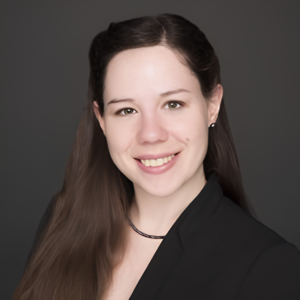
Sophie has worked for 30 years in the field of environmental protection and conservation, principally in the Asia Pacific region. She joined ADMCF a year after its founding in 2007, as director responsible for developing the Foundation’s environmental programme. Today, ADMCF focuses almost solely on environmental issues regionally, while maintaining some legacy children at risk projects. Its four strategic programmes include : Acting for Climate, Living Oceans, Water, Wildife Trade. In late 2021, Sophie stepped into ADMCF’s CEO role .
My Sustainability Goals for 2026:
I hope to see the Administration embracing Hong Kong’s environmental challenges to ensure our well being and a healthy environment. This will require setting aspirational goals as well as policy enhancements and reform across a broad range of environmental issues.
Speaking at 2026 sessions:
Day 2
Concrete & Canopies: Integrating Nature, Infrastructure, Development and Planning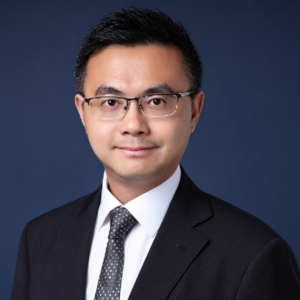
Ir Sui Ping Chow
Chief Engineer/North 4
North Development Office, Civil Engineering and Development Department, CEDD

Ir Sui Ping Chow
North Development Office, Civil Engineering and Development Department, CEDD
Chief Engineer/North 4
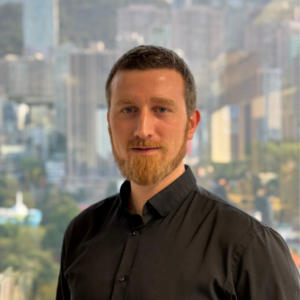
Ir CHOW Sui-ping is a Chief Engineer of the North Development Office, Civil Engineering and Development Department, delivering the San Tin Technopole, which is the flagship project of the Northern Metropolis with a total area of about 600 hectares, to increase the supply of innovation and technology land for Hong Kong as well as create a new community for quality, healthy and green living. Ir CHOW also spearheads key initiatives like nature-based solutions and urban-rural integration, overseeing development of relevant guidelines and piloting implementation in the San Tin Technopole.
Ir CHOW received his BSc degree in civil engineering from The University of Hong Kong in 2004 and his second BSc degree in laws from The University of London in 2008. He is a professional engineer with over 20 years of experience in delivering infrastructure projects and formulating policies and had been working in Development Bureau, Civil Engineering and Development Department, Drainage Services Department, Highways Department and Building Technology Research Institute.
My Sustainability Goals for 2026:
We build to make Hong Kong a world-class sustainable and resilient city for living, working and playing
Speaking at 2026 sessions:
Day 2
Concrete & Canopies: Integrating Nature, Infrastructure, Development and Planning
Ada Lam
Special Advisor
Kadoorie Farm and Botanic Garden
Ada Lam
Kadoorie Farm and Botanic Garden
Special Advisor
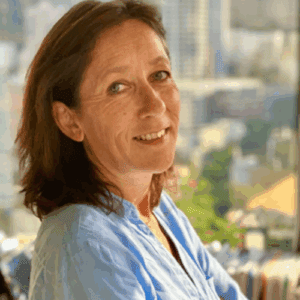
Ada is a strategic philanthropy and grants management specialist whose career bridges the corporate and non-profit sectors. She currently leads a feasibility study on restoring degraded hillsides in Hong Kong’s Northern Metropolis, evaluating the economic, social, and ecological dimensions of forest restoration.
Previously, as Deputy Executive Director of EarthCare Foundation (Hong Kong), Ada directed regional grant portfolios across Southeast Asia, establishing strategic giving frameworks aligned with measurable climate objectives. Her expertise spans greenhouse gas mitigation, climate adaptation, and community-driven nature based solutions. Ada also serves as a non-executive director at District Capital, a family office impact investment carve out. She holds a Bachelor of Laws (LLB) from the University of Hong Kong and is a Richard Rockefeller Fellow at Columbia University.
My Sustainability Goals for 2026:
- Drive an enabling regulatory and policy framework to scale landscape-level Nature-based Solutions (NbS) in Hong Kong.
- Elevate Asian perspectives and grassroots expertise in the global climate discourse through targeted strategic philanthropy.
- Secure capital for a pilot forest restoration project in Hong Kong to demonstrate multi-benefit outcomes and establish a scalable case study.
Speaking at 2026 sessions:
Day 2
Concrete & Canopies: Integrating Nature, Infrastructure, Development and Planning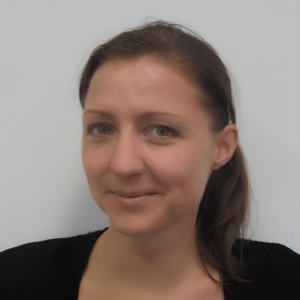
Marine Thomas
Associate Director of Conservation
The Nature Conservancy
Marine Thomas
The Nature Conservancy
Associate Director of Conservation
Marine Thomas is Associate Director of Conservation for The Nature Conservancy (TNC) Hong Kong. She is responsible for overseeing TNC’s marine conservation projects on the ground, with a current focus on restoring natural habitats, community-based conservation, and developing sustainable livelihoods as nature-based solutions. Marine is also restoration ecologist specializing in estuarine ecosystems. Over the past 8 years, she has been developing restoration methods, evaluating ecosystem services, developing innovative conservation finance and advocating for policy changes that support widespread restoration efforts in Hong Kong’s waters.
My Sustainability Goals for 2026:
I would like to help Hong Kong develop a high-integrity ecotourism policy
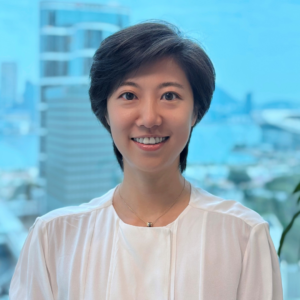
Nicole Zheng
Investment Officer
International Finance Corporation
Nicole Zheng
International Finance Corporation
Investment Officer
Nicole Zheng is Investment Officer at the International Finance Corporation (IFC), the private sector investment arm of the World Bank Group. She is is based in IFC’s Hong Kong office, covering the organization’s engagements in real sectors, with particular focus on sustainable and nature finance.
Speaking at 2026 sessions:
Day 2
Concrete & Canopies: Integrating Nature, Infrastructure, Development and PlanningSupported by
ADM Capital Foundation
Our mission is to understand how our environmental and economic systems are evolving, and to take those insights as a starting point to protect biodiversity, natural resources, reduce system stresses and build environmental resilience. Four themes permeate all of our work: biodiversity, natural resources, climate change and finance.
Meet our 2026 speakers: