Cities Theatre
Connecting Carbon, Communities and Nature: Reimagining the Future of Net-Zero Connected Cities
11 Sep (Fri) Day 2 : 14:00 – 14:50
As cities across Asia accelerate their net-zero ambitions, the conversation is evolving beyond carbon reduction alone. Future-ready cities must not only decarbonize the built environment, but also enhance quality of life, strengthen community connections, and restore the natural systems that support long-term resilience.
This session brings together city leaders, asset owners, operators, and innovation partners to explore how these priorities can be advanced in an integrated manner. Through cross-sector perspectives and real-world blueprints—such as Hong Kong’s Northern Metropolis development—the discussion will examine how buildings, infrastructure, technology, and urban spaces can work together to create healthier, more connected, and climate-resilient cities.
Session Learnings:
- Decarbonization at Scale
How can cities accelerate the transition to low-carbon buildings and infrastructure while balancing economic growth and operational performance?
- People-Centered Urban Environments
What makes a city not only sustainable, but also healthy, inclusive, and desirable for people to live, work, and connect?
- Nature and Urban Resilience
How can cities integrate biodiversity, green infrastructure, and climate adaptation strategies into future development and regeneration efforts?
Post-Event Actions:
- Explore how cities can accelerate the transition to low-carbon buildings and infrastructure while balancing economic growth, operational performance, and long-term sustainability.
- Discover the strategies and design principles that make cities not only sustainable, but also healthy, inclusive, and vibrant places for people to live, work, and connect.
- Learn how biodiversity, green infrastructure, and climate adaptation strategies can be integrated into urban development and regeneration to create more resilient cities.
Speakers
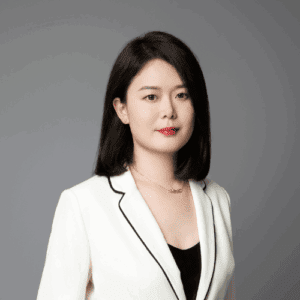
Moderator
Jing Wang
Vice President, North Asia
U.S. Green Building Council
Jing Wang
U.S. Green Building Council
Vice President, North Asia
Based in Shanghai, Jing Wang serves as Vice President for North Asia at USGBC and GBCI, the organizations that developed and administer LEED, one of the world’s leading green building rating systems. She works with industry leaders, developers, investors and public-sector organizations across North Asia to advance sustainable buildings and accelerate market transformation. A frequent speaker at regional industry forums, Jing shares insights on sustainable development, green building and market transformation, and is committed to fostering collaboration across the built environment.
Prior to joining USGBC and GBCI, Jing led the Marketing & Communications function at CBRE China, a leading global real estate services firm. She also held regional marketing roles with Starwood Hotels & Resorts in Singapore and China before the company became part of Marriott International.
Jing holds an MBA from the University of Manchester and is a member of the Royal Institution of Chartered Surveyors (RICS).
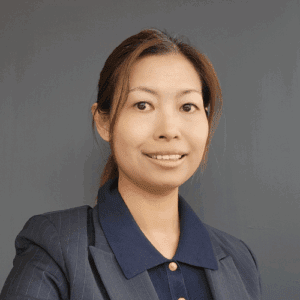
Julia Chan
Environment and Society Leader Asia
Mott MacDonald
Julia Chan
Mott MacDonald
Environment and Society Leader Asia
Ms. Julia Chan is an ecologist and Environmental Impact Assessment (EIA) Expert member for the Hong Kong Institute of Qualified Environmental Professionals. Currently the Environment and Society (E&S) Leader for Asia unit of Mott MacDonald Group based in Hong Kong, leading the E&S team across nine countries/cities in delivering environmental, sustainability and climate resilience solutions for local and international development projects for transportation, building and energy sectors.
She is specialised in wetland and biodiversity conservation, river revitalisation and eco-seawall design by nature-based solutions to promote liveable cities and biodiversity net gain. She has over 25 years’ experience in ecological monitoring, environmental and social impact assessment, environmental management and ecological design in support blue-green infrastructures. Projects involving ecological enhancement design and biodiversity conservation led by/with major involvement by Julia including the river revitalisation of Lower Lam Tsuen River site trial design for Eco-hydraulics Study on Green Channels Stage 2, Enhancement of Shek Sheung River Investigation and Enhancement of Existing River Sections Investigation for the Drainage Services Department, River Revitalisation Specialist for the Tung Chung New Town Development West Environmental Team Services, Project Director of a Comprehensive Residential Development with Wetland Restoration Area at Wo Shang Wai Yuen Long and Marine Ecology Specialist for the Third Runway Project Environmental Team, advising on marine and fisheries conservation initiatives for the Airport Authority Hong Kong.
My Sustainability Goals for 2026:
Conserving Life on Land and Below Water by nature-based design to promote sustainable cities and to the benefit to our communities.
Speaking at 2026 sessions:
Day 2
Connecting Carbon, Communities and Nature: Reimagining the Future of Net-Zero Connected Cities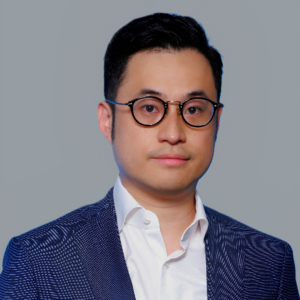
Victor Cheng
Director, Sustainability
HK-SZ Innovation and Technology Park

Victor Cheng
HK-SZ Innovation and Technology Park
Director, Sustainability
Victor joined Hong Kong-Shenzhen Innovation and Technology Park (HSITP) in 2024 as the Director of Sustainability to lead the development of net-zero roadmap, stakeholder engagement and shared value creation.
Victor assumed various global and regional executive roles with multinationals. Prior to joining HSITP, Victor oversaw the global sustainability strategy for a Fortune 500 fashion and wearable technology company with a presence of over 32 countries. He spearheads a net zero transition strategy for the 40 years old global brand.
He has been a prominent advocate for sustainable development and regional collaboration of his presence in multiple market segments – green tech, material science, retail and manufacturing,
He received a Master’s Degree in Business Administration from Imperial Business School in 2015 and a Bachelor’s Degree in Molecular Genetics from University of Toronto in 2000.
My Sustainability Goals for 2026:
More green tech companies would set up their innovation hub in Hong Kong. Succesful green tech application can be scaled up in Hong Kong and expand to other regions.
Speaking at 2026 sessions:
Day 2
Connecting Carbon, Communities and Nature: Reimagining the Future of Net-Zero Connected Cities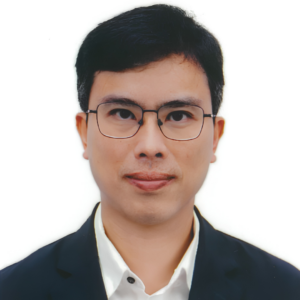
Ir Pak Kin Cheung
Chief Engineer
Civil Engineering and Development Department
Ir Pak Kin Cheung
Civil Engineering and Development Department
Chief Engineer
Mr. Pak Kin Cheung joined the HKSAR government as engineer in 2011 and joined CEDD in 2014. He is taking part in the development of Northern Metropolis (NM), and currently oversees the Fanling North / Kwu Tung North New Development Area implementation. Before participating in NM, Mr. Cheung spent over 10 years for the sustainable development and conservation in Lantau Island including Tung Chung New Town Extension, South Lantau Eco-recreation Corridor and Study for Kau Yi Chau Artificial Islands. Before joining CEDD, he worked in the Drainage Services Department responsible for major flood prevention projects against climate change.
Speaking at 2026 sessions:
Day 2
Connecting Carbon, Communities and Nature: Reimagining the Future of Net-Zero Connected Cities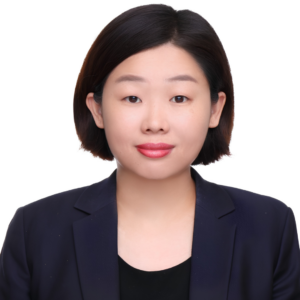
Iping Yang
Sustainability Manager
TAIPEI 101
Iping Yang
TAIPEI 101
Sustainability Manager
Iping Yang, LEED Fellow, is Sustainability Manager of TAIPEI 101 Tower, responsible for green building marketing and strategy in order to ensure the green leadership for TAIPEI 101. Iping is a sustainability expert specialized in LEED & WELL, CSR, SDG, ESG, and successfully helped TAIPEI 101 to achieve LEED v4 O+M platinum certification. Iping is also in charge of TAIPEI 101’s new business line for green building consulting including LEED certification and green property management.
Iping maintains strong relationships with key organizations internationally. She is currently Chairman of Taiwan’s official LEED Professionals Association, seed. She is invited to join CTBUH Expert Peer Review Committee since 2018. With Iping’s support, in 2019, TAIPEI 101 team helped CTBC bank to achieve LEED v4.1 platinum certification, and CTBUH recognized TAIPEI 101 as one of the world’s “50 Most Influential Tall Buildings of the last 50 years”.
Speaking at 2026 sessions:
Day 2
Connecting Carbon, Communities and Nature: Reimagining the Future of Net-Zero Connected CitiesSupported by
U.S. Green Building Council
USGBC, the U.S. Green Building Council, is the developer and owner of LEED, the leading program for green buildings and cities worldwide. Through LEED, USGBC is committed to a sustainable and prosperous future.
Hong Kong ranks sixth in the 2025 Top Countries and Regions for LEED outside the United States.
Products, Services & Solutions
- Charity/NGO
General Enquiry Email Address: northasia@usgbc.org
General Enquiry Phone Number: 0021 65126863