Roundtable A
Rethinking Social Impact Through AI Application
10 Sep (Thur) Day 1 : 12:00 – 13:30
AI has the potential to drastically accelerate social impact creation and advance effective philanthropy, from impact measurement and reporting, grant writing and evaluation, to organizational admin and operations, and even strategizing for systems change.
Join us at this roundtable discussion to hear from social impact leaders about the various risks and benefits of AI adoption in the social impact space in Hong Kong. In addition to learning about FSI’s Shared Data Project and how it improves transparency and accountability in the social impact and philanthropy sectors, you will also get to discuss with cross-sector professionals the effective ways to use AI to create and communicate social impact.
Session Learnings:
- Risks and benefits of using AI for social impact work
- How to leverage AI to accelerate social impact and effective philanthropy
- How FSI’s Shared Data Project can enhance transparency and accountability in the social impact space
Post-Event Actions:
- Identify responsible and effective ways to use AI and tech tools to advance social impact
- Test and provide feedback on existing AI tools with the aim of advancing social impact
- Get involved in cross-sector collaboration to enhance AI tools to accelerate social impact
Speakers
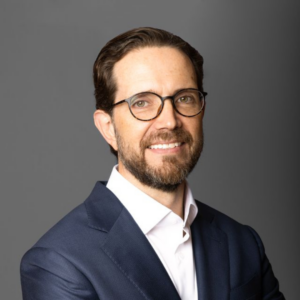
Prof. David Bishop
Associate Professor of Teaching
The University of Hong Kong

Prof. David Bishop
The University of Hong Kong
Associate Professor of Teaching
Prof. Bishop is an Associate Professor at The University of Hong Kong and the International MBA Program at Fudan University, Shanghai. He has won numerous awards for his teaching, including HKU’s Distinguished Teaching Award and Hong Kong’s highest teaching honor: the UGC Teaching Award. Prior to teaching, Prof. Bishop practiced law in both the United States and across Asia.
Prof. Bishop focuses significant time on activities and programs providing direct benefit to the community. He consults companies about their ethics, CSR, pro bono, and philanthropic initiatives, and is founder and director of multiple social impact organizations. He and his students are constantly looking for scalable solutions to complex societal problems.
My Sustainability Goals for 2026:
- I would like to see at least one large thoroughfare in Central closed to vehicular traffic and made exclusively into a pedestrian green space.
- I would like to see the solid waste levy codified into law.
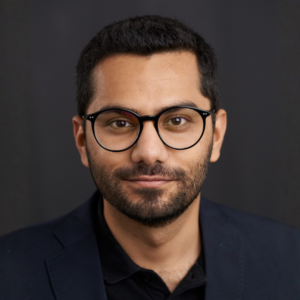
Paras Kalura
Chief Operating Officer
Migrasia
Paras Kalura
Migrasia
Chief Operating Officer
Paras Kalura is the Chief Operating Officer of Migrasia, a Hong Kong-based think-and-do tank dedicated to eradicating forced labor and systemic exploitation within the global migration system. Recognized on the Forbes 30 Under 30 Asia list for his contributions to social impact, Paras has been instrumental in scaling Migrasia’s operational and technological capabilities. Since joining the organization in 2022, he has overseen pioneering tech initiatives like PoBot—an AI-powered chatbot providing migrant workers with real-time, multilingual guidance on their legal rights and critical support services.
Under his strategic oversight, Migrasia has assisted over 42,000 workers, recovered more than $40 million USD in illegal fees, and repatriated over 350 individuals.
Paras holds a degree in engineering alongside a joint MBA from the University of Hong Kong and London Business School.
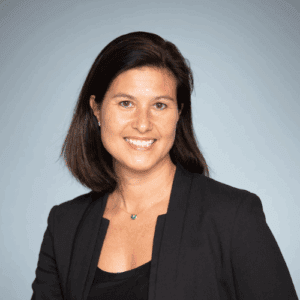
Pia Wong
Founder and CEO
Purpose Impact Action
Pia Wong
Purpose Impact Action Ltd.
Founder and CEO
Pia is a seasoned social impact strategist with 25+ years of experience in cross-sector partnerships, stakeholder engagement, and impact measurement. Her career began in leadership roles at Weber Shandwick Shanghai and Synovate (Ipsos) APAC before shifting her focus to scaling social impact in Hong Kong in 2006.
Driven by a commitment to systemic change, Pia has spearheaded initiatives in literacy and education during her 12-year tenure as Executive Director of Bring Me A Book Hong Kong. As Co-Founder of Voice for Social Good, Pia is also a huge advocate of operational funding for nonprofits to strengthen sector resilience and deliver on impact – as their viral “Bake a Difference” campaign demonstrates.
In 2025, Pia led Hong Kong’s first ever impact measurement research. This groundbreaking initiative addressed critical gaps in nonprofit effectiveness while responding to the growing imperative for SMEs to demonstrate their social impact and sustainability commitments to remain competitive.
By transforming complex data into actionable insights, Pia empowers organizations to demonstrate and scale their social value with clarity and confidence.
Pia holds a BA (Hons) from University College London and a Business Sustainability Management Certificate from the University of Cambridge (2022).
My Sustainability Goals for 2026:
Her 2026 sustainability goals are focused on advancing social impact measurement in Hong Kong through two strategic priorities;
1) Shifting mindsets: We advocate a long-term approach to sustainability by encouraging funders and investors to commit to multi-year grants or investments. This enables mission-driven organizations to generate robust, evidence-based outcomes over time. In parallel, nonprofits and social enterprises must confidently champion their impact measurement needs to secure the necessary resources and visibility.
2) Pooling Resources and Expertise: We seek to drive sector-wide collaboration by developing localized, shared impact measurement frameworks. Aligning on common outcomes and key indicators will enhance data comparability, reduce duplication, and streamline impact reporting — ultimately strengthening the ecosystem’s ability to demonstrate collective progress.
Supported by
Foundation for Shared Impact Limited
FSI is built on the philosophy of “shared impact”. We help the people who help people. We are educators, inventors, founders, students, business leaders, and community members who believe in broad cross-sector collaboration and the free sharing of resources, knowledge, and information to tackle the root causes of some of society’s most challenging problems.
Our sustainability goals for 2026:
- Building equity into Hong Kong’s business ecosystem by enhancing under-resourced entrepreneurs’ access to knowledge, information, and resources to thrive and grow.
- Bringing true inclusion to Hong Kong’s diverse communities by fostering intercultural exchange and social inclusion through programmes and initiatives.
- Cultivating impact-driven leaders through experiential learning programmes and initiatives for youth and working professionals.
- Fostering even greater cross-sector collaboration to drive systems change through shared impact.
General Enquiry Email Address: info@shared-impact.com