The packaging industry faces an urgent mandate: move away from single-use virgin plastics without compromising structural integrity or visual appeal. While traditional plastic thermoforming has been the backbone, brands seeking circularity are turning to sustainable functional alternatives—replacing the utility of plastic trays and inserts with natural, bio-based materials. While paper pulp molding has been the go alternative, we also looked at some other interesting options which offer exclusive material and novel aesthetics.
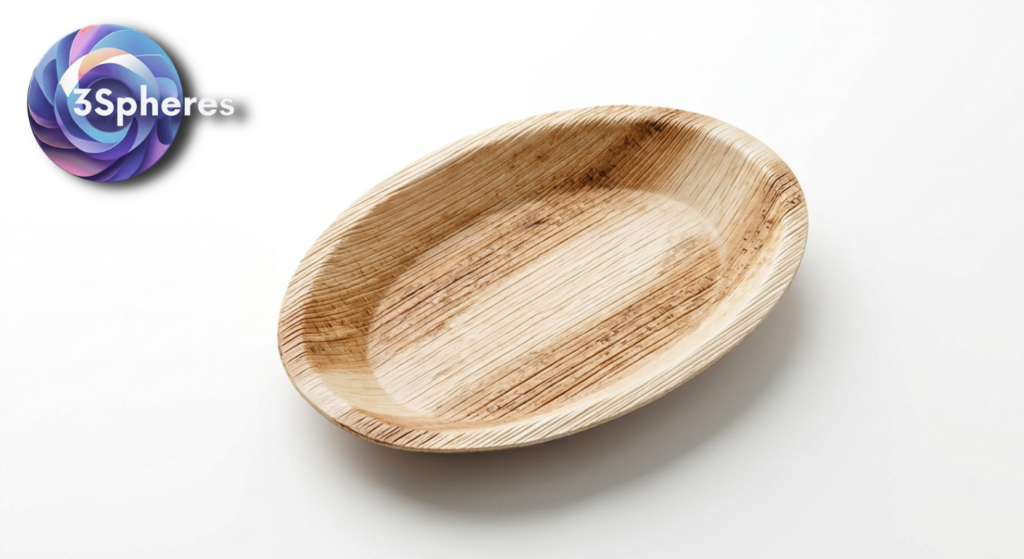
- Areca Leaf Sheath Packaging
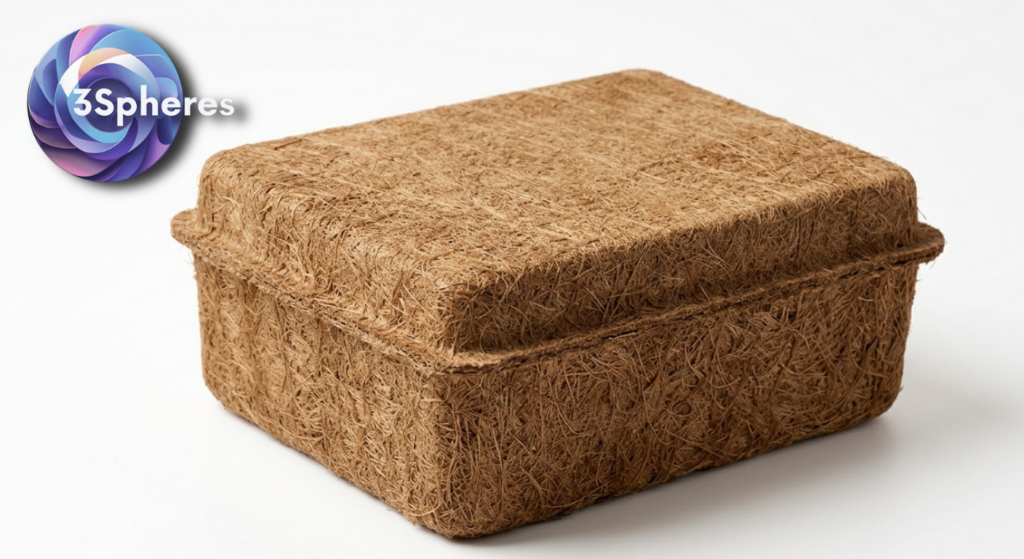
Directly thermal-pressed from naturally shed palm leaves, Areca sheaths serve as a home-compostable, water and grease-resistant alternative to plastic trays with an organic wood-grain finish. - Coconut Husk Fiber Composites
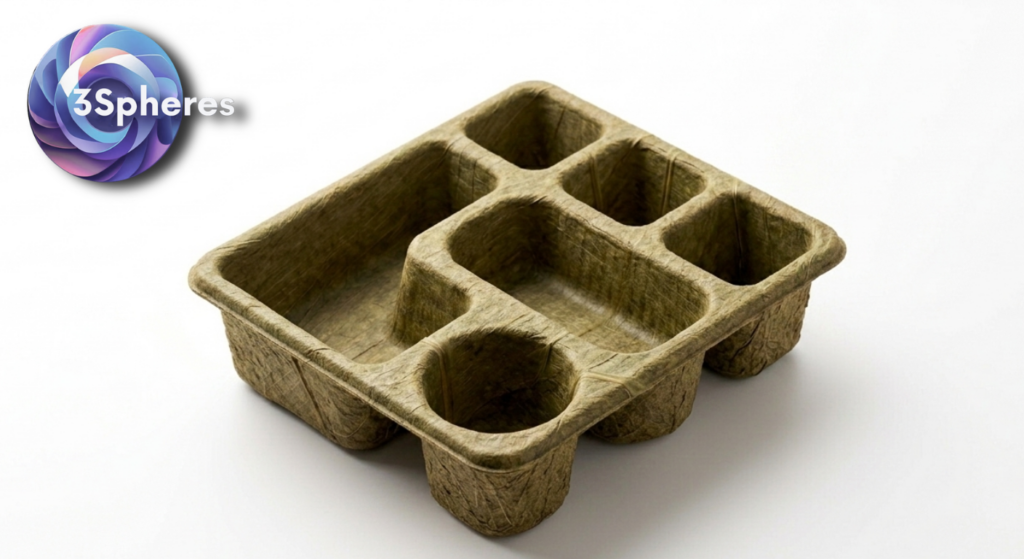
Utilizing coir fiber bound with natural biopolymers, compression-molded coir trays provide exceptional impact resistance for heavy secondary inserts and protective packaging. - Banana Leaf & Fiber Trays
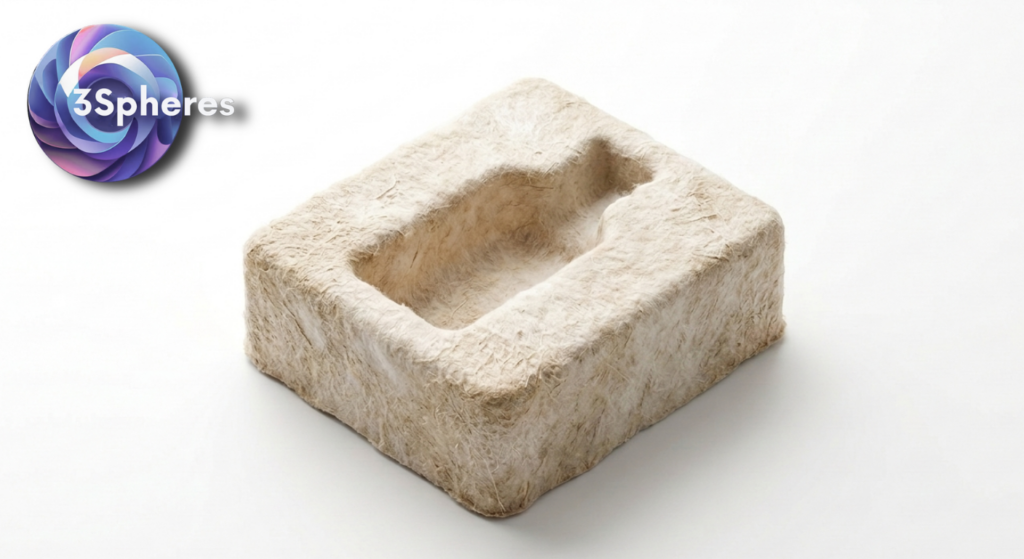
Heat-compressed from post-harvest agricultural waste, banana leaf and pseudostem fibers yield lightweight, fully biodegradable trays that have no microplastics behind. - Mushroom (Mycelium) Packaging
Grown by binding agricultural byproducts with fungal mycelium in custom molds, mushroom packaging forms a cushiony, high-strength structural swap for thermoformed plastic foam inserts.
The Path Forward: While these natural substrates require different molding processes than high-speed plastic thermoforming, they deliver the structural utility, aesthetics and performance required for circular packaging.
At 3Spheres, we help brands navigate material science to find market-ready, sustainable packaging strategies. Connect with our team to explore how we can optimize your packaging footprint for a truly circular future.