ReThink Forum
Nature-Positive: A Whole-of-Government and Society Approach
11 Sep (Fri) Day 2 : 10:50 – 11:10
China has made significant progress in ecological conservation in the past three decades, represented by improving survival conditions for the giant panda. China has also led global biodiversity conservation initiatives by setting up 2050 vision of “living in harmony with nature” and 2030 targets to reverse biodiversity loss through efforts by “whole of government and whole of society”. China’s commitment has been translated into government plans and policies including the 15th Five-Year Plan, which places ecological protection and the relationship between humanity and nature at the heart of the country’s development through 2030. How can these ambitions be translated into effective actions in conservation while accommodating economic development and the needs of local communities? Professor Lu Zhi will examine China’s evolving conservation approaches based on her long-term research and practices in the field of biodiversity conservation, to illustrate what will be required to turn global and national commitments into outcomes on the ground.
Speakers
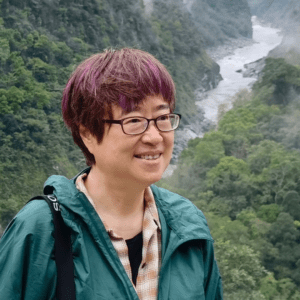
Prof. Zhi Lu
Professor
Peking University / ShanShui Conservation Center
Prof. Zhi Lu
Peking University / ShanShui Conservation Center
Professor
Dr. Lu Zhi is a Boya Distinguished Professor at Peking University. She founded Peking University’s Center for Nature and Society, and Shan Shui Conservation Center. She also serves as the co-chair of the second global assessment by the Intergovernmental Science-Policy Platform on Biodiversity and Ecosystem Services (IPBES).
Dr. Lu’s research tackles critical sustainability issues in China, with a focus on finding practical solutions that promote coexistence between humans and nature. Her work encompasses the study of ecosystem services (forests and grasslands), the natural history and conservation of endangered species like giant pandas and snow leopards, and the development of community-led conservation strategies. She is particularly known for her innovative approach, which tests and implements conservation tools grounded in economic incentives, cultural values, and policy improvements, ensuring that local communities benefit from their conservation efforts. This work extends to both rural and urban settings.
Dr. Lu Zhi earned her undergraduate degree and Ph.D. from Peking University. She has been a visiting scholar at the National Institutes of Health , Harvard University and the Yale School of Forest and Environmental Studies (2001-2002).