
A winery is more than a place where wine is produced. Its design can influence how much energy it consumes, how efficiently it operates and how comfortably it fits within the surrounding landscape.
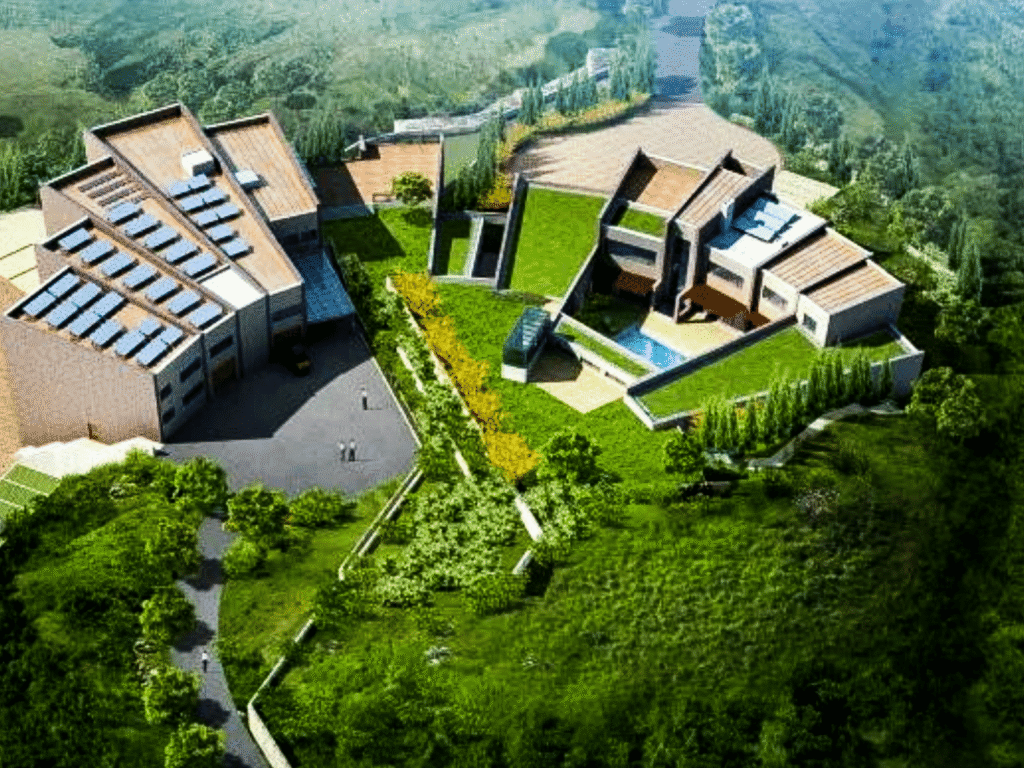
At Mystic Island Winery, environmental considerations formed part of the planning of our estate in Qiushan Valley. The winery’s orientation, layout, materials and production flow were considered together, allowing the building and its operations to function as an integrated system.
A gravity-fed production flow reduces the need for unnecessary pumping and mechanical handling. Thoughtful positioning of equipment helps minimise movement between different stages of winemaking, while energy-efficient design supports the temperature-controlled environment required for fermentation and storage.
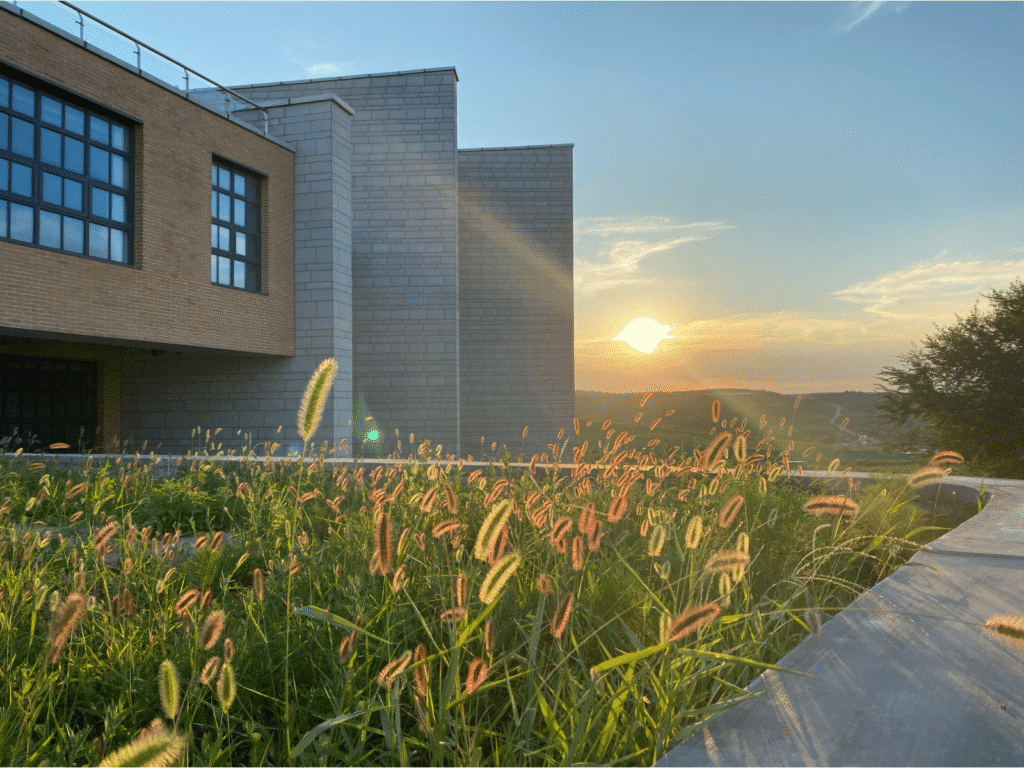
Material choices also matter. The impact of a building extends beyond its daily energy consumption to the resources used in its construction, maintenance and eventual renewal. Selecting materials carefully and designing for long-term use can help reduce consumption throughout a building’s life.
These decisions demonstrate why sustainability should begin before construction. Once a building is completed, inefficient layouts and systems can be difficult and costly to change. Early planning creates opportunities to reduce resource use while supporting both operational efficiency and product quality.
No building operates without environmental impact. The responsibility lies in understanding that impact and making considered choices wherever possible.
For Mystic Island Winery, designing a winery that works with its environment means viewing architecture, winemaking and sustainability as connected parts of the same long-term vision.