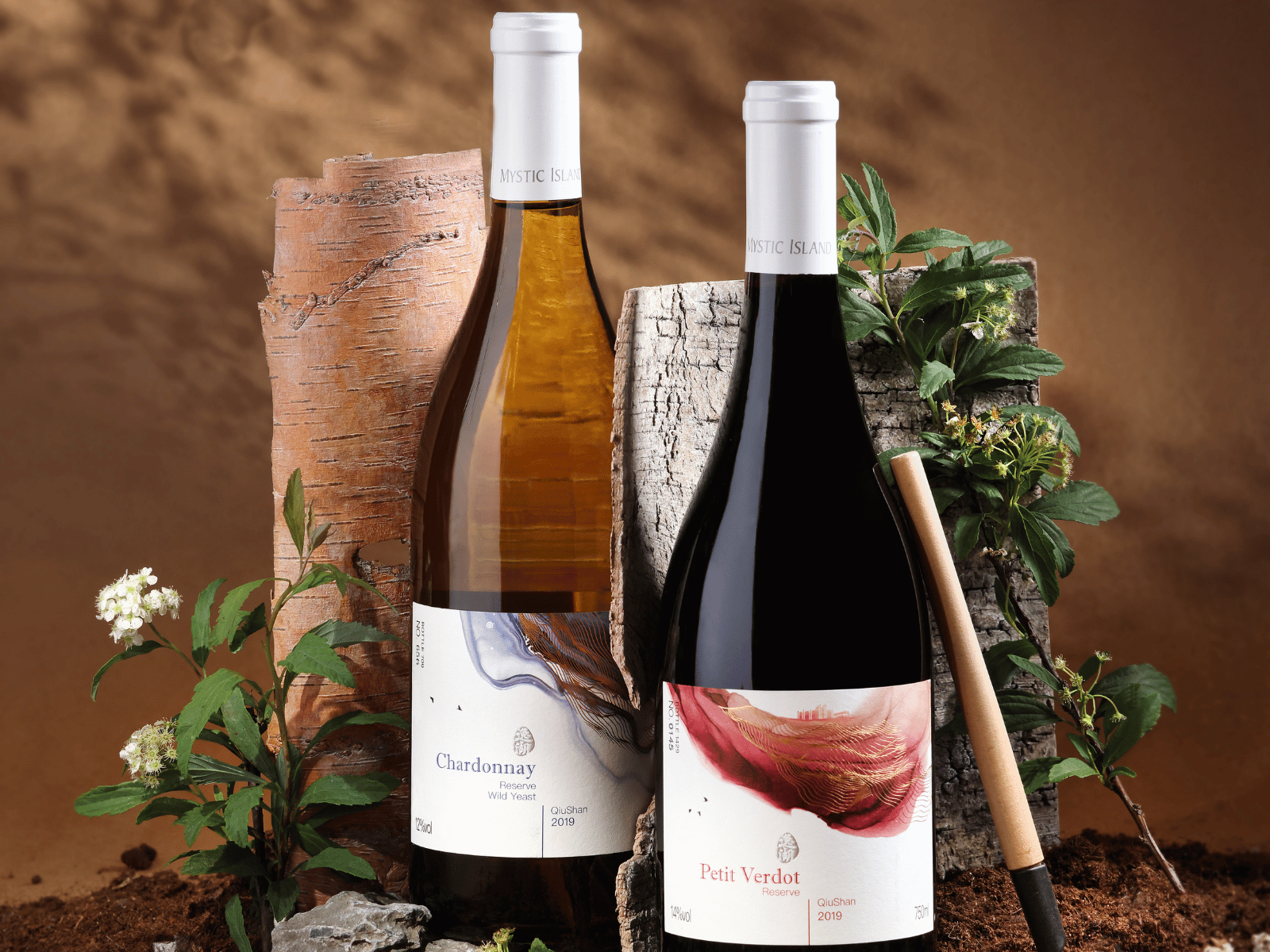
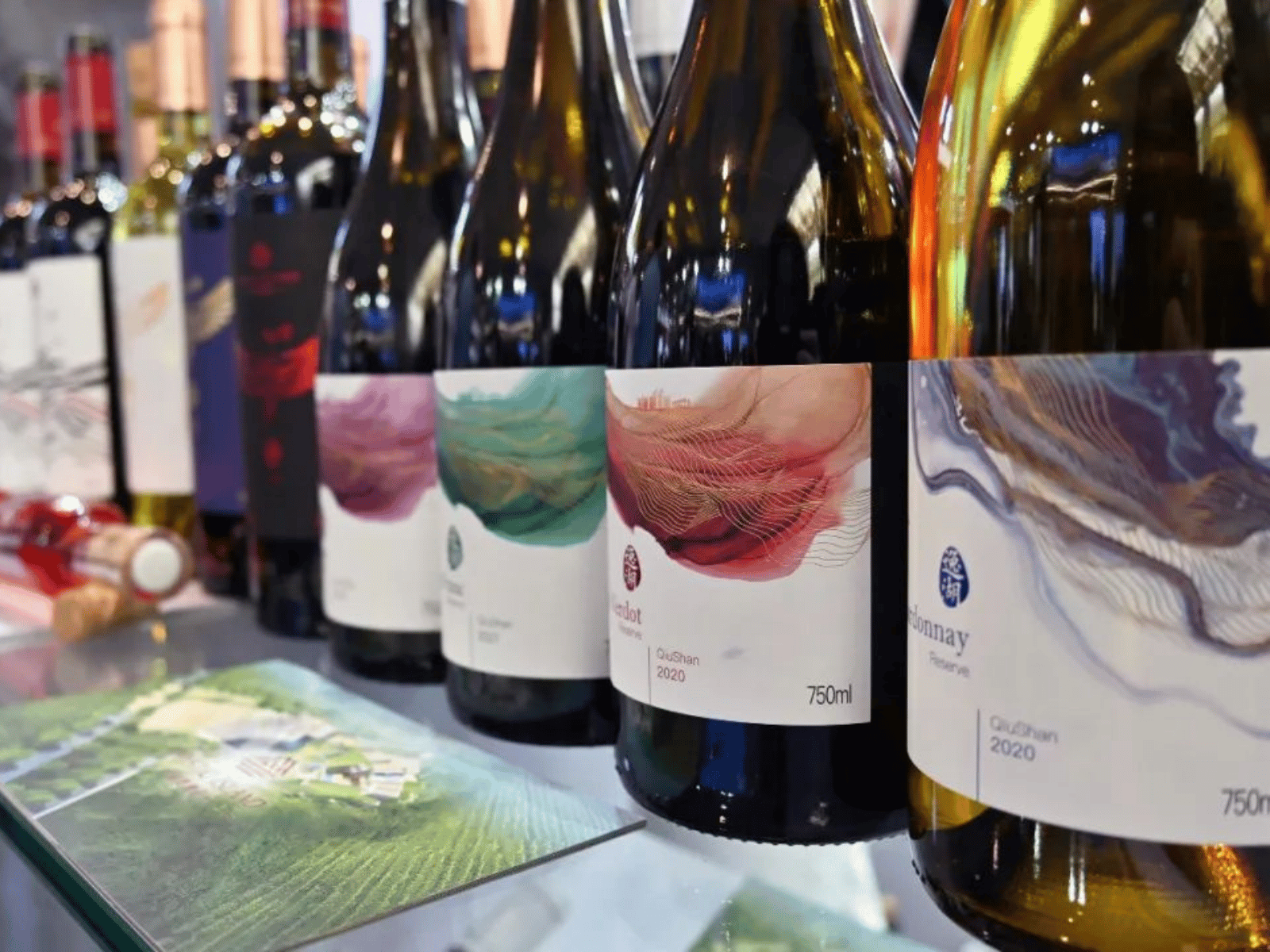
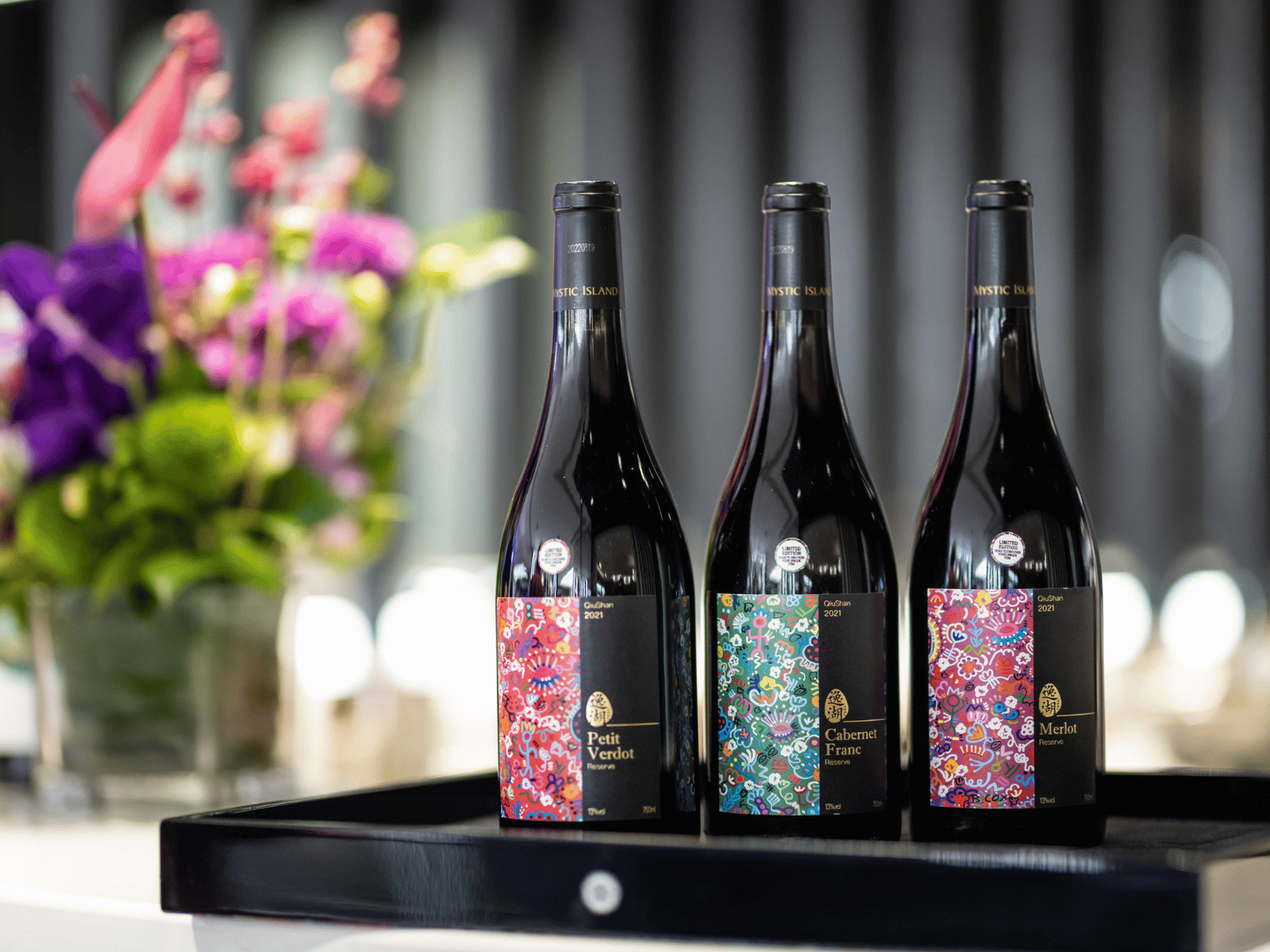
For many premium products, weight has traditionally been associated with quality. In the wine industry, a heavier bottle can feel more substantial—but it also requires more raw material to produce and more energy to manufacture and transport.
This raises an important question: can wine packaging feel premium while using resources more responsibly?
At Mystic Island Winery, we believe it can. We use lightweight bottles to reduce the material and transportation impact associated with our wines, alongside recycled materials in our product packaging.
A bottle’s weight does not determine the quality of the wine inside it. Quality begins in the vineyard and is shaped through careful farming, harvesting and winemaking. Packaging should protect that quality, communicate the identity of the wine and provide a considered customer experience—without using more material than necessary.
Premium presentation can instead come through thoughtful design, craftsmanship and attention to detail. These qualities allow packaging to feel distinctive and refined while avoiding unnecessary excess.
For producers, changing established expectations is not always straightforward. Packaging influences customer perception, and any transition must balance environmental responsibility with product protection, transportation requirements and brand experience.
However, sustainability does not have to mean compromising on quality or presentation. It can encourage businesses to reconsider what premium really means.
For Mystic Island Winery, responsible packaging reflects the same principle that guides our wider operations: use resources thoughtfully, preserve what matters and create lasting value through considered design rather than unnecessary excess.