BEC Climate & Nature Theatre
The Men in Black Session : Three Scientists. Three Systems. One Planet. Part III: Biodiversity: Nature Loss, Wildlife Trade and Hong Kong’s Global Footprint
10 Sep (Thur) Day 1 : 11:35 – 11:50
Sam Inglis completes the session by turning to the living systems that sustain planetary balance. He will provide an update on the global biodiversity crisis – why species loss and ecosystem degradation matter for climate stability, resilience and human wellbeing. He will also focus on wildlife trade as a powerful example of how global supply chains, consumption and organised crime can drive nature loss far beyond our borders.
Speakers
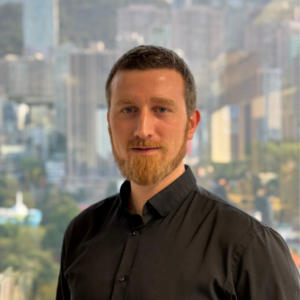
Sam Inglis
Wildlife Programme Manager
ADM Capital Foundation
Sam Inglis
ADM Capital Foundation
Wildlife Programme Manager
Sam has been developing strategy and leading numerous projects focusing on the wildlife trade since 2016. His work entails conducting research, developing campaigns and engaging stakeholders. He manages the Foundation’s ‘Wildlife Product Seizures’ (WiPS) database and ‘Seizure to Sentencing’ (S2S) initiative, has co-authored numerous reports and papers on wildlife crime and exotic animal trade, led dialogues with the Hong Kong Government, civil society and the private sector, and presented in fora ranging from local schools to the United Nations. With over a decade of experience addressing environmental issues across Asia, Sam previously served as Cryosphere Programme Coordinator at the International Centre for Integrated Mountain Development (ICIMOD), a writer for Columbia University, and consulted for several NGOs. Sam holds an MSc in Climate Change & Risk Management as well as a BSc in Geography from the University of Exeter (UK).
My Sustainability Goals for 2026:
- Strengthen Hong Kong’s wildlife trade enforcement by closing policy loopholes, enhancing enforcement and building stakeholder coalitions, directly supporting HK BSAP Action 1.6 and the 5YP’s ecological security pillar.
- Mainstream the interconnectedness of climate and biodiversity into policy through targeted stakeholder engagement and capacity-building, contributing to HK BSAP Priority Action 2.5.
Supported by
ADM Capital Foundation
Our mission is to understand how our environmental and economic systems are evolving, and to take those insights as a starting point to protect biodiversity, natural resources, reduce system stresses and build environmental resilience. Four themes permeate all of our work: biodiversity, natural resources, climate change and finance.