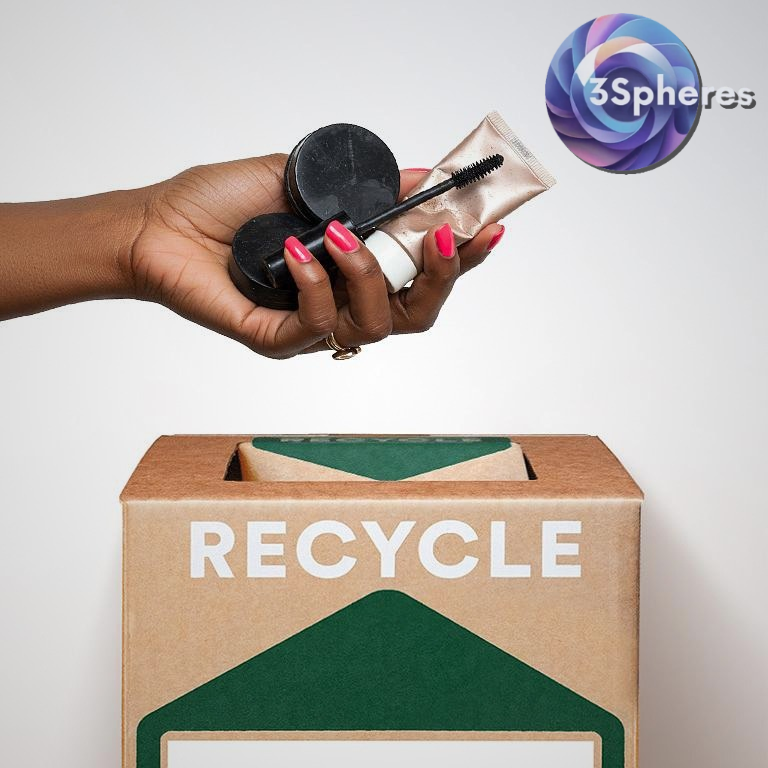
But a widening gap exists between a material being theoretically “recyclable” and actually being recycled. In APAC’s unique landscape, the bottleneck isn’t just about sourcing greener materials; it’s about a design format disconnected from real-world infrastructure.
When sustainable packaging enters the consumer ecosystem, it encounters harsh operational realities:
The Multi-Material Trap: Everyday flexible pouches are complex laminates combining films, foil, and adhesives. Separating these bonded layers is economically unviable, making true circularity impossible without a shift toward single-polymer structures like Mono-PE.
The “Biodegradable” Disconnect: Compostable plastics sound ideal, but they do not simply vanish in landfills; they require highly specific industrial collection systems to degrade cleanly without contaminating traditional recycling streams.
The “Unwashed” Reality: Liquid cartons (like Tetra Packs) are highly reproducible, but consumers often discard them with 1% to 3% of the product still inside. This unrinsed residue spoils, creates odors, and severely contaminates the broader sorting stream. If consumers don’t rinse and flatten them, the design fails at the bin.
The innovators getting it right have stopped chasing catchy sustainability claims. Instead, they treat packaging as a systemic design challenge—bridging the gap between corporate goals, actual sorting facilities, and real consumer behavior.
This is precisely the intersection 3Spheres works in, and it’s the conversation we’re bringing to ReThink Hong Kong at our booth and workshop. Let’s connect there.