BEC Climate & Nature Theatre
The Men in Black Session : Three Scientists. Three Systems. One Planet. Part I: Atmosphere: Reading the Signals of a Changing Climate
10 Sep (Thur) Day 1 : 11:05 – 11:20
Professor Fei Chen opens the session by showing how the atmosphere is changing around us, from rising temperatures and extreme weather to air quality and urban heat. Drawing on his expertise in climate and urban weather modelling, he will explain what the latest science tells us about the risks facing dense coastal cities like Hong Kong, and why better prediction, data and planning are essential for resilience.
Speakers
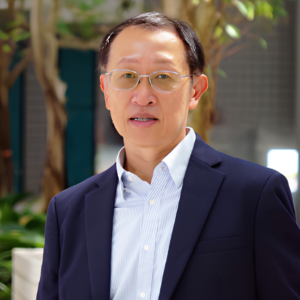
Prof. Fei Chen
Associate Head and Professor
Division of Environment and Sustainability, HKUST
Prof. Fei Chen
Division of Environment and Sustainability, HKUST
Associate Head and Professor
Professor Fei Chen is Associate Head and Professor in the Division of Environment and Sustainability at the Hong Kong University of Science and Technology. A leading urban climate scientist, he spent more than 26 years at the National Center for Atmospheric Research in the United States, where he led major advances in land, hydrology, weather prediction and regional climate modelling. Chen is internationally recognised for his work on land-atmosphere interactions, urban meteorology and climate resilience. He led the development of the widely used WRF-Urban modelling system, adopted by weather prediction centres and research institutions worldwide. He currently serves as Co-Chair of the World Meteorological Organization Urban-Predict Project, Co-Editor-in-Chief of Urban Climate, and Co-Chair of the Urban Meteorology Committee of the Chinese Meteorological Society. He is a Fellow of both the American Meteorological Society and the American Geophysical Union. His honours include the AMS Helmut E. Landsberg Award and the 2025 IAUC Luke Howard Award, the highest international accolade in urban climatology. At HKUST, Chen is advancing high-resolution climate information for tropical Asian cities, including through SEA4C, which supports adaptation, disaster risk reduction and sustainable urban planning across Southeast Asia.
Supported by
Division of Environment and Sustainability, HKUST
Established in 2010, ENVR is a global leader in interdisciplinary education & research in environment and sustainability, fostering sustainability professionals to address complex environmental challenges across scientific, societal, regulatory, & business issues. ENVR also serves as an intellectual hub linking academia, government, business & community leaders to advance sustainability solutions.
Our sustainability goals for 2026:
UN SDG goals that we align with:
- SDG 1 No Poverty
- SDG 3 Good Health and Well-being
- SDG 4 Quality Education
- SDG 7 Affordable and Clean Energy
- SDG 8 Decent Work and Economic Growth
- SDG 11 Sustainable Cities and Communities
- SDG 12 Responsible Consumption and Production
- SDG 13 Climate Action
General Enquiry Email Address: envr@ust.hk
General Enquiry Phone Number: 23588363
Meet our 2026 speakers:
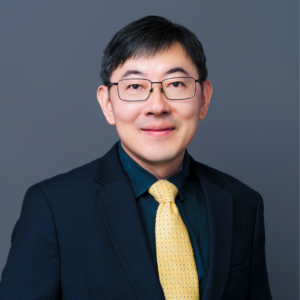
Prof. Dan Wang
Professor
Division of Environment and Sustainability, HKUST

Dr. Jay Joan Minuti
Marine Ecologist & Lecturer
Division of Environment and Sustainability, HKUST
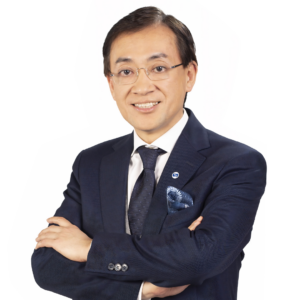
Prof. Chi Ming Shun
Adjunct and Visiting Professor
Division of Environment and Sustainability, HKUST
Prof. Fei Chen
Associate Head and Professor
Division of Environment and Sustainability, HKUST
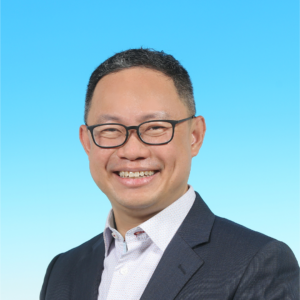
Dr. Laurence Delina
Associate Professor
Division of Environment and Sustainability, HKUST
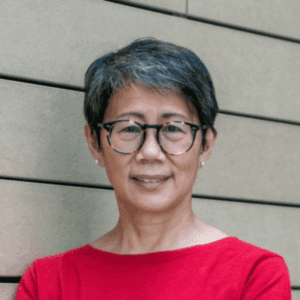
Prof. Christine Loh
Chief Development Strategist, Institute for the Environment
Division of Environment and Sustainability, HKUST