Resources Theatre
The New Green Frontier: Driving Circular Innovation and Cross-Border Synergy in the GBA
10 Sep (Thur) Day 1 : 15:35 – 16:25
Hong Kong is entering a transformative era where waste management evolves from a municipal necessity into a high-value growth sector. By leveraging the city’s unique “Super-Connector” status, this session explores the immense commercial opportunities emerging at the intersection of national-level plans, local government policy, and the unique yet pivotal role Hong Kong plays in the Greater Bay Area.
Our panel, comprising government officials and multi-industry business leaders, will examine successful waste management models from neighboring GBA cities to identify transferable innovations in policy and technology. By fostering knowledge exchange and collaboration, the discussion will focus on how businesses can capitalize on regional synergies to drive large-scale impacts in resource recovery. We will explore how Hong Kong can bypass long-standing hurdles, aligning our local expertise with those of the GBA and beyond to build a world-class sustainability hub.
Session Learnings:
- Identify specific, successful waste management and circular economy models from GBA cities that can be adapted to Hong Kong’s high-density urban environment.
- Gain insights into how Hong Kong’s regulatory framework is evolving to better harmonize with regional standards, facilitating smoother cross-border collaboration.
- Understand how leveraging Hong Kong’s “Super-Connector” status can help businesses attract green investment by serving as a gateway to GBA sustainability projects.
- Discover established platforms and informal channels for ongoing knowledge exchange between Hong Kong industry leaders and their regional counterparts.
Post-Event Actions:
- Facilitate organizations to identify opportunities presented to Hong Kong’s waste management and resource recovery industry.
- Familiarize with the waste management best practices currently being conducted in the GBA and beyond for the benefits in Hong Kong.
- Sustainability and resource recovery opportunities are everywhere, look into our neighbouring regions for innovations and inspirations.
Speakers

Moderator
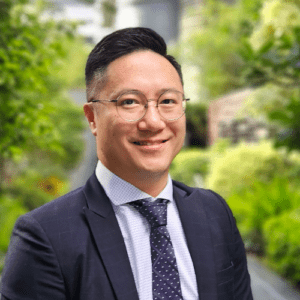
Kitty Lee
Vice Chairlady
Hong Kong Waste Management Association
Kitty Lee
Hong Kong Waste Management Association
Vice Chairlady
Kitty is an Associate Director of SMEC, an SJ Company. She is also a Chartered Environmental Engineer, committee member of HKIE Environmental Division, a Chartered Water and Environmental Manager, Engineering EIA Professional and a Certified ESG Analyst with 16 years of work experience. She has been based in Hong Kong and has worked on projects in Hong Kong, China, Australia, India, Malaysia and the US. She is specialised in delivering projects related to waste, hydraulic, water, drainage, sewerage, environmental and sustainability. She has been involved in several iconic projects such as I∙Park 1, O∙Park 2, Pillar Point Sewage treatment Works, Tai Po Water Treatment Works Phase 2. Kitty has worked through the project lifecycle including feasibility studies, conceptual design, detailed design and construction. She also demonstrated strength as project manager and project coordinator for multi-disciplinary projects. Kitty has served as committee member of Hong Kong Waste Management Association for years, and she is currently the Vice Chairlady.
Speaking at 2026 sessions:
Day 1
The New Green Frontier: Driving Circular Innovation and Cross-Border Synergy in the GBA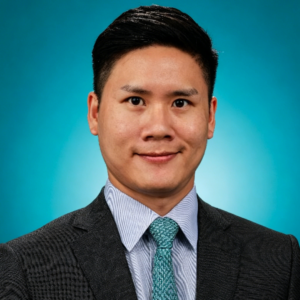
Steve Wong
Assistant Director (Waste Management)
Environmental Protection Department
Steve Wong
Environmental Protection Department
Assistant Director (Waste Management)
Assistant Director of Environmental Protection for the Government of the Hong Kong Special Administrative Region. He is responsible for the policy formulation and implementation of Hong Kong’s waste management, resources recovery and circular economy, including driving legislative proposals for producer responsibility schemes, regulating disposable plastic tableware and other plastic products, and promoting the regional co-operation under “Zero Waste Bay Area”.
My Sustainability Goals for 2026:
To cultivate regional synergy across the GBA by accelerating the deployment of circular innovations and recovery infrastructure. We aim to achieve “zero landfill” by 2035 without the need for a third incinerator and carbon neutrality by 2050.
Speaking at 2026 sessions:
Day 1
The New Green Frontier: Driving Circular Innovation and Cross-Border Synergy in the GBASupported by
Hong Kong Waste Management Association
Inaugurated on 14th September 1994 as a Registered Society, the Hong Kong Waste Management Association (HKWMA) has been the premier organization representing professionals in Hong Kong’s solid waste management and environmental industries. We take an active interest in all areas represented by our membership. Our members range from government officials, consultants, contractors and academia.
Our sustainability goals for 2026:
Working Towards Effective Waste Management for a Sustainable Society