BEC Climate & Nature Theatre
Covering Your Assets: Climate Risks
10 Sep (Thur) Day 1 : 15:05 – 15:55
Physical climate risks are rising, and so is the financial exposure for companies and investors who fail to act. This session answers a blunt question: how are you going to survive? From physical asset vulnerability to transition shocks, leading practitioners will share how they are stress-testing portfolios, embedding climate risk into accounting, and building adaptive responses. Moving beyond disclosure to hard risk management, learn what worst-case scenario planning looks like, how to quantify what you cannot afford to ignore, and why the businesses on the forefront today will be the ones standing tomorrow.
Session Learnings:
- Stress-testing for survival: Approaches for modelling climate scenarios and translating physical risk into financial exposure
- Embedding climate into accounting: Methods for integrating climate risk into asset valuation, provisioning, and corporate balance sheets
- From assessment to response: Pathways for adapting operations, supply chains, and capital allocation in response to climate risk
- The investor lens: What asset managers and banks consider when assessing a company’s climate resilience
- Hong Kong-specific risks: Perspectives on addressing typhoon, flood, and heat stress vulnerabilities in a dense urban context
Post-Event Actions:
- Reflect on whether your current scenario analysis approach captures the right climate risks for your portfolio
- Flag climate risk as a topic for your next cross-functional meeting between finance and risk teams
- Identify one or two questions to ask your asset managers about their climate stress testing practices
- Note which of your assets or operating locations may be most exposed to local climate hazards
Speakers
Moderator
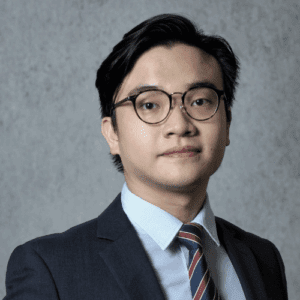
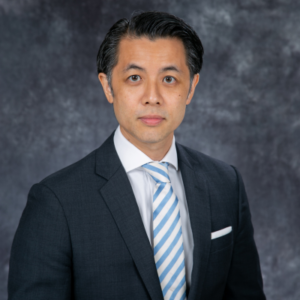
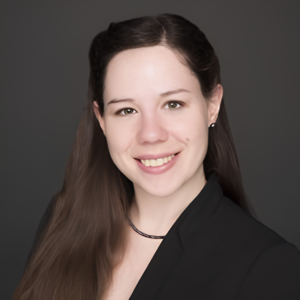
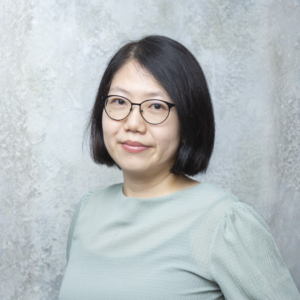
Tsun Chen
Secretary General
Hong Kong Green Finance Association
Tsun Chen
Hong Kong Green Finance Association
Secretary General
Tsun has over 20 years of experience in the financial services industry. Prior to joining HKGFA, he worked for a number of corporate finance advisory firms and a specialist bank where he was responsible for cross-border mergers and acquisitions, initial public offerings, debt and equity restructurings and direct investments. Tsun is a qualified solicitor in England & Wales (non-practising), holds a BSc. in History and Philosophy of Science from University College London and is certified by the CFA in ESG Investing.

Mark Fletcher
Head of Zurich Resilience Solutions, Asia Pacific
Zurich Resilience Solutions
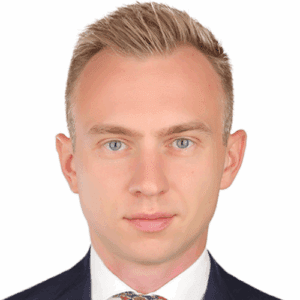
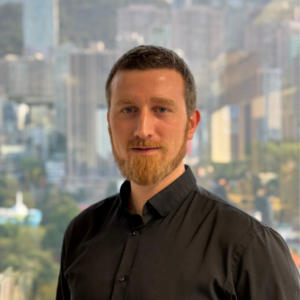
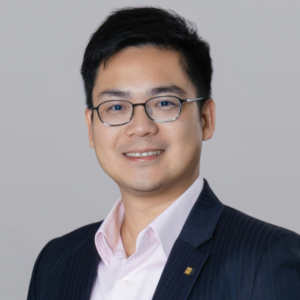
Mark Fletcher
Zurich Resilience Solutions
Head of Zurich Resilience Solutions, Asia Pacific
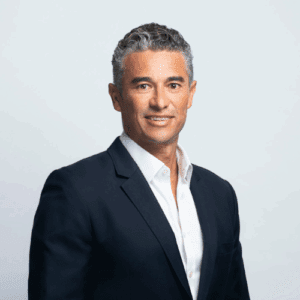
Mark Fletcher is regional executive of Zurich Resilience Solutions Asia Pacific. Mark has held leadership positions in EMEA, APAC and North America and is an expert in risk management consultancy, with a focus on climate resilience.
Speaking in 2026 sessions:
Michael Long
Director and Head of Sustainability
Hongkong Land
Michael Long
Hongkong Land
Director and Head of Sustainability
Michael Long joined Hongkong Land as Director and Head of Sustainability in April 2025. He brings over 28 years of experience in environmental, social, and governance (ESG) strategy and implementation across the real estate sectors in Asia, Australia, and the United Kingdom.
Mr Long combines technical knowledge with a commercial, results-driven approach to help organisations address complex sustainability challenges. His philosophy centers on simplifying complexity, focusing on what truly matters, and always starting with the ‘Why’—creating impactful, meaningful outcomes for businesses and stakeholders alike.
Debra Tan
Director & Head
CWR
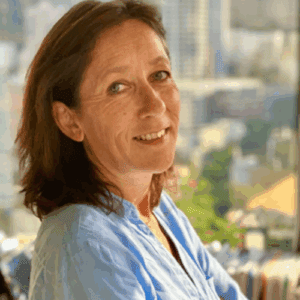
Debra Tan
CWR
Director & Head
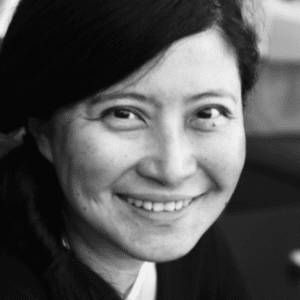
Tan heads CWR, a non-profit that aims to “mainstream” water & climate risks into financial decision-making & corporate strategies. She built CWR from an idea into a ‘go-to’ resource in the global climate water risk conversation. Today, CWR’s decade+ of work on assessing & valuing risk exposure to rising water scarcity & coastal threats is highlighted in TCFD’s Knowledge Hub, technical guides for disclosure (IFRS/CDSB, SBTN, CDP) and various textbooks on water risk modeling. Her research & reports unpacking water risks with financial institutions & government-related organisations in China are considered groundbreaking and instrumental in understanding not just China’s but future global water challenges. CWR was part of China’s Environmental Risk Analysis Task Force as well as a founding member of Hong Kong’s Green Finance Association. Tan’s work is widely cited from the IPCC and IGOs to the financial sector and mainstream media. As a recognized authority in the water & climate space, Tan is published by SpringerNature, Palgrave MacMillan, G20 & UN editions, China policy journals and was a contributing author to the latest IPCC report “Climate Change 2022: Impacts, Adaptation and Vulnerability”. She also sat on various advisory committees for MNCs & IGOs including CDP, CDSB (now IFRS) as well as judging panels for ACI and UNPRI awards. Before water, Tan spent over a decade in finance. She spends her spare time exploring Himalayan glaciers.
My Sustainability Goals for 2026:
- Realistic recognition of accelerating climate risks
- HK as the regional leader in coastal adaptation
- HK as the regional thought leader in financing resilience
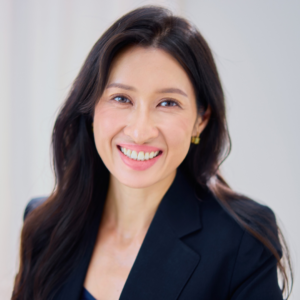
Heidi Yip
Head, Sustainable & Transition Solutions, APAC
BlackRock
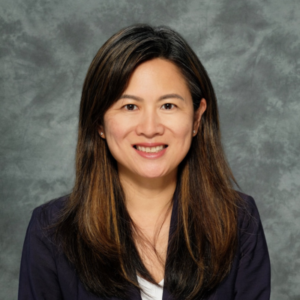
Heidi Yip
BlackRock
Head, Sustainable & Transition Solutions, APAC
Heidi Yip is BlackRock’s Head of Sustainable and Transition Solutions for APAC. Based in Singapore, she leads the team responsible for BlackRock’s Sustainable and Transition strategy for the region, including building up sustainability capabilities in the firm, leading engagements with clients and relevant industry groups, and supporting product development to address client needs.
Heidi joined BlackRock from GIC Private Limited where she held multiple roles, shaping long-term strategy development for the enterprise, leading the Sustainability Office’s integration pillar, and supporting sustainable investing via the multi-asset Sustainable Investment Fund and equities-focused Climate Change Opportunities Portfolio. She has 20 years of functional expertise in sustainability, strategy and finance under her belt, built up from her professional experience in Standard Chartered Private Bank, McKinsey & Company, and Singapore’s Ministry of Finance, in addition to GIC.
Heidi holds a Masters in Business Administration from Harvard Business School, and dual degrees in Mechanical Engineering and Biology from Cornell University.
Supported by
ADM Capital Foundation
Our mission is to understand how our environmental and economic systems are evolving, and to take those insights as a starting point to protect biodiversity, natural resources, reduce system stresses and build environmental resilience. Four themes permeate all of our work: biodiversity, natural resources, climate change and finance.
Meet our 2026 speakers:
Hong Kong Green Finance Association
Founded in September 2018, Hong Kong Green Finance Association (HKGFA) creates a platform that offers channels and opportunities to facilitate the development of green finance and sustainable investments in Hong Kong and beyond. It aims to mobilize both public and private sectors resources and talents in developing green finance policies, to promote green finance business and product innovation.
Our sustainability goals for 2026:
HKGFA’s key activities are organised through five working groups, namely Banking – Financing the Transition, Product Innovation and Solutions, Sustainability-related Disclosures, Policy and Standards, Greater Bay Area Green Finance Alliance, and Real Estate. Currently, the Association has over 160 members that include but are not limited to financial institutions, companies, market service providers and other key stakeholders.
Meet our 2026 speakers:
With thanks to
Hongkong Land
Hongkong Land is a major listed property investment, management and development group. Founded in 1889, Hongkong Land’s business is built on excellence, integrity and partnership.
The Group owns and manages more than 850,000 sq. m. of prime office and luxury retail assets in key Asian cities, principally Hong Kong, Singapore, Beijing and Jakarta. Its properties hold industry leading green building certifications and attract the world’s foremost companies and luxury brands.
The Group’s Central Hong Kong portfolio represents some 450,000 sq. m. of prime property. It has a further 165,000 sq. m. of prestigious office space in Singapore mainly held through joint ventures, five retail centres on the Chinese mainland, including a luxury retail centre at Wangfujing in Beijing, and a 50% interest in a leading office complex in Central Jakarta. The Group also has a number of high-quality residential, commercial and mixed-use projects under development in cities across China and Southeast Asia, including a 43% interest in a 1.1 million sq. m. mixed-use project in West Bund, Shanghai. Its subsidiary, MCL Land, is a well-established residential developer in Singapore.
Hongkong Land Holdings Limited is incorporated in Bermuda and has a primary listing in the standard segment of the London Stock Exchange, with secondary listings in Bermuda and Singapore. The Group’s assets and investments are managed from Hong Kong by Hongkong Land Limited. Hongkong Land is a member of the Jardine Matheson Group.
Our sustainability goals for 2026:
Sustainability Framework 2030 reflects our ambitions regarding decarbonisation, climate change and adaptation, stakeholder engagement and support local communities. Examples of our targets:
- Adopt the use of low-carbon construction materials for new developments in line with our science-based targets.
- Establish sustainable procurement guidelines and engagement programme with supply chains.
- Collaborate with tenants through Tenant Sustainability Partnership Programme which aims to foster environmental and social initiatives.
- Strategically invest in or organise long-term community programmes via HOME FUND
Legal Name: Hongkong Land Limited
General Enquiry Email Address: gpobox@hkland.com
General Enquiry Phone Number: 28428428
General Business Address: 8/F, One Exchange Square, 8 Connaught Place, Central, Hong Kong
Meet our 2026 speakers:
Zurich Resilience Solutions
Zurich is committed to being one of the most responsible and impactful businesses in the world, making a difference for our customers and communities.
To do that, our Zurich Resilience Solutions’ (ZRS) Climate Resilience team is helping organizations around the world to reduce the frequency and severity of their climate-related events and preparing them for growing regulatory and stakeholder demands.
We also collaborate with a number of industry experts with the ultimate goal of aligning the pillars of people, planet and profits to help shape a better future.
Find out more our Climate Resilience Services:
https://www.zurich.com/en/commercial-insurance/services/climate-resilience
Our sustainability goals for 2026:
Planet
We will focus on achieving net-zero outcomes. A low carbon economy will positively impact climate and society. Reducing emissions across our value chain lies at the heart of our efforts.
Customers
To meet our customers’ changing needs, we are constantly growing our range of sustainable products and services. They are designed to support activities that generate a positive environmental or social impact and contribute to the mitigation of climate risks.
People
We are actively supporting our people to remain employable for the long-term, while addressing customer and societal needs. Meanwhile, our community investment activities are mainly delivered through the Zurich Foundation. Its purpose is to create a brighter future for vulnerable people.
Legal Name: Zurich Insurance Company Ltd (Singapore Branch)