Impact Stage
Leveraging Credible Sustainability Systems for Resilient Investments
10 Sep (Thur) Day 1 : 16:10 – 17:00
Effective sustainability standards have systems to capture and share data, ensure good management systems are in place, and provides tools to track sustainability issues along the value chain. This session will explore how investors can leverage credible sustainability standards to drive better long-term management of social and environmental risk. Hearing from standards and finance institutions, the session will help you manage low-carbon and green value chains.
Session Learnings:
- Learn how credible sustainability systems are working with investors and finance institutions to manage risks
- Understand how data from credible sustainability systems can support and power your sustainability objectives.
- Learn which types of sustainability systems can be trusted partners to help ensure socially and environmentally responsible returns on investment.
Post-Event Actions:
- Understand how to integrate sustainability systems into investment risk assessment
- Assess sustainability systems credibility components to understand which sustainability systems can be trusted to help you achieve sustainability goals.
Speakers
Moderator
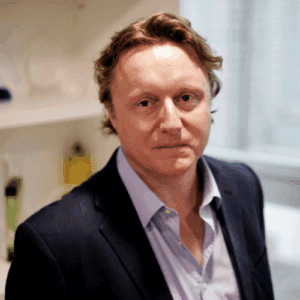
Alistair Monument
Director, Programmes
ISEAL
Alistair Monument
ISEAL
Director, Programmes
Alistair Monument joined ISEAL in August this year to support credible and effective sustainability systems through robust practices, multistakeholder engagement and supply chain solutions at a global scale. Alistair leads the Impacts and Innovations Programme, driving impact on climate, biodiversity, livelihoods and human rights while also helping to shape strategy and build global partnerships.
Before, he was WWF International’s Conservation Impact Director in Asia Pacific, supporting regional and national teams to build impactful strategies, partnerships and programmes. He previously served as Global Forest Practice leader for WWF, as the Asia Pacific Director for FSC and was the founding Director of ASI. Alistair has expertise across fields including conservation, forestry, climate, labour rights, land rights, development, standards and certification.
Speaking at 2026 sessions:
Day 1
Leveraging Credible Sustainability Systems for Resilient Investments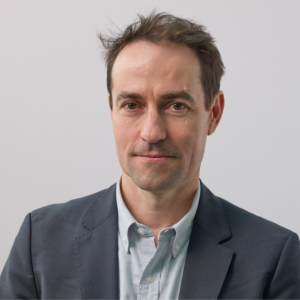
Nate Aden
Head of Asia; Head of Financial Standards
Science Based Targets initiative (SBTi)
Nate Aden
Science Based Targets initiative (SBTi)
Head of Asia; Head of Financial Standards
Nate Aden is Head of Asia and Head of Financial Institutions at the Science Based Targets initiative (SBTi). As a staff member with the World Resources Institute, Nate co-founded the SBTi in 2015. Over the years, he has contributed to the technical development of the initiative including leading standard development for financial institutions and the chemicals sector development. Nate has over 20 years of experience in industry, energy, trade, and climate across China, the U.S., and Europe, and holds a PhD from UC Berkeley, with degrees from Stanford and Cornell.
My Sustainability Goals for 2026:
- Doubling the number of Hong Kong entities with validated SBTs from the current 90 to 180.
- Linking targets with Hong Kong policies and regulations.
- Defining new business models whereby companies reduce GHG emissions while thriving economically.
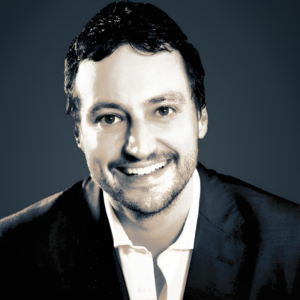
Matteo Marinelli
Asia Pacific Lead, Sustainable Finanace
WWF International
Matteo Marinelli
WWF International
Asia Pacific Lead, Sustainable Finanace
Matteo Marinelli is a senior sustainable finance leader with more than twenty years of international experience spanning sustainable finance, impact investing, financial inclusion, ESG strategy, and institution building across Asia, Africa, Europe, and Latin America.
He currently serves as Asia Pacific Lead, Sustainable Finance, at WWF International, where he leads the development of innovative finance solutions for nature, climate, and sustainable development, working with governments, financial institutions, development agencies, and private sector partners across the region.
Matteo began his career at Grameen Bank in Bangladesh under the mentorship of Nobel Peace Prize Laureate Professor Muhammad Yunus, an experience that shaped his enduring commitment to harnessing finance as a tool for social and environmental impact.
Over the course of his career, Matteo has held leadership roles with organizations including BlueOrchard Finance, Fullerton Financial Holdings (Temasek), MEDA, Banyan Global, WHO and FAO. At BlueOrchard, he established and expanded the firm’s presence across South and Southeast Asia, China, and Mongolia. At Fullerton Financial Holdings, he led strategic initiatives including the launch of Cambodia Post Bank and the development of the group’s market entry strategy in Myanmar.
As Chief Executive Officer of Maha Agriculture Microfinance, Matteo transformed a USD 3 million greenfield initiative into a USD 90 million financial institution focused on serving smallholder farmers and rural communities. Throughout his career, he has been directly involved in the creation and growth of multiple financial institutions and investment platforms across emerging markets.
Between 2021 and 2024, Matteo advised and implemented sustainable finance and inclusive finance initiatives across Africa and Asia, including the establishment of a new financial institution in Ethiopia on behalf of a consortium of Norwegian and Ethiopian investors. He also contributed to FAO’s FISH4ACP programme in Nigeria and Zimbabwe, supporting the development of more resilient and sustainable aquaculture value chains for small-scale producers.
Today, his work focuses on mobilizing public and private capital for conservation, climate, landscape finance, carbon markets, and nature-positive development. He has extensive experience in blended finance, impact investing, rural finance, green finance, and sustainable value-chain development, and regularly engages with senior leaders from governments, multilateral organizations, development finance institutions, and the private sector. Matteo holds a degree in Economics from Bocconi University and has undertaken executive and academic programmes at the London School of Economics (LSE), New York University (NYU), the University of Niigata, the University of California Berkeley, and INSEAD, where he earned an Executive Management Diploma. He is fluent in Italian, English, and Spanish.
My Sustainability Goals for 2026:
My hope is to see Hong Kong continue to evolve as a leading sustainable finance hub for Asia, with greater flows of private capital into climate and nature solutions, stronger integration of biodiversity into financial decision-making, and a growing role in supporting sustainable development across emerging markets in the region.
Speaking at 2026 sessions:
Day 1
Leveraging Credible Sustainability Systems for Resilient Investments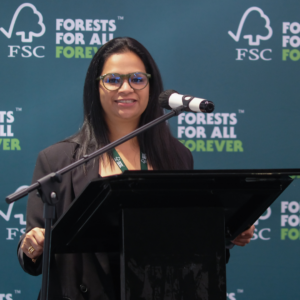
Neha Simlai
Head of Market Development, Asia Pacific
Forest Stewardship Council® (FSC®)
Neha Simlai
Forest Stewardship Council® (FSC®)
Head of Market Development, Asia Pacific
Neha has been working on market-based mechanisms that promoting the uptake of sustainably sourced commodities for the last two decades across the Asia Pacific region. Her work has focused on advancing nature-based solutions (NbS) and managing deforestation risk in key commodity value chains like timber, fiber, and rubber, among others. At FSC Neha has been building commodity-focussed platforms that help link demand and supply of FSC certified material from APAC. Neha also represents the organization in strategic market engagements and partnerships. She drives a comprehensive range of value-chain-related programs that build FSC as a trusted forest solution and market tool in the region.
Neha has lived, studied and worked in India, Bangladesh, Singapore and is currently based in Hong Kong.
My Sustainability Goals for 2026:
I will aim to demonstrate how FSC continues to effectively strengthen the business case for responsible sourcing, linking downstream demand to upstream production and supply. I will discuss how businesses can meet stakeholder expectations and address the growing demand for sustainability while remaining competitive in the market, while also effectively restoring, enhancing, and protecting biodiversity through forest certification. Through this session, I also hope to provide an overview of our work with key value chains, including rubber, tropical timber, textiles, and packaging, in the context of the fast-paced Asia-Pacific markets.
Speaking at 2026 sessions:
Day 1
Leveraging Credible Sustainability Systems for Resilient Investments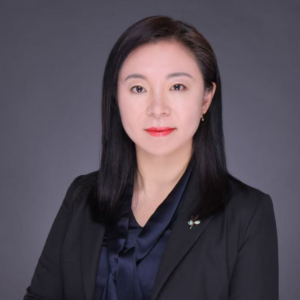
Feifei Teng
Market Transformation Manager
Roundtable on Sustainable Palm Oil
Feifei Teng
Roundtable on Sustainable Palm Oil
Market Transformation Manager
Ms. Feifei Teng joined the RSPO in August 2019 and successively served as the Country Representative of China and the market transformation manager. She works with multi-stakeholders in China to improve the awareness and leverage acceptance of sustainable palm oil, and transferring the market towards sustainability in the ways of corporations with stakeholders and various supply chain actors.
Before RSPO, Ms. Feifei served in the sustainability relevant functions in private sectors and international non-profit organisations for over 14 years. She is deeply diving in business sustainability and supply chain’s transparency, and wide knowledge on leveraging green financing tools to engage stakeholders and industry participants in the palm oil sector.
Ms. Feifei Teng has obtained a master’s degree from Fudan University and Melbourne University, and a certificate of completion of the course from MIT.
Speaking at 2026 sessions:
Day 1
Leveraging Credible Sustainability Systems for Resilient InvestmentsSupported by
ISEAL
ISEAL supports ambitious sustainability systems and their partners to tackle the world’s most pressing challenges. With our growing global network and focus on credible practices, we drive impact and make markets a force for good. Our convening power and thought leadership accelerate positive change on critical challenges, so companies and governments can meet their sustainability commitments.
Our sustainability goals for 2026:
- Inspire solutions to sustainability challenges to make a profound positive impact.
- Strengthen accuracy, reliability, and resilience to boost confidence in credible sustainability systems.
- Broaden the applicability of ISEAL’s credibility tools, bringing our expertise to a broader range of sustainability systems.
- Supporting effective use of sustainability systems, helping governments and business influencers to achieve their sustainability goals.
- Growing a dynamic ISEAL community, to facilitate learning and collaboration
Products, Services & Solutions:
- Charity/NGO
- Sustainability Services
General Enquiry Email Address: info@isealalliance.org
General Enquiry Phone Number: +44 (0) 20 3246 0066
With thanks to
Forest Stewardship Council – Asia Pacific
Booth E57
Healthy forests help life on Earth thrive. The Forest Stewardship Council® (FSC®) – a nonprofit organization that covers more than 150 million hectares of certified forests – provides the world’s most credible sustainable forestry solution, trusted by NGOs, consumers, and businesses to help promote healthy and resilient forests, for all, forever.
Equally governed by environmental, social, and economic perspectives, FSC helps forest managers, smallholders, and governments ensure thriving forest ecosystems and safeguard the livelihoods of forest communities. FSC’s forestry standards, linked to a strict chain of custody certification, are a proven solution to fight the climate and biodiversity crises. The FSC logo –found on millions of products worldwide – is the most recognized mark for responsible forestry.
Located in Hong Kong, at the center of the Asia Pacific region and its major supply and demand markets, FSC Asia-Pacific supports businesses and stakeholders with practical supply chain solutions. Our team guides companies through regulatory and compliance requirements while ensuring access to responsible, credible sourcing.
Our sustainability goals for 2026:
The FSC Global Strategy, developed by members and led by the International Board, sets the organization’s direction in five-year cycles. It emphasizes forest stewardship as the key to building resilient forests, which are essential to fighting climate change and biodiversity loss.
Instead of prescribing fixed actions, the strategy promotes collaborative and adaptive solutions to emerging challenges and opportunities.
By 2026, FSC aims to demonstrate the benefits of forest stewardship across 300 million hectares of certified area, including 50 million hectares of natural tropical forests and areas managed by smallholders.
Solutions Showcase:
- Charity – NGO
Legal Name: Forest Stewardship Council
General Enquiry Email Address: asiapacific@fsc.org
General Enquiry Phone Number: 6569 0992
General Business Address: 1 Tramway Path, Central, Hong Kong