
Innovation Stage
Innovation Stage
Day 1 – Thursday 10 Sept
The Day 1 programme highlights how digitalisation, automation, and data-driven decision-making can accelerate sustainability outcomes across Hong Kong’s real economy. Participants will explore practical applications of emerging technologies that optimise operations, improve resource efficiency, and strengthen long-term resilience. Through examples from across sectors, the programme demonstrates how smart systems can deliver measurable impact when aligned with organisational strategy and operational needs.
In partnership with
FinTech Association of Hong Kong
Asia’s Leading Independent FinTech Association
The FTAHK combines expertise, reach, influence and diversity thus enabling it to fully represent Hong Kong’s FinTech ecosystem in the city and internationally.
Its independence and organisation as not-for-profit ensure an unbiased approach to all activities, as well as a laser focus on what is relevant to the members and the community.
General Enquiry Email Address: events@ftahk.org
The Mills Fabrica
The Mills Fabrica is a global collaborative hub propelling sustainability-focused tech innovations within the techstyle and agrifood sectors. To innovators at various growth stages, it uniquely offers resources encompassing venture capital, incubation support, impact retail (Fabrica X), prototyping lab, co-working and event spaces in Hong Kong and London.
Our sustainability goals for 2026:
- Accelerating Scale for High-Impact Innovators: Channeling venture capital into techstyle and agrifood startups that align with the Stockholm Resilience Centre’s planetary boundaries framework.
- Expanding Supply Chain Ecosystem Partnerships: Deepening collaborations with global corporate brands through high-impact scouting initiatives—such as the Global Change Award and the Sustainability Innovation Challenge—to fast-track the commercial adoption and integration of sustainable technologies into upstream and downstream supply chains.
- Cultivating Conscious Consumption and Education: Utilising our impact retail store, Fabrica X, to act as experiential retail and educational touchpoint, translating complex sustainability knowledge into actionable insights to spark long-term consumer behavioral shifts.
General Enquiry Email Address: contact@themillsfabrica.com
General Enquiry Phone Number: 3979 2335
Supported by
ADVANTAGE AUSTRIA – Austrian Trade Commission
Booth R42-06
The Austrian Trade Commission in Hong Kong is part of the Austrian Federal Economic Chamber and ADVANTAGE AUSTRIA – Austria’s official trade promotion organization.
Since the establishment of the Hong Kong office in 1961, Austrian Trade Commissioners and their teams have been supporting and representing Austrian businesses in the region.
We provide a broad range of intelligence and business development services for Austrian companies and their international business partners. We organize B2B events, carry out market research and mediate as honest brokers. Breaking down market barriers and supporting and promoting Austrian companies and their products, technologies and solutions in the region is our mission.
Our sustainability goals for 2026:
The delegation comprises leading Austrian companies offering proven technologies directly aligned with the Northern Metropolis vision, including:
- Electric construction machinery for low-emission building processes
- Advanced laser and LiDAR technologies for smart city planning and monitoring
- AI-based platforms for intelligent and resilient design
- Global market leaders in cross-laminated timber (CLT) for sustainable large-scale construction
- Innovative energy-efficient and environmentally friendly insulation systems
Solutions Showcase:
- Strategic/Corporate Consultancy
- Sustainability Services
- Sustainable Products
- Technology & Innovation
- Waste Reduction & Recycling Management
Legal Name: Austrian Trade Commission
General Enquiry Email Address: hongkong@advantageaustria.org
General Enquiry Phone Number: 25222388
General Business Address: 13/F, Diamond Exchange Building, 8 – 10 Duddell Street, Central, Hong Kong
Hong Kong Metropolitan University
Booth L37
Established by the Hong Kong Government in 1989 for distance education, HKMU began full-time programmes in 2001. It has grown into a leading open and flexible education provider in the Asia Pacific, offering full-time face-to-face degrees comparable to established Hong Kong universities. Today, HKMU is a dynamic, full-fledged university.
Solutions Showcase:
- Education/Training/Certification
- Strategic/Corporate Consultancy
- Technology & Innovation
Legal Name: Hong Kong Metropolitan University


Sphera Solutions Inc.
Booth IP-04
Sphera is the Operational Intelligence Platform, unifying risk, safety, and sustainability insights into connected, actionable intelligence. Powered by Sphera AI, the platform brings together EHS, sustainability, product stewardship and supply chain data to create a single, enterprise-wide view of risk. Built on trusted, proprietary data and deep industry and regulatory expertise, it delivers the visibility and control organizations need to act with confidence. Organizations operating in complex, high-risk environments rely on Sphera to gain a complete view of risk that enables informed, defensible decisions, more resilient operations, and improved operational performance.
Legal Name: Sphera Solutions Inc.
Meet our 2026 speakers:
Team Sweden
Booth H10

Team Sweden Hong Kong is a collaborative effort between the Consulate General of Sweden, the Swedish Chamber of Commerce, and Business Sweden. Together, we promote Swedish interests, innovation, and sustainability in Hong Kong.
Legal Name: Team Sweden
General Enquiry Email Address: chamber@swedcham.com.hk
The Chinese University of Hong Kong
Booth F35
Founded in 1963, The Chinese University of Hong Kong (CUHK) is a forward-looking comprehensive research university with a global vision and a mission to combine tradition with modernity, and to bring together China and the West. CUHK teachers and students hail from all around the world. CUHK graduates are connected worldwide through an extensive alumni network. CUHK undertakes a wide range of research programmes in many subject areas, and strives to provide scope for all academic staff to undertake consultancy and collaborative projects with industry. The University’s insistence on the highest standards of research has won it an enviable research reputation. Hong Kong’s University Grants Committee (UGC) provides preferential grant funding to the local tertiary institutions to conduct research into 38 selected Areas of Excellence (AoEs). Fifteen of these AoEs are being led by researchers from CUHK. The University houses four state key laboratories which are entrusted by the Ministry of Science and Technology of China to produce research of international quality and carry out important national research tasks. The University also has an excellent record of published research, both in discipline-specific journals and in more high-profile publications such as Science, Nature, and The Lancet.
General Enquiry Email Address: ktevents@cuhk.edu.hk
General Enquiry Phone Number: 39430636
Meet our 2026 speakers:
11:00 – 11:50
Artificial Intelligence is accelerating sustainability efforts — from optimizing energy grids to enhancing ESG data analytics — yet its own environmental footprint is growing at an alarming rate. Global data centre electricity consumption is projected to double by 2030, driven largely by AI workloads. This panel brings together industry leaders to examine how organisations can harness AI as a powerful enabler of their sustainability agendas while responsibly managing the technology’s energy demands, carbon emissions, and e-waste implications. Panellists will explore practical governance frameworks, emerging regulatory expectations, and collaborative approaches that ensure AI deployment advances — rather than undermines — corporate Net Zero commitments. The session offers actionable insights for business leaders seeking to align digital transformation with credible environmental stewardship.
Session Learnings:
- Recognise the sustainability paradox of AI — understanding both its capacity to drive ESG improvements (e.g., predictive analytics, supply chain optimisation, climate modelling) and its significant environmental costs, including surging energy consumption and water usage from data centres.
- Identify governance and disclosure expectations — gaining awareness of emerging regulatory trends requiring companies to measure and report the environmental impact of their digital infrastructure, and how these intersect with existing ESG reporting frameworks (ISSB, HKEX climate rules).
- Evaluate practical strategies for responsible AI adoption — learning how leading organisations are procuring renewable energy for data centres, selecting energy-efficient AI models, and embedding sustainability criteria into technology procurement decisions.
- Engage cross-functional stakeholders effectively — understanding how to build internal alignment between IT, sustainability, finance, and board-level leadership to ensure AI investments are assessed through an ESG lens from inception.
- Leverage collaborative industry action — discovering how sector-wide initiatives, green fintech solutions, and public-private partnerships can accelerate the development of sustainable AI infrastructure across Asia.
Post-Event Actions:
After attending this session, delegates are encouraged to:
- Conduct an AI-Energy Baseline Assessment — Map your organisation’s current and projected AI and data centre energy consumption to understand its contribution to your overall carbon footprint (Scope 2 and Scope 3).
- Integrate Digital Carbon into ESG Reporting — Work with your sustainability and IT teams to incorporate AI-related environmental metrics into your next ESG disclosure cycle, aligning with HKEX and ISSB requirements.
- Establish an AI Sustainability Governance Framework — Propose or strengthen internal policies that require environmental impact assessments before deploying new AI systems or scaling existing ones, ensuring board-level oversight.
- Engage Your Technology Vendors — Initiate conversations with cloud providers, AI platform vendors, and data centre operators about their renewable energy commitments, Power Usage Effectiveness (PUE) metrics, and sustainability roadmaps.
- Join or Form Industry Working Groups — Connect with FTAHK, peer organisations, or green fintech networks to share best practices, benchmark performance, and collectively advocate for sustainable AI standards in the region.
Supported by
FinTech Association of Hong Kong
Asia’s Leading Independent FinTech Association
The FTAHK combines expertise, reach, influence and diversity thus enabling it to fully represent Hong Kong’s FinTech ecosystem in the city and internationally.
Its independence and organisation as not-for-profit ensure an unbiased approach to all activities, as well as a laser focus on what is relevant to the members and the community.
General Enquiry Email Address: events@ftahk.org
11:50 – 12:05
Join Sphera and Johnson Electric to learn how they partnered to build a strong global sustainability reporting foundation through Scope 3 emissions measurement, climate risk modelling, double materiality assessments, and readiness for CSRD and IFRS reporting as well as evolving global sustainability reporting requirements. Hear the lessons learned and best practices that helped Johnson Electric build a resilient reporting program prepared for today’s needs and tomorrow’s regulatory changes.
Session Learnings:
- Learn best practices in building a reporting program that’s ready for IFRS, HKEX and CSRD
- Hear real-world lessons from Johnson Electric’s sustainability transformation with Sphera’s sustainability experts.
- Walk away with practical steps to strengthen your sustainability strategy, reporting, and governance.
Post-Event Actions:
- Develop programs around climate mitigation, adaptation and sustainability assessments to be prepared for future reporting requirements
- Prioritize the foundational capabilities needed for a resilient sustainability program.
- Create a roadmap that connects reporting, climate strategy, and long-term business value.
Speakers
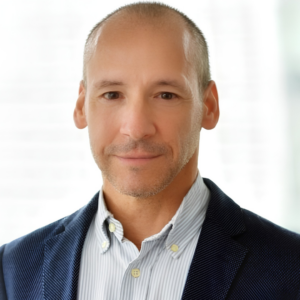
Fernando Lopes
Head of Sustainability and EH&S
Johnson Electric

Fernando Lopes
Johnson Electric
Head of Sustainability and EH&S
Fernando Lopes is a seasoned sustainability and EHS (Environment, Health & Safety) leader with over 25 years of global experience across the automotive and manufacturing sectors. Currently serving as Head of Sustainability and EHS at Johnson Electric in Hong Kong, Fernando has spearheaded transformative initiatives that align corporate strategy with international sustainability frameworks, including the UN Global Compact, GRI, SASB, and the Science Based Targets initiative.
Since joining Johnson Electric in 2021, Fernando has led the company through a remarkable sustainability transformation. Under his leadership, Johnson Electric achieved 100% renewable electricity usage across all global operations by FY25/26 — a milestone reached a full decade ahead of the Science Based Targets initiative (SBTi) schedule. The company earned recognition from EcoVadis, in ranking in the top 1% among their industry, and was most recently awarded Standard & Poor’s highest sustainability ranking among Chinese auto component companies. These achievements reflect Fernando’s strategic vision and commitment to embedding sustainability into every facet of the organization.
Throughout his career — notably during his tenure at Delphi Technologies — Fernando has led multidisciplinary teams across 55 global sites, driving measurable improvements in safety culture, emissions reduction, and sustainability reporting. His leadership resulted in industry-leading benchmarks, including a Lost Workday Rate 27 times lower than the EU average and recognition from CDP, Ecovadis, and other global rating agencies.
Fernando holds a Master of Science in Electronics and Telecommunications Engineering and multiple certifications in sustainability and EHS auditing. Fluent in Portuguese, English, and Spanish, he brings a multicultural perspective to his work and is passionate about embedding sustainability into core business operations to create long-term value.
Speaking at 2026 sessions:
Day 1
Sphera & Johnson Electric: Preparing for the Future of Global Sustainability Reporting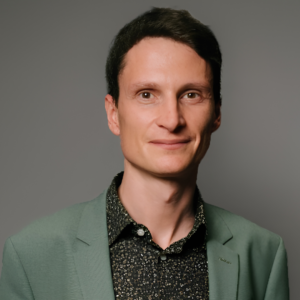
Stefan Premer
Senior Director, Consulting
Sphera Solutions Inc.
Stefan Premer
Sphera Solutions Inc.
Senior Director, Consulting
Stefan Premer is Senior Director within Sphera’s Consulting Organization, where he leads the Corporate Sustainability Consulting department. He manages teams focused on ESG and corporate sustainability strategy, advising organizations on evolving sustainability requirements, regulatory developments, and reporting frameworks such as CSRD and IFRS.
Stefan has deep expertise in climate strategy development and corporate carbon accounting, including quantified transition planning and climate risk modelling. He has supported companies in developing and operationalizing sustainability strategies, automating sustainability processes, and implementing large-scale strategic sustainability projects across sectors.
At present, Stefan is an ISO committee member for “Quantification and reporting of greenhouse gas emissions and removals at organizational level,” contributing to the GHG Protocol update, as well as “Greenhouse gas and climate change management and related activities – Mitigation.”
Stefan is based in Zürich, Switzerland, and holds an M.Sc. in Business Administration, specializing in Strategy and Management in International Organizations, from Linköping University in Sweden.
With thanks to
Sphera Solutions Inc.
Booth IP-04
Sphera is the Operational Intelligence Platform, unifying risk, safety, and sustainability insights into connected, actionable intelligence. Powered by Sphera AI, the platform brings together EHS, sustainability, product stewardship and supply chain data to create a single, enterprise-wide view of risk. Built on trusted, proprietary data and deep industry and regulatory expertise, it delivers the visibility and control organizations need to act with confidence. Organizations operating in complex, high-risk environments rely on Sphera to gain a complete view of risk that enables informed, defensible decisions, more resilient operations, and improved operational performance.
Legal Name: Sphera Solutions Inc.
Meet our 2026 speakers:
14:20 – 14:50
Electrification is transforming transport, but the future of mobility depends on much more than vehicles alone. This session brings together leading Swedish innovators to explore how transport, energy, infrastructure, and design must work together to create mobility systems that are efficient, accessible, and sustainable.
From (Candela) electric hydrofoil ferries and next-generation public transport (Volvo Busses) to the infrastructure needed to support them, the discussion will focus on practical solutions that are already shaping how people move through cities and regions.
Through real-world examples and lessons learned, the session will explore what becomes possible when mobility is designed around people rather than vehicles, and how innovation can create cleaner, smarter, and more connected communities.
Session Learnings:
- Gain insights into how transport, energy, and infrastructure must work together to enable sustainable mobility at scale.
- Learn how Swedish companies are developing innovative mobility solutions across land and water transportation.
- Understand the opportunities and challenges involved in scaling electrified and low-emission transport systems.
- Explore how people-centred mobility can improve connectivity, accessibility, and quality of life in cities and communities.
- Discover practical examples of collaboration between industry, infrastructure providers, and other stakeholders driving the mobility transition.
Post-Event Actions:
- Re-evaluate mobility challenges through a systems perspective, considering the connections between transport, energy, infrastructure, and user needs.
- Identify opportunities to accelerate sustainable mobility initiatives within their own organisations, cities, or projects.
- Explore new partnerships and collaborations that can support the development of integrated mobility solutions.
- Consider how mobility investments can deliver broader benefits, including improved accessibility, efficiency, and quality of life.
- Apply lessons from Swedish innovation and real-world case studies to future mobility and infrastructure planning
Supported by
Team Sweden
Booth H10
Team Sweden Hong Kong is a collaborative effort between the Consulate General of Sweden, the Swedish Chamber of Commerce, and Business Sweden. Together, we promote Swedish interests, innovation, and sustainability in Hong Kong.
Legal Name: Team Sweden
General Enquiry Email Address: chamber@swedcham.com.hk
14:50 – 15:20
The delegation brings together Austria’s leading innovators with proven, future-ready technologies driving the global vision. Their expertise spans low-emission electric construction machinery, advanced laser and LiDAR solutions for smart city planning, and AI-driven platforms enabling resilient and intelligent design. Complementing this, the group includes global leaders in cross-laminated timber (CLT) for sustainable large-scale construction, as well as innovative insulation systems focused on energy efficiency and environmental performance.
Session Learnings:
Get to know more about the Austrian Trusted Expertise
infrared.city is an AI-powered platform that delivers instant, real-time climate simulations to support fast, evidence-based adaptation decisions.
KLH Massivholz GmbH is a market leader in large-format cross-laminated timber, supplying its globally used KLH®–CLT elements for walls, floors, and roofs.
Liebherr-Werk Nenzing GmbH has established itself as an innovation leader worldwide. The portfolio of construction machines includes crawler cranes and duty cycle crawler cranes, as well as piling and drilling rigs. Digital solutions and services for the construction site of the future complete the product range.
The innovative mineral foam sets new standards in cost-effectiveness and sustainability by providing fully developed solutions for efficient and environmentally friendly building insulation.
Innovative 3D laser scanning solutions for Mobile, Terrestrial, Aerial, Industrial and Unmanned applications.
Post-Event Actions:
- Convert event interest into concrete partnerships through targeted follow-ups, demos, and technical consultations.
- Advance discussions toward pilot projects and feasibility assessments with key stakeholders.
- Provide tailored technical documentation, performance data, and sustainability insights to support decisions.
- Deliver hands-on engagement via workshops, site visits, and product demonstrations.
- Guide partners from initial contact to implementation with customized, solution-oriented support.
Speakers
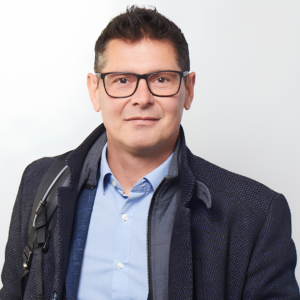
Roland Aistleitner
Manager Sales & Business Development
Miralis

Roland Aistleitner
Miralis
Manager Sales & Business Development
Roland Aistleitner is Manager Sales & Business Development at Miralis GmbH, an Austrian company specializing in sustainable mineral insulation solutions for the construction industry. With extensive experience in international business development, he focuses on market expansion, strategic partnerships, and the implementation of innovative, high-performance insulation materials.
His work focuses on the intersection of technical product requirements and market needs, particularly in the field of sustainable construction. He is involved in in projects across Europe and the Middle East, supporting partners in the application of mineral-based insulation systems.
As a speaker, he shares practical insights on sustainable building technologies, market trends, and the future of mineral-based insulation materials, with a focus on performance, compliance, and environmental impact.
My Sustainability Goals for 2026:
- Buildings with best possible insulation materials to consume less energy.
- Buildings with less CO2 consumption during their life cycle.
- Usage of mineral insulation materials
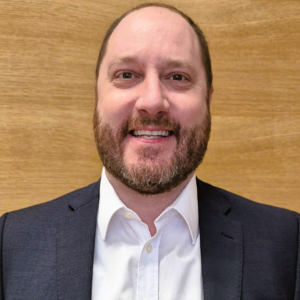
Thomas Grossteiner
Area Manager Southeast Asia / Australia / New Zealand
KLH Massivholz GmbH

Thomas Grossteiner
KLH Massivholz GmbH
Area Manager Southeast Asia / Australia / New Zealand
Master’s Degree in Wood Technology and Management from BOKU University Vienna, including an exchange semester in Materials Science and Engineering at Michigan Technological University.
More than 10 years of international sales experience with a leading Austrian wood furniture manufacturer.
Passionate about engineered wood construction and driven by the challenge of developing new markets, building strong partnerships, and advancing sustainable building solutions worldwide.
My Sustainability Goals for 2026:
- Dedicated to advancing sustainable development through innovation, education, and responsible resource management.
- Strong advocate for the use of renewable, circular, and low-carbon materials in modern construction and manufacturing.

Kam-ngai Kwok
Sales and Support Manager
RIEGL Asia Pacific Limited
Kam-ngai Kwok
RIEGL Asia Pacific Limited
Sales and Support Manager
Kwok Kam Ngai is a Registered Professional Surveyor and geospatial technology specialist at RIEGL Asia Pacific. Through advanced laser scanning solutions, he helps capture critical data across natural landscapes, built environments, and even underwater ecosystems. At ReThink HK, Kwok will explore how high-quality spatial data enables smarter planning, sustainable infrastructure, and more informed decisions for building resilient, future-ready communities.
My Sustainability Goals for 2026:
- Make cities and human settlements inclusive, safe, resilient and sustainable
- Conserve and sustainably use the oceans, seas and marine resources for sustainable development
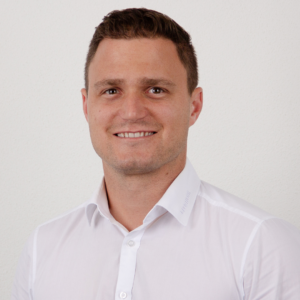
Adrian Tuertscher
Sales Manager Crawler Cranes
Liebherr-Werk Nenzing GmbH

Adrian Tuertscher
Liebherr-Werk Nenzing GmbH
Sales Manager Crawler Cranes
Sales Manager for Crawler Cranes at Liebherr Werk Nenzing GmbH with a focus on the East and Southeast Asia market.
My Sustainability Goals for 2026:
- Accelerate the adoption of low- and zero-emission construction equipment.
- Improve sustainability without compromising productivity and economic viability.
- Promote long-lasting technology with a lower environmental footprint over the full lifecycle.
With thanks to
ADVANTAGE AUSTRIA – Austrian Trade Commission
Booth R42-06
The Austrian Trade Commission in Hong Kong is part of the Austrian Federal Economic Chamber and ADVANTAGE AUSTRIA – Austria’s official trade promotion organization.
Since the establishment of the Hong Kong office in 1961, Austrian Trade Commissioners and their teams have been supporting and representing Austrian businesses in the region.
We provide a broad range of intelligence and business development services for Austrian companies and their international business partners. We organize B2B events, carry out market research and mediate as honest brokers. Breaking down market barriers and supporting and promoting Austrian companies and their products, technologies and solutions in the region is our mission.
Our sustainability goals for 2026:
The delegation comprises leading Austrian companies offering proven technologies directly aligned with the Northern Metropolis vision, including:
- Electric construction machinery for low-emission building processes
- Advanced laser and LiDAR technologies for smart city planning and monitoring
- AI-based platforms for intelligent and resilient design
- Global market leaders in cross-laminated timber (CLT) for sustainable large-scale construction
- Innovative energy-efficient and environmentally friendly insulation systems
Solutions Showcase:
- Strategic/Corporate Consultancy
- Sustainability Services
- Sustainable Products
- Technology & Innovation
- Waste Reduction & Recycling Management
Legal Name: Austrian Trade Commission
General Enquiry Email Address: hongkong@advantageaustria.org
General Enquiry Phone Number: 25222388
General Business Address: 13/F, Diamond Exchange Building, 8 – 10 Duddell Street, Central, Hong Kong
16:40 – 17:00
Hong Kong Metropolitan University (HKMU) showcase brings together two pioneering innovation teams with proven, future-ready technologies driving the global vision for sustainable cities. Their expertise features AI-driven digitalised protech solutions that revolutionise property security and facility management, transitioning traditional logbooks into paperless workflows to empower frontline resources and reduce waste.
Parallel to these digital advancements, the presentation highlights innovations in urban biodiversity and ecological conservation, introducing humane live bee relocation and corporate “bee hotels” to replace chemical pest control.
Together, these two distinct pillars of modern property management demonstrate how sustainability and innovation & technology converge. The two teams collectively demonstrate how property management can evolve into a greener, smarter practice — optimising operational efficiency while championing vital environmental stewardship.
Session Learnings:
Get to know more about HKMU’s innovation team:
Beetales Limited
Beetales is a Hong Kong-based social enterprise dedicated to sustainable urban beekeeping and biodiversity. It focuses on replacing traditional extermination methods with humane bee rescue and relocation services, while simultaneously fostering environmental stewardship through public educational workshops and vocational training. By producing local honey-based goods, such as mead and skincare, they aim to revitalize the beekeeping industry and promote a more harmonious coexistence between urban communities and local pollinators.
Smart Patrol King Limited
Patrol King is a Hong Kong-based technology company that provides a digitised, smart patrol and facility inspection system designed to replace traditional paper-based logs for property management. Utilising patented Bluetooth positioning combined with triple-verification (QR code, beacon, and GPS), the platform eliminates data falsification, tracks guard locations in real time, and allows security personnel to conduct equipment checks during their rounds. Supported by HKMU, the system helps property managers streamline operations, reduce labor hours, and enhance frontline worker safety through integrated SOS alerts.
Post-Event Actions:
- Conduct reviews of outdoor corporate areas and operational workflows to uncover hidden environmental and human costs, while identifying opportunities for greener, more efficient practices.
- Roll out small-scale Proof of Concept projects in selected facilities or departments to test new sustainability and digital solutions in a controlled environment, before scaling across the organisation.
- Digitise manual facility inspections to improve operational data accuracy, safety, and overall efficiency.
- Adopt ecological maintenance alternatives to replace chemical pest control and boost corporate ESG metrics.
- Initiate partnerships with innovation teams to pilot sustainable technology and biodiversity solutions within facilities.
- Leverage integrated sustainability and tech milestones to strengthen your organization’s long-term ESG narrative.
Speakers

Pui Wa Kong
Director
Beetales Limited

Pui Wa Kong
Beetales Limited
Director
Who says bee rescue is only for tough guys with chemical sprays? As one of the few young female founders in Hong Kong’s ecological sector, Jill Kong is redefining urban wildlife management and green education. She founded Beetales to prove that cities and nature can coexist through science, empathy, and strategic corporate partnerships. From squeezing into tight urban corners for live bee relocation to collaborating with major property developers and MNCs on urban biodiversity projects, Jill brings a fresh, dynamic, and commercial-savvy perspective to urban ecology. She specialized in turning feared insects into community favorites and driving impactful B2B sustainability collaborations that create a real buzz.
My Sustainability Goals for 2026:
1. To shake up Hong Kong’s pest control culture—making “Live Bee Relocation” the trendy and default first-choice for property managers, instead of chemical extermination.
2. To bridge the gap between grassroots conservation and corporate ESG by co-creating scalable, commercially viable urban biodiversity solutions with corporate partners.
3. To mainstream ecology by integrating interactive biodiversity education into mainstream corporate wellness and CSR programs across Hong Kong.
Speaking at 2026 sessions:
Day 1
Greener Property Management Futures: Innovating for Sustainable Cities through Urban Biodiversity and AI-Driven Operations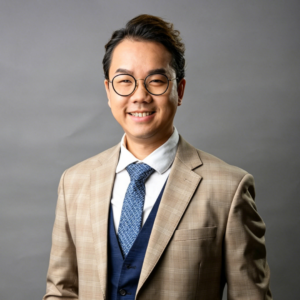
Pak Hang Chan
Sales Director
Smart Patrol King Limited

Pak Hang Chan
Smart Patrol King Limited
Sales Director
Endy Chan Pak Hang Co-Founder & Project Lead, Smart Patrol King Limited.
Endy Chan is a PropTech innovator and the Co-Founder of Smart Patrol King Limited, an enterprise security SaaS company dedicated to modernizing facility management and frontline operations. As the Project Lead, Endy specializes in integrating Generative AI and patented IoT technologies to transform traditional, paper-based workflows into smart, data-driven systems.
My Sustainability Goals for 2026:
- Widespread Adoption of Paperless Property Management
- AI-Driven Energy Efficiency in High-Density Buildings
- Digital Inclusion and Safety for the Aging Frontline Workforce
Speaking at 2026 sessions:
Day 1
Greener Property Management Futures: Innovating for Sustainable Cities through Urban Biodiversity and AI-Driven OperationsWith thanks to
Hong Kong Metropolitan University
Booth L37
Established by the Hong Kong Government in 1989 for distance education, HKMU began full-time programmes in 2001. It has grown into a leading open and flexible education provider in the Asia Pacific, offering full-time face-to-face degrees comparable to established Hong Kong universities. Today, HKMU is a dynamic, full-fledged university.
Solutions Showcase:
- Education/Training/Certification
- Strategic/Corporate Consultancy
- Technology & Innovation
Legal Name: Hong Kong Metropolitan University
17:10 – 17:40
Delivering Hong Kong’s climate ambitions requires more than pledges — it requires deployable, investable and scalable solutions. This session brings together four CUHK spinouts translating frontier research into practical tools for decarbonisation, resilience and sustainable growth.
From sulfur-based long-duration energy storage supporting renewable integration, data centres and EV infrastructure, to low-carbon bio-based packaging materials replacing plastics, climate-resilient marine probiotics strengthening sustainable aquaculture, and AI-powered participatory planning platforms advancing nature-based urban solutions — the speakers will demonstrate how research-led ventures are addressing real ESG and operational challenges.
Designed for sustainability leaders, asset owners, developers and policymakers, this session focuses on implementation: commercialization pathways, pilot case studies, partnership models and measurable environmental outcomes that can accelerate Hong Kong’s transition to a low-carbon, climate-resilient economy.
Session Learnings:
- How emerging climate technologies are moving from lab validation to commercial deployment in Hong Kong and Asia
- Practical applications of long-duration energy storage for renewable integration, data centres and built environments
- Scalable alternatives to conventional plastics through next-generation bio-material innovation
- Science-backed solutions that enhance aquaculture resilience and food security under climate stress
- How AI-enabled participatory platforms support nature-positive urban development and ESG reporting
Post-Event Actions:
- Identify pilot and demonstration opportunities within property portfolios, supply chains or infrastructure projects
- Integrate university-developed climate technologies into corporate decarbonisation roadmaps
- Form strategic partnerships with research spinouts to accelerate ESG targets
- Evaluate investment and procurement pathways for early-stage climate innovation
- Embed science-based, measurable sustainability solutions into long-term business strategy
Speakers
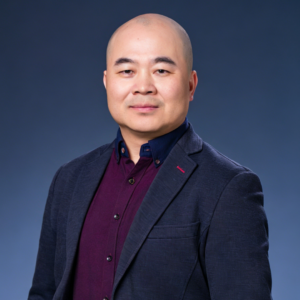
Prof. Haiwei Luo
Associate Professor
PersistBio
Prof. Haiwei Luo
PersistBio
Associate Professor
Professor Haiwei Luo is a marine microbiologist and evolutionary biologist at The Chinese University of Hong Kong. He has over a decade of research experience in microbial evolutionary biology and host-microbe interactions, and has published more than 70 research articles in leading journals including Proceedings of the National Academy of Sciences USA, Nature Ecology & Evolution, Nature Microbiology, Nature Communications,
The ISME Journal, and Molecular Biology and Evolution. He has developed a patented probiotic that persists in marine invertebrates for the entire monitoring period (8 months) in a natural marine environment after a single application, conferring enhanced thermal tolerance to marine invertebrate during natural thermal events. The same probiotic technology improves growth and immune function in commercially valuable species including oysters and mussels, supporting both food security and sustainable aquaculture. Professor Luo is a co-founder of PersistBio Ltd., a Hong Kong company commercialising persistent probiotic solutions for marine conservation and aquaculture. His work demonstrates how marine microbiology and evolutionary biology can deliver tangible tools for climate resilience, biodiversity protection, and sustainable food production.
My Sustainability Goals for 2026:
- Greater awareness and openness to marine probiotics: I hope to see Hong Kong’s conservation and aquaculture sectors become more receptive to innovative, science-based solutions that protect marine life and support sustainable food production.
- Stronger bridge between research and commercial application: I want to see more university research products translated into real-world solutions through Hong Kong startups, supported by government schemes and industry partnerships, so that scientific breakthroughs reach the people and ecosystems that need them.
- Recognition of aquaculture as a climate solution: I hope Hong Kong positions sustainable shellfish aquaculture as part of the city’s climate resilience and food security agenda, creating regulatory and financial pathways for innovation that reduces the sector’s environmental footprint while protecting livelihoods.
Speaking at 2026 sessions:
Day 1
Scaling Climate Innovation: From University Breakthroughs to Market-Ready Solutions
Dr. Provides Ng
Founder
Digital Common(s) Lab

Dr. Provides Ng
Digital Common(s) Lab
Founder
Provides Ng is an architectural designer and researcher investigating how digital technologies can foster more participatory and inclusive urban environments. Her work sits at the intersection of sustainability, artificial intelligence (AI), and civic engagement, with a focus on empowering diverse communities to shape future cities.
She is a Lecturer at the Bartlett School of Architecture, UCL, and completed her PhD research at The Chinese University of Hong Kong. She is also the founder of the Digital Common(s) Foundation, an initiative that bridges sustainability, AI, and youth engagement by connecting policymakers, architects, students, and community members to collaboratively address climate equity and develop nature-based solutions through interdisciplinary and intergenerational dialogue.
Over the past few years, the initiative has engaged more than 180 citizens and professionals, generating over 30 sustainable urban development proposals for its Idea Bank—a numerical database that transforms qualitative urban insights into machine-readable, BIM-compatible formats, turning participatory design into participatory intelligence. Their “nature-as-client” approach has received global recognition, including being named one of 15 Global Finalists at the Falling Walls Science Summit during Berlin Science Week 2025.
In addition to her academic and entrepreneurial work, Provides actively contributes to public policy and professional communities. She advises the Hong Kong government on cultural affairs, serves as a panel member for the Development Bureau and the Leisure and Cultural Services Department (LCSD), holds the position of Treasurer at the Association for Computer-Aided Architectural Design Research in Asia (CAADRIA), and is an Associate Member of the Hong Kong Institute of Architects (HKIA).
Her international research experience spans Hong Kong, the United Kingdom, Germany, and Russia. She is also a founding member of two international research collectives, Current.cam and REAr_, whose AI-driven explorations in cinematic technologies and bio-inspired design have been exhibited internationally, including at the Rijksmuseum Twenthe and the Multimedia Art Museum Moscow.
My Sustainability Goals for 2026:
- Education: Rebuilding interdisciplinary and intercultural literacy that reunites sustainability, AI, and the new generation.
- Action: Driving individual behavioural change into community-led practice that becomes city-wide collective intelligence.
- Talents: Funding a new generation of eco-entrepreneurs through design thinking and “nature-as-client” that shifts the foundation of our consumerist market.
- Futurism: Combining real world problems with imaginative wild cards, we speculate how algorithmic logic and nature-based solutions can co-evolve, from Northern Metropolis to Island South.
Speaking at 2026 sessions:
Day 1
Scaling Climate Innovation: From University Breakthroughs to Market-Ready Solutions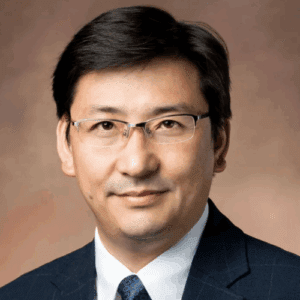
Prof. To NGAI
Director and Chief Scientific Advisor
BactOPack Limited

Prof. To NGAI
BactOPack Limited
Director and Chief Scientific Advisor
Prof. To NGAI is a Professor of Chemistry and Assistant Dean (Research) in the Faculty of Science at The Chinese University of Hong Kong (CUHK), as well as a Fellow of the Royal Society of Chemistry. He earned his B.Sc. (1999) and Ph.D. (2003) at CUHK, specializing in polymer interactions, before postdoctoral appointments at BASF (Germany) and the University of Minnesota. Returning to CUHK in 2006, he advanced from Research Assistant Professor to Full Professor in 2017. His research spans colloids, polymers, surface chemistry, and soft matter. Prof. Ngai has published over 270 papers, with more than 12,000 citations and an h-index of 58 (Google Scholar). His achievements include the CSJ Lectureship Award (2020) and the Paul J. Flory Research Prize (2023, Polychar World Forum, Nice). Since March 2026, he has served as Senior Editor of Langmuir (ACS).
Prof. NGAI is the Director and Chief Scientific Advisor of O-Spheres Limited, a start-up he founded in 2022 with support from the Innovation and Technology Commission’s “Technology Start-up Support Scheme for Universities (TSSSU)”. The company aims to commercialise technologies developed at CUHK, offering bespoke eco-solutions to address global environmental challenges through sustainability-driven innovation in materials science. O-Spheres was admitted to the HKSTP Incubation Programme in 2022 to accelerate product development and market entry.
In 2024, Professor Ngai founded BactOPack Limited, a pioneering venture dedicated to unlocking the potential of next-generation bio-based eco-materials for use in packaging and vegan leather. Through cutting-edge eco-technological research, BactOPack is redefining sustainable packaging with scalable, low-carbon materials designed to meet the demands of a greener future.
My Sustainability Goals for 2026:
- Empower Sustainable Lifestyles: Promote widespread access to eco-friendly products in Hong Kong, helping individuals and communities make informed, sustainable choices.
- Expand Partnerships for Impact: Grow networks to accelerate real-world innovation, delivering wider environmental and societal benefits.
Speaking at 2026 sessions:
Day 1
Scaling Climate Innovation: From University Breakthroughs to Market-Ready Solutions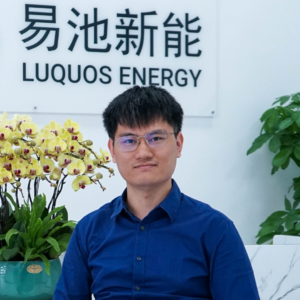
Dr. Simon Zengyue Wang
CEO
Luquos Energy Limited
Dr. Simon Zengyue Wang
Luquos Energy Limited
CEO
Dr. Zengyue Wang received his bachelor’s degree in 2015 and his doctorate in 2021 from the Department of Mechanical Engineering and Automation at the Chinese University of Hong Kong. His research has focused on the development of safe and sustainable energy storage technologies.
In 2020, Dr. Wang founded Luquos Energy Limited in Hong Kong to commercialize safe, low-cost, and environmentally friendly sulfur-based flow battery technology for long-duration energy storage. Under his leadership, the company has successfully developed key materials and core battery components, completed pilot-scale production, and deployed multiple demonstration projects in Hong Kong and Mainland China.
Luquos Energy’s sulfur-based flow battery technology aims to provide a safe, scalable, and sustainable solution for large-scale renewable energy integration, industrial energy storage, and microgrid applications. The company is actively expanding its global collaboration network and exploring market opportunities in regions such as Hong Kong, Mainland China and the Middle East, supporting the transition toward a more resilient and low-carbon energy system.
My Sustainability Goals for 2026:
- Accelerate the adoption of safe, affordable long-duration energy storage to support renewable energy, data centres and EV charging infrastructure in Hong Kong.
- Turn more buildings, farms, campuses and industrial sites into green-energy hubs, making sustainability visible and practical for the public.
- Strengthen Hong Kong’s role as a green technology hub by helping university innovations move faster from research to commercial deployment across Asia.
Speaking at 2026 sessions:
Day 1
Scaling Climate Innovation: From University Breakthroughs to Market-Ready SolutionsWith thanks to
The Chinese University of Hong Kong
Booth F35
Founded in 1963, The Chinese University of Hong Kong (CUHK) is a forward-looking comprehensive research university with a global vision and a mission to combine tradition with modernity, and to bring together China and the West. CUHK teachers and students hail from all around the world. CUHK graduates are connected worldwide through an extensive alumni network. CUHK undertakes a wide range of research programmes in many subject areas, and strives to provide scope for all academic staff to undertake consultancy and collaborative projects with industry. The University’s insistence on the highest standards of research has won it an enviable research reputation. Hong Kong’s University Grants Committee (UGC) provides preferential grant funding to the local tertiary institutions to conduct research into 38 selected Areas of Excellence (AoEs). Fifteen of these AoEs are being led by researchers from CUHK. The University houses four state key laboratories which are entrusted by the Ministry of Science and Technology of China to produce research of international quality and carry out important national research tasks. The University also has an excellent record of published research, both in discipline-specific journals and in more high-profile publications such as Science, Nature, and The Lancet.
General Enquiry Email Address: ktevents@cuhk.edu.hk
General Enquiry Phone Number: 39430636
Meet our 2026 speakers:
Day 2 – Friday 11 Sept
Day 2 showcases the technologies and business models driving Hong Kong’s climate-adaptation and decarbonisation efforts. Attendees will explore innovations in environmental intelligence, risk analytics, materials science, and low-carbon technologies, with a focus on scalable, commercially ready solutions. The programme highlights how applied innovation can strengthen resilience, support compliance with evolving standards, and open new economic opportunities for businesses.
In partnership with
Artificial Intelligence Association of Hong Kong
Meet our 2026 speakers:
The Mills Fabrica
The Mills Fabrica is a global collaborative hub propelling sustainability-focused tech innovations within the techstyle and agrifood sectors. To innovators at various growth stages, it uniquely offers resources encompassing venture capital, incubation support, impact retail (Fabrica X), prototyping lab, co-working and event spaces in Hong Kong and London.
Our sustainability goals for 2026:
- Accelerating Scale for High-Impact Innovators: Channeling venture capital into techstyle and agrifood startups that align with the Stockholm Resilience Centre’s planetary boundaries framework.
- Expanding Supply Chain Ecosystem Partnerships: Deepening collaborations with global corporate brands through high-impact scouting initiatives—such as the Global Change Award and the Sustainability Innovation Challenge—to fast-track the commercial adoption and integration of sustainable technologies into upstream and downstream supply chains.
- Cultivating Conscious Consumption and Education: Utilising our impact retail store, Fabrica X, to act as experiential retail and educational touchpoint, translating complex sustainability knowledge into actionable insights to spark long-term consumer behavioral shifts.
General Enquiry Email Address: contact@themillsfabrica.com
General Enquiry Phone Number: 3979 2335
Supported by


DFI Retail Group
Booth E40
DFI Retail Group is a leading Asian retailer, driven by its purpose to “Sustainably Serve Asia for Generations with Everyday Moments”. DFI and its associates operate over 7,500 outlets across 12 markets, with a portfolio of well-known brands across five formats: health and beauty, convenience, food, home furnishings, and restaurants.
Our sustainability goals for 2026:
- Accelerate decarbonisation across our operations and value chain to support the transition to a low-carbon future.
- Expand access to affordable, healthier and more sustainable choices that empower customers to live more sustainably.
- Advance circularity by reducing waste, improving diversion, and increasing resource efficiency.
- Strengthen sustainability awareness and capabilities across DFI and our ecosystem of partners and stakeholders.
- Create lasting positive impacts in the communities we serve through responsible business practices and community support.
Solutions Showcase:
- Brand Owner
- Circular Solutions
- F&B Products/Food Supply
- Sustainable Products
- Technology & Innovation
Legal Name: The Dairy Farm Company, Limited
Meet our 2026 speakers:
Team Sweden
Booth H10
Team Sweden Hong Kong is a collaborative effort between the Consulate General of Sweden, the Swedish Chamber of Commerce, and Business Sweden. Together, we promote Swedish interests, innovation, and sustainability in Hong Kong.
Legal Name: Team Sweden
General Enquiry Email Address: chamber@swedcham.com.hk
The Hong Kong University of Science and Technology
Booth N30
The Hong Kong University of Science and Technology (HKUST) (https://hkust.edu.hk/) is a world-class university known for its innovative education, research excellence, and impactful knowledge transfer. With a holistic and interdisciplinary pedagogical approach, HKUST was ranked 33rd and 6th in the QS World University Rankings 2027 and QS Asia University Rankings 2026, respectively, and 20th globally in the Times Higher Education Sustainability Impact Ratings 2026, ranking first among universities in Hong Kong and the Chinese Mainland for the third consecutive year. Eleven HKUST subjects were ranked among the world’s top 50 in the QS World University Rankings by Subject 2026. In addition, in the Times Higher Education World University Rankings by Subject 2026, HKUST’s Computer Science discipline which encompasses areas such as artificial intelligence and machine learning, has been ranked No. 1 in Hong Kong for ten consecutive years. Our graduates are highly competitive, consistently ranking among the world’s top 30 most sought-after employees. In terms of research and entrepreneurship, over 80% of our work was rated “internationally excellent” or “world leading” in the Research Assessment Exercise 2020 of the Hong Kong’s University Grants Committee. As of May 2026, HKUST members have founded over 1,900 active start-ups, including 11 Unicorns and 22 exits (IPO or M&A).
Legal Name: The Hong Kong University of Science and Technology – Office of Knowledge Transfer
Meet our 2026 speakers:
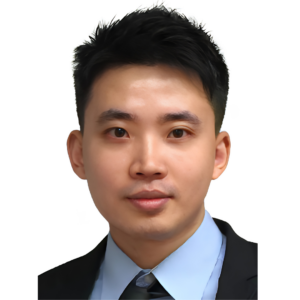
Prof. Zhe Yang
Assistant Professor, Department of Civil & Environmental Engineering
The Hong Kong University of Science and Technology
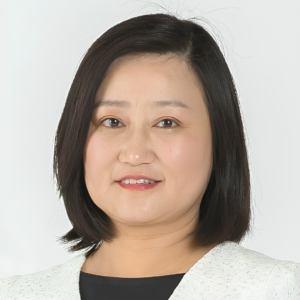
Prof. Hui Su
Chair Professor
The Hong Kong University of Science and Technology
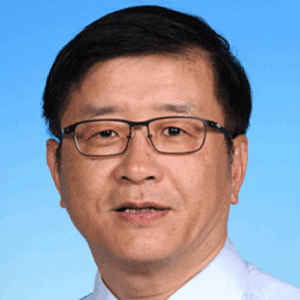
Prof. Jianping GAN
Head and Chair Professor, Department of Ocean Science
The Hong Kong University of Science and Technology
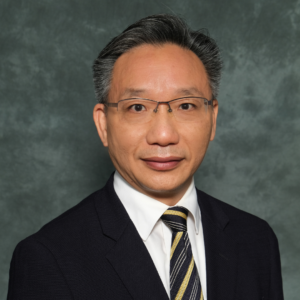
Kenneth Leung
Director of Sustainability/Net-Zero Office
The Hong Kong University of Science and Technology
10:40 – 11:30
A session examining how AI is reshaping the planning, financing, and delivery of energy infrastructure across the Greater Bay Area. The session brings together perspectives from utilities (Towngas, CLP China), advisory and asset management (Hartley McMaster), foresight and future-city planning (ARUP), and renewable development (IB Vogt) to explore where AI creates genuine value . The discussion spans investment opportunities and challenges, health and safety considerations, and the practicalities of infrastructure build-out.
Session Learnings:
- How AI is being applied across the energy infrastructure lifecycle — from strategic asset management and investment planning through to regulatory economics and operational decision-making.
- Where the real investment opportunities and challenges sit in Greater Bay Area energy infrastructure, and how AI changes the risk-return calculus for investors.
- The health, safety, and operational risk considerations that come with deploying AI in critical energy infrastructure.
- How utilities, developers, engineers, and financiers are each approaching AI adoption — and where their incentives and concerns converge or diverge.
- How foresight and scenario planning are shaping the energy infrastructure of future cities, and where AI fits into that longer-term trajectory.
Post-Event Actions:
- Identify candidate use cases within their own portfolios or operations where AI could improve asset management, investment planning, or regulatory/economic analysis.
- Connect with fellow delegates and speakers to extend the conversation and share case studies via the event’s digital channels.
- Express interest in joining a follow-on working group to develop the themes raised into concrete collaboration.
Speakers
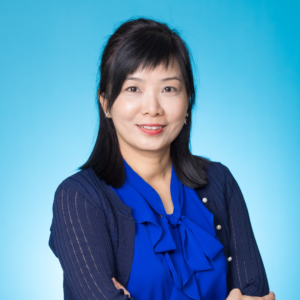
Ir. Queenie Chan
General Manager – Business Transformation and Enquiry
The Hong Kong and China Gas Company Limited
Ir. Queenie Chan
The Hong Kong and China Gas Company Limited
General Manager – Business Transformation and Enquiry
Ir Queenie Chan is the General Manager – Business Transformation and Enquiry of The Hong Kong and China Gas Company Limited (Towngas). She leads the Customer Service Hotline and the Business Transformation team, driving strategic transformation initiatives across Hong Kong Business. With over 20 years of leadership experience spanning customer service, sales and marketing, business analytics, and transformation, she has played a pivotal role in strengthening a data-driven culture and accelerating business and digital transformation. She also spearheads the development and adoption of AI initiatives to enhance operational efficiency, elevate customer experience, and foster innovation across the business.
She is a Chartered Engineer of The Hong Kong Institution of Engineers. She holds a Bachelor of Engineering in Industrial and Manufacturing Systems Engineering from The University of Hong Kong, as well as a Master of Science in Business Management from The Hong Kong Polytechnic University.
My Sustainability Goals for 2026:
First, to build smarter and more resilient energy infrastructure, especially using AI for predictive maintenance, risk monitoring and operational optimisation.
Second, to use AI and digital tools to drive energy efficiency, so that we reduce waste and make better use of existing resources.
And third, to strengthen Greater Bay Area collaboration, combining Hong Kong’s strengths in governance, finance and standards with the technology and infrastructure capabilities of other GBA cities.
Speaking at 2026 sessions:
Day 2
AI Opportunities in Energy Infrastructure Development in the Greater Bay Area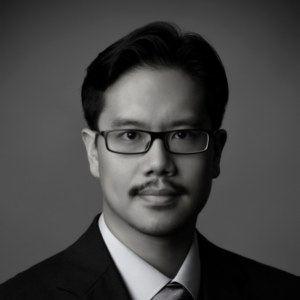
Vincent Mok
Managing Partner
Hartley McMaster

Vincent Mok
Hartley McMaster
Managing Partner
Vincent Mok leads Hartley McMaster’s Asia-Pacific practice and co-chairs the Energy & Utilities Committee of the Artificial Intelligence Association of Hong Kong. At Hartley McMaster he directs the firm’s decision-science and AI consulting, leading teams that quantify capital allocation, optimization and risk for asset-intensive operators, building on the firm’s 23 years of work in water, energy, aviation and transport. His current focus is the decision layer above operations: how operators turn data into optimized and defensible capital and maintenance portfolios, and whether climate and resilience risk is actually priced into capital plans. He is the creator of SAM-DD, Hartley McMaster’s strategic asset management due diligence methodology for infrastructure investors.
My Sustainability Goals for 2026:
- To see ESG and climate risk move from disclosure to decision: quantified, monetized, and embedded in the capital-allocation frameworks of asset-intensive operators and their investors. A risk that appears in a sustainability report but not in the capital plan is not yet being managed, and in 2026 the gap between the two is still wide.
- To see APAC utilities regulators create the conditions for AI-supported capital decision-making, because the energy transition is above all a capital-allocation challenge. Grid reinforcement, renewables integration, and climate adaptation all compete for constrained capital, and AI-supported decision-making gets measurably more decarbonization and resilience from every dollar invested. Regulatory frameworks that recognize data quality and decision auditability would accelerate that shift; today they lag well behind what the technology makes possible.
Speaking at 2026 sessions:
Day 2
AI Opportunities in Energy Infrastructure Development in the Greater Bay Area
Candice Burin
Co-Chair for Energy & Utilities
Artificial Intelligence Association of Hong Kong
Candice Burin
Artificial Intelligence Association of Hong Kong
Co-Chair for Energy & Utilities
Multidisciplinary leader with diverse knowledge, experience and networks that span multiple functions, industries and geographies across EMEA and ASEAN. Leading at the transformation intersection between ESG, sustainability and AI operating as a Co-Chair for Energy & Utilities at the AI Association of Hong Kong. Has a strong focus on operational, project, program management and commercialization. Holds multiple certifications in AI, Digital Leadership, Sustainability, Risk Management, a Masters in Marketing and an MBA. Experience as a Brand and Marketing Leader, Insights Leader, Chief of Staff, Business Manager, Innovation Executive, ESG Leader as well as Mentor for leading international organizations such as Investec, Deloitte, HSBC and Transnet.
My Sustainability Goals for 2026:
- I would like to see the increased adoption of Green AI in terms of applications to better recycling, climate management and biodiversity.
- Greater use of more nature based solutions to solve some of our largest problems.
- The use of AI to really provide rigor to ESG reporting and identifying new sustainable solutions.
Speaking at 2026 sessions:
Day 2
AI Opportunities in Energy Infrastructure Development in the Greater Bay AreaSupported by
Artificial Intelligence Association of Hong Kong
Meet our 2026 speakers:
11:30 – 12:00
Swedish design has long been recognised for combining functionality, simplicity, and sustainability. Today, that same mindset is helping organisations address some of society’s most pressing challenges.
This session explores how Swedish companies are using design thinking to turn sustainability commitments into action through products, materials, public spaces, and everyday experiences.
Bringing together perspectives from Bolon (Flooring), Green Furniture Concept (Soon to have a new name, it will have shifted to Circalle by September) and Ikea the discussion will highlight practical examples of how design can influence behaviour, extend product lifecycles, reduce environmental impact, and create long-term value.
Participants will gain insights into how thoughtful design can help shape more sustainable communities while balancing the needs of people, business, and the environment.
Session Learnings:
- Assess how design can be used as a strategic tool to advance sustainability goals within their organisations.
- Identify opportunities to incorporate circularity, longevity, resource efficiency, and Scandinavian simplicity earlier in the design and decision-making process.
- Consider how products, spaces, and services can be designed to better meet both environmental and human needs.
- Explore how design thinking can support behavioural change and encourage more sustainable choices.
- Apply practical insights from Swedish companies and design principles rooted in functionality and simplicity to create solutions that deliver long-term value for people, business, and society.
Post-Event Actions:
- Assess how design can be used as a strategic tool to advance sustainability goals within their organisations.
- Identify opportunities to incorporate circularity, longevity, and resource efficiency earlier in the design and decision-making process.
- Consider how products, spaces, and services can be designed to better meet both environmental and human needs.
- Explore how design thinking can support behavioural change and encourage more sustainable choices.
- Apply practical insights from Swedish companies to create solutions that deliver long-term value for people, business, and society.
Speakers

Hugo Asplund
Group Sustainability and Food Transformation Manager
IKEA

Hugo Asplund
IKEA
Group Sustainability and Food Transformation Manager
More than 20 years of retail experience from various commercial roles at IKEA, ie as Sales manager Poland and Commercial Director for Hong Kong and Taiwan.
Since 2021 leading the food transformation and sustainability functions at the IKEA franchisee in Hong Kong, Taiwan and Indonesia.
Michelle Brits
Area Sales Manager – HK, Macau, Philippines
The Andrews Group | BOLON

Michelle Brits
The Andrews Group | BOLON
Area Sales Manager – HK, Macau, Philippines
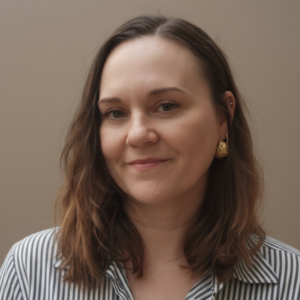
Michelle Brits represents Bolon in Hong Kong, bringing Swedish design and circular thinking to the region’s built environment.
With a background in retail buying and a deep appreciation for design, she combines commercial insight with a passion for materials that last. She works closely with architects, designers, and developers to specify flooring that performs, looks beautiful, and contributes to green building certifications like BEAM Plus, LEED, and WELL.
Bolon’s floors are made from 68% recycled content and are 100% recyclable – designed for longevity in high-traffic commercial spaces. Michelle is committed to showing that sustainability and great design aren’t trade-offs. They’re the same thing.
My Sustainability Goals for 2026:
- My fantasy goal is for the HK government to legislate sustainability within the construction industry/ built environment.
- I’d love to see more electric commercial vehicles on the roads.
- And a personal goal is to reduce food waste. As a single person, I waste a lot of foods that go off since i can’t eat 10 carrots fast enough
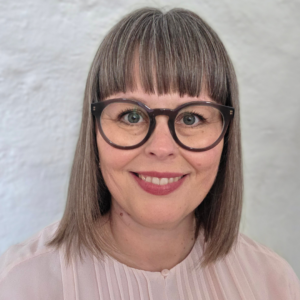
Lisa Jakobsson
Global Sales & Marketing Manager
Circalle

Lisa Jakobsson
Circalle
Global Sales & Marketing Manager
Lisa Jakobsson is Global Sales and Marketing Manager at Circalle, the Swedish design company formerly known as Green Furniture Concept. She works with architects, designers and partners worldwide to create more human, sustainable and long-lasting public spaces.
At ReThink Hong Kong, Lisa will share how Scandinavian design principles can support a more circular built environment. Drawing on experience from airports, transport hubs, retail environments and other high-traffic spaces, she will explore how modularity, repairability, material efficiency and long product lifecycles can reduce environmental impact while improving the experience of a place. Her focus is on turning circular ambitions into practical, commercially viable action.
My Sustainability Goals for 2026:
The changes I hope to see in Hong Kong are:
- Circularity becoming standard practice
- More projects designed for longevity, repair, reuse and future adaptation, rather than short-term replacement.
- More human-centred public spaces
- Airports, transport hubs, retail environments and other shared spaces that support wellbeing, comfort and a stronger sense of place.
- Stronger collaboration across the value chain
- Closer cooperation between architects, designers, developers, operators and manufacturers to turn sustainability ambitions into practical and commercially viable solutions.
Supported by
Team Sweden
Booth H10
Team Sweden Hong Kong is a collaborative effort between the Consulate General of Sweden, the Swedish Chamber of Commerce, and Business Sweden. Together, we promote Swedish interests, innovation, and sustainability in Hong Kong.
Legal Name: Team Sweden
General Enquiry Email Address: chamber@swedcham.com.hk
With thanks to
DFI Retail Group
Booth E40
DFI Retail Group is a leading Asian retailer, driven by its purpose to “Sustainably Serve Asia for Generations with Everyday Moments”. DFI and its associates operate over 7,500 outlets across 12 markets, with a portfolio of well-known brands across five formats: health and beauty, convenience, food, home furnishings, and restaurants.
Our sustainability goals for 2026:
- Accelerate decarbonisation across our operations and value chain to support the transition to a low-carbon future.
- Expand access to affordable, healthier and more sustainable choices that empower customers to live more sustainably.
- Advance circularity by reducing waste, improving diversion, and increasing resource efficiency.
- Strengthen sustainability awareness and capabilities across DFI and our ecosystem of partners and stakeholders.
- Create lasting positive impacts in the communities we serve through responsible business practices and community support.
Solutions Showcase:
- Brand Owner
- Circular Solutions
- F&B Products/Food Supply
- Sustainable Products
- Technology & Innovation
Legal Name: The Dairy Farm Company, Limited
Meet our 2026 speakers:
14:25 – 14:50
Turning promising innovations into practical, scalable solutions is critical to accelerating the transition to more sustainable food systems. This session brings together a retailer and its ecosystem partners to explore how collaboration can drive food-system transformation. Recognising the complexity of decarbonising key commodities such as beef and dairy, DFI Retail Group launched the Sustainability Innovation Challenge, supported by The Mills Fabrica, to connect business needs with emerging solutions and identify opportunities for real-world application.
Through the lens of the Challenge, DFI and The Mills Fabrica will share lessons from identifying, evaluating and advancing solutions that address some of the food sector’s most pressing sustainability challenges. The Challenge winner, Number 8 bio, will also share its experience to illustrate how businesses and innovators can work together to bridge the gap between innovation and implementation, supporting more resilient, resource-efficient and lower-carbon food systems.
Session Learnings:
- How organisations can identify and prioritise innovation opportunities with the greatest potential for environmental and business impact.
- What distinguishes scalable solutions from promising concepts, including the importance of commercial viability, value-chain integration and stakeholder adoption.
- Key considerations for accelerating the adoption of emerging solutions in complex and emissions-intensive value chains.
Post-Event Actions:
- Explore opportunities to integrate external innovation into existing sustainability, procurement or value-chain transformation strategies.
- Strengthen collaboration with suppliers, innovators, investors, academia or other stakeholders to address shared sustainability challenges.
- Consider how pilot projects and partnerships can be structured to accelerate learning, reduce implementation barriers and support scaling.
Speakers
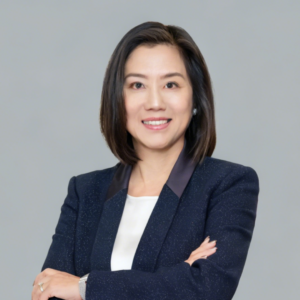
Erica Chan
Group Chief Legal, Sustainability and Corporate Affairs Officer
DFI Retail Group
Erica Chan
DFI Retail Group
Group Chief Legal, Sustainability and Corporate Affairs Officer
Erica Chan was appointed Group Chief Legal, Sustainability and Corporate Affairs Officer in December 2023. She is one of the directors and/or the company secretary for a number of DFI Retail Group subsidiaries. In her role, Erica oversees the Legal, Sustainability, Communications and Corporate Affairs, Group Technical, Risk management, Ethics and Compliance and Loss Prevention functions for DFI Group.
With more than 28 years of experience in retail, e-commerce, media, governance, ethics and operational and regulatory compliance in the Asia Pacific region, Erica brings a wealth of knowledge to her role. Prior to joining DFI, she spent 12 years at Walmart, most recently as SVP, General Counsel and Chief Administrative Officer, Asia, where she oversaw all legal matters in Asia and managed the human resources and administrative functions for the Asia office. She was also a member of Walmart’s Global President’s Diversity and Inclusion Council. Before Walmart, Erica spent 13 years at Star TV Group as the General Counsel for Greater China and General Manager for Hong Kong.
Erica is a Hong Kong-qualified solicitor. She holds a Postgraduate Certificate in Laws from the University of Hong Kong, a Common Professional Examination certificate from the University of Sussex and Bachelor of Social Science in Government and Public Administration degree from the Chinese University of Hong Kong. She also obtained the Certification on Championing Sustainability from the Boardroom from the Stanford University.
Speaking at 2026 sessions:
Day 2
From Innovation to Impact: Leveraging Partnerships for Scope 3 Decarbonisation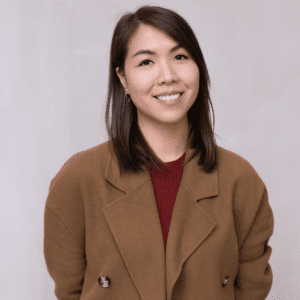
Cintia Nunes
General Manager, Head of Asia
The Mills Fabrica
Cintia Nunes
The Mills Fabrica
General Manager, Head of Asia
Cintia Nunes is the General Manager and Head of Asia of The Mills Fabrica. As the innovation engine to sustainability and impact of Hong Kong conglomerate Nan Fung Group, Cintia leads the team to connect innovators in the techstyle and agrifood tech space with capital, connections, and expertise — to bring sustainability tech innovations from concept to market.
Drawing inspiration from social business principles that prioritize both profitability and purpose, she is committed to facilitating collaboration among stakeholders across the ecosystem to advance positive environmental and social impact at scale.
Before joining The Mills Fabrica, Cintia served as Chief of Strategy and Growth at Hong Kong’s largest network of social enterprises and impact ventures. She also held leadership roles at a multinational FMCG company where she formalized business strategies for over 10 brands.
My Sustainability Goals for 2026:
- More industry level cross-sectors collaborations
- Open dialogues across stakeholder groups on what works/what doesn’t
- Accessibility/transparency to capital across asset classes for impact
Speaking at 2026 sessions:
Day 1
Asia’s Materials Revolution: Building Circular Textiles Through PartnershipsDay 2
From Innovation to Impact: Leveraging Partnerships for Scope 3 Decarbonisation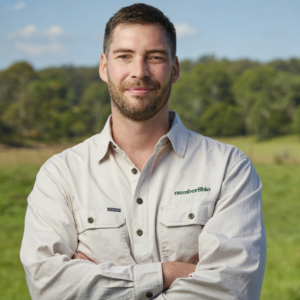
Dr. Tom Williams
CEO
Number 8 Bio

Dr. Tom Williams
Number 8 Bio
CEO
Dr Thomas Williams is a scientist‑entrepreneur and CEO of Number 8 Bio, an Australian climate biotechnology company tackling one of the most difficult and important challenges in global food systems: methane emissions from grazing livestock. Grass‑fed beef and dairy represents the largest single source of emissions for many food companies and are among the hardest to abate due to the realities of extensive farming systems.
Under his leadership, Number 8 Bio has raised $20 million in venture capital and built a multidisciplinary team transforming microbiome science into practical solutions for real‑world agriculture. The company’s technology reduces methane emissions while improving animal productivity, enabling farmers to adopt climate solutions that strengthen—not compromise—their economics.
Prior to founding Number 8 Bio, Dr Williams was an internationally recognised leader in synthetic biology at Macquarie University, where he led teams of up to 17 scientists, secured over AU$10 million in funding, and helped establish the Australian Genome Foundry.
Raised in rural New Zealand, his work is driven by a focus on aligning climate impact with the realities of global food production.
My Sustainability Goals for 2026:
- Food systems account for roughly one-third of global emissions, and Hong Kong, while highly exposed to climate risks, also has a globally respected culinary culture and influence over regional supply chains. This creates a clear opportunity for the city to lead in sustainable food.
- One priority is strengthening connections between technology providers and supply chains, for example linking climate-focused companies in Australia with retailers and food distributors in Hong Kong. Southeast Asia already imports significant agricultural products from Australia, where innovations such as low-emissions livestock solutions are emerging.
- Hong Kong is uniquely positioned to showcase these more sustainable products to consumers and restaurants, helping drive demand while shaping upstream production practices. By leveraging its role as a regional food hub, Hong Kong can become a leader in aligning culinary excellence with climate-responsible sourcing.
Speaking at 2026 sessions:
Day 2
From Innovation to Impact: Leveraging Partnerships for Scope 3 Decarbonisation
Bernice Yu
Head of Operations
HKU Jockey Club Enterprise Sustainability Global Research Institute
Bernice Yu
HKU Jockey Club Enterprise Sustainability Global Research Institute
Head of Operations
Bernice Yu is the Head of Operations at the HKU Jockey Club Enterprise Sustainability Global Research Institute, where she leads cross-functional collaborations that bridge academia, industry, and public policy to advance sustainability outcomes. In this role, she works closely with HKU faculties, global scholars, corporate leaders, and government stakeholders to generate research-driven insights on sustainability and enterprise transformation. She also oversees the design and delivery of high-profile forums, roundtables, and public lectures that convene international thought leaders and decision-makers, creating platforms for dialogue and action on critical sustainability challenges.
Prior to HKU, Bernice built more than 20 years of experience in human capital consulting and corporate HR leadership across Asia-Pacific, holding senior roles at Mercer, PCCW & HKT, Equinix, Aon Hewitt, and Deloitte. She has advised boards, C-suite executives, and HR leaders on organizational transformation, talent strategy, leadership development, workforce analytics, HR technology, and change management. Throughout her career, she has led large-scale transformation initiatives, developed leadership and talent ecosystems, implemented enterprise-wide HR platforms, and helped organizations strengthen workforce effectiveness and agility. Her unique combination of consulting expertise, operational leadership, and deep understanding of people and organizational dynamics enables her to drive sustainable organizational performance through thoughtful talent and workforce strategies.
My Sustainability Goals for 2026:
1.) Decarbonization:
Driving academic research into actionable, science-based corporate decarbonization and transition strategies across the GBA.
2.) Recycling:
Bridging academic research and real-world industry practice to execute circular economy frameworks and zero-waste operation.
3.) Biodiversity:
Translating nature-positive risk frameworks into practical ESG governance and operational standards for sustainable enterprises.
Speaking at 2026 sessions:
Day 2
From Innovation to Impact: Leveraging Partnerships for Scope 3 DecarbonisationWith thanks to
DFI Retail Group
Booth E40
DFI Retail Group is a leading Asian retailer, driven by its purpose to “Sustainably Serve Asia for Generations with Everyday Moments”. DFI and its associates operate over 7,500 outlets across 12 markets, with a portfolio of well-known brands across five formats: health and beauty, convenience, food, home furnishings, and restaurants.
Our sustainability goals for 2026:
- Accelerate decarbonisation across our operations and value chain to support the transition to a low-carbon future.
- Expand access to affordable, healthier and more sustainable choices that empower customers to live more sustainably.
- Advance circularity by reducing waste, improving diversion, and increasing resource efficiency.
- Strengthen sustainability awareness and capabilities across DFI and our ecosystem of partners and stakeholders.
- Create lasting positive impacts in the communities we serve through responsible business practices and community support.
Solutions Showcase:
- Brand Owner
- Circular Solutions
- F&B Products/Food Supply
- Sustainable Products
- Technology & Innovation
Legal Name: The Dairy Farm Company, Limited
Meet our 2026 speakers:
14:50 – 15:40
The HKUST is proud to showcase its cutting-edge entrepreneurial ecosystem at ReThink HK 2026 by featuring six pioneering university startups.
At the HKUST booth, these six selected ventures will exhibit market-ready innovations spanning green tech, smart cities, and sustainability solutions. A key highlight of the event is an exclusive 50-minute sharing session hosted by HKUST at the Innovation Stage. This curated session will feature founders from the participating startups sharing insights on disruptive technologies and impact-driven entrepreneurship.
Join us to connect with our six innovative teams and discover how HKUST is driving actionable transformation for a sustainable tomorrow.
Session Learnings:
- Next-Gen Green Tech: Discover groundbreaking, market-ready sustainability solutions developed by six pioneering HKUST startups.
- Commercializing University R&D: Learn how cutting-edge academic research successfully transitions into scalable, real-world environmental impact.
- Overcoming Growth Hurdles: Gain firsthand knowledge from founders on navigating funding, regulatory compliance, and market adoption.
- Future Sustainability Trends: Identify emerging green tech opportunities across smart cities, circular economy, and carbon reduction.
- Collaboration & Networking: Uncover strategic opportunities to partner with, invest in, or pilot technologies with top-tier innovators.
Post-Event Actions:
- Initiate Pilot Partnerships: Contact the 6 HKUST startups to explore technology trials, co-development opportunities, or corporate adoptions.
- Explore Investment & Funding: Connect with the OKT and/or HKUST Entrepreneurship Center to evaluate venture capital investment or strategic funding opportunities for these high-potential startups.
- Leverage HKUST Ecosystem: Engage with HKUST’s faculty members and research teams to discuss academic-corporate collaborations, talent sourcing, or joint sustainability R&D projects
Speakers
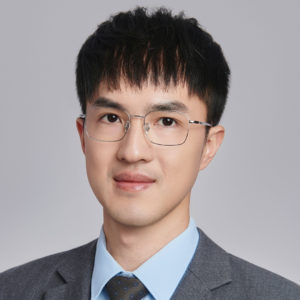
Dr. Weicong Cheng
Postdoctoral Fellow, Department of Ocean Science
Wavy Ocean

Dr. Weicong Cheng
Wavy Ocean
Postdoctoral Fellow, Department of Ocean Science
Dr. Weicong Cheng is a Postdoctoral Fellow in the Department of Ocean Science at the Hong Kong University of Science and Technology (HKUST), working under the supervision of Prof. Jianping Gan, his research focuses on physical oceanography, with emphasis on estuarine and shelf-sea circulation, flow-topography interactions, as well as coastal biogeochemical dynamics across the Pearl River Estuary and China Shelf Seas. Leveraging high-resolution numerical ocean models, his work advances the fundamental understanding of multi-scale ocean processes and their environmental impacts, with peer-reviewed publications in premier journals including Journal of Geophysical Research: Oceans, Journal of Physical Oceanography, and Water Research. As a core developer of WavyOcean (淘海), an AI-empowered digital twin system for regional earth environments, Dr. Cheng actively bridges cutting-edge ocean science with interactive visualization, making complex oceanographic data accessible and actionable for researcher and public communities.
Speaking at 2026 sessions:
Day 2
Scaling Green Tech: 6 HKUST Startups Transforming University R&D into Global Action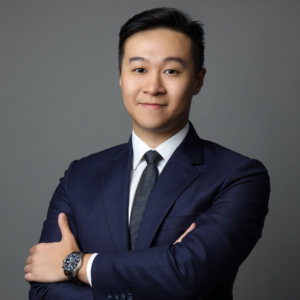
Ryan Ng
CEO & Founder
Ecofeatures Limited

Ryan Ng
Ecofeatures Limited
CEO & Founder
Ryan Ng is a civil engineer turned entrepreneur with over five years of corporate management experience specialising in pipeline condition assessment. He founded and has been running Hyele for three years, building deep domain expertise in diagnosing and maintaining ageing building pipe networks. Ryan holds a bachelor’s degree in civil engineering and is currently pursuing an MBA at HKUST. Drawing on years of frontline industry experience at Hyele, Ryan recognised that the market was ready for a fundamental shift from reactive, invasive inspections to intelligent, predictive asset management. He is passionate about turning hard-won field knowledge into scalable technology solutions for the built environment.
My Sustainability Goals for 2026:
- Who we are: Introducing Ecofeatures — now building a next-generation diagnostic platform that transitions high-rise building services from reactive repair to active asset preservation.
- What we do: A plug-and-go dual-mode sensing hardware paired with a cloud SaaS platform that pinpoints micro-leaks (≤ 0.01 l/s) down to exact floor, flat, and unit location — without blueprints, pipe cutting, or wall opening.
- How it works: Physics-guided deep learning trained on synthetic hydraulic models and fine-tuned on-site via transfer learning, enabling rapid deployment in any building regardless of drawing availability or pipe material.
- Where we are going: Our go-to-market roadmap from Hong Kong and the Greater Bay Area to Southeast Asia and the GCC region, targeting property managers, housing authorities, and utility partners.
- Who we are looking for: Ecofeatures is actively seeking strategic partners — including property management firms, building services consultants, and system integrators — for pilot deployments and market expansion. We are also open to conversations with investors who share our vision of transforming building infrastructure maintenance through AI-driven, non-destructive diagnostics.
Speaking at 2026 sessions:
Day 2
Scaling Green Tech: 6 HKUST Startups Transforming University R&D into Global Action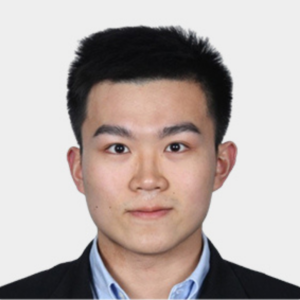
Dr. Jeffrey Xu
Co-founder and CTO
Stellerus Technology Limited
Dr. Jeffrey Xu
Stellerus Technology Limited
Co-founder and CTO
Jeffrey Xu is a Ph.D. candidate at the Hong Kong University of Science and Technology (HKUST). He holds a Master’s degree in Systems and Earth Systems from the University of California, Berkeley. Prior to his doctoral studies, he worked at Arup Hong Kong as a Digital Twin Architect and AI Algorithm Engineer.
Speaking at 2026 sessions:
Day 2
Scaling Green Tech: 6 HKUST Startups Transforming University R&D into Global Action
Prof. Zhe Yang
Assistant Professor, Department of Civil & Environmental Engineering
The Hong Kong University of Science and Technology
Prof. Zhe Yang
The Hong Kong University of Science and Technology
Assistant Professor, Department of Civil & Environmental Engineering
Prof. Zhe Yang is an Assistant Professor in the Department of Civil and Environmental Engineering at The Hong Kong University of Science and Technology and an Honorary Senior Fellow at The University of Queensland. His research focuses on membrane-based water treatment and resource recovery. As an inventor and technology developer, Dr. Yang has secured four patents in advanced membrane materials and separation processes, with one water filtration technology successfully licensed to Hong Kong industry for commercialization. He has led or contributed to more than ten R&D and technology translation projects funded by Hong Kong, Australia, and Chinese Mainland. His membrane-based lithium recycling technologies have been showcased at regional and international innovation exhibitions. He has published over 100 peer-reviewed papers with over 10,000 citations and received numerous international awards for innovation and research excellence, including the Geneva International Exhibition of Inventions Gold Medal and the James J. Morgan Early Career Award.
Speaking at 2026 sessions:
Day 2
Scaling Green Tech: 6 HKUST Startups Transforming University R&D into Global Action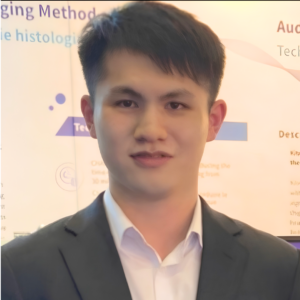
Jackson Yip
Founder
EC Innovation Limited

Jackson Yip
EC Innovation Limited
Founder
Jackson Yip, Founder of EC Innovation Limited, is leading the company to create impact for urban greenery with new-era innovations to deliver high quality and low-cost services, from the perspectives of AI monitoring and analytics, plumbing and irrigation, enhancing visitor experiences, and sustainability.
Speaking at 2026 sessions:
Day 2
Scaling Green Tech: 6 HKUST Startups Transforming University R&D into Global Action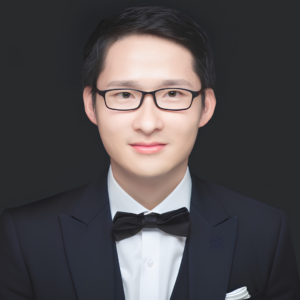
Dr. Jimmy Zhu
Co-Founder and Chief Technology Officer
Leyden Power International Limited
Dr. Jimmy Zhu
Leyden Power International Limited
Co-Founder and Chief Technology Officer
Jimmy Zhiyi Zhu is Co-Founder and Chief Technology Officer of Leyden Power, an energy storage company scaling rapidly across Asia, Europe, and the United States. Since the company’s founding in 2024, Jimmy has led a multidisciplinary engineering team to develop, certify, and industrialize Leyden Power’s battery energy storage systems for the global market, with a focus on resilient designs and extended asset lifetime. His leadership ensures that Leyden Power’s products are manufactured at scale without compromising performance or quality.
Prior to founding Leyden Power, Jimmy held project management and leadership roles at CLP Power, China Mobile, and Huawei. He holds an M.S. in Mechanical Engineering from the Hong Kong University of Science and Technology.
Speaking at 2026 sessions:
Day 2
Scaling Green Tech: 6 HKUST Startups Transforming University R&D into Global ActionWith thanks to
The Hong Kong University of Science and Technology
Booth N30
The Hong Kong University of Science and Technology (HKUST) (https://hkust.edu.hk/) is a world-class university known for its innovative education, research excellence, and impactful knowledge transfer. With a holistic and interdisciplinary pedagogical approach, HKUST was ranked 33rd and 6th in the QS World University Rankings 2027 and QS Asia University Rankings 2026, respectively, and 20th globally in the Times Higher Education Sustainability Impact Ratings 2026, ranking first among universities in Hong Kong and the Chinese Mainland for the third consecutive year. Eleven HKUST subjects were ranked among the world’s top 50 in the QS World University Rankings by Subject 2026. In addition, in the Times Higher Education World University Rankings by Subject 2026, HKUST’s Computer Science discipline which encompasses areas such as artificial intelligence and machine learning, has been ranked No. 1 in Hong Kong for ten consecutive years. Our graduates are highly competitive, consistently ranking among the world’s top 30 most sought-after employees. In terms of research and entrepreneurship, over 80% of our work was rated “internationally excellent” or “world leading” in the Research Assessment Exercise 2020 of the Hong Kong’s University Grants Committee. As of May 2026, HKUST members have founded over 1,900 active start-ups, including 11 Unicorns and 22 exits (IPO or M&A).
Legal Name: The Hong Kong University of Science and Technology – Office of Knowledge Transfer
Meet our 2026 speakers:
Prof. Zhe Yang
Assistant Professor, Department of Civil & Environmental Engineering
The Hong Kong University of Science and Technology
Prof. Hui Su
Chair Professor
The Hong Kong University of Science and Technology
Prof. Jianping GAN
Head and Chair Professor, Department of Ocean Science
The Hong Kong University of Science and Technology
Kenneth Leung
Director of Sustainability/Net-Zero Office
The Hong Kong University of Science and Technology
All sessions are subject to change.